Tag: sudden

  • How Sudden Intense Exercise Can Trigger a Migraine or Headache

    How Sudden Intense Exercise Can Trigger a Migraine or Headache

    Sudden intense exercise can be a powerful way to boost fitness, but for some people, sudden exertion also brings on a pounding exertional headache or even a full-blown migraine.

    When effort ramps up too quickly, rapid changes in blood flow, blood pressure, body temperature, and hydration can work together as a strong migraine trigger. Understanding how blood pressure spikes, vasodilation, dehydration, overexertion, and heat/humidity interact can help people exercise more comfortably and safely.

    How Sudden Exertion Triggers Headache and Migraine

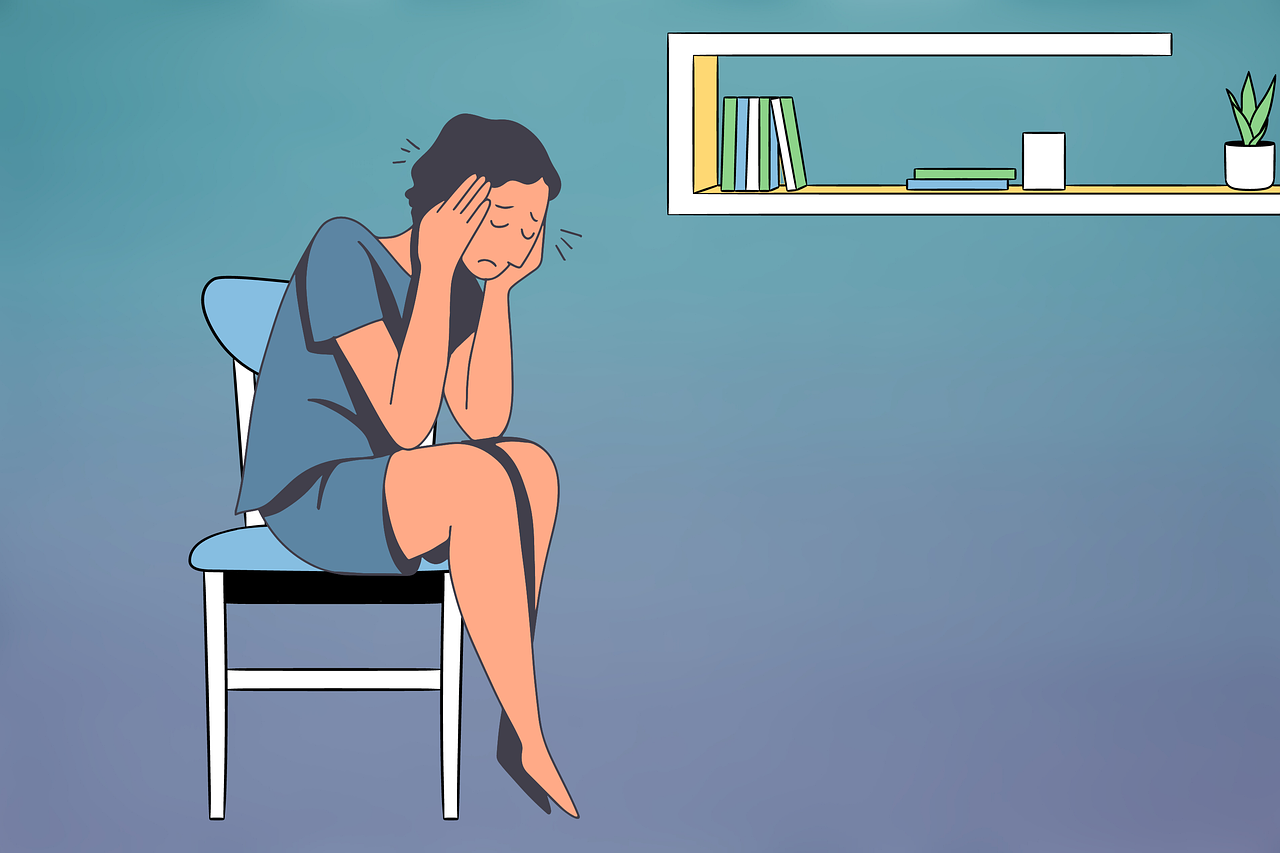
    An exertional headache is a headache that appears during or shortly after physical activity, especially when that activity involves sudden exertion such as sprinting, heavy lifting, or high-intensity interval training.

    The pain is often throbbing, can feel worse with ongoing effort, and may affect both sides of the head. For people with a history of migraine, the same exertion can lead to a typical migraine attack with pulsating pain, nausea, and sensitivity to light or sound.

    During intense exercise, the cardiovascular system must react quickly. Heart rate climbs, breathing speeds up, and blood pressure rises to deliver more oxygen-rich blood to the muscles and brain.

    If someone goes from rest straight into maximum effort, that sudden shift can irritate pain-sensitive structures in and around the brain. In individuals whose nervous systems are already sensitive, these abrupt changes act as a direct migraine trigger.

    Blood Pressure Spike, Vasodilation, and Pain

    One key link between sudden exertion and exertional headache is the way the body handles a sharp blood pressure spike.

    Going from light activity to all-out effort can make blood pressure climb rapidly, increasing pressure in blood vessels in the head and neck and raising intracranial pressure. For some, this pressure change alone can provoke pain.

    At the same time, the body relies on vasodilation to meet increased oxygen demand. During intense exercise, blood vessels widen to carry more blood. When vasodilation happens quickly in vessels supplying the brain, it can stretch vessel walls and nearby tissues, which contain pain-sensitive nerve fibers.

    This stretching is one suspected mechanism behind the throbbing pain of exertional headache and migraine. If vessel tone swings abruptly, from relative constriction at rest to sudden vasodilation under load, the nervous system may respond with headache.

    Breathing patterns can make this worse. Many people hold their breath while lifting or straining, a habit known as the Valsalva maneuver.

    Breath-holding increases pressure in the chest and can further elevate blood pressure and intracranial pressure. Combined with sudden exertion, this pattern can significantly raise the risk of an exertional headache or migraine trigger.

    Dehydration, Overexertion, and Workout Intensity

    Dehydration plays a major role in exercise-related headaches. When the body loses fluid through sweat and heavier breathing without adequate replacement, blood volume drops and circulation becomes less efficient, according to the World Health Organization.

    The brain is very sensitive to fluid changes. Loss of water can cause it to pull slightly away from the skull, putting tension on pain-sensitive membranes and contributing to headache. For people prone to migraine, even mild dehydration is a common migraine trigger.

    Overexertion amplifies these stresses. Pushing beyond current fitness levels, especially without a proper warm-up, forces the heart, blood vessels, and nervous system to adapt quickly. Stress hormones rise, and the body’s internal environment shifts in a short time.

    When dehydration and overexertion combine, for example, during a long, intense workout with minimal breaks or fluids, the likelihood of an exertional headache or exercise-induced migraine increases. Repeated overexertion without adequate recovery can also lower a person’s threshold for future headaches.

    Heat, Humidity, and Environmental Migraine Triggers

    Heat and humidity add another layer of challenge. Exercising in hot, humid conditions makes it harder for the body to cool itself because sweat evaporates less efficiently.

    Core body temperature can climb quickly, and the body responds by increasing vasodilation, including in vessels in the head. This heat-driven vasodilation can add to the vasodilation already caused by intense exercise, further sensitizing pain pathways.

    Many people who live with migraine notice that hot weather, sudden temperature changes, or shifts in barometric pressure can act as migraine triggers.

    When a tough workout in high heat/humidity is added on top of that sensitivity, the risk of exertional headache or migraine rises. Outdoor exercise brings additional triggers such as bright sunlight and glare, while indoor exercise in hot, poorly ventilated settings can have similar effects.

    Key Symptoms to Watch For

    Exertional headache often presents as throbbing or pulsating pain that appears during or shortly after intense activity. The pain may be felt on both sides of the head and can worsen with continued movement, bending, or straining, as per Harvard Health.

    When sudden exertion acts as a migraine trigger, symptoms may include nausea, vomiting, light and sound sensitivity, and sometimes visual aura. Severe, sudden, or unusual headaches, especially those that feel like the “worst headache ever” or come with neurological symptoms, should be evaluated by a medical professional.

    Practical Ways to Reduce Exertional Headache Risk

    Because exertional headache and exercise-induced migraine often involve multiple factors, prevention usually means making several small changes rather than relying on a single fix.

    • Start with a gradual warm-up instead of diving into maximum effort. A few minutes of low-intensity cardio and lighter sets allow heart rate, blood pressure, and vessel tone to rise more smoothly.
    • Maintain steady hydration by drinking water regularly throughout the day and during exercise. For longer or very intense sessions, especially in heat/humidity, consider adding electrolytes to replace minerals lost through sweat.
    • Adjust environmental conditions when possible. Exercising during cooler times of day, choosing shaded or indoor spaces in extreme heat, wearing breathable clothing, and taking brief rest breaks can all ease the strain of heat and humidity.
    • Pay attention to breathing and technique. Exhaling during the effort phase of a movement and inhaling during the easier phase helps reduce blood pressure spikes. Keeping the head and neck in a neutral position can also help protect blood flow to the brain.
    • Track patterns in a simple log, including workout type, intensity, duration, temperature, humidity, hydration, and any headache symptoms. Over time, this record can reveal which combinations of sudden exertion, overexertion, dehydration, and heat/humidity are most likely to act as a migraine trigger.

    Exercising Smarter With Sudden Exertion and Migraine

    For those prone to headache or migraine, sudden exertion does not have to be a permanent barrier to staying active. By respecting how blood pressure spikes, vasodilation, dehydration, overexertion, and heat/humidity interact, many people can adjust their approach and keep working out.

    Gradual warm-ups, smart pacing, good hydration, and thoughtful control of the training environment all reduce the risk of exertional headache and migraine trigger exposure. With these strategies, individuals can work toward their fitness goals while better protecting themselves from exercise-related head pain.

    Frequently Asked Questions

    1. Can exertional headaches happen during light exercise, or only with intense workouts?

    Exertional headaches are more common with high-intensity or sudden exertion, but they can still occur with lighter exercise if someone is dehydrated, overheated, or especially sensitive that day.

    2. Do exertional headaches mean someone should avoid exercise altogether?

    Not usually. Many people can keep exercising by warming up gradually, reducing peak intensity, staying hydrated, and adjusting for heat/humidity; a doctor can help tailor safe activity levels.

    3. Are exertional headaches more common in beginners or trained athletes?

    They can occur in both. Beginners may be at risk from overexertion and poor conditioning, while trained athletes can trigger them by pushing intensity, training in extreme heat, or skipping proper recovery.

    4. Can medications help prevent exertional headaches or exercise-induced migraine?

    In some cases, doctors may recommend preventive or pre-exercise medication, but this decision depends on frequency, severity, and underlying health, so it should always be discussed with a healthcare professional.



    Source link

  • Sudden Dizziness Standing Up? POTS Symptoms, Low Blood Pressure, and Dizziness Standing Up Explained

    Sudden Dizziness Standing Up? POTS Symptoms, Low Blood Pressure, and Dizziness Standing Up Explained

    Sudden dizziness standing up can feel alarming, especially when it happens out of nowhere or keeps coming back. Many people wonder whether this could be a sign of Postural Orthostatic Tachycardia Syndrome (POTS) or simply low blood pressure.

    What is POTS?

    Postural Orthostatic Tachycardia Syndrome (POTS) is a disorder of the autonomic nervous system that affects how the body regulates heart rate and blood flow when a person moves from lying or sitting to standing. It is characterized by an abnormally large increase in heart rate on standing, often accompanied by symptoms like dizziness, lightheadedness, and fatigue.

    In POTS, blood may pool in the lower body when someone stands up, forcing the heart to beat faster in an attempt to maintain blood flow to the brain. This can cause a person to feel faint, unsteady, or as if their vision is dimming, especially after standing for several minutes. POTS is more common in younger people and those assigned female at birth, but it can affect anyone.

    How POTS affects the body

    When a healthy person stands, the body quickly tightens blood vessels and slightly increases heart rate to keep blood flowing upward against gravity, according to the American Heart Association. In POTS, this adjustment is impaired, so the heart rate rises much more than normal while blood pressure often stays the same or fluctuates instead of dropping dramatically. This abnormal response can make standing or even sitting upright feel exhausting or uncomfortable.

    Because the autonomic nervous system is involved in many body functions, POTS can cause a wide range of symptoms beyond dizziness standing up. People may experience brain fog, nausea, tremor, palpitations, and exercise intolerance, making daily activities, school, or work harder to manage over time.

    Common POTS symptoms to watch for

    Typical POTS symptoms often cluster together rather than appearing in isolation. Common features include:

    • Dizziness or lightheadedness after standing for a few minutes
    • Noticeable heart racing or palpitations on standing
    • Generalized fatigue or feeling “wiped out” after relatively small activities

    In addition, many people with POTS report symptoms such as brain fog, difficulty concentrating, headaches, nausea, shortness of breath, chest discomfort, shakiness, or a sense of internal “adrenaline.” Some notice that symptoms worsen with heat, prolonged standing, menstruation, or after viral illnesses, and improve when lying down.

    How long does dizziness last with POTS?

    With POTS, dizziness standing up often begins shortly after moving upright and may persist as long as a person remains in that position, especially if they are standing still. Symptoms frequently improve when the person sits or lies down, as gravity’s effect on blood pooling is reduced.

    Because symptoms can fluctuate from day to day, many people benefit from keeping a brief symptom diary. Noting when dizziness occurs, how long it lasts, what position they were in, and whether they experienced other POTS symptoms can help clinicians see patterns over time.

    Low blood pressure and dizziness

    Orthostatic, or postural, hypotension refers specifically to a significant drop in blood pressure when a person stands up. This fall in pressure can reduce blood flow to the brain, causing dizziness, blurred or tunnel vision, weakness, or fainting. Older adults, people taking blood pressure medications or diuretics, and those who are dehydrated are particularly vulnerable.

    When low blood pressure is the main problem, the heart rate may rise somewhat to compensate, but not to the same degree typically seen in POTS. Measuring blood pressure and heart rate when lying down and again after standing can help distinguish between these patterns, though formal testing should be guided by a healthcare provider, as per Mayo Clinic.

    Can POTS cause low blood pressure?

    POTS is primarily defined by heart rate changes rather than a specific blood pressure pattern, but some individuals do experience low or fluctuating blood pressure along with their POTS symptoms. In these cases, both tachycardia and low blood pressure can contribute to dizziness standing up, making symptoms feel more intense.

    Others may have normal or even slightly high blood pressure while still meeting criteria for POTS. This is why focusing solely on the term “low blood pressure” can sometimes be misleading and why professional evaluation is essential when symptoms are frequent, severe, or worsening.

    Why do people feel dizzy when standing?

    From a physiological perspective, standing pulls blood toward the legs and lower body. The body must quickly constrict blood vessels and adjust heart rate to keep enough blood flowing to the brain and vital organs. If this response is delayed, insufficient, or exaggerated in the wrong way, dizziness or lightheadedness can occur.

    Simple triggers like suddenly standing after sitting for a long time, being in a hot shower, or not drinking enough fluids can cause brief dizziness in otherwise healthy individuals. When dizziness is persistent or accompanied by other POTS symptoms, low blood pressure, chest pain, or fainting, it becomes more concerning and warrants assessment.

    Diagnosis and medical evaluation

    When dizziness standing up is frequent or disabling, medical evaluation is important. Clinicians usually start with a detailed symptom history, physical examination, and measurements of heart rate and blood pressure lying, sitting, and standing. In suspected POTS, some people undergo a standing test or tilt table test to document how heart rate and blood pressure change over time.

    Additional blood tests, heart rhythm monitoring, or imaging may be ordered to rule out other causes such as anemia, thyroid disorders, structural heart disease, or neurologic conditions. A diagnosis of POTS is made when characteristic heart rate changes and symptom patterns are present, other major causes have been excluded, and symptoms have persisted for a meaningful period (often several months).

    Living with chronic orthostatic symptoms

    For those who are ultimately diagnosed with POTS or chronic orthostatic hypotension, the impact on everyday life can be significant. Daily routines, work schedules, and exercise plans often need adjustment to account for variable energy levels and symptom flares. Planning breaks, using stools or chairs when tasks involve prolonged standing, and pacing activities are common strategies.

    Emotional and mental health support is also important. Because POTS symptoms and dizziness standing up are often invisible to others, people may feel misunderstood or dismissed. Education, support groups, and a validating medical team can make a substantial difference in coping and long-term quality of life.

    Frequently Asked Questions

    1. Can someone have POTS without feeling dizzy?

    Yes. While dizziness standing up is common in POTS, some people mainly notice extreme fatigue, brain fog, or a racing heart rather than obvious lightheadedness. They might not connect these symptoms to posture changes until a clinician measures heart rate and blood pressure in different positions.

    2. Does drinking more water always help dizziness when standing?

    Increased fluid intake can reduce dizziness for many people with orthostatic problems, but it is not a cure-all and may not be appropriate for everyone. Those with heart, kidney, or certain endocrine conditions need tailored advice, so any major change in fluid or salt intake should be discussed with a healthcare professional.

    3. Can POTS or orthostatic dizziness appear suddenly after an illness?

    Yes. Some individuals report that POTS-like symptoms begin or worsen after viral infections, surgery, or periods of prolonged bed rest. In these cases, the autonomic nervous system may have been disrupted or deconditioned, and symptoms can evolve over weeks to months rather than appearing all at once.

    4. Is it safe to exercise if dizziness happens when standing?

    Many people with POTS or orthostatic dizziness can exercise safely, but the type and intensity often need modification. Clinicians commonly recommend starting with recumbent or semi-reclined activities, then gradually progressing under medical guidance, rather than abruptly engaging in upright, high-intensity workouts that could worsen symptoms.


    Source link

  • Families Struggling With Sudden Infant Death Syndrome Receive Assistance From Local Support Groups

    Families Struggling With Sudden Infant Death Syndrome Receive Assistance From Local Support Groups

    Local support groups are assisting families who are struggling with sudden infant death syndrome (SIDS) due to the unique challenges that they are facing.

    In a statement, Texas Tech physician Dr. Ana Montanez said that one child lost for any reason is still “one too many.” The medical professional said that SIDS can be difficult for them to work through with families.

    Sudden Infant Death Syndrome

    Montanez added that historically, SIDS has been recognized as a syndrome that is associated with children dying unexpectedly in their sleep or unknowingly without symptoms, simply dying while sleeping. This has been expanded to include infants under the age of one who have died unexpectedly for reasons that could not be medically explained.

    The physician said that there was no exact way to prevent SIDS, but noted that there are steps that can be taken to lower the risk. It was noted that one of the most important factors to consider is a child’s sleep positioning, according to KCBD.

    Montanez said that the first thing parents or caretakers should do is put infants to sleep on their backs. She added that when they are awake, infants can be placed on their tummies without any adverse effects on their health.

    Another important factor to consider is that children need a safe sleep environment. Montanez noted that from a newborn baby’s perspective, the entire world is new, and everything they go through is a new sensory experience. It is important to keep the environment dark and quiet, and for the temperature to be appropriate when they go to sleep.

    Other factors that should be taken into consideration include smoking, which should be avoided around newborns. Another is letting kids sleep on their own and ensuring that there is no chance they could suffocate while sleeping, Fox34 reported.

    Providing Needed Support

    The medical professional noted that because it is impossible to reduce the risks of SIDS to zero, everyone should try to support each other as best they can. This is where local support groups come in, including Isabel Espinosa, the chapter leader of The Compassionate Friends in Lubbock.

    Espinosa’s daughter died in a car crash, an incident that changed how she viewed the world. She said that when the tragedy happened, she sank, noting she needed to find a chapter or a grief support group that was more specialized towards her loss.

    The situation comes after Mississippi health officials in August this year declared a public health emergency as the rate of mortality among young infants hit a decade-long high. State Health Officer Dr. Dan Edney said at the time that too many families were losing their babies before their first birthday, as per People.


    Originally published on parentherald.com

    © {{Year}} ParentHerald.com All rights reserved. Do not reproduce without permission.

    Source link

  • Republican Senator Blames Technical Error For Sudden Freeze on Live TV

    Republican Senator Blames Technical Error For Sudden Freeze on Live TV

    A Republican senator blamed a technical error for his sudden freeze on live TV, which sparked rumors of health issues online.

    In an interview with Fox News’ “Kudlow” Tuesday, Louisiana Sen. John Kennedy and host Larry Kudlow were discussing President Donald Trump’s mass deportation efforts when the senator stopped mid-sentence and just stared ahead without speaking.

    “I’m sure Jesus loves him but everybody else thinks—” Kennedy said before trailing off. The senator then stared slightly off camera smiling. He licked his lips before Fox News cut him off and returned the broadcast to just Ludlow.


    “I guess we had some more technical problems. That was the same mic that we lost with Sen. Rand Paul. Awful sorry to hear that because everybody respects what Sen. John Kennedy has to say,” Ludlow said.

    Kennedy’s freeze immediately sparked rumors online of possible medical issues. Others compared the incident to Sen. Mitch McConnell’s freeze during a news conference with reporters in August 2023.


    “He glitched,” one user wrote. Another quipped, “Bro is trying to be Mitch McConnell.” Some users suggested medical issues like a “mini stroke” or “stroke-like symptoms.”

    Kennedy returned to Fox News the following day, during which he clarified that the abrupt end to his interview had been a result of technical errors, and not health-related issues.


    “I was just yapping away and all of a sudden my ear piece blew up,” Kennedy said, pointing to his right ear. “It sounded like a 747 was taking off. Man, my ears are still ringing. Anyways, I assumed we were up there and I just stopped talking and didn’t start talking until I could hear you.”

    The senator denied any claims that he experienced a medical issue during the broadcast, dismissing rumors of “a brain freeze … or a stroke or caught an STD live on television.”

    Kennedy said in a statement obtained by the Daily Mail that he “heard a loud screeching noise with a lot of static” and that he “stopped talking until the interference cleared up,” thinking they were off the air. The Republican blasted media outlets for covering the incident with suggestions of possible health concerns.

    Originally published on Latin Times


    Source link