
Tag: Success

  • Step by Step Process, Success Rates, Costs, and Alternatives

    Step by Step Process, Success Rates, Costs, and Alternatives

    In vitro fertilization has become one of the most effective solutions for couples struggling with infertility. With advancements in reproductive technology continuing through 2026, more people are turning to IVF and related fertility treatments to build their families.

    Understanding the process, costs, and alternatives helps individuals make informed decisions about their reproductive health journey.

    Understanding the IVF Process Step by Step Explained

    The in vitro fertilization process involves multiple stages that typically span 6-8 weeks from start to finish. The journey begins with an initial consultation where fertility specialists conduct comprehensive testing, including ovarian reserve assessments, blood work, and semen analysis for male partners.

    Ovarian stimulation forms the foundation of most IVF cycles. Patients receive daily gonadotropin injections, usually between 22-30 shots, to encourage multiple eggs to mature simultaneously.

    The GnRH antagonist protocol helps prevent premature ovulation during this phase. Throughout stimulation, patients attend monitoring appointments for ultrasounds and bloodwork to track follicle development.

    When eggs reach optimal maturity, a trigger injection of HCG prompts final egg development. The egg retrieval procedure follows approximately 36 hours later. This ultrasound-guided aspiration typically takes less than 20 minutes under anesthesia.

    Meanwhile, sperm collection occurs on the same day, with timing requirements of 2-3 days abstinence for optimal quality.

    Fertilization happens in the laboratory through either standard IVF or ICSI (intracytoplasmic sperm injection), where a single sperm is injected directly into each egg. Embryos develop for 5-6 days under carefully controlled conditions before the crucial embryo transfer step.

    In Vitro Fertilization Embryo Transfer

    The embryo transfer represents the final stage of the IVF process step by step explained sequence. Using ultrasound guidance, a fertility specialist places one or more embryos into the uterus through a thin catheter. The procedure is typically painless and requires no anesthesia.

    Patients can choose between fresh embryo transfer immediately after egg retrieval or frozen embryo transfer at a later date, with success rates comparable between both approaches.

    After transfer, the two-week wait begins before pregnancy testing can confirm results. This period requires patience as the embryo implants and early pregnancy hormones rise to detectable levels.​

    IVF Success Rates by Age 35 40 and Beyond

    Age significantly impacts IVF outcomes, with success rates declining as women reach their late 30s and 40s. Women under 35 experience the highest success rates, with 40-50% clinical pregnancy rates per cycle and cumulative success rates of 60-70% across multiple attempts, according to the World Health Organization.

    For those aged 35-37, success remains relatively strong with a 40.8% success percentage using their own eggs. The live birth rate at first embryo transfer stands at 31.6%, increasing to 44.7% for subsequent transfers. These statistics demonstrate that early intervention during the mid-30s can yield favorable results.​

    The IVF success rates by age 35 40 range shows more variation as women approach 40. Between ages 38-40, live birth rates per cycle drop to 20-26.8%. First transfer success reaches 22.3%, reflecting the natural decline in egg quality that occurs with advancing maternal age.

    After age 40, success rates decrease further to 10-15% or lower per cycle. Many fertility specialists discuss donor egg options with patients in this age group, as donor eggs from younger women can significantly improve success rates.

    Several factors beyond age influence IVF outcomes, including egg quality, ovarian reserve, embryo grading, uterine health, and lifestyle factors like nutrition and stress management.

    IVF Treatment Cost 2026 Breakdown

    Financial planning represents a major consideration for prospective IVF patients. The IVF treatment cost 2026 averages between $12,000-$20,000 for a basic cycle nationwide. In high-cost areas like California, conventional IVF ranges from $15,000-$30,000 or more per cycle.

    Initial consultations typically cost between $0-$300, though some clinics waive this fee. The core IVF cycle fee covers ovarian stimulation monitoring through 8-10 appointments, egg retrieval, fertilization, embryo development, and embryo transfer.

    Medication costs add substantially to the overall expense, ranging from $3,000-$8,000 depending on the protocol and pharmacy used. These injectable hormones represent one of the largest variable costs in the IVF treatment cost 2026 equation.

    Additional procedures increase total expenses. ICSI, PGT-A genetic testing, embryo freezing, and storage fees can add thousands of dollars to the base price. Patients should request detailed pricing breakdowns during consultations to understand complete costs.

    Mini IVF offers a lower-cost alternative, ranging from $5,700-$14,000 nationally and $7,000-$18,000 in California. This approach uses fewer medications (costing $700-$2,700) and requires only 3-5 monitoring visits instead of 8-10, making it more affordable while potentially retrieving fewer eggs.​

    Insurance coverage varies widely by state and employer. States like California, Illinois, and New York have mandates requiring certain insurance plans to cover fertility treatments. Many clinics offer payment plans and financing options to help manage the financial burden of multiple IVF cycles.​

    Fertility Treatment Alternatives IUI Egg Freezing

    Not everyone requires IVF as their first fertility treatment option. Intrauterine insemination (IUI) serves as a less invasive and more affordable alternative for certain patients.

    During IUI, washed sperm is placed directly into the uterus during ovulation, either with or without fertility medications. IUI costs approximately $500-$2,000 per cycle, making it accessible for many couples. Success rates vary by age and diagnosis, but IUI often serves as an appropriate first-line treatment before escalating to IVF.​

    Egg freezing has gained popularity as a proactive fertility preservation strategy. The vitrification process rapidly freezes eggs to prevent ice crystal formation, maintaining egg quality for future use, as per the Centers for Disease Control and Prevention.

    Women who freeze eggs before age 35 achieve the best outcomes, with 60-70% live birth rates when eggs are frozen optimally. Egg freezing allows women to preserve their fertility while postponing pregnancy for career, health, or personal reasons.​

    Natural cycle IVF represents another option using minimal medication. This approach works with the body’s natural hormonal cycle to retrieve typically one egg per cycle, reducing medication costs and side effects while requiring fewer monitoring appointments.​

    Other fertility treatment alternatives IUI egg freezing options include donor eggs, donor sperm, and gestational surrogacy for specific medical situations. Fertility specialists help patients navigate these choices based on individual circumstances.

    Addressing Common IVF Questions

    Many patients wonder whether IVF causes pain. Most discomfort comes from daily injections rather than the procedures themselves. Egg retrieval uses anesthesia for comfort, while embryo transfer typically causes minimal sensation.

    Side effects from fertility medications can include mood swings, bloating, breast tenderness, and fatigue.

    Ovarian Hyperstimulation Syndrome (OHSS) represents the most serious potential complication, though careful monitoring helps prevent severe cases. Emotional stress throughout the process is common and valid, with many clinics offering counseling support.

    Multiple pregnancy risk increases with IVF, particularly when transferring more than one embryo. Most fertility specialists now recommend single embryo transfer to reduce complications associated with twins or triplets.

    Choosing Your Path Forward

    Selecting between IVF, IUI, egg freezing, or other options depends on multiple factors including age, diagnosis, budget, and personal timeline.

    Women in their early to mid-30s with unexplained infertility might start with IUI, while those with blocked fallopian tubes require IVF from the beginning. Those not yet ready for pregnancy but concerned about future fertility might prioritize egg freezing.

    Researching fertility clinics carefully makes a significant difference in outcomes. Patients should review success rates, laboratory quality, available technology, and whether genetic counseling services are offered.

    Understanding insurance coverage or financing options before beginning treatment helps reduce financial stress during an already emotional process.​

    The fertility treatment landscape in 2026 offers more options than ever before, with improving success rates and evolving techniques that give hope to millions facing infertility challenges.

    Frequently Asked Questions

    1. How many IVF cycles does the average person need to get pregnant?

    Most people require 2-3 IVF cycles to achieve a successful pregnancy. Cumulative success rates increase significantly with multiple attempts, depending on age, egg quality, and individual fertility factors.

    2. Can you exercise during IVF treatment?

    Light to moderate exercise like walking, swimming, or yoga is generally safe during IVF stimulation. High-impact activities should be avoided once ovaries enlarge from medications. After egg retrieval and embryo transfer, limit activity to gentle walking for the first few days.

    3. How long should you wait between failed IVF cycles?

    Most fertility specialists recommend waiting at least one full menstrual cycle (4-6 weeks) between IVF attempts. This allows the ovaries to recover from stimulation and gives patients time to process results emotionally and financially.

    4. Are there dietary restrictions during IVF treatment?

    No strict dietary restrictions exist for IVF, but specialists recommend a balanced Mediterranean-style diet rich in fruits, vegetables, and lean proteins. Avoid alcohol, limit caffeine to 200mg daily, ensure adequate folic acid intake, and stay well-hydrated.


    Source link

  • What to Expect, Recovery & Success Rates

    What to Expect, Recovery & Success Rates

    Knee replacement surgery has become one of the most successful orthopedic procedures performed today, with millions of patients experiencing life-changing improvements in mobility and pain relief.

    Whether someone is considering the procedure or preparing for an upcoming surgery, understanding what lies ahead, from recovery timelines to physical therapy requirements, can significantly ease anxiety and improve outcomes.

    Understanding Total Knee Arthroplasty: The Procedure

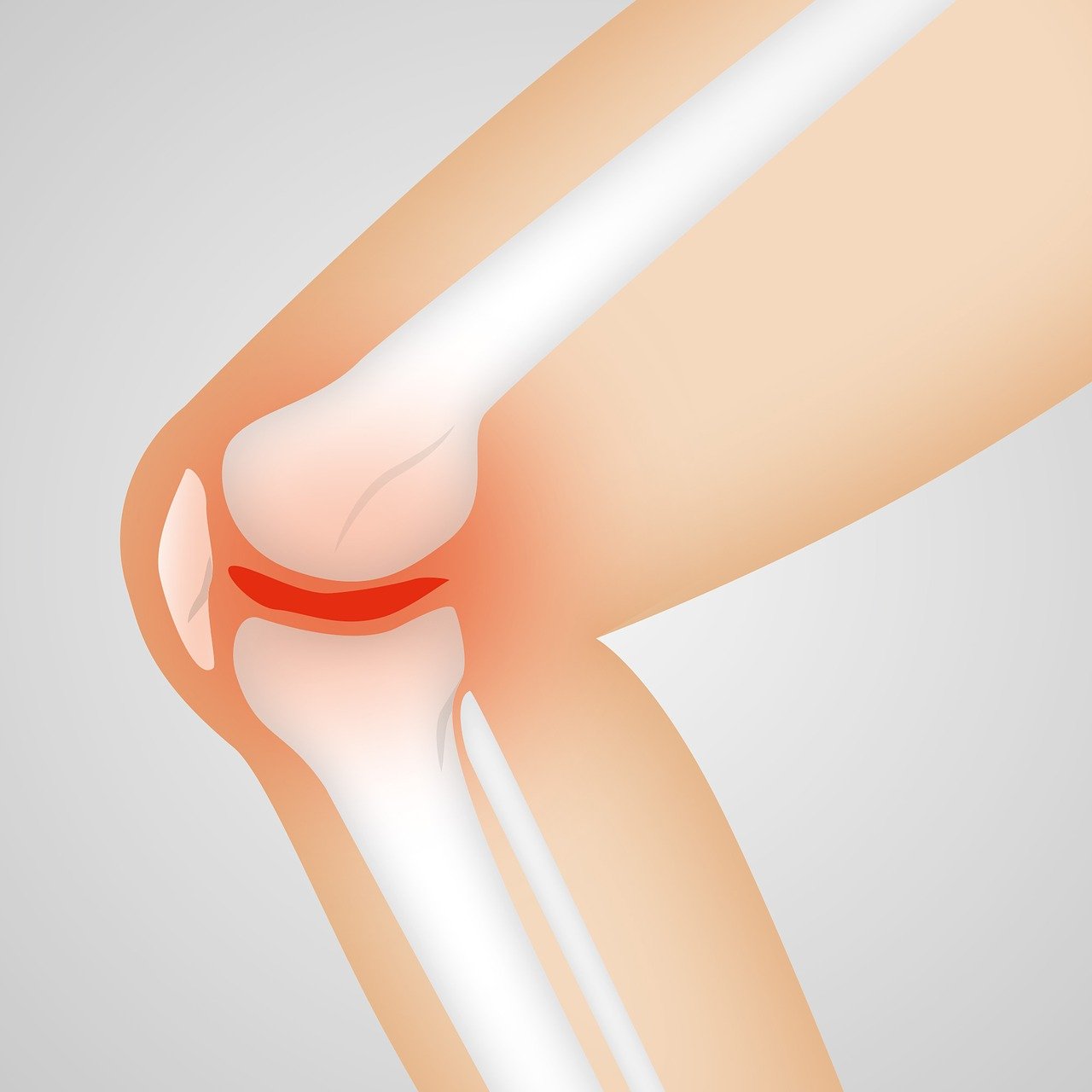
    Total knee arthroplasty (TKA), commonly known as knee replacement surgery, involves removing damaged bone and cartilage from the knee joint and replacing it with artificial components made from metal, plastic, or ceramic materials.

    The procedure typically lasts 1-2 hours and is performed when arthritis, injury, or wear and tear causes severe pain and mobility limitations that conservative treatments cannot resolve.

    The decision to pursue surgery usually comes after patients have exhausted non-surgical options like physical therapy, medications, and injections. Modern implants are designed to replicate the natural knee’s movement, providing patients with improved function and quality of life.

    Knee Replacement Surgery Recovery Time: What the Timeline Looks Like

    Understanding the recovery progression helps patients set realistic expectations and stay motivated throughout their healing journey.

    Immediately After Surgery (Days 1-3)

    Most patients spend 1-3 days in the hospital following knee replacement surgery. During this period, pain management and infection prevention are primary concerns. Hospital staff will begin gentle range-of-motion exercises, and patients typically start walking with assistance and supportive devices.

    Early Recovery Phase (Weeks 1-6)

    The first six weeks are critical for establishing foundational strength and mobility. During the initial two weeks, swelling and bruising are common. Most patients transition from a walker to crutches around week two, and many begin using a single cane by week four.

    By week six, patients typically achieve approximately 110-120 degrees of knee bending, reduced dependence on pain medication, and the ability to walk independently for 10-15 minutes. Return to desk work often becomes feasible during this window.

    Progressive Strengthening (Weeks 7-12)

    Weeks seven through twelve represent a significant transition phase. Swelling continues to decrease, strength improves noticeably, and most patients can resume light household activities. Stairs become more manageable, and many individuals can walk 20-30 minutes without assistance.

    Long-Term Recovery (Months 4-12)

    While basic recovery may occur within three to six months, complete healing extends to one year post-surgery. By the six-month mark, approximately 80% of patients report substantial improvement in pain and function. Full recovery, including plateau in strength gains and pain reduction, typically occurs between nine and twelve months.

    How Long Does Knee Replacement Last? Understanding Implant Longevity

    A common concern for patients, particularly younger ones, involves how long their new knee will function. Research demonstrates impressive longevity: approximately 90% of replacement knees function well for 15 years, while 82% continue functioning after 25 years.

    Modern implants are engineered with improved materials and biomechanics compared to earlier generations. Most patients will never require revision surgery during their lifetime.

    However, individual factors like activity level, weight, and overall health influence implant durability. Younger patients may face eventual revision surgery, though advances in implant technology continue to extend lifespan.

    Total Knee Arthroplasty Success Rates: The Data Behind the Numbers

    Total knee arthroplasty success rates are among the highest of any surgical procedure. Approximately 95% of patients report satisfaction with their results, while 75-90% experience significant pain relief and improved mobility within the first year, according to the World Health Organization.

    These impressive statistics hold across age groups. Patients over 70 show similarly high success rates, while younger patients (under 50) report even higher satisfaction levels. Pain reduction is remarkable, most patients transition from severe, limiting pain to manageable discomfort or complete pain relief within weeks of surgery.

    Beyond pain relief, functional improvements matter equally. Patients regain the ability to walk longer distances, climb stairs, and participate in recreational activities previously abandoned due to knee problems. Quality of life improvements extend beyond physical function, often reducing depression and improving overall mental health.

    Knee Replacement Physical Therapy Exercises: The Foundation of Recovery

    Physical therapy is arguably the most important component of successful recovery. Active participation in structured exercises dramatically influences outcomes, strength development, and long-term function.

    Early-Stage Exercises (Weeks 1-3)

    Initial exercises focus on gentle range-of-motion and basic strength:

    • Ankle Pumps: Point and flex the foot to improve circulation and prevent blood clots
    • Quad Sets: Tighten the thigh muscle above the knee, holding for 5-10 seconds
    • Heel Slides: Slowly bend the knee by sliding the heel toward the buttock
    • Straight Leg Raises: Straighten the leg and lift it off the bed to strengthen the thigh
    • Short Arc Quads: Place a towel roll under the knee and straighten the leg while tightening the thigh muscle

    Intermediate Exercises (Weeks 4-6)

    As strength improves, exercises increase in intensity and complexity:

    • Step-Ups and Step-Downs: Using a low step, practice stepping up and down with careful control
    • Assisted Wall Squats: Lean against a wall and slowly bend the knees to 45-60 degrees
    • Stationary Cycling: Once range of motion allows, cycling provides excellent low-impact strengthening
    • Extended Walking: Gradually increase walking duration and pace

    Advanced Exercises (Weeks 7-12+)

    Later-stage therapy introduces more demanding movements:

    • Single-Leg Stance: Improve balance by standing on the operated leg for increasing durations
    • Swimming or Water Walking: Provides resistance without joint stress
    • Hiking or Varied-Terrain Walking: Challenges stability and strength with natural terrain variations

    Physical therapists typically recommend 3-5 therapy sessions weekly for the first 6-12 weeks, with home exercises supplementing formal sessions.

    Knee Replacement Complications & Risks: A Realistic Overview

    While knee replacement surgery is generally safe, complications can occur. Overall complication rates range from 1.65-11.3%, with most being minor and manageable, as per Harvard Health.

    Common Complications

    Blood clots, occurring in 0.6-3% of patients, represent the most frequently discussed risk. Deep vein thrombosis (DVT) can develop in the leg after surgery, though modern prevention strategies, including compression stockings, medication, and early mobilization, significantly reduce incidence.

    Infection, though rare (less than 2%), requires immediate medical attention if fever, increased swelling, or drainage occurs. Persistent pain or stiffness affects approximately 2.44% of patients and typically improves with continued therapy.

    Nerve damage causing numbness or tingling is generally temporary and often resolves within months. Wound complications occur in roughly 7% of cases but usually respond well to appropriate care.

    What to Expect After Knee Surgery: Getting Back to Life

    Recovery extends beyond pain relief and strength. Patients wonder when they can resume normal activities, driving, working, exercising, and pursuing hobbies.

    Returning to Work

    Most desk workers can return within 4-6 weeks. Jobs requiring significant walking or standing may require 8-12 weeks or longer. Patients should discuss their specific work demands with their surgeon and physical therapist.

    Driving After Knee Replacement

    Approximately 80% of patients resume driving within 6-8 weeks, though individual timelines vary. Readiness depends on whether the right or left knee was replaced, pain control, range of motion, and knee strength. Left knee replacements typically allow earlier return to driving than right knee surgeries.

    Return to Recreational Activities

    Low-impact activities like swimming, walking, and cycling can usually resume at 3-4 months post-surgery. High-impact activities like running or tennis may require 6-12 months or more.

    Moving Forward: Maximizing Your Knee Replacement Success

    Successful long-term outcomes depend largely on patient engagement. Consistent physical therapy participation, weight management, appropriate activity selection, and regular follow-up appointments all contribute to sustained improvement.

    The investment in rehabilitation during the first year pays dividends for decades. Patients who commit fully to physical therapy, gradually challenge their new knee within appropriate limits, and maintain strength through ongoing exercise experience the best long-term results.

    Knee replacement surgery offers a remarkable opportunity to reclaim mobility, reduce pain, and improve overall quality of life. With realistic expectations, active participation in recovery, and proper precautions, most patients enjoy excellent outcomes lasting 15-25 years or beyond.

    Frequently Asked Questions

    1. Can You Fly After Knee Replacement Surgery?

    Most surgeons recommend waiting 4-6 weeks before flying, as prolonged sitting increases blood clot risk. Once cleared, compression socks during flights and frequent movement help prevent complications. Always consult your surgeon before booking travel.

    2. What Should You Wear After Knee Replacement Surgery?

    Loose-fitting, elastic-waistband pants and slip-on shoes are ideal during recovery. Avoid tight clothing that restricts swelling and shoes that require bending or untying. Compression garments prescribed by your surgeon help manage inflammation and improve circulation.

    3. How Much Does Knee Replacement Surgery Cost?

    In the United States, knee replacement surgery typically costs $35,000-$60,000 without insurance, including hospital fees, surgeon fees, and implant costs. Most insurance plans cover the majority of expenses. Many hospitals offer financial assistance programs for uninsured patients.

    4. Can You Get a Knee Replacement on Both Knees?

    Yes, bilateral knee replacements are possible. Surgeons can perform both surgeries on the same day or schedule them weeks apart. Same-day bilateral procedures require excellent overall health, while staged surgeries (4-6 weeks apart) reduce stress on the body and allow one leg to bear weight during recovery.


    Source link

  • Boost Your Endurance: Top Training Tips for Long-Distance Running Success (Target keywords: long-distance running, endurance training)

    Boost Your Endurance: Top Training Tips for Long-Distance Running Success (Target keywords: long-distance running, endurance training)

    As any seasoned athlete will tell you, long-distance running is not just about putting one foot in front of the other; it’s an art that requires careful planning, dedication, and a well-structured endurance training program. For those looking to boost their endurance and achieve long-distance running success, it’s essential to understand the intricacies of this demanding sport. In this article, we’ll delve into the world of long-distance running, exploring the top training tips and strategies to help you reach your full potential.

    Understanding Long-Distance Running

    Before diving into the nitty-gritty of endurance training, it’s crucial to understand what long-distance running entails. Long-distance running refers to distances that exceed 5 kilometers, with the most common events being the 10K, half-marathon, and full marathon. These events require a unique blend of physical and mental stamina, as runners need to sustain a consistent pace over an extended period. To develop the necessary endurance for long-distance running, athletes must focus on building their aerobic capacity, increasing their lactate threshold, and enhancing their running efficiency.

    Building a Strong Foundation

    A well-structured endurance training program is the backbone of any successful long-distance running campaign. To build a strong foundation, runners should focus on the following key components:

    • Base Building: This phase involves gradually increasing weekly mileage to build endurance and aerobic capacity. A typical base building phase can last anywhere from 4-12 weeks, depending on the athlete’s current fitness level and goals.
    • Periodization: This refers to the systematic planning of training phases to ensure optimal performance. By alternating between periods of intense training and active recovery, runners can avoid plateaus and prevent overtraining.
    • Incorporating Strength Training: Strengthening the core, glutes, and legs is essential for maintaining good form and reducing the risk of injury. Runners should aim to incorporate strength training sessions 2-3 times per week, focusing on exercises like squats, lunges, and deadlifts.

    Endurance Training Strategies

    Once a strong foundation is established, runners can focus on more advanced endurance training strategies to take their performance to the next level. Some effective techniques include:

    • Interval Training: This involves alternating between periods of high-intensity running and active recovery. Interval training helps to increase lactate threshold, boost speed, and enhance endurance.
    • Hill Repeats: Running uphill can be an effective way to build strength and endurance. By incorporating hill repeats into their training, runners can improve their explosive power and running efficiency.
    • Long Runs: These are essential for building mental and physical toughness. Long runs help runners develop the endurance needed to tackle extended periods of running, while also teaching them to pace themselves and manage their energy levels.

    Nutrition and Recovery

    Proper nutrition and recovery are critical components of any endurance training program. Runners need to fuel their bodies with the right foods to optimize performance and aid in recovery. Some key nutrition tips include:

    • Carb Loading: Consuming complex carbohydrates like whole grains, fruits, and vegetables helps to replenish energy stores and support endurance.
    • Hydration: Adequate hydration is essential for maintaining performance and preventing dehydration. Runners should aim to drink at least 8-10 glasses of water per day.
    • Post-Run Nutrition: Consuming a mix of carbohydrates and protein within 30-60 minutes after a run can help to aid in recovery and reduce muscle soreness.

    Mental Preparation

    Long-distance running is as much a mental challenge as it is physical. To achieve success, runners need to develop the mental toughness and resilience to push through fatigue, pain, and self-doubt. Some effective strategies for mental preparation include:

    • Visualization: Visualizing success and overcoming obstacles can help to build confidence and mental toughness.
    • Positive Self-Talk: Focusing on positive affirmations and self-encouragement can help to boost motivation and resilience.
    • Goal Setting: Setting realistic and achievable goals can help to maintain motivation and direction.

    Conclusion

    Long-distance running is a demanding yet rewarding sport that requires careful planning, dedication, and a well-structured endurance training program. By incorporating the top training tips and strategies outlined in this article, runners can boost their endurance and achieve long-distance running success. Remember to focus on building a strong foundation, incorporating advanced endurance training strategies, and prioritizing nutrition and recovery. With persistence, patience, and the right mindset, anyone can become a successful long-distance runner.

    Frequently Asked Questions

    Q: How often should I run per week?
    A: The frequency of running depends on your current fitness level and goals. As a general rule, runners should aim to run at least 3-4 times per week, with one longer run on the weekends.

    Q: What’s the best way to prevent injury?
    A: Incorporating strength training, stretching, and foam rolling into your routine can help to reduce the risk of injury. It’s also essential to listen to your body and take rest days as needed.

    Q: How do I fuel for a long run?
    A: Consuming complex carbohydrates, lean protein, and healthy fats 1-3 hours before a long run can help to provide sustained energy. It’s also essential to stay hydrated by drinking water or a sports drink during the run.

    Q: Can I still run if I’m a beginner?
    A: Absolutely! Long-distance running is accessible to runners of all levels. Start with shorter distances and gradually increase your mileage as you build endurance and confidence.

    Q: How long does it take to see improvements in endurance?
    A: Improvements in endurance can be seen in as little as 4-6 weeks, depending on the consistency and intensity of your training. However, significant gains in endurance can take several months to develop.

    boost-your-endurance-top-training-tips-for-long-distance-running-success-target-keywords-long-distance-running-endurance-training

  • Sweat Dreams: How Sleep Impacts Fitness Performance and Athletic Success (Target keywords: sleep, fitness performance, athletic success)

    Sweat Dreams: How Sleep Impacts Fitness Performance and Athletic Success (Target keywords: sleep, fitness performance, athletic success)

    Sleep is a vital component of our daily lives, and its impact on our overall health and wellbeing is well-documented. However, for athletes and fitness enthusiasts, sleep plays a critical role in determining their fitness performance and athletic success. When it comes to achieving peak physical condition, a good night’s sleep is just as important as a rigorous training session or a healthy diet. In this article, we’ll delve into the world of sleep and explore how it affects fitness performance and athletic success.

    The Science of Sleep and Fitness Performance

    When we sleep, our body repairs and regenerates damaged cells, builds bone and muscle, and strengthens our immune system. During this time, our brain processes and consolidates memories, including those related to physical skills and techniques learned during the day. This is especially important for athletes, as it helps them to improve their performance and adapt to new training methods. Research has shown that sleep deprivation can significantly impair athletic performance, leading to decreased speed, strength, and accuracy.

    On the other hand, getting enough sleep has been shown to have a positive impact on fitness performance. Studies have found that athletes who get adequate sleep tend to perform better, with improved reaction times, faster sprinting speeds, and enhanced endurance. This is because sleep helps to regulate the body’s physiological processes, including the release of hormones that aid in muscle recovery and growth. For example, during deep sleep, the body releases growth hormone, which helps to repair and rebuild muscle tissue, making it essential for athletes who engage in high-intensity training.

    The Impact of Sleep on Athletic Success

    Athletic success is not just about physical performance; it’s also about mental toughness and focus. Sleep plays a critical role in both of these areas. When we’re well-rested, we’re more alert, focused, and better equipped to handle stress and pressure. This is especially important for athletes who compete at the highest level, where mental toughness and focus can be the difference between winning and losing.

    Moreover, sleep has been shown to have a positive impact on injury prevention and recovery. When we’re sleep-deprived, our reaction times are slower, and our coordination and balance are impaired, making us more susceptible to injury. On the other hand, getting enough sleep helps to reduce inflammation, which can aid in the recovery process after an injury. This is especially important for athletes who engage in high-impact sports, such as football or rugby, where injuries are common.

    The Consequences of Sleep Deprivation on Fitness Performance

    Sleep deprivation can have serious consequences for athletes and fitness enthusiasts. When we don’t get enough sleep, our body’s ability to recover from exercise is impaired, leading to decreased performance and increased risk of injury. Additionally, sleep deprivation can lead to decreased motivation, making it harder to stick to a training program or diet. This can have a negative impact on athletic success, as a lack of motivation can lead to decreased performance and a lack of progress.

    Furthermore, sleep deprivation can also affect our appetite and metabolism, leading to weight gain and decreased physical performance. When we’re sleep-deprived, our body produces more ghrelin, a hormone that stimulates appetite, and less leptin, a hormone that suppresses appetite. This can lead to overeating and poor food choices, which can have a negative impact on athletic performance and overall health.

    Optimizing Sleep for Fitness Performance and Athletic Success

    So, how can athletes and fitness enthusiasts optimize their sleep to improve their fitness performance and athletic success? The first step is to establish a consistent sleep schedule, going to bed and waking up at the same time every day, including weekends. This helps to regulate the body’s internal clock and can improve the quality of sleep.

    Creating a sleep-conducive environment is also essential. This includes keeping the bedroom cool, dark, and quiet, and investing in a comfortable mattress and pillows. Avoiding caffeine, nicotine, and electronics before bedtime can also help to improve sleep quality. Additionally, avoiding heavy meals close to bedtime and engaging in relaxing activities, such as reading or meditation, can help to wind down and prepare the body for sleep.

    The Role of Sleep in Recovery and Injury Prevention

    Sleep plays a critical role in the recovery process after exercise. When we sleep, our body repairs and regenerates damaged muscle tissue, rebuilds bone density, and strengthens our immune system. This is especially important for athletes who engage in high-intensity training, as it helps to reduce the risk of injury and improve overall performance.

    Moreover, sleep has been shown to have anti-inflammatory properties, which can aid in the recovery process after an injury. When we’re sleep-deprived, our body’s inflammatory response is increased, which can lead to chronic inflammation and decreased performance. On the other hand, getting enough sleep helps to regulate the body’s inflammatory response, reducing the risk of chronic inflammation and improving overall health.

    The Impact of Sleep on Mental Performance and Focus

    Sleep has a significant impact on mental performance and focus, which is essential for athletic success. When we’re well-rested, we’re more alert, focused, and better equipped to handle stress and pressure. This is especially important for athletes who compete at the highest level, where mental toughness and focus can be the difference between winning and losing.

    Moreover, sleep has been shown to improve cognitive function, including attention, memory, and decision-making. When we’re sleep-deprived, our cognitive function is impaired, making it harder to focus and make quick decisions. This can have a negative impact on athletic performance, as split-second decisions can be the difference between winning and losing.

    Conclusion

    In conclusion, sleep plays a critical role in determining fitness performance and athletic success. When we get enough sleep, our body repairs and regenerates damaged cells, builds bone and muscle, and strengthens our immune system. Additionally, sleep has a positive impact on mental performance and focus, which is essential for athletic success. On the other hand, sleep deprivation can have serious consequences, including decreased performance, increased risk of injury, and decreased motivation. By optimizing sleep and establishing a consistent sleep schedule, athletes and fitness enthusiasts can improve their fitness performance and athletic success.

    Frequently Asked Questions

    Q: How much sleep do athletes need?
    A: The amount of sleep athletes need varies depending on the individual and the type of sport they play. Generally, athletes need 7-9 hours of sleep per night to aid in recovery and improve performance.

    Q: Can sleep deprivation affect athletic performance?
    A: Yes, sleep deprivation can significantly impair athletic performance, leading to decreased speed, strength, and accuracy.

    Q: How can athletes optimize their sleep?
    A: Athletes can optimize their sleep by establishing a consistent sleep schedule, creating a sleep-conducive environment, and avoiding caffeine, nicotine, and electronics before bedtime.

    Q: Does sleep affect injury prevention and recovery?
    A: Yes, sleep plays a critical role in injury prevention and recovery. When we’re sleep-deprived, our reaction times are slower, and our coordination and balance are impaired, making us more susceptible to injury. On the other hand, getting enough sleep helps to reduce inflammation, which can aid in the recovery process after an injury.

    Q: Can sleep improve mental performance and focus?
    A: Yes, sleep has a significant impact on mental performance and focus. When we’re well-rested, we’re more alert, focused, and better equipped to handle stress and pressure.

    sweat-dreams-how-sleep-impacts-fitness-performance-and-athletic-success-target-keywords-sleep-fitness-performance-athletic-success

  • Why High Achievers Constantly Doubt Their Success

    Why High Achievers Constantly Doubt Their Success

    Imposter syndrome describes a pattern where capable people believe their success is undeserved, temporary, or the result of luck rather than skill. Imposter syndrome signs often appear after major wins—promotions, publications, or recognition—when confidence should peak but instead collapses into self doubt. High achievers are especially vulnerable, as perfectionism and high standards leave little room to internalize success. Studies show nearly 70% of adults experience imposter syndrome at least once, with roughly 30% facing it persistently.

    The cycle is consistent: achievement triggers brief relief, followed by anxiety about being exposed as incompetent. Confidence psychology helps explain this paradox, linking reward processing, attribution bias, and overactive self-monitoring. In competitive environments like medicine, academia, and leadership, imposter syndrome signs intensify, turning ambition into a constant effort to outrun imagined failure rather than enjoy earned progress.

    Imposter Syndrome Signs Linked to Perfectionism and Overpreparation

    Imposter syndrome signs frequently surface as extreme perfectionism and chronic overpreparation. High achievers often believe anything less than flawless performance confirms inadequacy, even when outcomes exceed expectations. This mindset leads to excessive rehearsal, long work hours, and constant self-editing. Confidence psychology shows that these behaviors are not about improvement but about reducing perceived exposure risk. Success becomes something to defend rather than own.

    According to research published by the American Psychological Association, Imposter syndrome is strongly associated with attribution bias, where individuals credit success to luck while internalizing failure as proof of incompetence. This explains why capable professionals dismiss praise, rewrite positive feedback, and feel relief rather than pride after accomplishments. Over time, this pattern increases burnout risk, doubles stress responses before evaluations, and reinforces the belief that effort—not ability—is the only thing preventing failure.

    Self Doubt and Attribution Traps Among High Achievers

    Self doubt among high achievers is rarely tied to actual ability or outcomes. Instead, it develops through distorted attribution patterns that separate effort from competence. Based on a study conducted by Stanford University’s Graduate School of Education, high performers are especially vulnerable to this effect in elite environments. Confidence psychology shows this reversal makes success feel fragile and failure feel personal.

    • Self doubt forms when achievements are credited to luck, timing, or external help
    • Imposter syndrome signs appear as mistakes are internalized as proof of inadequacy
    • Healthy attribution reverses, with failures viewed as personal and successes dismissed
    • High performers feel pressure to repeatedly re-prove competence despite strong results
    • The “local comparison effect” intensifies self doubt when surrounded by equally capable peers
    • Objective markers like grades, promotions, and credentials fail to correct perceived incompetence
    • A constant sense of being one step behind persists despite measurable excellence

    Confidence Psychology and the Brain’s Role in Feeling Like a Fraud

    Confidence psychology shows imposter syndrome is not purely emotional but rooted in neurological threat processing. Brain imaging reveals heightened self-monitoring that magnifies uncertainty in high achievers. According to the National Institute of Mental Health, persistent self doubt aligns closely with anxiety-related neural patterns and stress responses. These mechanisms cause normal performance variation to feel like exposure risk.

    • Increased activity in error-detection regions amplifies fear of small mistakes
    • Minor uncertainties trigger disproportionate stress and vigilance responses
    • Imposter syndrome signs intensify during evaluations, recognition, and unfamiliar tasks
    • Reduced self-efficacy signaling weakens confidence retention after success
    • Elevated cortisol reinforces threat perception during performance situations
    • Gender and cultural expectations can further intensify these neural patterns

    Behavioral Manifestations and Career Impacts

    Imposter syndrome signs quietly shape behavior in ways that limit long-term growth. High achievers often overwork to compensate for imagined deficiencies, volunteer for extra responsibilities, or delay advancement to avoid visibility. Self doubt drives procrastination followed by intense bursts of activity, creating cycles of exhaustion. Confidence psychology shows that these behaviors do not improve performance but increase mental load and decision fatigue.

    Career trajectories suffer as individuals decline leadership roles, hesitate to negotiate pay, or avoid opportunities that stretch their identity. Over time, imposter syndrome signs can lead to disengagement, burnout, and attrition, particularly in high-pressure professions. Without intervention, success becomes something to survive rather than build upon.

    Therapeutic and Organizational Interventions That Work

    Addressing imposter syndrome signs requires both internal and external shifts. Cognitive-behavioral strategies help reframe attribution patterns, teaching individuals to link outcomes to skill rather than circumstance. Confidence psychology emphasizes evidence-based tracking—documenting completed tasks, outcomes, and peer feedback—to counter distorted self-assessment. These practices strengthen internal validation over time.

    Organizations also play a role by normalizing uncertainty, pairing stretch assignments with clear feedback, and highlighting learning rather than flawlessness. Mentorship programs that include honest discussions of self doubt reduce isolation and reinforce competence. When environments reward transparency over perfection, imposter syndrome signs lose their power to define identity.

    Why Imposter Syndrome Persists Even After Success

    Imposter syndrome survives because it adapts. Each achievement raises the standard for feeling “legitimate,” keeping certainty just out of reach. Confidence psychology shows that without conscious attribution correction, success simply resets the goalpost. This explains why accolades rarely bring lasting confidence to high achievers.

    Breaking the cycle requires recognizing that doubt is not proof of inadequacy but a byproduct of growth. When success is treated as data rather than danger, competence becomes something measurable, not mythical.

    Frequently Asked Questions

    1. What are the most common imposter syndrome signs?

    Imposter syndrome signs include chronic self doubt, fear of being exposed, overpreparation, and discounting achievements. Many people also experience anxiety after success rather than satisfaction. These patterns often intensify in competitive environments. Over time, they can affect performance and well-being.

    2. Why do high achievers experience imposter syndrome more often?

    High achievers operate in environments with constant comparison and high expectations. Their success traits—perfectionism, humility, and persistence—can reinforce self doubt. Confidence psychology shows that competence does not automatically produce confidence. In some cases, it increases scrutiny instead.

    3. Is imposter syndrome a mental health disorder?

    Imposter syndrome is not a clinical diagnosis. It is a psychological pattern related to anxiety, self-esteem, and attribution bias. While not a disorder, it can contribute to stress and burnout. Addressing it early improves resilience and performance.

    4. Can imposter syndrome be overcome permanently?

    Imposter syndrome can be reduced significantly with consistent strategies. Reframing success, tracking evidence, and receiving accurate feedback weaken its influence. Confidence psychology suggests the goal is management, not elimination. Awareness prevents it from controlling decisions.


    Source link

  • Set Yourself Up for Success: A Guide to Setting Realistic Fitness Goals

    Set Yourself Up for Success: A Guide to Setting Realistic Fitness Goals

    When it comes to setting realistic fitness goals, it’s easy to get caught up in the excitement of a new workout routine or diet plan. However, if these goals are not realistic, it can be a recipe for disaster. She has seen it time and time again – individuals who start out strong, only to fizzle out a few weeks or months down the line. The reason for this is often due to unrealistic expectations and a lack of planning. In this article, we will explore the importance of setting realistic fitness goals and provide a step-by-step guide on how to do it.

    Understanding the Importance of Realistic Fitness Goals

    Before diving into the nitty-gritty of setting realistic fitness goals, it’s essential to understand why it’s so crucial. When goals are realistic, it sets an individual up for success, rather than failure. Unrealistic expectations can lead to disappointment, frustration, and a lack of motivation. On the other hand, realistic goals provide a sense of accomplishment and motivation to continue working towards a healthier lifestyle. For instance, if someone’s goal is to lose weight, having a realistic timeline and plan in place can make all the difference in achieving this goal.

    Assessing Current Fitness Level

    The first step in setting realistic fitness goals is to assess current fitness level. This involves taking an honest look at one’s current physical activity level, diet, and overall health. It’s essential to consider factors such as age, weight, and any health conditions that may impact fitness goals. For example, someone who is just starting out with exercise may need to begin with shorter, more manageable sessions and gradually increase duration and intensity over time. This will help prevent injury and burnout, setting them up for long-term success.

    Setting SMART Fitness Goals

    When it comes to setting realistic fitness goals, it’s essential to make sure they are SMART. This acronym stands for Specific, Measurable, Achievable, Relevant, and Time-bound. Specific goals are clearly defined, such as “I want to lose 10 pounds in the next 3 months.” Measurable goals can be tracked, such as “I will exercise for 30 minutes, 3 times a week.” Achievable goals are realistic, taking into account current fitness level and lifestyle. Relevant goals align with overall health and wellness goals, such as improving overall health. Finally, Time-bound goals have a specific deadline, such as “I will run a 5K in 6 months.” By making sure fitness goals are SMART, individuals can set themselves up for success and create a roadmap for achieving their objectives.

    Creating a Workout Plan

    Once realistic fitness goals are in place, it’s time to create a workout plan. This involves choosing exercises and activities that align with fitness goals and current fitness level. For example, someone who wants to build muscle may focus on strength training, while someone who wants to improve cardiovascular health may focus on cardio exercises. It’s also essential to consider factors such as schedule, budget, and access to equipment or a gym. A workout plan should be realistic and flexible, allowing for rest days and adjustments as needed.

    Nutrition and Recovery

    In addition to a workout plan, nutrition and recovery play a critical role in achieving fitness goals. A healthy diet provides the necessary fuel for exercise and supports overall health and wellness. This includes focusing on whole, unprocessed foods such as fruits, vegetables, whole grains, and lean proteins. Recovery is also essential, as it allows the body to repair and rebuild muscle tissue. This includes getting enough sleep, staying hydrated, and taking rest days as needed. By prioritizing nutrition and recovery, individuals can support their fitness goals and set themselves up for long-term success.

    Overcoming Obstacles and Staying Motivated

    Despite the best intentions, obstacles and setbacks are inevitable. It’s essential to have a plan in place for overcoming these challenges and staying motivated. This includes finding a workout buddy or accountability partner, tracking progress, and rewarding oneself for milestones achieved. It’s also essential to be kind and compassionate, remembering that fitness goals are a journey, not a destination. By staying positive and focused, individuals can overcome obstacles and stay motivated, even when the going gets tough.

    Celebrating Progress and Achieving Success

    Finally, it’s essential to celebrate progress and acknowledge success along the way. This includes tracking progress, reflecting on accomplishments, and rewarding oneself for milestones achieved. By acknowledging success, individuals can stay motivated and encouraged, even when faced with challenges and setbacks. Celebrating progress also provides an opportunity to reflect on what’s working and what areas need improvement, making adjustments as needed to stay on track.

    Conclusion

    In conclusion, setting realistic fitness goals is crucial for achieving success and maintaining a healthy lifestyle. By assessing current fitness level, setting SMART goals, creating a workout plan, prioritizing nutrition and recovery, overcoming obstacles, and celebrating progress, individuals can set themselves up for long-term success. Remember, fitness goals are a journey, not a destination, and it’s essential to be patient, kind, and compassionate along the way. With the right mindset and approach, anyone can achieve their fitness goals and enjoy the many benefits that come with a healthy and active lifestyle.

    FAQs

    Q: What is the most important thing to consider when setting realistic fitness goals?
    A: The most important thing to consider is to make sure goals are SMART (Specific, Measurable, Achievable, Relevant, and Time-bound).

    Q: How often should I work out to achieve my fitness goals?
    A: The frequency and duration of workouts will depend on individual fitness goals and current fitness level. It’s essential to start slow and gradually increase intensity and duration over time.

    Q: What role does nutrition play in achieving fitness goals?
    A: Nutrition plays a critical role in achieving fitness goals, providing the necessary fuel for exercise and supporting overall health and wellness.

    Q: How can I stay motivated and overcome obstacles?
    A: Staying motivated and overcoming obstacles requires a combination of finding a workout buddy or accountability partner, tracking progress, and rewarding oneself for milestones achieved.

    Q: How long will it take to see results and achieve my fitness goals?
    A: The time it takes to see results and achieve fitness goals will depend on individual factors such as current fitness level, consistency, and overall health and wellness. It’s essential to be patient and focus on progress, rather than perfection.

    set-yourself-up-for-success-a-guide-to-setting-realistic-fitness-goals

  • Fit for Success: How to Set Realistic Fitness Goals for a Sustainable Journey (Target keywords: fitness goals, realistic expectations, sustainable journey)

    Fit for Success: How to Set Realistic Fitness Goals for a Sustainable Journey (Target keywords: fitness goals, realistic expectations, sustainable journey)

    When it comes to achieving fitness goals, many individuals often set themselves up for disappointment by aiming too high, too fast. They envision a perfect physique, a certain number on the scale, or a specific athletic feat, only to become discouraged when reality sets in. The truth is, setting realistic expectations is crucial for a sustainable journey towards fitness success. By understanding what it means to have realistic fitness goals, individuals can embark on a path that is not only achievable but also enjoyable and long-lasting.

    Understanding Realistic Expectations

    Realistic expectations are about being honest with oneself about what can be accomplished in a given timeframe. It’s about recognizing that fitness is a journey, not a destination. Having realistic expectations means acknowledging that progress may be slow, but it’s progress nonetheless. It’s about celebrating small victories along the way, rather than fixating on an unattainable ideal. When individuals have realistic expectations, they are more likely to stay motivated, as they are able to see and feel the progress they are making.

    For instance, a person who has never exercised before may set a goal to run a marathon in a month. While this may seem like an exciting and ambitious goal, it’s not a realistic one. A more realistic goal would be to start with short walks, gradually increasing the distance and intensity over time. This approach allows the individual to build a foundation of fitness, reducing the risk of injury and burnout. By setting realistic expectations, individuals can avoid the frustration and disappointment that comes with trying to achieve an unrealistic goal.

    Setting Realistic Fitness Goals

    Setting realistic fitness goals is not about being pessimistic or settling for mediocrity. It’s about being smart and strategic. When setting fitness goals, individuals should consider their current fitness level, lifestyle, and available time. They should also consider their motivations and what drives them to want to achieve their goals. By taking a holistic approach to goal-setting, individuals can create a roadmap for success that is tailored to their unique needs and circumstances.

    For example, a busy working mom may set a goal to exercise for 30 minutes, three times a week. This goal is realistic because it takes into account her busy schedule and allows her to start small, gradually increasing the frequency and duration of her workouts over time. On the other hand, a goal to exercise for an hour, five times a week, may be unrealistic, given her current commitments. By setting realistic fitness goals, individuals can ensure that they are making progress, without sacrificing their overall well-being.

    The Importance of Sustainability

    A sustainable journey is one that is maintained over time, without burnout or exhaustion. When individuals set realistic fitness goals, they are more likely to create a sustainable routine that they can maintain in the long term. Sustainability is key to achieving lasting results, as it allows individuals to make progress without feeling overwhelmed or deprived. By focusing on progress, rather than perfection, individuals can create a healthy and balanced lifestyle that they can enjoy for years to come.

    For instance, a person who sets a goal to lose a certain amount of weight may become so focused on the end result that they neglect their overall health and well-being. They may adopt extreme dieting habits or overexert themselves at the gym, only to burn out and give up. On the other hand, a person who focuses on making sustainable lifestyle changes, such as eating a balanced diet and exercising regularly, is more likely to achieve their weight loss goals and maintain them over time.

    Creating a Supportive Environment

    Having a supportive environment is crucial for achieving fitness goals. This means surrounding oneself with people who encourage and motivate, rather than discourage or sabotage. It also means creating a physical environment that promotes fitness, such as having a well-equipped home gym or a safe outdoor space to exercise. By creating a supportive environment, individuals can increase their chances of success and make their fitness journey more enjoyable.

    For example, a person who wants to start a running routine may join a running group or find a running buddy. This provides them with accountability, motivation, and support, making it more likely that they will stick to their routine. On the other hand, a person who tries to start a running routine alone, without any support or accountability, may struggle to stay motivated and consistent.

    Overcoming Obstacles

    Despite the best intentions, obstacles will inevitably arise. It’s how individuals respond to these obstacles that will determine their success. By having a plan in place for overcoming obstacles, individuals can stay on track and achieve their fitness goals. This may involve seeking support from a friend or family member, finding alternative workout routines, or simply taking a break and coming back to their fitness routine when they are feeling refreshed.

    For instance, a person who is recovering from an injury may need to modify their workout routine to avoid exacerbating the injury. This may involve finding low-impact exercises or working with a physical therapist to develop a rehabilitation plan. By being flexible and adaptable, individuals can overcome obstacles and stay on track with their fitness goals.

    Tracking Progress

    Tracking progress is essential for staying motivated and achieving fitness goals. By monitoring progress, individuals can see how far they have come and make adjustments as needed. This may involve using a fitness tracker, keeping a workout log, or taking progress photos. By tracking progress, individuals can celebrate their successes and identify areas for improvement.

    For example, a person who is trying to increase their strength may track their progress by monitoring the amount of weight they can lift over time. This allows them to see their progress and make adjustments to their workout routine as needed. On the other hand, a person who doesn’t track their progress may feel like they are not making progress, even if they are, which can lead to frustration and discouragement.

    Conclusion

    Achieving fitness goals is not about being perfect; it’s about being consistent and patient. By setting realistic expectations, creating a supportive environment, and tracking progress, individuals can embark on a sustainable journey towards fitness success. Remember, fitness is a journey, not a destination. It’s about making progress, not achieving perfection. By focusing on progress, rather than perfection, individuals can create a healthy and balanced lifestyle that they can enjoy for years to come.

    Frequently Asked Questions

    Q: How do I set realistic fitness goals?
    A: Setting realistic fitness goals involves considering your current fitness level, lifestyle, and available time. It’s also important to consider your motivations and what drives you to want to achieve your goals.

    Q: What is a sustainable journey?
    A: A sustainable journey is one that is maintained over time, without burnout or exhaustion. It involves making progress, rather than trying to achieve perfection.

    Q: How can I create a supportive environment?
    A: Creating a supportive environment involves surrounding yourself with people who encourage and motivate you, as well as creating a physical environment that promotes fitness.

    Q: How do I overcome obstacles?
    A: Overcoming obstacles involves having a plan in place, such as seeking support from a friend or family member, finding alternative workout routines, or taking a break and coming back to your fitness routine when you are feeling refreshed.

    Q: Why is tracking progress important?
    A: Tracking progress is essential for staying motivated and achieving fitness goals. It allows you to see how far you have come and make adjustments as needed.

    fit-for-success-how-to-set-realistic-fitness-goals-for-a-sustainable-journey-target-keywords-fitness-goals-realistic-expectations-sustainable-journey

  • Sprint to Success: Top Tips for Training for Your First 5K Race

    Sprint to Success: Top Tips for Training for Your First 5K Race

    She’s always been fascinated by the idea of running a 5K race, and now she’s finally decided to take the plunge. As a beginner, training for her first 5K can seem daunting, but with the right approach, she can sprint to success in no time. The key is to start with a solid foundation, and that’s where a well-structured training plan comes in. In this article, we’ll explore the top tips for training for her first 5K, from creating a personalized training schedule to incorporating cross-training and nutrition advice.

    Getting Started: Creating a Personalized Training Schedule
    When it comes to training for a 5K, it’s essential to have a plan in place. She should start by setting a realistic goal, whether it’s to finish the race in a certain time or simply to complete the distance. From there, she can create a personalized training schedule that takes into account her current fitness level, running experience, and availability. A typical training plan for a 5K should include a mix of running, walking, and rest days, with a gradual increase in intensity and duration over time. For example, she might start with short runs of 10-15 minutes, three times a week, and gradually increase the duration to 30-45 minutes over the course of several weeks.

    Building a Strong Foundation: Incorporating Walking and Running
    One of the biggest mistakes beginner runners make is trying to do too much too soon. Instead of pushing herself to run the full 5K distance right off the bat, she should focus on building a strong foundation through a combination of walking and running. This approach, known as interval training, involves alternating between periods of running and walking to build endurance and increase speed. For example, she might start with a 5-minute walk followed by a 1-minute run, repeating this pattern for a total of 20-30 minutes. As she gets more comfortable, she can gradually increase the duration of the running intervals and decrease the walking time.

    Incorporating Cross-Training: The Benefits of Strength Training and Stretching
    While running is the primary focus of 5K training, incorporating cross-training activities such as strength training and stretching can help improve overall performance and reduce the risk of injury. Strength training, for example, can help build strong muscles in the legs, core, and glutes, which are essential for running efficiency and endurance. She can focus on exercises such as squats, lunges, and leg press, aiming to do 2-3 strength training sessions per week. Stretching is also crucial, as it can help improve flexibility and reduce muscle soreness. She should aim to stretch after every run, focusing on key areas such as the hamstrings, quadriceps, and IT band.

    Nutrition Advice: Fueling for Optimal Performance
    What she eats and drinks can have a significant impact on her performance, especially when it comes to running. A well-balanced diet that includes plenty of complex carbohydrates, lean protein, and healthy fats can help provide the energy she needs to power through her runs. She should also make sure to stay hydrated by drinking plenty of water before, during, and after her runs. In the days leading up to the race, she can also focus on carb-loading, which involves increasing her intake of complex carbohydrates such as whole grains, fruits, and vegetables. This can help maximize her energy stores and improve her overall performance.

    Taper and Rest: The Importance of Recovery
    As she gets closer to the race, it’s essential to taper her training and allow her body time to rest and recover. This involves reducing the intensity and duration of her workouts, and incorporating more rest days into her schedule. For example, she might reduce her running frequency from 3-4 times per week to 1-2 times per week, and focus on active recovery techniques such as foam rolling, self-myofascial release, and light stretching. This can help her body repair and adapt to the demands of training, reducing the risk of injury and improving her overall performance on race day.

    Mental Preparation: Tips for Staying Motivated and Focused
    Training for a 5K is just as much a mental challenge as it is a physical one. To stay motivated and focused, she can try a variety of techniques such as setting smaller, achievable goals, finding a running buddy or accountability partner, and rewarding herself for milestones reached. She can also try visualization techniques, such as imagining herself crossing the finish line or achieving a personal best time. This can help build confidence and reduce nerves on race day.

    Race Day Strategies: Tips for a Successful 5K
    Finally, the day of the 5K has arrived, and she’s ready to put all her hard work and training to the test. To ensure a successful and enjoyable experience, she can try a few key strategies such as arriving early to get familiar with the course, starting at a conservative pace to avoid burnout, and staying hydrated by drinking water at regular intervals. She can also try to focus on her breathing and form, using techniques such as deep breathing and positive self-talk to stay motivated and focused.

    Conclusion
    Training for a 5K is a challenging but rewarding experience that requires dedication, persistence, and patience. By creating a personalized training schedule, incorporating cross-training and nutrition advice, and staying motivated and focused, she can sprint to success and achieve her goals. Whether she’s a seasoned athlete or a beginner runner, the sense of accomplishment and pride she’ll feel as she crosses the finish line will be well worth the hard work and effort she’s put in.

    FAQs
    Q: How long does it take to train for a 5K?
    A: The amount of time it takes to train for a 5K can vary depending on individual factors such as fitness level, running experience, and availability. However, a typical training plan for a 5K can last anywhere from 8-16 weeks.
    Q: What’s the best way to stay motivated and focused during training?
    A: Staying motivated and focused during training can be challenging, but techniques such as setting smaller, achievable goals, finding a running buddy or accountability partner, and rewarding herself for milestones reached can help.
    Q: How important is nutrition during training?
    A: Nutrition plays a critical role in 5K training, as it can help provide the energy and fuel needed to power through runs. A well-balanced diet that includes plenty of complex carbohydrates, lean protein, and healthy fats can help support optimal performance.
    Q: What should I expect on race day?
    A: On race day, she can expect a fun and exciting atmosphere, with thousands of other runners cheering her on. She should arrive early to get familiar with the course, start at a conservative pace to avoid burnout, and stay hydrated by drinking water at regular intervals.
    Q: How can I avoid injury during training?
    A: Avoiding injury during training requires a combination of proper training, nutrition, and recovery techniques. She should focus on gradually increasing her intensity and duration, incorporating cross-training activities such as strength training and stretching, and allowing her body time to rest and recover.

    sprint-to-success-top-tips-for-training-for-your-first-5k-race

  • Fuel Your Fitness: 15 Healthy Snack Ideas for Pre and Post Workout Success (Target keywords: healthy snack ideas, pre workout, post workout)

    Fuel Your Fitness: 15 Healthy Snack Ideas for Pre and Post Workout Success (Target keywords: healthy snack ideas, pre workout, post workout)

    When it comes to fueling a fitness routine, having the right snacks on hand can make all the difference. A good pre workout snack can provide the energy boost needed to power through a tough session, while a satisfying post workout snack can help with recovery and muscle repair. In this article, we’ll explore 15 healthy snack ideas that are perfect for both before and after a workout.

    Pre Workout Snack Ideas

    Before hitting the gym or heading out for a run, it’s essential to fuel up with a snack that’s easy to digest and provides a burst of energy. Here are some healthy snack ideas that fit the bill:

    1. Banana and Peanut Butter: A classic combination that’s rich in potassium and protein, making it perfect for a pre workout snack.
    2. Energy Balls: Made with rolled oats, nuts, and dried fruit, these no-bake bites are a great source of complex carbohydrates and fiber.
    3. Greek Yogurt and Berries: A mix of protein and fiber that’s easy to digest and provides a natural energy boost.
    4. Whole Grain Toast with Avocado: A satisfying snack that’s rich in healthy fats and complex carbohydrates.
    5. Apple Slices with Almond Butter: A tasty combination that’s high in fiber and protein, making it perfect for a pre workout snack.

    These snacks are designed to provide a quick energy boost without feeling too heavy or bloated. By choosing one of these healthy snack ideas, individuals can ensure they have the energy they need to power through their workout.

    Post Workout Snack Ideas

    After a tough workout, it’s essential to refuel with a snack that helps with recovery and muscle repair. Here are some healthy snack ideas that are perfect for after a workout:

    1. Protein Smoothie: A blend of protein powder, Greek yogurt, and frozen fruit that’s rich in protein and antioxidants.
    2. Hard-Boiled Eggs: A convenient and protein-rich snack that’s perfect for after a workout.
    3. Cottage Cheese and Fruit: A mix of protein and carbohydrates that’s easy to digest and provides a natural energy boost.
    4. Dark Chocolate and Nuts: A tasty combination that’s rich in antioxidants and healthy fats.
    5. Whole Grain Crackers with Hummus: A satisfying snack that’s high in complex carbohydrates and protein.

    These snacks are designed to help with recovery and muscle repair after a workout. By choosing one of these healthy snack ideas, individuals can ensure they’re giving their body the nutrients it needs to recover and rebuild.

    Additional Healthy Snack Ideas

    In addition to the pre workout and post workout snacks listed above, here are a few more healthy snack ideas that are perfect for fueling a fitness routine:

    1. Trail Mix: A mix of nuts, seeds, and dried fruit that’s high in healthy fats and protein.
    2. Carrot Sticks with Hummus: A tasty and crunchy snack that’s rich in fiber and antioxidants.
    3. Quinoa Bites: Made with cooked quinoa, nuts, and dried fruit, these bite-sized snacks are a great source of complex carbohydrates and protein.
    4. Edamame: A tasty and protein-rich snack that’s perfect for after a workout.
    5. Whole Grain Energy Bars: A convenient and healthy snack that’s perfect for on-the-go.

    These snacks are designed to provide a quick energy boost and satisfy hunger between meals. By incorporating these healthy snack ideas into a fitness routine, individuals can ensure they’re fueling their body with the nutrients it needs to perform at its best.

    Tips for Choosing the Right Snack

    When it comes to choosing the right snack, there are a few things to keep in mind. Here are some tips for selecting healthy snack ideas that are perfect for a fitness routine:

    • Choose snacks that are high in protein and complex carbohydrates, as these provide sustained energy and support muscle growth and repair.
    • Opt for snacks that are low in added sugars and saturated fats, as these can cause a energy crash and hinder performance.
    • Consider snacks that are rich in fiber and antioxidants, as these can help support overall health and well-being.
    • Don’t be afraid to get creative and experiment with new snack ideas – there are countless combinations of ingredients that can provide a healthy and satisfying snack.

    By following these tips and incorporating the healthy snack ideas listed above into a fitness routine, individuals can ensure they’re fueling their body with the nutrients it needs to perform at its best.

    Conclusion

    Fueling a fitness routine with the right snacks can make all the difference in terms of energy, performance, and recovery. By choosing healthy snack ideas that are rich in protein, complex carbohydrates, and fiber, individuals can ensure they’re giving their body the nutrients it needs to succeed. Whether it’s a pre workout snack or a post workout snack, there are countless options to choose from – and by incorporating these snacks into a fitness routine, individuals can take their performance to the next level.

    Frequently Asked Questions

    Q: What’s the best snack to eat before a workout?
    A: The best snack to eat before a workout is one that’s high in complex carbohydrates and protein, such as a banana with peanut butter or a protein smoothie.

    Q: How long before a workout should I eat a snack?
    A: It’s best to eat a snack 30-60 minutes before a workout, as this allows for proper digestion and energy absorption.

    Q: What’s the best snack to eat after a workout?
    A: The best snack to eat after a workout is one that’s high in protein and complex carbohydrates, such as a protein smoothie or a mix of Greek yogurt and berries.

    Q: Can I eat the same snack before and after a workout?
    A: While it’s possible to eat the same snack before and after a workout, it’s often best to choose snacks that are tailored to the specific needs of each time period. For example, a pre workout snack may be higher in carbohydrates, while a post workout snack may be higher in protein.

    Q: Are there any snacks that I should avoid eating before or after a workout?
    A: Yes, there are several snacks that are best avoided before or after a workout, including those that are high in added sugars, saturated fats, and refined carbohydrates. These snacks can cause a energy crash and hinder performance, and may not provide the nutrients needed to support muscle growth and repair.

    fuel-your-fitness-15-healthy-snack-ideas-for-pre-and-post-workout-success-target-keywords-healthy-snack-ideas-pre-workout-post-workout

  • 10 Rookie Mistakes to Avoid on Your Fitness Journey: Expert Advice for Success (Target keywords: fitness journey, rookie mistakes, expert advice)

    10 Rookie Mistakes to Avoid on Your Fitness Journey: Expert Advice for Success (Target keywords: fitness journey, rookie mistakes, expert advice)

    Embarking on a fitness journey can be both exciting and intimidating, especially for those who are new to the world of exercise and nutrition. As one begins to navigate the complex and often overwhelming landscape of fitness, it’s easy to fall prey to common pitfalls that can hinder progress and lead to frustration. To help avoid these rookie mistakes, expert advice is key. In this article, we’ll delve into the top 10 rookie mistakes to avoid on your fitness journey, providing valuable insights and actionable tips to ensure success.

    Setting Unrealistic Expectations: A Recipe for Disaster

    One of the most significant rookie mistakes is setting unrealistic expectations. Many individuals start their fitness journey with a lofty goal in mind, only to become discouraged when they don’t see immediate results. Expert advice suggests that it’s essential to set specific, measurable, and achievable goals that are tailored to your lifestyle and fitness level. By doing so, you’ll be more likely to stay motivated and see progress over time. Remember, a fitness journey is a marathon, not a sprint.

    Lack of Consistency: The Key to Unlocking Progress

    Another critical rookie mistake is lack of consistency. It’s easy to get caught up in the excitement of starting a new exercise routine, only to fall off the wagon after a few weeks. To avoid this, experts recommend creating a schedule and sticking to it. Aim to exercise at the same time every day or week, and make sure to include rest days to allow your body time to recover. Consistency is key to unlocking progress and achieving your fitness goals.

    Insufficient Warm-up and Cool-down: The Importance of Injury Prevention

    Proper warm-up and cool-down routines are often overlooked by rookies, but they are crucial for preventing injuries and ensuring a safe and effective workout. Expert advice suggests that a dynamic warm-up, including light cardio and mobility exercises, can help increase blood flow and prepare your muscles for exercise. Similarly, a thorough cool-down, including static stretches, can help reduce muscle soreness and improve flexibility. Don’t neglect these critical components of your fitness routine.

    Poor Nutrition: The Fuel for Your Fitness Journey

    A well-planned nutrition strategy is essential for supporting your fitness goals. Rookie mistakes such as neglecting to eat enough protein or relying on fad diets can hinder progress and lead to frustration. Expert advice recommends focusing on whole, nutrient-dense foods, including lean proteins, complex carbohydrates, and healthy fats. By fueling your body with the right foods, you’ll be able to perform at your best and recover more efficiently.

    Inadequate Hydration: The Often-Overlooked Aspect of Fitness

    Staying hydrated is a critical aspect of fitness that is often overlooked by rookies. Expert advice suggests that aim to drink at least eight glasses of water per day, and more if you’re engaging in intense exercise or living in a hot climate. Proper hydration can help improve performance, reduce muscle soreness, and support overall health and well-being.

    Not Listening to Your Body: The Importance of Rest and Recovery

    It’s essential to listen to your body and take rest days as needed. Rookie mistakes such as pushing through pain or ignoring fatigue can lead to injury or burnout. Expert advice recommends paying attention to your body’s signals and taking regular breaks to allow for recovery. By doing so, you’ll be able to avoid plateaus and maintain a consistent level of progress.

    Inconsistent Tracking and Monitoring: The Key to Measuring Progress

    Tracking and monitoring your progress is crucial for measuring success and making adjustments to your fitness routine. Rookie mistakes such as neglecting to track workouts or ignoring progress metrics can make it difficult to stay motivated and see results. Expert advice recommends using a fitness tracker or journal to log workouts, track progress, and set goals.

    Neglecting to Seek Professional Help: The Value of Expert Guidance

    Finally, one of the most significant rookie mistakes is neglecting to seek professional help. Expert advice from a qualified trainer or nutritionist can provide valuable guidance and support, helping you to avoid common pitfalls and achieve your fitness goals. Don’t be afraid to seek help when you need it – it’s a key component of a successful fitness journey.

    The Dangers of Comparison: Focus on Your Own Journey

    Comparison is a rookie mistake that can be detrimental to your fitness journey. Expert advice suggests that it’s essential to focus on your own progress and goals, rather than comparing yourself to others. By doing so, you’ll be able to stay motivated and avoid feelings of frustration and inadequacy.

    Not Celebrating Small Wins: The Importance of Milestones

    Celebrating small wins is an essential part of a successful fitness journey. Rookie mistakes such as neglecting to acknowledge progress or waiting for a major milestone can lead to burnout and frustration. Expert advice recommends celebrating small victories along the way, whether it’s a new personal best or a successful week of workouts.

    In conclusion, avoiding common rookie mistakes is essential for achieving success on your fitness journey. By setting realistic expectations, staying consistent, and seeking professional help, you’ll be well on your way to unlocking your full potential. Remember to stay hydrated, listen to your body, and celebrate small wins along the way. With the right mindset and expert advice, you’ll be able to overcome any obstacle and achieve your fitness goals.

    Frequently Asked Questions

    Q: What is the most critical aspect of a successful fitness journey?
    A: Consistency is key to unlocking progress and achieving your fitness goals.

    Q: How often should I exercise to see results?
    A: Aim to exercise at least 3-4 times per week, with rest days in between to allow for recovery.

    Q: What is the best way to track progress and measure success?
    A: Use a fitness tracker or journal to log workouts, track progress, and set goals.

    Q: How can I avoid comparison and stay motivated?
    A: Focus on your own progress and goals, and celebrate small wins along the way.

    Q: What is the importance of seeking professional help on my fitness journey?
    A: Expert advice from a qualified trainer or nutritionist can provide valuable guidance and support, helping you to avoid common pitfalls and achieve your fitness goals.

    10-rookie-mistakes-to-avoid-on-your-fitness-journey-expert-advice-for-success-target-keywords-fitness-journey-rookie-mistakes-expert-advice