Tag: Strength

  • Rethinking Equanimity: Margaret Cullen on Equanimity and Quiet Strength

    Rethinking Equanimity: Margaret Cullen on Equanimity and Quiet Strength

    Equanimity is often discussed in relation to mindfulness, yet it extends beyond formal practice and into the ways we meet everyday life.

    In this conversation, Margaret Cullen reflects on the ideas behind her book Quiet Strength and the five-year journey of study, practice, and dialogue that shaped it.


    Angela Stubbs: Quiet Strength has been in the works for how many years?

    Margaret Cullen: I guess it’s five now. Five years.

    Angela Stubbs: Take us back five years. Set the stage. What was going on in your life when the idea for this book began to settle in?

    Margaret Cullen: Oh, thank you for asking. I haven’t been asked that before. I did talk about it a little in the book’s prologue. I had begun teaching workshops on equanimity close to 10 years before I started writing the book, and about five years ago an editor at New Harbinger reached out to me to write a second book. I wasn’t sure if I wanted to do that.

    But then the idea came to me: a book about equanimity could be really interesting and useful. There were already so many books on mindfulness and quite a number on compassion. Although I had been teaching and writing about both for years, I wasn’t sure I had anything to add to that literature. Very little had been shared on equanimity. That was part of why I got interested in teaching it in the first place. It wasn’t addressed much in either the Buddhist circles I’d been practicing in for decades or in the mainstream mindfulness world.  

    It was time for a deep dive into this quiet virtue that’s been hiding in plain sight for 2,600 years.

    I got excited and went back to New Harbinger, and they said no. They wanted a workbook. I didn’t want to write a workbook. It wasn’t time for a workbook. It was time for a deep dive into this quiet virtue that’s been hiding in plain sight for 2,600 years.

    Angela Stubbs: I really love this sense of inner knowing you had, declining the workbook and following something deeper. It feels like an intuitive process. Can you talk about that, what that felt like?

    Margaret Cullen: I found myself led by the book, which was a fascinating and surprising process. Very early on, the book had its own ideas. I discovered that I was following the book’s lead. The book said, “No, not a workbook”, “No, not New Harbinger”, “No, this is what I want to be.” By following the book’s lead, it became something much bigger, deeper, and richer than I could have imagined on my own.

    That was quite remarkable. It led me to an agent, a big publishing house, and an editor who had a beautiful vision for the book. I felt like the book led, and I was always half a beat behind it.

    Angela Stubbs: As the book began to take shape, you were also wrestling with the lineage and doctrinal differences around equanimity and mindfulness. How did those conversations, including your exchange with Sharon Salzberg, influence the direction the book ultimately took?

    Margaret Cullen: Originally, I planned to write a chapter exploring the doctrinal relationship between mindfulness and equanimity. I’ve been tracking that debate for more than twenty years, beginning when I was co-teaching with Alan Wallace, who defined mindfulness quite narrowly as sati, simply as remembering to return to the present moment.

    But at a certain point, I realized the scholarship wasn’t helping illuminate lived experience. So I tried to simplify the question.

    In the insight tradition, mindfulness includes an attitudinal quality. It isn’t just returning to the present moment. It’s returning in a particular way, with non-judgment, spaciousness, allowing, and non-reactivity. That quality is what we call equanimity.

    In one conversation, I asked Sharon Salzberg to imagine a Venn diagram: one circle mindfulness, one circle equanimity. How much do they overlap? Her answer was immediate. Completely.

    I remember thinking, Really? Completely? We don’t tend to use the terms interchangeably. Yet many Western Vipassana teachers would say that without equanimity, it isn’t truly mindfulness.

    In the insight tradition, mindfulness includes an attitudinal quality. It isn’t just returning to the present moment. It’s returning in a particular way, with non-judgment, spaciousness, allowing, and non-reactivity. That quality is what we call equanimity.

    Angela Stubbs: Is equanimity used in traditions apart from Buddhism and mindfulness? You spoke with Tom Block about Judaism and Sufism. Are those traditions using equanimity in the same way?

    Margaret Cullen: There are differences, of course, but there are also striking similarities. Equanimity appears in many traditions beyond Buddhism. We find it in Judaism, in Sufism, and in Stoicism, often expressed through a similar concern: how we relate to life’s changing conditions.

    In Buddhism, this has the poetic name of the “worldly winds”: pleasure and pain, praise and blame, gain and loss, fame and disrepute. Other traditions articulate the same insight in their own language, but the essential question is the same: How do we meet the constantly shifting winds of fortune?

    What surprised me was how consistently this thread runs through different traditions. If you’re coming to this with fresh eyes and know nothing about equanimity, you might be surprised to discover that it’s almost everywhere, even in some of the least expected places.

    Angela Stubbs: You’ve said equanimity found you when you really needed it. Can you share what was unfolding then, and how equanimity began to function as a teacher for you?

    Margaret Cullen: There have been several times when equanimity has appeared as a teacher for me, but the first was on a retreat with Sharon Salzberg. We had done basic mindfulness and lovingkindness practice, and then spent a week on equanimity.

    In the Vipassana tradition, equanimity is often cultivated through reflecting on certain phrases. One of them invites you to imagine someone you love who is suffering and reflect: their happiness and unhappiness are the result of their thoughts, actions, and circumstances, not your wishes for them. And even so, you continue to wish them well.

    That was a complete revelation to me.

    I worked with those phrases in both sitting and walking practice. One morning after breakfast, I was walking in the desert in Southern California, during that exquisite, fleeting springtime in Joshua Tree. I wasn’t formally meditating, but the phrases had taken on a life of their own.

    I thought of my mother, and the phrase arose: I am not responsible for her happiness. And not only that, I could still love her and wish her well. It wasn’t a binary choice between taking responsibility for her happiness and being a bad daughter.

    My mother struggled with depression and other mental health issues. As long as I could remember, it had felt like my job to make her happy. It was an impossible task, and by my twenties, I had become more and more depressed myself because I was failing at it.

    In that moment, seeing clearly that, oh my goodness, I can’t control her happiness, was incredibly liberating. It sounds obvious now. But at the time, it was a revelation. And, beyond that, it is neither disloyal nor unloving to let go of this futile effort.

    We come to believe that loving someone means managing their emotional state…Equanimity is love without attachment: to outcomes, to roles, to what I need from you, to how I need you to be, even to needing you to be happy.

    Angela Stubbs: Many of us feel responsible for the happiness of people we love, especially within family. How does equanimity shift that dynamic?

    Margaret Cullen: Women, of course, have been inculcated to be caregivers in roles as mothers, wives, sisters, and daughters. Those stereotypical roles, which hopefully my daughter’s generation, maybe your generation, Angela, is breaking out of, have given us distorted pictures of what it means to love.

    In my mother’s case, and often with our children, we take on responsibility for their happiness. We come to believe that loving someone means managing their emotional state.

    But Buddhism is fundamentally a path of connecting with reality. There’s no safer ground to stand on than reality. And the reality is that I am not responsible for your happiness.

    These equanimity phrases expose how easily attachment masquerades as love. In Buddhism, attachment is considered the near enemy of lovingkindness. Without careful attention, we conflate the two. We accuse others of not being loving when they’re not expressing attachment, and we feel guilty ourselves when what we’re feeling is attachment, not love.

    Angela Stubbs: Can you unpack that a bit more?

    Margaret Cullen: Equanimity is one of the Four Immeasurables in Buddhism, along with lovingkindness, compassion, and sympathetic joy. They’re all aspects of love. So equanimity is love without attachment: to outcomes, to roles, to what I need from you, to how I need you to be, even to needing you to be happy.

    It acknowledges your complete sovereignty over your own life. Even that language can be misleading, because I don’t grant or withhold your freedom. I never had that control in the first place. The belief that I do isn’t aligned with reality.

    That’s where our ideas about love get tangled. We confuse attachment with care.

    The author with her forthcoming book, out March 10, 2026.

    Angela Stubbs: In the world we’re living in now, where there’s always something to care about, how do you work with equanimity as a tool in difficult times?

    Margaret Cullen: Having just written a book about it and being interviewed about it, I have unique pressures on myself, and from my friends and family, to be equanimous. The good news is we can turn that into a joke. Humor is actually a great doorway into equanimity.

    I’m reaching for it a lot these days. There are also a few cognitive hacks that I use very frequently. They’re related to the three characteristics in Buddhism that are very close to my heart and central to my practice.

    Angela Stubbs: Tell us about the hacks.

    Margaret Cullen: First, I ask: Is this situation as personal as I’m making it? As meditators, we taste non-self, the experience of being connected to all things. And yet we walk around in our separate, contracted egos. It’s a reminder that there’s another way of relating to experience.

    Second, impermanence. If I’m caught in reactivity, in a moment of suffering or even joy, I remind myself that things change. I loosen my grip on attachment or aversion. That’s reality. That’s the reality I want to align myself with. Things are usually less personal and less permanent than they seem.

    And third, I like this question from Byron Katie: Is it really true?

    Given the current political situation, it can feel like the end of the world. We say the world is on fire. It can feel literally true. But if I step back and ask, is it actually on fire, the answer is no. That’s an expression. And that expression amplifies fear, outrage, and anxiety, and pulls us out of equanimity.

    Angela Stubbs: People often misunderstand equanimity. How do you describe what equanimity is not?

    Margaret Cullen: Equanimity is definitely not indifference. It’s not apathy. It’s not passivity. Those are the near enemies of equanimity.

    Equanimity is not withdrawal.

    I think for a lot of people who care deeply about the world, even if they understand this intellectually, emotionally, it still feels like a withdrawal. I have friends who are longtime practitioners who are afraid of equanimity. They think the world is in so much trouble that equanimity somehow forecloses their opportunity to be activists and engage with the world’s problems. That’s a very important misunderstanding. It’s deep and pernicious. Equanimity is not withdrawal.

    This is part of the beauty and paradox at the heart of equanimity. It’s caring perhaps even more deeply, not less, but draining that love of melodrama.

    This is part of the beauty and paradox at the heart of equanimity. It’s caring perhaps even more deeply, not less, but draining that love of melodrama. It’s loving without attachment. We care just as much, perhaps even more, about this beautiful planet and all the people and species who are thriving and suffering upon it, but without the melodrama and the outrage. That frees up our energy to be as effective as possible in whatever way we engage.

    Angela Stubbs: Earlier, we talked about the overlap between mindfulness and equanimity. If mindfulness is awareness, where does equanimity fit? You’ve described it as a kind of balance. What does that mean?

    Margaret Cullen: The balance we’re talking about is dynamic. It’s not static. We’re not aiming for some frozen state. It’s more like walking. With every step we lose our balance and regain it.

    Equanimity is the capacity to recover more quickly, to create space around our experience when we’re knocked off center. It’s not about being chill or detached. That becomes a near enemy. It’s about flexibility. It’s about resilience.

    Angela Stubbs: The book is titled Quiet Strength: Find Peace, Feel Alive, Love Boundlessly. It wasn’t always called that. How did the title and subtitle evolve?

    Margaret Cullen: I originally wanted to call the book Equanimity: The Quiet Virtue. If it had stayed small and focused only on Buddhism, that might have worked. But once the vision grew, that title no longer worked for my agent or publisher.

    They first suggested Quiet Power, which I liked. Equanimity is quiet but incredibly powerful. In martial arts, power comes from fluidity and balance, not brute strength. But politically, “power” felt like a tainted word. So we landed on Strength.

    The subtitle, Find Peace, Feel Alive, Love Boundlessly, is not language I would normally use. I have an aversion to telling people what to do. My language as a teacher is more invitational and provisional. This is declarative. I joked that I felt like a circus barker for equanimity.

    But the book has a wider vision than my own. I’m one voice among many contributing to what it’s meant to do in the world.

    Angela Stubbs: Is there anything in the book that people haven’t asked you about yet?

    Margaret Cullen: Surprisingly, I’ve been asked very little about the neuroscience. No one has asked about the time I went to a lab in Arizona and had transcranial stimulation applied to my brain to supposedly engender equanimity.

    Neuroscience labs that have studied mindfulness are now adding tools like transcranial stimulation and sophisticated fMRI mapping to reverse-engineer advanced states of meditation.

    Angela Stubbs: That feels like a very different angle on equanimity. What happened when you went into the lab?

    Margaret Cullen: They stimulated my brain and asked what I was experiencing. I didn’t feel anything. I was disappointed because Shinzen Young was there, along with Jay Sanguinetti, who runs the lab at the University of Arizona. Over lunch, they described extraordinary experiences they’d had using the technology.

    I wanted to feel that. I even considered changing my flight home to try again. I believe them. But I didn’t have that experience.

    From my perspective, equanimity is part of some of the most cutting-edge research just beginning to unfold. It’s early. Where it ends up, nobody knows.



    Margaret Cullen is a licensed psychotherapist and a pioneer in bringing contemplative practices into mainstream settings. She was one of the first ten people to be certified as an MBSR instructor and has taught around the world. As a therapist, she facilitated psycho-social support groups for cancer patients and their loved ones for over 30 years.

    She also developed Mindfulness-Based Emotional Balance and co-authored a book about it with Gonzalo Brito Pons. She was a Senior Teacher and Curriculum Developer for Humanize, a contemplative-based dyad program founded by German neuroscientist Tania Singer. Margaret is a Mind and Life Institute Fellow, on the advisory board of the Global Compassion Coalition, and has been a meditation practitioner for over 40 years. You can find Quiet Strength here.


    Source link

  • 8-Week Strength & Fat Loss Program (App-Access) | Outright Fitness

    8-Week Strength & Fat Loss Program (App-Access) | Outright Fitness

    Product Name: 8-Week Strength & Fat Loss Program (App-Access) | Outright Fitness

    Click here to get 8-Week Strength & Fat Loss Program (App-Access) | Outright Fitness at discounted price while it’s still available…

    All orders are protected by SSL encryption – the highest industry standard for online security from trusted vendors.

    8-Week Strength & Fat Loss Program (App-Access) | Outright Fitness is backed with a 60 Day No Questions Asked Money Back Guarantee. If within the first 60 days of receipt you are not satisfied with Wake Up Lean™, you can request a refund by sending an email to the address given inside the product and we will immediately refund your entire purchase price, with no questions asked.

    (more…)

  • The Ultimate Energy Boosting Diet for All-Day Strength and Anti-Fatigue Nutrition

    The Ultimate Energy Boosting Diet for All-Day Strength and Anti-Fatigue Nutrition

    In today’s fast-paced world, maintaining consistent energy can be a challenge. Many people rely on caffeine or sugar for quick boosts, only to find themselves feeling more fatigued later. A smarter and more sustainable approach involves nourishing the body with the right balance of anti-fatigue nutrition.

    By embracing vitality foods and adopting an energy boosting diet, individuals can improve focus, stamina, and overall well-being.

    What Causes Fatigue and Low Energy?

    Fatigue can stem from a range of physical and lifestyle factors. Inadequate sleep, dehydration, stress, and poor nutrition are among the most common causes. When the body lacks essential nutrients, such as iron, magnesium, and B vitamins, it struggles to produce enough energy at the cellular level.

    Blood sugar fluctuations also play a key role. Consuming refined carbohydrates or sugary snacks causes rapid spikes and drops in glucose, which can leave a person feeling drained. Hormonal imbalances, including those related to thyroid function or adrenal fatigue, may further intensify tiredness.

    Recognizing these underlying factors helps guide appropriate dietary choices, ensuring food supports, not sabotages, natural energy levels.

    What Are Vitality Foods?

    Vitality foods are nutrient-dense options that strengthen the body’s ability to generate energy efficiently. Unlike simple “energy boosters” that work temporarily, vitality foods promote sustained stamina and enhance cellular vitality.

    These foods are typically rich in:

    • Complex carbohydrates, which release energy gradually.
    • Lean protein, providing amino acids essential for tissue repair and energy metabolism.
    • Healthy fats, such as omega-3 fatty acids, that support brain function and hormone regulation.
    • Vitamins and minerals, particularly B vitamins, magnesium, and iron, which aid in converting food into usable energy.

    Examples include whole grains, legumes, eggs, fatty fish, nuts, seeds, and colorful fruits and vegetables. A diet built around these ingredients forms the foundation of an energy boosting diet that supports ongoing health and productivity.

    What Foods Help You Wake Up with More Energy?

    Morning meals set the tone for the day’s vitality. Choosing the right foods at breakfast helps stabilize blood sugar levels and sustain concentration through midday, according to the World Health Organization.

    Some of the most effective morning vitality foods include:

    • Whole grains such as oats, quinoa, or brown rice, which provide slow-releasing carbohydrates for continuous energy.
    • Eggs, rich in protein and choline, support both muscular and cognitive performance.
    • Greek yogurt combined with fruits like bananas or berries offers probiotics for digestion and natural sugars for gentle stimulation.
    • Nuts and seeds, supplying healthy fats and magnesium that combat fatigue.

    To reap the benefits, breakfast should include a balance of complex carbs, lean protein, and fiber. For instance, an oatmeal bowl topped with yogurt, fruits, and chia seeds can serve as a complete energy boosting diet meal to jumpstart the day.

    What Foods Reduce Tiredness and Boost Stamina?

    When fighting chronic tiredness, a focus on anti-fatigue nutrition becomes essential. This approach emphasizes nutrient synergy, ensuring the body receives all necessary components to optimize oxygen transport, muscle function, and metabolism.

    Key examples of anti-fatigue foods include:

    • Iron-rich foods such as spinach, lentils, tofu, and lean meats, which enhance oxygen delivery through red blood cells.
    • Magnesium sources like almonds, pumpkin seeds, and leafy greens that help relax muscles and regulate energy production.
    • Vitamin C–rich foods such as oranges, papaya, and bell peppers that improve iron absorption and immune function.
    • Hydrating choices, including coconut water and watery fruits like watermelon and citrus, keeping energy systems functioning efficiently.

    These foods not only counteract tiredness but also enhance endurance, making them vital components of anti-fatigue nutrition plans for athletes and active individuals.

    Are There Specific Foods That Help Mental Energy?

    Physical fatigue often coincides with mental exhaustion. Supporting cognitive performance requires a combination of steady glucose levels, proper hydration, and brain-specific nutrients.

    Foods that enhance mental vitality include:

    • Fatty fish, such as salmon and sardines, supplying omega-3 fatty acids that improve focus and memory.
    • Dark chocolate, rich in antioxidants and natural stimulants like theobromine, providing gentle alertness.
    • Green tea, delivering L-theanine, an amino acid that promotes calm concentration without caffeine jitters.
    • Blueberries, known for their brain-protective flavonoids that help combat oxidative stress.

    By integrating these choices into an energy boosting diet, individuals can experience sharper thinking and reduced mental fatigue throughout the day, as per Harvard Health.

    What Drinks Are Best for Boosting Energy Naturally?

    While food provides the foundation for vitality, beverages also play a critical role. The majority of fatigue symptoms can worsen if hydration is overlooked, as even mild dehydration impairs focus and endurance.

    Best natural energy drinks include:

    • Water infused with lemon or cucumber, which supports metabolism and refreshes the body.
    • Matcha, containing antioxidants and moderate caffeine for balanced stimulation.
    • Beet juice, improving blood flow and endurance through natural nitrates.
    • Herbal teas, like ginseng or rooibos, known for their gentle energizing qualities.

    Conversely, overconsuming sugary or highly caffeinated drinks can lead to short-lived spikes followed by energy crashes. Replacing these with nutrient-dense beverages aligns with anti-fatigue nutrition principles.

    How to Build an Energy Boosting Diet Plan

    Designing an energy boosting diet involves more than selecting individual foods, it’s about building balanced, sustainable habits. Timing, combination, and variety make a significant difference.

    Sample 1-Day Vitality Meal Plan:

    • Breakfast: Overnight oats with chia seeds, banana slices, and almond butter.
    • Mid-morning snack: Greek yogurt with mixed berries.
    • Lunch: Grilled salmon with brown rice, spinach, and steamed vegetables.
    • Afternoon snack: A handful of mixed nuts and an apple.
    • Dinner: Stir-fried tofu with quinoa, broccoli, and sesame oil.
    • Beverages: Water, green tea, and a post-dinner cup of chamomile tea for relaxation.

    This structure ensures steady nutrient intake throughout the day. Each meal emphasizes vitality foods from different categories, delivering a mix of macronutrients and micronutrients that maintain consistent energy.

    To maintain results long-term, it’s also beneficial to:

    • Eat consistently, avoid skipping meals, as it disrupts blood sugar and slows metabolism.
    • Stay hydrated with at least eight glasses of water per day.
    • Include protein in every meal to promote sustained energy.
    • Reduce processed foods high in sugar, as they trigger fatigue cycles.

    These small but meaningful changes cultivate better energy balance and overall vitality.

    Food is a powerful factor in determining how energetic and resilient the body feels each day. Incorporating vitality foods such as whole grains, lean proteins, leafy greens, and fresh fruits provides sustained fuel and prevents energy crashes.

    By crafting an energy boosting diet around nutrient-dense, minimally processed ingredients, individuals can counteract fatigue naturally, without relying on stimulants or quick fixes.

    Ultimately, anti-fatigue nutrition is not about temporary bursts of energy but long-term wellness. It supports the body’s natural cycles, strengthens cellular function, and enhances both physical and mental performance. Through thoughtful dietary choices, anyone can unlock greater vitality, sharper focus, and lasting endurance in daily life.

    Frequently Asked Questions

    1. Can supplements replace vitality foods for boosting energy?

    While supplements can help fill nutrient gaps, they cannot replicate the full benefits of whole foods. Vitality foods contain fiber, antioxidants, and micronutrients that work together to enhance energy metabolism naturally. Supplements may support health when prescribed, but a well-balanced diet remains the most effective approach to sustained vitality.

    2. How does meal timing influence energy levels throughout the day?

    Meal timing plays a significant role in maintaining steady energy. Eating smaller, balanced meals every 3–4 hours prevents blood sugar spikes and crashes. Consuming protein at breakfast and avoiding heavy, late-night meals also supports better digestion and consistent alertness.

    3. Do certain cooking methods affect the energy-boosting nutrients in food?

    Yes, nutrient retention depends on how food is prepared. Steaming, grilling, and sautéing lightly help preserve vitamins like C and B-complex, which support energy production. Overcooking or deep-frying can destroy these nutrients and add excess fat, diminishing the benefits of anti-fatigue nutrition.

    4. Can an energy boosting diet improve sleep quality?

    An energy boosting diet can indirectly promote better sleep by stabilizing blood sugar and reducing stress hormones. Foods rich in magnesium, tryptophan, and complex carbohydrates support relaxation and melatonin production, creating a balanced energy cycle between day and night.


    Source link

  • Mastering the Basics: A Comprehensive Guide to Proper Form and Technique in Strength Training (Target keywords: proper form, strength training, technique)

    Mastering the Basics: A Comprehensive Guide to Proper Form and Technique in Strength Training (Target keywords: proper form, strength training, technique)

    When it comes to strength training, one of the most critical aspects to focus on is proper form and technique. This is because using the correct form and technique not only helps to maximize the effectiveness of each exercise, but also reduces the risk of injury. Many individuals, especially those who are new to strength training, often overlook the importance of proper form and technique, which can lead to poor results and potentially even harm.

    ## Understanding the Importance of Proper Form and Technique

    Proper form and technique are essential in strength training as they ensure that the exercises are performed in a way that targets the intended muscles. When the correct form and technique are used, the muscles are able to work more efficiently, leading to better results and a reduced risk of injury. On the other hand, poor form and technique can lead to a range of problems, including muscle imbalances, poor posture, and increased risk of injury.

    One of the main reasons why proper form and technique are so important is that they help to engage the correct muscles during each exercise. When the correct muscles are engaged, the exercise is more effective, and the risk of injury is reduced. For example, during a squat, the correct form and technique involve keeping the back straight, engaging the core muscles, and lowering the body down slowly. If the form and technique are poor, the exercise may not target the intended muscles, and the risk of injury may be increased.

    ## Mastering the Basics of Strength Training

    To master the basics of strength training, it is essential to focus on proper form and technique. This involves learning the correct way to perform each exercise, including the starting position, movement pattern, and finishing position. It also involves understanding how to engage the correct muscles during each exercise and how to breathe properly.

    One of the best ways to learn proper form and technique is to work with a personal trainer or experienced coach. They can provide guidance and feedback on form and technique, helping to ensure that each exercise is performed correctly. Additionally, there are many online resources and videos that demonstrate proper form and technique for a range of exercises.

    ## Common Mistakes to Avoid in Strength Training

    There are several common mistakes that individuals make when it comes to strength training, including poor form and technique. One of the most common mistakes is using too much weight, which can lead to poor form and technique. Another common mistake is not warming up properly before starting a workout, which can increase the risk of injury.

    Other common mistakes include not listening to the body and pushing through pain, not stretching after a workout, and not getting enough rest and recovery time. These mistakes can all lead to poor results and increased risk of injury, which is why it is essential to focus on proper form and technique and to avoid these common mistakes.

    ## The Benefits of Proper Form and Technique

    There are many benefits to using proper form and technique in strength training. One of the main benefits is increased effectiveness of each exercise. When the correct form and technique are used, the muscles are able to work more efficiently, leading to better results.

    Another benefit of proper form and technique is reduced risk of injury. When the correct form and technique are used, the risk of injury is reduced, which means that individuals can train more consistently and make progress over time. Additionally, proper form and technique can help to improve posture and reduce muscle imbalances, leading to better overall health and fitness.

    ## Progressive Overload and Progressive Volume

    Two key concepts in strength training are progressive overload and progressive volume. Progressive overload refers to gradually increasing the weight or resistance used in each exercise over time, while progressive volume refers to gradually increasing the number of sets and reps performed.

    To achieve progressive overload and progressive volume, it is essential to focus on proper form and technique. This involves increasing the weight or resistance used in each exercise gradually over time, while maintaining proper form and technique. It also involves increasing the number of sets and reps performed, while still using proper form and technique.

    ## Conclusion

    In conclusion, proper form and technique are essential in strength training. They help to maximize the effectiveness of each exercise, reduce the risk of injury, and improve overall health and fitness. To master the basics of strength training, it is essential to focus on proper form and technique, learning the correct way to perform each exercise and avoiding common mistakes. By doing so, individuals can achieve their fitness goals and make progress over time.

    ## FAQs

    Q: What is the most important aspect of strength training?
    A: The most important aspect of strength training is proper form and technique. This helps to maximize the effectiveness of each exercise, reduce the risk of injury, and improve overall health and fitness.

    Q: How can I learn proper form and technique?
    A: One of the best ways to learn proper form and technique is to work with a personal trainer or experienced coach. Additionally, there are many online resources and videos that demonstrate proper form and technique for a range of exercises.

    Q: What are the benefits of proper form and technique?
    A: The benefits of proper form and technique include increased effectiveness of each exercise, reduced risk of injury, and improved overall health and fitness.

    Q: How can I avoid common mistakes in strength training?
    A: To avoid common mistakes in strength training, it is essential to focus on proper form and technique, use the correct weight and resistance, warm up properly before starting a workout, and listen to the body and avoid pushing through pain.

    Q: What is progressive overload and progressive volume?
    A: Progressive overload refers to gradually increasing the weight or resistance used in each exercise over time, while progressive volume refers to gradually increasing the number of sets and reps performed. To achieve progressive overload and progressive volume, it is essential to focus on proper form and technique.
    mastering-the-basics-a-comprehensive-guide-to-proper-form-and-technique-in-strength-training-target-keywords-proper-form-strength-training-technique

  • Pump Up Your Gains: Top 10 Strength Training Exercises for Beginners to Build Muscle Fast

    Pump Up Your Gains: Top 10 Strength Training Exercises for Beginners to Build Muscle Fast

    When it comes to strength training, many beginners feel overwhelmed by the plethora of exercises available. But, with a solid foundation in the basics, anyone can start building muscle fast and achieve their fitness goals. In this article, we’ll explore the top 10 strength training exercises that are perfect for beginners looking to pump up their gains.

    Getting Started with Strength Training
    Before we dive into the exercises, it’s essential to understand the importance of strength training. Not only does it help build muscle, but it also improves overall health, increases bone density, and boosts metabolism. As a beginner, it’s crucial to start with exercises that work multiple muscle groups at once, allowing for efficient and effective workouts.

    Top 10 Strength Training Exercises for Beginners
    Here are the top 10 strength training exercises that are perfect for beginners looking to build muscle fast:

    1. Squats: This exercise works the quadriceps, hamstrings, glutes, and core muscles. To perform a squat, stand with feet shoulder-width apart, then bend knees and lower body until thighs are parallel to the ground.
    2. Deadlifts: Deadlifts work the entire back, glutes, and legs. Stand with feet shoulder-width apart, bend down and grab a weight or barbell, then lift up to hip level, squeezing glutes and pushing hips back.
    3. Bench Press: This exercise targets the chest, shoulders, and triceps. Lie on a flat bench, grip the barbell with hands shoulder-width apart, and press upwards, extending arms fully.
    4. Pull-ups: Pull-ups work the back, shoulders, and arms. Hang from a pull-up bar with hands shoulder-width apart, then pull yourself up until chin clears the bar.
    5. Lunges: Lunges target the legs, glutes, and core. Stand with feet together, take a large step forward with one foot, lower body until back knee almost touches the ground, then push back up to starting position.
    6. Rows: Rows work the back, shoulders, and arms. Hold a dumbbell or barbell with hands shoulder-width apart, bend knees slightly, and lift the weight up to chest level, keeping elbows close to body.
    7. Shoulder Press: This exercise targets the shoulders and triceps. Stand or sit with feet shoulder-width apart, hold a dumbbell or barbell at shoulder height, then press upwards, extending arms fully.
    8. Bicep Curls: Bicep curls work the biceps and forearms. Stand with feet shoulder-width apart, hold a dumbbell with hands shoulder-width apart, then curl the weight up towards shoulders, keeping upper arms still.
    9. Tricep Dips: Tricep dips target the triceps and chest. Sit on the edge of a bench or chair, place hands shoulder-width apart, lower body until arms are bent at a 90-degree angle, then push back up to starting position.
    10. Leg Press: The leg press works the legs, glutes, and core. Sit in a leg press machine, push the platform away from you with feet, then lower the weight down until legs are bent at a 90-degree angle, and push back up to starting position.

    Tips for Building Muscle Fast
    To build muscle fast, it’s essential to remember a few key tips:

    • Start with lighter weights and gradually increase the weight as you become stronger.
    • Focus on proper form and technique to avoid injury and ensure effective muscle engagement.
    • Incorporate progressive overload, increasing the weight or reps over time to challenge muscles and stimulate growth.
    • Rest and recovery are crucial, allowing muscles to repair and rebuild after intense workouts.
    • Eat enough protein to support muscle growth and repair, aiming for 1-1.5 grams of protein per kilogram of body weight daily.

    Creating a Workout Routine
    To pump up your gains, it’s essential to create a well-structured workout routine that includes a mix of these top 10 strength training exercises. Aim to work out 3-4 times per week, targeting different muscle groups each day. For example:

    • Day 1: Chest and triceps (bench press, tricep dips, bicep curls)
    • Day 2: Back and biceps (pull-ups, rows, bicep curls)
    • Day 3: Legs (squats, lunges, leg press)
    • Day 4: Shoulders and core (shoulder press, rows, planks)

    Conclusion
    Building muscle fast requires dedication, patience, and a solid understanding of strength training principles. By incorporating these top 10 strength training exercises into your workout routine and following the tips outlined above, you’ll be well on your way to pumping up your gains and achieving your fitness goals. Remember to stay consistent, listen to your body, and make adjustments as needed to ensure a safe and effective workout routine.

    Frequently Asked Questions

    Q: What is the best way to build muscle fast?
    A: The best way to build muscle fast is to combine a well-structured workout routine with a balanced diet and sufficient rest and recovery.

    Q: How often should I work out to pump up my gains?
    A: Aim to work out 3-4 times per week, targeting different muscle groups each day.

    Q: What is the importance of progressive overload?
    A: Progressive overload is essential for building muscle fast, as it challenges muscles and stimulates growth by increasing the weight or reps over time.

    Q: How much protein should I eat to support muscle growth?
    A: Aim to eat 1-1.5 grams of protein per kilogram of body weight daily to support muscle growth and repair.

    Q: Can I build muscle fast without weights?
    A: While weights are an effective way to build muscle, it’s also possible to build muscle using bodyweight exercises or resistance bands. However, weights are generally more effective for building muscle fast.

    pump-up-your-gains-top-10-strength-training-exercises-for-beginners-to-build-muscle-fast

  • A Meditation for Creating an Anchor of Inner Strength

    A Meditation for Creating an Anchor of Inner Strength

    In this guided practice, we focus on qualities of inner strength that we can return to in times of uncertainty.

    What does it feel like to experience ourselves—in our own minds and bodies—as a reliable place we can come home to in order to feel grateful, calm, and resilient?

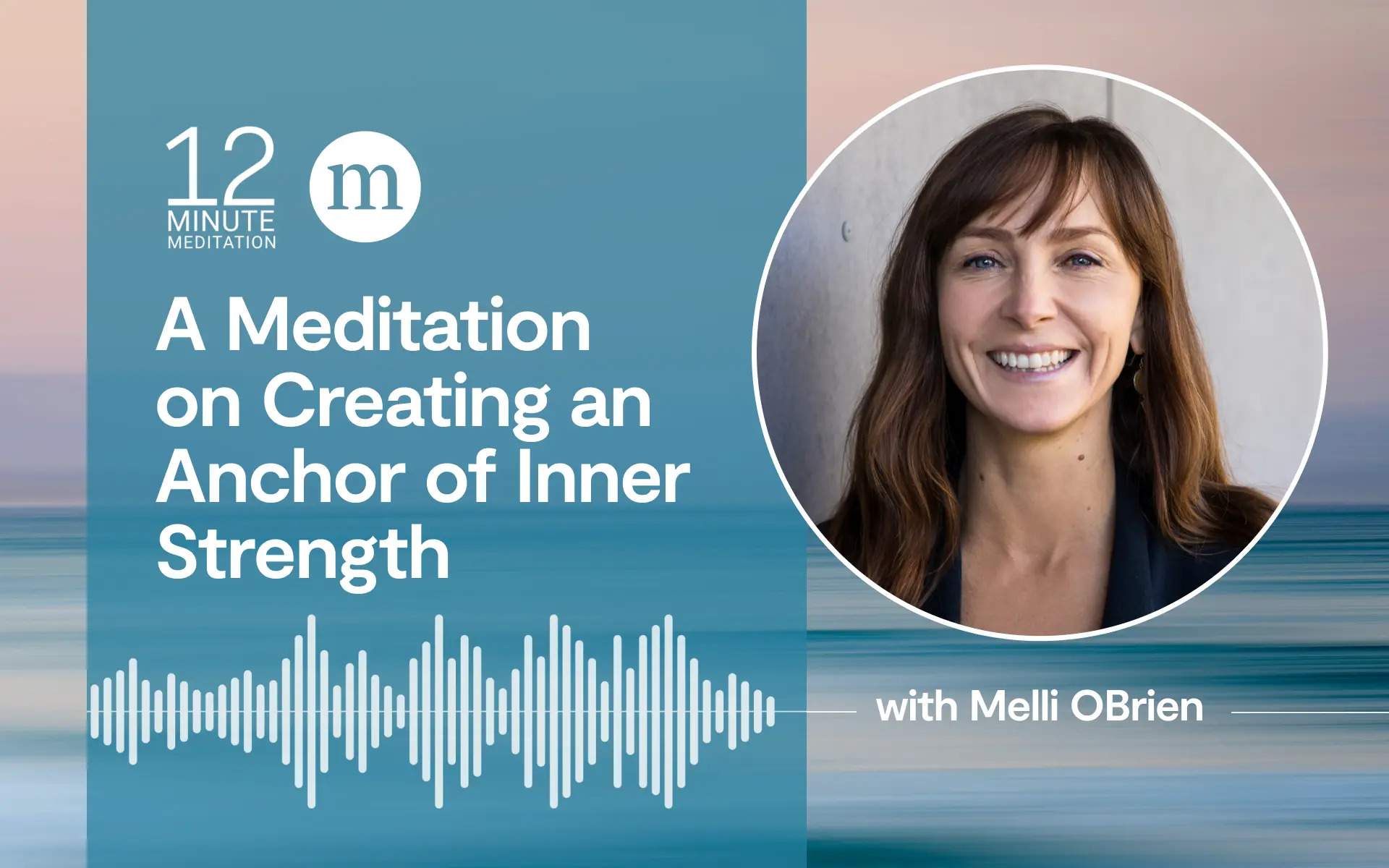
    In this week’s guided meditation, Melli O’Brien walks us through a practice we can return to in times of uncertainty or challenge to remind us of our own inner strength.

    A Meditation for Creating an Anchor of Inner Strength

    Read and practice the guided meditation script below, pausing after each paragraph. Or listen to the audio practice.

    1. Start by finding your way into a comfortable position. Sit in a comfortable way, with the spine more upright rather than slouching. When you’re ready, gently close the eyes, if that’s comfortable for you. Otherwise, you can just have them downcast with a soft gaze. When you’re ready, take three deep, slow, full breaths.  
    2. As you exhale, allow your physical body to soften. Relax a little, feeling the softening through the jaw, shoulders, belly, and hands. Again, another breath in, and out. Let go of anything that’s on the mind. To-do lists, worries, ruminations—allow yourself to arrive right here, right now, in this time, this place, this moment. 
    3. As you let the breath settle back into its own natural rhythm, continue to feel the flow of sensations of that breath moving in your body. Breathe naturally, feeling the sensations of the breath as it enters the body and leaves the body. Rest awareness on the feeling and the flow of the natural breath, allowing the breath to anchor you in the present moment. 
    4. Now bring to mind a feeling of gratitude. What does gratitude feel like in your body? You might like to take a moment to dwell on thoughts of what you’re grateful for. The food in the cupboards or water from the taps. The fact that you are safe right now and that you have this time to take care of your mental well-being. Maybe you’re  thinking about the acts of kindness you’ve received in your life, from the smile of a stranger to bigger gestures of support. Maybe you’re remembering the people who’ve loved you, supported you, forgiven you, encouraged you. What else can you be grateful for? Maybe the miracle that you’re alive at all. 
    5. Allow these feelings of gratitude flood through every fiber of your being, filling you up like golden light. That feeling of inner strength, when you notice that you have enough, that you’re supported by life, a feeling of relaxing and feeling abundant—intensify that feeling. What does it feel like in your body? How do you breathe? How do you hold yourself when you feel grateful? Bathe in that feeling. Feel the goodness of it, the strength of it. What do you say to yourself when you feel grateful? 
    6. Now squeeze your right fist gently as you feel that feeling of gratitude. Make an intention right now that you’re taking this gratitude forward with you in your life, maybe mentally saying to yourself, Thank you, this gratitude is with me now
    7. Now bring to mind the feeling of calm. Maybe you can remember times when you felt calm. Like when you were standing at the ocean’s edge watching a sunset or sunrise. Or you can just conjure up this feeling, maybe imagining a calm scene. Let  calm wash through you. Let it come alive in you. What does calm feel like? Let it move through you, soothe you, and ground you. Bring the feeling of calm to mind when you feel fully at ease, when you can be totally yourself. You’re safe, comfortable, and relaxed. Notice how you feel when you’re calm. How do you breathe? How do you hold your body? Feel the peace, the serenity, and the ease. Bathe in that feeling. 
    8. Feel the goodness of calm, the strength of it, and then gently squeeze your right fist as you feel that feeling. Mentally say to yourself, This calm is with me now. Making an intention to take the calm forward in your life. 
    9. Now bring to mind a feeling of grit. What does it feel like when you have grit? You know that inner strength when you know you could never be stuck because you always find the way forward. You always find the way through. You’re not stuck in problems, you’re thinking about solutions and creative ways forward. You’re resourceful, determined, and even playful when it comes to facing difficulty and challenges. What would grit feel like? Imagine it, remember it, let it fill your body and flow through you. How do you breathe when you have grit? How do you move? When you’re empowered, you’re focused on where you’re going, and what matters deep in your heart, your purpose, your truth, nothing’s going to stand in your way. Intensify the feeling, that feeling of grit.
    10. Feel the goodness of it, the strength of it. Squeeze your right fist as you’re feeling that feeling and make an intention that you’re now taking grit forward with you in your life, mentally saying to yourself, Thank you, this grit is with me now. Feel it become a part of you. 
    11. Now bring to mind the feeling of love. Maybe you’re remembering times when you opened your heart, when you gave love freely, when you gave someone the benefit of the doubt. Or a time when you forgave, showed compassion, kindness. Imagine or remember love: what it’s like to feel love, embody love, give love. Connect with it now and let it wash through your body and your being. Maybe even place your hands on your heart. What does love feel like in your body? Bathe in that feeling—the goodness of it, the strength of it, letting love wash through every fiber of your being, every cell of your body. 
    12. As you feel that love, gently squeeze your right fist. Mentally say to yourself, This love is with me now. Feel it become a part of you. 
    13. Now bring to mind another quality that you want to develop. Take a moment to remember what that feeling, what that quality feels like. Connect with it, remember it, conjure it up, and let it wash through you. Let it come alive in you now. What does it feel like in your body, in your mind, in your heart? See if you can intensify that feeling as if it was filling all the cells of your body, flowing through every inch of skin and bone and being within you. How do you breathe when you feel that feeling? What do you say to yourself? How do you hold your body? 
    14. Bathe in that feeling. Feel the goodness of it, the strength of it. And then squeeze your right fist as you feel that inner strength and make an intention that you’re taking this quality with you forward from this day in your life. Mentally saying to yourself, Well, this quality is with me now. Feel it become a part of you. 
    15. Now you can drop awareness back into your breathing. Just breathe naturally. Ride the waves of the breaths as the body breathes in and as the body breathes out, just feeling strong. As you breathe out, wriggle the fingers and the toes, and notice how you’re feeling after taking this time out for meditation. When you’re ready, open your eyes. 


    Source link

  • Lift Like a Pro: A Comprehensive Guide to Proper Form and Technique in Strength Training

    Lift Like a Pro: A Comprehensive Guide to Proper Form and Technique in Strength Training

    As you step into the weight room or gym, you’re filled with a sense of excitement and determination to push yourself to new heights. You’ve got a workout plan in mind, and you’re ready to lift like a pro. But, have you ever wondered what sets the pros apart from the amateurs? Is it just a matter of brute strength, or is there more to it? The answer lies in proper form and technique.

    In this comprehensive guide, we’ll take a closer look at the essential principles of weightlifting, highlighting the do’s and don’ts of lifting like a pro. From understanding the importance of neutral spine alignment to mastering the art of controlled breathing, we’ll dive into the nitty-gritty details of powerlifting, strength training, and bodybuilding.

    ### Understanding the Fundamentals: A Primer on Lifting Like a Pro

    Before diving headfirst into a weightlifting routine, it’s essential to understand the basics. Proper form and technique are the backbone of successful strength training. Here are some key takeaways to get you started:

    #### The Importance of Neutral Spine Alignment

    Good lifting form begins with proper spinal alignment. When lifting, maintain a neutral spine position, avoiding arching or rounding your back. This is crucial for generating power and preventing injury. Think of it as a tripod, with your feet, shoulders, and hips forming a stable base.

    #### Controlled Breathing and Explosive Power

    Proper breathing is often overlooked but is vital for generating explosive power. When lifting, exhale on the upward phase of the movement (e.g., when lifting the weight up) and inhale on the downward phase (e.g., when lowering the weight down). This allows for controlled breathing and helps optimize power output.

    #### Keeping Tense and Focused

    To maintain proper form, it’s essential to keep your muscles tense and focused throughout the lift. Think of it as a “micro-contracting” of the muscles involved. This helps maintain stability and reduces the risk of injury.

    ### The Art of Lifting: A Guide to Mastering the Fundamentals

    With the basics in place, let’s move on to specific exercises and techniques. We’ll cover the essential lifts, including the squat, deadlift, bench press, and pull-up.

    #### The Squat

    1. Stand with feet shoulder-width apart, toes slightly pointed outward.
    2. Slowly lower yourself into a seated position, keeping the weight on your heels and keeping your back against the stack.
    3. Push through your heels to return to standing, squeezing your glutes and quads.

    #### The Deadlift

    1. Stand with feet shoulder-width apart, toes pointing straight ahead.
    2. Bend at the hips, keeping your back straight, and grasp the weight with an overhand grip.
    3. Lift the weight to hip level, keeping your core engaged and your back upright.
    4. Lower the weight, maintaining control, and return to the starting position.

    #### The Bench Press

    1. Lie on the bench with feet flat on the ground, gripping the bar with an overhand grip.
    2. Slowly lower the weight to the chest, keeping the bar close to the smooth and the elbows slightly bent.
    3. Press the weight upwards, squeezing the chest and front deltoids.

    #### The Pull-up

    1. Hang from the pull-up bar with an overhand grip or underhand grip, depending on your preference.
    2. Engage your lats and pull yourself up, keeping your core and legs tense.
    3. Pull yourself up until your chin is above the bar, then slowly lower yourself back down.

    ### Tips and Tricks for Lifting Like a Pro

    Don’t have time to waste? Here are some quick tips to help you lift like a pro:

    #### Start Small and Gradually Increase

    Don’t try to lift too much too soon. Start with lighter weights and gradually increase as you build strength.

    #### Focus on the Negative

    The negative phase of the lift (the lowering phase) is just as important as the positive phase. Practice controlled lowering to avoid injury and optimize strength.

    #### Use Visualization

    Visualize your lifts before, during, and after the workout. Imagine the weight moving in your mind, and you’ll be surprised at how it helps with focus and form.

    ### Conquering Common Mistakes: A Guide to Avoiding Injury

    It’s easy to get complacent and let poor form creep in, but neglecting proper form can lead to injury and plateaus. Be aware of these common mistakes:

    #### Arching or Rounding the Back

    Avoid arching or rounding your back, as this can put pressure on the spine and lead to injury.

    #### Letting the Weight Drop

    When lowering the weight, avoid letting it drop too quickly. This can cause loss of control and put unnecessary stress on the joints.

    #### Using Your Shoulders

    Avoid relying too heavily on your shoulders for support. Use your core and legs to keep the weight stable.

    ### Frequently Asked Questions

    We’ve got you covered! Here are answers to your most pressing questions about lifting like a pro:

    Q: What should I prioritize: strength or size?
    A: Both! A well-balanced workout routine should focus on building strength and size.

    Q: What if I don’t like the weight I’m lifting?
    A: Don’t worry! Find a weight that’s challenging, but still allows for proper form. You can always increase later.

    Q: How often should I lift?
    A: Aim for 3-4 times a week, with at least a day’s rest in between.

    Q: Can I do too much volume or frequency?
    A: Yes! Overdoing it can lead to overtraining and demotivation. Be smart and adjust your workout routine accordingly.

    ### Conclusion

    Lifting like a pro is within your reach, but it requires patience, dedication, and a willingness to learn. By following the guidelines outlined in this comprehensive guide, you’ll be well on your way to building strength, confidence, and a strong, resilient body. Remember to focus on proper form, controlled breathing, and explosive power. With practice, you’ll be lifting like a pro in no time!
    lift-like-a-pro-a-comprehensive-guide-to-proper-form-and-technique-in-strength-training

  • Best Finger Exercisers for Strength and Rehabilitation: Enhance Dexterity and Grip

    Best Finger Exercisers for Strength and Rehabilitation: Enhance Dexterity and Grip

    Finger exercisers are essential tools for improving hand strength, dexterity, and overall finger mobility. Whether you’re an athlete, musician, or recovering from an injury, these devices cater to a wide range of needs. They are compact, easy to use, and designed to target the muscles in your fingers, hands, and even forearms. From enhancing grip strength to aiding rehabilitation, finger exercisers can help you achieve your goals with consistent use. Here’s everything you need to know about these versatile tools and how to choose the best one for your needs.

    What Are Finger Exercisers?

    Finger exercisers are compact devices designed to help improve the strength and mobility of fingers and hands. They come in various forms, including grip strengtheners, finger stretchers, and hand therapy balls. Most models are lightweight and portable, allowing for easy use at home, in the office, or on the go. These tools are particularly useful for athletes, such as climbers and tennis players, as well as musicians who require fine motor skills and strength in their fingers. Additionally, they play a vital role in physical therapy, aiding individuals recovering from hand injuries, surgeries, or conditions like arthritis and carpal tunnel syndrome.

    Benefits of Using Finger Exercisers

    1. Improves Grip Strength: Regular use of finger exercisers can significantly enhance your grip, making everyday activities like carrying groceries or opening jars easier.
    2. Supports Rehabilitation: They are a go-to solution for those recovering from injuries or surgeries, helping restore hand function and flexibility.
    3. Enhances Dexterity: Finger exercisers are excellent for improving precision and control, particularly for activities requiring fine motor skills, like playing instruments or typing.
    4. Relieves Stress: Some finger exercisers, such as therapy balls, can double as stress relievers, offering a simple way to reduce tension during the day.
    5. Prevents Injury: Strengthening your fingers and hands can reduce the risk of repetitive strain injuries, particularly for individuals with jobs that involve extensive typing or manual labor.

    What to Look for When Buying a Finger Exerciser

    When choosing a finger exerciser, consider the following factors:

    • Purpose: Are you looking to enhance strength, improve flexibility, or support recovery? Some devices are designed specifically for certain goals.
    • Resistance Levels: Many exercisers offer adjustable resistance, allowing you to increase the difficulty as your strength improves.
    • Material and Build: Durable materials ensure longevity, while ergonomic designs improve comfort during use.
    • Portability: Compact and lightweight models are ideal if you want to use your exerciser on the go.
    • Versatility: Some finger exercisers target individual fingers, while others strengthen th

    Here are the best finger exercisers available online

    1. FitBeast Grip Strength Trainer

    The FITBEAST hand rehab kit combines grip strengtheners, finger stretchers, and silicone rings to enhance hand strength, flexibility, and recovery. Its ergonomic, durable design supports users of all levels with adjustable resistance options. Compact and portable, it includes a training guide for comprehensive hand exercises anywhere.

    2. IMENSEAS Grip Strength Trainer

    The Grip Strengthener Trainer Kit offers a 7-piece set designed to improve hand and finger strength, featuring adjustable resistance levels for customized workouts. It’s ideal for athletes, musicians, and those recovering from conditions like arthritis or carpal tunnel. Crafted from durable silicone, this kit provides stress relief and rehabilitation benefits. Suitable for all ages, it ensures effective hand exercises with exceptional customer support.

    3. FitBeast Finger Strengthener

    The FitBeast Finger Strengthener enhances hand flexibility, grip strength, and recovery, catering to musicians, athletes, and those in rehabilitation. With adjustable resistance levels, it suits various training intensities. Its ergonomic, durable design ensures comfort and reliability for both finger-specific and full-hand exercises. Lightweight and portable, it’s perfect for use anytime, anywhere.

    4. D’Addario Accessories Hand Exerciser

    The Varigrip Finger Strengthener enhances finger, hand, and forearm strength with an ergonomic design and customizable tension for each finger. It features a simulated string for musicians to develop calluses and improve dexterity. Portable and versatile, it’s perfect for conditioning on the go, whether at home, the office, or while commuting.

    5. Finger Strengthener

    The Logest Finger Strengthener is designed to build finger, wrist, and forearm strength, with options to train each finger individually or the entire hand. Offering three resistance levels (3, 7, and 11 lbs), it suits beginners and those recovering from injuries. Compact and ergonomic, it ensures a comfortable grip, making it ideal for on-the-go workouts and rehabilitation.

    6. Roygra Hand Grip Strengthener

    This hand exercise set includes three balls, three finger stretchers, and two grip rings, offering varied resistance levels for all fitness stages. Made of durable, eco-friendly silicone, it enhances grip strength, forearm development, and hand flexibility. Ideal for athletes, musicians, and those recovering from arthritis or repetitive strain, it’s portable and fits all hand sizes.

    7. Grip Strength Trainer Kits

    This 5-piece grip strength trainer kit includes adjustable tools to strengthen hands, wrists, and forearms, featuring a smart counter for tracking progress. Its ergonomic design suits all ages, offering resistance levels from 10 to 130 lbs. Ideal for athletes, musicians, and rehabilitation, it supports injury recovery and enhances hand dexterity.

    8. Dynatomy VariGrip Sport (VGSP)

    The VariGrip Sport features patented adjustable resistance, enabling customized training for each finger, hand, wrist, and forearm. It enhances strength, dexterity, and endurance while offering ergonomic comfort for various hand sizes. Unique features like a callus builder and targeted resistance customization make it ideal for athletes, climbers, and gamers.

    9. Finger Poppers

    These pop-it fidget toys provide sensory stimulation and help relieve stress, anxiety, and frustration through engaging finger exercises. With a satisfying popping sound and tactile friction, they strengthen finger muscles while promoting focus and productivity. Available in vibrant colors, they are compact, safe, and make an excellent gift for both adults and teens.

    10. 2 Pack Silicone Finger Strength Trainers

    This hand grip strength trainer set helps improve hand strength, finger dexterity, and grip, making it ideal for sports enthusiasts, office workers, and those recovering from injuries. With durable, washable silicone material, the set offers progressive resistance for effective training and is portable for on-the-go use. It makes a perfect gift for athletes and musicians looking to enhance their grip and forearm strength.

    11. FMELAH 3pcs Finger Stretcher Exerciser

    This three-piece finger exercise set, made from high-quality, odorless, and latex-free silicone, is designed for durability and comfort, ensuring long-lasting use. With three resistance levels (Green-6.6lbs, Blue-8.8lbs, Orange-11lbs), it allows users to gradually increase grip strength and improve forearm development. The ergonomic design fits all hand sizes, making it ideal for athletes, musicians, and anyone looking to enhance finger dexterity or recover from hand injuries.

    12. KDG Finger Strengthener

    The adjustable tension grip strength trainer allows you to customize the resistance for each finger, with levels ranging from 3-5 lbs (Grey), 5-6.5 lbs (Green), to 8-12 lbs (Orange), helping to strengthen individual fingers and improve dexterity. Its ergonomic design provides a comfortable grip, isolating each finger for targeted training in strength, endurance, and flexibility. Made from high-quality materials like ABS plastic, stainless steel springs, and Santoprene, this trainer is durable and ideal for improving grip strength, wrist, and forearm power, making it beneficial for conditions like arthritis and carpal tunnel.

    13. Gripster, 2PCS Hook Grip Strength Trainer

    The resistance levels finger stretcher set includes two adjustable wrist straps and hand strengtheners, offering versatile training options for improving finger strength. Made from high-quality silicone, these hand and finger exercisers are durable, waterproof, and washable, ensuring long-lasting use. Portable and lightweight, the compact design allows for easy use anywhere, making it ideal for athletes, musicians, and daily activities like writing, driving, and typing.

    14. FitBeast Flex Therapy Bar

    The FitBeast therapy bar set is expertly designed for rehabilitation, effectively addressing Tennis Elbow, Golfer’s Elbow, and Tendonitis while improving hand, wrist, and forearm strength. With four color-coded resistance levels ranging from 6 to 25 lbs, this tool offers a progressive training experience, enhancing flexibility and grip strength. Perfect for athletes, musicians, and those seeking to improve daily tasks, the set includes a detailed guide for optimal use, making it easy to incorporate into your workout routine.

    15. Airisland Finger Stretcher

    The finger resistance bands are designed to improve finger strength, benefiting athletes and musicians alike, with quick results using the provided hand exercise equipment. Compact and portable, you can use it anytime and anywhere—whether at home, work, or on the go. Made from durable, BPA-free silica gel, this hand stretcher is washable and available in three resistance levels to suit various needs, making it an excellent gift for those recovering from hand injuries or conditions like arthritis and carpal tunnel.

    16. FlexEx® Sport Patented Hand Exerciser

    The FlexEx Sport Pack is a patented device designed to strengthen hands, fingers, and forearms, giving you a competitive edge in any activity. Featuring three resistance levels (Red, Green, and Blue) made of 100% latex-free material, it’s compact, ergonomic, and easy to use anywhere, anytime. With a satisfaction guarantee, the FlexEx offers a simple and effective way to build hand strength for sports, musicians, and everyday use.

    17. FitBeast Stress Balls for Adults

    Our stress balls are designed for versatile use, ideal for elderly individuals, musicians, athletes, and those seeking arthritis relief. Available in three resistance levels (light, medium, heavy), they are crafted from durable PU sponge for comfort and long-lasting use. Compact and portable, these stress balls are perfect for improving hand strength and flexibility at home, in the office, or on the go.

    18. CanDo 10-0741 Digi-Flex Hand Exerciser

    The Cando Digi-Flex Hand Exerciser is designed to develop isolated finger strength, flexibility, and coordination, while also building hand and forearm strength. It features progressive, color-coded resistance levels, allowing users to track their progress. The included illustrated manual provides guidance for effective use, making it a valuable tool for rehabilitation and improving overall hand functionality.

    19. JINWEE Finger Exerciser & Hand Strengthener

    The finger dexterity exerciser is designed for athletes and musicians, enhancing grip strength and endurance. It aids in recovery from surgery, nerve damage, and repetitive strain injuries, while preventing conditions like arthritis and carpal tunnel. The device uses spring-loaded technology to challenge each finger individually, providing a comfortable grip for effective training.

    20. Fender GRIP Hand and Finger Exerciser

    The Fender Finger Exerciser, developed in collaboration with certified hand therapists, is designed to strengthen fingers and hands, improving control and stamina for musicians. It features soft, non-allergen rubber finger caps for comfort and secure grip. Available in three resistance levels (White: 5 lbs, Red: 7 lbs, Black: 9 lbs), it helps musicians of all ages enhance grip and flexibility, perfect for warming up before practice or performance. Used by professionals for rehabilitation and recovery, it also aids in managing conditions like Carpal Tunnel Syndrome.

    21. Grip Strength Trainer – Adjustable Forearm Strengthener

    The IGOHEALS 4-in-1 Hand Gripper offers versatile training with four modes: grip strength, finger training, purlicue training, and finger force training. Featuring adjustable resistance from 10 to 130 lbs, it suits users of all strength levels, including beginners. Its built-in smart counting function tracks repetitions, making goal setting easier. The durable, portable design includes a 2.5mm carbon steel spring and is lightweight, weighing just 8.8oz. Ideal for athletes, climbers, musicians, and anyone looking to enhance hand, forearm, and grip strength, it’s an excellent tool for muscle building and flexibility.

    22. rohands PRO Hand Exerciser

    The Prohands Spring-Loaded Hand & Finger Exerciser is used by professional athletes, musicians, and for rehabilitation, offering a reliable solution for strengthening hands and fingers. Made with high-quality ABS plastic, stainless steel springs, and durable Santoprene, it isolates and exercises each finger for improved strength, dexterity, and endurance. Ideal for rehabilitation and preventing conditions like arthritis, carpal tunnel, and neuropathy, it supports healthy hand development. Available in multiple models (VIA, GRIPMASTER, GRIPMASTER-Rehab, and PRO), it provides varying resistance levels to track progress, from 1lb to 13lbs, catering to different needs.

    23. JIN BD Wrist Trainer Ball Auto-Start Wrist Strengthener

    The Wrist Ball features an automatic start design that activates with a simple push in the direction of the arrow, utilizing an internal spring for easy use. As it rotates, colorful lights illuminate, adding fun while helping to relieve muscle soreness. It operates smoothly without strange vibrations and can rotate for extended periods, ensuring consistent use without interruption

    24. FLYFE Grip Strength Trainer, Hand Grip Strengthener

    The FLYFE Grip Strength Trainer Set is designed to improve grip strength and flexibility, available in 4-pack (50-200LB), 6-pack (100-350LB), or single grips (50-200LB) options, perfect for athletes, fitness enthusiasts, and musicians. Built for rehabilitation, it aids in recovery from hand injuries, arthritis, or carpal tunnel, while enhancing strength in the forearms, wrists, and fingers.

    25. Hand Grip Strengthener Set

    The LoGest Hand Grip Strengtheners 14-Piece Set includes a variety of tools such as an adjustable hand grip, finger stretcher bands, grip rings, and a finger grip exerciser, all crafted from high-quality materials for long-term durability. Ideal for athletes, musicians, and anyone looking to build hand and finger strength, this set effectively relieves hand and wrist pain from conditions like carpal tunnel while enhancing grip strength. Conveniently portable with a carrying bag, these tools can be used at home, the office, or on the go, turning downtime into productive exercise.

    Published by Medicaldaily.com

    Source link

  • Unlock Ultimate Strength: Mastering the Mind-Muscle Connection for Optimal Performance

    Unlock Ultimate Strength: Mastering the Mind-Muscle Connection for Optimal Performance

    Mastering the Mind-Muscle Connection for Optimal Performance

    The concept of unlocking ultimate strength is not just about physical power, but also about mental toughness and a deep understanding of the mind-muscle connection. This connection is the key to optimal performance, and it’s a skill that can be developed with practice, patience, and dedication. In this article, we’ll explore the importance of the mind-muscle connection, how to develop it, and the benefits it can bring to your overall fitness and well-being.

    The Mind-Muscle Connection: What is it?

    The mind-muscle connection refers to the relationship between the brain and the muscles. It’s the ability to focus your mind and direct your muscles to perform specific movements and actions. This connection is essential for optimal performance, as it allows you to tap into your full potential and achieve your goals.

    When you’re able to connect with your muscles, you’re able to access the full range of your strength and power. This means you’ll be able to lift heavier weights, run faster, and perform more complex movements with ease. The mind-muscle connection is also important for injury prevention, as it allows you to develop a greater sense of body awareness and control.

    The Science Behind the Mind-Muscle Connection

    Research has shown that the mind-muscle connection is closely linked to the brain’s motor control systems. When you think about moving a muscle, your brain sends electrical signals to the muscle fibers, which then contract to produce movement. This process is known as the "motor neuron pathway."

    The motor neuron pathway is responsible for controlling voluntary movements, such as lifting weights or running. When you’re able to focus your mind and direct your muscles, you’re able to tap into this pathway and access the full range of your strength and power.

    Developing the Mind-Muscle Connection

    Developing the mind-muscle connection requires practice, patience, and dedication. Here are some tips to help you get started:

    1. Focus on your breathing: Breathing is closely linked to the mind-muscle connection. When you’re able to control your breathing, you’re able to control your body. Try taking slow, deep breaths before and during your workouts to help you focus and connect with your muscles.
    2. Use visualization techniques: Visualization is a powerful tool for developing the mind-muscle connection. Close your eyes and imagine yourself performing the movement or exercise you’re about to do. Visualize the muscles you’re using and the sensations you’re feeling.
    3. Practice mindfulness: Mindfulness is the practice of being present in the moment. When you’re mindful, you’re able to focus on your body and the sensations you’re feeling. Try incorporating mindfulness exercises into your daily routine to help you develop greater body awareness and control.
    4. Use progressive overload: Progressive overload is the practice of gradually increasing the weight or resistance you’re lifting over time. This helps to challenge your muscles and develop greater strength and power.
    5. Practice with a partner or personal trainer: Working with a partner or personal trainer can help you develop the mind-muscle connection by providing feedback and guidance. They can help you focus on your form and technique, and provide support and motivation.

    Benefits of the Mind-Muscle Connection

    Developing the mind-muscle connection can bring numerous benefits to your overall fitness and well-being. Some of the benefits include:

    1. Increased strength and power: When you’re able to connect with your muscles, you’re able to access the full range of your strength and power.
    2. Improved body awareness: The mind-muscle connection allows you to develop a greater sense of body awareness and control.
    3. Injury prevention: When you’re able to connect with your muscles, you’re able to develop greater control and awareness, which can help prevent injuries.
    4. Improved mental toughness: Developing the mind-muscle connection requires mental toughness and focus. As you develop this connection, you’ll also develop greater mental toughness and resilience.
    5. Improved overall fitness: The mind-muscle connection is essential for optimal performance. When you’re able to connect with your muscles, you’ll be able to perform at a higher level and achieve your fitness goals.

    Conclusion

    Unlocking ultimate strength requires more than just physical power – it also requires mental toughness and a deep understanding of the mind-muscle connection. By developing this connection, you’ll be able to access the full range of your strength and power, improve your body awareness and control, and achieve your fitness goals. Remember to focus on your breathing, use visualization techniques, practice mindfulness, and use progressive overload to develop the mind-muscle connection. With practice, patience, and dedication, you’ll be able to unlock your full potential and achieve optimal performance.

    FAQs

    Q: What is the mind-muscle connection?
    A: The mind-muscle connection refers to the relationship between the brain and the muscles. It’s the ability to focus your mind and direct your muscles to perform specific movements and actions.

    Q: How do I develop the mind-muscle connection?
    A: Developing the mind-muscle connection requires practice, patience, and dedication. Try focusing on your breathing, using visualization techniques, practicing mindfulness, and using progressive overload to help you develop this connection.

    Q: What are the benefits of the mind-muscle connection?
    A: The benefits of the mind-muscle connection include increased strength and power, improved body awareness, injury prevention, improved mental toughness, and improved overall fitness.

    Q: Can anyone develop the mind-muscle connection?
    A: Yes, anyone can develop the mind-muscle connection with practice, patience, and dedication. It’s a skill that can be developed with consistent effort and attention.

    Q: How long does it take to develop the mind-muscle connection?
    A: The time it takes to develop the mind-muscle connection varies depending on the individual and their level of dedication. With consistent practice and attention, you can start to develop this connection in as little as a few weeks. However, it may take several months or even years to fully develop this connection.

    unlock-ultimate-strength-mastering-the-mind-muscle-connection-for-optimal-performance

  • Core Strength 101: Why a Strong Core is Crucial for a Fit and Functional Body

    Core Strength 101: Why a Strong Core is Crucial for a Fit and Functional Body

    Why a Strong Core is Crucial for a Fit and Functional Body

    The core is often referred to as the powerhouse of the body, and for good reason. It’s the foundation upon which every movement is built, providing stability, balance, and coordination. A strong core is essential for a fit and functional body, and neglecting it can lead to a range of problems, from back pain to poor posture. In this article, we’ll explore the importance of core strength, how to build it, and why it’s a crucial aspect of overall fitness.

    What is the Core?

    Before we dive into the importance of core strength, it’s essential to understand what the core is. The core refers to the muscles that surround the torso, including the abs, obliques, and lower back. These muscles work together to provide stability and support for the body, allowing us to move efficiently and effectively.

    The Core: More than Just Abs

    While many people focus on developing strong abs, the core is more than just a six-pack. In fact, the core is made up of multiple layers of muscles, including:

    • Transverse abdominis: The deepest abdominal muscle that wraps around the spine and pelvis, providing stability and support.
    • External obliques: The muscles on the sides of the abdomen that rotate the torso and help with flexion.
    • Internal obliques: The muscles on the front of the abdomen that also rotate the torso and help with flexion.
    • Erector spinae: The muscles along the spine that provide support and stability.
    • Latissimus dorsi: The muscles on the back that help with flexion and extension.

    Why a Strong Core is Crucial

    So, why is a strong core so important? Here are just a few reasons:

    • Stability and Balance: A strong core provides stability and balance, allowing us to move efficiently and effectively. When our core is weak, we may struggle with poor posture, which can lead to back pain, neck pain, and even fatigue.
    • Injury Prevention: A strong core helps to prevent injuries by providing support and stability for the body. This is especially important for athletes who engage in high-impact activities, such as running or jumping.
    • Improved Posture: A strong core helps to improve posture by providing support and stability for the spine. This can help to reduce back pain and improve overall body alignment.
    • Increased Power and Efficiency: A strong core helps to increase power and efficiency in all movements. When our core is weak, we may struggle to generate power and momentum, which can lead to decreased performance and increased risk of injury.
    • Better Breathing and Digestion: A strong core also helps to improve breathing and digestion. When our core is weak, we may experience digestive issues, such as bloating and cramps, as well as respiratory problems, such as shallow breathing.

    How to Build Core Strength

    So, how can we build core strength? Here are a few tips:

    • Engage in Core-Specific Exercises: There are many exercises that target the core, including planks, crunches, and leg raises. It’s essential to engage in a variety of exercises to target all aspects of the core.
    • Incorporate Functional Movement: Functional movement, such as squats and lunges, engages the core and helps to improve overall stability and balance.
    • Use Progressive Overload: Progressive overload refers to gradually increasing the intensity of exercises over time. This is essential for building core strength and preventing plateaus.
    • Incorporate Core-Strengthening Exercises into Your Daily Routine: There are many core-strengthening exercises that can be done at home, such as planks and sit-ups. It’s essential to incorporate these exercises into your daily routine to maintain core strength.

    Common Core-Strengthening Exercises

    Here are a few common core-strengthening exercises:

    • Plank: Hold a plank position for 30-60 seconds, rest for 30 seconds, and repeat for 3-5 sets. This exercise targets the transverse abdominis muscle.
    • Crunches: Lie on your back with your knees bent and hands behind your head. Lift your shoulders off the ground, curling up towards your knees. Hold for a count of 1-2, then lower back down. Repeat for 3-5 sets of 10-15 reps.
    • Leg Raises: Lie on your back with your arms extended overhead and legs straight. Lift your legs off the ground, keeping them straight, and hold for a count of 1-2. Lower your legs back down and repeat for 3-5 sets of 10-15 reps.
    • Russian twists: Sit on the floor with your knees bent and feet flat. Lean back slightly and lift your feet off the ground. Twist your torso to one side, touching your hand to the ground beside you. Hold for a count of 1-2, then twist to the other side. Repeat for 3-5 sets of 10-15 reps.

    Conclusion

    A strong core is essential for a fit and functional body. It provides stability and balance, prevents injuries, improves posture, and increases power and efficiency. Building core strength requires a combination of core-specific exercises, functional movement, progressive overload, and consistency. By incorporating core-strengthening exercises into your daily routine, you can improve your overall fitness and reduce your risk of injury.

    FAQs

    Q: Why is core strength important for athletes?
    A: Core strength is important for athletes because it provides stability and support for the body, allowing them to move efficiently and effectively. It also helps to prevent injuries and improve power and efficiency.

    Q: How can I tell if my core is weak?
    A: You can tell if your core is weak by looking for signs such as poor posture, back pain, and fatigue. You can also perform exercises such as planks and crunches to target the core.

    Q: How often should I work on building core strength?
    A: It’s recommended to work on building core strength 2-3 times per week, with at least one day of rest in between. You can also incorporate core-strengthening exercises into your daily routine, such as planks and sit-ups.

    Q: Can I build core strength with just exercises like crunches and leg raises?
    A: While exercises like crunches and leg raises can target the core, they are not enough to build core strength. It’s essential to incorporate a variety of exercises that target all aspects of the core, such as planks and functional movement.

    core-strength-101-why-a-strong-core-is-crucial-for-a-fit-and-functional-body