Tag: Steps

  • Antihypertensives and Hypertension Drugs Plus Lifestyle Steps for Long Term BP Control

    Antihypertensives and Hypertension Drugs Plus Lifestyle Steps for Long Term BP Control

    Blood pressure medications and lifestyle changes often work best when they are used together, especially for people who need long‑term BP control with antihypertensives and other hypertension drugs.

    High blood pressure usually develops silently over years, so combining evidence‑based treatments with everyday habits helps lower numbers while also protecting the heart, brain, and kidneys. When both approaches are aligned, individuals have a better chance of reaching and maintaining healthy blood pressure targets.

    Why Combine Blood Pressure Medications and Lifestyle Changes?

    High blood pressure increases the risk of heart attack, stroke, kidney disease, and vision problems, even when a person feels fine. Antihypertensives and other hypertension drugs lower blood pressure through different mechanisms, such as relaxing blood vessels, reducing fluid volume, or slowing the heart rate.

    Lifestyle changes, including diet, physical activity, and weight management, support these effects and can sometimes reduce the doses or number of medications needed.

    When doctors suggest combining medication with lifestyle adjustments, they base this on blood pressure readings, other medical conditions, and overall cardiovascular risk.

    Those with very high readings or organ damage usually need hypertension drugs promptly instead of relying on lifestyle changes alone. Over time, consistent BP control lowers the chance of serious complications and supports better long‑term health.

    Main Types of Hypertension Drugs

    There are several major classes of antihypertensives, and each type works in a different way. Physicians choose among these hypertension drugs based on age, other illnesses, possible side effects, and how high the blood pressure is at baseline. Often, more than one class is combined to achieve steady BP control.

    ACE inhibitors block the formation of a hormone that narrows blood vessels, making it easier for blood to flow, and are frequently used in people with diabetes or kidney disease, according to the Centers for Disease Control and Prevention.

    ARBs, or angiotensin receptor blockers, act on the same system but block the receptor, and they are often used when ACE inhibitors cause cough or are not well tolerated. Diuretics, or “water pills,” help the kidneys remove excess salt and water from the body, lowering blood volume and pressure and are often a first‑line option.

    Calcium channel blockers relax the muscles in blood vessel walls and can be particularly helpful in some older adults and certain ethnic groups. Beta‑blockers reduce heart rate and the force of heart contractions, which can lower blood pressure and are especially useful when heart disease or certain arrhythmias are present.

    Additional antihypertensives, such as aldosterone antagonists or fixed‑dose combination pills, may be used in resistant hypertension when standard treatments alone do not provide adequate BP control.

    Can Lifestyle Changes Alone Control High Blood Pressure?

    In some people with mild hypertension and no other major risk factors, lifestyle changes alone may be enough to bring blood pressure into a healthy range.

    This is more likely when baseline readings are only slightly elevated and when individuals follow a structured plan closely. In many cases, however, lifestyle measures and antihypertensives work together rather than in place of each other.

    A heart‑healthy eating pattern with plenty of fruits, vegetables, whole grains, and lean proteins supports BP control by improving blood vessel function and reducing excess sodium. Limiting salt intake, avoiding highly processed foods, and cooking more meals at home can meaningfully lower daily sodium levels.

    Gradual weight loss, especially around the waist, and regular physical activity such as brisk walking, cycling, or swimming also contribute to lower blood pressure over time.

    Limiting alcohol, avoiding tobacco, and managing stress with strategies like deep breathing, stretching, or mindfulness further assist BP control.

    Even short daily activity, such as several five‑ to ten‑minute walks, can help those who cannot exercise for long periods. These lifestyle changes are recommended for everyone with elevated blood pressure, whether they take hypertension drugs or not.

    Combining Antihypertensives and Lifestyle for Better BP Control

    For many adults, the most effective strategy is to combine antihypertensives with practical lifestyle changes instead of relying on a single approach.

    Hypertension drugs can bring levels down more quickly, which is important in preventing complications, while lifestyle habits help maintain these gains and may enhance the impact of the medications. This combined route often offers more flexibility in adjusting doses and tailoring treatment over time.

    Monitoring is central to good BP control. Home blood pressure monitors allow individuals to track readings between clinic visits and show how well antihypertensives and lifestyle changes are working together.

    Recording readings at consistent times, such as morning and evening before medications or meals, gives a clearer picture than occasional checks alone.

    Regular follow‑up with a healthcare professional helps review averages, address side effects, and adjust doses or add new medications when needed. Blood and urine tests may be used to check kidney function and electrolyte levels, especially when certain drug classes or higher doses are used.

    Over time, this careful monitoring supports a personalized mix of hypertension drugs and lifestyle strategies that best fit each person’s health profile and preferences.

    Side Effects, Adherence, and Long‑Term BP Control

    Like all medications, antihypertensives can cause side effects, although many are mild and manageable. Some people notice dizziness, fatigue, frequent urination, or ankle swelling, depending on the drug class.

    Reporting these symptoms allows clinicians to adjust the dose, change timing, or switch to a different hypertension drug when appropriate.

    Lifestyle choices can sometimes ease or reduce the impact of minor side effects, such as staying hydrated, rising slowly from sitting or lying, and maintaining gentle, regular physical activity.

    Individuals are generally advised not to stop antihypertensives on their own, since abrupt changes can destabilize BP control and raise health risks. Tools like pill organizers, smartphone reminders, and written logs can support daily medication use and help people stay on track.

    Long‑Term Heart Health With Antihypertensives and Lifestyle Changes

    For those living with high blood pressure, viewing antihypertensives and lifestyle changes as partners can reshape how BP control is approached.

    Hypertension drugs provide a reliable way to lower numbers and reduce immediate cardiovascular risk, while diet, movement, weight management, and stress reduction strengthen those effects and support overall heart health.

    When both elements are built into daily routines and reviewed regularly with a healthcare professional, many people are better able to reach stable BP control, protect vital organs, and maintain healthier lives over the long term.

    Frequently Asked Questions

    1. Can blood pressure return to normal after starting antihypertensives?

    Yes, many people reach target BP with antihypertensives plus lifestyle changes, but they usually need ongoing treatment to keep levels in a healthy range.

    2. Is it safe to take antihypertensives at night instead of in the morning?

    Timing can be adjusted, but it should be done under medical guidance; some people benefit from evening dosing, while others do better with morning schedules.

    3. Do all hypertension drugs cause weight gain or fatigue?

    No, side effects vary by drug class and person; if weight or energy changes appear, doctors can often switch or adjust medications.

    4. Can someone with controlled BP ever stop taking hypertension drugs?

    Sometimes, after sustained control and major lifestyle improvements, doctors may carefully taper doses, but stopping is never recommended without supervision.



    Source link

  • UnitedHealth CEO Steps Down 6 Months After Brian Thompson Murder

    UnitedHealth CEO Steps Down 6 Months After Brian Thompson Murder

    The UnitedHealth CEO abruptly stepped down on Tuesday, six months after the CEO of UnitedHealth’s subsidiary UnitedHealthcare, Brian Thompson, was murdered.

    Andrew Witty cited “personal reasons” for stepping down from the top position. He was replaced by Stephen J. Hemsley, who previously served as the CEO from 2006 to 2017. Hemsley will continue to serve concurrently as chairman of UnitedHealth’s board of directors.

    “We are grateful for Andrew’s stewardship of UnitedHealth Group, especially during some of the most challenging times any company has ever faced,” Hemsley said in a press release. “The Board and I have greatly valued his leadership and compassion as chief executive and as a director and wish him and his family the best.”

    Additionally, the company stated it suspended its 2025 annual outlook to focus on “broadening to more types of benefit offerings than seen in the first quarter.” It added that “medical costs of many Medicare Advantage beneficiaries new to UnitedHealthcare remained higher than expected.” UnitedHealth’s outlook is expected to return in 2026.

    Thompson was fatally shot in New York on December 6, 2024. The shooter allegedly wrote “delay,” “deny” and “depose” on the bullets, seemingly in reference to a book criticizing policies for health insurance claims.

    Luigi Mangione, 26, was arrested in Pennsylvania five days later and accused of murdering Thompson. He was indicted on 11 New York state charges and four federal charges, including first-degree murder, murder in furtherance of terrorism and stalking. U.S. Attorney General Pam Bondi is seeking the death penalty for Mangione’s federal charges.

    Originally published on Latin Times

    Source link

  • The Ultimate Morning Skincare Routine: 7 Essential Steps for Glowing Skin

    The Ultimate Morning Skincare Routine: 7 Essential Steps for Glowing Skin

    The Ultimate Morning Skincare Routine: 7 Essential Steps for Glowing Skin

    Starting your day with a solid skincare routine can make all the difference in how you look and feel. A well-balanced morning routine can help to revitalize your skin, boost your mood, and give you a confidence boost. In this article, we’ll be covering the 7 essential steps to create the ultimate morning skincare routine, helping you to achieve glowing, healthy-looking skin.

    Step 1: Cleanse and Purify

    The first step in your morning skincare routine is to cleanse your skin. This is essential for removing dirt, oil, and impurities that have accumulated overnight. Use a gentle, non-foaming cleanser that is suitable for your skin type, and massage it onto your face for 30 seconds. Rinse thoroughly with lukewarm water, then pat dry with a clean towel.

    Step 2: Toner Time

    Next, it’s time to tone your skin. Toners help to balance your skin’s pH, reduce the appearance of pores, and prepare your skin for the next steps in your routine. Look for a toner that contains witch hazel, a natural astringent that can help to tighten pores and reduce inflammation. Soak a cotton pad with toner and sweep it across your face, avoiding the delicate skin around your eyes.

    Step 3: Exfoliate and Brighten

    Exfoliating is an essential step in any skincare routine, but it’s especially important in the morning to remove dead skin cells and brighten up your complexion. Use a gentle exfoliating scrub or a chemical exfoliant containing alpha-hydroxy acids (AHAs) or beta-hydroxy acids (BHAs) to help break down dead skin cells and reveal smoother, brighter skin.

    Step 4: Essence It Up

    Essences are lightweight, watery serums that penetrate deep into the skin to deliver active ingredients. They help to hydrate, brighten, and smooth out fine lines and wrinkles. Look for an essence that contains antioxidants, vitamins, or peptides to target specific skin concerns. Pour a few drops onto your palm, apply it to your face, and gently pat it in with your ring finger.

    Step 5: Serum Spotlight

    Serums are concentrated formulas that contain active ingredients that target specific skin concerns, such as fine lines, wrinkles, or dark spots. They’re usually applied after the essence and allowed to absorb fully before moving on to the next step. Look for a serum that contains retinol, vitamin C, or niacinamide to keep your skin looking its best.

    Step 6: Moisturize and Hydrate

    Moisturizing is crucial to keep your skin healthy and supple. Look for a moisturizer that contains hyaluronic acid, glycerin, or ceramides to provide long-lasting hydration. Apply a generous amount to your face and neck, gently massaging it in until fully absorbed.

    Step 7: Protect and Shield

    The final step in your morning skincare routine is to apply a broad-spectrum sunscreen with an SPF of at least 30. This protects your skin from UVA and UVB rays, reducing the risk of premature aging, sunburn, and skin cancer. Choose a water-resistant or sweat- and oil-resistant formula to ensure all-day protection.

    Conclusion

    A well-structured morning skincare routine can make a significant difference in the way you look and feel. By incorporating these 7 essential steps into your daily routine, you’ll be on your way to achieving glowing, healthy-looking skin that’s as radiant as ever. Remember to be patient and consistent, as it may take some time to see results. With the right products and a steady routine, you’ll be rocking glowing skin in no time.

    FAQs

    • What if I have sensitive skin? Can I still use these products?
      Yes, all of the products mentioned in this article should be gentle and suitable for sensitive skin. Look for fragrance-free and hypoallergenic ingredients to avoid any irritation.
    • Can I skip the toner and use only cleanser?
      While toners are optional, they play a crucial role in balancing your skin’s pH and removing impurities. If you choose to skip the toner, make sure to use a gentle cleanser that cleans and purifies without stripping your skin of its natural oils.
    • Can I exfoliate every day?
      Exfoliating daily can be harsh on your skin, leading to irritation and dryness. Limit exfoliation to 2-3 times a week, or as recommended by your dermatologist. For daily exfoliation, consider using a chemical exfoliant or a physical exfoliant with gentle, round beads.
    • Can I use all of these products together at once?
      It’s not recommended to use all of these products at once. Start with the essentials, such as cleanser, toner, and moisturizer, and gradually add more products as your skin adapts. This will help you avoid any irritation or clogged pores.

    By incorporating these 7 essential steps into your morning skincare routine, you’ll be on your way to achieving the glowing, healthy-looking skin you’ve always wanted. Remember to be patient, consistent, and gentle with your skin, and you’ll be rocking radiant, glowing skin in no time!

  • 7 Steps to Relax Your Body

    7 Steps to Relax Your Body

    When was the last time you gave your body a break? And we’re not talking about sleep. Take ten minutes and try the body scan practice.  

    Time: 10–20 minutes

    When was the last time you noticed how your body was feeling? Not just when you have a headache or you’re tired or you have heartburn after that spicy taco you ate for lunch. But just noticing how your body is feeling right now, while you’re sitting or standing or lying down. How about noticing how your body feels while you’re sitting in an important meeting or walking down the street or playing with your children?

    In our busy, high-tech, low-touch lives, it’s easy to operate detached from our own bodies. They too easily become vessels we feed, water, and rest so they can continue to cart around our brains. We don’t pay attention to the information our bodies are sending us or the effect that forces such as stress are having—until real health problems set in.

    Let’s take a small and simple step in the direction of paying our body the attention it is due. Consider spending just a few minutes—every day, if you can—to notice your own physicality. Not to judge your body or worry about it or push it harder at the gym, but to be in it.

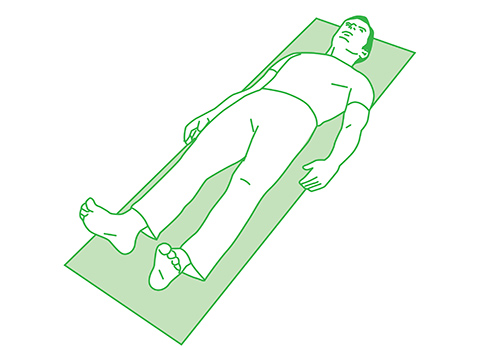
    Here’s an easy body-scan practice with just 7 steps to relax your body. It will tune you in to your body and anchor you to where you are right now. It will heighten your senses and help you achieve greater levels of relaxation. You can do it sitting in a chair or on the floor, lying down, or standing.

    Mindfulness Practice: 7 Steps to Relax Your Body

    1. Settle into a comfortable position, so you feel supported and relaxed.

    2. Close your eyes if you wish, or leave them open with a soft gaze, not focusing on anything in particular.

    3. Rest for a few moments, paying attention to the natural rhythm of your breathing.

    4. Once your body and mind are settled, bring awareness to your body as a whole. Be aware of your body resting and being supported by the chair, mattress, or floor.

    5. Begin to focus your attention on different parts of your body. You can spotlight one particular area or go through a sequence like this: toes, feet (sole, heel, top of foot), through the legs, pelvis, abdomen, lower back, upper back, chest shoulders, arms down to the fingers, shoulders, neck, different parts of the face, and head.

    6. For each part of the body, linger for a few moments and notice the different sensations as you focus.

    7. If you get distracted, gently bring your attention back. The moment you notice that your mind has wandered, return your attention to the part of the body you last remember.

    If you fall asleep during this body-scan practice, that’s okay. When you realize you’ve been nodding off, take a deep breath to help you reawaken, and perhaps reposition your body (which will also help wake it up). When you’re ready, return your attention to the part of the body you last remember focusing on.

    This article also appeared in the February 2014 issue of Mindful magazine.


    Source link

  • 10 Simple Steps to a Clutter-Free Home

    10 Simple Steps to a Clutter-Free Home

    10 Simple Steps to a Clutter-Free Home

    Are you tired of feeling overwhelmed by the mess and clutter in your home? Do you dream of having a peaceful and organized space where you can relax and enjoy your free time? If so, you’re not alone. Clutter can be a major source of stress and anxiety, but the good news is that it’s easy to tackle and overcome. In this article, we’ll outline 10 simple steps to help you achieve a clutter-free home.

    Step 1: Start Small

    Before you begin tackling your clutter, it’s essential to start small. Don’t try to tackle an entire room or level of your home at once. Instead, start with one area or category of items, such as your desk or kitchen countertops. This will help you focus your efforts and make progress without feeling overwhelmed.

    Step 2: Sort and Purge

    Once you’ve identified the area you want to tackle, it’s time to sort and purge. Go through each item and categorize it into one of three piles: keep, donate/sell, and discard. Be ruthless – if you haven’t used something in the past year, it’s probably safe to get rid of it.

    Step 3: Clean as You Go

    One of the best ways to maintain a clutter-free home is to clean as you go. This means wiping down surfaces, putting away items, and taking out the trash regularly. It may seem like a small task, but it can make a big difference in the long run.

    Step 4: Use Storage Containers

    Storage containers are a great way to keep clutter at bay. Use them to store items like toys, linens, and cleaning supplies. Label each container so you can easily find what you need.

    Step 5: Create a "Home" for Each Item

    Every item in your home should have a designated "home" – a place where it’s stored and kept organized. This will help prevent clutter from building up in the future.

    Step 6: Schedule Regular Decluttering Sessions

    Decluttering is not a one-time task – it’s an ongoing process. Schedule regular decluttering sessions to keep your home organized and clutter-free.

    Step 7: Don’t Forget the Little Things

    It’s easy to overlook the little things when it comes to decluttering, but they can make a big difference. Pay attention to details like dusting, vacuuming, and cleaning out light fixtures.

    Step 8: Keep Your Closets Organized

    Closets can be a major source of clutter, but they don’t have to be. Use storage bins and shelves to keep your clothes and accessories organized, and consider investing in a closet organizer system.

    Step 9: Create a "One In, One Out" Policy

    To prevent clutter from building up in the future, adopt a "one in, one out" policy. For every new item you bring into your home, get rid of an old one.

    Step 10: Maintain Your Space

    The final step to a clutter-free home is to maintain your space. Set aside time each week to tidy up and keep your home organized. This will help prevent clutter from building up and keep your home feeling peaceful and relaxing.

    Conclusion

    Decluttering your home may seem like a daunting task, but it’s easier than you think. By following these 10 simple steps, you can achieve a clutter-free home and enjoy the many benefits that come with it. Remember to start small, sort and purge, clean as you go, and maintain your space. With a little bit of effort and dedication, you can have a peaceful and organized home that you’ll love spending time in.

    FAQs

    Q: Where do I start when decluttering my home?
    A: Start small by identifying one area or category of items to tackle at a time.

    Q: How do I know what to keep and what to get rid of?
    A: Ask yourself if you’ve used the item in the past year. If not, it’s probably safe to get rid of it.

    Q: How often should I declutter my home?
    A: Schedule regular decluttering sessions to keep your home organized and clutter-free.

    Q: What are some tips for maintaining a clutter-free home?
    A: Set aside time each week to tidy up, keep your space organized, and adopt a "one in, one out" policy.

    Q: Can I hire someone to help me declutter my home?
    A: Yes, consider hiring a professional organizer or decluttering service to help you get started.

    Q: How long does it take to declutter a home?
    A: The amount of time it takes to declutter a home depends on the size of the space and the amount of clutter. Start with small areas and work your way up to larger spaces.