Tag: Standard

  • Recibio’s Perspective on the Standard of Care

    Recibio’s Perspective on the Standard of Care

    Cesarean delivery is among the most frequently performed surgeries in the world. Alongside its familiarity, the procedure carries surgical considerations that merit ongoing attention, including wound healing, recovery experience, and postoperative complications. These realities invite continued reflection on how care at the moment of closure can support both short-term recovery and longer-term maternal well-being.

    Recibio, Inc., a Houston-based medical technology company, approaches this landscape with thoughtful acknowledgment of those considerations. Through its work, the company champions the use of a mother’s own amniotic fluid during cesarean wound closure as part of the standard of care, with the intent of supporting wound healing and influencing adhesion formation in a biologically aligned way.

    “From what we’re seeing, even small steps forward in wound care could have a meaningful influence on mothers, newborns, and the systems that support them,” Geoffrey Jones, founder of Recibio, says. Within this context, Recibio’s insights center on how naturally available biological materials, already present during surgery, may be thoughtfully reintegrated into care pathways.

    Amniotic tissue and fluid have drawn sustained interest across regenerative medicine for their distinctive biological properties, demonstrating useful characteristics that modulate inflammation, provide microbial defense, and resist tissue adhesion for improved wound healing.

    Research on amniotic-derived materials describes their broad differentiation potential and immunologically compatible profile, qualities that have informed exploration across skin, musculoskeletal, and organ-related applications. This body of work suggests that amniotic fluid offers a supportive biological environment for healing, one that mirrors processes familiar from fetal development while remaining suitable for adult tissues.

    Recibio

    Recibio’s CeaLogic product line emerges from this scientific foundation with a focused clinical application. Designed specifically for women undergoing cesarean delivery, CeaLogic products enable the collection and immediate reapplication of autologous amniotic fluid at the time of surgery. “Basically, we’re taking something from the mother that would normally be donated or discarded and using it to support her healing,” Jones explains. “As it relies on the patient’s own amniotic fluid, there is zero chance of rejection, and it easily fits into standard surgical practice.”

    The mechanism guiding this approach focuses on leveraging cells and bioactive components already present in amniotic fluid. These elements are understood to participate in tissue signaling, inflammation modulation, and antimicrobial activity, creating conditions that may support repair while preventing scar formation.

    Research supported by Recibio adds clinical nuance to this understanding. In the study titled The Collection and Application of Autologous Amniotic Fluid to Cesarean Delivery Closure, investigators demonstrated that amniotic fluid could be successfully collected and reapplied during closure using the CeaLogic system. Jones states, “Over the six‑week follow‑up, participants reported consistently lower pain scores and no wound complications or infections. To me, that really shows how feasible and reliable this approach is in everyday clinical practice.” The study emphasized the need for continued research while underscoring the promise of this biologically informed technique.

    Complementing these findings, a prospective clinical registry initiative at UTHealth Houston explores autologous amniotic fluid as an antimicrobial adjunct during cesarean delivery. According to the registry proposal, amniotic fluid contains defensins, lactoferrin, and other peptides associated with antimicrobial activity, alongside properties that support epithelialization and comfort during healing. By documenting outcomes such as wound appearance, patient experience, and adverse events, the registry aims to build real-world evidence around how this approach may function alongside existing prophylactic practices as part of the standard of care.

    For patients, the implications extend beyond clinical metrics. “Birth is already an intense moment. If we can support healing in a way that feels intuitive to the body, we offer mothers a path through recovery,” Jones remarks. Recibio’s perspective frames the use of autologous amniotic fluid as a way to support less pain, greater comfort, and a sense of reassurance that healing draws from one’s own biology.

    Scalability remains central to this vision. Cesarean deliveries often occur in regions where access to follow-up care varies widely. Recibio positions CeaLogic as adaptable across any environment where the surgery takes place, from high-volume urban facilities to hospitals serving geographically isolated communities. “Because the system relies on materials already present during surgery and integrates into established procedures, implementation can feel more familiar,” Jones states. This practicality supports broader adoption, including in settings where infection risk carries heightened consequences and resources may be constrained.

    “Our hope is that every mother, regardless of where she delivers, receives the same thoughtful support at closure,” Jones shares. “Using her own amniotic fluid honors the biology of birth and invites healing to continue naturally.” In this future, CeaLogic becomes embedded in routine practice, recognized globally as a standard of care for cesarean delivery.

    As cesarean rates continue to influence obstetric landscapes worldwide, attention to healing at the moment of closure gains renewed significance. Through research-supported exploration, biologically aligned design, and a focus on patient experience, Recibio contributes a humane perspective to this conversation. The result is an evolving model of care that invites collaboration and thoughtful integration into the places where mothers and clinicians meet at one of life’s most meaningful thresholds.

    Source link

  • A New Standard of Luxury

    A New Standard of Luxury

    Classy. This is the word you will say over and over again to describe your Conrad Tulum Resort experience.

    Enter through the resort’s massive hand-carved doors and catch your first glimpse of the Caribbean Sea. You are struck by the richness of the wood displayed in the doors, the front desk, and the furniture in the open-air lobby. You learn the wood is called Tzalam, native to the Yucatan, and is one of the most exotic timbers in the world.

    As you converse with the team at the front desk and then are escorted to your suite, you discover that the engaging personalities of the first three Conrad Tulum team members aren’t a one-and-done. The natives of this Yucatan region exude a Mayan spirit that is welcoming and conscientious. These charming personal ingredients translate into a guest stay that is simply enchanting.

    Luxury oceanfront suite with panoramic floor-to-ceiling views, modern lounge seating, and a private terrace overlooking the turquoise sea.

    Accommodation Sensation

    Classy. Your accommodation “wow” first impression comes when the door to your suite opens, and you are introduced to the Caribbean Sea for the second time in five minutes. An ocean view never gets old, and the recurring water images found at the Conrad Tulum will feed that need tenfold.

    Special touches are sprinkled throughout your suite. The word “welcome” is spelled out on the foot of your bed. Paintings from local artisans grace the wall. The espresso coffee machine is primed and ready to go.

    There is more of the signature Tzalam wood threaded throughout the finishes in your suite, and the bathroom features his and her sinks. The Conrad Tulum ambassador who walked you to your guestroom points out that your shower window opens to a … you guessed it, an ocean view. Step outside to your balcony and discover a private plunge pool.

    Contemporary fine-dining restaurant with sculptural ceiling design, marble tables, warm wood seating, and soft ambient lighting.

    Restaurants Galore

    Classy. Foodies will be delighted when they discover that the Conrad Tulum has 11 restaurants and bars. Dining specialties include Asian, Japanese, Mediterranean, seafood, and Michelin-award-winning Mexican. There is a good chance that your vacation may align with one of the culinary special events offered throughout the year.

    The mission of these restaurants is to celebrate flavors that bring people together. Each of the resort’s dining venues delivers a unique vibe, and the plethora of entrée choices will stir your soul.

    The resort’s emphasis on architectural flair continues at these aesthetically unique restaurants. Accents include a tunnel of bamboo, water cascades, and natural stone that is distinctive to the Yucatan.

    Serene spa relaxation lounge with circular skylight, stone walls, and comfortable reclining chairs surrounding a central water feature.

    Ocean Therapy

    Classy. The Conrad Tulum is home to a private white sand beach and five pools. Each pool has easy access to a palapa restaurant to serve your every food and beverage desire.

    For those who wish to take relaxation to another level, the Conrad Spa offers wellness to the sky and back. The indoor-outdoor fusion the resort is known for is front and center at this calming spa that pays homage to the region’s cenotes.

    The spa has a spherical opening that allows rainwater in. Guests move through the spa on wooden planks and look up to a blue sky opening. The textures woven in the massage areas also feature the Tzalam wood. The floor-to-ceiling windows open to nature but still provide privacy.

    Golfer taking a swing on a lush oceanside golf course surrounded by palm trees and blue skies.

    A Paradise Awaits

    Classy. Conrad Tulum’s concierge team is on hand for guests wishing to explore and discover what the mystical region surrounding the resort has to offer. Options include archeology, nature, yachting, wine, and championship golf.

    The city of Tulum is a favorite for archeology buffs with its pyramid-shaped temple and surrounding ruins. This archeological site is perched high on a cliff and overlooks a breathtaking view of the Caribbean Sea. You may also enjoy Tulum by sea via The Yachting Experience. Your journey includes a chef, a mixologist, snorkeling gear, and paddleboards. Golfers will thrill to playing the Robert Trent Jones Jr.-designed PGA Riviera Maya Golf Course. Your 18-hole round features extraordinary course conditions, cenotes, and tropical wildlife.

    For the guest whose top vacation priority is a rejuvenating vacation elevated by beautiful ocean views… Conrad Tulum Resort will not disappoint. The prophetic note you received on your first day said it all: Welcome to our sanctuary of wonders. On your last day, you reflect on the resort, the food, the experiences, the service, and think, “Conrad Tulum Resort. Classy.” https://conradtulumrivieramaya.com/

    Source link

  • Raising the standard in aged care

    Raising the standard in aged care


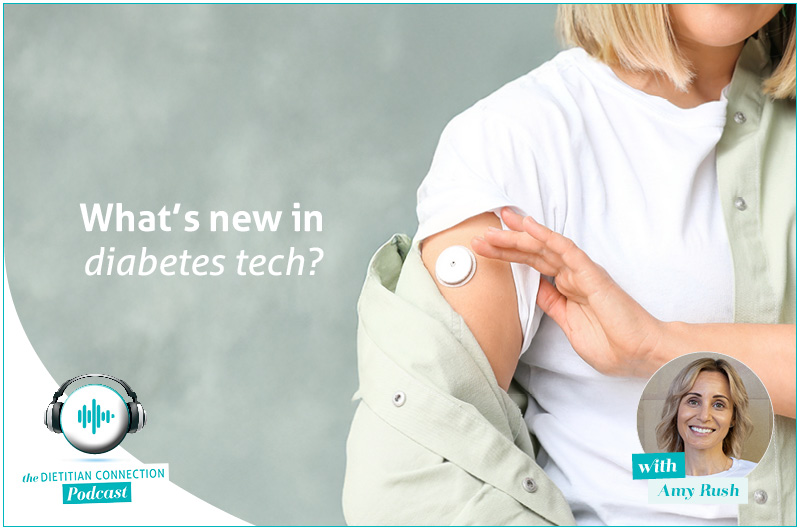
    In this special episode for National Diabetes Week, we’re joined by dietitian, diabetes educator and self-proclaimed tech nerd, Amy Rush. With over a decade of experience, Amy shares how dietitians can confidently navigate the ever-changing world of diabetes technology to deliver more personalised care.

    Hosted by Brooke Delfino

    Biography

    Amy Rush is an experienced dietitian and diabetes educator with a passion for improving the lives of people living with type 1 diabetes. As Clinical Director of the Type 1 Diabetes Family Centre, she brings over a decade of expertise to her work, combining evidence-based care with a deeply personalised approach. A recognised leader in therapeutic carbohydrate reduction, Amy was a lead author of the 2024 international Therapeutic Carbohydrate Reduction (TCR) guidelines. She’s known for helping people fine-tune the food-insulin relationship using tech like CGMs and pumps, and continues to educate healthcare professionals on practical, person-centred strategies for optimising diabetes care.


    In this episode, we discuss:

    • The evolution of diabetes tech (CGMs, insulin pumps and beyond)
    • Using CGM data to tailor nutrition advice
    • Supporting behaviour change and avoiding tech overwhelm
    • Access, equity and future trends in diabetes care


    Additional resources


    The content, products and/or services referred to in this podcast are intended for Health Care Professionals only and are not, and are not intended to be, medical advice, which should be tailored to your individual circumstances. The content is for your information only, and we advise that you exercise your own judgement before deciding to use the information provided. Professional medical advice should be obtained before taking action. The reference to particular products and/or services in this episode does not constitute any form of endorsement. Please see  here  for terms and conditions.


    Source link
  • Raising the standard in aged care

    Raising the standard in aged care


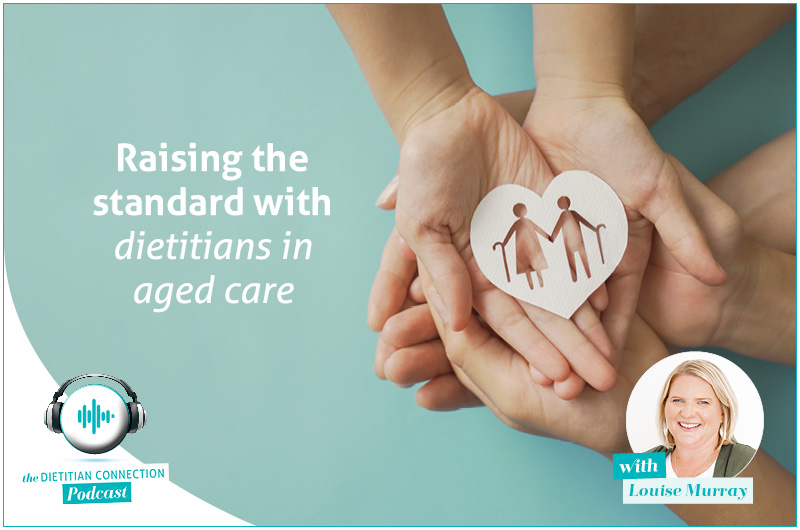
    With the strengthened Aged Care Quality Standards coming into effect on 1st November 2025, dietitians are more central than ever to aged care quality. In this episode, we’re joined by Louise Murray, APD and Principal Consultant at Nosh Dietitians Co. to unpack what’s changing and how dietitians can step confidently into their evolving roles. Louise explores how we can use our seat at the table to advocate, influence foodservice, and bridge the gap between clinical and catering. From screening to resident feedback loops and 24/7 snack access models, this episode is packed with practical takeaways.

    Hosted by Rebecca Sparrowhawk

    Biography

    Louise Murray is an Accredited Practising Dietitian, specialising in aged care nutrition and food services. She started her career in the hospital setting, but through family connections she started assessing menus in residential aged care 6 months after graduating. This ignited her mission to remove party pies and sausage rolls from aged care menus, and to improve food quality for older people over the past 23 years. Louise’s consultancy Nosh Dietitians specialises in consulting to aged care organisations, seeing clients in the community and mentoring dietitians to become leaders in aged care nutrition.


    In this episode, we discuss:

    • What FPIES is and how it differs from other food allergies
    • Recognise the dietitian’s role in diagnosis, nutrition support and care planning
    • Explore approaches to feeding challenges and supporting parent confidence
    • Gain practical guidance for safe and structured food reintroduction


    Additional resources

    • Click here to learn more about Dairy Farmers High Protein milk
    • To connect with your colleagues, join our Australian Aged Care Dietitians LinkedIn Group
    • Connect with Louise Murray on LinkedIn or via her website


    The content, products and/or services referred to in this podcast are intended for Health Care Professionals only and are not, and are not intended to be, medical advice, which should be tailored to your individual circumstances. The content is for your information only, and we advise that you exercise your own judgement before deciding to use the information provided. Professional medical advice should be obtained before taking action. The reference to particular products and/or services in this episode does not constitute any form of endorsement. Please see  here  for terms and conditions.


    Source link