Tag: Spread

  • What Is the New COVID BA.3.2 ‘Cicada’ Variant? Symptoms, Spread, and Risks Explained

    What Is the New COVID BA.3.2 ‘Cicada’ Variant? Symptoms, Spread, and Risks Explained

    The BA.3.2 variant, often called the Cicada COVID variant, has drawn attention as a new COVID variant 2026 due to its unusually high number of mutations. Emerging as an Omicron descendant, it carries more than 50 spike protein mutations, raising questions about transmissibility and immune response. Despite this, early observations show it circulating at low to moderate levels without overtaking dominant strains.

    Understanding how this variant behaves is key to informed awareness rather than alarm. Current data suggests that while it may partially evade immunity, it does not significantly increase severity. Monitoring continues as part of global efforts to track SARS-CoV-2 evolution and ensure public health responses remain effective.

    BA.3.2 Variant Origins and Mutations

    The BA.3.2 variant is an Omicron descendant that likely evolved from the BA.3 lineage, which circulated at low levels earlier in the pandemic. Its reappearance in late 2024 caught attention, as genetic analysis suggests it may have developed undetected for months, possibly in a chronically infected individual.

    Based on a study conducted by the World Health Organization, BA.3.2 carries more than 50 spike protein mutations and over 70 total genetic changes compared to the original strain. Many of these mutations are concentrated in the spike protein, which is responsible for how the virus enters human cells.

    This rapid accumulation of mutations, known as a saltation event, may allow partial immune evasion. However, it may also reduce the virus’s efficiency in infecting cells, limiting its spread. The Cicada COVID variant nickname reflects this hidden evolution, though current data shows it does not outperform dominant Omicron subvariants.

    Cicada COVID Variant Spread Patterns

    The Cicada COVID variant has been detected across multiple regions, including South Africa, Europe, the United States, and Australia. Despite its international presence, it remains at low prevalence levels and has not driven major outbreaks or replaced dominant strains like JN.1 descendants.

    According to the Centers for Disease Control and Prevention, surveillance data shows that emerging variants often circulate at low levels without becoming dominant when they lack a growth advantage. In the case of the BA.3.2 variant, detection rates remain low, typically representing only a small fraction of sequenced cases.

    Wastewater monitoring and clinical data confirm its presence, but not at levels suggesting rapid spread. The new COVID variant 2026 is classified as a Variant Under Monitoring, meaning it is tracked for changes while posing no immediate concern due to its limited transmissibility.

    New COVID Variant Symptoms and Risks

    The new COVID variant 2026 shows a symptom pattern similar to recent Omicron descendants, with mostly mild respiratory effects. According to Johns Hopkins Medicine, most Omicron-related variants continue to produce milder symptoms, especially in vaccinated individuals. Current evidence suggests that while mutations exist, overall risk remains stable and manageable.

    • Symptoms remain similar to Omicron variants: The BA.3.2 variant typically presents with fatigue, sore throat, cough, and mild respiratory discomfort rather than severe complications.
    • No increase in severity or hospitalization: There is no evidence linking this new COVID variant 2026 to higher hospitalization rates or increased mortality compared to other circulating strains.
    • Partial immune evasion observed: Laboratory findings show the variant may reduce antibody neutralization from prior infection or vaccination, though this pattern is common among Omicron descendants.
    • Vaccines still protect against severe illness: Despite reduced neutralization, vaccines continue to provide strong protection against serious outcomes, including hospitalization and death.
    • Overall public health risk remains low: The Cicada COVID variant has not demonstrated increased impact in real-world settings, with stable outcomes across monitored regions and continued surveillance in place.

    Tracking BA.3.2 Variant Evolution and COVID Monitoring

    The BA.3.2 variant represents another step in the ongoing evolution of SARS-CoV-2. As an Omicron descendant with a high number of mutations, it highlights how the virus can change under immense pressure while still following broader patterns seen in recent years. Despite its genetic differences, it has not demonstrated the ability to dominate globally.

    Ongoing surveillance remains essential for tracking how variants behave over time. Monitoring systems, including genomic sequencing and wastewater analysis, provide early insights into emerging trends. These tools help health authorities respond quickly while keeping public communication grounded in evidence rather than speculation.

    What BA.3.2 Means for COVID Awareness Today

    The BA.3.2 variant shows how the virus continues to evolve without necessarily increasing risk. While its mutation profile initially raised concern, real-world data points to stable outcomes, with no major changes in severity or spread. This highlights the importance of looking beyond mutation counts and focusing on actual impact.

    Staying informed and maintaining basic health awareness remains the most practical approach. Vaccination, monitoring updates, and understanding how variants behave help individuals navigate changes without unnecessary worry. The Cicada COVID variant serves as a reminder that not every new variant leads to major shifts in the pandemic.

    Frequently Asked Questions

    1. What makes the BA.3.2 variant different from other variants?

    The BA.3.2 variant stands out in its unusually high number of mutations, especially in the spike protein. This makes it more genetically distinct compared to earlier Omicron descendants. However, these mutations do not necessarily make it more dangerous. Current data shows it behaves similarly to other recent variants.

    2. Why is it called the Cicada COVID variant?

    The nickname comes from the idea that the variant evolved undetected for a long period. Like cicadas that stay underground before emerging, BA.3.2 likely circulated quietly before being identified. This delayed detection is not uncommon with viruses. It reflects gaps in surveillance rather than sudden appearance.

    3. Does the BA.3.2 variant cause more severe illness?

    No, there is no evidence that BA.3.2 leads to more severe disease. Symptoms remain similar to other Omicron variants. Hospitalization and death rates have not increased بسبب this variant. It is currently considered low risk in terms of severity.

    4. Are vaccines still effective against the new COVID variant 2026?

    Yes, vaccines are still expected to protect against severe illness. Even though the variant may partially evade antibodies, immune defenses remain strong. Vaccination continues to reduce the risk of hospitalization and complications. This makes it an important tool for ongoing protection.


    Source link

  • ‘Flesh-Eating Maggots’ Back in the US After 60 Years – But Can the Deadly Screwworm Spread Between People?

    ‘Flesh-Eating Maggots’ Back in the US After 60 Years – But Can the Deadly Screwworm Spread Between People?

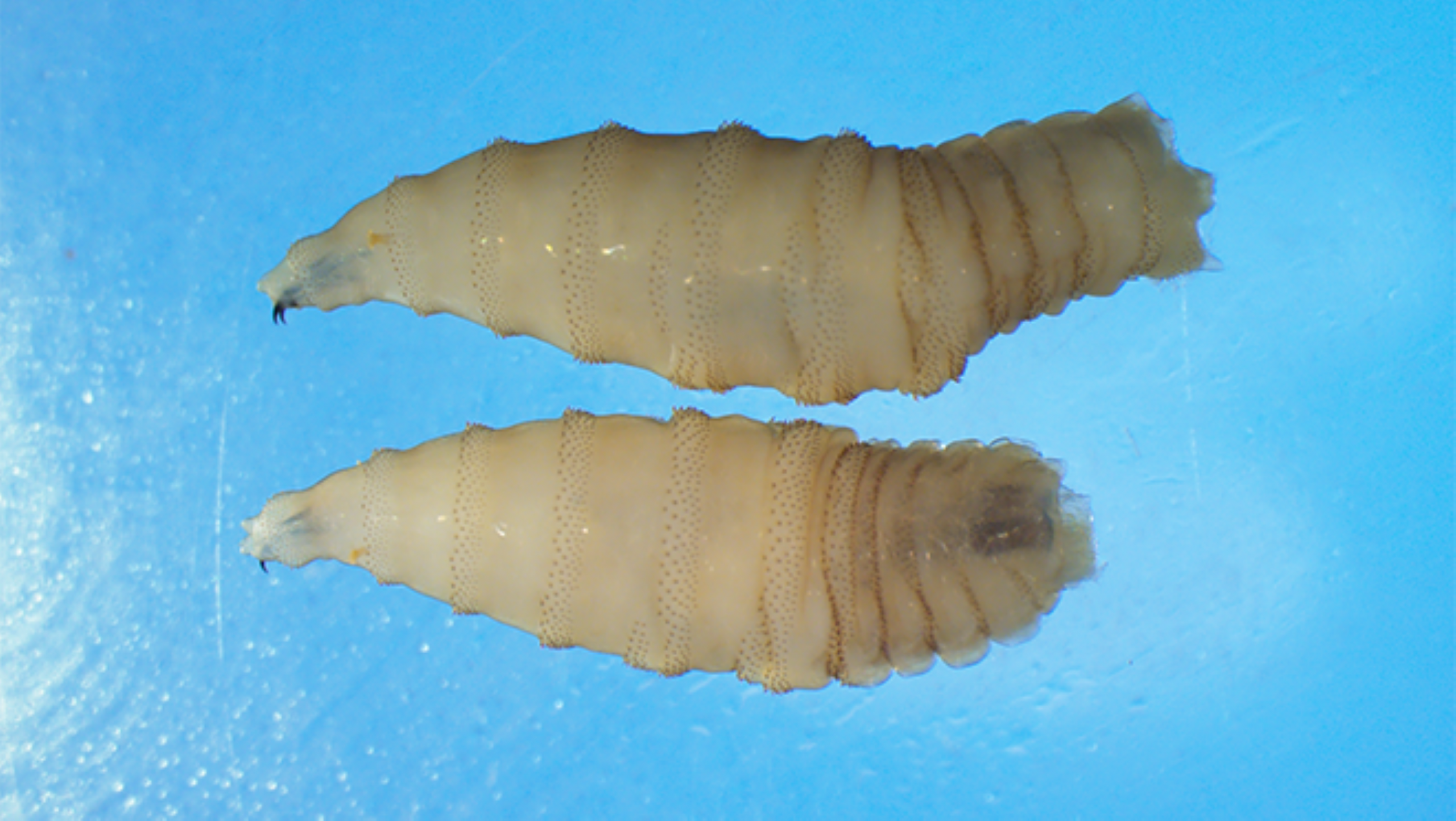
    ‘Flesh-eating maggots’ may sound like something from a horror movie, but they have just made a shocking comeback in the United States for the first time in nearly 60 years.

    Health officials in Maryland, alongside the US Centers for Disease Control and Prevention (CDC), confirmed that a traveller had been infected with the New World screwworm after returning from Central America.

    Confusion remains over whether the individual had travelled to El Salvador or Guatemala, but one thing is clear: the parasite is back on American soil.

    Panic has spread almost as fast as the news itself, leaving many to ask the same chilling question: is this gruesome maggot infestation contagious?

    Is the Flesh-Eating Screwworm Contagious?

    The short answer is no.

    Unlike flu or COVID-19, screwworm infestations cannot pass directly from person to person or even from animal to animal.

    Experts from the Center for Food Security and Public Health explain that the parasite spreads only when female flies lay eggs on open wounds or natural body openings.

    In other words, it is always the fly that carries the danger. A sore or cut attracts the insect, which deposits hundreds of eggs.

    These hatch into larvae that feed on living tissue, creating the illusion of contagion when multiple hosts in the same area are affected.

    How the Flesh-Eating Parasite Invades the Body

    According to the CDC, a single female screwworm fly can lay up to 3,000 eggs during her short life. Even the smallest scratch, insect bite, or a newborn’s umbilical wound can be enough to attract the parasite.

    Within hours, the larvae burrow into the flesh and begin consuming living tissue—unlike ordinary maggots, which feed only on dead matter.

    Left untreated, the wound enlarges as more flies are drawn in. In livestock, infestations can cause extreme suffering and even death. In humans, they are rare but potentially life-threatening if not treated quickly.


    Symptoms of Flesh-Eating Maggots to Watch Out For

    The CDC warns of several tell-tale signs of screwworm infestation:

    • Painful or enlarging wounds that fail to heal
    • Bleeding or foul-smelling sores
    • Visible maggots in open wounds
    • A sensation of movement under the skin or inside nasal, oral, or eye cavities

    While terrifying, most infestations can be treated successfully if caught early.

    Treatment: The Gruelling Process of Removal

    Treatment is unpleasant but effective. Every larva must be removed manually, the wound disinfected, and the patient closely monitored for reinfestation. No single medication can eliminate screwworm once it takes hold.

    On a wider scale, the US Department of Agriculture relies on the sterile fly programme. By releasing sterilised male flies, they disrupt the breeding cycle and suppress outbreaks.

    Agriculture Secretary Brooke Rollins recently announced plans for a new sterile fly facility in Texas—a move that now seems alarmingly well-timed.

    A Billion-Dollar Threat to America’s Cattle Industry

    The screwworm is not only a medical menace—it is also an agricultural disaster. The USDA estimates that an outbreak in Texas alone could cost $1.8 billion in cattle losses, veterinary expenses, and labour.

    With America’s beef industry already under pressure, confirmation of a human case has rattled ranchers and consumers alike.

    Should Americans Be Worried About Screwworm?

    ‘The risk to public health in the United States from this introduction is very low,’ Maryland health spokesperson Andrew Nixon told Reuters.

    Experts stress that the parasite does not spread casually between people. Prevention relies on proper wound care, sanitation, and avoiding fly exposure in endemic regions.

    Still, its reappearance after nearly 60 years is a sobering reminder: globalisation and climate shifts are making it harder than ever to keep old enemies at bay.

    Originally published on IBTimes UK

    Source link

  • How Community Health Centers Help Prevent Spread of Infectious Diseases

    How Community Health Centers Help Prevent Spread of Infectious Diseases

    Infectious diseases spread quickly when left unchecked. In low-income and underserved neighborhoods, the danger is especially real.

    Spread of such diseases increased significantly after the COVID-19 pandemic, particularly in rural and least-developed communities. Most people in these communities have very limited access to care. Some delay treatment due to cost or mistrust of the healthcare system. Some do so due to a lack of health education and awareness within these communities.

    This is where community health centers step in and fill a critical gap. These local clinics aren’t just about treating illnesses after they happen. They work every day to stop outbreaks before they begin.

    Let’s explore the ways community health clinics or centers help prevent the spread of infectious diseases.

    Access to Care When It Matters Most

    Community health centers often serve people who would otherwise fall through the cracks. They act as a vital part of the health safety net in communities that lack access to high-end medical care.

    Many patients do not have private insurance. Others speak little English or work jobs that make visiting a doctor difficult. In these situations, community clinics become a trusted source of regular care.

    When people know they can come in for free or low-cost help, they do not wait until symptoms grow worse. These clinics offer early diagnoses for things like the flu, tuberculosis, or sexually transmitted infections. They also track patients over time, making it easier to stop the spread of infection before it reaches more people.

    Health Education That Reaches Everyone

    Preventing disease is not just about vaccines or medication. It also involves education.

    Community health centers often run outreach programs, visiting schools, churches, and even workplaces. Their goal is to teach basic but vital habits like washing hands properly and knowing when to see a doctor.

    People in these communities may not always trust big healthcare institutions. But they are more likely to listen to someone from their own neighborhood.

    When a health educator speaks the same language and shares a similar background, the message carries more weight. That trust is essential to stopping infectious diseases from taking root and spreading.

    Quick Response During Outbreaks

    When diseases spread, every hour matters. Community health centers can move fast. Unlike larger hospitals, they are already embedded in the neighborhood. They know the people, the patterns, and the risks. That allows them to act quickly, offering testing, treatment, and isolation when needed.

    During the COVID-19 pandemic, many of these clinics turned into vaccination hubs. They also provided masks, hygiene kits, and reliable information. Their deep roots in the community made them a vital part of the public health response. Their swift action likely saved thousands of lives.

    Trained Nurses on the Front Lines

    One reason these clinics succeed is the people who work there. Nurses, in particular, play a major role. They are often the first point of contact for patients. They know how to identify symptoms early, calm fears, and deliver life-saving care. Their training allows them to act quickly and with compassion.

    Infectious diseases don’t wait for a doctor to be available. Trained nurses can screen patients, administer vaccines, and educate families. Many are also involved in contact tracing or follow-up visits. Their ability to work under pressure while maintaining a personal touch is what sets these clinics apart.

    To keep up with growing demand, more nurses are preparing for this kind of work through online accelerated nursing degrees. These nursing degrees allow students to finish a nursing program in less time without compromising on quality. Many choose an online accelerated BSN program, which combines flexible coursework with essential clinical rotations.

    As noted by Cleveland State University, such accelerated programs are often community-focused. Hence, these nursing students are eager to join the workforce and make a difference. Their training prepares them for hands-on nursing practice, including in community health centers, where they can directly help prevent disease outbreaks.

    Routine Services That Make a Big Difference

    It’s easy to overlook routine care, but it plays a huge role in disease prevention. Annual checkups, vaccinations, and screenings can uncover health problems early.

    A patient who comes in for a cough might be tested for something more serious. In catching infections early, clinics reduce the chance of a wider spread.

    These visits also give providers a chance to talk to patients about staying healthy. That includes managing chronic illnesses that can make infections worse, such as diabetes or asthma.

    By keeping these conditions under control, community health centers help people avoid serious complications when exposed to infectious diseases.

    Support for Vulnerable Populations

    Some groups are more at risk for infection than others. Homeless individuals, the elderly, and people with substance use disorders face higher risks. Community health centers often offer targeted services for these groups. They provide clean syringes, STI testing, and mobile care units.

    This targeted approach keeps infections like hepatitis C or HIV from spreading through the broader population. It also gives these vulnerable individuals a chance to improve their overall health.

    Data Collection That Supports Public Health

    Another overlooked role of community clinics is data gathering. They track illnesses by zip code, age group, and symptom. This information is crucial for larger public health agencies trying to predict outbreaks. Without these localized numbers, health officials are flying blind.

    In return, community health centers often receive updates and alerts. This two-way street ensures they can adjust their services based on real-time data.

    For example, if flu cases rise in a nearby neighborhood, the clinic might offer walk-in flu shots all week. That kind of coordination is only possible with solid data.

    Frequently Asked Questions (FAQs)

    Where are community health centers mostly set up?

    Community health centers are typically set up in underserved or low-income areas where access to healthcare is limited. These include rural towns, inner-city neighborhoods, and regions with high rates of uninsured or underinsured populations. Their main goal is to bridge healthcare gaps by offering affordable, accessible services close to where people live and work.

    What kind of personnel do community health centers have?

    Community health centers employ a mix of healthcare professionals including general physicians, nurses, mental health counselors, dentists, and social workers. They often include administrative staff, interpreters, and health educators to serve diverse populations. Many also partner with local universities and training programs to bring in interns, residents, or volunteer providers to expand services.

    How do community health centers help educate people regarding infectious diseases?

    These centers educate communities through workshops, brochures, one-on-one counseling, and outreach events. They simplify complex health information about symptoms, transmission, and prevention, making it more accessible to the public. Staff often conduct vaccination drives and collaborate with schools, faith groups, or local leaders to spread awareness and combat misinformation.

    Community health centers are not just medical buildings. They are lifelines that keep entire neighborhoods safe from infectious diseases. By offering care, education, and trust, they build a wall of protection that benefits everyone.

    As our world faces new health threats, these clinics will remain essential. Their local presence, trained staff, and deep relationships make them uniquely effective.

    In a society where health inequality still exists, community health centers quietly save lives every day. Their work deserves support, attention, and investment because disease prevention starts with people who care.

    Faisal Bin Iqbal is a writer, journalist, and digital content and SEO strategist based in Bangladesh. He has years of experience in content and feature writing covering areas including, but not limited to, academics, career and skill development, tech, healthcare, and business. Faisal is currently working as a sub-editor and digital coordinator for The Daily Star, Bangladesh’s largest English daily.

    Source link