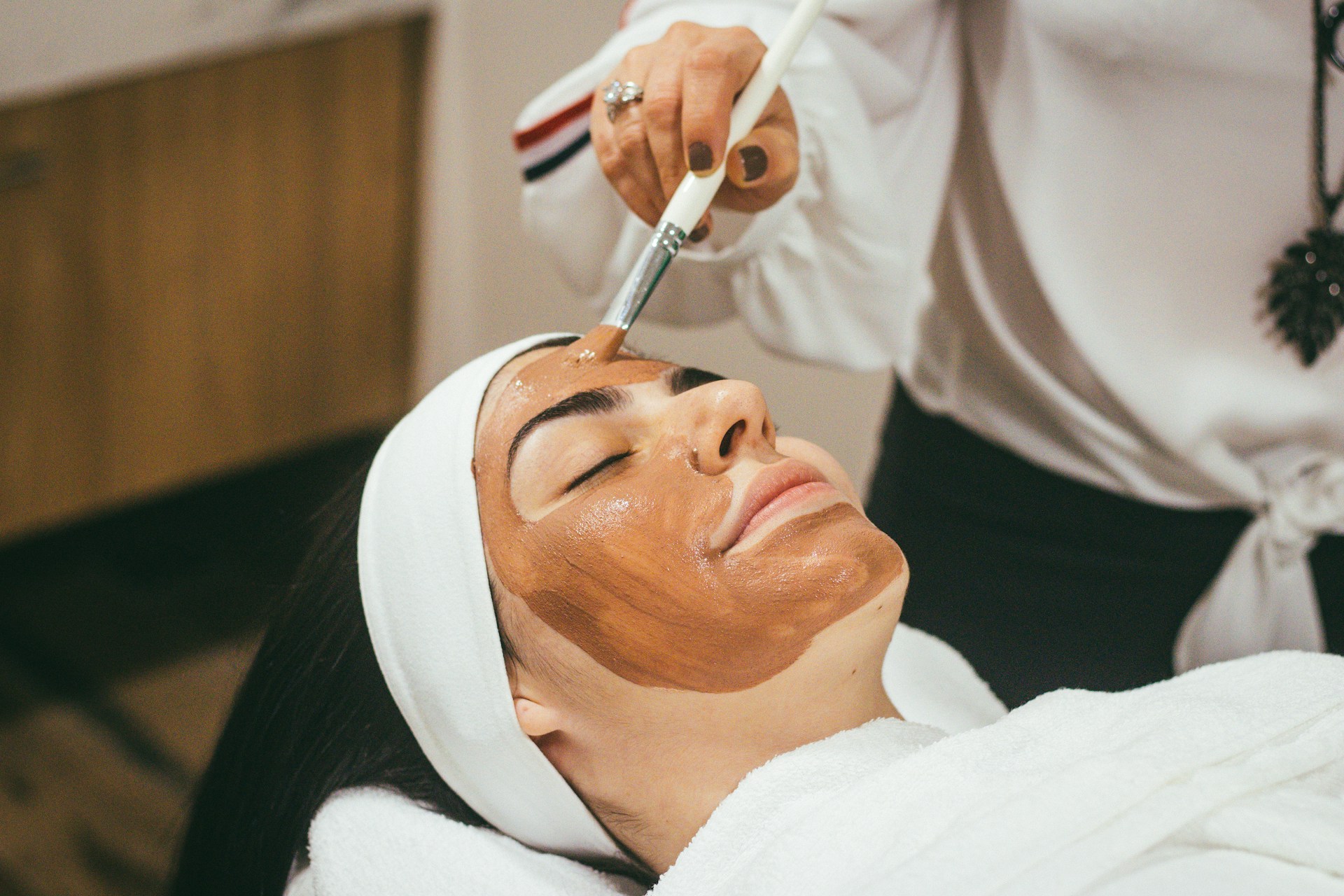
Tag: skin

  • Smart Sun Habits for Everyday UV Protection and Outdoor Skin Safety with Sunscreen

    Smart Sun Habits for Everyday UV Protection and Outdoor Skin Safety with Sunscreen

    Smart sun habits help people enjoy the outdoors while lowering the risk of long-term skin damage. By understanding how the sun and UV rays work and building simple sun protection habits, anyone can improve outdoor skin safety without giving up time outside.

    Why Sun and UV Protection Matters

    Spending time in the sun supports mood, social connection, and physical activity, but unprotected UV exposure is a major cause of sunburn, premature aging, and skin cancer.

    UV rays can damage DNA in skin cells long before any redness or tanning is obvious. Because this damage builds up over time, consistent outdoor skin safety is more effective than occasional, last-minute protection.

    UVA and UVB are the main types of UV that affect skin. UVA penetrates deeper and drives photoaging, while UVB is the main cause of sunburn; both contribute to skin cancer risk.

    Cloudy or cool days can still have strong UV levels, so temperature and comfort are not reliable guides. This is why broad-spectrum sunscreen and other sun protection habits are recommended throughout the year.

    Understanding the UV Index and Peak Hours

    Instead of avoiding the outdoors, people can time their activities using the UV Index. This scale shows how strong UV radiation is at a specific time and place. Higher numbers mean higher risk and a faster time to sunburn without protection.

    Many weather apps display the UV Index, helping people decide when to seek shade, wear more protective clothing, or apply extra sunscreen.

    UV levels are usually highest between about 10 a.m. and 4 p.m., when the sun is high in the sky. Outdoor activities do not need to stop during these hours, but stronger outdoor skin safety measures are important, especially for children, people with fair skin, or anyone spending long periods outside.

    Core Sun Protection Habits

    Effective sun protection habits usually include three pillars: shade, clothing, and sunscreen. Shade is a powerful first step, because it reduces direct exposure to sun and UV. Trees, umbrellas, canopies, awnings, and covered patios all help lower the intensity of UV reaching the skin, especially around midday.

    Clothing acts as a physical barrier. Long-sleeved shirts, long pants, and long skirts made with tightly woven fabrics block more UV than thin or loosely woven materials.

    Some garments carry a UPF (Ultraviolet Protection Factor) rating, which indicates how well they block UV. Higher UPF numbers mean better protection, making these items useful for people who work or play outdoors often, according to Johns Hopkins.

    Sunscreen Basics for Outdoor Skin Safety

    Sunscreen fills in the gaps that shade and clothing cannot cover. For most people, experts recommend a broad-spectrum sunscreen with at least SPF 30 for everyday outdoor skin safety.

    Broad-spectrum products are formulated to protect against both UVA and UVB, aligning with the goal of reducing sunburn, photoaging, and skin cancer risk.

    Getting real-world protection depends on how sunscreen is used. Adults typically need about one ounce, roughly a shot glass, to cover the entire body, with smaller amounts for children.

    Sunscreen should be applied to dry skin 15 to 30 minutes before going outside and reapplied every two hours, or more often after swimming, sweating, or towel-drying. Commonly missed areas include the ears, neck, scalp line, tops of the feet, and backs of the hands.

    Many people ask what SPF they truly need. SPF 30 blocks a large share of UVB rays; higher SPF products block slightly more but do not reach 100%.

    Higher numbers can offer a bit more safety for those who burn easily or spend many hours in the sun, but proper application and reapplication remain more important than choosing the highest possible SPF.

    Questions also arise about daily sunscreen safety. Major health organizations support regular sunscreen use as part of sensible sun protection habits.

    People with sensitive or acne-prone skin may prefer mineral formulas with zinc oxide or titanium dioxide, or non-comedogenic products. Testing a new sunscreen on a small patch of skin first can help identify irritation.

    Clothing, Hats, Sunglasses, and Timing

    Smart clothing choices further strengthen outdoor skin safety. Lightweight, long-sleeved shirts and pants made from breathable yet tightly woven fabric provide coverage while remaining comfortable in warm weather. Darker colors and denser weaves usually block more UV than thin, light fabrics that allow visible light to pass through easily.

    Hats and sunglasses provide focused protection for vulnerable areas. A wide-brimmed hat shades the face, ears, and neck, which often receive the most sun exposure and are common sites for sun damage, as per the Centers for Disease Control and Prevention.

    Sunglasses labeled as blocking 99–100% of UVA and UVB protect the eyes and the thin skin around them, which can be damaged even on bright but cool days.

    Timing outdoor activities can make sun protection habits easier to maintain. When possible, people can plan walks, runs, and playground visits in the early morning or late afternoon to avoid the most intense UV.

    At the beach, on snow, or near water, surfaces reflect UV and increase exposure, so combining shade, UPF clothing, and frequent sunscreen reapplication becomes especially important.

    Myths, Skin Tone, and Vitamin D

    Several myths can weaken outdoor skin safety. One is that sunscreen is unnecessary on cloudy or cold days. In reality, a significant amount of UV can pass through clouds, and skin can be damaged even when the air feels cool.

    Another myth is that people who tan easily or have darker skin do not need sunscreen. While darker skin has more natural protection, it does not remove the risk of UV damage or skin cancer, and problems in darker skin are sometimes detected later.

    Vitamin D is another common concern. Many people can maintain healthy levels through brief, incidental sun exposure plus diet and, when appropriate, supplements recommended by a healthcare professional.

    Intentional sunbathing or the use of tanning beds adds unnecessary UV damage and is not usually advised as the main source of vitamin D.

    Smart Sun Habits for Lifelong Outdoor Skin Safety

    Smart sun habits become most powerful when they turn into routine behaviors. Keeping sunscreen near the bathroom sink or front door, leaving a hat and sunglasses by the exit, or placing sunscreen in a gym bag or car all make it easier to remember protection before stepping into the sun and UV.

    Setting phone reminders to reapply during long outdoor events can turn good intentions into consistent practice.

    Families who model outdoor skin safety, putting on sunscreen together before leaving home, choosing shaded picnic spots, and encouraging hats and sunglasses, help children adopt these habits early.

    Over time, these small steps add up. With a practical mix of sunscreen, shade, clothing, timing, and regular awareness, people can enjoy time outside while keeping sun, UV, and long-term skin damage in better balance.

    Frequently Asked Questions

    1. Can I mix different brands of sunscreen in one routine?

    Yes. It is generally fine to use different brands, but layering does not increase SPF beyond the highest product used; focus on applying enough and reapplying regularly.

    2. Does sunscreen expire, and what happens if I still use it?

    Yes. Sunscreen loses effectiveness after its expiration date or if stored in extreme heat, so using old product can mean less protection than the label suggests.

    3. Is makeup with SPF enough for outdoor activities?

    Usually not. SPF makeup can help, but it is often applied too thinly; for extended outdoor time, a dedicated broad-spectrum sunscreen under makeup is recommended.

    4. Do I need sun protection when driving or sitting near windows indoors?

    Often yes. UVA rays can penetrate glass, so regular exposure near windows may warrant daily sunscreen on exposed skin, especially the face and hands.



    Source link

  • Damaged Skin Barrier Repair from the Inside Out to Fight Pediatric Eczema

    Damaged Skin Barrier Repair from the Inside Out to Fight Pediatric Eczema

    Atopic dermatitis, more commonly known as eczema, is a skin condition characterized by red, itchy bumps and dry, inflamed patches on the skin. Eczema affects over 200 million people worldwide, with over 72 million of those being children.

    For many families, eczema brings about more than just itchy skin and redness. It entails sleepless nights spent scratching and moisturizing with over-the-counter lotions, hoping for relief. It’s the struggle of watching their children live with discomfort, not knowing what to do to bring them relief.

    Dr. Barbara Paldus knows firsthand what it’s like to watch a child battle a pervasive skin issue. Watching her then-10-year-old son struggle with a skin allergy was the catalyst for the founding of Codex Labs. This science-based biotech company offers supplements to fortify the gut barrier and improve immune response, skin microbiome-supporting cleansers, and over-the-counter (OTC) skincare products designed to reduce itch, deeply re-hydrate, and replenish ceramides and structural proteins to help maintain the skin barrier.

    Now, Codex Labs is stepping forward with a pioneering integrative teledermatology platform that offers expanded help for parents and children facing the same long journey to better skin health experienced by Dr. Paldus and her son. The journey to finding relief for her own child opened doors to deeper studies of how the gut microbiome can impact the skin and how science-backed probiotics and prebiotics can help.

    Disrupting the skincare industry with scientifically backed skin barrier repair products

    Parents can easily find themselves overwhelmed with treatment options when their child is struggling with eczema. Many doctors have long relied on topical corticosteroids, antibiotics, antihistamines, or expensive drug regimens in an attempt to treat pediatric eczema. The issue with this approach is the complete disregard of the root cause of eczema flare-ups: the skin-gut-brain-biome connection.

    Dr. Paldus knew from experience that the OTC skincare industry was ripe for disruption. ” Over-the-counter skincare products for eczema hadn’t changed in years and were too focused on the surface,” she explains, recognizing that skin condition care needed to address the root cause of any skin issue, rather than just the symptoms. “In eczema, the skin and gut barriers need to be restored to quiet flares,” she adds.

    Through research, Dr. Paldus and her team at Codex Labs discovered that the skin and gut barriers could be strengthened, allowing for the treatment of skin conditions without the need for continuous use of strong corticosteroids. Dr. Paldus and Codex have developed topical products that combine traditional dermo-cosmetic ingredients, such as hyaluronic acid and ceramides, with novel plant-biotech actives that soothe itch and help rebuild the skin barrier. These products also incorporate supplementation with key amino acids, innovative antioxidants, and gut-supporting pre- and probiotics.

    In this way, the skin’s lipid barrier and the gut’s mucosal lining are addressed simultaneously to minimize the penetration of allergens and toxins that trigger the immune system and lead to flare-ups.

    The skin-gut-brain biome connection: soothing sensitive skin and repairing the damaged skin barrier

    With Decode.Me, a new integrative teledermatology platform that aims to help people decipher and repair skin problems like eczema from the inside out, the skin-gut-brain-biome connections take center stage. While telehealth has been used by dermatologists for years, many visits often do not go beyond a quick assessment of symptoms based on a few photos and a brief survey, followed by a traditional prescription of topical steroids or oral antibiotics.

    By integrating conventional dermatology with “whole-body” medicine and comprehensive diagnostics, Decode.Me is leveraging knowledge of the skin-gut-brain-biome axis to bring relief to those battling skin conditions, including pediatric eczema patients.

    “Eczema is an interesting skin-gut disease because both the skin and gut barriers are compromised and therefore are more permeable or leaky,” Dr. Paldus says. “That actually means your body has an ongoing allergic assault from the environment, causing an unchecked feedback loop of inflammation and barrier disruption.”

    With probiotic and prebiotic supplements, clinically validated OTC itch relief lotions, and gentle, unscented soaps, the skin barrier can be strengthened and restored. “For example, our daily Antu skin barrier supplement provides L-histidine, an essential amino acid for two key barrier building blocks — structural protein filaggrin & natural moisturization factor — while the M3+ antioxidant helps reduce oxidative stress in both the gut and skin,” Dr. Paldus explains.

    This science-backed, integrative approach recommended by medical providers through Decode.Me can bring real relief to kids struggling with eczema: itch management to prevent scratching and bleeding at night, shedding of dead skin to enable deep hydration for skin comfort, and a revitalized skin barrier — all treated from the inside out.

    “We are reframing eczema as the result of systemic imbalances in the body,” says Dr. Paldus, “especially within the gut microbiome.” This paradigm is included in every step of care with Decode.Me, setting the platform apart from other dermatology telehealth services.

    Personalized, comprehensive skin-gut care that exfoliates, hydrates, and nourishes dry, itchy skin

    Through services such as Decode.Me and the line of products offered by Codex Labs, children who have struggled with eczema for years are finally finding lasting relief. Dr. Paldus and her team are not just providing families with a quick, broad-stroke fix. Parents can finally discover the root cause of their child’s eczema, gain access to supplements that address that root cause, and track skin-gut health improvements with a dedicated dermatologist who approaches each patient individually.

    For individuals who have faced eczema, especially children, having a clear understanding of why eczema flare-ups occur and a comprehensive, science-backed answer to restoring balance to the gut biome and a healthy skin barrier can be life-changing. For children who have already been using steroids for several years (if not more), this approach can taper down their dependency and either help avoid or manage the development of topical steroid withdrawal (TSW) syndrome.

    By providing a deeper understanding of the link between gut health and skin health through its innovative products and Decode.Me platform, Codex Labs offers positive, lasting results for kids with eczema.

    Source link

  • Exfoliate Like a Pro: The Best Ways to Remove Dead Skin Cells

    Exfoliate Like a Pro: The Best Ways to Remove Dead Skin Cells

    Introduction to Exfoliating

    Exfoliating is an essential step in any skincare routine, as it helps to remove dead skin cells and reveal smoother, brighter skin. When done correctly, exfoliating can help to improve skin texture, reduce the appearance of fine lines and wrinkles, and even out skin tone. However, exfoliating can be a bit intimidating, especially for those who are new to skincare. With so many different exfoliating methods and products available, it can be hard to know where to start. In this article, we will discuss the best ways to remove dead skin cells and achieve healthy, glowing skin.

    Understanding the Importance of Exfoliating

    Exfoliating is important because it helps to remove dead skin cells that can clog pores and make the skin look dull. As we age, our skin’s natural ability to shed dead skin cells slows down, which can lead to a buildup of dead skin cells on the surface of the skin. This can cause a range of problems, including dryness, flakiness, and a dull complexion. By exfoliating regularly, we can help to remove these dead skin cells and promote cell turnover, which is the process by which new skin cells are produced.

    Types of Exfoliants

    There are several different types of exfoliants available, each with its own unique benefits and drawbacks. Physical exfoliants, such as scrubs and brushes, work by physically removing dead skin cells from the surface of the skin. Chemical exfoliants, such as alpha-hydroxy acids (AHAs) and beta-hydroxy acids (BHAs), work by dissolving the “glue” that holds dead skin cells together, making it easier to remove them. Enzyme exfoliants, such as papain and bromelain, work by breaking down dead skin cells using enzymes.

    Physical Exfoliants

    Physical exfoliants are a great option for those who prefer a more manual approach to exfoliating. These types of exfoliants work by physically removing dead skin cells from the surface of the skin, using ingredients such as sugar, salt, or ground nuts. Some popular physical exfoliants include:

    • Sugar scrubs: These are gentle and effective, making them a great option for sensitive skin.
    • Salt scrubs: These are more intense than sugar scrubs, making them better suited for thicker skin.
    • Ground nut scrubs: These are gentle and nourishing, making them a great option for dry skin.
    • Konjac sponges: These are gentle and effective, making them a great option for all skin types.
    • Exfoliating gloves: These are gentle and easy to use, making them a great option for those who are new to exfoliating.

    Chemical Exfoliants

    Chemical exfoliants are a great option for those who prefer a more gentle approach to exfoliating. These types of exfoliants work by dissolving the “glue” that holds dead skin cells together, making it easier to remove them. Some popular chemical exfoliants include:

    • Alpha-hydroxy acids (AHAs): These are gentle and effective, making them a great option for sensitive skin.
    • Beta-hydroxy acids (BHAs): These are more intense than AHAs, making them better suited for thicker skin.
    • Glycolic acid: This is a type of AHA that is commonly used in skincare products.
    • Lactic acid: This is a type of AHA that is commonly used in skincare products.
    • Salicylic acid: This is a type of BHA that is commonly used in skincare products.

    Enzyme Exfoliants

    Enzyme exfoliants are a great option for those who prefer a more gentle approach to exfoliating. These types of exfoliants work by breaking down dead skin cells using enzymes. Some popular enzyme exfoliants include:

    • Papain: This is an enzyme that is derived from papaya, and is commonly used in skincare products.
    • Bromelain: This is an enzyme that is derived from pineapple, and is commonly used in skincare products.
    • Ficin: This is an enzyme that is derived from figs, and is commonly used in skincare products.

    How to Exfoliate Like a Pro

    Exfoliating like a pro requires a bit of practice and patience, but with the right techniques and products, you can achieve healthy, glowing skin. Here are some tips for exfoliating like a pro:

    • Start with a gentle exfoliant and gradually increase the intensity as your skin becomes more tolerant.
    • Exfoliate in the direction of hair growth to avoid causing ingrown hairs or irritation.
    • Be gentle when exfoliating sensitive areas, such as the skin around the eyes or mouth.
    • Exfoliate at night, and follow up with a moisturizer to help lock in hydration.
    • Exfoliate 1-3 times per week, depending on your skin type and concerns.

    Common Mistakes to Avoid

    There are several common mistakes that people make when exfoliating, including:

    • Over-exfoliating: This can cause irritation, dryness, and even scarring.
    • Under-exfoliating: This can cause a buildup of dead skin cells, leading to dullness and dryness.
    • Using the wrong exfoliant: This can cause irritation, dryness, or other adverse reactions.
    • Exfoliating too frequently: This can cause irritation, dryness, and even scarring.
    • Not moisturizing after exfoliating: This can cause dryness and irritation.

    Conclusion

    Exfoliating is an essential step in any skincare routine, as it helps to remove dead skin cells and reveal smoother, brighter skin. By understanding the different types of exfoliants and how to use them, you can achieve healthy, glowing skin. Remember to start with a gentle exfoliant and gradually increase the intensity as your skin becomes more tolerant, and be sure to moisturize after exfoliating to help lock in hydration. With a little practice and patience, you can exfoliate like a pro and achieve the skin of your dreams.

    FAQs

    Q: How often should I exfoliate?
    A: The frequency of exfoliation depends on your skin type and concerns. Generally, it is recommended to exfoliate 1-3 times per week.
    Q: What is the best type of exfoliant for my skin?
    A: The best type of exfoliant for your skin depends on your skin type and concerns. If you have sensitive skin, a gentle physical or chemical exfoliant may be best. If you have thicker skin, a more intense physical or chemical exfoliant may be best.
    Q: Can I exfoliate my skin every day?
    A: No, it is not recommended to exfoliate your skin every day. Over-exfoliating can cause irritation, dryness, and even scarring.
    Q: How do I know if I am exfoliating too much?
    A: If you are experiencing irritation, dryness, or other adverse reactions after exfoliating, you may be exfoliating too much. Start with a gentle exfoliant and gradually increase the intensity as your skin becomes more tolerant.
    Q: Can I use a physical exfoliant on sensitive skin?
    A: Yes, but be gentle and start with a gentle physical exfoliant. Some physical exfoliants, such as sugar scrubs, can be gentle and effective for sensitive skin.
    Q: What are the benefits of exfoliating?
    A: The benefits of exfoliating include improved skin texture, reduced appearance of fine lines and wrinkles, and a more even skin tone.
    Q: Can I exfoliate my skin if I have acne?
    A: Yes, but be gentle and start with a gentle exfoliant. Exfoliating can help to unclog pores and reduce the appearance of acne, but over-exfoliating can cause irritation and make acne worse.

  • Melanoma ABCDEs, Non‑Melanoma Skin Cancers, and When to See a Dermatologist

    Melanoma ABCDEs, Non‑Melanoma Skin Cancers, and When to See a Dermatologist

    Skin cancer affects millions of people each year, yet many cases go undetected until they reach advanced stages. Understanding the differences between melanoma and non-melanoma skin cancers, recognizing warning signs, and knowing when professional evaluation is necessary can make the difference between a simple treatment and a complex medical journey.

    This guide breaks down everything people need to know about skin cancer screening, detection methods, and dermatological care.

    Understanding Melanoma and the ABCDE Rule

    Melanoma represents the most serious form of skin cancer, developing when melanocytes, cells responsible for skin pigmentation, become malignant.

    Unlike other skin cancers that grow slowly, melanoma can spread rapidly to other parts of the body if not caught early. This is why early detection through regular skin cancer screening has become so critical.

    The melanoma ABCDE rule serves as the first line of defense for detecting potentially dangerous spots. Each letter represents a key warning sign that distinguishes melanoma from benign moles.

    Asymmetry means one half of the lesion doesn’t match the other half. Normal moles typically appear symmetrical, with both sides mirroring each other. A spot that looks lopsided warrants professional evaluation.

    Border irregularity refers to edges that appear scalloped, notched, or poorly defined. Benign moles usually have smooth, even borders. Melanomas often display uneven or fuzzy boundaries that blur into surrounding skin.

    Color variation occurs when a single lesion contains multiple shades, browns, blacks, tans, reds, whites, or even blues. While common moles tend to be uniform in color, melanomas frequently show dramatic color differences within the same growth.

    Diameter larger than 6 millimeters (roughly the size of a pencil eraser) represents another red flag. Though some melanomas start smaller, this measurement helps distinguish suspicious growths from typical moles.

    Evolving characteristics, the “E” added to the original ABCD rule, describe any changes over time. Enlargement, shape shifting, color changes, bleeding, itching, or crusting all warrant medical attention. The key insight here is that normal moles remain stable throughout life, while melanomas actively change.

    It’s important to note that not all melanomas fit neatly into the ABCDE criteria. Some melanomas appear as flat, uniform-colored spots that don’t match the typical pattern.

    This is why the “Ugly Duckling” sign, identifying any lesion that looks different from a person’s other moles, provides an additional detection tool with excellent sensitivity for catching melanomas.

    Non-Melanoma Skin Cancers: Basal Cell and Squamous Cell Carcinoma

    While melanoma receives significant attention, basal cell carcinoma and squamous cell carcinoma account for the vast majority of skin cancer diagnoses. These non-melanoma skin cancers originate from different layers of skin and behave differently than melanoma.

    Basal cell carcinoma represents the most common form of skin cancer, accounting for 70-90% of all diagnoses. Developing in the basal cell layer, the deepest layer of the epidermis, BCC typically grows slowly and rarely spreads to other areas, according to the World Health Organization.

    People often describe early basal cell carcinoma as a pearly lump or nodule with a waxy, translucent appearance. Some lesions develop a central indentation or crusting, while others appear shiny or bright pink. The condition usually emerges on sun-exposed areas like the face, neck, shoulders, and back.

    Squamous cell carcinoma accounts for 20-30% of non-melanoma skin cancers and grows more aggressively than BCC. Originating in the upper layer of the epidermis, squamous cell carcinoma has a slightly higher risk of spreading to lymph nodes and distant organs compared to basal cell carcinoma.

    The typical appearance includes a rough, scaly patch or wart-like growth, often with reddish coloration and irregular borders. Some squamous cell carcinoma lesions develop a crusted or bleeding center.

    A common question arises about whether basal cell carcinoma can transform into squamous cell carcinoma. The answer is no, they develop from different cell types and remain distinct cancers.

    However, individuals who develop one type of non-melanoma skin cancer face increased risk for developing the other type later in life. More significantly, people with a personal history of basal cell carcinoma have approximately 6.6 times higher risk of eventually developing melanoma.

    Risk Factors and Who Should Consider More Frequent Skin Cancer Screening

    Understanding personal risk factors helps determine appropriate screening frequency. Ultraviolet light exposure remains the primary cause of all skin cancers. Chronic sun exposure, intense intermittent sunburns (especially during childhood), and tanning bed use all significantly increase risk.

    Fair skin that sunburns easily, light hair, and light-colored eyes indicate higher susceptibility.

    Additional risk factors include age, melanoma increasingly affects younger populations, while basal and squamous cell carcinomas typically emerge later in life.

    People with 50 or more moles, a personal history of skin cancer, or family members with melanoma or non-melanoma skin cancers require more vigilant monitoring. Immunosuppressed individuals and those with certain genetic conditions face elevated risk as well.

    Geographic location matters too. People living in sunny climates experience greater cumulative UV exposure. Occupational factors, outdoor workers in construction, agriculture, and landscaping, similarly need enhanced screening protocols.

    Early Detection Through Self-Examination and Professional Assessment

    Monthly self-examination provides the foundation for catching skin cancer early. A thorough exam requires a well-lit bathroom, a full-length mirror, and a hand-held mirror for difficult-to-see areas. Using a blow dryer helps examine the scalp methodically, as per the International Agency for Research on Cancer.

    The eight-step self-exam process covers every body surface: face and ears, scalp, hands and arms, front of upper body, back of upper body, lower back and buttocks, front and sides of legs, and feet and genital area. Documenting findings with measurements and photographs creates a baseline for tracking changes over time.

    People should schedule professional skin cancer screening appointments based on their risk level. Those with standard risk, no personal history, minimal sun exposure, typically benefit from annual full-body exams starting around age 40, with every-three-year exams in their 20s and 30s.

    High-risk individuals may need exams every six months or even quarterly, particularly those with previous melanoma diagnoses.

    When to See a Dermatologist

    Certain red flags warrant immediate professional evaluation. Any lesion fitting the ABCDE criteria, an “ugly duckling” spot that looks different from surrounding moles, new moles appearing in adulthood, existing moles showing changes in size or color, and any sore that doesn’t heal within three weeks should prompt a dermatology appointment.

    During a professional skin exam, dermatologists perform complete visual inspection from scalp to soles, pay special attention to often-missed areas like behind ears and between toes, and use dermoscopy (magnified examination) for suspicious lesions. Biopsies of concerning spots provide definitive diagnosis.

    The importance of early detection cannot be overstated. Melanomas caught in stage 1 (localized) show approximately 95% five-year survival rates, while stage 4 metastatic melanomas drop to 15-20% survival rates.

    Thickness remains the most significant prognostic factor, thinner melanomas caught before spreading have far better outcomes.

    Frequently Asked Questions

    1. Can skin cancer develop on areas of my body that never get sun exposure?

    Yes. Melanoma and other skin cancers can appear anywhere on the body, including the scalp, between toes, under fingernails, and genital areas. This is why full-body exams that include every skin surface are essential, not just sun-exposed areas.

    2. If I have a family history of melanoma, does that mean I will definitely develop it?

    No. Family history increases risk significantly, but genetics interact with environmental factors like UV exposure. Someone with family history who practices sun protection and gets regular screening has better outcomes than someone without family history who avoids sun safety.

    3. Why do dermatologists sometimes remove moles that look completely normal?

    Dermatologists may remove moles that are dysplastic (atypical), in irritation-prone locations, showing subtle changes, or cosmetically bothersome. Dysplastic moles have increased melanoma potential and warrant removal even if they appear normal.

    4. How long does it take for skin cancer to develop, and can it appear suddenly?

    Most non-melanoma skin cancers develop slowly over 10-20+ years. Melanoma timelines vary, some develop gradually while others change rapidly. Regular monthly self-exams and professional screening catch cancers earlier, before they advance.


    Source link

  • When an Autoimmune Skin Condition Signals Systemic Inflammation

    When an Autoimmune Skin Condition Signals Systemic Inflammation

    Psoriasis is often seen as a surface-level issue, but the red, scaly plaques on the skin can be a visible sign of a deeper inflammatory process. As understanding of this autoimmune skin condition has grown, researchers now recognize that psoriasis symptoms may reflect widespread immune activity affecting joints, blood vessels, and metabolism.

    Viewing psoriasis through this systemic lens can change how people think about diagnosis, treatment, and long-term health.

    Understanding Psoriasis as an Autoimmune Skin Condition

    Describing psoriasis as an autoimmune skin condition highlights the role of the immune system in driving the disease.

    In autoimmune and immune-mediated conditions, the body’s defenses become misdirected, leading to chronic inflammation even in the absence of infection. In psoriasis, this inflammation focuses on the skin and, in some people, the joints.

    Some experts refer to psoriasis as both autoimmune and autoinflammatory because it involves elements of classic autoimmunity and innate immune activation.

    Regardless of terminology, the key idea is that psoriasis is not caused by poor hygiene or simple irritation. It is a biologically complex condition with genetic and environmental contributors, and its symptoms reflect immune pathways that can also affect other organs.

    Recognizing Common Psoriasis Symptoms

    Psoriasis symptoms can look different from person to person, but several features are particularly characteristic. The most common form, plaque psoriasis, typically presents with:

    • Raised, thickened patches of skin covered with silvery-white or grayish scales
    • Red, pink, or purple discoloration, depending on skin tone
    • Lesions most often found on the elbows, knees, scalp, and lower back

    Many individuals report itching, burning, or soreness in affected areas, which can interfere with sleep and daily activities. The skin may become dry and cracked, with occasional bleeding when plaques are irritated or scratched. The scalp can show heavy flaking that resembles severe dandruff.

    Psoriasis symptoms are not limited to the skin. Nail changes are common, including pitting (small depressions), ridging, discoloration, and separation of the nail from the nail bed.

    Different subtypes—such as guttate, pustular, inverse, and erythrodermic psoriasis—have their own patterns of symptoms, ranging from small drop-like spots to widespread redness or pus-filled bumps. This diversity is one reason why a professional evaluation is important when symptoms first appear.

    How Psoriasis Connects to Systemic Inflammation

    The connection between psoriasis and systemic inflammation lies in the immune pathways that drive both skin lesions and deeper health effects. Immune cells in psoriatic plaques produce cytokines—chemical messengers that promote inflammation.

    These cytokines do not remain confined to the skin; they circulate in the bloodstream, potentially affecting the lining of blood vessels, joints, and other tissues, according to Mayo Clinic.

    This understanding supports the view of psoriasis as part of a broader inflammatory network that can raise the risk for other conditions. In this sense, psoriasis symptoms on the skin can serve as a visible marker of underlying immune activity that may be occurring silently elsewhere in the body.

    Recognizing this connection has encouraged more comprehensive care, with attention not only to skin clearance but also to overall inflammatory burden.

    Triggers That Worsen Psoriasis Symptoms and Inflammation

    Psoriasis symptoms often fluctuate over time, with periods of relative calm and sudden flares. A variety of triggers can worsen the condition, including:

    • Infections, particularly streptococcal throat infections in guttate psoriasis
    • Skin injuries such as cuts, scrapes, or sunburn (the Koebner phenomenon)
    • Psychological stress and lack of sleep
    • Certain medications, including some blood pressure drugs and antimalarials
    • Smoking and heavy alcohol use

    Lifestyle factors also play a major role. Obesity and inactivity can promote systemic inflammation and increase disease severity. Dietary patterns high in processed foods and low in fruits, vegetables, and whole grains may contribute to an inflammatory state.

    Genetics and family history further influence who develops psoriasis and how severe it becomes, highlighting the interplay between inherited risk and environmental exposures.

    Diagnosis and Assessment of Systemic Involvement

    Diagnosis of psoriasis is usually clinical, based on the appearance and distribution of lesions and the presence of characteristic scaling.

    Dermatologists may perform a skin biopsy in uncertain cases to confirm the diagnosis and rule out other conditions. Because psoriasis is linked with systemic inflammation, many experts also recommend screening for comorbidities.

    A thorough assessment may include questions about joint pain, stiffness, and swelling to identify psoriatic arthritis. Blood pressure, weight, waist circumference, and basic blood tests can help evaluate cardiovascular and metabolic risk.

    In some cases, referral to rheumatology or other specialists is appropriate. Approaching psoriasis in this integrated way supports early detection of related conditions and more comprehensive management.

    Treatment Options for Skin and Systemic Inflammation

    Treatment strategies for psoriasis aim to relieve symptoms, improve skin appearance and function, and reduce the underlying inflammatory activity. For mild disease, topical therapies are often the first line.

    These include corticosteroid creams and ointments, vitamin D analogues, retinoids, calcineurin inhibitors, and other medicated products that reduce inflammation and slow skin cell growth, as per Cleveland Clinic.

    For more extensive or resistant psoriasis, phototherapy (controlled exposure to ultraviolet light) can be effective. Systemic medications such as methotrexate, cyclosporine, and newer oral agents are used to modulate immune responses in moderate to severe cases.

    Biologic therapies have become a major advance; these drugs target specific molecules such as interleukin-17, interleukin-23, or tumor necrosis factor-alpha. By focusing on key inflammatory pathways, biologics can improve both skin and joint symptoms and may help lower overall inflammatory burden.

    The choice of treatment depends on disease severity, comorbid conditions, patient preferences, and safety considerations. Regular follow-up is important to monitor effectiveness, side effects, and long-term health.

    Psoriasis Symptoms as a Clue to Whole-Body Health

    When psoriasis is viewed only as a cosmetic concern, opportunities to protect long-term health can be missed. Recognizing it as an autoimmune skin condition that reflects broader immune activity changes the conversation.

    Skin lesions, nail changes, and joint symptoms can act as visible clues to underlying systemic inflammation, providing an early chance to identify and address associated risks.

    People living with psoriasis benefit from collaborative care that includes dermatology, primary care, and when appropriate, rheumatology or cardiology. Open communication about new or changing symptoms, treatment goals, and lifestyle challenges helps tailor a plan that addresses both the skin and the whole person.

    By integrating medical therapy with attention to cardiovascular, metabolic, and joint health, psoriasis can be managed not just as a skin disease but as a key window into overall inflammatory wellness.

    Frequently Asked Questions

    1. Can someone have psoriasis without the classic red, scaly plaques?

    Yes. Psoriasis can appear as smooth red patches in skin folds, only affect the nails, or show mainly as joint pain with minimal visible skin changes.

    2. If psoriasis is an autoimmune skin condition, does that mean the immune system is “weak”?

    No. The immune system is overactive and misdirected, creating chronic inflammation, not too weak to fight infections.

    3. Can psoriasis go into remission, and what does that look like?

    Yes. Plaques can flatten or disappear, itching can resolve, and skin may look almost normal, though flares can return.

    4. How is psoriasis different from eczema if both cause itchy, inflamed skin?

    Psoriasis usually forms thick, sharply edged, scaly plaques and is strongly tied to systemic inflammation; eczema tends to be less defined, may ooze, and is more linked to allergies and a weak skin barrier.


    Source link

  • Hydrate, Don’t Irritate: How to Choose the Right Moisturizer for Your Skin Type

    Hydrate, Don’t Irritate: How to Choose the Right Moisturizer for Your Skin Type

    Introduction

    Taking care of your skin is one of the most essential aspects of maintaining your overall health and well-being. One of the crucial steps in any skincare routine is moisturizing. Moisturizing helps to keep your skin hydrated, soft, and protected from environmental factors that can cause irritation and damage. However, with the numerous moisturizer options available in the market, choosing the right one for your skin type can be overwhelming. This article aims to guide you on how to select the perfect moisturizer that suits your skin, ensuring that you hydrate your skin without irritating it.

    Understanding Your Skin Type

    Before diving into the world of moisturizers, it’s crucial to understand your skin type. There are generally four main skin types: normal, dry, oily, and combination. Each skin type has its unique characteristics and needs.

    • Normal Skin: This skin type is balanced, neither too oily nor too dry. It looks smooth and has a radiant complexion.
    • Dry Skin: Characterized by tightness and flakiness, dry skin lacks moisture and can feel rough to the touch.
    • Oily Skin: Oily skin is shiny, especially in the T-zone (forehead, nose, and chin), and is prone to acne due to excessive oil production.
    • Combination Skin: This skin type combines oily and dry skin characteristics, typically with an oily T-zone and dry cheeks.

    Choosing the Right Moisturizer

    The key to finding the perfect moisturizer is matching it with your skin type. Here’s a breakdown of what to look for in a moisturizer based on your skin type:

    • For Normal Skin: Look for a lightweight, oil-free moisturizer that provides adequate hydration without clogging pores. Moisturizers labeled “non-comedogenic” or “oil-free” are good options.
    • For Dry Skin: Opt for a rich and creamy moisturizer that locks in moisture. Ingredients like hyaluronic acid, ceramides, and glycerin are excellent for dry skin as they help retain moisture and support the skin barrier.
    • For Oily Skin: Lightweight, water-based or gel moisturizers are ideal. They provide hydration without adding extra oil to the skin. Look for products labeled “oil-free” or “matte finish.”
    • For Combination Skin: You may need to apply different moisturizers to different areas of your face. A lightweight moisturizer for the T-zone and a richer one for the cheeks can be an effective strategy.

    Key Ingredients to Look For

    Certain ingredients can significantly benefit your skin, depending on your skin type and concerns. Here are some key ingredients to look out for:

    • Hyaluronic Acid: Excellent for retaining moisture, making it perfect for dry and normal skin types.
    • Salicylic Acid and Glycolic Acid: These alpha-hydroxy acids (AHAs) are great for oily skin as they help exfoliate the skin and unclog pores.
    • Ceramides: Essential for repairing the skin barrier, ceramides are beneficial for dry and sensitive skin.
    • Vitamin C: A potent antioxidant that helps protect the skin from environmental stressors and promotes collagen production, suitable for all skin types.

    Natural and Organic Options

    With the growing awareness of the importance of using natural and organic products, many are turning to these alternatives for their skincare routines. Natural moisturizers can be highly beneficial, offering gentle and effective hydration. Some natural ingredients to consider include:

    • Coconut Oil: Hydrates and nourishes the skin, suitable for dry skin types.
    • Shea Butter: Rich in vitamins A and E, shea butter is excellent for dry and sensitive skin.
    • Aloe Vera: Known for its soothing properties, aloe vera is perfect for irritated skin and can be used by all skin types.

    Moisturizing Routine

    The way you apply your moisturizer and when you do it can also impact its effectiveness. Here are some tips:

    • Apply Immediately After Bathing: Moisturizing while the skin is still damp helps lock in moisture.
    • Use the Right Amount: Too little moisturizer may not provide enough hydration, while too much can clog pores.
    • Massage Gently: Massaging the moisturizer into the skin can improve absorption and circulation.

    Common Mistakes to Avoid

    While choosing and applying a moisturizer, there are several common mistakes to be aware of:

    • Not Patch Testing: Always test a new moisturizer on a small area of your skin before using it on your face to check for any adverse reactions.
    • Using the Wrong Product for Your Skin Type: This can lead to irritation, clogged pores, or inadequate hydration.
    • Not Moisturizing Enough: Failing to moisturize regularly can lead to dry, dull skin.

    Conclusion

    Finding the right moisturizer is a personal journey that requires understanding your skin type, knowing what ingredients to look for, and being mindful of your application routine. By avoiding common mistakes and choosing a moisturizer that suits your skin, you can enjoy hydrated, healthy-looking skin. Remember, the goal is to hydrate without irritating, so take your time, and don’t hesitate to consult with a dermatologist if you’re unsure about your skin type or the best products for your skin concerns.

    FAQs

    Q: How often should I moisturize my face?

    A: You should moisturize your face at least twice a day, once in the morning and once before bed. However, this can vary based on your skin type and the climate you live in.

    Q: Can I use body lotion on my face?

    A: It’s generally not recommended to use body lotion on your face. Facial skin is more sensitive and requires moisturizers formulated specifically for the face, which are usually lighter and less likely to clog pores.

    Q: Are expensive moisturizers always better?

    A: Not necessarily. While some high-end moisturizers contain unique and effective ingredients, there are also many affordable options that can be just as beneficial. It’s about finding the right ingredients and formulation for your skin type, regardless of the price.

    Q: How do I know if a moisturizer is working for me?

    A: If your skin feels hydrated, looks healthy, and you notice an improvement in its texture and appearance, then the moisturizer is likely working for you. However, give any new moisturizer at least a couple of weeks to see its full effects.

    Q: Can I use moisturizer on sensitive skin?

    A: Yes, but it’s crucial to choose a moisturizer that is fragrance-free and hypoallergenic to minimize the risk of irritation. Always patch test a new moisturizer on a small area of your skin before using it on your face.

  • The 3-Step Skincare Regimen that Will Give You Radiant, Healthy-Looking Skin

    The 3-Step Skincare Regimen that Will Give You Radiant, Healthy-Looking Skin

    Introduction to The 3-Step Skincare Regimen

    Achieving radiant, healthy-looking skin is a goal for many individuals. With the numerous skincare products and regimens available, it can be overwhelming to determine the best approach. However, a simple and effective method is the 3-step skincare regimen, which includes cleansing, exfoliating, and moisturizing. This article will delve into the details of each step, providing guidance on how to implement this regimen for optimal skin health.

    Understanding the Importance of Each Step

    Each step in the 3-step skincare regimen serves a crucial purpose in maintaining healthy and radiant skin. Cleansing removes dirt and impurities, exfoliating helps to unclog pores and improve skin texture, and moisturizing hydrates and protects the skin. By understanding the importance of each step, individuals can better appreciate the benefits of this regimen and make informed decisions about their skincare routine.

    Step 1: Cleansing – The Foundation of Skincare

    Cleansing is the first and most essential step in any skincare regimen. It involves removing dirt, makeup, and impurities from the skin’s surface, which can clog pores and lead to various skin issues. The key to effective cleansing is to use a gentle, pH-balanced cleanser that suits your skin type. Harsh cleansers can strip the skin of its natural oils, leading to dryness and irritation. Instead, opt for a mild cleanser that effectively removes impurities without disrupting the skin’s natural barrier.

    Step 2: Exfoliating – Unlocking Radiant Skin

    Exfoliating is a critical step in the 3-step skincare regimen, as it helps to remove dead skin cells, unclog pores, and improve skin texture. There are two primary methods of exfoliation: physical and chemical. Physical exfoliation involves using a scrub or brush to remove dead skin cells, while chemical exfoliation uses alpha-hydroxy acids (AHAs) or beta-hydroxy acids (BHAs) to dissolve the “glue” that holds dead skin cells together. Regular exfoliation can help to reduce the appearance of fine lines, wrinkles, and hyperpigmentation, leaving skin looking smoother and more radiant.

    Step 3: Moisturizing – Hydrating and Protecting the Skin

    Moisturizing is the final step in the 3-step skincare regimen, and it plays a vital role in hydrating and protecting the skin. A good moisturizer helps to lock in previous steps, ensuring that the skin remains hydrated and protected throughout the day. When choosing a moisturizer, consider your skin type and concerns. For example, if you have dry skin, opt for a rich, hydrating moisturizer, while oily skin may benefit from a lightweight, oil-free option. Additionally, look for a moisturizer that contains antioxidants and other beneficial ingredients to help protect the skin from environmental stressors.

    Tips for Customizing Your Skincare Regimen

    While the 3-step skincare regimen provides a solid foundation for achieving healthy, radiant skin, it’s essential to customize your routine to suit your individual skin type and concerns. Here are some tips to help you tailor your regimen:

    • Identify your skin type: Determine whether you have dry, oily, combination, or sensitive skin to choose products that cater to your specific needs.
    • Consider your skin concerns: Whether you’re dealing with acne, hyperpigmentation, or fine lines, select products that address these issues.
    • Be gentle: Avoid using harsh products or exfoliating too frequently, as this can lead to irritation and damage.
    • Stay consistent: Stick to your routine and give your skin time to respond. Consistency is key to achieving optimal results.

    Common Mistakes to Avoid in Your Skincare Regimen

    Despite the simplicity of the 3-step skincare regimen, there are common mistakes that individuals make, which can hinder their progress. Some of these mistakes include:

    • Over-exfoliating: Exfoliating too frequently can lead to irritation, dryness, and even post-inflammatory hyperpigmentation.
    • Using the wrong products: Choosing products that are not suitable for your skin type or concerns can lead to inadequate results or even exacerbate existing issues.
    • Inconsistent routine: Failing to stick to a consistent skincare routine can make it challenging to achieve optimal results.
    • Not protecting your skin from the sun: Sun damage is a significant contributor to premature aging and skin cancer. Always wear sunscreen with at least SPF 30 daily, even on cloudy days.

    Conclusion

    The 3-step skincare regimen is a simple, effective method for achieving radiant, healthy-looking skin. By understanding the importance of each step – cleansing, exfoliating, and moisturizing – and customizing your routine to suit your skin type and concerns, you can unlock the secrets to optimal skin health. Remember to be gentle, consistent, and patient, and avoid common mistakes that can hinder your progress. With dedication and the right approach, you can enjoy the benefits of healthy, glowing skin that enhances your overall well-being and confidence.

    FAQs

    Q: What is the best skincare routine for my skin type?

    A: The best skincare routine for your skin type depends on various factors, including your skin concerns, lifestyle, and personal preferences. It’s essential to consult with a dermatologist or skincare professional to determine the most suitable routine for your specific needs.

    Q: How often should I exfoliate?

    A: The frequency of exfoliation depends on your skin type and concerns. Generally, it’s recommended to exfoliate 1-3 times a week, depending on your skin’s sensitivity and needs. Over-exfoliating can lead to irritation and dryness, so it’s crucial to find a balance that works for your skin.

    Q: What are the benefits of moisturizing?

    A: Moisturizing helps to hydrate and protect the skin, locking in previous steps and ensuring that the skin remains healthy and radiant throughout the day. A good moisturizer can also help to reduce the appearance of fine lines, wrinkles, and hyperpigmentation, while protecting the skin from environmental stressors.

    Q: Can I use the same skincare products for day and night?

    A: While some skincare products can be used both day and night, it’s generally recommended to use different products for each time of day. Daytime products often contain SPF and antioxidants to protect the skin from environmental stressors, while nighttime products may focus on repairing and rejuvenating the skin.

    Q: How long will it take to see results from my skincare routine?

    A: The time it takes to see results from your skincare routine can vary depending on your skin type, concerns, and the products you’re using. Generally, it’s recommended to give your skin at least 4-6 weeks to respond to a new routine, as this allows time for the skin to adjust and for the products to take effect. Consistency and patience are key to achieving optimal results.

  • The Top Skincare Trends of 2025: Smarter Skin, Healthier Glow

    The Top Skincare Trends of 2025: Smarter Skin, Healthier Glow

    In 2025, skincare is smarter, more personal, and firmly grounded in science. This year’s biggest trends reflect a shift toward doing more with less—focusing on treatments that strengthen the skin barrier, support long-term skin health, and go beyond surface-level fixes.

    Whether you’re refining your skincare routine at home or working with a professional, the most exciting beauty breakthroughs of the year are rooted in evidence, not just aesthetics. And behind many of these innovations are trusted medical suppliers like MedicaDepot, who help clinics source advanced injectables, regenerative treatments, and dermatologist-approved skincare products.

    Here’s what’s shaping the future of skin health—and how to make it work for your routine in 2025.

    Trend 1: Regenerative Skincare Moves into the Spotlight

    Quick fixes are out. In 2025, skincare is taking a regenerative turn—focusing on treatments that help the skin rebuild itself from the inside out. Leading the charge? Polynucleotides—fragments of DNA that activate your skin’s natural repair process.

    Originally developed for medical wound care, these cutting-edge treatments are now being used to:

    • Calm redness and reduce inflammation
    • Improve elasticity and overall skin texture
    • Stimulate collagen production at deeper levels than most topicals

    While some clinics offer injectable polynucleotides to support recovery after procedures like microneedling or laser treatments, at-home products are beginning to follow suit. Still, the most visible results come from professional-grade formulations used under expert care.

    Trend 2: Minimalist Skincare That Actually Works

    If your bathroom shelf looks like a science experiment, 2025 is the year to scale back. More people are ditching 10-step routines in favor of simpler, smarter skincare that prioritizes hydration, protection, and repair.

    Why the shift?

    • Overusing actives can damage the skin barrier
    • Fewer products mean fewer chances for irritation
    • Targeted treatments often outperform overloaded routines

    The goal isn’t to do less—it’s to do better. Think: a quality moisturizer with ceramides, a vitamin C serum, and a sunscreen you actually enjoy wearing. No more layering five trending serums just because they blew up on TikTok.

    Trend 3: Barrier Repair Is the New Anti-Aging

    In 2025, skincare experts agree on one thing: a healthy skin barrier is your best defense against premature aging, irritation, and dryness. That’s why we’re seeing a surge in products designed to protect and repair your skin’s outermost layer.

    Key ingredients to look for include:

    • Ceramides and fatty acids to lock in moisture
    • Niacinamide to calm inflammation and strengthen the barrier
    • Peptides to support deep repair and barrier regeneration

    Dermatologists are also seeing a rise in barrier-repair protocols following in-office treatments like chemical peels or microneedling. Recovery isn’t just downtime anymore—it’s an active part of the results.

    Trend 4: Injectables That Hydrate, Not Just Plump

    Not all injectables are about freezing wrinkles or reshaping your face. The newest generation—sometimes called skinjectables—focuses on hydration, texture, and overall skin quality, not transformation.

    Popular options include:

    • Skinboosters: hyaluronic acid-based injections that deliver deep, dewy moisture
    • Biostimulators: injectables like PLLA and CaHA that gradually stimulate collagen production
    • Polynucleotide treatments: as mentioned earlier, they help restore skin health at the cellular level

    These are subtle, preventative treatments that support long-term skin health rather than temporarily erasing signs of aging. Clinics typically source these advanced injectables through verified medical suppliers like MedicaDepot, ensuring both quality and safety.

    Trend 5: AI-Powered Skincare Becomes Practical

    Artificial intelligence is changing the way we shop for skincare, monitor our skin health, and get personalized product recommendations. And in 2025, it’s no longer just a gimmick—it’s actually useful.

    Real-life applications include:

    • AI skin scanners that analyze your skin using just your phone
    • Custom product recommendations tailored to your skin type, concerns, and goals
    • Virtual consultations that connect you to licensed dermatologists with real solutions

    While AI won’t replace a good doctor, it’s a powerful starting point—especially for anyone looking to build a smarter routine without the guesswork (or the product overwhelm).

    Trend 6: TikTok Skincare Is Growing Up

    Social media still drives skincare trends—but in 2025, it’s getting smarter. Instead of chasing viral hacks, more users are sharing long-term routines, clinical ingredients, and results-backed reviews.

    Trends that are here to stay:

    • Slugging – sealing in moisture with occlusive ingredients like petrolatum
    • Skin cycling – alternating active ingredients throughout the week for better results
    • Barrier-first routines – because over-exfoliating is so 2022

    As skincare content becomes more informed, it’s also easier to tell what’s hype and what’s actually helpful. When in doubt, consult a dermatologist or aesthetic provider who can help translate the trends into a routine that works for your skin.

    So, What Should You Do?

    If you’re updating your skincare routine in 2025, here’s what matters most:

    1. Focus on the foundation. A gentle cleanser, a daily SPF, and a solid moisturizer go further than the fanciest new serum—especially if your skin barrier needs support.
    2. Try one innovation at a time. Curious about injectables or polynucleotides? Talk to a licensed provider and ask about options from safe, verified suppliers like MedicaDepot.
    3. Look for results, not routines. Just because a routine has 12 steps doesn’t mean it’s working. Keep what helps. Skip what doesn’t.

    The Bottom Line

    The best skincare trends of 2025 aren’t about doing more—they’re about doing what works. For your skin. Your goals. Your long-term health.

    Whether that means finding a smarter serum or talking to a provider about regenerative treatments, the future of skincare is both more scientific and more personal.

    Because the healthiest skin isn’t the most filtered—it’s the most cared for.

    Looking for safe, evidence-backed treatments? Ask your provider about products available through verified medical suppliers like MedicaDepot—trusted by clinics worldwide for professional-grade skincare and injectables.

    Source link

  • Woman’s Skin Turns Yellow, Develops Flu-Like Symptoms Before Shocking Terminal Diagnosis

    Woman’s Skin Turns Yellow, Develops Flu-Like Symptoms Before Shocking Terminal Diagnosis

    For years, 38-year-old Laura Wharam, led an active, healthy life, believing she was in remission after a hard-fought battle with breast cancer. But when she recently developed strange flu-like symptoms and noticed her skin turning yellow, little did she imagine that it would lead to a devastating diagnosis. Her cancer has returned aggressively at stage 4, leaving her with no cure and only months to live.

    Wharam from London, in the U.K., was initially diagnosed with breast cancer that led to a double mastectomy in 2021. “We thought it was all going well from there. She was feeling super strong – she was active. But then it all changed at the start of this year,” said her partner Jake Watt.

    But Wharam began feeling unwell last month, experiencing fatigue and losing her appetite. Soon, she noticed her skin turning yellow and was rushed to the hospital, suspecting an infected appendix. Instead, what awaited her was a life-changing diagnosis.

    “It was the worst possible news. It’s such a shock to the system. I’ve cried every day since the diagnosis. It’s been such a whirlwind,” Watt recollected.

    Wharam’s cancer has now spread to other parts of her body with little treatment left. “Laura’s cancer is incurable, but she’s having chemotherapy to try to slow it down. Doctors have said the worst-case scenario is a couple of months, the best-case scenario is a couple of years,” said Watt.

    Now, the couple faces an unimaginable situation where Wharam cannot continue her work and should start thinking about her end-of-life care. In an effort to support her during this difficult time, Watt has set up a GoFundMe page.

    “She can’t work at the moment and London is expensive. We also have to start preparing for end-of-life care. We just want to alleviate that financial burden,” Watt said.

    While many are familiar with the typical signs of breast cancer, such as changes to the nipple or a lump, it’s important to remember that not all forms present these obvious symptoms. In many cases, mammograms are the best way to detect breast cancer early, when it is easier to treat.

    When breast cancer spreads to other parts of the body such as the bones, lungs, or brain, the symptoms can be very different. Secondary breast cancer often brings a range of general symptoms, including overwhelming tiredness, difficulty sleeping, loss of appetite, unexplained weight loss, nausea, and pain. Yellowing of the skin can be a sign that cancer has spread to the liver.

    Source link

  • Say Goodbye to Acne: Expert-Approved Skincare Hacks for Clear Skin

    Say Goodbye to Acne: Expert-Approved Skincare Hacks for Clear Skin

    Say Goodbye to Acne: Expert-Approved Skincare Hacks for Clear Skin

    Acne can be a frustrating and embarrassing condition that affects millions of people around the world. From mild breakouts to severe cystic acne, it can be a real challenge to manage and treat. However, with the right skincare routine and expert-approved hacks, it’s possible to say goodbye to acne and hello to clear, radiant skin.

    Understand Your Skin Type

    Before we dive into the skincare hacks, it’s essential to understand your skin type. Are you oily, dry, combination, or sensitive? Knowing your skin type will help you determine the best products and treatments for your skin.

    Oily Skin

    If you have oily skin, you’re more prone to blackheads, whiteheads, and clogged pores. Look for products labeled "oil-free" or "non-comedogenic" to help control sebum production. Exfoliate regularly with a gentle alpha-hydroxy acid (AHA) or beta-hydroxy acid (BHA) to unclog pores and reduce inflammation.

    Dry Skin

    Dry skin is more prone to flakiness, itchiness, and irritation. Look for products rich in moisturizing ingredients like hyaluronic acid, ceramides, and glycerin. Avoid harsh exfoliants and opt for gentle, chemical-based exfoliants instead.

    Combination Skin

    Combination skin is a mix of oily and dry skin. Look for products that balance both concerns. Use a lightweight moisturizer in the morning and a richer one at night. Exfoliate 1-2 times a week with a gentle AHA or BHA.

    Sensitive Skin

    Sensitive skin is prone to redness, irritation, and itching. Look for products labeled "hypoallergenic" or "fragrance-free" to minimize irritation. Avoid harsh exfoliants and opt for gentle, soothing products instead.

    Skincare Hacks for Clear Skin

    Now that we’ve covered skin types, let’s dive into expert-approved skincare hacks for clear skin:

    1. Exfoliate Wisely

    Exfoliating is essential for removing dead skin cells, unclogging pores, and improving skin texture. However, over-exfoliating can lead to irritation, dryness, and even post-inflammatory hyperpigmentation (PIH). Use a gentle exfoliant 1-2 times a week, depending on your skin type.

    2. Use a Spot Treatment

    Spot treatments are a game-changer for acne-prone skin. Look for products containing salicylic acid, benzoyl peroxide, or tea tree oil to target individual blemishes.

    3. Moisturize, Moisturize, Moisturize

    Moisturizing is crucial for locking in hydration and protecting the skin from environmental stressors. Use a lightweight moisturizer in the morning and a richer one at night. Look for products containing hyaluronic acid, ceramides, and glycerin.

    4. Use a Face Mask

    Face masks are a great way to deep clean, exfoliate, and nourish the skin. Look for masks containing charcoal, clay, or plant extracts to target specific skin concerns.

    5. Get Enough Sleep

    Sleep is essential for skin health. Aim for 7-8 hours of sleep per night to help your skin regenerate and repair itself.

    6. Stay Hydrated

    Drinking plenty of water is crucial for skin health. Aim for at least 8 glasses of water per day to keep your skin hydrated and plump.

    7. Manage Stress

    Stress can wreak havoc on the skin, causing inflammation, breakouts, and even hair loss. Practice stress-reducing techniques like meditation, yoga, or deep breathing exercises.

    Conclusion

    Saying goodbye to acne requires a combination of expert-approved skincare hacks, a clear understanding of your skin type, and a consistent routine. Remember to exfoliate wisely, use spot treatments, moisturize, use face masks, get enough sleep, stay hydrated, and manage stress. With patience and persistence, you can achieve clear, radiant skin that glows from the inside out.

    FAQs

    Q: What are some common skincare mistakes that can exacerbate acne?

    A: Common skincare mistakes include using harsh products, over-exfoliating, using products that are too heavy or too light for your skin type, and neglecting to moisturize.

    Q: Can acne be prevented?

    A: While acne can’t be completely prevented, taking preventative measures like wearing sunscreen, using gentle products, and avoiding picking or popping pimples can help reduce the risk of breakouts.

    Q: What are some natural remedies for acne?

    A: Natural remedies for acne include tea tree oil, aloe vera, green tea, and honey. However, always patch test new ingredients on a small area of skin before using them on your face.

    Q: Can acne affect my self-esteem?

    A: Yes, acne can have a significant impact on self-esteem and confidence. However, seeking professional help from a dermatologist or skincare expert can help you develop a personalized skincare routine and reduce the appearance of acne.

    Q: How long does it take to see results from a new skincare routine?

    A: It can take anywhere from 2-6 weeks to see noticeable results from a new skincare routine. Be patient and consistent, and don’t be afraid to adjust your routine as needed.