Tag: school

  • Understanding Contagious School Sores Symptoms and Treatment Options

    Understanding Contagious School Sores Symptoms and Treatment Options

    Impetigo in children is a common but highly contagious skin infection that many parents encounter in toddlers and school‑aged kids. Often called “school sores,” it usually appears as red, itchy sores or blisters that crust over with a distinctive honey‑colored cover.

    While it is usually mild and treatable, understanding what it is, how it spreads, and when to seek medical care can help families manage it safely and reduce the risk to others.

    What Is Impetigo in Children?

    Impetigo in children is a superficial bacterial infection that affects the top layers of the skin. It is among the most common skin conditions in young children, especially those between 2 and 5 years old. The infection is highly contagious and can spread quickly in close‑contact environments such as homes, daycare centers, and elementary schools.

    Because it often appears in groups at school or on organized sports teams, many communities refer to it as “school sores.” The two main types are non‑bullous and bullous impetigo.

    Non‑bullous is more common and usually starts around the nose and mouth, while bullous impetigo tends to form larger, fragile blisters on the trunk or limbs. Both types are forms of impetigo in children contagious skin infection that respond well to early treatment.

    What Causes Impetigo in Kids?

    Impetigo is caused by bacteria that enter the skin through even the smallest breaks. The most common culprits are Staphylococcus aureus and Group A Streptococcus bacteria.

    These organisms are frequently present on the skin or in the nose and throat of healthy people, but they can trigger infection when they gain access through a cut, scratch, insect bite, or irritated area such as eczema.

    This explains why impetigo causes staph strep infection among children who may already have minor skin injuries or rashes. The bacteria multiply locally, leading to inflammation, blistering, and crusting.

    In some cases, impetigo develops after a child has had another skin condition, such as chickenpox or poison ivy, which leaves many open areas for bacteria to invade.

    How Contagious Is Impetigo in Children?

    Impetigo is one of the most contagious skin infections in childhood. The infection spreads primarily through direct skin‑to‑skin contact or by touching contaminated objects such as towels, clothing, bedding, washcloths, or toys.

    Because children often share items and play in close physical contact, the risk of transmission is high in daycare centers, playgrounds, and sports teams.

    An infected child can pass the bacteria to siblings, caregivers, and classmates even before the sores appear clearly. The infection remains contagious until the sores are either healed or have been treated with appropriate therapy for at least 24–48 hours.

    This is why many health guidelines recommend that children stay home from school or daycare until treatment has started and the lesions are covered or drying up.

    Impetigo Symptoms: What to Look For

    Recognizing impetigo in school sore symptoms helps parents seek prompt care and prevent wider spread. The infection often begins as small red spots or bumps that resemble insect bites or pimples. Within a day or two, these areas turn into blisters that may weep fluid and then form a characteristic yellow or honey‑colored crust.

    Typical locations include the face (especially around the nose and mouth), hands, forearms, and sometimes the diaper area, according to Mayo Clinic.

    The patches may be itchy or mildly painful, and children may scratch them, which can spread the infection to other parts of the body. In some cases, nearby lymph nodes may swell, and the child may feel slightly unwell, though high fever is uncommon with mild impetigo.

    How Is Impetigo Diagnosed in Children?

    In most cases, a pediatrician or dermatologist can diagnose impetigo by looking at the rash. The pattern of sores, their appearance, and the child’s age and history are usually enough to confirm the diagnosis without lab work.

    If the rash looks atypical, is not improving with standard treatment, or keeps coming back, the doctor may take a skin swab to check which bacteria are present and to guide antibiotic choice.

    It is important to distinguish impetigo from other skin conditions such as ringworm, eczema flare‑ups, or allergic rashes, all of which can look similar in the early stages. Accurate diagnosis ensures that the treatment plan matches the underlying cause and avoids unnecessary use of antibiotics.

    Impetigo Treatment Options for Kids

    Effective impetigo treatment antibiotics for kids depend on how widespread and severe the infection is.

    For limited, localized patches, topical antibiotic creams or ointments—such as those containing mupirocin or fusidic acid—are usually applied directly to the affected areas several times a day for about 5–7 days. These treatments help clear the bacteria and promote healing.

    When there are many sores, when the infection involves larger areas, or when the child has a fever or appears systemically unwell, the doctor may prescribe oral antibiotics. Common options include penicillin‑derived medicines or other antibiotics that are safe for children.

    The child should complete the full course of treatment, even if the rash improves sooner, to reduce the risk of recurrence and prevent the bacteria from becoming resistant.

    How Long Is Impetigo Contagious?

    Impetigo remains contagious as long as the sores are wet, weeping, or not fully healed. Once appropriate impetigo treatment antibiotics for kids begin, most children are no longer contagious within 24–48 hours, especially if the lesions are kept covered and personal hygiene is maintained.

    Clear guidelines from many health organizations state that children can usually return to school or daycare once they have been on antibiotics for at least one full day and the sores are beginning to dry or are covered.

    However, each school or daycare may have slightly different policies, so it helps to check their rules before sending the child back. Parents should also continue covering fresh sores and practicing thorough handwashing for all family members until the infection has fully cleared.

    Preventing Impetigo in Children

    Prevention focuses on minimizing opportunities for bacteria to enter the skin and reducing direct transmission among children. Regular handwashing with soap and water is one of the most effective measures, especially after touching the face, after playing outdoors, and before meals.

    Parents should also check for and treat minor cuts, scrapes, and insect bites promptly with gentle cleaning and appropriate antiseptic if needed.

    For children with eczema or other chronic skin conditions, following a consistent skincare routine and using prescribed treatments can help keep the skin barrier intact and less vulnerable to infection, as per Cleveland Clinic.

    At home, discourage sharing of towels, clothing, and personal items, and regularly clean frequently touched surfaces such as door handles, toys, and bathroom fixtures, especially during an outbreak.

    When to Worry: Complications and Red Flags

    Although impetigo is usually mild, complications can occur, especially if treatment is delayed or if the infection is left untreated. In some cases, the bacteria may spread deeper into the skin, causing cellulitis, or they may trigger a more serious systemic infection.

    Rarely, strep‑related impetigo can lead to kidney‑related problems known as post‑streptococcal glomerulonephritis, which may appear weeks after the skin infection has healed.

    Parents should seek urgent medical care if the child has severe pain around the sores, high fever, chills, or signs of confusion or lethargy.

    Swelling, red streaks extending from the rash, or unusually warm, tender skin also warrant prompt evaluation. Early recognition of these red flags helps ensure that children receive the right level of care quickly.

    Frequently Asked Questions

    1. Can a child get impetigo more than once?

    Yes. Because impetigo is caused by common bacteria that can recolonize the skin, children can get it again, especially if they have eczema, frequent skin injuries, or close contact with infected individuals.

    2. Is impetigo safe to bathe in the same tub as a sibling?

    It is best to avoid shared baths until the sores are healed or well covered. Use separate towels and washcloths, and keep lesions clean and covered to reduce the risk of spreading impetigo in children contagious skin infection.

    3. Can over‑the‑counter creams clear up impetigo on their own?

    Most over‑the‑counter creams are not strong enough to treat impetigo causes staph strep infection. Prescription topical or oral antibiotics are usually needed; using the wrong cream can delay proper treatment and increase spread.

    4. How long do impetigo scars usually last?

    Mild impetigo usually heals without scarring, though some dark spots may remain for a few weeks. Deep or untreated sores can leave temporary marks, but true scarring is uncommon with proper impetigo treatment antibiotics for kids and wound care.


    Source link

  • Alumni News: Winter 2024 | Harvard T.H. Chan School of Public Health

    Alumni News: Winter 2024 | Harvard T.H. Chan School of Public Health

    Marty Markay

    Harvard Chan alum Marty Makary chosen to lead FDA

    Martin “Marty” Makary, MPH ’98, will be nominated by President-elect Donald Trump to be commissioner of the Food and Drug Administration. If confirmed by the Senate, Makary would lead the agency responsible for regulating the nation’s food supply, vaccines, medicines and medical devices, cosmetics, tobacco, and biologics. Makary is a physician who specializes in surgical oncology and currently serves as chief of islet transplant surgery at the Johns Hopkins School of Medicine. He’s also a member of the National Academy of Medicine; a former leader of the World Health Organization Patient Safety Program; a medical and health policy researcher who has published more than 250 peer-reviewed articles; and an author who has written three New York Times best-selling books on health care. Read more

    Alumni win re-election to U.S., Iowa House seats

    Two alumni were re-elected to their seats in November: U.S. Rep. Raul Ruiz, MPH’07, of California’s District 25 and State Rep. Megan Srinivas, MPH ’15, of Iowa’s District 30.

    If you know of other alumni who ran in this election, please let us know.

    Epidemiology Alumni Q&A: Raymond Neutra
    Raymond Neutra, MPH ’69, DrPH ’74, has had a public health career in environmental medicine and epidemiology and has held leadership roles in academia and the public sector. Currently he is the president of the Neutra Institute for Survival Through Design, which promotes creative research and design that benefits people and the planet. He spoke with the Department of Epidemiology about his time as a graduate student and offered advice to current students.

    Disentangling complex medical outcomes

    Biostats alumna Linda Valeri, PhD ’13, was recently profiled  by Harvard Catalyst about the pilot funding that was critical to her research career. Valeri is an assistant professor in biostatistics at the Columbia University Mailman School of Public Health.

    Serving the community

    Deborah Cook Kaliel,SM ’06, recently spoke with The Amherst Student about her work with the U.S. Agency for International Development building sustainable HIV programs across the world.

    Alumni notes

    1980

    Jane Newburger, MPH, associate chair for academic affairs in the department of cardiology at Boston Children’s Hospital and Commonwealth Professor of Pediatrics at Harvard Medical School, received the 2024 Eugene Braunwald Academic Mentorship Award at the American Heart Association’s Scientific Sessions 2024 in November.

    1992

    Friday Okonofua, Takemi Fellow, was elected to the National Academy of Medicine in October. Okonofua is the leader of the Center of Excellence in Reproductive Health Innovation, University of Benin, in Nigeria. He has led research on maternal mortality prevention, with impact on policies and programming in African countries.

    1994

    Christine Sang, MPH, was named to the Clinical Advisory Board of Allay Therapeutics in October. She is associate professor of anesthesia at Harvard Medical School and the founding director of the Translational Pain Research program at Brigham and Women’s Hospital.

    1999

    Jessica Kahn, MPH, became the senior associate dean for clinical and translational research and director of the Block Institute for Clinical and Translational Research at Albert Einstein College of Medicine in October. She previously served as co-director of the Center for Clinical and Translational Science and Training and professor of pediatrics at the University of Cincinnati and as the founding associate chair of academic affairs and career development at Cincinnati Children’s.

    2002

    Lu Tian, SD, presented this year’s Lagakos Distinguished Alumni Award on “Adaptive Prediction Strategy with Individualized Variable Selection” in October. He is professor of biomedical data science at Harvard Medical School.

    2004

    Ashwin Vasan, SM, who led New York City through the COVID-19 pandemic as its 44th  Health Commissioner, was named the James McCune Smith Distinguished Fellow for the School of Global Health at Meharry Medical College in October.

    Kaja LeWinn, SM, SD ’07, professor of psychiatry and behavioral sciences at the University of California, San Francisco, received the Trinity College President’s Award for Science and Innovation in October. LeWinn’s research focuses on children’s neurodevelopment and mental health.

    2012

    Alisa Stephens-Shields,PhDassociate professor of biostatistics at the University of Pennsylvania Perelman School of Medicine, was the recipient of the 2024 Myrto Lefkopoulou Distinguished Lectureship in September. Stephens-Shields was recognized for her great capacity as both a methodologic and collaborative biostatistician and as a leader impacting health, statistical education, and inclusion in the field.

    2017

    Huda Zoghbi, SD, was invested as a member of the American Academy of Sciences and Letters in October. She is distinguished service professor at Baylor College of Medicine, an investigator with the Howard Hughes Medical Institute, and founding director of the Jan and Dan Duncan Neurological Research Institute at Texas Children’s Hospital. 

    2021

    Irina Degtiar, PhD, received both the 2024 ASA Outstanding Statistical Application Award and the Manning Memorial Award for the Best Research in Health Econometrics for her dissertation paper. She currently is a statistician at Mathematica Research.

    2024

    Esias Bedingar, was selected to join WHO’s Global Action for Measurement of Adolescent Health (GAMA) Advisory Group. As a part of this 20-member group, he will help advise WHO and UN partners on research priorities and strategies to improve adolescent health measurement.

    Wedding

    Anup Kanodia, MPH ’08,married Rupal Ramesh Shah in June 2023 in Columbus, Ohio. Several Harvard Chan School classmates attended the ceremony, which incorporated America, Indian, and African traditions. Kanodia runs a medical practice in the Columbus area. See a photo feature on the wedding that ran in the Columbus Dispatch.

    In memoriam

    Evelyn Benson, MPH ’55, died on October 20 at 100. She was a rural public health nurse in Ohio and a community gerontological nurse in Chester, Penn. She later taught at Widener College and Temple University and was assistant dean of the School of Nursing at LaSalle University when she retired in 1994. She co-authored the textbook Community Health and Nursing Practice and wrote dozens of articles on public health nursing, international nursing, and nursing history. Read her obituary.

    Ralph Hoover, MPH ’62, died June 9 at 92. He was a physician and public health officer in Waterloo, Iowa, and in retirement went back to school to become a lawyer. He founded a law firm specializing in health care law. Read his obituary.

    David Wheeler, MPH ’09, died June 29 at 51. He was an internationally recognized biostatistician with a focus on spatial, cancer, and environmental epidemiology. He joined the Biostatistics Department at the School of Medicine at Virginia Commonwealth University in 2011 and was promoted to a full professorship in 2023. Read his obituary.

    DrPH alumni news

    Read alumni news from the DrPH program.

    Harvard Chan School alumni in action

    Tell us about your life since Harvard Chan School.


    Last Updated

    Get the latest public health news

    Stay connected with Harvard Chan School

    Source link

  • Harvard Chan School faculty recognized among world’s most influential researchers

    Harvard Chan School faculty recognized among world’s most influential researchers

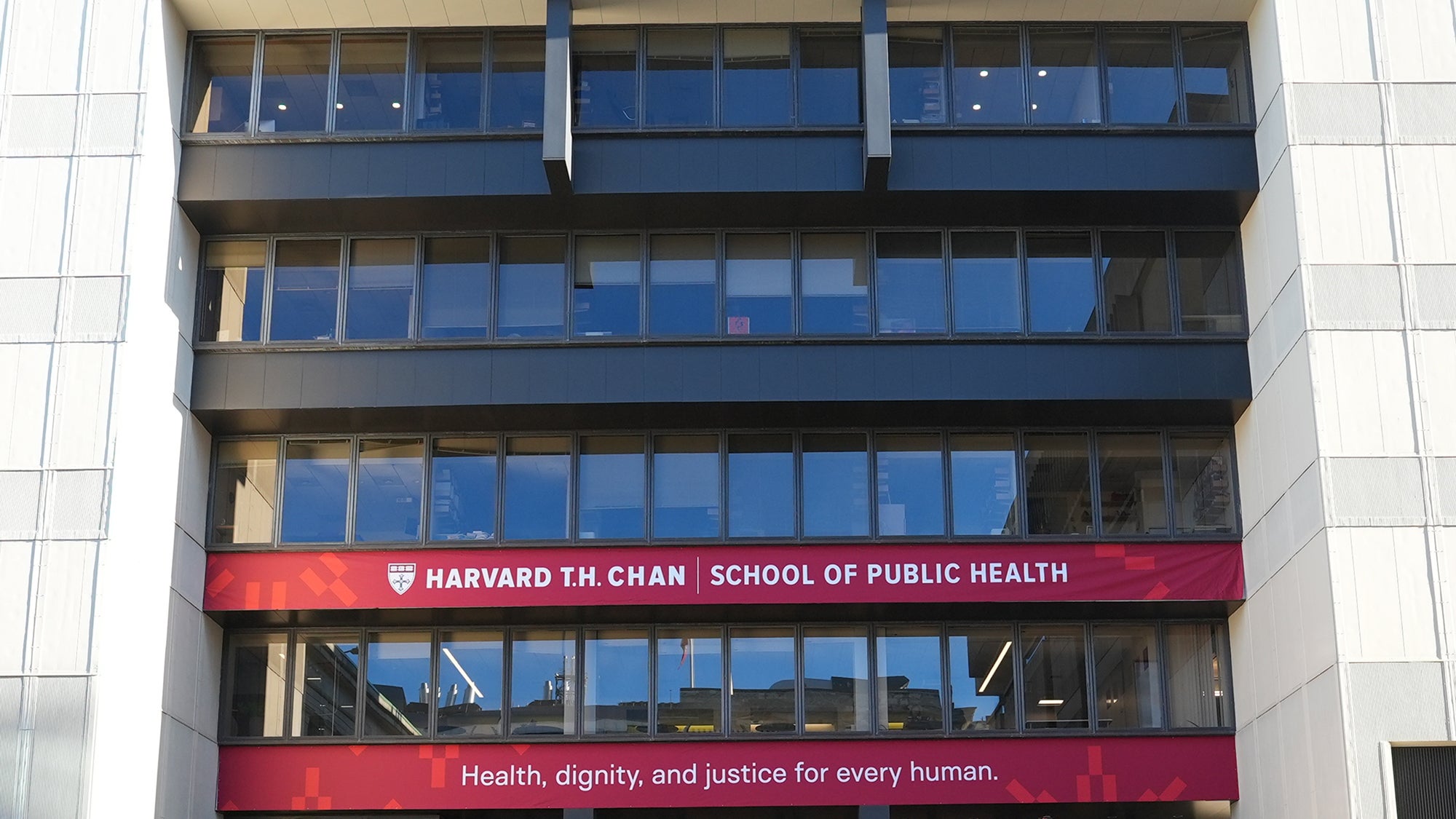
    Exterior of Harvard T.H. Chan School of Public Health's Kresge building
    Harvard T.H. Chan School of Public Health’s Kresge building / Photo: Anna Webster

    More than 30 faculty members or researchers affiliated with Harvard T.H. Chan School of Public Health were named to Clarivate Analytic’s 2024 list of Highly Cited Researchers. The annual list includes researchers from around the world whose papers have been cited most often by their peers—in the top 1% of citations for a chosen field or fields.

    Worldwide, 6,886 researchers were named to the 2024 “highly cited” list. Those affiliated with Harvard Chan School are listed below. Thirteen Harvard Chan School faculty were identified as having exceptional performance across several fields. Their names are marked with an asterisk.

    They include: Rifat Atun*, Andrea Baccarelli*, David Bates*, Francesca Dominici*, Sarah Fortune*, Wendy Garrett, Edward Giovannucci, Christopher Golden*, William Hanage*, Miguel Hernan, Frank Hu, Curtis Huttenhower, Rafael Irizarry*, Ichiro Kawachi*, Karestan Koenen, Nancy Krieger, I-Min Lee, Marc Lipsitch*, Vasanti Malik*, Brendan Manning, JoAnn Manson, Vikram Patel, Alkes Price, Eric Rimm*, Shekhar Saxena, Meir Stampfer*, S.V. Subramanian, Elsie Sunderland, Tyler VanderWeele, Walter Willett, David Williams.

    Krieger was featured in a Q&A on the site as one of seven researchers whose work contributes to societal impact. She said, “As someone whose scientific work for health justice is not part of the mainstream research that dominates the public health and medical literature, I find it encouraging, from the standpoint of health equity, that my work is cited frequently enough to merit my being named a Highly Cited Researcher. It is an affirmation that my work is of use to others.”


    Last Updated

    Featured in this article

    Get the latest public health news

    Stay connected with Harvard Chan School

    Source link