Public health surveillance data released by the CDC as of June 5, 2026 offers a mixed picture of the nation’s current disease burden heading into the height of summer. COVID-19 activity is very low nationally, RSV and influenza seasons have ended, and the emergency department burden from respiratory illness is at its lowest point of the year. But officials are tracking several developing concerns that warrant attention from residents, clinicians, and travelers over the coming weeks.
COVID-19: Low Now, But a Summer Surge Is Possible in the South and West
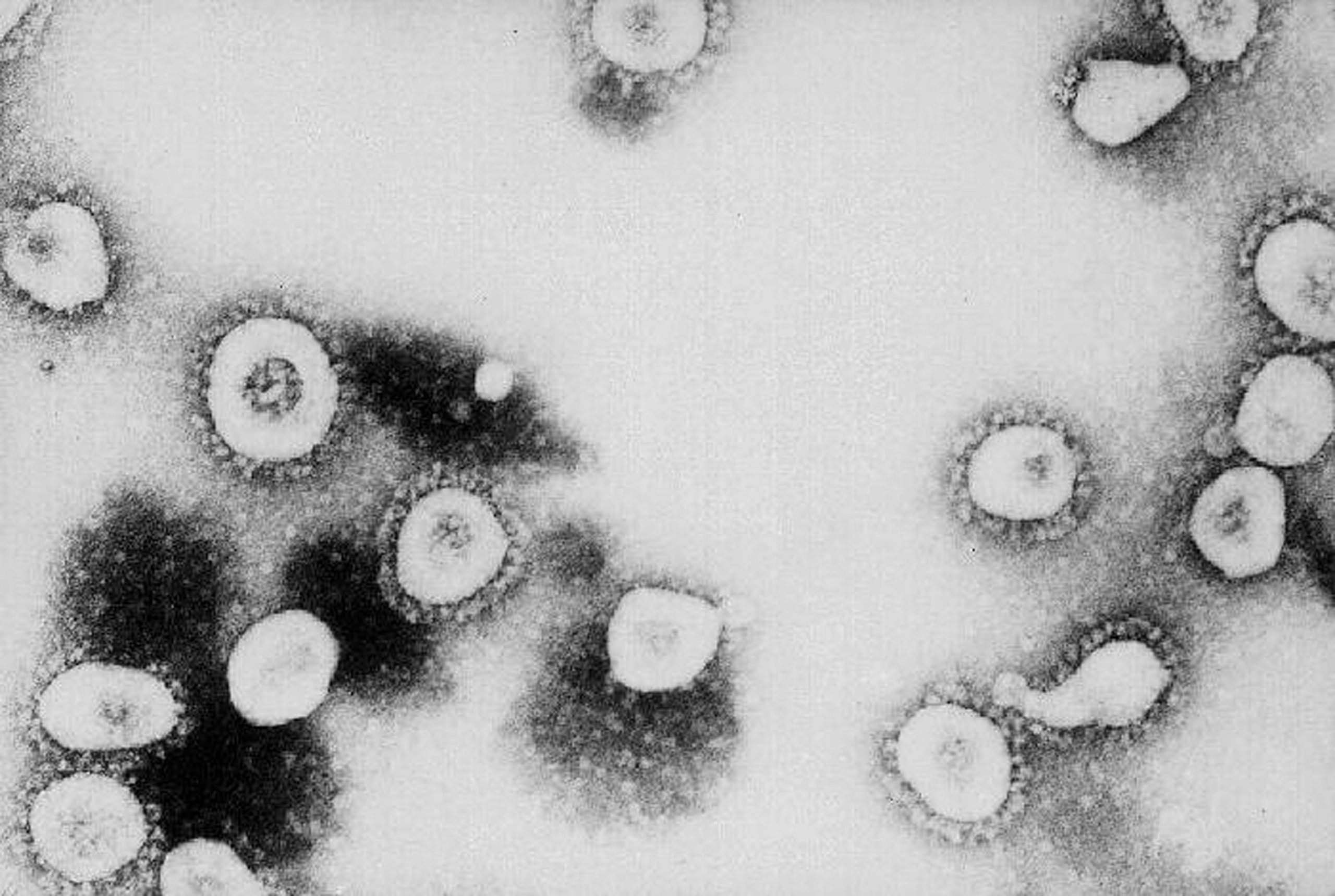
The CDC’s June 5 Respiratory Virus Data update confirms that COVID-19 activity is currently very low across the United States, with declining hospitalizations nationally over recent months. As of June 2, the CDC estimates COVID-19 infections are declining or likely declining in 41 states and growing in only 1 state, according to the agency’s epidemic trend models.
However, the CDC’s 2026 COVID Summer Outlook specifically warns that regions which did not experience substantial COVID activity during the most recent winter months — particularly the South and West — are expected to see increases in summer. The pattern of summer COVID surges in these warmer regions has recurred in multiple years since 2020, driven by people moving indoors to escape heat and, in 2026, by the convergence of World Cup mass gatherings drawing large numbers of international visitors into cities across those exact regions.
People at higher risk of severe COVID outcomes — adults 65 and older, immunocompromised individuals, and those with significant underlying health conditions — should remain aware of updated vaccine recommendations and discuss antiviral treatment eligibility (Paxlovid) with their physician if they test positive.
West Nile Virus: An Unusually Early Season Beginning
West Nile virus activity has been confirmed earlier in the 2026 season than in most prior years, raising concern that peak summer transmission — which typically occurs July through September — could be more intense than average. Positive mosquito pools were confirmed in San Antonio in May (unusually early), in Frisco, Texas in early June, and in New Orleans in early June. Louisiana’s public health response included helicopter-based aerial spraying over parts of New Orleans and surrounding parishes. California confirmed positive mosquito samples across six counties by early June.
West Nile virus has no vaccine and no approved treatment. The CDC recommends using EPA-registered insect repellents containing DEET, picaridin, IR3535, or oil of lemon eucalyptus; wearing long-sleeved shirts and pants during peak mosquito hours (dusk to dawn); eliminating standing water around the home; and ensuring window and door screens are intact.
Salmonella in Moringa Supplements: 119 Cases, 36 States
The ongoing CDC alert on Salmonella in moringa leaf supplement products has expanded since initial publication in May 2026. As of the latest update, the outbreak has sickened at least 119 people in 36 states, hospitalized 32, and involves a drug-resistant strain of Salmonella linked to brands including Live it Up, TNVitamins, Doctor’s Pride, MOGO, and Why Not Natural. Anyone currently using a moringa supplement should check the FDA’s active recall list and stop use immediately if their product is on it.
Frequently Asked Questions
Q: What is COVID activity level in the U.S. right now?
A: As of June 5, 2026, COVID activity is very low nationally. CDC estimates infections are declining in 41 states. However, summer surges are possible in South and West regions.
Q: Is West Nile virus active this summer?
A: Yes. Positive mosquito pools have been confirmed earlier than usual in 2026 in San Antonio, Frisco TX, New Orleans, and six California counties. The early season start suggests potential for above-average transmission in peak summer months.
Q: What should I do about the Salmonella-moringa outbreak?
A: Stop using any moringa supplement and check FDA.gov/recalls for your brand. The outbreak has sickened 119 people in 36 states, with a drug-resistant Salmonella strain linked to several supplement brands.
Q: Who is most at risk from West Nile virus?
A: Adults 60 and older and immunocompromised individuals face the highest risk of neuroinvasive West Nile disease. About 80% of West Nile infections cause no symptoms; approximately 1% cause severe neurological illness.