Tag: Safety

  • Smart Sun Habits for Everyday UV Protection and Outdoor Skin Safety with Sunscreen

    Smart Sun Habits for Everyday UV Protection and Outdoor Skin Safety with Sunscreen

    Smart sun habits help people enjoy the outdoors while lowering the risk of long-term skin damage. By understanding how the sun and UV rays work and building simple sun protection habits, anyone can improve outdoor skin safety without giving up time outside.

    Why Sun and UV Protection Matters

    Spending time in the sun supports mood, social connection, and physical activity, but unprotected UV exposure is a major cause of sunburn, premature aging, and skin cancer.

    UV rays can damage DNA in skin cells long before any redness or tanning is obvious. Because this damage builds up over time, consistent outdoor skin safety is more effective than occasional, last-minute protection.

    UVA and UVB are the main types of UV that affect skin. UVA penetrates deeper and drives photoaging, while UVB is the main cause of sunburn; both contribute to skin cancer risk.

    Cloudy or cool days can still have strong UV levels, so temperature and comfort are not reliable guides. This is why broad-spectrum sunscreen and other sun protection habits are recommended throughout the year.

    Understanding the UV Index and Peak Hours

    Instead of avoiding the outdoors, people can time their activities using the UV Index. This scale shows how strong UV radiation is at a specific time and place. Higher numbers mean higher risk and a faster time to sunburn without protection.

    Many weather apps display the UV Index, helping people decide when to seek shade, wear more protective clothing, or apply extra sunscreen.

    UV levels are usually highest between about 10 a.m. and 4 p.m., when the sun is high in the sky. Outdoor activities do not need to stop during these hours, but stronger outdoor skin safety measures are important, especially for children, people with fair skin, or anyone spending long periods outside.

    Core Sun Protection Habits

    Effective sun protection habits usually include three pillars: shade, clothing, and sunscreen. Shade is a powerful first step, because it reduces direct exposure to sun and UV. Trees, umbrellas, canopies, awnings, and covered patios all help lower the intensity of UV reaching the skin, especially around midday.

    Clothing acts as a physical barrier. Long-sleeved shirts, long pants, and long skirts made with tightly woven fabrics block more UV than thin or loosely woven materials.

    Some garments carry a UPF (Ultraviolet Protection Factor) rating, which indicates how well they block UV. Higher UPF numbers mean better protection, making these items useful for people who work or play outdoors often, according to Johns Hopkins.

    Sunscreen Basics for Outdoor Skin Safety

    Sunscreen fills in the gaps that shade and clothing cannot cover. For most people, experts recommend a broad-spectrum sunscreen with at least SPF 30 for everyday outdoor skin safety.

    Broad-spectrum products are formulated to protect against both UVA and UVB, aligning with the goal of reducing sunburn, photoaging, and skin cancer risk.

    Getting real-world protection depends on how sunscreen is used. Adults typically need about one ounce, roughly a shot glass, to cover the entire body, with smaller amounts for children.

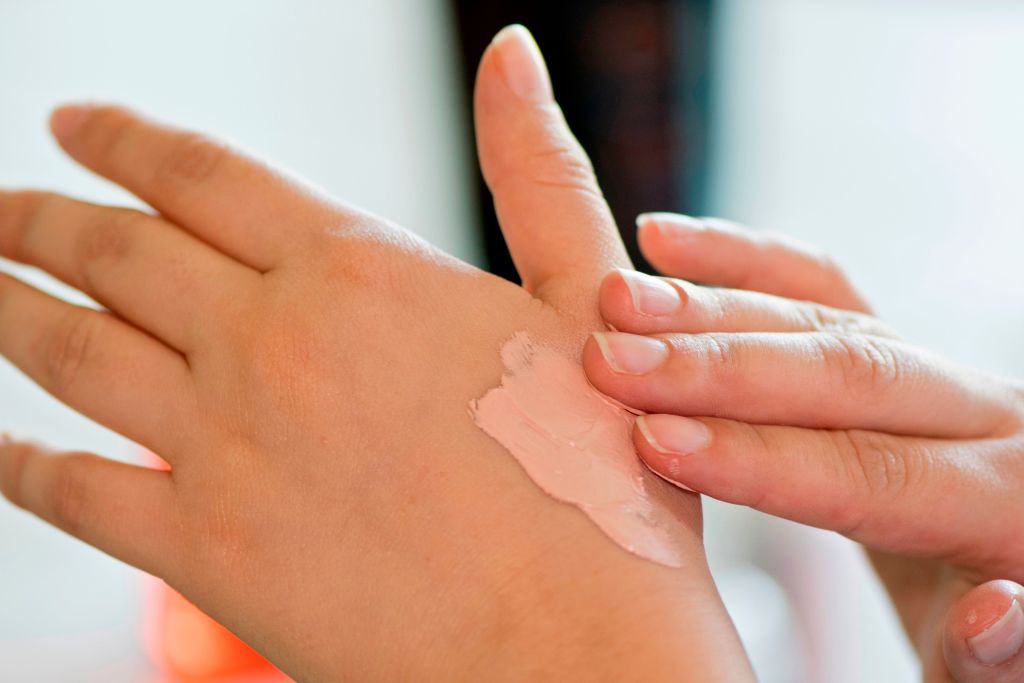
    Sunscreen should be applied to dry skin 15 to 30 minutes before going outside and reapplied every two hours, or more often after swimming, sweating, or towel-drying. Commonly missed areas include the ears, neck, scalp line, tops of the feet, and backs of the hands.

    Many people ask what SPF they truly need. SPF 30 blocks a large share of UVB rays; higher SPF products block slightly more but do not reach 100%.

    Higher numbers can offer a bit more safety for those who burn easily or spend many hours in the sun, but proper application and reapplication remain more important than choosing the highest possible SPF.

    Questions also arise about daily sunscreen safety. Major health organizations support regular sunscreen use as part of sensible sun protection habits.

    People with sensitive or acne-prone skin may prefer mineral formulas with zinc oxide or titanium dioxide, or non-comedogenic products. Testing a new sunscreen on a small patch of skin first can help identify irritation.

    Clothing, Hats, Sunglasses, and Timing

    Smart clothing choices further strengthen outdoor skin safety. Lightweight, long-sleeved shirts and pants made from breathable yet tightly woven fabric provide coverage while remaining comfortable in warm weather. Darker colors and denser weaves usually block more UV than thin, light fabrics that allow visible light to pass through easily.

    Hats and sunglasses provide focused protection for vulnerable areas. A wide-brimmed hat shades the face, ears, and neck, which often receive the most sun exposure and are common sites for sun damage, as per the Centers for Disease Control and Prevention.

    Sunglasses labeled as blocking 99–100% of UVA and UVB protect the eyes and the thin skin around them, which can be damaged even on bright but cool days.

    Timing outdoor activities can make sun protection habits easier to maintain. When possible, people can plan walks, runs, and playground visits in the early morning or late afternoon to avoid the most intense UV.

    At the beach, on snow, or near water, surfaces reflect UV and increase exposure, so combining shade, UPF clothing, and frequent sunscreen reapplication becomes especially important.

    Myths, Skin Tone, and Vitamin D

    Several myths can weaken outdoor skin safety. One is that sunscreen is unnecessary on cloudy or cold days. In reality, a significant amount of UV can pass through clouds, and skin can be damaged even when the air feels cool.

    Another myth is that people who tan easily or have darker skin do not need sunscreen. While darker skin has more natural protection, it does not remove the risk of UV damage or skin cancer, and problems in darker skin are sometimes detected later.

    Vitamin D is another common concern. Many people can maintain healthy levels through brief, incidental sun exposure plus diet and, when appropriate, supplements recommended by a healthcare professional.

    Intentional sunbathing or the use of tanning beds adds unnecessary UV damage and is not usually advised as the main source of vitamin D.

    Smart Sun Habits for Lifelong Outdoor Skin Safety

    Smart sun habits become most powerful when they turn into routine behaviors. Keeping sunscreen near the bathroom sink or front door, leaving a hat and sunglasses by the exit, or placing sunscreen in a gym bag or car all make it easier to remember protection before stepping into the sun and UV.

    Setting phone reminders to reapply during long outdoor events can turn good intentions into consistent practice.

    Families who model outdoor skin safety, putting on sunscreen together before leaving home, choosing shaded picnic spots, and encouraging hats and sunglasses, help children adopt these habits early.

    Over time, these small steps add up. With a practical mix of sunscreen, shade, clothing, timing, and regular awareness, people can enjoy time outside while keeping sun, UV, and long-term skin damage in better balance.

    Frequently Asked Questions

    1. Can I mix different brands of sunscreen in one routine?

    Yes. It is generally fine to use different brands, but layering does not increase SPF beyond the highest product used; focus on applying enough and reapplying regularly.

    2. Does sunscreen expire, and what happens if I still use it?

    Yes. Sunscreen loses effectiveness after its expiration date or if stored in extreme heat, so using old product can mean less protection than the label suggests.

    3. Is makeup with SPF enough for outdoor activities?

    Usually not. SPF makeup can help, but it is often applied too thinly; for extended outdoor time, a dedicated broad-spectrum sunscreen under makeup is recommended.

    4. Do I need sun protection when driving or sitting near windows indoors?

    Often yes. UVA rays can penetrate glass, so regular exposure near windows may warrant daily sunscreen on exposed skin, especially the face and hands.


    Source link

  • Are They Really the Same in Safety, Cost, and Effect?

    Are They Really the Same in Safety, Cost, and Effect?

    The debate around generic drugs vs brand drugs often centers on whether lower-cost medications can truly match the effectiveness of well-known brand-name prescriptions. Many patients notice differences in packaging, color, or price and wonder if those differences affect how the medicine works. In reality, both types of medications are designed to treat the same conditions using the same active ingredients.

    Understanding the effects of medication choices is not the issue here, but rather how cost, regulation, and manufacturing influence treatment access. Generic medications must meet strict regulatory standards to ensure safety, quality, and performance. Because they avoid the high research and marketing costs of brand-name products, generics can provide significant cost savings while still delivering therapeutic equivalence for patients.

    Generic Drugs vs Brand Drugs Differences?

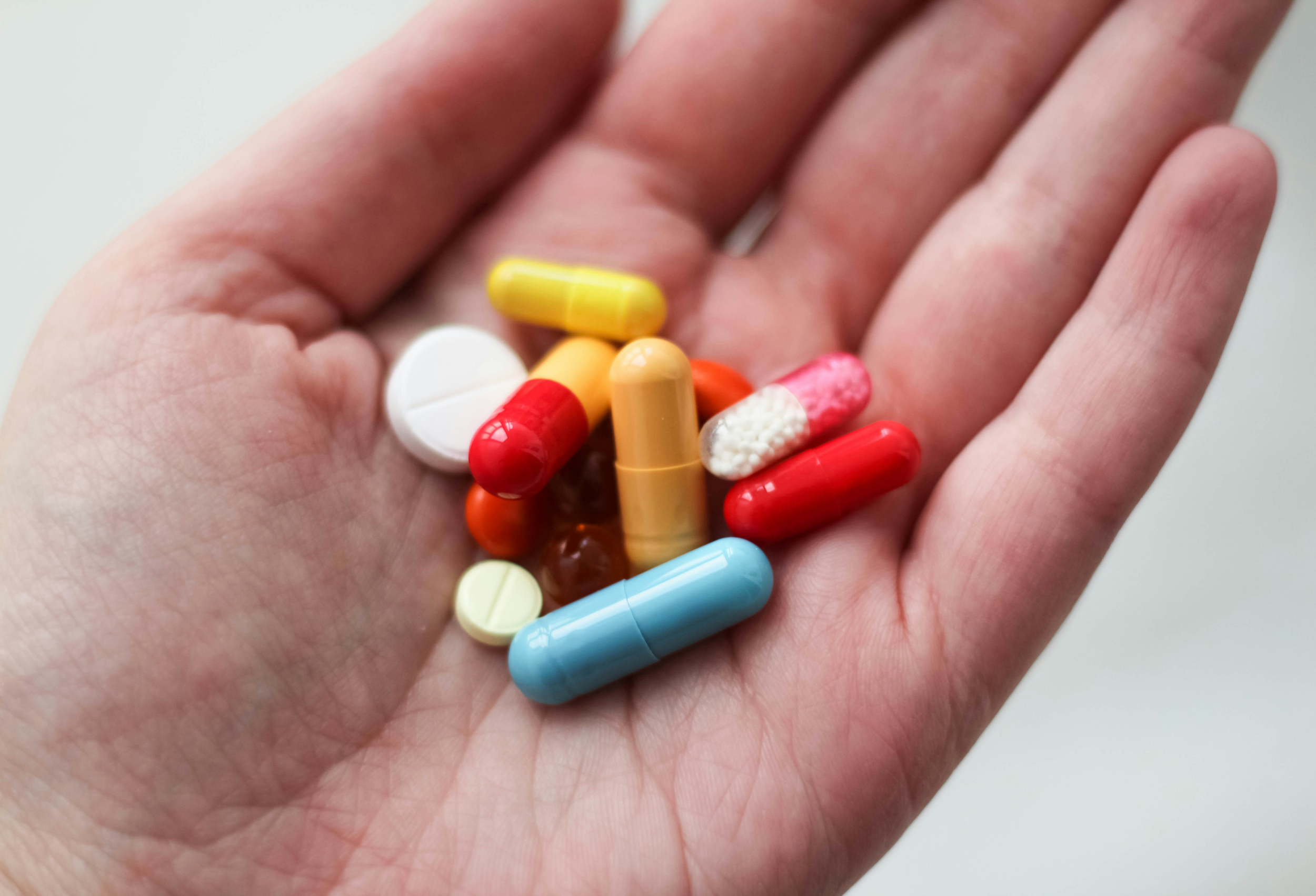
    The primary distinction in generic drugs vs brand drugs lies in their inactive ingredients and visual appearance rather than the medicine’s core function. Both versions contain the same active ingredients and dosage strength designed to treat the same medical condition. However, generic manufacturers may use different fillers, binders, or coloring agents because trademark laws prevent them from copying the exact look of a brand-name pill.

    According to the U.S. Food and Drug Administration (FDA), generic medications must demonstrate FDA bioequivalence, meaning they deliver the same amount of active ingredient into the bloodstream at a similar rate as the original brand-name drug. These tests confirm that generic drugs work in the body in the same way as their reference medication.

    Are Generic Drugs vs Brand Drugs Equally Effective?

    One of the most common concerns in generic drugs vs brand drugs comparisons is whether generics provide the same therapeutic results as brand-name medications. In most cases, generics must demonstrate therapeutic equivalence, meaning they produce the same clinical outcomes when taken under the same conditions. This requirement ensures patients receive comparable treatment regardless of whether they use a generic or brand version.

    Based on a study conducted by the National Institutes of Health (NIH), research comparing brand-name medications with their generic counterparts found no significant differences in clinical effectiveness or safety for most treatments. The findings confirm that generic drugs can deliver the same health outcomes while maintaining strict manufacturing and quality standards.

    Generic Drugs vs Brand Drugs Cost Safety?

    Cost savings represent one of the biggest advantages when comparing generic drugs vs brand drugs. Generic medications are typically 80 to 85 percent less expensive than brand-name drugs because manufacturers do not need to repeat the costly research and development process required for new medications. After a brand drug’s patent expires, multiple companies can produce generic versions, increasing competition and lowering prices for patients.

    According to the U.S. Department of Health and Human Services (HHS), the widespread use of generic drugs saves the healthcare system hundreds of billions of dollars each year while maintaining the same safety and effectiveness standards as brand medications. Generic manufacturers must follow strict production guidelines and undergo regular inspections to ensure quality and safety.

    Choosing Between Generic and Brand Options

    Choosing between generic drugs vs brand drugs depends on several factors, including medical history, physician guidance, and insurance coverage. While generics often provide the same therapeutic benefits at a lower cost, some situations may require a more personalized decision.

    Understanding these factors helps patients choose medications that balance therapeutic equivalence, cost savings, and safety. Healthcare providers and pharmacists can help patients evaluate the best option based on individual health needs.

    • Physician recommendations – Doctors evaluate a patient’s condition, treatment history, and potential medication sensitivities before suggesting generic or brand-name drugs.
    • Cost savings – Generic medications usually cost significantly less, helping patients maintain long-term treatment without financial strain.
    • Insurance coverage – Many insurance plans include generics in preferred formularies, meaning patients pay lower copayments for these medications.
    • Chronic condition management – Patients with conditions like hypertension, diabetes, or high cholesterol often benefit from affordable generics to maintain consistent treatment.
    • Pharmacist guidance – Pharmacists help explain the differences between medications and reassure patients about FDA bioequivalence and therapeutic equivalence.
    • Inactive ingredient sensitivities – Some patients may react to specific fillers or dyes in generics, which may require switching to a brand version.
    • Narrow therapeutic index medications – Certain drugs require consistent dosing from the same manufacturer to avoid small variations in effect.
    • Practical treatment decisions – For most patients, generics offer the same therapeutic results while improving affordability and accessibility.

    Make Informed Generic Drugs vs Brand Drugs Choices

    Understanding generic drugs vs brand drugs helps patients make confident decisions about their medications. While brand-name drugs often dominate advertising and public recognition, generics provide the same active ingredients and therapeutic effects under strict regulatory standards. These medications are carefully tested to ensure they deliver consistent results while maintaining safety and quality.

    For many people, the greatest advantage of generic drugs is improved access to treatment. Lower costs allow patients to continue essential medications without financial strain, especially for long-term conditions. By working closely with healthcare providers and pharmacists, patients can choose the option that supports both their health and financial well-being.

    Frequently Asked Questions

    1. What is the main difference between generic drugs vs brand drugs?

    The main difference between generic drugs vs brand drugs lies in branding, appearance, and cost rather than the active ingredient. Both versions contain the same medicinal compound designed to treat the same condition. Generics may use different inactive ingredients such as fillers or coloring. Despite these differences, they are required to meet the same safety and quality standards.

    2. Are generic drugs as safe as brand-name drugs?

    Yes, generic drugs are considered just as safe as brand-name drugs. Regulatory agencies require them to meet strict manufacturing and quality standards. They must also demonstrate bioequivalence to the original medication. This means the body absorbs and uses the medicine in a similar way.

    3. Why are generic drugs cheaper than brand drugs?

    Generic drugs are cheaper because they do not need to repeat the expensive research and development process required for new medications. Once a drug patent expires, multiple companies can produce generic versions. Increased competition helps lower prices for consumers. These cost savings can make long-term treatments more affordable.

    4. Can switching between generic and brand drugs affect treatment?

    For most medications, switching between generic and brand drugs does not affect treatment results. Both types deliver the same active ingredient and therapeutic effect. However, patients taking drugs with a narrow therapeutic index may need consistent dosing from the same manufacturer. Doctors and pharmacists can guide patients if such cases arise.


    Source link

  • Trump Elevates Glyphosate to National Defense Status Amid Safety Debate

    Trump Elevates Glyphosate to National Defense Status Amid Safety Debate

    President Donald Trump has signed an executive order declaring glyphosate‑based herbicides like Roundup, along with elemental phosphorus, essential to national defense, even as the weedkiller faces lawsuits and scientific scrutiny over potential links to cancer and other health harms. The order, issued this week under the Defense Production Act, directs federal officials to safeguard domestic production and distribution of the chemicals and warns that losing access to glyphosate would “critically jeopardize” U.S. agricultural productivity and strain the food supply.

    The directive gives the Agriculture secretary broad authority to prioritize and, if needed, direct production of elemental phosphorus and glyphosate‑based herbicides, including shielding compliant producers from rules or regulations that could threaten their financial viability. The administration frames the move as necessary to keep food affordable and support farmers who rely on glyphosate‑tolerant crops to control weeds and maintain high yields.

    Trump’s order comes as companies like Bayer’s Monsanto, maker of Roundup, continue to face litigation over claims that glyphosate exposure contributed to non‑Hodgkin lymphoma and other illnesses, leading to large settlements in recent years. Critics say the new protections could make it harder to hold manufacturers accountable for alleged health harms, especially if the order is interpreted as providing a form of legal shield for producers that follow federal directives.

    The decision has also exposed political and ideological rifts inside the Make America Healthy Again movement, which has spotlighted concerns about pesticides and processed foods. Some health advocates aligned with Health and Human Services Secretary Robert F. Kennedy Jr. called the move a “betrayal” of earlier promises to confront dangerous agricultural chemicals, while others close to Kennedy publicly backed the order as a trade‑off to protect food and defense supply chains. Environmental groups and pesticide‑safety advocates argue the directive could lead to more glyphosate in waterways and ecosystems at a time when courts and scientists are still debating the herbicide’s risks.

    What glyphosate herbicides are

    Glyphosate is a synthetic, broad‑spectrum herbicide used to kill grasses and broadleaf weeds in large‑scale agriculture, landscaping and home yards. It blocks an enzyme in the plant shikimate pathway that is necessary for producing certain amino acids, ultimately stopping growth and killing the plant.

    Commercial glyphosate products, known as glyphosate‑based herbicides (GBHs), combine glyphosate salts with surfactants and other formulants that help the chemical stick to and penetrate leaves and improve stability. These products are applied heavily to genetically engineered “glyphosate‑tolerant” crops such as corn, soybeans and cotton, as well as around roads, rail lines and public spaces. Trump’s order describes glyphosate‑based herbicides as a “cornerstone” of U.S. agricultural productivity, emphasizing that there is no perfect one‑for‑one replacement for the chemical on today’s farms.

    Cancer and other health risks: what studies say

    In 2015, the International Agency for Research on Cancer, part of the World Health Organization, classified glyphosate as “probably carcinogenic to humans,” citing limited evidence of non‑Hodgkin lymphoma in people, sufficient evidence of cancer in experimental animals and strong mechanistic evidence for genotoxicity and oxidative stress. Several regulators, including the European Food Safety Authority, later concluded glyphosate is unlikely to pose a carcinogenic hazard at typical exposure levels, pointing to additional data and different methods for weighing animal and human studies.

    A major update of the U.S. Agricultural Health Study, which has followed pesticide applicators for decades, reported no overall association between glyphosate use and total cancer or non‑Hodgkin lymphoma, though it did observe a possible increase in acute myeloid leukemia at the highest exposure category based on relatively few cases. A separate meta‑analysis pooling several epidemiologic studies found a statistically significant link between high glyphosate exposure and non‑Hodgkin lymphoma, supporting IARC’s concern while acknowledging limitations in exposure measurement and study heterogeneity.

    A 2024 review of human health effects concluded that evidence for specific cancers remains mixed: some analyses suggest elevated risk for non‑Hodgkin lymphoma and certain leukemias at higher, mostly occupational doses, while large cohort studies often report null or weak associations. That review also noted consistent genotoxic effects in vitro and highlighted the need for better data on long‑term, low‑dose exposure experienced by the general population.

    Beyond cancer: acute and chronic side effects

    Most severe acute poisonings occur after ingestion of concentrated glyphosate formulations, often in self‑harm attempts, and can cause gastrointestinal burns, respiratory distress, cardiovascular collapse and, in some cases, death. Case series and toxicology reports indicate that surfactants in some GBHs may contribute significantly to acute toxicity, not just glyphosate itself.

    A 2022 review of toxic effects on the nervous system found that glyphosate and GBHs can cross or disrupt the blood‑brain barrier, trigger oxidative stress and neuroinflammation and alter neurotransmitter systems in animal and cell models. Human studies cited in that review linked occupational exposure to visual memory impairment in some farmer populations and raised concerns that prenatal or early‑life exposure could be associated with more severe neurodevelopmental outcomes, including autism spectrum disorder, though the authors stressed these associations are preliminary and require more robust research.​

    Experimental work and limited human data also suggest potential endocrine‑disrupting activity, liver and kidney changes and effects on gut microbiota at certain doses, but findings are inconsistent and difficult to translate to real‑world exposure. Regulatory agencies continue to maintain acceptable daily intake values, arguing that, based on current evidence, glyphosate residues permitted in food and water are not clearly linked to specific health effects in the general population, a conclusion that remains contested by some independent scientists and advocacy groups.

    Source link

  • Best Forms, Dosages, and Safety Tips

    Best Forms, Dosages, and Safety Tips

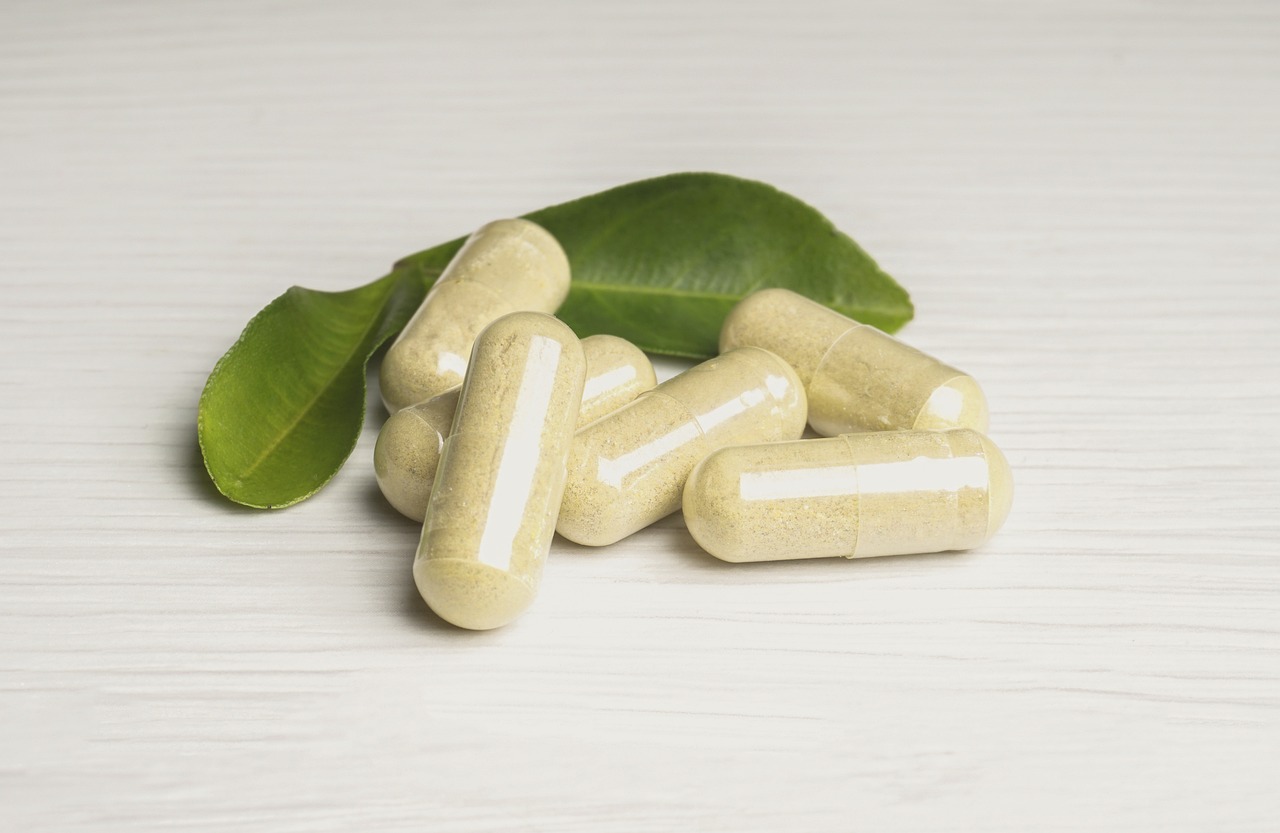
    Magnesium supplements have become a staple in many wellness routines, and with good reason. Magnesium plays a central role in hundreds of biochemical reactions in the body, yet many adults do not consistently meet recommended intakes through diet alone.

    Understanding magnesium supplement benefits and magnesium side effects can help readers decide whether adding a supplement makes sense for their individual situation.​

    What Magnesium Does in the Body

    Magnesium is an essential mineral involved in energy production, protein synthesis, muscle contraction and relaxation, and the functioning of the nervous system. It also supports heart rhythm, blood pressure regulation, blood sugar control, and healthy bone structure.

    When intake is chronically low, people may experience symptoms such as muscle cramps, fatigue, mood changes, or irregular heartbeat, particularly if other risk factors are present.​

    Because magnesium is found in foods like leafy greens, nuts, seeds, whole grains, and legumes, a balanced diet can supply adequate amounts for many people.

    However, modern dietary patterns, gastrointestinal conditions, certain medications, and high levels of stress can increase the risk of falling short, which is why supplements have gained attention.​

    Effects on Stress, Anxiety, and Mood

    Magnesium is involved in how the body responds to stress and regulates stress-related hormones. Observational research has linked low magnesium status with an increased likelihood of symptoms such as anxiety or low mood.

    Some clinical studies suggest that supplementing magnesium may help reduce mild anxiety or stress in certain populations, especially when deficiency is present.​

    However, evidence remains mixed, and effects are not uniform for every person or condition. Magnesium supplements are not a substitute for professional mental health care, but they can be a supportive strategy under guidance from a healthcare professional.​

    Muscle, Exercise, and Cramp Relief

    Magnesium plays a vital role in muscle contraction and relaxation, so it is natural that many people turn to supplements to address muscle cramps or twitches. For individuals with low magnesium status, correcting the deficiency may reduce muscle cramps or spasms, particularly in the legs.

    Athletes sometimes use magnesium to support normal muscle function and recovery, although evidence for performance enhancement is mixed.​

    In some studies, magnesium supplementation has shown modest benefits in reducing cramping during pregnancy or in older adults, but results are not consistent across all trials. This suggests that magnesium may be most helpful when an underlying deficiency is present, rather than as a blanket solution for every type of cramp.​

    Heart, Blood Pressure, and Metabolic Health

    Magnesium is important for maintaining a healthy heart rhythm and supporting normal blood vessel function. Higher dietary magnesium intake has been associated with a lower risk of high blood pressure and cardiovascular disease in several observational studies, according to Harvard Health.

    In some clinical research, supplemental magnesium has produced small reductions in blood pressure, particularly in people with hypertension or low baseline magnesium levels.​

    Magnesium also appears to play a role in blood sugar control and insulin sensitivity. Studies have linked adequate magnesium intake with a lower risk of type 2 diabetes, and supplementation may support better glycemic control in some individuals with low magnesium status.

    These effects tend to be modest and work best as part of a broader lifestyle strategy that includes diet, exercise, and medical management.​

    Common Magnesium Side Effects

    The most frequently reported side effects of magnesium supplements are digestive. These can include nausea, stomach cramping, and diarrhea, especially with forms that have a stronger laxative effect, such as magnesium citrate or magnesium oxide at higher doses.

    For many people, reducing the dose or switching to a gentler form like magnesium glycinate can improve tolerance.​

    Side effects are more likely to occur with supplements and magnesium-containing laxatives than with magnesium from food sources. Taking magnesium with food, starting at a low dose, and gradually increasing as needed are practical ways to minimize unwanted effects.​

    Who Should Avoid or Be Cautious with Magnesium?

    Certain groups should be particularly careful with magnesium supplements. People with chronic kidney disease or significantly reduced kidney function may not excrete magnesium efficiently, which can lead to dangerous buildup in the blood.

    For these individuals, any magnesium supplement should be used only under direct medical supervision.​

    Magnesium can also interact with some medications. For example, it may interfere with the absorption of certain antibiotics and osteoporosis drugs, and it can affect the action of some heart medications.

    Spacing magnesium several hours away from these medications or adjusting the regimen under medical guidance can reduce the risk of interactions.​

    How to Take Magnesium: Dose and Timing

    Recommended daily magnesium intake varies by age and sex, but many adults fall in the range of roughly a few hundred milligrams per day from all sources, as per Mayo Clinic.

    Supplements are often formulated to provide an amount that helps close the gap between dietary intake and recommended levels without exceeding upper limits. Choosing a dose that aligns with individual needs and medical advice is essential.​

    Timing is flexible, and magnesium can be taken in the morning or evening, depending on preference and goals. People who use magnesium for relaxation or sleep often prefer to take it in the evening, while others integrate it with breakfast or another meal to reduce the chance of stomach upset.

    Consistency tends to matter more than exact timing, and taking magnesium with food can improve comfort for those who experience digestive sensitivity.​

    Magnesium often appears in combination products with nutrients such as calcium or vitamin D. While these combinations can be convenient, they may affect absorption, so spacing doses or adjusting the regimen can be useful in some cases.

    Readers who take prescription medications should verify with a healthcare professional whether magnesium needs to be separated from certain drugs to avoid reduced efficacy or unwanted interactions.​

    Smart Ways to Use Magnesium for Everyday Health

    For most people, the foundation of magnesium status is a diet rich in whole, minimally processed foods that naturally supply this mineral. When dietary intake is insufficient or specific health concerns are present, supplements can offer measurable magnesium supplement benefits, particularly for sleep, muscle comfort, and cardiometabolic support.

    At the same time, being aware of typical magnesium side effects, appropriate dosing, and individual risk factors helps ensure that supplementation remains both safe and effective.​

    Those considering magnesium supplements may benefit from discussing lab testing, medication lists, and symptom history with a healthcare professional to tailor form and dose.

    Frequently Asked Questions

    1. Can magnesium supplements be taken long term?

    Magnesium can often be taken long term at moderate doses in people with normal kidney function. Anyone using daily magnesium for months should check in with a healthcare professional, especially if they take other medications or have chronic conditions.​

    2. Is it better to get magnesium from food or supplements?

    Food is generally preferred because it provides magnesium along with fiber and other nutrients from whole foods like leafy greens, nuts, seeds, and whole grains. Supplements are most helpful when diet is insufficient or a clinician identifies deficiency or higher needs.​

    3. Can magnesium supplements affect lab test results?

    High magnesium intake, especially in people with reduced kidney function, can influence some electrolyte and kidney-related lab values. Patients should tell their healthcare team about all supplements, including magnesium, before blood tests.​

    4. Are “natural” or “chelated” magnesium supplements safer than others?

    “Natural” or “chelated” mainly describes how magnesium is sourced or bound and does not automatically make a product safer. Safety depends more on dose, kidney function, interactions, and choosing third‑party tested products.


    Source link

  • Stellantis Issues Major Recall for Dodge Darts Due to Rollaway Safety Hazard

    Stellantis Issues Major Recall for Dodge Darts Due to Rollaway Safety Hazard

    Stellantis, the parent company of Dodge and Chrysler, has issued a major recall for more than 298,000 Dodge Dart vehicles due to a serious safety issue that could cause the cars to roll away unexpectedly.

    The announcement came through the National Highway Traffic Safety Administration (NHTSA) on October 9, 2025.

    The recall affects Dodge Dart sedans from model years 2013 to 2016. The problem lies in the transmission shift cable, which can become disconnected.

    When this happens, drivers may think the car is in park when it’s actually not, which increases the risk of a rollaway accident—especially dangerous if someone is behind or near the vehicle.

    According to USA Today, Stellantis said the issue is tied to a previous recall from 2019 (Recall No. 19V293000).

    At that time, the company replaced the cable bushing, but many owners have continued to report problems even after the fix.

    After reviewing the complaints and investigating the vehicles between June and October 2025, Stellantis confirmed the issue still exists and issued a new recall: 25V674000.


    Stellantis to Fix Dodge Dart Defect for Free

    As of now, the company says there have been no reported injuries or crashes linked to this defect. However, out of caution, it is asking all affected owners to take the issue seriously.

    While Stellantis works on a permanent solution, dealers will be notified starting October 16, and vehicle owners will be contacted between November 6 and November 13.

    Affected customers will receive a letter in the mail explaining the issue and the next steps. Once a fix is available, repairs will be provided at no cost.

    Drivers concerned about their vehicle can reach out to Chrysler customer service at 800-853-1403. The recall number for reference is A0C, CBS News reported.

    This isn’t the first time Stellantis has faced a recall in 2025. Earlier in the year, the automaker pulled back more than 63,000 Jeep Cherokees because of a defect that could cause the vehicles to lose power or their parking capability.

    Even with the recall, Stellantis had some positive news to share — the company revealed plans to invest $13 billion in its US manufacturing network.

    The move is expected to add around 5,000 new jobs across Illinois, Indiana, Michigan, and Ohio.

    Originally published on vcpost.com

    Source link

  • A Meditation for Finding Safety in the Body

    A Meditation for Finding Safety in the Body

    This week, mindfulness teacher and recovery coach Emily Jane guides a grounding practice to find safety in our bodies when trauma, fear, or anxiety are pulling us to escape from or numb our discomfort.

    When we are living with a lot of stress or recovering from trauma or addiction, we can find ourselves living in a fight-flight-freeze state, where we feel either disconnected from or unsafe in our bodies. It’s hard to remember, In this moment, I am safe. This practice is designed to gently cultivate a sense of safety and then create a kinesthetic anchor (rooted in awareness of how our body is moving) to start building a felt sense of security that your body can remember.

    A Meditation for Finding Safety in the Body

    Read and practice the guided meditation script below, pausing after each paragraph. Or listen to the audio practice.

    1. Begin by finding a comfortable position. You can sit down, lie down, let your body be your guide, and see what feels most supportive for you in this moment.
    2. When you’ve settled into your chosen position, close your eyes or lower your gaze. Notice how your body connects with the surface beneath you, and take a few moments to really feel into that sense of support and grounding. Bring your awareness to your breath and simply notice the natural rhythm of the breath.
    3. Noticing without judgment, just let the breath be exactly as it is. Soften the muscles in your forehead, relax the jaw and allow your shoulders to gently drop down. Now let’s take a couple of deeper breaths. Take a deep breath in through the nose, inhaling from the belly. Then extending that exhale with a long sigh. Just bring in a sense of ease and softening into the body. When we take deep conscious breaths like this, it’s like we are giving a signal of safety to our nervous system. Take one more breath like this, inhaling from the belly and exhaling with a sense of letting go.

    When we take deep conscious breaths like this, it’s like we are giving a signal of safety to our nervous system.

    1. Now start gently scanning through your body. As you do, notice any areas of tension or parts that might feel a bit more heavy, uncomfortable, activated, or even in physical pain. Note what you’re feeling with a curious and compassionate awareness. Then take a deep breath and send the breath into that area. Maybe you notice this provides a sense of ease or spaciousness around this part. Or maybe you don’t. Whatever you’re feeling is okay. There’s no right or wrong experience here. 
    2. Continue with your scanning awareness. Explore if there is a part of your body that feels safe, more at ease or calm. And if those words don’t resonate for you, feel free to choose one that does. Maybe you just find that there is a part of your body that feels more neutral and less activated. Gently explore where that is in the body—it could be in your chest, your hands, your belly, your feet. Feel what that sensation feels like.
    3. Bring your full attention to that place. Notice its qualities. Does it have a color, shape, or texture? Allow yourself to really attune to this part of the body. Lean into that sense of safety, ease, calm, or neutrality. 
    4. Next, expand your awareness to the rest of the body. Maybe you notice there is still some discomfort or tension in these other areas. And if there is, notice the contrast, holding both the tension and the sense of safety in your awareness. Then bring your full attention back to that sensation of safety. Noticing the qualities. Take a deep breath into this sensation. As you inhale, let it expand. And with your exhale, allow it to flow into the rest of your body. Invite this sensation to expand, to magnify through the whole of your body. Notice what that feels like to rest with this or in this.
    5. Now place one hand on your heart and the other on your belly. Apply just the right amount of pressure that feels supportive for you. This is an anchor, a somatic cue your body can remember. The more you return to this meditation, the more your body will associate this touch with safety. Let’s take two final deep breaths, breathing in a sense of safety, calm, and ease. On the exhale, breathing it out into the space around you. Breathing in safety, calm, ease; breathing out safety, calm, ease.

    This is an anchor, a somatic cue your body can remember. The more you return to this meditation, the more your body will associate this touch with safety.

    1. If you are now feeling more regulated at ease and safe in your body, acknowledge this. Also acknowledge that you have the power to consciously regulate your nervous system. If there has been no change, that is okay. You didn’t do anything wrong, and sometimes establishing safety just takes practice and time. The best attitude we can have when working with our nervous system is one of acceptance and non-resistance. 
    2. When you feel ready, you can gently open your eyes. Thank you so much for taking the time to do this meditation with me. May the rest of your day carry the same sense of safety, ease, and calm.


    Source link

  • FDA Cracks Down on Whipped Sunscreens, Citing Lack of Approval and Safety Concerns

    FDA Cracks Down on Whipped Sunscreens, Citing Lack of Approval and Safety Concerns

    The US Food and Drug Administration (FDA) is warning consumers to avoid sunscreens sold in whipped, mousse, or foam forms, saying these products are not approved and could be unsafe.

    The agency recently sent warning letters to several companies, including Supergoop!, Vacation Inc., Kalani Sunwear, Botao Baby, and Tizo Skin, for marketing sunscreens in these unconventional formats.

    “These products might not be effective,” the FDA said in a post on X, emphasizing that whipped or mousse sunscreens have not been approved as safe or reliable for preventing sunburn or reducing skin cancer risk.

    The agency classifies these products as drugs because they are designed to protect against harmful UV rays, yet they have not received the necessary FDA approval.

    The FDA also raised concerns about packaging. According to FoxBusiness, many whipped and mousse sunscreens are sold in containers resembling food items, which could lead to accidental ingestion, especially by children.

    Vacation Inc., for instance, markets its “Classic Whip Sunscreens” as “dessert for your skin,” prompting the FDA to label the products as misbranded.

    “Packaging drug products in containers that resemble food containers commonly used by adults and children can mislead consumers into mistaking the products for food,” the agency warned.


    FDA Issues Warning on Supergoop! Mousse Sunscreen

    Supergoop! received a similar warning for its “Play SPF 50 Body Mousse.”

    The company told CBS MoneyWatch it is working to resolve what it described as a “product labeling” matter with the FDA and remains committed to maintaining high standards of safety and efficacy, NY Post said.

    Kalani Sunwear temporarily pulled its mousse-format sunscreen from its U.S. website to comply with regulations, while Botao Baby and Tizo Skin have not yet responded to inquiries.

    The FDA treats sunscreens like over-the-counter drugs, which means they have strict rules about how they can be sold.

    Right now, only lotions, creams, gels, oils, pastes, butters, ointments, and sticks are considered safe and effective.

    Sunscreens in mousse, foam, or whipped forms need separate FDA approval, and none of the ones on the market have it yet.

    Back in 2019, the FDA updated its sunscreen guidelines to reflect the latest science, including rules about active ingredients, SPF limits, broad-spectrum protection, and allowed forms.

    The Skin Cancer Foundation supports these rules, emphasizing that ongoing review is important as new UV filters and application methods come out.

    For now, consumers should read sunscreen labels carefully and steer clear of mousse, foam, or whipped products until they get FDA approval.

    Originally published on vcpost.com

    Source link

  • The Importance of Emergency Funds: Why You Need a Financial Safety Net

    The Importance of Emergency Funds: Why You Need a Financial Safety Net

    Introduction

    Having a financial safety net is crucial in today’s uncertain world. One of the most important components of a financial safety net is an emergency fund. An emergency fund is a pool of money set aside to cover unexpected expenses, such as car repairs, medical bills, or losing a job. It provides a cushion against financial shocks and helps individuals and families avoid going into debt or financial distress. In this article, we will explore the importance of emergency funds, why you need a financial safety net, and how to build one.

    What is an Emergency Fund?

    An emergency fund is a savings account specifically designed to cover unexpected expenses. It’s a separate account from your regular savings or checking account, and it’s meant to be used only in emergency situations. The purpose of an emergency fund is to provide a financial cushion in case of unexpected events, such as:

    • Car repairs or accidents
    • Medical emergencies or unexpected medical bills
    • Job loss or reduction in income
    • Home repairs or maintenance
    • Natural disasters or unexpected events

    Having an emergency fund in place can help reduce stress and anxiety, as you’ll know that you have a financial safety net to fall back on in case of an unexpected event.

    Why Do You Need an Emergency Fund?

    There are many reasons why you need an emergency fund. Here are some of the most important ones:

    • Avoid debt: Without an emergency fund, you may be forced to go into debt to cover unexpected expenses. This can lead to a cycle of debt that’s difficult to escape.
    • Reduce financial stress: Knowing that you have a financial safety net in place can reduce financial stress and anxiety.
    • Protect your credit score: Using an emergency fund to cover unexpected expenses can help protect your credit score, as you won’t need to rely on credit cards or loans.
    • Maintain financial stability: An emergency fund can help you maintain financial stability, even in the face of unexpected events.

    How Much Should You Save in an Emergency Fund?

    The amount you should save in an emergency fund varies depending on your individual circumstances. Here are some general guidelines:

    • 3-6 months’ worth of expenses: This is a general rule of thumb for emergency funds. It’s recommended that you save enough to cover 3-6 months’ worth of living expenses, in case of job loss or other unexpected events.
    • Consider your income and expenses: If you have a stable income and low expenses, you may be able to get away with saving less. However, if you have a variable income or high expenses, you may want to save more.
    • Consider your dependents: If you have dependents, such as a spouse or children, you may want to save more to ensure that you can provide for them in case of an unexpected event.

    How to Build an Emergency Fund

    Building an emergency fund takes time and discipline, but it’s worth it. Here are some steps you can follow to build an emergency fund:

    • Start small: Don’t try to save too much too quickly. Start with a small amount, such as $100 or $500, and gradually increase it over time.
    • Set up automatic transfers: Set up automatic transfers from your checking account to your emergency fund account. This will help you save regularly and consistently.
    • Use a separate account: Keep your emergency fund in a separate account from your regular savings or checking account. This will help you avoid temptation to spend it on non-essential items.
    • Avoid dipping into it: Try to avoid dipping into your emergency fund for non-essential expenses. This will help you maintain the discipline to save and ensure that your emergency fund is available when you need it.

    Benefits of Having an Emergency Fund

    Having an emergency fund can provide many benefits, including:

    • Reduced financial stress: Knowing that you have a financial safety net in place can reduce financial stress and anxiety.
    • Improved financial stability: An emergency fund can help you maintain financial stability, even in the face of unexpected events.
    • Increased peace of mind: Having an emergency fund can provide peace of mind, knowing that you’re prepared for unexpected expenses.
    • Better financial decision-making: Having an emergency fund can help you make better financial decisions, as you’ll be less likely to go into debt or make impulse purchases.

    Common Mistakes to Avoid

    When building an emergency fund, there are several common mistakes to avoid, including:

    • Not saving enough: Saving too little can leave you vulnerable to financial shocks.
    • Dipping into it too often: Dipping into your emergency fund for non-essential expenses can erode the fund and leave you unprepared for unexpected events.
    • Not keeping it separate: Keeping your emergency fund in the same account as your regular savings or checking account can make it too easy to spend it on non-essential items.
    • Not reviewing and adjusting: Not reviewing and adjusting your emergency fund regularly can leave you unprepared for changes in your income or expenses.

    Conclusion

    Having an emergency fund is a crucial component of a financial safety net. It provides a cushion against financial shocks and helps individuals and families avoid going into debt or financial distress. By understanding the importance of emergency funds, why you need a financial safety net, and how to build one, you can take the first step towards securing your financial future. Remember to start small, set up automatic transfers, use a separate account, and avoid dipping into it too often. With discipline and patience, you can build an emergency fund that will provide you with peace of mind and financial stability.

    FAQs

    Here are some frequently asked questions about emergency funds:

    Q: How much should I save in an emergency fund?
    A: The amount you should save in an emergency fund varies depending on your individual circumstances. A general rule of thumb is to save 3-6 months’ worth of living expenses.

    Q: What should I use my emergency fund for?
    A: You should use your emergency fund for unexpected expenses, such as car repairs, medical bills, or losing a job.

    Q: Can I use my emergency fund for non-essential expenses?
    A: No, you should avoid using your emergency fund for non-essential expenses. This will help you maintain the discipline to save and ensure that your emergency fund is available when you need it.

    Q: How often should I review and adjust my emergency fund?
    A: You should review and adjust your emergency fund regularly, such as every 6-12 months, to ensure that it’s aligned with your changing income and expenses.

    Q: Can I keep my emergency fund in the same account as my regular savings or checking account?
    A: No, it’s recommended that you keep your emergency fund in a separate account to avoid temptation to spend it on non-essential items.

    Q: How long does it take to build an emergency fund?
    A: Building an emergency fund takes time and discipline. It’s recommended that you start small and gradually increase your savings over time. With consistent saving, you can build an emergency fund in a few months or years, depending on your individual circumstances.

  • Chemical Safety, Cultivated Meat, and Our Health 

    Chemical Safety, Cultivated Meat, and Our Health 

    More than 95 percent of human exposure to industrial pollutants like dioxins and PCBs comes from fish, other meat, and dairy.

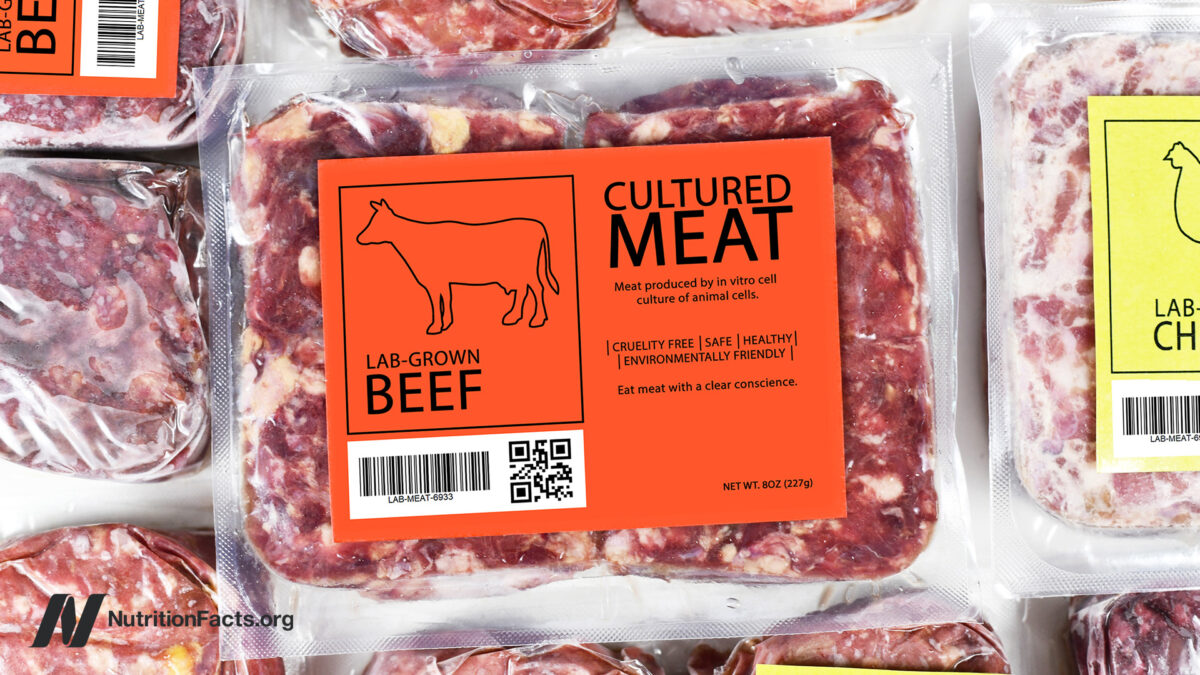
    By cultivating muscle meat directly, without associated organs like intestines, the incidence of foodborne diseases “could be significantly reduced,” as could exposure to antibiotics, “pesticides, arsenic, dioxins, and hormones associated with conventional meat.” Currently, the U.S. Food and Drug Administration has approved seven hormone drugs to bulk up the production of milk and meat. “In the European Union, there exists a total ban on such use,” however. Even without injected hormones, though, animal products naturally have hormones because they come from animals. “Eggs, example given, contribute more to the dietary intake of estradiol [estrogens] than beef, whether the animal is legally treated with hormones or not.” After all, eggs come straight from a hen’s ovaries, so, of course, they’re swimming with hormones. But if you’re directly growing just muscle meat or egg white protein, you don’t need to include reproductive organs, adrenal glands, or any of the associated hormones.

    “Chemical safety is another concern for meat produced under current production systems.” There are chemical toxicants and industrial pollutants that build up in the food chain, such as pesticides, PCBs, heavy metals, and flame retardants, but there is no food chain with cultivated meat. We could produce all the tuna we wanted, with zero mercury.

    When the World Health Organization determined that processed meat was a known human carcinogen and unprocessed meat a probable human carcinogen, it wasn’t even talking about the carcinogenic environmental pollutants. When researchers tested retail meat for the presence of “33 chemicals with calculated carcinogenic potential,” like polycyclic aromatic hydrocarbons (PAHs), organochlorine pesticides like DDT, and dioxin-like PCBs, they concluded that, in order to reduce the risk of cancer, we should limit beef, pork, or chicken consumption to a maximum of five servings a month.

    Why cultivate meat at all when you can just buy organic? Surprisingly, “consumption of organic meat does not diminish the carcinogenic potential associated with the intake of persistent organic pollutants (POPs).” A number of studies have recently compared the presence of environmental contaminants in organic meat versus conventional meat, and the researchers found, surprisingly, that organic meat was sometimes more contaminated. Not only organic beef either. Higher levels were also found in pork and poultry.

    If you look at the micropollutants and chemical residues in both organic and conventional meat, several environmental contaminants, including dioxins, PCBs, lead, and arsenic, were measured at significantly higher levels in the organic samples. As you can see below and at 2:56 in my video, The Human Health Effects of Cultivated Meat: Chemical Safety, the green is organic meat, and the blue is conventional. 

    Cooking helps to draw off some of the fat where the PCBs are concentrated, as shown here and at 3:01.

    Seafood seems to be an exception. Steaming, for example, generally increases contaminant levels, increasing contaminant exposure and concentrating mercury levels as much as 47 percent, as you can see here and at 3:15 in my video. Better not to have toxic buildup in the first place.

    More than 95 percent of human exposure to industrial pollutants like dioxins and PCBs comes from foods like meat, including fatty fish, and dairy, but the pollutants don’t appear magically. The only way the chicken, fish, and other meat lead to human exposure is because the animals themselves built up a lifetime of exposure in our polluted world, from incinerators, power plants, sewer sludge, and on and on, as you can see here and at 3:40 in my video.

    Unlike conventional meat production, a slaughter-free harvest would not only mean no more infected animals, but no more contaminated animals either. In terms of pollutants, it would be like taking a time machine back before the Industrial Revolution.

    Doctor’s Note:

    Cultivated meat means less contamination with fecal residues, toxic pollutants, antibiotics, and hormones; up to 99 percent less environmental impact; and zero pandemic risk. Cultivated meat allows people to have their meat and eat it, too, without affecting the rest of us.

    This is the final video in this cultivated meat series. If you missed the first two, check out the videos on Food Safety and Antibiotic Resistance.

    I previously did a video series on plant-based meats; see the related posts below.

    All videos in the plant-based meat series are also available in a digital download from a webinar I did. SeeThe Human Health Implications of Plant-Based and Cultivated Meat for Pandemic Prevention and Climate Mitigation.


    Source link

  • Food Safety and Cultivated Meat 

    Food Safety and Cultivated Meat 

    What are the direct health implications of making clean meat—that is, meat without animals?

    In a 1932 article in Popular Mechanics entitled “Fifty Years Hence,” Winston Churchill predicted that we would one day “escape the absurdity of growing a whole chicken in order to eat the breast or wing, by growing these parts separately under a suitable medium.” Indeed, growing meat straight from muscle cells could reduce greenhouse gas emissions by as much as 96 percent, lower water usage by as much as 96 percent, and lower land usage by 99 percent.

    If we are to avoid dangerous climate change by the middle of the century, global meat consumption simply cannot continue to rise at the current rate. And there have certainly been initiatives like Meatless Mondays to try to get people to cut down, but so far, “they do not appear to be contributing in any significant way to the translation of the idea of eating less meat into the mainstream.” So, “in the light of people’s continued desire to eat meat, it seems the problems associated with consumption are unlikely to be fully resolved by attitude change. Instead, they must be addressed from an alternate perspective: changing the product.”

    From an environmental standpoint, it seems like a slam dunk. From an animal welfare standpoint, it could get rid of factory farms and slaughter plants for good, and I wouldn’t have to stumble across articles like this in the scientific literature: “Discerning Pig Screams in Production Environments.” I mean, what more do we need to know about modern animal agriculture than the fact that, “in recent years, a number of so-called…‘ag-gag’ laws have been proposed and passed…across the USA,” banning undercover photographing or videotaping inside such operations to keep us all in the dark.

    What about the human health implications of cultivated meat? I get the animal welfare, environment, and food security benefits, but what about “the potential for cultured meat to have health/safety benefits to individual consumers”? Nutritionally, the most important advantage is being able to swap out the type the fat. Right now, producers are growing straight muscle tissue, so it could be marbled with something less harmful than animal fat, though, of course, there’s still animal protein.

    When it comes to health, the biggest, clearest advantage is food safety, reducing the risk of foodborne pathogens. There has been a sixfold increase in food poisoning over the last few decades, with tens of millions “sickened annually by infected food in the United States alone,” including hundreds of thousands of hospitalizations and thousands of annual deaths. Contaminated meats and other animal products are the most common cause.

    When the cultivated meat industry calls its products clean meat, that’s not just a nod to clean energy. Food-poisoning pathogens like E. coli, Campylobacter, and Salmonella are fecal bacteria. They are a result of fecal contamination. They’re intestinal bugs, so we don’t have to worry about them if we’re making meat without the intestines.

    Yes, there are all sorts of “methods to remove visible fecal contamination” in slaughter plants these days and even experimental imaging technologies designed to detect more “diluted fecal contaminations,” but we are still left at the retail level with about 10 percent of chicken contaminated with Salmonella and 40 percent of retail chicken contaminated with Campylobacter. What’s more, most poultry and about half of retail ground beef and pork chops are contaminated with E. coli, an indicator of fecal residue, as shown here and at 3:47 in my video The Human Health Effects of Cultivated Meat: Food Safety. We don’t have to cook the crap out of cultivated meat, though, because there isn’t any crap to begin with.

    Doctor’s Note:

    This is the first in a three-video series on cultivated meat. Stay tuned for The Human Health Effects of Cultivated Meat: Antibiotic Resistance and The Human Health Effects of Cultivated Meat: Chemical Safety.

    I previously did a video series on plant-based meats. Check them in the related posts below.

    The videos are also all available in a digital download from a webinar I did: The Human Health Implications of Plant-Based and Cultivated Meat for Pandemic Prevention and Climate Mitigation.


    Source link