Tag: Safe

  • Are Health Supplements Really Safe? What Science Says About Risks and Benefits

    Are Health Supplements Really Safe? What Science Says About Risks and Benefits

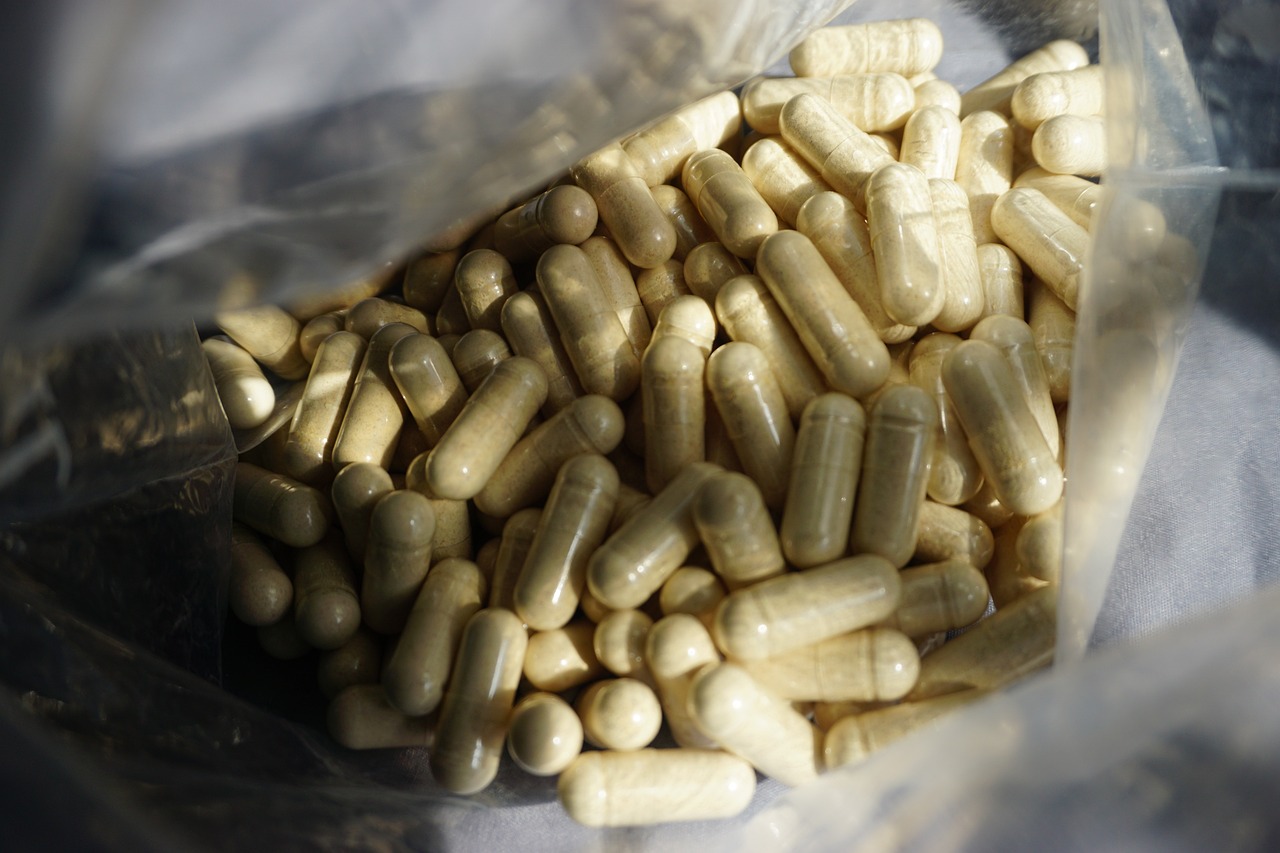
    Health supplements are widely used to fill nutritional gaps, from vitamin D and omega-3 to magnesium and multivitamins. While many people rely on them for better health, concerns about supplement safety continue to grow due to inconsistent regulation, contamination risks, and possible drug interactions.

    At the same time, research shows that some supplements offer real supplements benefits, especially for people with nutrient deficiencies or specific health conditions. However, not all products are equally reliable, and quality can vary depending on manufacturing standards and verification processes. Understanding how health supplements work, their benefits, and their risks is essential for making informed decisions about daily use.

    Health Supplements Regulation and Quality Control

    Health supplements in many countries are regulated under frameworks like the FDA DSHEA, which allows products to enter the market without pre-approval as long as they are not unsafe or misbranded. This means supplement safety relies heavily on post-market monitoring rather than strict upfront testing.

    Many supplements make structure-function claims, such as “supports immunity,” but they cannot legally claim to treat or cure diseases. This creates a wide range of products with varying levels of scientific backing and consistency in labeling.

    One major issue in health supplements is contamination, where products may contain heavy metals, undeclared substances, or incorrect dosages. This is why third-party testing like USP verification is important to ensure product quality and reliability.

    Evidence-Based Supplements Benefits for Specific Populations

    Certain health supplements show clear benefits when used to correct deficiencies or support specific health needs. Vitamin D, for example, is often recommended for individuals with low blood levels, helping improve bone health and reduce fall risk in older adults.

    Omega-3 fatty acids also provide supplements for heart health, particularly in individuals with high triglycerides or previous cardiovascular events. Folic acid is another well-established supplement that significantly reduces the risk of neural tube defects when taken before and during early pregnancy.

    However, benefits are most noticeable in people who actually need supplementation rather than general use. For healthy individuals with balanced diets, multivitamin trials often show limited or neutral effects on long-term disease prevention.

    Supplement Safety Risks, Drug Interactions, and Overdose Concerns

    Supplement safety becomes a major concern when products interact with medications or are taken in high doses. Some supplements can affect how drugs are absorbed or processed in the body, leading to reduced effectiveness or increased side effects.

    Common drug interactions include vitamin K affecting blood thinners and St. John’s Wort reducing the effectiveness of certain medications. Even widely used products like fish oil or iron supplements can cause issues when combined with prescription drugs or taken in excess.

    Overdosing on health supplements can also lead to toxicity, especially with fat-soluble vitamins like A and D. This makes proper dosage and medical guidance essential, particularly for individuals taking multiple supplements or medications.

    How to Choose Safe Health Supplements

    Choosing the right health supplements requires more than just picking popular brands or trending products. Safety, quality, and scientific backing should all be considered before adding any supplement to your routine. A careful approach helps maximize supplements benefits while reducing potential risks.

    • Check for Third-Party Verification (USP verification) – Look for seals from trusted organizations like USP, NSF, or ConsumerLab to ensure the product has been tested for purity, accuracy, and safety standards.
    • Review Ingredient Transparency (FDA regulation) – Always examine the label for clear ingredient lists and avoid products with hidden blends or unclear dosages that may affect supplement safety.
    • Understand Your Health Needs – Focus on supplements that address specific deficiencies or medical needs rather than taking unnecessary products that may not provide real benefits.
    • Watch for Drug Interactions – Be aware of possible interactions with medications, especially blood thinners, diabetes drugs, or other long-term prescriptions.
    • Avoid Overdosing Risks – Follow recommended dosages carefully, as excessive intake of vitamins or minerals can lead to toxicity and unwanted side effects.

    Smarter Choices for Health Supplements Use

    Health supplements can support wellness, but they are not a substitute for a balanced diet or medical treatment. Their effectiveness depends on correct usage, product quality, and individual health needs.

    Making informed choices means checking labels, looking for third-party verification like USP, and understanding potential risks. With better awareness of supplement safety and realistic expectations of supplements benefits, users can avoid unnecessary risks while supporting their health goals.

    Frequently Asked Questions

    1. Are health supplements safe for daily use?

    Health supplements can be safe when taken correctly and in appropriate doses. However, safety depends on product quality, regulation, and individual health conditions. Some supplements may interact with medications or cause side effects. It is best to consult a healthcare professional before daily use.

    2. Do supplements really provide health benefits?

    Yes, but mainly for people with nutrient deficiencies or specific health needs. Supplement benefits are strongest in cases like vitamin D deficiency or pregnancy-related folic acid use. For healthy individuals, benefits may be limited. A balanced diet is still the primary source of nutrition.

    3. What does FDA regulation mean for supplements?

    FDA regulation means supplements are monitored for safety but are not pre-approved before selling. Manufacturers are responsible for ensuring product safety and labeling accuracy. The FDA can take action if a product is found unsafe. This makes post-market monitoring very important.

    4. How can I check if a supplement is safe?

    Look for third-party testing seals like USP, NSF, or ConsumerLab. These certifications indicate the product has been tested for quality and accuracy. Always check ingredient lists and avoid products with unclear labeling. Consulting a doctor can also help ensure safety.


    Originally published on Science Times
    Source link

  • Are Birth Control Pills Safe Long-Term? What to Know About Birth Control Pill Risks

    Are Birth Control Pills Safe Long-Term? What to Know About Birth Control Pill Risks

    Are birth control pills safe to take for years, or does long-term use gradually increase health risks? Overall, evidence suggests that the pill is safe for many healthy users when properly prescribed and monitored, but it carries specific risks and benefits that should be reviewed regularly.

    How Do Birth Control Pills Work?

    Birth control pills contain synthetic estrogen, progestin, or both, which prevent pregnancy by stopping ovulation, thickening cervical mucus, and thinning the uterine lining. When taken at the same time every day, they are highly effective, though missed pills can reduce protection.

    Combined pills (estrogen and progestin) are most common, while progestin-only pills are often used when estrogen is not advisable, and each type carries its own profile of birth control pill risks.

    Are Birth Control Pills Safe to Take Long-Term?

    Decades of research indicate that many healthy, nonsmoking people can safely use birth control pills for years when they are regularly evaluated by a healthcare professional.

    Safety depends on age, smoking status, blood pressure, migraine history, weight, and existing conditions like diabetes or clotting disorders. Long-term pill use is not a one-time decision; it requires periodic reassessment as health and risk factors change.

    What Are the Long-Term Birth Control Pill Risks?

    Long-term use can involve both mild side effects and a small increase in serious complications. Common, usually manageable effects include nausea, breast tenderness, mood changes, and irregular spotting, particularly in the first months.

    More serious birth control pill risks include blood clots, stroke, heart attack, and some cancers, especially with estrogen-containing pills and in people who have additional risk factors.

    Do Birth Control Pills Increase the Risk of Blood Clots?

    One of the most discussed birth control pill risks is venous thromboembolism (blood clots in the legs or lungs). Estrogen increases clotting tendency, raising clot risk slightly compared with non-users, though the absolute risk for healthy young nonsmokers remains relatively low.

    Smokers, people over 35, those with obesity, inherited clotting disorders, or prolonged immobility face higher risk and may need alternative methods.

    Do Birth Control Pills Increase Cancer Risk?

    Hormonal exposure can influence cancer risk, and birth control pill risks here are nuanced. Some studies link current or recent combined pill use to a small, temporary increase in breast and cervical cancer risk.

    At the same time, long-term pill use clearly lowers the risk of ovarian and endometrial cancers, with protection lasting years after stopping, and may modestly reduce colorectal cancer risk.

    Can Birth Control Pills Cause Other Health Problems Over Time?

    Other potential long-term birth control pill risks include higher blood pressure, worsening of migraines (especially with aura), changes in cholesterol, and rare liver issues, according to the World Health Organization.

    Some users report mood changes, altered libido, or weight fluctuations, though research results vary. Because responses to hormones are individual, persistent or severe side effects should prompt a discussion about changing formulations or methods.

    Do Birth Control Pills Affect Fertility in the Long Run?

    Long-term pill use does not permanently damage fertility. Most people resume ovulation within weeks to a few months after stopping, and many conceive within a year if no other fertility problems exist.

    Temporary cycle irregularity can occur after long-term use, but if periods or conception do not return after several months, evaluation is recommended to look for other causes unrelated to prior pill use.

    Is It Bad to Take Birth Control Pills Every Day Without a Break?

    Continuous or extended-cycle regimens, where withdrawal bleeding is skipped or minimized, are increasingly common and are considered safe for most healthy users.

    They do not appear to add major new birth control pill risks beyond those already linked to combined pills. Breakthrough bleeding or spotting is common with continuous use, especially early on, but is usually not harmful unless bleeding patterns change suddenly.

    How Long Is Too Long to Be on Birth Control Pills?

    There is no fixed maximum number of years that fits everyone. Instead, clinicians weigh birth control pill risks against benefits at regular intervals, often yearly.

    A healthy nonsmoker in their 20s may safely use combined pills for many years, while someone in their 40s who develops high blood pressure or migraines with aura might be advised to switch to progestin-only or nonhormonal methods.

    Who Should Avoid Long-Term Use of Certain Pills?

    Combined estrogen-containing pills are generally unsuitable for people with a history of blood clots, certain heart or liver diseases, migraines with aura, uncontrolled high blood pressure, or some hormone-sensitive cancers.

    In these cases, progestin-only methods or nonhormonal contraception are usually safer choices. An accurate personal and family history is critical to assessing individual birth control pill risks, as per the Centers for Disease Control and Prevention.

    How Can Someone Lower Birth Control Pill Risks?

    Lifestyle plays a key role in keeping long-term use safer. Not smoking, staying active, managing weight, and controlling conditions like hypertension, diabetes, and high cholesterol can reduce cardiovascular and clotting risks associated with the pill.

    Regular checkups, blood pressure monitoring, and age-appropriate cancer screening help catch problems early, and alarming symptoms such as chest pain, severe headaches, sudden leg swelling, or shortness of breath warrant immediate medical attention.

    Long-Term Birth Control Pill Risks and Informed Choices

    Over time, birth control pill risks must be balanced against reliable pregnancy prevention, cycle control, and treatment of conditions like endometriosis, PCOS symptoms, and heavy or painful periods.

    For many people, the benefits outweigh the risks when the pill is chosen thoughtfully and reviewed regularly. For others, changing health factors make it safer to shift to progestin-only or nonhormonal methods as they age or develop new conditions.

    By keeping an open, ongoing dialogue with a healthcare professional, individuals can navigate birth control pill risks while maintaining effective contraception and supporting overall health.

    Frequently Asked Questions

    1. Can long-term birth control pill use affect bone health?

    Most standard-dose combination pills do not significantly weaken bone density in healthy adults, but very low-dose or progestin-only methods may need closer monitoring in teens or those at high osteoporosis risk.

    2. Is it safe to use birth control pills while recovering from surgery?

    Because surgery and immobility increase clot risk, many providers advise stopping estrogen-containing pills several weeks before major surgery and using another contraceptive temporarily.

    3. Do birth control pill risks change during perimenopause?

    As people age and cardiovascular risks rise, combined pills may become less suitable; doctors often reassess pill use in the late 30s and 40s and may recommend switching methods.

    4. Can someone with a family history of breast cancer safely use birth control pills?

    Some individuals with a family history can still use the pill, but they usually need a personalized risk assessment, careful choice of formulation, and strict adherence to recommended cancer screenings.


    Source link

  • What Works, What Doesn’t, and Safe Treatments to Try

    What Works, What Doesn’t, and Safe Treatments to Try

    The common cold is one of the most frequent illnesses worldwide, affecting adults several times a year and children even more often. Caused primarily by rhinoviruses and other respiratory viruses, symptoms typically appear within one to three days, peak around days three to five, and resolve within a week, though cough and fatigue may linger longer.

    Because the common cold is viral, treatment focuses on symptom relief rather than a cure. Many cold remedies promise fast results, but only some are supported by solid evidence. Understanding what works for cold symptoms, what lacks proof, and what’s safe to try at home can help you recover comfortably without unnecessary risks.

    What Works for Cold Symptoms: Evidence-Based Common Cold Remedies

    Understanding what works for cold symptoms helps prevent unnecessary treatments and medication misuse. The common cold is caused by viruses, so antibiotics are not effective. According to the Centers for Disease Control and Prevention (CDC), recommended care includes rest, fluids, humidified air, saline nasal spray, and over-the-counter pain relievers such as acetaminophen or ibuprofen for fever and body aches. These evidence-based common cold remedies focus on symptom control while the immune system clears the infection.

    • Rest and adequate fluid intake to support immune function
    • Acetaminophen (650–1000 mg every 6 hours; max 4,000 mg/day for adults) for fever and pain relief
    • Ibuprofen (400–600 mg every 6 hours) to reduce inflammation and muscle aches
    • Zinc lozenges started within 24 hours may shorten symptom duration modestly
    • Oral pseudoephedrine for sinus pressure relief
    • Oxymetazoline nasal spray (limit use to 3 days to prevent rebound congestion)
    • Saline nasal irrigation using sterile or previously boiled water for mucus clearance

    Cold Treatment at Home Safety: Hydration, Honey, and Rest

    Safe cold treatment at home emphasizes comfort, hydration, and proper recovery habits. Supporting the body naturally can ease symptoms without unnecessary medications. According to the Mayo Clinic, warm liquids like broths, herbal teas, and lemon water can soothe sore throats, while cool-mist humidifiers may relieve nasal dryness and congestion. These simple measures make cold treatment at home both accessible and effective.

    • Drink 2–3 liters of non-caffeinated fluids daily to thin mucus and prevent dehydration
    • Use a cool-mist humidifier (40–60% humidity) to reduce sinus discomfort
    • Gargle salt water to soothe throat irritation
    • Honey (for children over 12 months and adults) to reduce nighttime cough
    • Avoid honey in infants under one year due to botulism risk
    • Aim for 7–9 hours of sleep nightly to support immune recovery
    • Avoid overexertion and allow the body time to heal

    Common Cold Myths Remedies: Vitamin C, Antibiotics, and Other Misconceptions

    Many common cold myths remedies continue to circulate despite limited scientific support. Misunderstanding treatment options often leads to ineffective or unnecessary medication use. According to the National Center for Complementary and Integrative Health (NCCIH), vitamin C does not reliably prevent colds in the general population, though regular supplementation may slightly reduce symptom duration in some individuals. Separating facts from myths helps ensure safe and informed decisions.

    • Vitamin C may slightly reduce duration but does not consistently prevent colds
    • High-dose vitamin C during illness shows inconsistent benefits
    • Antibiotics do not treat viral infections like the common cold
    • Antibiotics are only appropriate for confirmed bacterial complications
    • Echinacea shows mixed evidence depending on preparation and dosage
    • Probiotics have inconsistent results for prevention or treatment
    • First-generation antihistamines may reduce runny nose but cause sedation
    • Multi-ingredient cold medicines may duplicate active ingredients and increase overdose risk

    When to Seek Medical Care for Cold Symptoms

    While most colds resolve on their own, certain warning signs require medical attention. Persistent fever above 39°C (102°F), difficulty breathing, severe sinus pain, or symptoms lasting more than 10 days may signal complications. Children, older adults, and individuals with chronic conditions should be monitored more closely.

    Dehydration signs such as dark urine, dizziness, or reduced urination also warrant evaluation. Infants with poor feeding or unusual lethargy need prompt assessment. Trusting your instincts and seeking care when symptoms feel unusual can prevent more serious illness.

    Common Cold Remedies That Make Sense for Everyday Recovery

    Common cold remedies work best when grounded in supportive care and realistic expectations. Rest, hydration, safe symptom relief medications, honey for cough (in children over one year), and saline nasal irrigation provide practical relief. Zinc may offer modest benefits when used early and briefly.

    Avoiding unnecessary antibiotics and being cautious with combination medications reduces risk. The common cold may not have a cure, but informed choices can make the experience shorter and more manageable. With patience and safe practices, most people recover fully within a week or slightly longer.

    Frequently Asked Questions

    1. How long does the common cold usually last?

    Most colds last seven to ten days. Symptoms often peak around days three to five before gradually improving. Cough and mild fatigue can linger slightly longer. Children may experience longer symptom duration than adults.

    2. Do antibiotics help treat a common cold?

    Antibiotics do not treat viral infections like the common cold. They are only used if a confirmed bacterial complication develops. Taking antibiotics unnecessarily can cause side effects and antibiotic resistance. Always consult a healthcare provider before using them.

    3. Is zinc effective for cold treatment?

    Zinc lozenges may shorten cold duration if started within 24 hours of symptom onset. The benefit appears modest but measurable in some studies. High doses can cause nausea or taste disturbances. Short-term use is generally recommended.

    4. Can honey help with a cold cough?

    Honey can reduce nighttime coughing in children over one year old. It may improve sleep and throat comfort. Adults may also find soothing benefits. Never give honey to infants under 12 months due to botulism risk.


    Source link

  • Who Should Take Them and Safe Iron Deficiency Treatment Tips for Anemia

    Who Should Take Them and Safe Iron Deficiency Treatment Tips for Anemia

    Iron supplements play an important role in maintaining healthy red blood cells and supporting oxygen transport throughout the body. When used appropriately, they can be an effective part of iron deficiency treatment and anemia management, but unnecessary use can cause side effects and even serious health risks.

    Understanding who needs them and who should avoid them helps readers make safer, more informed decisions.

    What Are Iron Supplements?

    Iron supplements are products designed to increase iron levels in the body when diet alone is not enough. They are commonly used to support iron deficiency treatment and to help manage anemia caused by low iron stores.

    Most over-the-counter iron supplements contain forms such as ferrous sulfate, ferrous gluconate, or ferrous fumarate, often available as tablets, capsules, or liquids. These forms differ slightly in how much elemental iron they deliver and how well they are tolerated.

    In many cases, healthcare professionals choose the specific type and dose based on blood test results, existing health conditions, and how severe the anemia is.

    Who Really Needs Iron Supplements?

    Not everyone benefits from taking iron supplements, and starting them without medical guidance can be risky. In general, people who need them have documented low iron levels or clear signs of iron deficiency anemia confirmed through laboratory testing.

    Individuals with diagnosed iron deficiency usually have low ferritin (the body’s iron storage protein) and may also have low hemoglobin or hematocrit. In such cases, iron supplements become a central part of iron deficiency treatment to restore iron stores and support normal red blood cell production.

    Those at higher risk include pregnant people, infants and children in rapid growth phases, individuals with heavy menstrual bleeding, frequent blood donors, and people with chronic blood loss from conditions such as ulcers or gastrointestinal disorders.

    Some groups are more prone to iron deficiency even when they try to eat well. Vegetarians and vegans may not get enough highly absorbable heme iron from animal sources and can be more vulnerable to low iron over time if intake is not carefully planned.

    People with gastrointestinal conditions such as celiac disease, inflammatory bowel disease, or those who have had bariatric surgery may have poor absorption and may rely on iron supplements as part of their long-term anemia management.

    Athletes, especially endurance athletes, can also have increased iron needs because of higher red blood cell turnover and losses through sweat and minor gastrointestinal bleeding.

    Signs That Someone Might Need Iron Supplements

    Iron deficiency and anemia can be subtle at first, but they often share a cluster of recognizable symptoms. Common signs include persistent fatigue, weakness, pale or sallow skin, shortness of breath with mild exertion, and feeling unusually cold. Some people develop headaches, dizziness, brittle nails, or hair thinning as their iron levels drop.

    Cognitive and neurological symptoms can also appear with iron deficiency anemia. Difficulty concentrating, irritability, and restless legs, particularly at night, may be linked to insufficient iron, according to the World Health Organization.

    Because these symptoms can mimic other conditions such as thyroid problems, chronic fatigue, or depression, self-diagnosis is unreliable. Iron supplements should not be started solely based on symptoms without confirming iron deficiency through blood tests like ferritin, serum iron, transferrin saturation, and a complete blood count.

    A proper evaluation for potential iron deficiency treatment usually includes a health history that covers diet, menstrual patterns, digestive symptoms, blood loss, and existing medical conditions.

    This assessment helps determine whether iron supplements are appropriate, whether dietary changes might be enough, or whether another underlying cause needs attention.

    How Iron Supplements Are Used in Iron Deficiency Treatment

    In iron deficiency treatment and anemia management, supplements are often used for a defined period rather than indefinitely. Once a healthcare professional confirms iron deficiency anemia, an oral iron preparation is usually prescribed with a specific dose and schedule.

    For many people, energy levels start to improve within a few weeks as hemoglobin begins to rise, but full replenishment of iron stores often takes several months.

    Iron supplements are generally more effective when taken on an empty stomach because food can reduce absorption. However, this approach can increase stomach upset for some individuals.

    To balance comfort and absorption, many people are advised to take iron with a small amount of food or to adjust the timing. Vitamin C, whether from a supplement or a glass of orange juice, may help enhance iron absorption when taken at the same time as the iron tablet.

    Dietary strategies are usually recommended alongside supplements. Including iron-rich foods such as lean red meat, poultry, fish, beans, lentils, tofu, and fortified cereals can support the body’s recovery from anemia.

    Pairing plant-based iron sources with vitamin C–rich foods like citrus fruits, strawberries, or bell peppers can help improve non-heme iron absorption. At the same time, limiting tea, coffee, and calcium-rich foods around supplement time can prevent interference with absorption.

    Side Effects, Risks, and Overdose

    Even when used properly, iron supplements can cause side effects. Common complaints include constipation, nausea, stomach discomfort, diarrhea, or dark stools.

    These reactions are not necessarily dangerous but can be uncomfortable enough for some people to stop treatment prematurely, which can slow or reverse the progress of iron deficiency treatment.

    To reduce side effects, healthcare professionals may adjust the dose, switch to another type of iron supplement, or recommend taking the supplement with food despite the slight reduction in absorption, as per the National Institutes of Health.

    Sometimes, lower but more frequent doses are better tolerated. Slow-release formulations might be suggested for specific cases, although their absorption characteristics can differ.

    Taking too much iron is particularly dangerous for children, as accidental ingestion of adult iron supplements can lead to poisoning and requires urgent medical care. In adults, chronic overuse of iron supplements without monitoring can gradually lead to iron overload.

    This excess iron may accumulate in organs such as the liver, heart, and pancreas, potentially contributing to conditions like cirrhosis, heart arrhythmias, or diabetes in susceptible individuals. This risk reinforces the importance of using iron supplements only when they are truly needed.

    Alternatives and When Intravenous Iron Is Considered

    For some people, oral iron supplements are not effective or not tolerated despite adjustments in dose and timing. Individuals with severe anemia, ongoing blood loss, very poor iron absorption, or significant digestive side effects may require a different approach.

    In these situations, healthcare professionals sometimes consider intravenous (IV) iron as part of more intensive anemia management.

    Intravenous iron delivers iron directly into the bloodstream, bypassing the digestive tract. This method can replenish iron stores more quickly, especially when rapid correction is needed or when oral iron simply does not work.

    However, IV iron is usually given in clinical settings due to the need for monitoring during infusion and the small risk of allergic reactions.

    In mild cases or early stages of deficiency, dietary strategies alone may be enough without supplements. Addressing underlying causes, such as treating heavy menstrual bleeding, managing gastrointestinal conditions, or improving overall nutrient intake, can help prevent recurring anemia.

    Regular monitoring through blood tests allows adjustments over time and helps determine whether iron supplements can be safely stopped once iron levels have normalized.

    Frequently Asked Questions

    1. Can someone take iron supplements long term for energy?

    Long-term use of iron supplements just for “energy” is not advised without confirmed deficiency and medical supervision. Excess iron can build up over time and increase the risk of organ damage, so duration and dose should be guided by blood tests.​

    2. Is it safe to take iron supplements together with other vitamin or mineral supplements?

    Iron supplements can be used with many vitamins, but nutrients like calcium may reduce iron absorption if taken at the same time. Spacing iron away from high-calcium products and checking for individual interactions with a healthcare professional is generally recommended.​

    3. How often should iron levels be checked while on iron deficiency treatment?

    Iron levels are often checked after several weeks to a few months of iron deficiency treatment to see if anemia is improving. Once levels normalize, testing can be less frequent, and supplements may be reduced or discontinued to avoid unnecessary long-term use.​

    4. Can dietary changes alone reverse mild anemia without iron supplements?

    Mild anemia from low intake may improve with more iron-rich foods and better absorption strategies, such as pairing plant iron with vitamin C. More significant anemia, blood loss, or absorption problems usually require iron supplements or other medical treatment in addition to diet changes.​


    Source link

  • How to Plan a Fun and Safe Beach Day with the Kids

    How to Plan a Fun and Safe Beach Day with the Kids

    Introduction to Beach Day Planning

    Planning a fun and safe beach day with the kids can be a daunting task, but with a little preparation and knowledge, you can create an unforgettable experience for your little ones. A day at the beach can be a great way to spend quality time with your family, create lifelong memories, and enjoy the sun, sand, and surf. However, it’s essential to prioritize your kids’ safety and well-being to ensure a enjoyable day for everyone. In this article, we’ll provide you with a comprehensive guide on how to plan a fun and safe beach day with the kids.

    Choosing the Right Beach

    The first step in planning a fun and safe beach day is to choose the right beach. Consider the age and abilities of your children when selecting a beach. If you have toddlers or young children, look for a beach with calm and shallow waters, such as a bay or a beach with a gradual slope. If you have older kids, you may want to consider a beach with more amenities, such as restrooms, food vendors, and lifeguards. It’s also essential to check the beach’s safety record and read reviews from other parents to ensure it’s a safe and family-friendly destination.

    Preparing for the Beach Day

    Before heading to the beach, make sure to prepare your kids (and yourself) with the necessary gear and knowledge. Here are a few things to consider:

    • Sunscreen and sun protection: Pack a broad-spectrum sunscreen with a high SPF, as well as lip balm, hats, and sunglasses to protect your kids’ skin from the sun.
    • Swimwear and towels: Bring comfortable and suitable swimwear for your kids, as well as a few extra towels to keep them dry and warm.
    • Water and snacks: Pack plenty of water and healthy snacks, such as fruits, granola bars, and trail mix, to keep your kids energized throughout the day.
    • Beach toys and entertainment: Bring a few beach toys, such as buckets, shovels, and beach balls, to keep your kids entertained and engaged.
    • First aid kit: Pack a small first aid kit with essentials, such as band-aids, antiseptic wipes, and any medications your kids may need.

    Beach Safety Tips

    Beach safety is a top priority when it comes to planning a fun and safe beach day with the kids. Here are a few tips to keep in mind:

    • Supervise your kids at all times: Always keep a close eye on your kids, especially when they’re in or near the water.
    • Teach your kids about rip currents: Educate your kids on how to identify and respond to rip currents, and make sure they know how to swim safely.
    • Use flotation devices: If your kids are not strong swimmers, consider using flotation devices, such as life jackets or pool noodles, to help them stay safe in the water.
    • Watch for marine life: Be aware of any marine life, such as jellyfish or sharp rocks, that could pose a threat to your kids’ safety.
    • Follow beach rules and regulations: Pay attention to any beach rules or regulations, such as no-swimming areas or flag warnings, to ensure a safe and enjoyable day.

    Beach Activities for Kids

    A beach day can be a great opportunity to engage your kids in a variety of fun and educational activities. Here are a few ideas:

    • Beachcombing: Take a walk along the beach and see what interesting items the tide has washed up.
    • Sandcastle building: Build sandcastles, tunnels, and other structures using buckets, shovels, and your imagination.
    • Swimming and surfing: If your kids are strong swimmers, consider taking a swimming or surfing lesson to help them improve their skills.
    • Beach volleyball or other games: Set up a net or play other beach games, such as frisbee or soccer, to keep your kids active and entertained.
    • Nature scavenger hunt: Create a list of items for your kids to find on the beach, such as seashells, sea glass, or driftwood.

    Conclusion

    Planning a fun and safe beach day with the kids requires some preparation and knowledge, but with the right mindset and gear, you can create an unforgettable experience for your little ones. Remember to choose the right beach, prepare your kids with the necessary gear and knowledge, and prioritize their safety above all else. By following these tips and ideas, you’ll be well on your way to a fun and safe beach day with the kids.

    FAQs

    Here are a few frequently asked questions about planning a fun and safe beach day with the kids:

    • Q: What is the best way to protect my kids’ skin from the sun?
      A: The best way to protect your kids’ skin from the sun is to use a broad-spectrum sunscreen with a high SPF, as well as lip balm, hats, and sunglasses.
    • Q: What should I do if my child gets caught in a rip current?
      A: If your child gets caught in a rip current, stay calm and follow these steps: don’t try to swim against the current, swim parallel to the shore until you’re out of the current, and then swim back to shore.
    • Q: How can I keep my kids entertained on a long beach day?
      A: Bring a variety of beach toys and games, such as buckets, shovels, and frisbees, and consider setting up a beach umbrella or canopy to provide shade and a comfortable spot to rest.
    • Q: What are some common beach hazards I should be aware of?
      A: Common beach hazards include rip currents, marine life, sharp rocks, and strong waves. Always supervise your kids and be aware of their surroundings to ensure a safe and enjoyable day.
    • Q: Can I bring my own food and drinks to the beach?
      A: Yes, you can bring your own food and drinks to the beach, but be sure to follow any beach rules or regulations regarding food and trash disposal.
  • Are Raw Mushrooms Safe to Eat? 

    Are Raw Mushrooms Safe to Eat? 

    Microwaving is probably the most efficient way to reduce agaritine levels in fresh mushrooms.

    There is a toxin in plain white button mushrooms called agaritine, which may be carcinogenic. Plain white button mushrooms grow to be cremini (brown) mushrooms, and cremini mushrooms grow to be portobello mushrooms. They’re all the very same mushroom, similar to how green bell peppers are just unripe red bell peppers. The amount of agaritine in these mushrooms can be reduced through cooking: Frying, microwaving, boiling, and even just freezing and thawing lower the levels. “It is therefore recommended to process/cook Button Mushroom before consumption,” something I noted in a video that’s now more than a decade old.

    However, as shown below and at 0:51 in my video Is It Safe to Eat Raw Mushrooms?, if you look at the various cooking methods, the agaritine in these mushrooms isn’t completely destroyed. Take dry baking, for example: Baking for ten minutes at about 400° Fahrenheit (“a process similar to pizza baking”) only cuts the agaritine levels by about a quarter, so 77 percent still remains.

    Boiling looks better, appearing to wipe out more than half the toxin after just five minutes, but the agaritine isn’t actually eliminated. Instead, it’s just transferred to the cooking water. So, levels within the mushrooms drop by about half at five minutes and by 90 percent after an hour, but that’s mostly because the agartine is leaching into the broth. So, if you’re making soup, for instance, five minutes of boiling is no more effective than dry baking for ten minutes, and, even after an hour, about half still remains.

    Frying for five to ten minutes eliminates a lot of agartine, but microwaving is not only a more healthful way to cook, but it works even better, as you can see here and at 1:39 in my video. Researchers found that just one minute in the microwave “reduced the agaritine content of the mushrooms by 65%,” and only 30 seconds of microwaving eliminated more than 50 percent. So, microwaving is probably the easiest way to reduce agaritine levels in fresh mushrooms. 
    My technique is to add dried mushrooms into the pasta water when I’m making spaghetti. Between the reductions of 20 percent or so from the drying and 60 percent or so from boiling for ten minutes and straining, more than 90 percent of agaritine is eliminated.

    Should we be concerned about the residual agaritine? According to a review funded by the mushroom industry, not at all. “The available evidence to date suggests that agaritine from consumption of…mushrooms poses no known toxicological risk to healthy humans.” The researchers acknowledge agartine is considered a potential carcinogen in mice, but then that data needs to be extrapolated to human health outcomes.

    The Swiss Institute of Technology, for example, estimated that the average mushroom consumption in the country would be expected to cause about two cases of cancer per one hundred thousand people. That is similar to consumption in the United States, as seen below and at 3:00 in my video, so “one could theoretically expect about 20 cancer deaths per 1 x 10⁶ [one million] lives from mushroom consumption.” In comparison, typically, with a new chemical, pesticide, or food additive, we’d like to see the cancer risk lower than one in a million. “By this approach, the average mushroom consumption of Switzerland is 20-fold too high to be acceptable. To remain under the limit”—and keep risk down to one in a million—“‘mushroom lovers’ would have to restrict their consumption of mushrooms to one 50-g serving every 250 days!” That’s about a half-cup serving once in just over eight months. To put that into perspective, even if you were eating a single serving every single day, the resulting additional cancer risk would only be about one in ten thousand. “Put another way, if 10,000 people consumed a mushroom meal daily for 70 years, then in addition to the 3000 cancer cases arising from other factors, one more case could be attributed to consuming mushrooms.” 
    But, again, this is all based “on the presumption that results in such mouse models are equally valid in humans.” Indeed, this is all just extrapolating from mice data. What we need is a huge prospective study to examine the association between mushroom consumption and cancer risk in humans, but there weren’t any such studies—until now.

    Researchers titled their paper: “Mushroom Consumption and Risk of Total and Site-Specific Cancer in Two Large U.S. [Harvard] Prospective Cohorts” and found “no association between mushroom consumption and total and site-specific cancers in U.S. women and men.”

    Eating raw or undercooked shiitake mushrooms can cause something else, though: shiitake mushroom flagellate dermatitis. Flagellate as in flagellation, whipping, flogging. Below and at 4:48 in my video, you can see a rash that makes it look as if you’ve been whipped.

    Here and at 4:58 in my video is another photo of the rash. It’s thought to be caused by a compound in shiitake mushrooms called lentinan, but because heat denatures it, it only seems to be a problem with raw or undercooked mushrooms.

    Now, it is rare. Only about 1 in 50 people are even susceptible, and it goes away on its own in a week or two. Interestingly, it can strike as many as ten days after eating shiitake mushrooms, which is why people may not make the connection. One unfortunate man suffered on and off for 16 years before a diagnosis. Hopefully, a lot of doctors will watch this video, and if they ever see a rash like this, they’ll tell their patients to cook their shiitakes.


    Source link

  • Are Carboxymethylcellulose, Polysorbate 80, and Other Emulsifiers Safe? 

    Are Carboxymethylcellulose, Polysorbate 80, and Other Emulsifiers Safe? 

    Emulsifiers are the most widely used food additives. What are they doing to our gut microbiome?

    When grocery shopping these days, unless you’re sticking to the produce aisle, “it is nearly impossible to avoid processed foods, particularly in the consumption of a typical Western diet,” which is characterized by insufficient plant foods, too much meat, dairy, and eggs, and a lot of processed junk, “along with increased exposure to additives due to their use in processed foods.”

    The artificial sweetener sucralose, for example, which is sold as Splenda, “irrefutably disrupts the gut microbiome at doses relevant to human use” and “induces glucose intolerance.” In other words, it can make our blood sugars worse instead of better. It’s relatively easy to avoid artificial sweeteners, but “it may be much more difficult to avoid ingestion of emulsifiers…because they are commonly added to a wide variety of foods within the modern Western diet.” In fact, “emulsifiers are the most widely used additives,” and “most processed foods contain one or more emulsifiers that allow such foods to maintain desired textures and avoid separation into distinct parts (e.g, oil and water layers).” We now consume emulsifiers by the megaton every year, thanks to a multibillion-dollar industry, as you can see below and at 1:03 in my video Are Emulsifiers Like Carboxymethylcellulose and Polysorbate 80 Safe?.

    Emulsifiers are commonly found in fatty dressings, breads and other baked goods, mayonnaise and other fatty spreads, candy, and beverages. “Like all authorized food additives, emulsifiers have been evaluated by risk assessors, who consider them safe. However, there are growing concerns among scientists about their possible harmful effects on our intestinal barriers and microbiota,” in terms of causing a leaky gut. As well, they could possibly “increase the absorption of several environmental toxins, including endocrine disruptors and carcinogens” present in the food.

    We know that the consumption of ultra-processed foods may contribute to weight gain. Healthier, longer-lived populations not only have low meat intake and high plant intake, but they also eat minimally processed foods and “have far less chronic diseases, obesity rates, and live longer disease-free.” Based on a number of preclinical studies, it may be that the emulsifiers found in processed foods are playing a role, but who cares if “emulsifiers make rats gain weight”? When we read that “emulsifiers can cause striking changes in the microbiota,” they aren’t talking about the microbiota of humans.

    Often, mice are used to study the impact on the microbiome, but “only a few percent of the bacterial genes are shared between mice and humans.” Even the gut flora of different strains of mice can be considerably different from each other, so if we can’t even extrapolate from one type of mouse to another, how are we supposed to translate results from mice to humans? “Remarkably, there has been little study of the potential harmful effects of ingested…emulsifiers in humans.”

    Take lecithin, for example, which is “perhaps best known as a key component of egg yolks.” Lecithin was found to be worse than polysorbate 80 in terms of allowing bacteria to leak through the gut wall into the bloodstream. However, it’s yet to be determined whether lecithin consumption in humans causes the same problem. “There is certainly a paucity in the data of human trials with the effects of emulsifiers in processed foods,” but we at least have data on human tissue, cells, and gut flora.

    A study was titled: “Dietary emulsifiers directly alter the human microbiota composition and gene expression ex vivo potentiating intestinal inflammation.” Ex vivo means outside the body. Researchers inoculated an artificial gut with fresh human feces until a stable culture was established, then added carboxymethylcellulose (CMC) or polysorbate 80 (P80), resulting in boosts in proinflammatory potential starting within one day with the carboxymethylcellulose and within the first week with polysorbate 80, as you can see below and at 3:39 in my video.

    “This approach revealed that both P80 and CMC acted directly upon human microbiota to increase its proinflammatory potential…” When researchers then tested the effect of these emulsifiers on the protective mucus layer in petri dish cultures of human gut lining cells, they found that they can partially disrupt the protective layer. As you can see below and at 4:00 in my video, the green staining is the mucus. Both emulsifiers cut down the levels.

    However, this study and the last both used emulsifier concentrations that were far in excess of what people might typically get day-to-day. 

    “Translocation of Crohn’s disease Escherichia coli across M-cells: contrasting effects of soluble plant fibres and emulsifiers” is probably the study that raised the greatest potential concern. The researchers surgically obtained cells, as well as actual intestinal wall tissue, and found that polysorbate 80 could double the invasion of E. coli through the intestinal lining tissue, as shown here and at 4:27 in my video.

    In contrast, adding fiber—in this case, fiber from plantains—could seal up the gut wall tissue twice as tightly, as seen below and at 4:33.


    Source link

  • A Safe Solution for Menopausal Symptoms

    A Safe Solution for Menopausal Symptoms

    Millions of women in the US remain untreated for debilitating menopausal symptoms, according to a recent report from the AARP Public Policy Institute. While over 2 million women enter menopause annually, an estimated 8 to 10 million women experience severe symptoms for seven years or more due to the loss of estrogen, affecting their quality of life.

    Yet confusion and misinformation about menopause treatments still persist, preventing access to hormone replacement therapy (HRT). As a result, the AARP findings suggest that only a small percentage of women who could benefit from effective menopause treatments are receiving them.

    This report mirrors dozens of others documenting women’s increased mortality rates due to the hormone conundrum.

    A 2013 study indicated that “over 50,000 women may have lost their lives due to inaccessibility of the estrogen replacement their bodies needed.” Additional studies from 2013 to 2024 have also documented the mortality toll of estrogen avoidance.

    Emphasizing a growing concern over these setbacks, the Society for Women’s Health Research (SWHR) website states:

    “There is a pressing need to develop more effective treatment options to manage challenging menopausal symptoms and increase awareness about the health impacts associated with menopause including cardiovascular disease, osteoporosis, and diabetes – among women, health care providers, and society at large.”

    The SWHR urges medical practitioners, employers, and policy leaders to:

    • “review the state of the science regarding menopause and the effects of estrogen depletion on women’s health,”
    • “raise awareness and improve the quality of life for women undergoing menopause,” and
    • “promote science-based health care policies around menopause to improve patient outcomes.”

    One visionary industry leader is already answering that clarion call and trailblazing the way forward.

    CarolAnn Tutera, CEO and president of Tutera® Medical/SottoPelle®, addressed these issues over 30 years ago when she and her late husband, Gino Tutera, MD, began treating patients for menopause using natural bioidentical hormone pellet therapy. Backed by 85 years of scientific research, their groundbreaking developments and innovative dosing method paved the way for pellet practices globally.

    As the first woman who launched an entire industry bringing this therapy to the forefront, CarolAnn is the reason it is practiced today. “Hormones serve as the control panel for every organ and function of the body and brain,” she said. “Subcutaneous bioidentical pellets are the safest and most effective form of HRT available.”

    The SottoPelle Method® uses plant-based bioidentical hormone pellets that match the molecular structure of human hormones. Gently slipped under the skin, pellets provide 24-7 delivery for optimal effectiveness and typically last four to six months.

    CarolAnn notes that the medical industry often fails to distinguish synthetic pharmaceutical hormones from the natural bioidentical kind. And therein lies the cause of the hormone debacle.

    “This misunderstanding poses a deterrent to safe approaches,” she said. “Many providers are convinced that all estrogen is dangerous because they’re only aware of pharmacological forms that can trigger harmful side effects.”

    Always ahead of her time, CarolAnn remains a trailblazer in the role hormones serve in brain and mental health. Her company has been using pellet therapy to treat neurodegenerative diseases since 2013. Since estrogen regulates cognitive function, she correlates it with the spike of Alzheimer’s and dementia in menopausal women. She is now collaborating with other researchers on studies showing the impact of pellet therapy on brain function.

    Identifying safe, effective treatments can eliminate barriers preventing women from accessing care that may help prevent major disease. CarolAnn continues her passionate commitment to make pellet therapy available to women and men so everyone can stay healthy and age gracefully.

    For more information, visit Sottopelletherapy.com.

    Source link

  • Building Muscle 101: A Step-by-Step Guide to Safe and Effective Muscle Gain (Target keywords: building muscle, muscle gain, safe)

    Building Muscle 101: A Step-by-Step Guide to Safe and Effective Muscle Gain (Target keywords: building muscle, muscle gain, safe)

    She’s always been fascinated by the idea of building muscle, but never quite knew where to start. With so many conflicting opinions and misinformation out there, it’s easy to get overwhelmed. However, with a solid understanding of the fundamentals, anyone can achieve safe and effective muscle gain. In this comprehensive guide, we’ll take a step-by-step approach to building muscle, covering everything from the basics to advanced techniques.

    Understanding the Basics of Building Muscle

    Before diving into the nitty-gritty of muscle gain, it’s essential to understand the underlying principles. Building muscle, also known as hypertrophy, occurs when the body is subjected to progressive overload, causing the muscles to adapt and grow. This process requires a combination of proper nutrition, consistent training, and adequate rest. It’s crucial to prioritize safe muscle gain, as improper techniques and excessive strain can lead to injury or burnout.

    Setting Realistic Goals and Expectations

    When it comes to building muscle, it’s vital to set realistic goals and expectations. This means having a clear understanding of what can be achieved in a given timeframe and being patient with the process. Safe muscle gain is a gradual process that requires dedication and persistence. Aiming to gain 0.5-1 kg of muscle mass per week is a realistic and sustainable target. Anything more than this can be unrealistic and may lead to unhealthy habits.

    Nutrition for Building Muscle

    Proper nutrition plays a critical role in building muscle. To support muscle gain, it’s essential to consume a caloric surplus, meaning you need to eat more calories than you burn. This can be achieved by focusing on protein-rich foods, complex carbohydrates, and healthy fats. Aim to consume 1.6-2.2 grams of protein per kilogram of body weight daily, spread across 3-5 main meals and 2-3 snacks. Additionally, ensure you’re getting enough carbohydrates to support energy production and muscle recovery.

    Training for Building Muscle

    When it comes to training, it’s essential to focus on resistance exercises that target multiple muscle groups at once. This can include compound exercises like squats, deadlifts, and bench press. Aim to train each major muscle group 3-4 times per week, with at least 48 hours of rest in between. Progressive overload is critical for building muscle, so aim to increase the weight or resistance you’re lifting over time.

    Safe Training Techniques

    Safe training techniques are vital for avoiding injury and ensuring effective muscle gain. This includes using proper form and technique, warming up before each workout, and cooling down afterwards. It’s also essential to listen to your body and take regular breaks to avoid burnout. Avoid overtraining, as this can lead to plateaus and decreased motivation.

    Supplementation for Building Muscle

    While supplementation is not necessary for building muscle, it can be beneficial for supporting muscle gain. Protein powder, creatine, and HMB are popular supplements that can help support muscle recovery and growth. However, it’s essential to approach supplementation with caution and consult with a healthcare professional before adding any new supplements to your routine.

    Rest and Recovery for Building Muscle

    Rest and recovery are just as important as training and nutrition when it comes to building muscle. Adequate sleep and rest allow your muscles to repair and grow, making them essential for muscle gain. Aim for 7-9 hours of sleep per night and take regular rest days as needed. Additionally, prioritize stress management techniques like meditation and deep breathing to help regulate cortisol levels and support muscle recovery.

    Advanced Techniques for Building Muscle

    Once you’ve mastered the basics, it’s time to explore advanced techniques for building muscle. This can include techniques like periodization, where you alternate between different training phases to avoid plateaus. Blood flow restriction training and eccentric training are also effective techniques for building muscle, as they increase time under tension and stimulate muscle growth.

    Common Mistakes to Avoid

    When it comes to building muscle, there are several common mistakes to avoid. These include overtraining, inadequate nutrition, and poor form and technique. Additionally, be wary of unrealistic expectations and comparison to others. Everyone’s journey is unique, and it’s essential to focus on your own progress and celebrate small victories along the way.

    Conclusion

    Building muscle is a journey that requires patience, dedication, and persistence. By understanding the basics of muscle gain, setting realistic goals and expectations, and prioritizing safe training techniques, you can achieve effective and sustainable muscle gain. Remember to focus on proper nutrition, consistent training, and adequate rest and recovery. With time and effort, you’ll be on your way to a stronger, leaner, and healthier physique.

    FAQs

    Q: How long does it take to build muscle?
    A: Building muscle is a gradual process that can take several months to a year or more to achieve noticeable results.

    Q: What’s the best way to build muscle quickly?
    A: There’s no shortcut to building muscle quickly. Focus on proper nutrition, consistent training, and adequate rest and recovery for safe and effective muscle gain.

    Q: How much protein do I need to build muscle?
    A: Aim to consume 1.6-2.2 grams of protein per kilogram of body weight daily to support muscle growth and recovery.

    Q: Can I build muscle without weights?
    A: Yes, bodyweight exercises and resistance band training can be effective for building muscle, but weights and progressive overload are often necessary for significant gains.

    Q: How often should I train to build muscle?
    A: Aim to train each major muscle group 3-4 times per week, with at least 48 hours of rest in between.

    Q: What supplements are best for building muscle?
    A: Protein powder, creatine, and HMB are popular supplements that can support muscle recovery and growth, but always consult with a healthcare professional before adding new supplements to your routine.

    building-muscle-101-a-step-by-step-guide-to-safe-and-effective-muscle-gain-target-keywords-building-muscle-muscle-gain-safe

  • No Safe Way To Eat It

    No Safe Way To Eat It

    When you have a curious toddler around, every corner of your home seems to pose a potential danger. From choking on small objects to accidental ingestion or poisoning, parents are constantly on alert. But what if danger is lurking in the form of something as innocent as a popular snack?

    A pediatrician is now sounding the alarm about popcorn, labeling it a dangerous choking hazard for young children and urging parents to reconsider serving it to their little ones.

    According to Dr. Niamh Lynch, a pediatrician popular on social media for her valuable health advice, there is no safe way to feed popcorn to kids. In a recent TikTok video, she bluntly stated, “What do I recommend as the safest way to feed a toddler popcorn? I don’t. It’s really dangerous.”

    The warning might come as a shocking revelation for many, especially since popcorn is a staple snack at so many kids’ parties, movie nights, and family gatherings.

    In the video, Dr. Lynch explained how popcorn poses a serious choking hazard for toddlers. She explained that popcorn can easily be inhaled into a child’s tiny airways, which are about the width of a little finger. Using diagrams, she showed how easily a toddler’s airway can become obstructed.

    Dr. Lynch also stressed that it’s not just whole pieces of popcorn that are dangerous; even small popcorn “particles” can pose a significant risk.

    “If they are aspirated or breathed in, they can settle down in the lungs and cause significant infection. So if a toddler aspirates into the airway, unfortunately it can cause them to pass away – and if they inhale little particles it can cause a really serious infection. So no, popcorn is too dangerous and it’s not recommended by pediatricians,” she said in the video.

    The U.S Center for Disease Control and Prevention also cautions against serving popcorn for kids. “Avoid serving children under 4 years old popcorn, spoonful of nut butter, whole grapes and cheese cubes, as these are common choking hazards. Always supervise children while they eat,” the CDC warns.

    To prevent choking, the CDC advises parents and caregivers to always keep children upright while eating, as this position helps reduce the risk of food blocking their airways. They also recommend avoiding feeding children in strollers, where it is difficult to monitor their eating habits. Mealtimes should be calm and focused. Also, caregivers should always closely watch what children put in their mouths.


    Source link