All orders are protected by SSL encryption – the highest industry standard for online security from trusted vendors.
The Rewire Protocol – Small Penis Anxiety Guide is backed with a 60 Day No Questions Asked Money Back Guarantee. If within the first 60 days of receipt you are not satisfied with Wake Up Lean™, you can request a refund by sending an email to the address given inside the product and we will immediately refund your entire purchase price, with no questions asked.
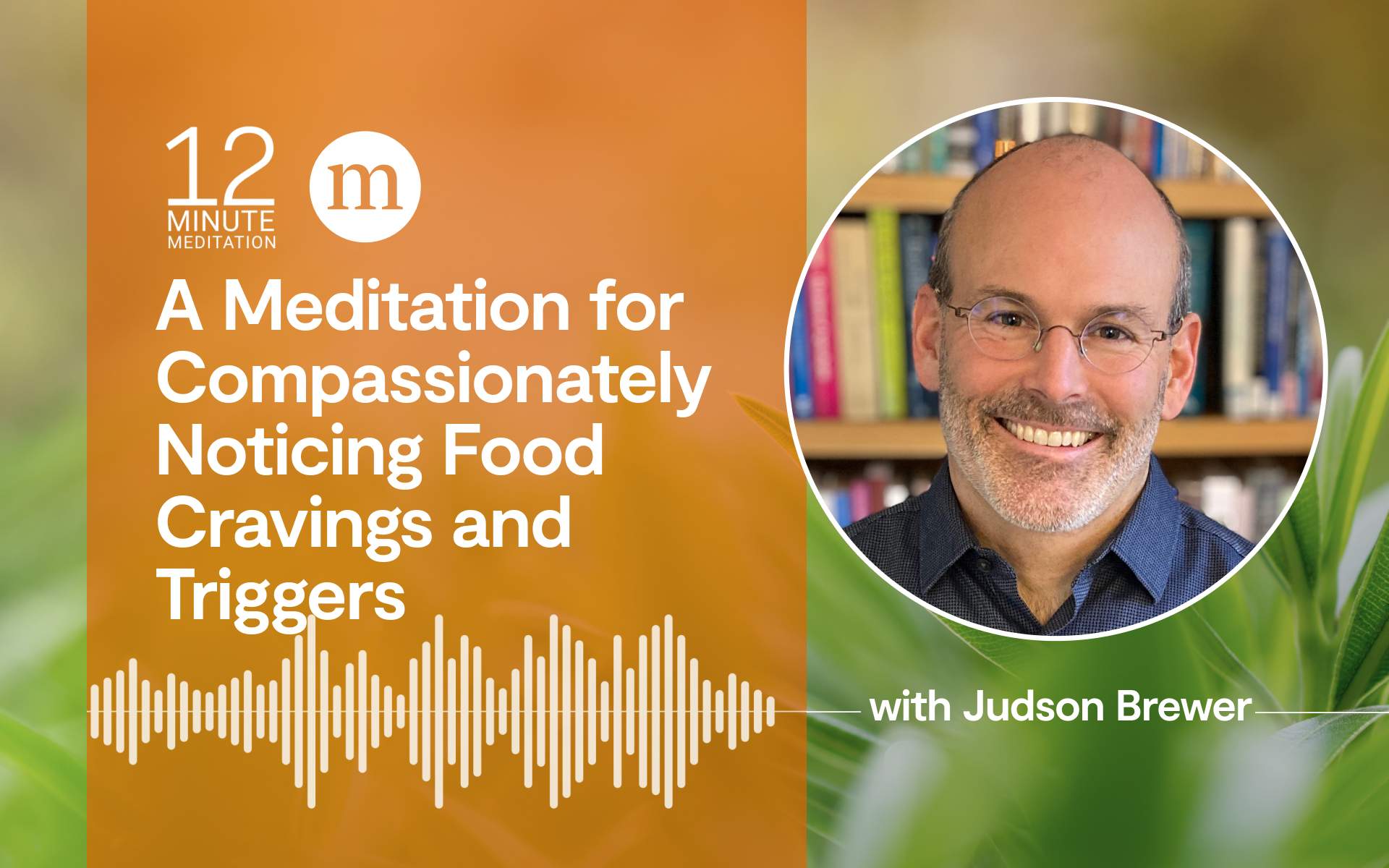
This is part of a four-part mini-workshop called Train Your Brain to Break Bad Habits. You can find links to all four sessions in this series here.
Last session we learned how to map the mechanics of our habit loops. This session, we’re using those skills to look specifically at any habits we’ve formed around food and eating.
As a recap: our brains learn through a process that has three components: trigger, behavior, reward. There’s a trigger (perhaps stress) that moves you to behave in a certain way (maybe leaving your desk at work and going out for a cigarette); and there’s a result or reward (having that cigarette gets the initial feelings of stress to drop a bit for a short period of time). According to the brain, that’s a successful pattern that deserves to be repeated.
Since last session, did you discover any habit loops in your life? If you didn’t get an opportunity to practice, you could pause right now to see if you can identify one or two habit loops in your own experience.
This session we’re examining habit loops with regards to food in particular. And eating is an extremely interesting example. That’s because the habit-loop structure of getting hungry, finding food, and testing and eating that food, is designed to do something else: to aid us in locating that food again.
Imagine being out in a wilderness: when hungry and looking for food in that sort of environment, our brains aim to record our successes because we need to eat to stay alive. We spot some bright berries (trigger); we bring that food to our mouths to test it—we eat a berry or two (behavior); and if we find that the berries don’t harm us, but instead provide us fuel in the form of calories and even taste good, we’ve set the groundwork for the habit loop that will propel us to eat those berries again whenever we find them (a reward that encourages us to not only look for that food again, but gather and store it or eat it whenever we do). Essentially, the stomach has sent a dopamine signal to the brain that says, “Remember what you ate and where you found it.”
But most of us do not live in a wilderness anymore—unless you count coffee shops on every corner, copious numbers of fast-food joints, restaurants, and grocery stores as a new kind of wilderness. Point being, our brains don’t necessarily need this reward-based learning system to help us remember where food is anymore. In fact, though, that system is still at play—only now it operates with other types of triggers and foods. For example, if we get into the habit of reaching for ice cream every time we get stressed out, our brain starts to learn to eat when we’re stressed. Because when we do, like the person who smokes, we feel some stress relief (albeit brief) while we’re digging into that container of vanilla bean gelato.
And triggers don’t always need to be bad to set up the potential for a habit loop to form. Maybe, like so many of us, you associate food with celebrations, whether it’s a birthday, Thanksgiving or another holiday: it’s easy to begin to associate fun social times with the array of food we get to enjoy.
Regardless, whether it’s celebratory, stress-based or even boredom or sadness that triggers us to eat, once our brains make a habit loop that includes eating food as a go-to behavior in response to a particular trigger, and when eating makes us feel a little bit better in the moment, our brains set the tracks: “That was good; I feel a bit better; let’s do it again.” And so we do.
So this is the focus of our practice: any types of habits we may have formed around eating. Let’s begin.
Rewire Your Food Cravings and Triggers
Watch the video:
Get settled into a comfortable position, whether sitting, standing or lying down.Just like we did last week, anchor your awareness in your body—in the breath and the body, in your direct experience in the moment What do these physical sensations feel like? Introduce some curiosity. And go ahead and think of this as anchoring: that aware connection will serve as the point that will keep your boat from floating off. If your attention drifts away, that anchor catches so that you can come back. This helps to orient us around our mind—because if our mind is drifting off this way or that, it’s very difficult to identify, observe and map out our habit loops. We need that steady awareness, too, to map the different types of rewards that we get from those habits. Let’s focus on what’s actually happening for us in the first part of the equation: trigger and behavior.
Bring to mind your favorite food. Resting in awareness in the breath and body, now simply bring to mind your favorite comfort food. You may imagine what it smells and tastes like. Take it further: what are the qualities of the sensations of that food on your tongue, in your mouth? Is it cool? Soft and delicate? Crunchy? Spend some time with these sensations.
Notice the type of reaction that your body has simply by bringing up the memory of this food. What are you experiencing in your body? Maybe you notice you now have a craving for that food, even if you’ve just eaten, even if you’re not hungry at all. If you do find yourself in the midst of a craving, what does that feel like in your body and mind? Are there physical sensations associated with it? Invite curiosity into this.
Try to notice any changes to the sensations associated with your craving. Is there a predominant sensation in your body right now? Are you finding tightness? Does that tightness change? Is there a sensation of heat? Does that heat move? Are you noticing any other sensations? And what happens as you bring your awareness fully to those sensations?
Come back to the breath. Gently bring your attention away from your craving, and simply bring your awareness back to your body or your breath.
Perhaps you noticed that simply bringing a memory of a food item to mind can arouse cravings. I’m hoping you noticed something else, too: that bringing awareness to the craving itself can change our relationship to it—we can be with that craving rather than be caught up in it. We can feel the trigger and pause before the behavior. If we are caught up in a craving it’s just like being on autopilot. But if we’re aware of that craving, we’re in the driver’s seat, in first gear.
Try to notice any types of food cravings you have. And when they strike, try to drop into your body, even if it’s just for a few moments. The goal here is to really explore what that craving feels like in your body and mind. Then bring your awareness to whether or not that craving changes from moment to moment to moment.
You might go ahead and eat the food you have in mind, and you might not. But simply start by exploring, getting comfortable and really familiar with what that craving feels like. Take a good, long, curious look at the beginning of that habit loop: from trigger to the urge to act to just before you act, and then whether you act or not. Notice that behavior and then the results of whatever that behavior is.
Our phones are masterfully designed weapons of mass distraction, and it’s so easy to get sucked into that distraction—Here’s how we can regain control of our attention. Read More
When things don’t go according to plan, it’s easy to spot all the ways things have gone wrong. This gratitude practice is designed to change that.
When we find ourselves in a rut, it becomes easier to focus on what’s wrong and minimize what’s right. This gratitude practice is designed to change that; its aim is to amplify the experience of optimism. Hundreds of studies show that this simple shift leads to enhanced mood, better relationships, and even enhanced physical health.
A 10-Minute Gratitude Practice to Notice, Shift, and Rewire
Audio recorded by Priti Patel.
1. Begin by finding a comfortable seat, your eyes can either be closed or open with a soft gaze for this practice. Be sure that you’re sitting comfortably and to the best of your ability, see if you can sit with a straight spine. To find that perfect point of balance, you might sway back and forth as well as side to side until you find your ideal seat. Feel your body settle.
2. Now, take a few slow breaths. Let go of any attempt to control or shape the breath. Let it move in and out naturally. Allow yourself to relax and let go of any tension or stress. Feel a sense of relaxed alertness, grounded yet present.
3. Start by noticing. Notice your current state of mind. What’s the current tone of mood? How are you feeling right now in this moment? See if you can simply notice with no judgments of good or bad.
4. Now, let’s shift by taking an inventory of all that you have in your life to be grateful for. Feel gratitude for the people and circumstances that led you to this moment here today. Offer gratitude to your parents and your grandparents. Feel gratitude for the opportunities you’ve had in life, education, travel and work experience.
5. Consider the health of your mind and body. Offer gratitude for the health of your body. Feel grateful for your mind and intellect. Feel your appreciation for the talents and skills you have. Now, consider your gratitude for the people in your life. Offer your gratitude to your immediate family members. Feel gratitude for your extended family. Feel appreciation for your coworkers and friends. Extend gratitude toward the mentors in your life who helped you grow into the person you are today.
6. Now, consider your gratitude for the earth. For water. Food. And the air that you breathe in every single day. And now, simply choose the one thing that you feel most grateful for in this moment. Relax every muscle in your body.
7. Let’s go deeper into the experience of gratitude through a short visualization. Begin by bringing to mind someone in your life who you care for deeply. A parent. A spouse. A child. Or a close friend. Imagine them in your mind’s eye. And recall a moment when you felt a particularly strong sense of connection with this person. This moment could be recent or in the distant past. Allow your mind to go back to this sacred moment of connection. Remember where you were. Picture the scene, the location, the people, the time of day, anything else that you see.
8. See if you can go back to what you were feeling in that moment. Love presence, contentment, or true connection. Notice any sensations or emotions that arise in your mind and body. And see if you can let go of any judgments. Good or bad. Try not to analyze. Simply allowing whatever you are feeling to come and go.
9. Focus on one aspect of this moment that you feel particularly grateful for. The person. The setting. Your emotional state. And let this experience of gratitude flood your entire mind and body. Take just a few more breaths. Continue to focus on this one quality of gratitude.
10. Let’s rewire the benefits of this practice. Savor this experience of gratitude for just 15 seconds. Really let it sink in. When you’re ready, open your eyes fully. Slowly come back into the room. Move any parts of your body that might feel stiff.
11. And as you go through the rest of your day, consider expressing your appreciation for the person you chose in this practice, it could be a text, an email, a card or simply a mental wish for them. Then notice how this expression of gratitude changes your day.
Practicing gratitude has incredible effects, from improving our mental health to boosting our relationships with others. Explore ways you can be more appreciative in our mindful guide to gratitude. Read More