Tag: Residents

  • New Psychiatry Residency Program Launched in Los Angeles by Residents Medical and Brain Health USA

    New Psychiatry Residency Program Launched in Los Angeles by Residents Medical and Brain Health USA

    Every year on July 1, thousands of newly minted doctors across the United States begin their medical residencies, which is a critical next step in their training that allows them to put their academic knowledge to practical use. For many, this transition follows years of intense preparation, such as undergraduate education, medical school, board examinations, and a challenging application process. According to the National Resident Matching Program (NRMP), the 2024 Match saw more than 50,000 applicants vying for approximately 41,000 positions, which shows the competitive nature of medical residency placements in the United States.

    Residency candidates are assessed on a range of criteria, including their United States Medical Licensing Examination (USMLE) Step scores, letters of recommendation, and personal statements. International medical graduates (IMGs) face additional challenges, such as navigating ECFMG certification and competing for a limited pool of positions designated for non-US graduates. Despite these hurdles, IMGs make up a crucial segment of the American healthcare system, comprising more than 25 percent of the physician workforce, according to the American Medical Association.

    To meet the needs of these applicants, several organizations have stepped in to help thousands of medical school students and graduates prepare for and achieve their dream residency or fellowship. Residents Medical, headquartered in Los Angeles, California, plays a unique role in this space by helping medical students and graduates on their path to becoming residents and fellows in the United States. Through a combination of personalized mentorship, application enhancement strategies, and interview preparation techniques, the organization has worked to expand access to residency and fellowship programs, particularly in areas experiencing workforce shortages.

    Residency training itself can vary widely depending on specialty, institution, and geographic location. Psychiatry, for instance, has emerged as one of the fields most in need of new practitioners. The Health Resources and Services Administration projects a shortage of up to 31,000 psychiatrists by 2030, fueled by increased mental health awareness and provider retirement. New residency programs are being developed in response to these needs, often through collaborations between clinical facilities and academic partners.

    This July, a new ACGME-accredited psychiatry residency program officially opens its doors at Brain Health USA in Los Angeles, California. Developed with support from Residents Medical Consultancy, Brain Health USA’s Psychiatry program will help prepare physicians to meet the growing demand for mental healthcare while also reinforcing quality and compliance through accredited standards. The start of Brain Health’s new psychiatry program marks a moment in the field of graduate medical education, where mental health services have increasingly become a priority across policy and practice.

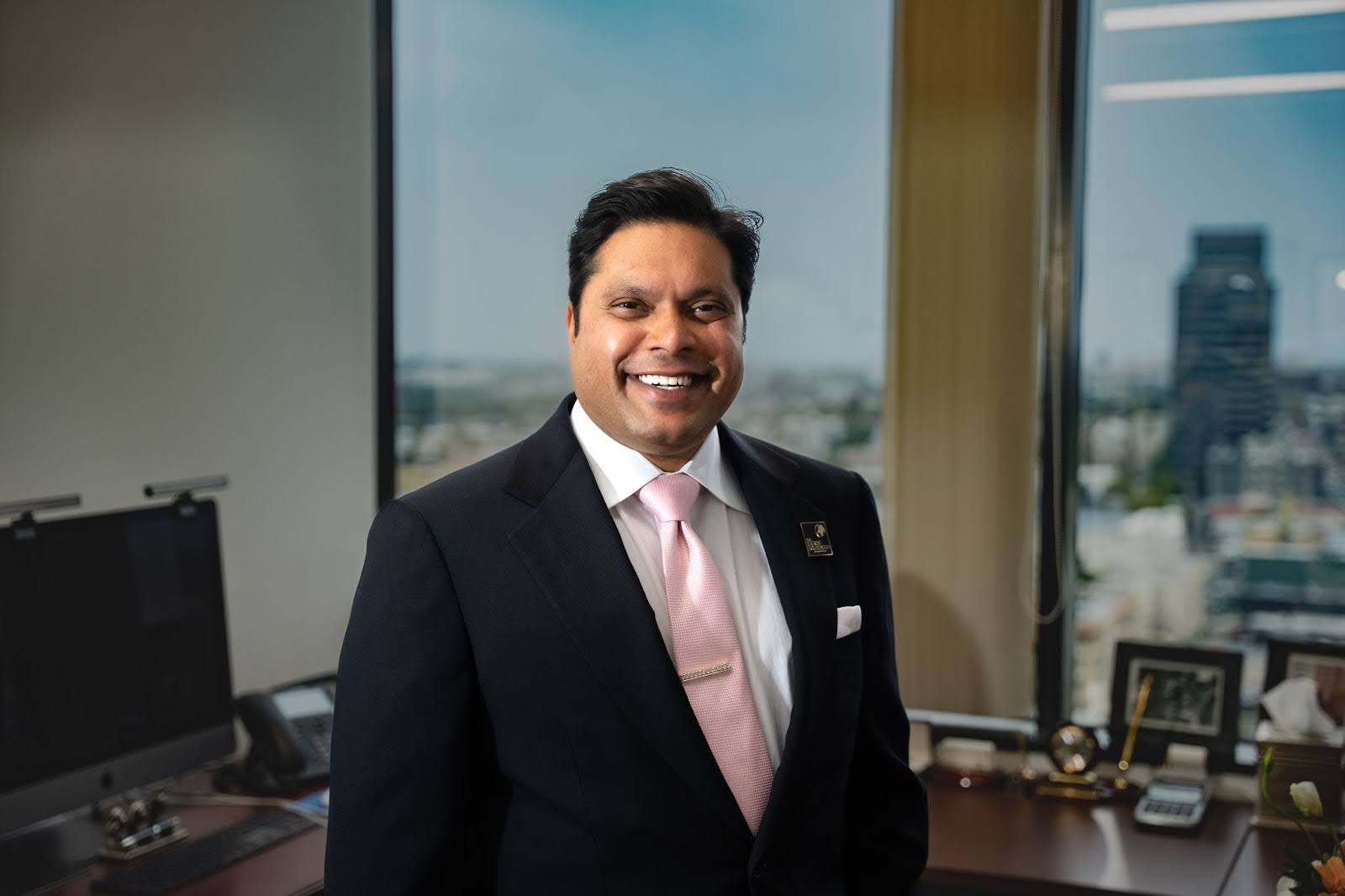
    “The country has never needed more mental health professionals than it does right now,” said Dr. Michael Everest, Founder, Chairman, & Chief Academic Officer of Residents Medical and Founder and Chairman Emeritus of the Everest Family Foundation. “Supporting a psychiatry residency at Brain Health USA allows us to help both patients and physicians at a time when access to behavioral healthcare is an urgent concern.”

    “This residency represents what we strive for, which is creating educational pathways that serve underserved communities while fostering excellence in medical training,” added Dr. Everest. “Every new GME program is an opportunity to support the next generation of healthcare professionals with tools that meet today’s challenges.”

    As the July 1 start date marks a transition for new medical residents across the country, the start of this new psychiatry residency in Los Angeles serves as a milestone and a signal. It reflects the realities of healthcare today, where mental health, educational support, and systemic access must all be addressed in tandem. Through targeted development and a commitment to quality, organizations like Residents Medical are helping reshape the journey into residency.
    Source link

  • Key Tools and Strategies Residents Medical Provides for Aspiring Doctors Facing OSCE and Beyond

    Key Tools and Strategies Residents Medical Provides for Aspiring Doctors Facing OSCE and Beyond

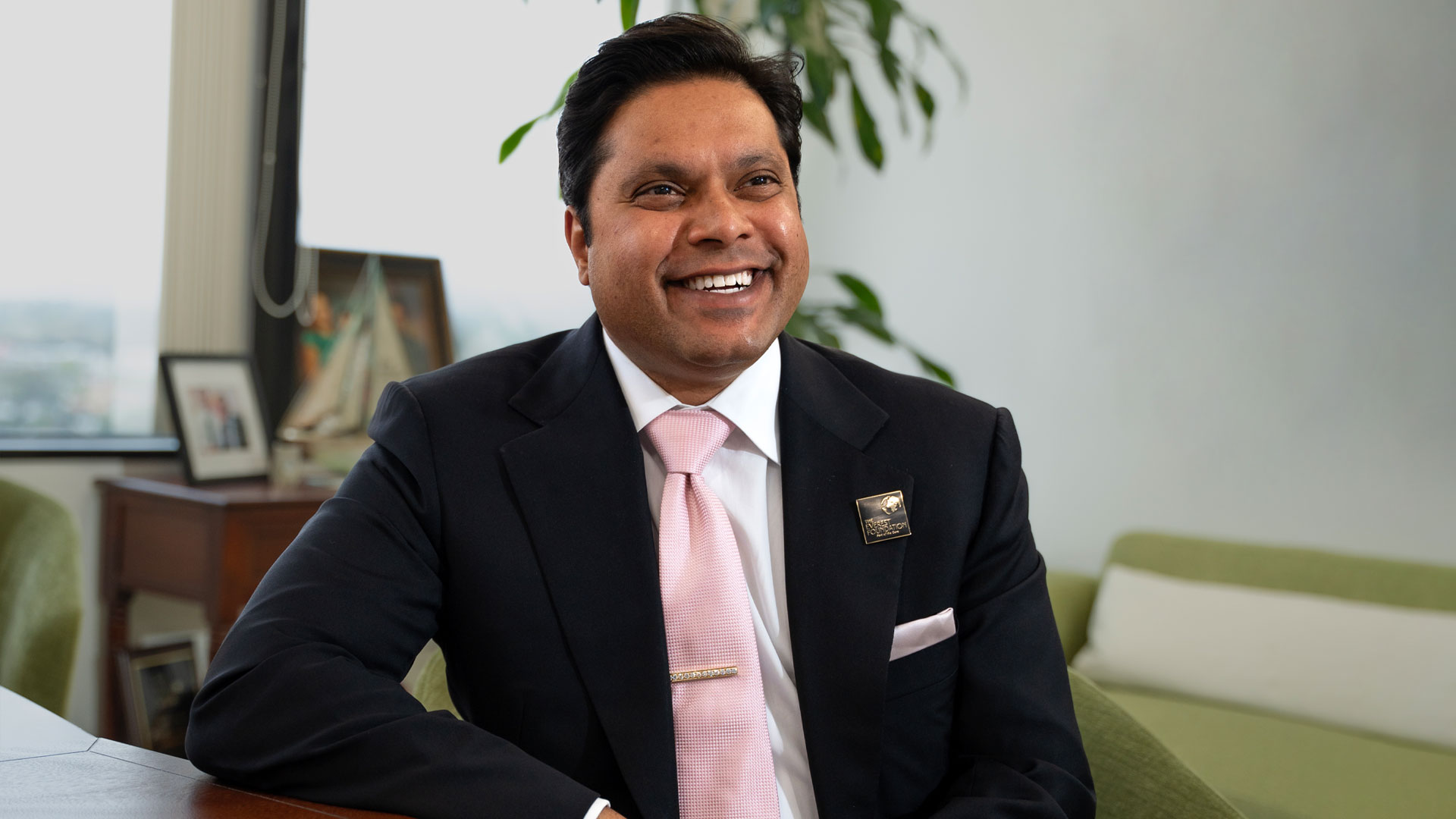
    Dr. Michael Everest, founder of residency placement agency Residents Medical, has seen firsthand that the path to residency is simpler for some than it is for others. Those from developing countries often faced significant roadblocks, and that realization inspired him to create an industry-leading medical residency placement company.

    “What motivated me to create Residents Medical was the realization of the inherent bias and favoritism that exists toward certain races in medical schools, particularly when it comes to international doctors,” he says.

    “I saw the need to level the playing field and address the significant doctor shortage,” he continued. “To achieve this, I founded a foundation aimed at assisting international doctors and created a pathway to give them a fair chance.”

    Residents Medical gives international doctors that fair chance by offering personalized guidance, test preparation help, educational resources, and even real-world clinical placements to help maximize medical graduates’ chances of securing a residency.

    Clients can sign up for comprehensive programs that include digital curricula, hands-on externships, interview coaching, and even personalized residency application help.

    “When you have limited positions and thousands of applicants, many from prestigious institutions, it becomes challenging for individuals from countries like Sierra Leone or India to compete,” Dr. Everest says. “I sought to create opportunities and integrate these doctors into a program that provides the necessary support and test preparation.”

    What does that test preparation look like? Residents Medical clients can benefit from the guidance of physician mentors, but the platform also integrates cutting-edge AI tools that give students the benefits of on-demand objective structured clinical examination (OSCE) prep and a 24/7 study buddy.

    Recent research has highlighted AI’s promise as a preparatory tool for OSCEs, which are essential when it comes to evaluating clinical skills.

    However, because they’re time- and resource-intensive, they tend to be few and far between. They’re also incredibly difficult to prepare for — you can’t exactly set up multiple clinical stations as easily as you can review a textbook chapter.

    While AI models can’t perfectly replicate the clinical experience, they offer students an unprecedented opportunity to prepare for OSCEs and other essential tests. And thanks to its recent partnership with edYOU Technologies, Residents Medical puts a human face on AI — literally.

    Instead of relying on chatbots, Residents Medical relies on a team of “AI beings.” “I’ve developed advanced AI beings that mimic human life and hold natural conversational abilities,” Dr. Everest says.

    “These AI entities are so realistic that having a conversation with them feels just like talking to me. Everything is interactive, with no pre-recorded responses,” he elaborated.

    Members of Residents Medical can experience personalized study guidance from Hannah, edYOU’s flagship AI being. Because Hannah and the other AI beings communicate as humans would, you can use your study companion in the same way that you’d collaborate with a human study buddy.

    These AI beings can be especially useful when it comes to OSCE prep. They can help you identify gaps in your knowledge and even pose as example patients.

    By practicing clinical “role-play” and then receiving feedback, you can sharpen your clinical abilities. That’s a good thing if you have an OSCE looming, but even if you don’t, building better communication skills is always a good thing for a clinician.

    AI beings might be able to quiz you on your knowledge or help you practice clinical situations, but sometimes, informal interactions turn out to be the most beneficial.

    If you’re having trouble grasping a particular concept, you can discuss it with your virtual study companion just like you would with a human one. This feature can be especially helpful during late-night study sessions when you can’t reach a friend or colleague.

    It’s easy to prematurely dismiss AI in medical education as an impersonal solution. But as you’ll see if you have a chat with Hannah, the integration of AI beings follows Residents Medical’s mission of treating each client as unique.

    “What truly differentiates us is the integration of the individual,” Dr. Everest says. “We move away from treating applicants as mere numerical statistics out of thousands, and instead, we emphasize understanding the person behind the application.”

    That focus on truly understanding the individual is precisely what allows Residents Medical to boost even disadvantaged students’ chances of securing a residency.

    While guidance from human professionals will always be an integral part of the company’s services, individualized AI study companions are bringing in a level of customization never seen before.


    Source link