Tag: Relief

  • Pain Relief, Hormonal Therapy and Surgical Options

    Pain Relief, Hormonal Therapy and Surgical Options

    Endometriosis Pain Relief is a major priority for people living with chronic pelvic discomfort, painful periods, pain during intercourse, and bowel-related symptoms. Common endometriosis symptoms may also include bloating, fatigue, heavy bleeding, irregular cycles, and worsening pain before menstruation. Because symptoms vary widely, treatment often combines medication, lifestyle support, and targeted therapies to improve daily comfort.

    Many patients also worry about the fertility impact of endometriosis, since inflammation, scarring, and ovarian changes can affect conception. Some studies estimate infertility may affect a significant number of people with the condition. A balanced plan using pelvic pain treatment, symptom control, and fertility-focused care can help protect long-term reproductive health while improving quality of life.

    Endometriosis Symptoms and Initial Pain Relief Strategies

    Endometriosis can cause a wide range of symptoms that affect daily comfort, energy levels, and reproductive health. According to Endometriosis UK, pain relief strategies often include anti-inflammatory medication, heat therapy, exercise, and speaking with a healthcare professional for long-term symptom management. Recognizing symptoms early and using supportive treatments may help improve quality of life.

    • Pelvic and Lower Abdominal Pain: Common endometriosis symptoms include persistent lower abdominal pain, pelvic pressure, and severe menstrual cramps that may interfere with daily activities.
    • Pain During Daily Functions: Some patients experience pain during intercourse, painful bowel movements, or discomfort during urination, especially during their menstrual cycle.
    • Cycle-Related Flare-Ups: Symptoms often worsen before or during menstruation, although some people may feel pain throughout the entire month.
    • Digestive and Energy Changes: Fatigue, spotting, constipation, diarrhea, and nausea may also occur, which can sometimes delay diagnosis.
    • Over-the-Counter Pain Relief: For early Endometriosis Pain Relief, many patients begin with medications such as paracetamol or anti-inflammatory drugs.
    • NSAIDs Dysmenorrhea Support: Ibuprofen or naproxen may help reduce inflammation and ease prostaglandin-related menstrual cramps.
    • Heat Therapy Comfort: Heat packs can relax tense muscles and provide short-term relief during painful flare-ups.
    • TENS Machine Support: TENS machines may help reduce pain signals through gentle electrical stimulation and can be useful for some patients.

    Pelvic Pain Treatment: Hormonal and Advanced Medical Options

    When pain becomes persistent, doctors may recommend pelvic pain treatment through hormonal suppression. Combined oral contraceptive pills are commonly used to reduce ovulation and slow the growth of endometriosis-related tissue. Continuous dosing may also reduce monthly flare-ups and improve day-to-day function.

    Progestin treatments are another option for Endometriosis Pain Relief. These may include pills, injections, implants, or hormonal IUDs that help thin tissue and reduce bleeding. In more severe cases, hormonal therapy GnRH agonists such as leuprolide may temporarily lower estrogen levels, which can shrink active lesions and decrease pain.

    According to the Cleveland Clinic, treatment for chronic pelvic pain may include hormone therapy, nerve pain medication, physical therapy, and multidisciplinary pain management when symptoms are ongoing or complex.

    Fertility Impact: Surgical Interventions and Long-Term Management

    The fertility impact of endometriosis depends on age, ovarian reserve, lesion severity, and scar tissue formation. Inflammation may affect egg quality or implantation, while adhesions can interfere with fallopian tube movement. Many patients still conceive naturally, but some need targeted fertility care.

    When medication is not enough, surgery may be considered. Laparoscopic excision surgery is often used to remove visible endometriosis lesions while preserving healthy surrounding tissue. Surgeons may also treat endometriomas, release adhesions, or improve pelvic anatomy to reduce pain and support fertility goals.

    Based on a study conducted by the National Institutes of Health, laparoscopic treatment of endometriosis may improve pain outcomes and may help selected patients with infertility depending on disease stage and overall reproductive factors.

    Pelvic Floor Physiotherapy for Ongoing Endometriosis Pain Relief

    Persistent endometriosis pain can affect pelvic muscles, movement patterns, and everyday comfort over time. Pelvic floor physiotherapy is often used alongside other treatments to help reduce pain and improve body function.

    • Muscle Tightness and Weakness: Ongoing pain can cause pelvic muscles to tighten, weaken, or lose coordination, which may worsen discomfort and pressure.
    • Comprehensive Physiotherapy Assessment: A physiotherapist may evaluate posture, breathing habits, muscle tension, and movement patterns connected to chronic pelvic pain.
    • Relaxation Training: Treatment may include techniques that help release muscle tension and improve pelvic floor relaxation.
    • Guided Stretching and Mobility Work: Stretching exercises can improve flexibility, reduce stiffness, and support smoother movement.
    • Muscle Release Techniques: Internal or external therapy methods may be used to reduce trigger points and improve muscle balance.
    • Improved Daily Comfort: Many patients report reduced pain during intercourse, easier bowel movements, and less guarding after regular sessions.
    • Post-Surgical Recovery Support: Pelvic floor physiotherapy may also help restore movement and comfort after surgery.
    • Exercise as Added Support: Yoga, Pilates, walking, and mobility exercises may complement physiotherapy and support long-term recovery.
    • Better Pelvic Pain Treatment Results: When combined with medication or hormonal care, physical therapy often improves overall pelvic pain treatment outcomes.

    Comprehensive Endometriosis Pain Relief and Fertility Preservation Strategies

    Managing endometriosis often requires more than one solution. Endometriosis Pain Relief may involve NSAIDs, hormonal medication, surgery, physiotherapy, and fertility planning depending on symptoms and goals. What works best can change over time, so regular follow-up remains important.

    Early attention to endometriosis symptoms, careful treatment adjustments, and support for reproductive health can improve quality of life. Whether the priority is pain control, preserving fertility, or both, a personalized plan gives patients more options and better long-term confidence.

    Frequently Asked Questions

    1. What are the most common endometriosis symptoms?

    Common endometriosis symptoms include pelvic pain, severe menstrual cramps, pain during intercourse, and bowel discomfort. Some people also experience bloating, fatigue, and irregular bleeding. Symptoms often worsen before or during periods. Severity does not always match how advanced the disease is.

    2. What is the best Endometriosis Pain Relief option?

    The best Endometriosis Pain Relief plan depends on symptoms, age, fertility goals, and disease severity. Some patients improve with NSAIDs, hormonal pills, or physiotherapy. Others may need surgery or advanced pain management. A personalized plan usually works better than a single treatment.

    3. Can endometriosis affect fertility?

    Yes, the fertility impact of endometriosis can be significant for some patients. Inflammation, scar tissue, and ovarian cysts may interfere with conception. Many people with endometriosis still become pregnant naturally or with treatment. Early fertility planning can be helpful.

    4. Is surgery always needed for endometriosis?

    No, surgery is not always required. Many patients manage symptoms through medication, lifestyle changes, and pelvic pain treatment programs. Laparoscopic excision surgery is often considered when pain is severe, fertility is affected, or imaging suggests advanced disease. The decision should be based on individual needs and medical advice.


    Source link

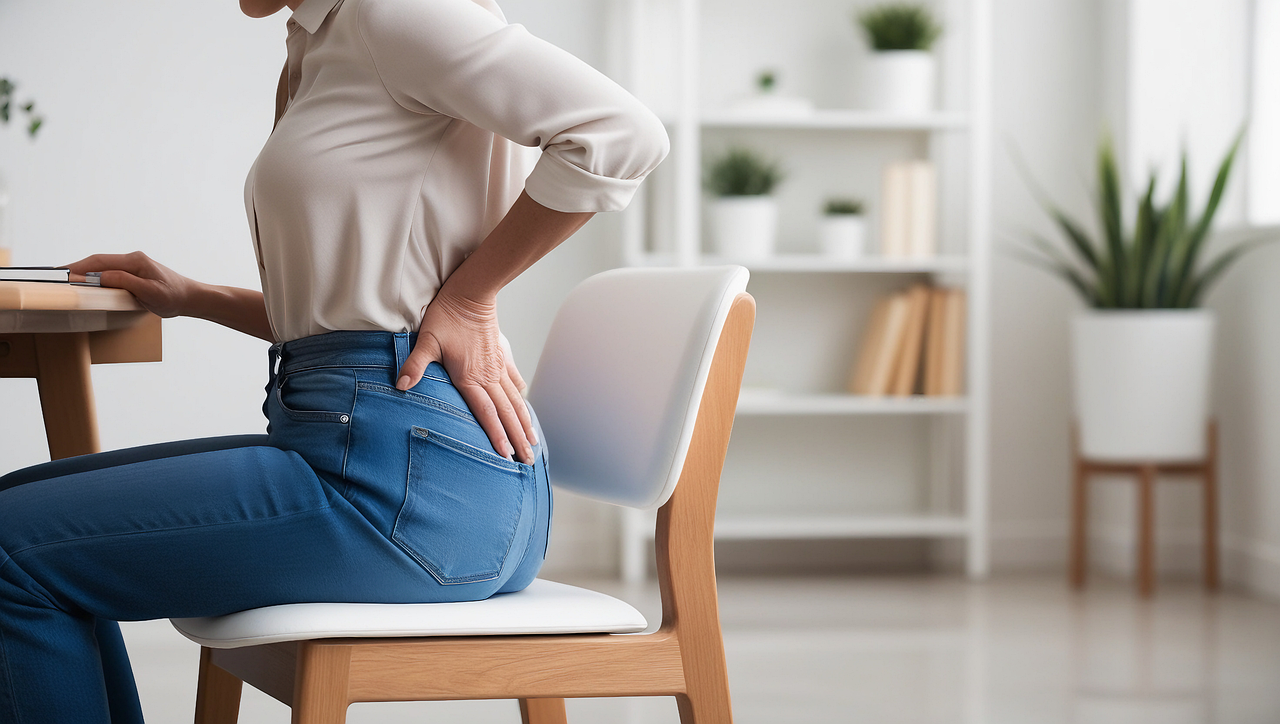
  • Lumbar Pain Relief with Core Stabilization Exercises for Back Pain Prevention

    Lumbar Pain Relief with Core Stabilization Exercises for Back Pain Prevention

    Chronic lower back pain can quietly limit work, movement, and sleep, so many people look to safe exercise and posture changes for lasting lumbar pain relief. When the spine is supported by strong, coordinated muscles and neutral alignment, daily stress places less strain on the lower back, making core stabilization and back pain prevention essential goals.

    What Causes Chronic Lower Back Pain and Poor Posture?

    Chronic lower back pain usually develops over time from habits, not just one injury. Long hours of sitting, limited activity, and muscle imbalances weaken the support around the spine and encourage slouched posture.

    As the head and shoulders drift forward, the lumbar spine must work harder to stay upright, increasing stress on joints, discs, and soft tissues. Sedentary work, excess weight, and low fitness all raise the risk of ongoing discomfort and stiffness.

    How Does Posture Affect Lumbar Pain?

    For lumbar pain relief, “good” posture means a neutral spine, not a perfectly straight one. In neutral, the ears align roughly over the shoulders, shoulders over hips, and the lower back keeps a gentle curve.

    In sitting, feet are flat, hips and knees are near a right angle, and the pelvis is slightly tilted so the low back is neither rounded nor overly arched. In standing, weight is shared evenly through both feet. This alignment spreads load across the spine and muscles instead of overloading any one area.

    Correcting posture alone rarely erases chronic pain, but it can reduce mechanical stress on the lumbar spine.

    When combined with strengthening and mobility exercises, posture work teaches the body how to support the back during real-life tasks. Learning to hinge from the hips, keep a neutral spine in daily bending, and lightly brace the core can ease symptoms and support back pain prevention.

    Key Exercises for Lumbar Pain Relief and Core Stabilization

    Strengthening for chronic lower back pain focuses on controlled, low-load exercises that build endurance in the core and hips. Bird dog, bridges, and planks are widely recommended because they train the body to keep the spine stable while the arms and legs move.

    • Bird dog (on hands and knees, extending opposite arm and leg) improves balance and coordination across the back and abdominal muscles.
    • Glute bridges strengthen the hips and glutes, reducing strain on the lumbar spine during standing and walking.
    • Front and side plank variations build core stabilization by challenging the trunk to resist sagging, arching, or collapsing.

    Anti-extension and anti-rotation movements such as modified dead bug (lying on the back, slowly lowering opposite arm and leg) teach the trunk to resist unwanted motion. These exercises help the deep stabilizers around the spine, hips, and pelvis work together, creating a solid foundation that supports long-term back pain prevention.

    Simple Routine for Chronic Lower Back Pain

    A practical routine begins with a brief warm-up, such as pelvic tilts, gentle knee-to-chest movements, and small hip circles. This loosens stiff tissues and introduces light core engagement through relaxed, diaphragmatic breathing, according to Harvard Health.

    A basic core stabilization circuit might include:

    • Bird dog for slow, controlled repetitions.
    • Glute bridges, progressing to marching bridges as strength improves.
    • Modified front plank (on knees or elevated surface) for short, high-quality holds.
    • Side plank variations with bent knees to build lateral core strength.

    After strengthening, a short posture and mobility block reinforces alignment. Wall slides encourage the upper back and shoulders to stack over the pelvis.

    Cat–cow on hands and knees gently moves the spine through flexion and extension, building awareness of neutral alignment. Stretching the chest and hip flexors counters the rounded shoulders and tight hips that come from prolonged sitting.

    A cooldown with gentle hamstring, glute, and hip flexor stretches plus slow breathing helps muscles relax and may limit post-exercise soreness. This full sequence supports both immediate lumbar pain relief and long-term back pain prevention.

    How Often Should These Exercises Be Done?

    For most people, steady consistency is more effective than occasional hard workouts. Ten to twenty minutes of focused posture and core stabilization work on most days can gradually reduce stiffness and improve control around the lumbar spine, as per the Centers for Disease Control and Prevention.

    Over time, progress can come from longer holds, additional repetitions, or light resistance, while still protecting neutral alignment and avoiding pain.

    When to Seek Professional Help

    Home exercise is helpful, but some situations require medical evaluation. Red-flag signs include significant leg weakness, loss of sensation, changes in bowel or bladder control, or pain after major trauma.

    In these cases, prompt assessment is important. A physical therapist can also design an individualized program, refine technique, and adjust exercises as the person’s condition changes, making core stabilization and posture work safer and more effective.

    Long-Term Lumbar Pain Relief and Back Pain Prevention

    A consistent mix of posture practice, core stabilization, and gentle mobility offers a realistic path to lumbar pain relief without relying solely on rest or passive treatments.

    By gradually building strength and awareness around the spine, people can reduce flare-ups, move with more confidence, and turn everyday habits into powerful tools for back pain prevention.

    Frequently Asked Questions

    1. Can walking help with chronic lower back pain?

    Yes, regular walking at a comfortable pace can improve blood flow, reduce stiffness, and gently strengthen the muscles that support the spine, helping with long-term back pain prevention.

    2. Is it safe to do core exercises every day with lumbar pain?

    Light core stabilization work can usually be done daily if movements are pain-free, controlled, and low-load, but anyone with severe or worsening symptoms should get personalized guidance first.

    3. How long does it take to see lumbar pain relief from exercises?

    Many people notice small improvements in stiffness and comfort within a few weeks of consistent practice, while more lasting changes in strength and posture often take several months.

    4. Should someone avoid all bending and lifting with chronic lower back pain?

    Completely avoiding bending and lifting is rarely helpful; instead, learning to hinge from the hips, keep a neutral spine, and use the legs to lift is safer and supports long-term back pain prevention.


    Source link

  • Fast Heartburn Relief with Antacids and Acid Reflux Meds for Better GERD Treatment

    Fast Heartburn Relief with Antacids and Acid Reflux Meds for Better GERD Treatment

    Antacids are among the most familiar acid reflux meds people reach for when heartburn or indigestion strikes, but they are only one part of the larger picture of GERD treatment.

    The best option depends on how fast relief is needed, how often symptoms occur, and whether there might be an underlying chronic condition such as GERD. Understanding how antacids compare with other acid reflux meds helps people use them more safely while recognizing when it is time to talk to a healthcare professional.

    Antacids Quick Heartburn Indigestion Relief Options Compared

    Heartburn and indigestion occur when stomach acid irritates the esophagus or causes upper abdominal discomfort after eating. Antacids provide rapid, short-term relief by neutralizing existing stomach acid rather than reducing acid production.

    They are widely available without a prescription, which makes them a common first-line choice for occasional, mild symptoms. However, they differ from longer-acting options used more often in GERD treatment, such as H2 blockers and proton pump inhibitors.

    What Are Antacids and How Do They Work?

    Antacids are medicines containing alkaline ingredients that neutralize excess stomach acid on contact.

    Common active ingredients include calcium carbonate, magnesium hydroxide, aluminum hydroxide, and sodium bicarbonate, available as chewable tablets, effervescent tablets, and liquids. Once taken, antacids act directly in the stomach, raising the pH and reducing the acidity that causes the burning feeling of heartburn.

    Because they work on acid that is already present, antacids can provide relief within minutes for many people. Their main limitation is duration: relief is usually short-lived compared with other acid reflux meds, so symptoms may return if triggers are not addressed.

    What Is the Fastest Relief for Heartburn?

    When immediate comfort is the goal, antacids are often among the fastest options available. Many calcium carbonate–based products begin to work in minutes because they dissolve or are chewed and quickly interact with stomach acid.

    Liquids may act even more rapidly because they spread over the stomach contents without needing to break down. For sudden heartburn after a heavy or spicy meal, these quick-acting antacids can be helpful for people who only experience symptoms occasionally.

    Antacids vs Other Acid Reflux Meds

    While antacids offer speed, other acid reflux meds are designed to provide longer-lasting control. The main categories available without prescription are antacids, H2 blockers, and proton pump inhibitors (PPIs), each with a distinct role in symptom relief and GERD treatment.

    What Is the Best Medication for Acid Reflux?

    There is no single “best” medication for everyone; the choice depends on symptom frequency and severity. Antacids suit people with mild, infrequent heartburn who mainly need rapid relief.

    H2 blockers, such as famotidine, reduce acid production by blocking histamine receptors in the stomach and typically take 30–60 minutes to act but last longer than antacids, according to Mayo Clinic.

    PPIs, such as omeprazole, block acid pumps in stomach cells and are often used for persistent symptoms or diagnosed GERD, though they can take days to reach full effect.

    In many GERD treatment plans, PPIs are used for regular or severe symptoms, while antacids are reserved for breakthrough discomfort. The pattern and impact of symptoms help guide which option is most appropriate.

    Antacids vs H2 Blockers vs PPIs: Which Works Fastest?

    For speed, antacids usually act the fastest because they directly neutralize existing acid. H2 blockers take longer to start working but provide several hours of relief by reducing new acid production. PPIs are the slowest to provide noticeable relief but offer the most sustained suppression when taken consistently.

    Someone with a single episode of heartburn after a large meal may do well with antacids, while frequent nighttime heartburn might be better managed with an H2 blocker. For confirmed GERD, clinicians often favor PPIs as a main therapy, with antacids used as needed.

    Over-the-Counter Antacids and Acid Reducers

    Pharmacies carry a wide range of antacids and acid reducers, and understanding basic differences can make choosing easier.

    What Are the Different Types of OTC Antacids?

    Magnesium-based antacids tend to work quickly and may have a mild laxative effect. Aluminum-based antacids may contribute to constipation, so many products combine magnesium and aluminum to balance these effects.

    Calcium carbonate antacids are popular for their strong neutralizing power and chewable form, while sodium bicarbonate products act quickly but can add extra sodium to the diet.

    These antacids are commonly used after heavy or trigger meals. Because they are easy to access, it can be tempting to use them often, but recurring symptoms may signal the need for evaluation and more structured GERD treatment.

    Which OTC Heartburn Medicine Works Best Overall?

    For many people, the best OTC heartburn medicine is the one that matches their symptom pattern. Occasional heartburn once or twice a month may be handled well with antacids alone, Cleveland Clinic.

    Several episodes per week may justify an H2 blocker taken before trigger meals or at bedtime, with antacids on hand for breakthrough episodes. Daily or severe symptoms, or suspected GERD, are reasons to discuss PPIs and broader GERD treatment with a clinician rather than relying only on self-care.

    Antacids and GERD Treatment: When to Use What

    GERD treatment aims to control symptoms and protect the esophagus from long-term damage. In that context, antacids are supportive tools rather than the main therapy.

    Antacids can relieve the burning and indigestion caused by GERD but are not considered a complete treatment on their own. GERD involves repeated reflux of stomach contents into the esophagus, often due to a weakened valve or other mechanical issues.

    While antacids temporarily reduce acidity, they do not stop reflux from happening or consistently prevent esophageal irritation, so GERD treatment usually relies more on PPIs or sometimes H2 blockers, plus lifestyle measures.

    Occasional use of antacids is generally acceptable when label directions are followed, but frequent, long-term use raises concerns about side effects such as constipation, diarrhea, gas, or mineral imbalances, depending on ingredients.

    Regular reliance on antacids can also delay recognition of more serious problems, and in GERD treatment it often signals the need for a more comprehensive approach.

    Antacids and Acid Reflux Meds for Smarter GERD Relief

    For most people, antacids remain a useful part of managing heartburn and indigestion, especially when symptoms are mild and occasional. When readers understand how antacids differ from other acid reflux meds, they can better choose between quick-relief products, longer-acting H2 blockers, and GERD treatment based on PPIs and lifestyle changes.

    Recognizing the limits of antacids, watching for persistent symptoms or warning signs, and seeking timely guidance helps individuals use these familiar medicines wisely while supporting long-term digestive health.

    Frequently Asked Questions

    1. Can antacids be taken on an empty stomach?

    Antacids can be taken on an empty stomach, but they often work for a shorter time because the stomach empties more quickly. Taking them after meals usually provides longer-lasting relief.

    2. Do antacids interfere with other medications?

    Yes, antacids can affect how some medicines are absorbed, especially certain antibiotics and thyroid medications. It is usually recommended to separate antacids from other drugs by at least 2 hours.

    3. Are antacids safe to use during pregnancy?

    Many antacids are considered reasonably safe in pregnancy when used as directed, but some ingredients (like high sodium or aspirin-containing products) should be avoided. Pregnant individuals should check with a healthcare professional before regular use.

    4. Can long-term antacid use cause nutrient deficiencies?

    Frequent antacid use may affect the absorption of nutrients like iron or certain B vitamins over time. Anyone needing antacids regularly should discuss longer-term GERD treatment options and monitoring with a clinician.


    Source link

  • Common Triggers, Symptom Patterns, and Relief Strategies

    Common Triggers, Symptom Patterns, and Relief Strategies

    Irritable bowel syndrome is a common digestive disorder that affects how the gut functions rather than its structure. People with IBS experience recurring symptoms that interfere with daily routines, work, and social life. Although the condition does not cause visible damage to the intestines, the discomfort and unpredictability of IBS symptoms can significantly reduce quality of life. Understanding symptom patterns is often the first step toward better management.

    IBS is defined by abdominal pain linked to bowel habit changes, as outlined in diagnostic guidelines such as the Rome criteria. Symptoms are influenced by gut sensitivity, intestinal motility, and communication between the brain and digestive system. Because triggers vary widely between individuals, identifying patterns related to food, stress, and lifestyle is central to managing this digestive disorder.

    What Are Common IBS Symptoms and Patterns?

    IBS symptoms commonly include abdominal pain or cramping that eases after a bowel movement, along with bloating, gas, and visible mucus in the stool. Bowel habits vary widely, ranging from frequent loose stools to hard, infrequent movements that require straining. These symptoms tend to follow recurring patterns rather than appearing randomly, which helps distinguish IBS from short-term digestive upset.

    Patterns often align with IBS subtypes. IBS-D features urgent, watery stools that frequently occur after meals, while IBS-C involves constipation, bloating, and incomplete evacuation. Mixed-type IBS alternates between both patterns, making daily routines less predictable. According to the National Institute of Diabetes and Digestive and Kidney Diseases (NIDDK), IBS does not cause intestinal damage, bleeding, or unexplained weight loss, helping separate it from inflammatory bowel diseases.

    What Triggers IBS Symptoms in This Digestive Disorder?

    IBS triggers often stem from diet and gut sensitivity. Foods high in fermentable carbohydrates, known as FODMAPs, commonly provoke symptoms by producing gas during digestion. Wheat, onions, legumes, some fruits, and certain dairy products are frequent offenders that can worsen bloating and abdominal discomfort.

    Daily habits and emotional stress also influence flare intensity. Caffeine, alcohol, carbonated drinks, and fatty or spicy foods may overstimulate bowel contractions. Stress affects gut-brain signaling, amplifying pain and urgency, while infections and antibiotics can disrupt gut bacteria. According to Johns Hopkins Medicine, stress and dietary triggers often interact, increasing symptom severity and reinforcing the need for personalized management strategies.

    How Do IBS Patterns Differ by Subtype?

    IBS patterns vary depending on bowel dominance. IBS-D is marked by urgency, loose stools, and concern over restroom access, particularly after eating or in the morning. Severe flares may raise dehydration concerns and interfere with work or travel.

    IBS-C centers on bloating, abdominal pressure, and difficult stool passage, often accompanied by straining and incomplete relief. IBS-M shifts between both extremes, complicating consistency. Many people with IBS experience overlapping conditions such as migraines or fibromyalgia. Based on guidance from the Mayo Clinic, identifying subtype-specific patterns allows treatments to be better tailored to bowel behavior and symptom intensity.

    Managing Triggers and Patterns for IBS Relief

    Managing IBS focuses on recognizing patterns rather than eliminating every symptom. Food and symptom tracking helps connect flares to meals, stress, or routines. Short-term low-FODMAP approaches often reduce symptoms, followed by careful reintroduction to identify tolerances.

    Stress reduction plays a key role alongside diet. Mindfulness, therapy, and regular movement help regulate gut-brain signaling. Medications are selected based on subtype, while probiotics may support recovery after infections or antibiotic use. Over time, tracking IBS symptoms and triggers in this digestive disorder supports steadier symptom control and better daily function.

    Taking Control of IBS Through Pattern Awareness

    Living with IBS requires patience and self-awareness rather than quick fixes. When individuals understand how their symptoms behave over time, flares become more predictable and manageable. Small adjustments in diet, stress handling, and daily routines often lead to meaningful improvement.

    Ongoing communication with healthcare providers helps refine strategies as symptoms evolve. IBS patterns may change with age, hormones, or life stressors, making flexibility essential. By focusing on personal triggers and symptom rhythms, many people with IBS regain confidence and reduce the daily impact of this digestive disorder.

    Frequently Asked Questions

    1. Is IBS the same as inflammatory bowel disease?

    No, IBS and inflammatory bowel disease are different conditions. IBS does not cause inflammation or damage to the intestines. Symptoms may overlap, but IBS does not lead to bleeding or permanent tissue injury. Medical evaluation helps distinguish between them.

    2. Can IBS symptoms change over time?

    Yes, IBS symptoms often change in intensity and pattern. Stress, diet, hormonal shifts, and infections can influence how symptoms present. Some people switch subtypes over time. Regular monitoring helps adjust management strategies.

    3. Does IBS cause long-term health complications?

    IBS does not increase the risk of colon cancer or cause structural intestinal damage. However, it can significantly affect quality of life. Managing symptoms reduces disruptions to work, sleep, and social activities. Emotional support is also important.

    4. Should everyone with IBS follow a low-FODMAP diet?

    Not everyone needs a strict low-FODMAP diet. It is typically used as a short-term tool to identify trigger foods. Long-term restriction is not recommended without guidance. Personal tolerance varies widely among individuals with IBS.


    Source link

  • The Science of Stress Relief: Understanding and Overcoming Anxiety

    The Science of Stress Relief: Understanding and Overcoming Anxiety

    Introduction to Stress Relief

    Stress is an inherent part of life, and it can have a profound impact on both physical and mental health. Chronic stress can lead to anxiety, depression, and a host of other health problems, including diabetes, hypertension, and a weakened immune system. The science of stress relief is a multidisciplinary field that draws on psychology, neurobiology, and physiology to understand the mechanisms of stress and develop effective strategies for managing and overcoming it. In this article, we will delve into the science of stress relief, exploring the causes and consequences of stress, the physiological and psychological responses to stress, and the most effective techniques for reducing stress and anxiety.

    The Physiology of Stress

    When we perceive a threat, whether physical or emotional, our body’s "fight or flight" response is triggered, releasing stress hormones like cortisol and adrenaline into our system. These hormones prepare our body to either confront the threat or flee from it, causing a range of physiological changes, including increased heart rate, blood pressure, and respiration. While this response is necessary for survival, chronic activation of the stress response can have deleterious effects on our health, including weight gain, insomnia, and digestive problems.

    The Psychology of Stress

    Stress is not just a physiological response; it also has a profound psychological component. When we experience stress, our brain’s amygdala, which processes emotions, is activated, leading to feelings of anxiety, fear, and apprehension. Chronic stress can also affect our mood, motivation, and cognitive function, making it difficult to concentrate, make decisions, and enjoy activities we once found pleasurable. Furthermore, stress can exacerbate underlying mental health conditions, such as depression, anxiety disorders, and post-traumatic stress disorder (PTSD).

    The Impact of Stress on Mental Health

    The impact of stress on mental health cannot be overstated. Chronic stress can lead to the development of anxiety disorders, including generalized anxiety disorder, panic disorder, and social anxiety disorder. It can also contribute to the development of depressive disorders, including major depressive disorder and dysthymic disorder. Moreover, stress can exacerbate symptoms of PTSD, making it challenging for individuals to recover from traumatic experiences.

    Effective Stress Relief Techniques

    Fortunately, there are many effective techniques for reducing stress and anxiety. These include:

    • Mindfulness Meditation: Mindfulness meditation involves focusing on the present moment, without judgment or distraction. Regular mindfulness practice can reduce stress, anxiety, and depression, while improving emotional regulation, cognitive function, and overall well-being.
    • Exercise: Exercise is a natural stress-reliever, reducing anxiety and depression by releasing endorphins, also known as "feel-good" hormones. Regular physical activity can also improve sleep quality, boost self-esteem, and enhance cognitive function.
    • Deep Breathing: Deep breathing techniques, such as diaphragmatic breathing, can help reduce stress and anxiety by slowing down heart rate, lowering blood pressure, and promoting relaxation.
    • Yoga: Yoga combines physical movement, deep breathing, and meditation to reduce stress, anxiety, and depression. Regular yoga practice can also improve flexibility, balance, and overall physical health.
    • Social Support: Social support from friends, family, or a therapist can provide emotional support, reduce feelings of loneliness and isolation, and help individuals develop coping strategies for managing stress.

    The Role of Nutrition in Stress Relief

    Nutrition plays a critical role in stress relief, as a healthy diet can provide the necessary fuel for our body to manage stress. Foods rich in omega-3 fatty acids, such as salmon, walnuts, and chia seeds, can reduce inflammation and promote brain health. Complex carbohydrates, such as whole grains, fruits, and vegetables, can help regulate blood sugar levels and provide a sense of fullness and satisfaction. Additionally, foods high in vitamin C, such as citrus fruits, bell peppers, and leafy greens, can help reduce cortisol levels and promote relaxation.

    The Benefits of Sleep for Stress Relief

    Sleep is essential for stress relief, as it allows our body to repair and rejuvenate itself. During sleep, our body repairs damaged cells, builds bone and muscle, and strengthens our immune system. Chronic sleep deprivation can lead to increased stress, anxiety, and depression, while also impairing cognitive function, mood, and overall well-being. Establishing a consistent sleep schedule, avoiding caffeine and electronics before bedtime, and creating a relaxing sleep environment can help improve sleep quality and reduce stress.

    Conclusion

    In conclusion, the science of stress relief is a complex and multifaceted field that draws on psychology, neurobiology, and physiology to understand the mechanisms of stress and develop effective strategies for managing and overcoming it. By understanding the causes and consequences of stress, the physiological and psychological responses to stress, and the most effective techniques for reducing stress and anxiety, individuals can take control of their mental and physical health. Whether through mindfulness meditation, exercise, deep breathing, yoga, social support, nutrition, or sleep, there are many effective ways to reduce stress and promote overall well-being.

    FAQs

    Q: What are the most common causes of stress?

    A: The most common causes of stress include work-related stress, financial stress, relationship stress, health-related stress, and trauma.

    Q: How can I reduce stress and anxiety?

    A: Effective stress relief techniques include mindfulness meditation, exercise, deep breathing, yoga, social support, nutrition, and sleep.

    Q: Can stress lead to mental health problems?

    A: Yes, chronic stress can lead to the development of anxiety disorders, depressive disorders, and post-traumatic stress disorder (PTSD).

    Q: How can I improve my sleep quality to reduce stress?

    A: Establishing a consistent sleep schedule, avoiding caffeine and electronics before bedtime, and creating a relaxing sleep environment can help improve sleep quality and reduce stress.

    Q: What role does nutrition play in stress relief?

    A: Nutrition plays a critical role in stress relief, as a healthy diet can provide the necessary fuel for our body to manage stress. Foods rich in omega-3 fatty acids, complex carbohydrates, and vitamin C can help reduce inflammation, promote brain health, and regulate blood sugar levels.

    Q: Can exercise reduce stress and anxiety?

    A: Yes, exercise is a natural stress-reliever, reducing anxiety and depression by releasing endorphins, also known as "feel-good" hormones. Regular physical activity can also improve sleep quality, boost self-esteem, and enhance cognitive function.

    Q: How can I find social support to reduce stress?

    A: Social support can be found through friends, family, or a therapist. Joining a social group or club, volunteering, or participating in community activities can also provide opportunities for social connection and support.

    Q: Can mindfulness meditation reduce stress and anxiety?

    A: Yes, mindfulness meditation can reduce stress, anxiety, and depression, while improving emotional regulation, cognitive function, and overall well-being. Regular mindfulness practice can also reduce symptoms of PTSD and improve sleep quality.

  • Decluttering for Stress Relief: How a Tidier Space Can Improve Your Mood

    Decluttering for Stress Relief: How a Tidier Space Can Improve Your Mood

    Introduction to Decluttering for Stress Relief

    In today’s fast-paced world, stress has become an unwelcome companion for many of us. Anxiety and tension can stem from various sources, including work, personal relationships, and even our living environments. Among the many strategies for managing stress, one often overlooked yet highly effective method is decluttering. The act of decluttering, or organizing and simplifying one’s living or work space, can have a profound impact on reducing stress levels and improving overall mood.

    Understanding the Connection Between Clutter and Stress

    Research has shown that cluttered environments can contribute to increased levels of stress, anxiety, and even depression. When our surroundings are disorganized and cluttered, it can lead to feelings of overwhelm and fatigue. This response is partly due to the way our brains process information. A cluttered space can visually overload the brain, making it harder to focus and relax. Moreover, living in a cluttered environment can also hinder productivity and efficiency, as time is wasted searching for misplaced items and navigating through crowded spaces.

    Benefits of Decluttering for Stress Relief

    Decluttering offers a multitude of benefits when it comes to stress relief and mood improvement. Firstly, a tidy and organized space can significantly reduce visual stress, creating a sense of calmness and serenity. Secondly, the process of decluttering itself can be therapeutic. The act of sorting through belongings, deciding what to keep and what to let go of, and organizing items into their rightful places can be meditative and fulfilling. This sense of accomplishment and control over one’s environment can boost self-esteem and reduce feelings of anxiety and overwhelm.

    Furthermore, a decluttered space can lead to improved physical health. Dust accumulation, mold growth, and pest infestations are common in cluttered environments, all of which can exacerbate respiratory issues and other health problems. By reducing clutter, individuals can create a cleaner, healthier living space that supports both physical and mental well-being.

    Practical Tips for Decluttering

    Getting started with decluttering can seem like a daunting task, especially for those surrounded by years of accumulated possessions. However, with a structured approach, the process can be made more manageable and even enjoyable. Here are some practical tips for decluttering:

    • Start Small: Begin with one area or room at a time to avoid feeling overwhelmed.
    • Sort into Categories: Use the categories of keep, donate, sell, and discard to decision-make about each item.
    • Let Go of Duplicates: If you have multiple items that serve the same purpose, consider keeping only your favorite or the one in the best condition.
    • Consider the 80/20 Rule: This rule suggests that 80% of the time, you likely only use 20% of your belongings. Keeping this in mind can help in deciding what is truly essential to keep.
    • Create a Home for Everything: Assigning a designated place for each item can help maintain the space once it’s decluttered.
    • Involve the Family: If you live with others, make decluttering a family effort. This can help distribute the workload and ensure everyone is on board with the changes.

    Maintaining Your Space

    Decluttering is not a one-time task but rather an ongoing process. To keep your space organized and clutter-free, it’s essential to establish habits that maintain your newly organized environment. This includes setting aside time each week for tidying up, adopting a "one in, one out" policy to prevent clutter buildup, and being mindful of consumption habits to avoid bringing unnecessary items into your space.

    The Role of Minimalism in Stress Relief

    Minimalism, or the practice of living with only the essentials, can play a significant role in decluttering for stress relief. By paring down possessions to what is truly necessary or brings joy, individuals can create a simpler, more peaceful living environment. Minimalism is not just about the physical space; it’s also a mindset. It encourages a focus on what truly adds value to one’s life, rather than accumulating possessions that can weigh us down both physically and mentally.

    Overcoming Emotional Barriers to Decluttering

    For many, the hardest part of decluttering is not the physical act itself but the emotional attachment to possessions. Items may hold memories, represent goals or aspirations, or serve as a reminder of loved ones. Letting go of these items can feel like losing a part of oneself. To overcome these emotional barriers, it’s helpful to acknowledge the sentimental value of items but also consider the benefits of letting go. Taking photos of items before discarding them, creating a memory box for select keepsakes, and reminding oneself of the reasons for decluttering can help ease the process.

    Conclusion

    Decluttering is more than just a chore; it’s a powerful tool for stress relief and mood improvement. By creating a tidy and organized living space, individuals can reduce visual stress, improve their physical health, and increase their sense of control and accomplishment. While getting started may seem daunting, especially for those dealing with emotional attachments to possessions, the benefits of decluttering make the effort worthwhile. Whether through adopting minimalistic practices, maintaining regular tidying habits, or simply starting with small steps, anyone can harness the stress-relieving power of decluttering to improve their overall well-being.

    FAQs

    • Q: How do I know what to keep and what to discard when decluttering?
      A: Start by considering the item’s utility, sentimental value, and how often it’s used. Keep items that are essential, bring joy, or serve a purpose. Let go of items that are broken, unused, or no longer needed.

    • Q: Is decluttering only for people who live in cluttered environments?
      A: No, decluttering can benefit anyone looking to reduce stress, improve their living or work space, and adopt a more minimalist lifestyle. It’s about creating a space that promotes well-being and efficiency.

    • Q: How often should I declutter?
      A: Decluttering is an ongoing process. Set aside time each week to maintain your space, and consider doing a more thorough decluttering session every few months to keep your environment organized and clutter-free.

    • Q: Can decluttering really help with stress relief?
      A: Yes, research and personal experiences have shown that decluttering can significantly reduce stress levels and improve mood. A cluttered environment can contribute to feelings of anxiety and overwhelm, while a tidy space can promote calmness and serenity.

    • Q: What if I’m emotionally attached to certain items? How can I let them go?
      A: Acknowledge the sentimental value of these items, but also consider the benefits of letting go. Take photos, create a memory box, or find another way to preserve the memory without keeping the physical item. Remind yourself why you’re decluttering and the positive impact it can have on your life.
  • 10 Best Yoga Poses for Stress Relief: Reduce Anxiety and Find Inner Peace (Target keywords: yoga poses for stress relief, reduce anxiety)

    10 Best Yoga Poses for Stress Relief: Reduce Anxiety and Find Inner Peace (Target keywords: yoga poses for stress relief, reduce anxiety)

    Stress and anxiety have become an integral part of modern life, affecting millions of people worldwide. The constant pressure to perform, the strain of daily responsibilities, and the uncertainty of the future can all take a toll on one’s mental and emotional well-being. Fortunately, there are many effective ways to manage stress and anxiety, and one of the most popular and beneficial methods is practicing yoga. Yoga poses for stress relief have been shown to reduce anxiety, promote relaxation, and improve overall mental health. In this article, we will explore the 10 best yoga poses for stress relief, and provide tips on how to incorporate them into your daily routine.

    Understanding the Benefits of Yoga Poses for Stress Relief

    Yoga is a ancient practice that combines physical postures, breathing techniques, and meditation to promote physical, mental, and emotional well-being. When it comes to reducing anxiety and stress, yoga poses for stress relief can be particularly effective. By practicing these poses, individuals can experience a range of benefits, including reduced muscle tension, improved mood, and enhanced cognitive function. Additionally, yoga poses for stress relief can help to slow down the heart rate, lower blood pressure, and promote relaxation, all of which can contribute to a sense of inner peace and calm.

    Top 10 Yoga Poses for Stress Relief

    1. Child’s Pose (Balasana): This pose is a great starting point for anyone looking to reduce anxiety and stress. By kneeling on the mat and stretching the arms out in front, individuals can release tension in the neck and back, and promote a sense of relaxation.
    2. Downward-Facing Dog (Adho Mukha Svanasana): This pose is a staple of yoga practice, and can help to reduce stress and anxiety by stretching the entire body, from the shoulders to the toes.
    3. Cobra Pose (Bhujangasana): This pose is a great way to open up the chest and shoulders, and can help to reduce tension and stress in the upper body.
    4. Cat-Cow Pose (Marjaryasana-Bitilasana): This pose is a gentle and flowing movement that can help to loosen up the spine and neck, and promote relaxation.
    5. Seated Forward Fold (Paschimottanasana): This pose is a great way to stretch the entire back side of the body, from the shoulders to the heels, and can help to reduce stress and anxiety.
    6. Plank Pose (Phalakasana): This pose is a great core strengthener, and can help to reduce stress and anxiety by engaging the entire body and promoting a sense of focus.
    7. Tree Pose (Vrksasana): This pose is a great way to improve balance and stability, and can help to reduce stress and anxiety by promoting a sense of grounding and calm.
    8. Seated Twist (Bharadvajasana): This pose is a great way to release tension in the spine and torso, and can help to reduce stress and anxiety by promoting a sense of relaxation.
    9. Legs Up The Wall Pose (Viparita Karani): This pose is a great way to invert the body and promote relaxation, and can help to reduce stress and anxiety by slowing down the heart rate and promoting a sense of calm.
    10. Savasana (Corpse Pose): This pose is a great way to end a yoga practice, and can help to reduce stress and anxiety by promoting a sense of deep relaxation and inner peace.

    Tips for Practicing Yoga Poses for Stress Relief

    When practicing yoga poses for stress relief, there are several tips to keep in mind. Firstly, it’s essential to listen to your body and only go as far as feels comfortable. secondly, try to focus on your breath and let go of any distracting thoughts or worries. thirdly, practice regularly, ideally at the same time each day, to experience the full benefits of yoga poses for stress relief. Lastly, consider incorporating other stress-reducing techniques, such as meditation or deep breathing, into your yoga practice to enhance the benefits.

    Reducing Anxiety with Yoga Poses for Stress Relief

    In addition to reducing stress, yoga poses for stress relief can also be highly effective in reducing anxiety. By practicing these poses, individuals can experience a range of benefits, including reduced symptoms of anxiety, improved mood, and enhanced cognitive function. Some of the most effective yoga poses for anxiety include Child’s Pose, Downward-Facing Dog, and Savasana, all of which can help to promote relaxation and reduce feelings of anxiety.

    Conclusion

    Yoga poses for stress relief are a powerful tool for reducing anxiety and promoting relaxation. By incorporating these poses into your daily routine, individuals can experience a range of benefits, including reduced muscle tension, improved mood, and enhanced cognitive function. Remember to listen to your body, focus on your breath, and practice regularly to experience the full benefits of yoga poses for stress relief. Whether you’re a beginner or an experienced yogi, these poses can help you to reduce anxiety, find inner peace, and improve your overall mental health.

    Frequently Asked Questions

    Q: What are the best yoga poses for stress relief?
    A: The 10 yoga poses outlined in this article, including Child’s Pose, Downward-Facing Dog, and Savasana, are all highly effective in reducing stress and anxiety.

    Q: How often should I practice yoga poses for stress relief?
    A: Ideally, practice yoga poses for stress relief at the same time each day, ideally 2-3 times per week, to experience the full benefits.

    Q: Can yoga poses for stress relief help with anxiety?
    A: Yes, yoga poses for stress relief can be highly effective in reducing anxiety, and can help to promote relaxation, improve mood, and enhance cognitive function.

    Q: Do I need to be flexible to practice yoga poses for stress relief?
    A: No, you don’t need to be flexible to practice yoga poses for stress relief. These poses are designed to be accessible to everyone, regardless of age or ability.

    Q: How long should I hold each pose?
    A: Hold each pose for 3-5 breaths, or as long as feels comfortable, to experience the full benefits of yoga poses for stress relief.

    Q: Can I practice yoga poses for stress relief at home?
    A: Yes, you can practice yoga poses for stress relief at home, using online tutorials or following along with a yoga video. However, it’s recommended to practice with a qualified yoga instructor to ensure proper alignment and technique.

    10-best-yoga-poses-for-stress-relief-reduce-anxiety-and-find-inner-peace-target-keywords-yoga-poses-for-stress-relief-reduce-anxiety

  • Natural Neuropathy Relief

    Natural Neuropathy Relief

    Product Name: Natural Neuropathy Relief

    Click here to get Natural Neuropathy Relief at discounted price while it’s still available…

    All orders are protected by SSL encryption – the highest industry standard for online security from trusted vendors.

    Natural Neuropathy Relief is backed with a 60 Day No Questions Asked Money Back Guarantee. If within the first 60 days of receipt you are not satisfied with Wake Up Lean™, you can request a refund by sending an email to the address given inside the product and we will immediately refund your entire purchase price, with no questions asked.

    (more…)

  • How the HeadaTerm 2 Provides Drug-Free, Effective Relief

    How the HeadaTerm 2 Provides Drug-Free, Effective Relief

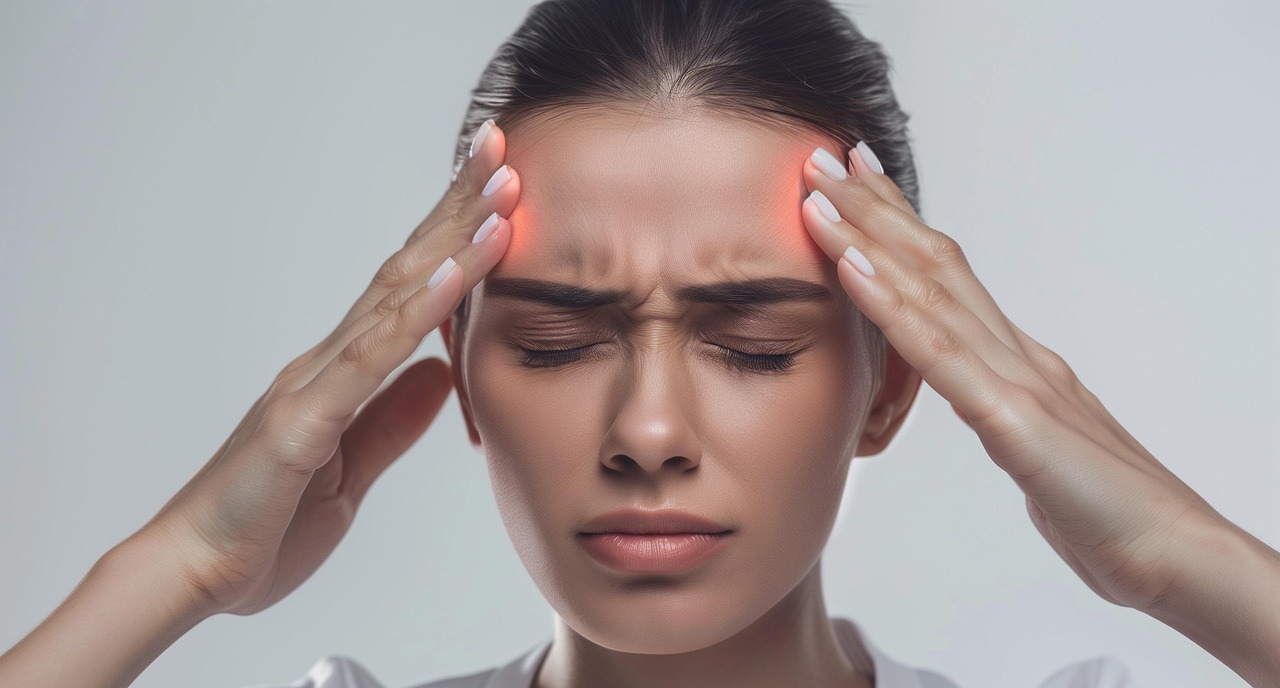
    Migraines are more than just a bad headache—they’re a full-body disruption that can leave you sidelined for hours or even days. If you’ve ever felt the throbbing pain, the sensitivity to light and sound, or the overwhelming nausea that comes with a migraine, you know just how debilitating they can be.

    For many, finding relief is a frustrating cycle of trial and error with medications, lifestyle changes, and remedies that don’t consistently deliver. But what if there was a way to manage migraines effectively without relying solely on pills? Enter the HeadaTerm 2 Migraine Headache Relief Device—a sleek, non-invasive solution designed to help you take control of your migraines and your life.

    A Prescription-Free, Clinically Proven Solution

    The HeadaTerm 2–a new generation migraine relief device developed by Canadian company WAT Medical–is an FDA-approved, over-the-counter (OTC) device, making it a safe and accessible option without the need for a prescription. Supported by clinical studies published in the American Journal of Emergency Medicine, this device has been recognised by authoritative medical bodies, including the American Medical Forum (AMF), reinforcing its credibility and effectiveness. Additionally, it qualifies for FSA/HSA payment, making it an affordable choice for many migraine sufferers.

    How HeadaTerm 2 Works–And Why It Stands Out

    The HeadaTerm 2 is all about precision and innovation. Delivering controlled electrical impulses to the trigeminal nerves on your forehead stimulates the release of endorphins—your body’s natural painkillers. This approach directly targets the root causes of migraine pain, making it a powerful alternative to medication. Best of all, it’s safe, clinically tested, and free from the side effects often associated with oral treatments. Unlike traditional painkillers that may cause drowsiness, nausea, or dependency, HeadaTerm 2 provides a natural, side-effect-free way to manage migraines.

    When it comes to migraine relief, the HeadaTerm 2 excels in three key areas:

    • Relieving Acute Symptoms: Need fast relief? The HeadaTerm 2 is 58% effective in significantly reducing migraine intensity, helping you regain control over your day.
    • Reducing Migraine Pain: With an 86% success rate in lowering pain levels, it’s ideal for those who struggle with the debilitating effects of migraines.
    • Preventing Future Attacks: The device can reduce migraine occurrence by up to 64%, offering long-term relief and a more manageable future.

    Studies published in Emergency Medicine show that the HeadaTerm 2 is 35% more effective than traditional oral medications, making it a game-changer in migraine management.

    Customised Relief for Every Migraine Sufferer

    Every migraine is different, and the HeadaTerm 2 adapts to your needs with nine adjustable stimulation levels, allowing for a personalised treatment experience. Whether you’re dealing with a mild headache or a severe migraine, you can fine-tune the intensity to suit your pain threshold. For particularly tough days, you can manually start another session after the device completes its standard cycle.

    The HeadaTerm 2 is also designed with comfort in mind. Made from hypoallergenic medical-grade silicone and featuring advanced conductive gel, it sits gently on your forehead, weighing just 0.0198 pounds—so lightweight, you might forget you’re wearing it!

    Portable, Rechargeable, and Always Ready

    Portability is a major advantage of the HeadaTerm 2. Its compact design and included storage box make it easy to carry wherever you go—whether to work, on a trip, or during a day out. The rechargeable battery provides up to 5 standard treatment sessions per charge, ensuring you’re always prepared when a migraine strikes.

    Clinically Proven and Approved

    When it comes to your health, trust and safety are essential. The HeadaTerm 2 is clinically proven and approved for OTC use, offering a non-invasive, prescription-free solution that integrates seamlessly into your daily routine. With clinical backing and endorsements from reputable medical institutions, it’s a migraine relief option you can rely on. Moreover, many users report feeling significant relief within the first 30 minutes of use. One satisfied user shared: ‘I used to rely on painkillers, but with HeadaTerm 2, my migraines have become much more manageable.’

    Take Back Control with HeadaTerm 2

    The HeadaTerm 2 isn’t just a device—it’s a tool for empowerment. It provides fast, effective relief without the hassle of traditional treatments, helping you regain control over your life. Whether you’re battling an acute attack, managing ongoing pain, or looking to prevent migraines altogether, this device has you covered.

    Living with migraines is tough, but you don’t have to do it alone. The HeadaTerm 2 offers a safe, customisable, and portable solution to one of life’s most frustrating challenges. Why settle for anything less when you have drug-free migraine relief at your fingertips? It’s time to tame the pain and take back your days, one session at a time.

    Source link

  • Journavx, New Type Of Non-Opioid Pain Relief Drug Gets FDA Approval

    Journavx, New Type Of Non-Opioid Pain Relief Drug Gets FDA Approval

    The U.S. Food and Drug Administration (FDA) has approved Suzetrigine, a new non-opioid pain relief drug sold under the brand name Journavx, to treat moderate to severe acute pain in adults.

    Journavx from Vertex Pharmaceuticals marks the first new class of pain reliever to receive FDA approval in over two decades. It will be sold as 50-milligram prescription pills that work by blocking pain signals at their source by targeting sodium channels in the nervous system and stopping pain before it reaches the brain.

    “Today’s approval is an important public health milestone in acute pain management. A new non-opioid analgesic therapeutic class for acute pain offers an opportunity to mitigate certain risks associated with using an opioid for pain and provides patients with another treatment option. This action and the agency’s designations to expedite the drug’s development and review underscore FDA’s commitment to approving safe and effective alternatives to opioids for pain management,” Dr. Jacqueline Corrigan-Curay, acting director of the FDA’s Center for Drug Evaluation and Research said in a news release.

    Non-opioid pain relief is a crucial step forward in addressing the ongoing opioid crisis. With over 80 million Americans requiring pain relief, around half are prescribed opioids. However, nearly 10% of those initially prescribed opioids end up using them long-term, and about 85,000 develop opioid use disorder each year. Non-opioid alternatives offer a safer option for pain management, reducing the risk of dependency.

    According to the manufacturer, Journavx is a well-tolerated, effective pain reliever with no signs of addictive potential, designed for all types of moderate to severe acute pain.

    The efficacy of the drug was tested in two clinical trials involving surgical pain, one after tummy tuck surgery (abdominoplasty) and the other after bunion surgery. Participants were randomly given either Journavx or a placebo. If pain control was not enough, they could also take ibuprofen for extra relief. Both trials showed that Journavx worked significantly better than a placebo in reducing pain.

    The safety of Journavx was evaluated based on data from two main trials with 874 participants who had moderate to severe acute pain after a tummy tuck or bunion surgery, along with additional data from a smaller study with 256 participants in various acute pain conditions.

    The most common side effects reported were itching, muscle spasms, elevated creatine phosphokinase levels, and rash. Journavx should not be taken with strong CYP3A inhibitors, and patients should avoid grapefruit or grapefruit-containing foods and drinks while using it. The drug will be priced at $15.50 per 50mg pill.

    Source link