Tag: Relaxation

  • Why We Wake Up At Night and How Mindfulness Helps Us Sleep Again

    Why We Wake Up At Night and How Mindfulness Helps Us Sleep Again

    You’re awake, and the time on your nightstand shows 3:33 a.m. There’s no reason to be awake, but your mind has other ideas. Some nights it could be an overactive mind; other times, you’re fighting a hot flash or the urge to scroll on your phone, hoping to fall back asleep.

    Regardless of what’s calling to you in the middle of the night, the message you really need to hear: You’re not alone.

    Nearly 18% of U.S. adults report trouble staying asleep, and 30–50% experience insomnia symptoms, including difficulty falling or staying asleep. And yet, our initial response to waking in the middle of the night tends to lean toward frustration or anger rather than curiosity.

    Dr. Jessica Shepherd asks her readers to be curious about the patterns and symptoms we experience around wakefulness instead of moving towards “fixing” our sleep problem.

    What would happen if we chose to investigate our feelings around wakefulness with self-compassion and mindfulness, instead of pushing against our own discomfort with what’s unwanted? Understanding more about why we wake up at night can help.

    The Nervous System and Sleep Disruption

    When did 3 a.m. become the new wake-up call?  If you’ve slept soundly for most of your life, only to be suddenly confronted with a nightly routine that involves struggling to get back to sleep, know you’re in good company. These “wakeups” happen across ages, genders, and all life stages. Some of us (ahhem, menopause ladies, we see you) begin having some of these issues as a result of hormone shifts (we’ll get into that later).

    What you need to know is that waking in the night is not a personal failure.  Oftentimes, your nervous system responds to cues your body sends, both internal and external. Here are a few reasons why we wake up at night, and why your sleep may be feeling more fragmented:

    • Hyperarousal: Stress hormones like cortisol and adrenaline can trigger micro-awakenings. Even while asleep, your brain is scanning for potential threats.
    • Racing or overloaded mind: Daytime to-do lists, worries, or plans can linger into the night, keeping your brain alert.
    • Environmental triggers: Neighborhood noise, light, temperature swings, or even screens can subtly wake the brain.
    • Aging sleep architecture: As we age, our sleep naturally becomes lighter and more fragmented.
    • Hormonal shifts: As I mentioned above, if you’re in perimenopause or menopause, changes in estrogen, testosterone, and progesterone can significantly affect your sleep cycles. They can disrupt sleep when you’re experiencing hormone imbalances. Still, these shifts are a small part of the overall picture when we consider why many people experience nighttime wakefulness.

    Why starting with curiosity helps

    OB-GYN and author of Generation M, Dr. Jessica Shepherd, asks her readers to be curious about the patterns and symptoms we experience around wakefulness instead of moving towards “fixing” our sleep problem. Here are four questions she poses to help guide reflection: 

    • Is this wake-up due to hot flashes or night sweats?
    • Am I waking repeatedly or having trouble breathing?
    • Is my mind racing too much to fall asleep or fall back asleep?
    • Do I need to use the bathroom frequently at night?

    While Dr. Shepherd is a go-to source for menopausal struggles and solutions, these questions can be used to assess your symptoms, regardless of your age. Typically, mid-morning wakeup calls fall into one of these four categories:  mental overactivity, changes in body or room temperature, repeated environmental disruptions, or physical cues. When we understand the causes and conditions for our experience, we can cultivate a mindful response.

    Why Are My Thoughts Awake at 3 a.m.?

    The main culprit for middle-of-the-night wakefulness can vary from person to person. No matter what time you’re waking up, if it’s before your alarm clock goes off, it’s likely to feel unsettling.

    For those of you in perimenopause or menopause, the shift of our hormones (feeling hot flashes/night sweats) can make us feel very stressed out. As our stress levels rise, so do our cortisol levels. Typically, this stress hormone rises around 3 a.m. to prepare us for waking, but if our stress levels are too high, it can shift that baseline and cause us to wake up earlier than usual.

    Mindfulness offers a different way to approach these interruptions. It nudges us first to accept what’s happening in the present moment, and then to gently turn towards curiosity and self-compassion.

    For those of you who have surpassed that hurdle of menopause or generally have trouble falling asleep or staying asleep, this time of night can feel so much louder than usual. When we’re alone with our thoughts in the middle of the night, our fears can feel heightened. Sleep deprivation heightens amygdala reactivity, making even small anxieties feel intense. Mindfulness can help settle our nervous system by guiding us towards practical tools that help us eliminate spiraling narratives.

    So, how can you shift your perspective when it comes to that mid-morning wake-up? Mindfulness offers a different way to approach these interruptions. 

    We’ve all heard the phrase, What you resist, persists, and you likely know from experience that it doesn’t work to fight sleeplessness or try to force yourself to go back to sleep. 

    Mindfulness nudges us first to accept what’s happening in the present moment, and then to gently turn towards curiosity and self-compassion. So perhaps the questions and phrases we could be engaging with might sound more like, “How can I offer myself compassion when sleeplessness makes itself known?” or, “What is this experience trying to show me?”

    Look for clues in your daily routines

    Sleep expert and author of Powerful Sleep, Shawna Robins, encourages people who have trouble navigating the “wide-awake” brain by taking a look at what they’re doing during the day.

    She emphasizes laying the groundwork for a healthy routine (meals, exercise, self-care) that supports hormone balance and your nervous system. For Robins, that begins with stress management, proper nutrition, and some form of physical activity. When we do these things, sleeping, and specifically “falling asleep” or returning to sleep after that three o’clock wake-up, can get much easier. Robins says, “Healthy sleep starts during the daytime with healthier habits. It’s not just about what happens when you get into bed at night.”

    Mindful Sleep Strategy

    What does a mindfulness strategy look like for cultivating good sleep? Think about all the tools you’ve developed over the course of your mindfulness journey and start putting them to use.

    Sleep supports the choices we make before bed.

    That means journaling, sitting regularly, mindfully eating and noticing the times you’re eating. It can also involve checking in with your physical body (think body-scan meditation or breathwork), coupled with daytime routines (yoga/gym workout, exercises you can do throughout the day at work/your desk, etc.) that will help create a stable space for you to reset your energy and recalibrate your nervous system. Sleep supports the choices we make before bed.

    If you find yourself up in the middle of the night and can’t get back to sleep, here are some different ways you can try to help yourself. 

    1.  30-Second Body Scan
      Redirect attention from racing thoughts to physical sensations, noticing each part of the body without judgment.
    2. Lengthened Exhale Breathing (4–6 breaths)
      Extending the exhale calms the parasympathetic nervous system, signaling the body that it is safe to rest.
    3. Thought Noting
      Label thoughts gently (“I’m worrying,” “I’m planning”) to create mental distance.
    4. Journaling
      Keep a notepad by the bed to externalize racing thoughts and reduce cognitive load.
    5. Gentle Somatic Grounding
      Release tension in the jaw, shoulders, or belly to help the body signal safety.

    Nighttime wakefulness often coincides with vivid or emotionally charged dreams. Sansan Fibri, founder of the app Wakefully.io, describes dreams as “our subconscious screenplay, where hidden narratives sometimes replay on repeat.”

    Wakefully is an AI-driven dream-analysis and journaling app that allows users to examine dream themes and emotions or reframe dreams with evidence-based techniques. For those who wake at night due to intense dreams or lingering emotional tension, incorporating tools like Wakefully alongside your mindfulness practice can help shift into a more reflective space, calming a reactive mind. With curiosity, gentle awareness, and practical tools, you can transform these moments into opportunities for connection with your body and mind.

    When we approach sleep with mindfulness,  we can meet moments of wakefulness with curiosity instead of frustration, helping us meet them in the middle of the night with presence and ultimately a sense of well-being.


    Source link

  • A Teaching and Meditation to Relax and Welcome Deep Rest

    A Teaching and Meditation to Relax and Welcome Deep Rest

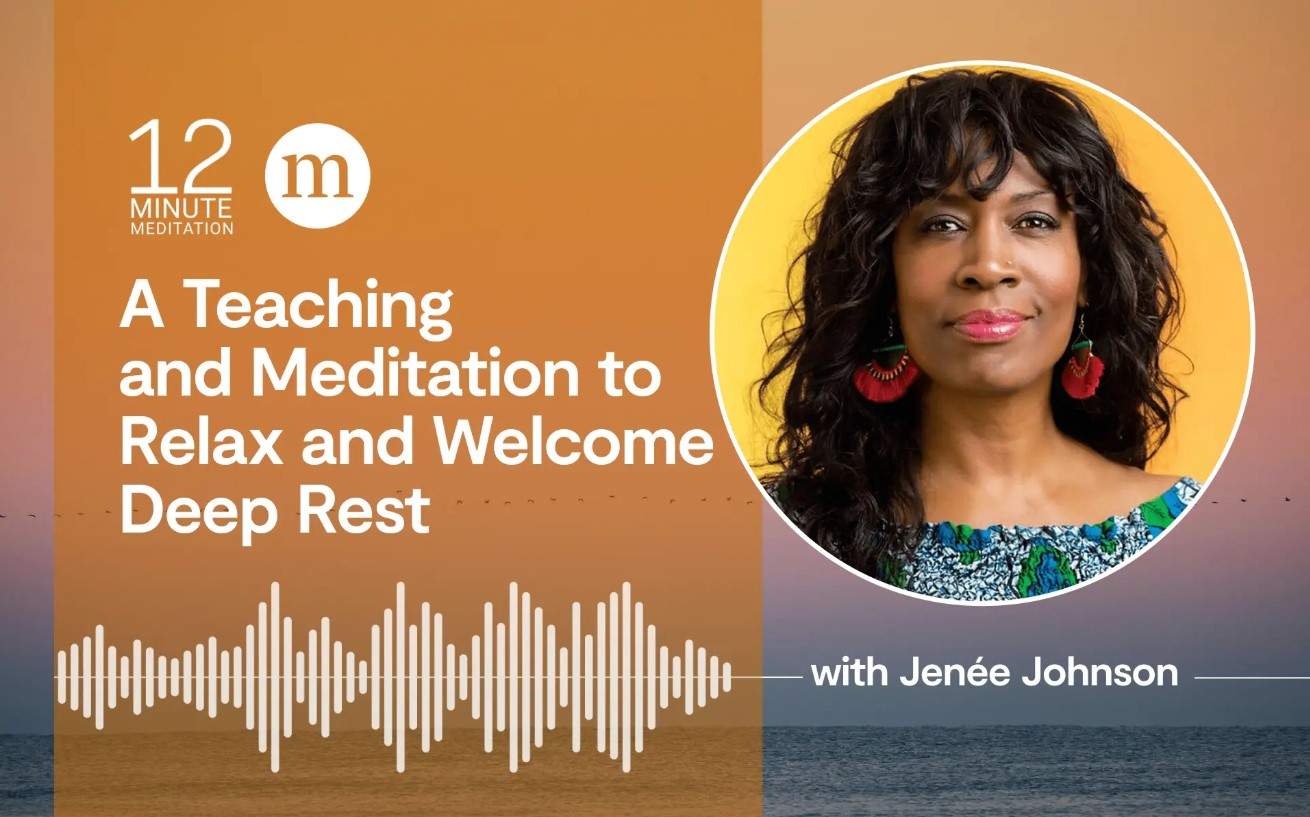
    In today’s offering, Jenee Johnson guides us through a teaching on the why and how of deep relaxation practices, along with a meditation you can do anytime.

    Rest isn’t a “reward” for working hard enough. It’s a human need and birthright. 

    This week’s episode is a little different. We’re not only sharing a guided meditation from mindfulness leader and professional coach Jenée Johnson, but also her teaching on some of the brain science behind relaxation—why it’s essential for our well-being, how it works, and how to incorporate intentional relaxation practices into your daily life.

    Jenée Johnson is the founder of the Right Within Experience, where she works to cultivate the experience of inner calm, resilience, self-love, and joy through meditation and mindfulness practices for people of African ancestry. She is also the former program innovation leader at the San Francisco Department of Public Health, Mindfulness, Trauma and Racial Healing.

    A Teaching and Meditation to Relax and Welcome Deep Rest

    At some point during the day, the body will signal us that it is time to rest, to be still, to withdraw from activity, to be quiet, to take the journey from sound to silence. The mind and body need moments when they can be at ease, free from agitation, pressing, planning, or even celebration. 

    Stress and trauma and tension play a role in our ability to rest and relax. Therefore, it is so important to do daily “relaxation drills” to help counter the bad effects that stress has on the human body. According to Dr. Frank Staggers Jr., people who do daily relaxation drills remain healthier, have more energy, and think more clearly. This is why it’s important to take 20 minutes, once or twice daily, to deeply relax. 

    An effective deep relaxation technique is known as quiet sitting or free-floating relaxation. You simply sit quietly for about 20 minutes and allow your mind to float freely until it settles down. Don’t think about anything in particular. Don’t concentrate on anything. Just allow your mind and body to settle down naturally on its own. 

    An effective deep relaxation technique is known as quiet sitting or free-floating relaxation. You simply sit quietly for about 20 minutes and allow your mind to float freely until it settles down.

    In order to deeply relax, you must let thoughts come and go as they please. As you are relaxing, some thoughts may spontaneously rush through your mind. That’s okay. Don’t worry about these thoughts. Don’t exert yourself by trying to block these thoughts. Don’t dwell on these thoughts, either. Just remain passive. Leave the thoughts alone, and the thoughts will gradually fade into the background so you can continue to relax. 

    The scientific term for the deep state of awake relaxation is the alpha state. This is because the brain calms and produces smooth, harmonious waves called alpha brain waves when it is completely relaxed. The alpha brainwaves have a frequency of eight to 12 cycles per second, whereas arousal or excitation brain waves, called beta brain waves, are much faster at 13 to 40 cycles per second. The alpha state is usually associated with widespread relaxation throughout the entire body and a healthy lowering of the body’s metabolism. 

    Activities like watching TV, listening to the radio, reading, sewing, or fishing will not hit the alpha deep relaxation state, because these activities still place demands on the brain and keep the brain too busy to completely relax. This means that these activities may get you to the shallow states of relaxation, but they won’t get you into deep states of relaxation. Even sleep will not hit the alpha deep relaxation state, because the brain remains very active during sleep, especially during dreaming. 

    Even after sleep, you can still be stressed out. Relaxation drills allow your mind and body to hit the deep states of relaxation.

    Therefore, while obviously essential for multiple other functions, sleep does not completely relax the brain or counter stress. Even after sleep, you can still be stressed out. Relaxation drills allow your mind and body to hit the deep states of relaxation. So settle back, and let’s try a practice together.

    Read and practice the guided meditation script below, pausing after each paragraph. Or listen to the audio practice.

    1. Sitting in an upright but relaxed position, drop your gaze or close your eyes. Take a deep breath in and an audible exhale out. Breathing in and breathing out, sitting quietly, free floating, invite your body to relax.
    2. When we simply sit and breathe, we activate the body’s calming response. It allows the brain to display the calm, smooth, harmonious waves called alpha brain waves—like the waves of the ocean, coming in to the shore and rolling back out. Coming in and going out. Breathing in and breathing out. Relax.
    3. Drop your shoulders, relax the jaw, and unfurl your brow. Allow your mind to float freely until it settles down. Let thoughts come and go as they please.
    4. Bring your attention back gently to your breath. Don’t exert yourself trying to block thoughts. Just remain passive and remind your body that we’re sitting now, we’re breathing now, we’re relaxing now. Sit quietly, stay with your breath. Like the waves of the ocean, breathing in, breathing out. Let thoughts fade into the background. Relax. To be still, to be quiet, to be at ease. This is the gift of relaxation.


    Source link

  • Unlocking the Secrets of Sleep, Energy and Relaxation: The Role of Cannabinoids

    Unlocking the Secrets of Sleep, Energy and Relaxation: The Role of Cannabinoids

    Let’s face it—nobody’s getting enough sleep, everyone’s running on fumes, and true relaxation is a myth sold to us by overpriced spas and meditation apps.

    The modern world doesn’t let up, and instead of fighting it, people are looking for ways to hack their biology. Enter cannabinoids—those curious little compounds in cannabis and hemp that promise to take the edge off without the messiness of pharmaceuticals.

    CBD, CBN, THCv—these aren’t just random letters thrown together to confuse you. Each one does something different, and depending on what you’re after (better sleep, more energy, or the ability to chill the hell out), you might want to pick one over the other.

    Mellow Fellow is one of the leading sellers and providers of Cannabinoids; let’s break them down so you know what’s best for you.

    CBN: The Sleepytime Cannabinoid That Might Just Work

    If you’ve ever smoked an old bag of weed and passed out, you’ve unknowingly met CBN.

    CBN, the lesser-known sibling of CBD, has earned a reputation as a natural sedative. Dubbed the “sleep cannabinoid,” it’s gaining traction despite limited scientific backing. With mounting anecdotal claims, it’s positioning itself as a contender in the world of sleep remedies.

    CBN is created when THC degrades—so, in a way, it’s weed that’s aged like a fine whiskey. It doesn’t get you high, but it does seem to bring on a wave of relaxation that can lull you into sleep. Many people looking to ditch melatonin (which can leave you groggy and mess with your dreams) are experimenting with CBN instead. Products like CBN-infused gummies and tinctures are popping up everywhere, promising deep, uninterrupted sleep without the heavy-headed crash the next morning.

    Mellow Fellow

    Does it work for everyone? No. Some people swear by it, while others say it does nothing but lighten their wallet. But if you’ve cycled through all the usual sleep aids and still find yourself staring at the ceiling at 3 AM, it might be worth a shot.

    THCv: The Adderall of Weed?

    On the complete opposite end of the spectrum, there’s THCv—the supposed “energy cannabinoid.” If you’re expecting a THC-like high, don’t. THCv has more in common with a double shot of espresso than a lazy Sunday blunt. Some people call it “Weederall” because it’s been linked to increased focus, motivation, and even appetite suppression (yes, you read that right—THCv can suppress the munchies rather than trigger them).

    Mellow Fellow

    Dubbed “diet weed” by some, THCv is the latest fascination for those chasing productivity. It’s marketed as a stimulant alternative—energy without the edge, focus without the fallout. Though solid evidence is scarce, the buzz around its ADHD and energy-boosting potential is hard to ignore.

    Of course, it’s not a miracle cure. If you’re pulling all-nighters and living off fast food, no amount of THCv is going to save you. But if you’re looking for a little extra mental clarity without resorting to prescription stimulants, it could be an interesting experiment.

    CBD: The Classic Chiller

    Mellow Fellow

    CBD has cemented itself as the go-to cannabinoid that doesn’t intoxicate. Marketed as a fix for anxiety, aches, and everything between, it’s the quiet workhorse of the wellness scene. The real question is: does it actually work?

    The answer, annoyingly, is it depends. CBD hits differently for everyone. For some, it’s a ticket to calm; for others, it’s just expensive placebo. Despite the mixed results, its reputation as a subtle remedy for stress, anxiety, and workout recovery keeps growing. Forget instant Zen; this is more like a gentle nudge toward calm. Compared to THC, it’s the sober friend at the party—no paranoia, no head fog, just the right amount of chill..

    So, Which One Should You Try?

    It all comes down to what you need:

    • If you can’t sleep: Try CBN and see if it works better for you than melatonin.
    • If you need focus and energy: Look into THCv—it might be the closest thing to a natural stimulant.
    • If you just need to relax without losing your edge: Good old CBD is still a solid bet.

    Of course, none of these are magic pills. Sleep, energy, and relaxation are all tied to lifestyle choices, and no amount of cannabinoids will fix a terrible diet, no exercise, and a phone addiction that keeps you up until 2 AM. But if you’re looking for an extra edge—something to nudge your body in the right direction—CBD, CBN, and THCv might be worth exploring.

    Amazon might not let you buy them (yet), but trust me, they’re out there.

    Source link

  • How to Meditate in Bed: Start or End Your Day With This Restful Practice

    How to Meditate in Bed: Start or End Your Day With This Restful Practice

    While this article has been reviewed for accuracy and fairness by Mindful editors, some material in this article was generated by AI. To learn more about our AI practices and why we sometimes use AI to generate content, please see our statement here.

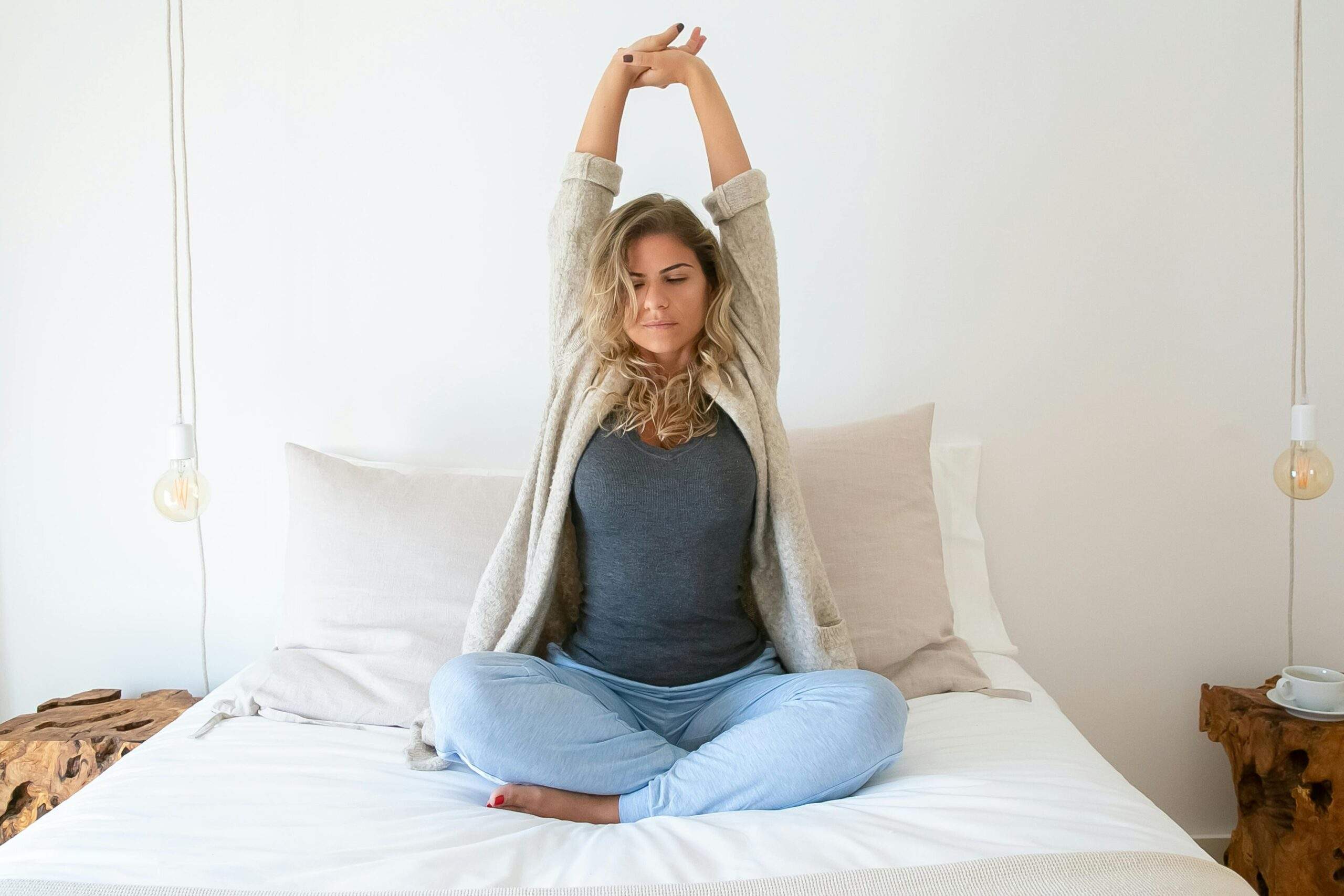
    We often imagine a standard meditation practice taking place in a seated position, but sitting is certainly not the only way to get a great meditation session. In fact, one of the most accessible places to meditate is a space where we already spend a third of our lives: in bed. If you’re wondering how to meditate in bed, you’ll find what you need to get started in this simple guide, complete with techniques, benefits, and tips to make the most of this restful practice.

    Whether you’re looking to begin your day with clarity, or you’re seeking a soothing practice to quiet your body and mind before sleep, meditating in bed offers a gentle and practical way to weave mindfulness into your routine.

    Why Learn How to Meditate in Bed?

    Meditating in bed isn’t just convenient—it can also be beneficial. Here’s why this practice is worth exploring:

    1. Accessibility:
      First of all, at the beginning or end of each day, you’re already there! No need for a special cushion or designated space. Plus, this position can be easier and more comfortable for people with chronic pain or mobility challenges that make traditional seated postures painful or impossible.
    2. A Versatile Option to Add to Your Mindfulness Toolkit:
      You can meditate in bed while sitting, lying on your back, or resting on your side. And while you might not feel like meditating in bed every day, it can be a great option for times when you aren’t feeling well, or you’re recovering from an injury or medical procedure that makes sitting uncomfortable. 
    1. A Gentle Start or End to the Day:
      Morning meditations set the tone for mindfulness and focus, while evening meditations help transition from the day’s busyness to restful sleep.
    1. Stress and Sleep Support:
      Mindfulness meditation has been shown to reduce stress and improve sleep quality, making it an ideal practice for those struggling with insomnia or racing thoughts at night.
    1. Body Awareness and Relaxation:
      In bed, you’re naturally lying down or reclining, a posture that can encourage deep relaxation and help you connect with your body in a soothing way.

    How to Prepare for Meditating in Bed

    Creating the right environment can significantly enhance your meditation experience. Here are a few steps we recommend to set the stage:

    1. Reduce Distraction:
      This can include anything from taking a few minutes to declutter the space, making sure your phone is silenced or off, or taking care of a small to-do that might be nagging your mind. 
    1. Dim the Lights:
      Soft lighting or total darkness can help signal your brain that it’s time to wind down. If it’s safe to do so, a lit candle can also be soothing. (For example, if you know you’re prone to falling asleep during this type of meditation, candles might not be the best option.) 
    1. Limit Noise:
      Use earplugs, a white noise machine, or calming background sounds like ocean waves or rain if you’re in a noisy environment.
    1. Dress Comfortably:
      Wear loose, comfortable clothing or pajamas that don’t restrict your movement or breath.
    1. Avoid Screens:
      If you’re using this time to wind down at night, minimize screen time for at least 30 minutes before bed to reduce blue light exposure and prepare your mind for stillness.

    Techniques for Meditating in Bed

    While most meditations can be done sitting, standing, or reclining, there are several meditation methods tailored for bed, each addressing different goals like relaxation, mindfulness, or stress relief. Here are some of our favorites:

    1. Body Scan Meditation

    The body scan is a soothing technique that helps you become aware of physical sensations, tension, and areas of relaxation.

    How to Meditate In Bed with a Body Scan:

    1. Lie flat on your back with your arms resting at your sides. Close your eyes.
    2. Begin by focusing on your breath. Take slow, deep breaths in through your nose and out through your mouth.
    3. Starting at the top of your head, bring your awareness to each part of your body. Notice sensations—warmth, tension, or lightness.
    4. Slowly work your way down your body: forehead, jaw, neck, shoulders, arms, chest, stomach, hips, legs, and feet.
    5. If you notice tension, imagine sending your breath there to gently release it.
    6. Once you’ve scanned your whole body, rest in the stillness you’ve created.

    2. Breath Awareness Meditation

    Focusing on the breath is a foundational meditation practice that calms the mind and anchors you in the present moment.

    How to Meditate In Bed with Breath Awareness:

    1. Lie comfortably on your back or side, closing your eyes.
    2. Inhale deeply through your nose for a count of four, hold for a count of two, and exhale slowly through your mouth for a count of six.
    3. Pay attention to the sensation of air moving in and out—cool air entering, warm air leaving.
    4. If your mind wanders, gently guide it back to the rhythm of your breath.
    5. Continue for 5–15 minutes or until you feel a sense of calm.

    3. Guided Visualization

    This technique uses imagery to create a sense of peace and relaxation, perfect for setting a vision for your upcoming day, or winding down before sleep.

    How to Meditate In Bed with a Guided Visualization:

    1. Find a guided meditation app or audio recording, or create your own imagery.
    2. As you lie in bed, close your eyes and picture a serene setting, like a tranquil beach, a quiet forest, or a warm, glowing light surrounding you.
    3. Use all your senses: imagine the sounds, scents, and textures of your visualization.
    4. Let the imagery carry you into a deep state of relaxation.

    4. Loving-Kindness Meditation (Metta)

    Loving-kindness meditation is a practice of directing goodwill and compassion toward yourself and others. This can be particularly powerful before you head into work (focusing your attention on compassion for those you’ll encounter during the day) or as a way to re-center after a stressful day. 

    How to Meditate In Bed with Metta Meditation: 

    1. Begin in a comfortable lying position, eyes closed.
    2. Take a few deep breaths and focus on feelings of warmth and love.
    3. Silently repeat phrases like:
      • “May I be happy.”
      • “May I be healthy.”
      • “May I be safe.”
    4. Gradually expand your focus to others: first someone you love, then a neutral person, and finally someone you’ve struggled with.
    5. End by sending loving-kindness to all beings everywhere.

    5. Counting or Word Meditation

    For those who struggle with a racing mind, creating a single, simple point of focus can help to slow thoughts and bring calm to the body and mind. Counting works, or choosing a short  word or phrase can also be useful. 

    How to Meditate In Bed with Counting or a Simple Word:

    1. Lie on your back and close your eyes.
    2. Begin counting your breaths: inhale as “one,” exhale as “two,” and so on up to ten.
    3. If you’re using a word or phrase, you can repeat it on each inhale and exhale, or you can use the inhale for the first part of the phrase and the exhale for the second. For example, you could say something like, (inhale) I greet this day, (exhale) with gratitude and openness. 
    4. If your mind wanders, which it will, just start again without judgment.
    5. Repeat this process until you feel centered and calm.

    Read more and follow along with the audio here: A Mindful Breath-Counting Practice for Teens and Tweens

    6. Yoga Nidra

    While it has many overlaps with traditional meditations practices, Yoga Nidra is a restorative and intention-setting practice that’s been around for centuries. It is a form of non-sleep deep rest (NSDR) that activates the brain’s delta waves, which allows the body to enter the “rest and digest” state. It has been shown to bring deep relaxation, mental clarity, and a calm, revitalized energy. Notably, it’s an effective practice for reducing anxiety. 

    How to Meditate in Bed with Yoga Nidra: 

    • Get comfortable on your back with your feet about shoulder width apart and your arms by your sides. 
    • Set an intention (called a Sankalpa) for your practice. This could be something like, I am courageous, My true nature is love, or, I am a conduit for peace in the world. 
    • Remind yourself that you will remain awake throughout the practice. 
    • Focus on different parts of your body, feeling their weight and then their lightness. 
    • Witness all thoughts and feelings that arise, welcoming them with compassion, not trying to “fix” them, and just allowing them to pass. 
    • Reflect on your intention for the practice and affirm it with your mind and body. 

    You can learn more about the practice of Yoga Nidra and experience seven full guided sessions with teacher Kelly Boys in our Yoga Nidra course

    Tips for Meditating In Bed as an Ongoing Practice

    As with any meditation practice, it might take some time to find what works best for you. As you explore adding this approach to your mindfulness toolkit, here are a few tips to keep in mind: 

    1. Be Patient with Yourself:
      Your mind will wander—this is normal. Gently bring your focus back to the practice without self-criticism.
    1. Experiment with Positions:
      While lying on your back is common, this might be uncomfortable for people with low back issues. It’s okay to lie on your side, prop your knees up, or lie at a 45º angle with pillows under your shoulders, neck, and head if that’s more comfortable.
    1. Use Props for Comfort:
      Pillows under your knees or a weighted blanket can enhance relaxation.
    1. Set a Time Limit (or Don’t):
      Meditate for a specific duration, or simply let the practice carry you into sleep.
    1. Be Consistent:
      Make meditation a nightly or morning ritual. The more you practice, the easier it becomes to slip into a meditative state.

    How to Meditate In Bed: Benefits You Can Experience

    As you experiment with different techniques and times of day, see what you notice about how you’re feeling. Here are some benefits you might experience as you develop your practice: 

    1. Improved Sleep Quality:
      Meditating before bed can help quiet the mind, release tension, and prepare your body for restful sleep.
    1. Reduced Anxiety and Stress:
      Mindfulness lowers cortisol levels, promoting a sense of calm and balance.
    1. Enhanced Emotional Regulation:
      Regular meditation can help you approach challenges with greater resilience and clarity.
    1. Improved mindset or outlook:
      Morning meditation sets a positive tone, fostering mindfulness, curiosity, and focus throughout the day.
    1. Deepened Self-Awareness:
      Spending time with your thoughts and body creates a stronger connection with yourself.

    A Cozy, Comfy Way to Grow Your Mindfulness Practice

    Meditating in bed is a versatile, gentle way to bring mindfulness into your life. Whether you’re looking to start your day with clarity or unwind into restful sleep, the techniques shared here can help you create a sense of peace and connection.

    The beauty of bed meditation lies in its simplicity—you don’t need fancy tools or hours of practice. All you need is your breath, your body, and a willingness to be present. Over time, this practice can transform not just your sleep but also your overall well-being.

    FAQs

    What if I fall asleep during meditation?

    It’s common to fall asleep while meditating in bed, especially at night. This isn’t necessarily a bad thing! If your goal is to wind down and sleep better, drifting off during meditation means your practice is working. However, if you’re aiming for focused mindfulness, consider meditating sitting upright earlier in the day.

    Can I combine meditating in bed with other types of meditation?

    Of course! Meditation can be done anytime, anywhere, and any way you like. Just find what works for you. You can even combine practices if you like—for example, using yoga stretches to help you relax before bed. 

    When I learn how to meditate in bed, do I get the same benefits as other types of meditation?

    Yep! Meditating in bed still increases relaxation, lessens stress, balances the nervous system, enable better sleep, improves mood, and offers a host of other physical, emotional, and mental benefits.


    Source link

  • Escape the Ordinary: Unique Staycation Ideas for Adventure-Seekers and Relaxation Lovers Alike

    Escape the Ordinary: Unique Staycation Ideas for Adventure-Seekers and Relaxation Lovers Alike

    Escape the Ordinary: Unique Staycation Ideas for Adventure-Seekers and Relaxation Lovers Alike

    Are you tired of the same old routine? Feeling stagnant and in need of a break from the monotony of daily life? Look no further! A staycation is the perfect opportunity to rejuvenate, recharge, and rediscover yourself in a new and exciting way. But, we’ll show you how to elevate your staycation game with unique and adventurous ideas that cater to both thrill-seekers and relaxation lovers alike.

    Nature Escapes: Connect with the Great Outdoors

    Are you ready to immerse yourself in nature and connect with the world around you? Look no further than a treehouse stay, a luxury eco-lodge, or a secluded cabin nestled in the woods. Experience the serenity of being surrounded by towering trees, the sound of birds chirping, and the gentle rustling of leaves.

    • Treehouse Stays: Imagine waking up surrounded by trees and spending your days exploring the forest canopy. Treehouse stays offer a unique experience where you can stay in a cozy, elevated abode amidst the branches of a majestic tree.
    • Luxury Eco-Lodges: For a more luxurious and sustainable stay, consider an eco-lodge that combines luxury with nature. These lodges often feature private decks, hot tubs, and stunning views of the surrounding landscape.
    • Secluded Cabins: Retreat from the world in a secluded cabin, cozy and intimate, where you can spend your days hiking, fishing, or simply relaxing by the fireplace.

    Urban Adventures: Explore the City Unplugged

    Leave the confines of your home and immerse yourself in the vibrant energy of the city. Unwind with a freewheeling food tour, discover hidden gems in a street art scavenger hunt, or experience the rush of an indoor skydiving adventure.

    • Food Tours: Embark on a walking food tour that will take you through the flavors and aromas of the city. From artisanal cheeses to niche cocktails, explore the culinary scene and taste the best local flavors.
    • Street Art Scavenger Hunt: Unlock the secrets of the city’s vibrant street art scene with a scavenger hunt that takes you to murals, galleries, and local artist hotspots.
    • Indoor Skydiving: For the ultimate adrenaline rush, experience the thrill of flying through the air without ever jumping out of a plane. Indoor skydiving simulates a real free fall experience, making you feel weightless and free.

    Rustic Getaways: Farmhouses, Vineyards, and Ranches

    Experience the simple pleasures of country life in a rustic farmstay, a wine tasting experience at a scenic vineyard, or a horseback ride across a picturesque ranch.

    • Farmhouses: Live life on a working farm and help with the daily chores. Experience the satisfaction of harvesting your own food, collecting eggs from the chicken coop, or riding a tractor through the fields.
    • Vineyard Stays: Unwind in the rolling hills of a vineyard stay where you can help with grape harvesting, enjoy wine tastings, and savor a locally brewed dinner.
    • Ranch Adventures: Explore the great outdoors with a horseback ride across a picturesque ranch. Explore trails, watch for wildlife, and experience the thrill of horseback riding.

    Cultural Escapes: Experience Local Heritage

    Dive into the city’s history, culture, and traditions with a museum visit, a historical walking tour, or a local arts festival.

    • Museum Visits: Explore the rich history of the city through its museums and art galleries. From art movements to historical artifacts, discover the stories behind the exhibits.
    • Historical Walking Tours: Get a taste of the city’s rich past with a guided walking tour that takes you through historical landmarks, street art, and iconic architecture.
    • Local Arts Festivals: Experience the vibrant cultural scene with a local arts festival that showcases music, dance, theater, and more.

    Relaxation Retreats: Meditate, Unwind, and Rejuvenate

    Escape the stress of everyday life and retreat to a peaceful oasis. Enjoy yoga, meditation, and spa treatments at a traditional Zen temple, or rejuvenate in a luxurious mountain lodge.

    • Zen Retreats: Find inner peace in a serene Zen retreat where you can practice yoga, meditation, and mindfulness. Disconnect from the world and reconnect with yourself.
    • Spa Retreats: Treat yourself to a rejuvenating spa treatment where you can pamper yourself with massages, facials, and more. Relax in a peaceful atmosphere and let go of all tension.
    • Mountain Lodges: Unwind in a luxurious mountain lodge surrounded by breathtaking views and tranquil silence. Enjoy the beauty of nature and rejuvenate your mind, body, and soul.

    Conclusion

    A staycation offers a world of possibilities for adventure-seekers and relaxation lovers alike. Whether you’re looking to explore the great outdoors, immerse yourself in local culture, experience the thrill of adventure, or relax and rejuvenate, there’s a unique staycation idea waiting for you. Take a break from the ordinary and embark on a journey that will leave you feeling refreshed, inspired, and ready to take on the world.

    FAQs

    • Q: How do I choose a staycation that’s right for me?

      A: Consider your interests, preferences, and goals for your staycation. Research and choose an experience that aligns with your needs and desires.

    • Q: What’s the best way to plan a staycation?

      A: Plan ahead by researching the location, activities, and accommodations. Book in advance to ensure availability and avoid last-minute stress.

    • Q: Can I have a staycation with family or friends?

      A: Absolutely! Staycations are perfect for sharing with loved ones. Choose activities that everyone can enjoy and participate in.

  • A 10-Minute Meditation for Relaxation and Ease

    A 10-Minute Meditation for Relaxation and Ease

    When we allow our mind to float freely, says Jenée Johnson, our body releases stress and tension, so that we can truly restore ourselves.

    Relaxation is a practice, like any other. Stress, trauma, and tension can hamper our ability to rest and relax, so we can do “relaxation drills” to get in the habit of full, deep relaxation. Try taking 20 minutes once or twice daily to deeply relax and notice how it effects you during the rest of the day. Just remember not to be hard on yourself if you don’t feel a sense of ease right away. The best tools you can use during meditation are patience, self-kindness, and a comfortable place to sit.

    Relaxation meditation can help us move through our days with more calm, clarity, and awareness. From this place of peacefulness, we’re better equipped to handle challenging situations, to make thoughtful and informed decisions, communicate well, come up with creative ideas, and more.

    A 10-Minute Deep Relaxation Meditation

    1. Start by sitting upright and comfortably, dropping your gaze. Don’t force yourself to relax, but simply sit quietly and allow your mind to float freely until it settles down.
    2. When we simply sit and breathe, we activate the body’s calming response. It allows the brain to display the calm, smooth, harmonious waves called alpha brain waves—like the waves of the ocean, coming in to the shore and rolling back out. Coming in and going out. Breathing in and breathing out. Relax.
    3. Drop your shoulders, relax the jaw, and unfurl your brow. Allow your mind to float freely until it settles down. Let thoughts come and go as they please.
    4. Bring your attention back gently to your breath. Don’t exert yourself trying to block thoughts. Just remain passive and remind your body that we’re sitting now, we’re breathing now, we’re relaxing now. Sit quietly, stay with your breath. Like the waves of the ocean, breathing in, breathing out. Let thoughts fade into the background. Relax. To be still, to be quiet, to be at ease. This is the gift of relaxation.
    The Top 10 Guided Meditations of 2022 

    To help you deepen your mindfulness practice (or get started), we’ve rounded up a list of guided meditations that have resonated most with our readers over the past year. Read More 

    • Mindful Staff
    • December 30, 2022


    Source link

  • Relaxation Station: 10 Unforgettable Staycation Ideas to Unwind and Recharge

    Relaxation Station: 10 Unforgettable Staycation Ideas to Unwind and Recharge

    Relaxation Station: 10 Unforgettable Staycation Ideas to Unwind and Recharge

    Are you feeling burnt out and exhausted from the hustle and bustle of daily life? Do you crave a break from the ordinary routine, but don’t have the time or budget for a luxurious vacation? Look no further! A staycation is the perfect solution to recharge and relax without breaking the bank.

    In this article, we’ll explore 10 unforgettable staycation ideas to help you unwind and rejuvenate. From spa days to outdoor adventures, we’ll cover a range of activities to suit every interest and preference.

    1. Spa Day at Home

    Why go to a spa when you can bring the spa to you? Create a relaxing atmosphere at home by setting up a DIY spa station. Fill the bathtub with warm water, add some calming essential oils, and soak your worries away. Treat yourself to a facial, manicure, or pedicure, and enjoy a quiet evening in with a good book or a movie.

    2. Outdoor Adventure

    Get back to nature and connect with the great outdoors. Plan a hike, go camping, or try kayaking or stand-up paddleboarding. The fresh air and exercise will do wonders for your mood and energy levels. If you’re feeling adventurous, try geocaching, a modern-day treasure hunt that’s perfect for families or solo explorers.

    3. Movie Marathon

    Sometimes, the best way to relax is to indulge in a little me-time. Invite some friends over for a movie marathon, or have a solo viewing session with your favorite films. Set up a cozy movie theater in your living room, complete with blankets, pillows, and snacks. You can even set up a projector and screen for a more authentic cinema experience.

    4. Game Night

    Gather your friends and family for a night of friendly competition and bonding. Choose your favorite board games or video games, and get ready for a fun-filled evening of laughter and excitement. You can even set up a tournament and offer prizes for the winners.

    5. Wine and Cheese Tasting

    If you’re 21 or older, why not indulge in a wine and cheese tasting experience? Choose a few bottles of wine and a variety of cheeses, crackers, and fruit, and set up a sophisticated tasting station in your home. You can even invite friends over for a fun and educational evening.

    6. Yoga or Meditation Retreat

    Take your yoga or meditation practice to the next level with a retreat-style staycation. Find a quiet and peaceful spot in your home, set up a yoga mat, and spend the day practicing various poses and breathing techniques. You can even invite a friend or family member to join you for a fun and relaxing experience.

    7. Brunch and Binge-Watching

    Treat yourself to a decadent brunch at home, complete with mimosas, pancakes, and eggs benedict. Then, spend the afternoon binge-watching your favorite TV shows or movies. You can even invite friends over for a fun and relaxed afternoon of eating and watching.

    8. DIY Crafts and Baking

    Get creative and indulge in some DIY crafts and baking. Choose your favorite recipes and ingredients, and spend the day cooking and decorating. You can even make some fun and unique gifts for friends and family.

    9. Music and Dance Party

    Put on your favorite music and have a dance party like no other. Invite friends over, set up a playlist, and spend the evening dancing and singing along to your favorite tunes. You can even set up a photo booth with props and take fun and silly pictures.

    10. Digital Detox

    In today’s digital age, it’s easy to get caught up in our screens and forget to disconnect. Take a digital detox and spend the day away from your phone, tablet, and computer. Go for a hike, read a book, or take a relaxing bath – anything to help you unwind and recharge.

    Conclusion

    A staycation is the perfect way to unwind and recharge without breaking the bank. Whether you’re a busy professional, a student, or a stay-at-home parent, there are plenty of ways to relax and have fun without leaving your home. From spa days to outdoor adventures, we’ve covered a range of activities to suit every interest and preference. So why not take a break from the ordinary routine and treat yourself to a staycation?

    FAQs

    Q: What is a staycation?
    A: A staycation is a vacation or break that is taken at home or in your local area, rather than traveling to a different location.

    Q: Why should I take a staycation?
    A: Taking a staycation can help you relax and recharge, reduce stress and anxiety, and improve your overall well-being.

    Q: What are some ideas for a staycation?
    A: Some ideas for a staycation include spa days, outdoor adventures, movie marathons, game nights, wine and cheese tastings, yoga or meditation retreats, brunch and binge-watching, DIY crafts and baking, music and dance parties, and digital detoxes.

    Q: Can I invite friends over for a staycation?
    A: Yes, you can definitely invite friends over for a staycation. In fact, having friends over can make the experience even more enjoyable and relaxing.

    Q: Do I need to spend a lot of money to have a staycation?
    A: No, you don’t need to spend a lot of money to have a staycation. You can find plenty of free or low-cost activities to enjoy in your local area.