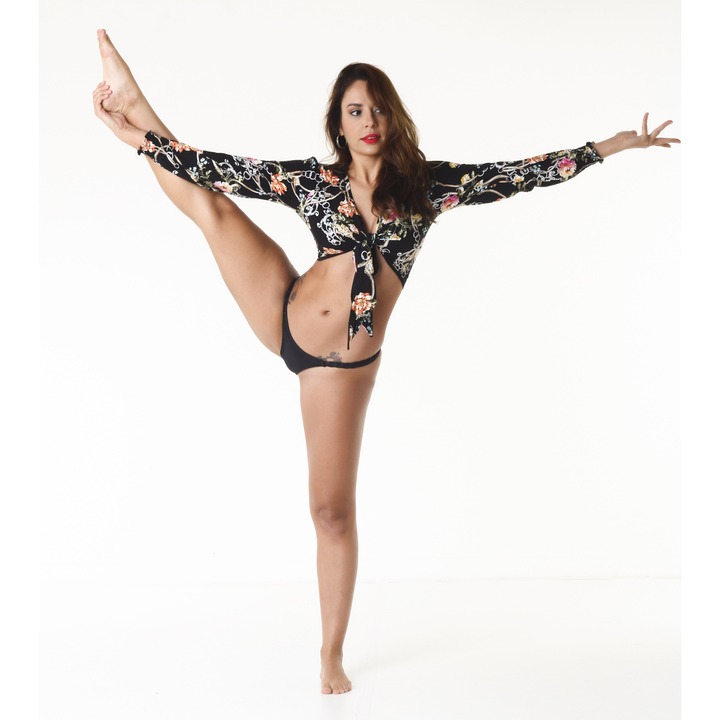
Tag: Range

  • Unlock Full Range of Motion: Top Benefits of Incorporating Mobility Exercises into Your Daily Routine (Keyword: mobility exercises)

    Unlock Full Range of Motion: Top Benefits of Incorporating Mobility Exercises into Your Daily Routine (Keyword: mobility exercises)

    She’s always been someone who values her health and wellness, and as such, she’s always on the lookout for new ways to improve her overall quality of life. Recently, she’s been hearing a lot about the importance of incorporating mobility exercises into her daily routine, and she’s curious to learn more. As she delves deeper into the world of mobility, she’s excited to discover the numerous benefits that these exercises have to offer.

    What are Mobility Exercises?

    To start, it’s essential to understand what mobility exercises are and how they differ from traditional forms of exercise. Mobility exercises are designed to help improve the range of motion in the joints, allowing for more freedom of movement and reducing the risk of injury. These exercises typically involve slow, controlled movements that target specific areas of the body, such as the hips, shoulders, and spine. By incorporating mobility exercises into her daily routine, she can expect to see significant improvements in her overall flexibility, balance, and coordination.

    The Top Benefits of Mobility Exercises

    As she begins to explore the world of mobility exercises, she’s amazed by the numerous benefits that they have to offer. Some of the top benefits of incorporating mobility exercises into her daily routine include:

    • Improved Flexibility: Mobility exercises help to increase the range of motion in the joints, making it easier to move and perform daily activities.
    • Reduced Risk of Injury: By improving flexibility and balance, mobility exercises can help reduce the risk of injury and improve overall athletic performance.
    • Enhanced Athletic Performance: Mobility exercises can help improve power, speed, and endurance, making them a valuable addition to any athlete’s training routine.
    • Better Posture: By strengthening the muscles that support the spine, mobility exercises can help improve posture and reduce the risk of back pain.
    • Reduced Stress and Anxiety: Mobility exercises can help reduce stress and anxiety by releasing tension in the muscles and promoting relaxation.

    Incorporating Mobility Exercises into Your Daily Routine

    Now that she’s aware of the numerous benefits of mobility exercises, she’s eager to start incorporating them into her daily routine. The good news is that mobility exercises are easy to incorporate into even the busiest of schedules. Here are a few tips for getting started:

    • Start Small: Begin with short, 10-15 minute mobility sessions and gradually increase the duration as you become more comfortable with the exercises.
    • Focus on Key Areas: Target areas such as the hips, shoulders, and spine, which are prone to stiffness and limited mobility.
    • Use Online Resources: Take advantage of online resources, such as videos and tutorials, to learn new mobility exercises and stay motivated.
    • Make it a Habit: Incorporate mobility exercises into your daily routine, such as first thing in the morning or right before bed.

    Mobility Exercises for Beginners

    For those who are new to mobility exercises, it can be overwhelming to know where to start. Here are a few exercises that are perfect for beginners:

    • Leg Swings: Stand with your feet hip-width apart and swing one leg forward and backward, then switch to the other leg.
    • Arm Circles: Hold your arms straight out to the sides and make small circles with your hands.
    • Hip Openers: Stand with your feet together and take a large step to one side, keeping your back straight and your front knee bent.
    • Cat-Cow Stretch: Start on your hands and knees and arch your back, lifting your tailbone and head towards the ceiling, then round your back and tuck your chin towards your chest.

    Advanced Mobility Exercises

    For those who are more experienced with mobility exercises, there are a variety of advanced exercises that can help take their practice to the next level. Some examples include:

    • Single-Leg Squats: Stand on one leg, keeping the other foot lifted off the ground, and lower your body down into a squat.
    • Plyometric Exercises: Incorporate explosive movements, such as jump squats and box jumps, to improve power and speed.
    • Mobility Flows: Combine multiple mobility exercises into a flowing sequence, such as a series of leg swings and hip openers.

    Conclusion

    Incorporating mobility exercises into your daily routine can have a significant impact on your overall health and wellness. By improving flexibility, reducing the risk of injury, and enhancing athletic performance, mobility exercises are a valuable addition to any fitness routine. Whether you’re a beginner or an experienced athlete, there are a variety of mobility exercises that can help you unlock your full range of motion and achieve your fitness goals. So why not get started today and experience the numerous benefits of mobility exercises for yourself?

    Frequently Asked Questions

    • Q: What is the best time of day to do mobility exercises?
      A: The best time to do mobility exercises is whenever it feels most convenient for you. Many people prefer to do them first thing in the morning or right before bed.
    • Q: Do I need to warm up before doing mobility exercises?
      A: Yes, it’s a good idea to warm up before doing mobility exercises to prevent injury and improve flexibility.
    • Q: Can I do mobility exercises if I have an injury?
      A: It’s best to consult with a healthcare professional before starting a new exercise routine, especially if you have an injury. They can help you modify exercises to accommodate your needs and abilities.
    • Q: How often should I do mobility exercises?
      A: Aim to do mobility exercises at least 2-3 times per week, and ideally every day if possible.
    • Q: Can mobility exercises help with back pain?
      A: Yes, mobility exercises can help reduce back pain by improving flexibility, strengthening the muscles that support the spine, and reducing tension in the muscles.

    unlock-full-range-of-motion-top-benefits-of-incorporating-mobility-exercises-into-your-daily-routine-keyword-mobility-exercises

  • Unlock Your Full Range: 10 Essential Stretches for Improved Flexibility

    Unlock Your Full Range: 10 Essential Stretches for Improved Flexibility

    She knows that having a full range of motion is essential for maintaining flexibility and preventing injuries. One of the most effective ways to achieve this is by incorporating stretching exercises into her daily routine. In this article, she will explore the top 10 essential stretches for improved flexibility, helping her unlock her full range and take her physical abilities to the next level.

    Understanding the Importance of Flexibility
    She understands that flexibility is not just about being able to touch her toes or do the splits. It’s about having a full range of motion in her joints, which allows her to move freely and comfortably. When she has good flexibility, she can perform daily tasks with ease, improve her athletic performance, and reduce her risk of injury. On the other hand, poor flexibility can lead to stiffness, pain, and limited mobility.

    The Benefits of Stretching
    She has learned that stretching is one of the most effective ways to improve flexibility. By incorporating stretching exercises into her daily routine, she can increase her range of motion, reduce muscle tension, and enhance her overall physical performance. Stretching can also help her recover faster from workouts, reduce muscle soreness, and improve her posture. Moreover, stretching can be a great way to relax and reduce stress, as it allows her to focus on her breath and calm her mind.

    The Top 10 Essential Stretches for Improved Flexibility
    She has identified the top 10 essential stretches that can help her unlock her full range and improve her flexibility. These stretches target major muscle groups, including the neck, shoulders, back, hips, legs, and calves.

    1. Neck Stretch: She starts by slowly tilting her head to the side, bringing her ear towards her shoulder. She holds for 30 seconds and then repeats on the other side. This stretch helps to loosen the muscles in her neck and improve her range of motion.

    2. Shoulder Rolls: She rolls her shoulders forward and backward in a circular motion, repeating for 10-15 repetitions. This stretch helps to relax her shoulder muscles and improve her posture.

    3. Chest Stretch: She stands in a doorway with her hands on the doorframe at shoulder height. She leans forward, stretching her chest and shoulders, and holds for 30 seconds. This stretch helps to open up her chest and improve her range of motion.

    4. Quad Stretch: She stands with one hand against a wall for balance and lifts one leg behind her, keeping her knee straight. She holds for 30 seconds and then repeats on the other side. This stretch helps to loosen the muscles in her quadriceps and improve her range of motion.

    5. Calf Stretch: She stands facing a wall with one hand on the wall for balance. She steps one foot back about a foot, keeping her heel on the ground, and bends her front knee. She holds for 30 seconds and then repeats on the other side. This stretch helps to loosen the muscles in her calves and improve her range of motion.

    6. Hamstring Stretch: She sits on the floor with her legs straight out in front of her. She leans forward, reaching for her toes, and holds for 30 seconds. This stretch helps to loosen the muscles in her hamstrings and improve her range of motion.

    7. Hip Flexor Stretch: She kneels on all fours with her hands under her shoulders and her knees under her hips. She brings one knee forward, keeping her foot flat on the ground, and holds for 30 seconds. She then repeats on the other side. This stretch helps to loosen the muscles in her hip flexors and improve her range of motion.

    8. Lower Back Stretch: She lies on her back with her knees bent and feet flat on the ground. She tilts her pelvis upwards and then back down again, repeating for 10-15 repetitions. This stretch helps to loosen the muscles in her lower back and improve her range of motion.

    9. Glute Stretch: She lies on her back with her knees bent and feet flat on the ground. She crosses one foot over the other and lifts her hips off the ground, squeezing her glutes at the top. She holds for 30 seconds and then repeats on the other side. This stretch helps to loosen the muscles in her glutes and improve her range of motion.

    10. IT Band Stretch: She stands with her feet shoulder-width apart and her hands on her hips. She crosses one foot over the other and bends her knee, stretching her IT band. She holds for 30 seconds and then repeats on the other side. This stretch helps to loosen the muscles in her IT band and improve her range of motion.

    Tips for Effective Stretching
    She knows that stretching is not just about going through the motions. To get the most out of her stretches, she needs to focus on proper technique, breathing, and relaxation. She should always warm up before stretching, either by doing some light cardio or dynamic stretching. She should also listen to her body and not push herself too far, as this can lead to injury. Additionally, she should focus on deep, controlled breathing, inhaling and exhaling slowly and smoothly.

    Common Mistakes to Avoid
    She is aware that there are some common mistakes to avoid when it comes to stretching. She should never bounce or force her way into a stretch, as this can lead to injury. She should also avoid stretching cold muscles, as this can reduce her range of motion and increase her risk of injury. Moreover, she should never stretch to the point of pain, as this can indicate that she is overstretching and potentially causing damage to her muscles.

    Conclusion
    She now understands the importance of flexibility and the benefits of stretching. By incorporating the top 10 essential stretches into her daily routine, she can improve her range of motion, reduce muscle tension, and enhance her overall physical performance. She should remember to focus on proper technique, breathing, and relaxation, and avoid common mistakes such as bouncing or forcing her way into a stretch. With consistent practice and patience, she can unlock her full range and take her physical abilities to the next level.

    Frequently Asked Questions
    Q: How often should I stretch?
    A: She should aim to stretch at least 2-3 times a week, ideally after a workout or at the end of the day.

    Q: How long should I hold each stretch?
    A: She should hold each stretch for 30 seconds to allow her muscles to fully relax and lengthen.

    Q: Can I stretch if I have an injury?
    A: She should consult with a healthcare professional or physical therapist before stretching if she has an injury, as some stretches may exacerbate the injury.

    Q: Can I stretch at any time of the day?
    A: She can stretch at any time of the day, but it’s best to stretch after a workout or at the end of the day when her muscles are warmest.

    Q: How can I improve my flexibility fast?
    A: She can improve her flexibility quickly by incorporating stretching exercises into her daily routine, focusing on proper technique and breathing, and avoiding common mistakes such as bouncing or forcing her way into a stretch.

    unlock-your-full-range-10-essential-stretches-for-improved-flexibility