Tag: Quality

  • Oregon Air Quality Advisory Extended Through Today as Wildfires Blanket Multiple Counties in Hazardous Smoke

    Oregon Air Quality Advisory Extended Through Today as Wildfires Blanket Multiple Counties in Hazardous Smoke

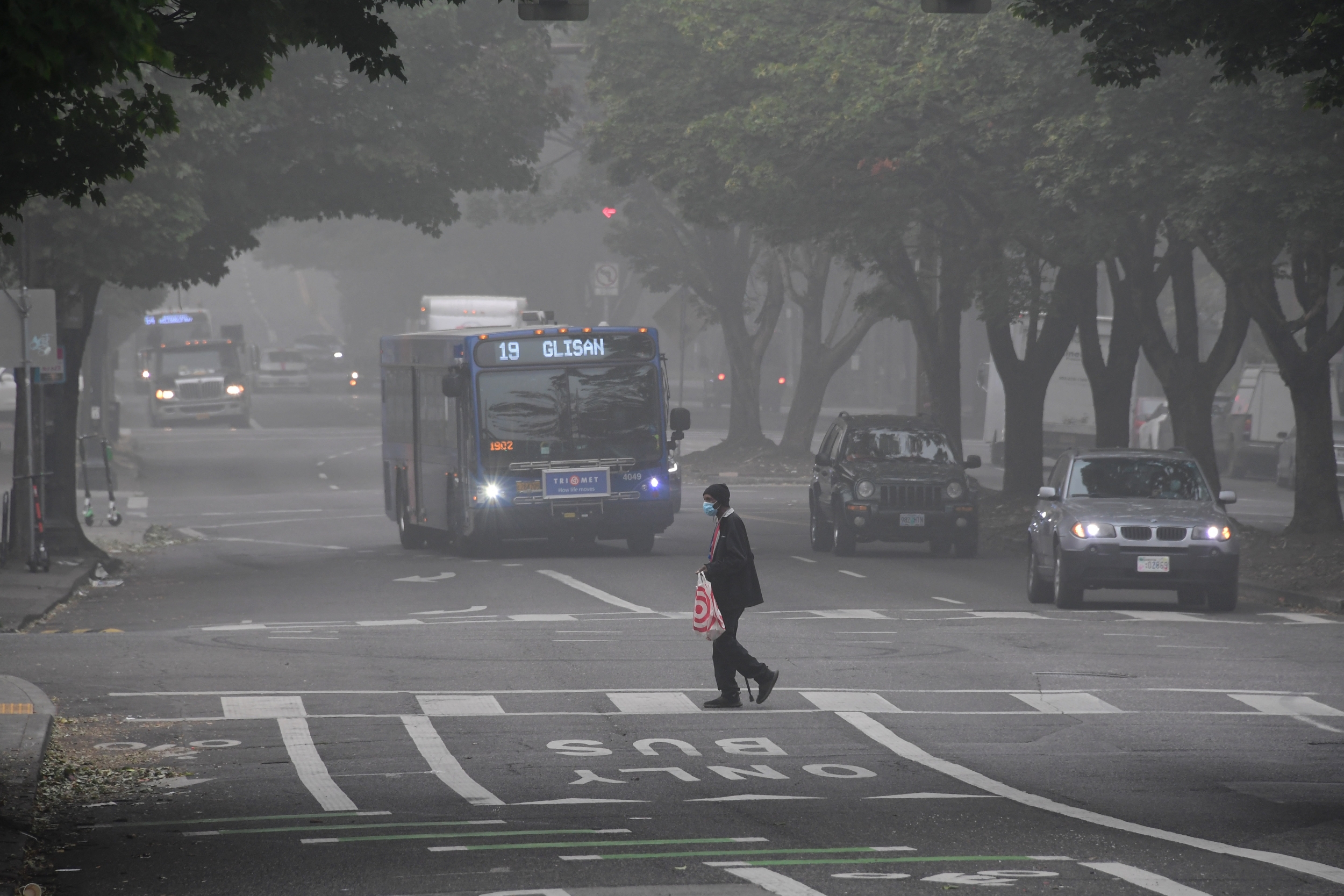
    The Oregon Department of Environmental Quality extended its air quality advisory on Wednesday, July 22, 2026, for a broad stretch of eastern and central Oregon, keeping health warnings active through at least Friday afternoon, July 24 — today. The advisory, which has now been extended three times since its original Monday end date, covers Baker, Crook, Deschutes, northern Harney, Grant, Jefferson, northern Malheur, Morrow, Union, southern Umatilla, and Wheeler counties due to smoke from multiple wildfires burning across southern, central, and eastern Oregon.

    The DEQ also identified intermittent smoke conditions in adjacent areas including Clackamas, eastern Douglas, northern Jackson, Klamath, Lake, and Wallowa counties through Friday afternoon. Separately, the DEQ issued an ozone smog advisory earlier this week for the Portland metro area, Salem, Hermiston, and Ontario, running through Wednesday evening.


    Why This Matters

    Wildfire smoke is not the same as the kind of air pollution most people think of from traffic or industry. Its most dangerous component is fine particulate matter, known as PM2.5 — particles less than 2.5 microns in diameter, small enough to bypass the body’s upper respiratory defenses and penetrate deeply into the lungs. Once inhaled, PM2.5 can enter the bloodstream and reach the heart, brain, and other organs.

    For people with asthma, chronic obstructive pulmonary disease, heart disease, or other cardiovascular or respiratory conditions, even moderate smoke exposure can trigger exacerbations that require emergency care. Children and pregnant people face distinct risks: children’s lungs are still developing, and PM2.5 exposure in pregnancy has been associated with preterm birth and low birth weight in multiple studies. Older adults face heightened cardiovascular risk from PM2.5 exposure even without pre-existing lung disease.

    As the DEQ’s advisory states, air quality may reach unhealthy levels in affected areas, with conditions capable of changing rapidly depending on wind and fire behavior.


    What We Know So Far

    Air quality was measured as “unhealthy” in Prineville, Pendleton, La Grande, and Baker City as of the afternoon of July 20, 2026, according to Central Oregon Daily. Under DEQ’s six-tier classification system, “unhealthy” means the general public may begin to experience health effects, while sensitive groups face serious health risks.

    The advisory was first issued for a subset of counties and was originally scheduled to end Monday, July 20. It was extended to Wednesday, then to at least Friday afternoon, July 24, reflecting the persistence of the wildfire smoke and the failure of weather conditions to clear affected areas.

    The smoke sources are multiple wildfires across southern, central, and eastern Oregon. Earlier in July, the East Evans Creek Fire in southern Oregon contributed to initial advisories before the smoke pattern expanded. The current advisory reflects a broader regional fire environment rather than a single named fire.


    Where the Risk Is Highest

    The counties under the active advisory — Baker, Crook, Deschutes, northern Harney, Grant, Jefferson, northern Malheur, Morrow, Union, southern Umatilla, and Wheeler — cover a wide stretch of eastern and central Oregon, including Bend (Deschutes County), La Grande (Union County), Pendleton (Umatilla County), and John Day (Grant County).

    Residents in these communities who live or work outdoors, those who depend on cooling by opening windows, and those with limited access to air conditioning or air filtration face the highest cumulative exposure. Agricultural workers, construction workers, and others in outdoor occupations in affected counties face occupational exposure that cannot be avoided by staying indoors.

    The DEQ and partner agencies are continuing to monitor smoke conditions, and the advisory may be extended or expanded further depending on fire behavior and wind patterns.


    What Doctors and Experts Say

    DEQ spokesperson Jennifer Horton told KATU that residents most at risk should stay indoors during the hottest parts of the day when pollutant levels are typically highest. “If you’re able to stay indoors during the hottest parts of the day when ozone levels are going to be the highest, that will help alleviate some of those health conditions,” Horton said.

    For people with heart or lung conditions, the DEQ recommends consulting a health-care provider before wearing a respirator, as the exertion required to breathe through a properly sealed N95 can itself place demands on the cardiovascular system. People who use inhalers, bronchodilators, or other respiratory medications should ensure they have an adequate supply and access to those medications during extended smoke events.


    What the Evidence Shows — and What It Does Not

    PM2.5 from wildfire smoke is a well-established health hazard supported by decades of peer-reviewed research. Short-term spikes in PM2.5 are consistently associated with increases in emergency department visits for asthma, respiratory distress, and cardiac events. The health consequences scale with concentration and duration of exposure, meaning a multi-day advisory affecting a broad area carries more cumulative health risk than a brief spike.

    What is harder to quantify in real time is the specific PM2.5 concentration in any individual location, since wildfire smoke levels can change within hours depending on fire behavior, terrain, and wind. The DEQ’s official AQI data provides the most reliable real-time measurement available.

    Cloth masks, surgical masks, and dust masks do not protect against PM2.5. Only properly fitted NIOSH-approved N95 or P100 respirators can reduce inhalation of fine smoke particles, according to DEQ’s advisory guidance. Standard respirators do not come in sizes appropriate for children, meaning young children cannot be effectively protected by masking outdoors.


    Who Faces the Greatest Risk?

    People with asthma, COPD, emphysema, or other chronic obstructive or restrictive lung disease face the highest respiratory risk from wildfire PM2.5 exposure. People with heart disease or prior heart attack face elevated cardiovascular risk from smoke, including increased risk of arrhythmia and acute coronary events during high-exposure periods.

    Pregnant people face a distinct concern: PM2.5 exposure during pregnancy has been associated in published research with preterm birth, low birth weight, and adverse fetal lung development. Pregnant residents in affected counties should treat the advisory as applying to them even if they feel well.

    Children under the age of 14 and adults over 65 are classified as sensitive groups by the EPA, meaning they may experience effects at lower concentrations than healthy adults. Infants and toddlers face the highest vulnerability because their lung development is most active and they spend the most time in care settings that may rely on natural ventilation.

    Outdoor workers in affected counties face occupational exposure that indoor workers do not. Construction crews, farm workers, utility workers, and others who cannot work indoors should follow employer guidance on break frequency, access to clean air spaces, and symptom monitoring.


    Symptoms and Warning Signs to Watch For

    Wildfire smoke exposure can cause burning or irritated eyes, runny nose, sore throat, coughing, and shortness of breath in otherwise healthy people. These symptoms are generally mild and resolve when a person moves to cleaner air.

    For people with asthma or COPD, smoke can trigger wheezing, chest tightness, increased breathlessness, and reduced peak flow that may require additional use of rescue inhalers or other medications. Symptoms that do not respond to usual rescue medications, worsening shortness of breath at rest, chest pain, rapid heart rate, confusion, or loss of consciousness warrant urgent or emergency evaluation.

    People who experience new or worsening chest pain, pressure, or tightness during a smoke event — even without prior heart disease — should seek emergency care. Wildfire smoke has been associated in research with triggering acute cardiac events in people who did not know they had underlying heart disease.


    What You Can Do Now

    The most effective action for residents in affected counties is to stay indoors with windows and doors closed as much as possible. If your home has a central air system, set it to recirculate indoor air rather than drawing in outside air. A portable HEPA air purifier run in the room where you spend the most time can significantly reduce indoor PM2.5 concentrations.

    If you must go outdoors for essential activities, a properly fitted NIOSH-approved N95 respirator provides meaningful protection. Select a respirator with an N, R, or P designation alongside the number 95, 99, or 100. Surgical and cloth masks do not provide effective filtration for wildfire PM2.5. Respirators must form a tight seal against the face to work, which means they do not fit children.

    Check current air quality conditions before going outdoors at Oregon DEQ’s Air Quality Index, the Oregon Smoke Information Blog, or by downloading the free OregonAIR app. AQI updates are in near real-time and are the most reliable tool for assessing current local conditions.

    If you are experiencing worsening symptoms and do not have access to cleaner air at home, 211info.org maintains a directory of clean air shelter locations in Oregon. Search for “Wildfire Related Clean Air Shelters” or call 211 during business hours, 8 a.m. to 6 p.m.

    People with asthma or COPD should ensure their rescue inhaler and any controller medications are filled and accessible before an extended smoke event. If you have a written asthma or COPD action plan, review it with your health-care provider at your next appointment to include guidance on smoke days.


    Cost and Access: What Patients Should Know

    N95 respirators are available at most hardware stores, home improvement retailers, and online retailers at a cost of roughly $1 to $4 per mask when purchased in multipacks. For residents who cannot access or afford respirators, free clean air shelter locations are available through 211info.org. OHA-certified community health workers in some counties can also connect residents to local resources during declared air quality events.

    People who use prescription inhalers or respiratory medications and are running low should contact their pharmacy or prescriber as early as possible, as demand for rescue medications typically increases during extended smoke events. Many pharmacies can provide emergency supplies of maintenance inhalers for patients with active prescriptions.


    What Happens Next

    The DEQ advisory is scheduled through at least Friday afternoon, July 24, 2026 — today — but may be extended further depending on wildfire activity and weather patterns. DEQ and partner agencies are monitoring conditions continuously.

    Residents in affected counties should check oregonsmoke.org and the DEQ AQI tool periodically throughout the day, as smoke levels can shift within hours. MedicalDaily will note any further advisory extensions if conditions worsen or additional counties are added.


    The Bottom Line

    Oregon’s air quality advisory for wildfire smoke is active today and covers more than a dozen counties across eastern, central, and parts of western Oregon. For healthy adults, staying indoors with windows closed is the most effective response. For people with asthma, COPD, heart disease, children, pregnant people, and older adults, this advisory should be treated as a direct health warning: limit outdoor time, use HEPA filtration indoors, wear a properly fitted N95 if outdoor activity cannot be avoided, and monitor symptoms closely. Emergency care should be sought if respiratory or cardiovascular symptoms worsen despite precautions.
    Source link

  • Washington, D.C., Was Just Hit with a Purple Air Quality Alert, the Second-Highest Level on the Air Quality Index

    Washington, D.C., Was Just Hit with a Purple Air Quality Alert, the Second-Highest Level on the Air Quality Index

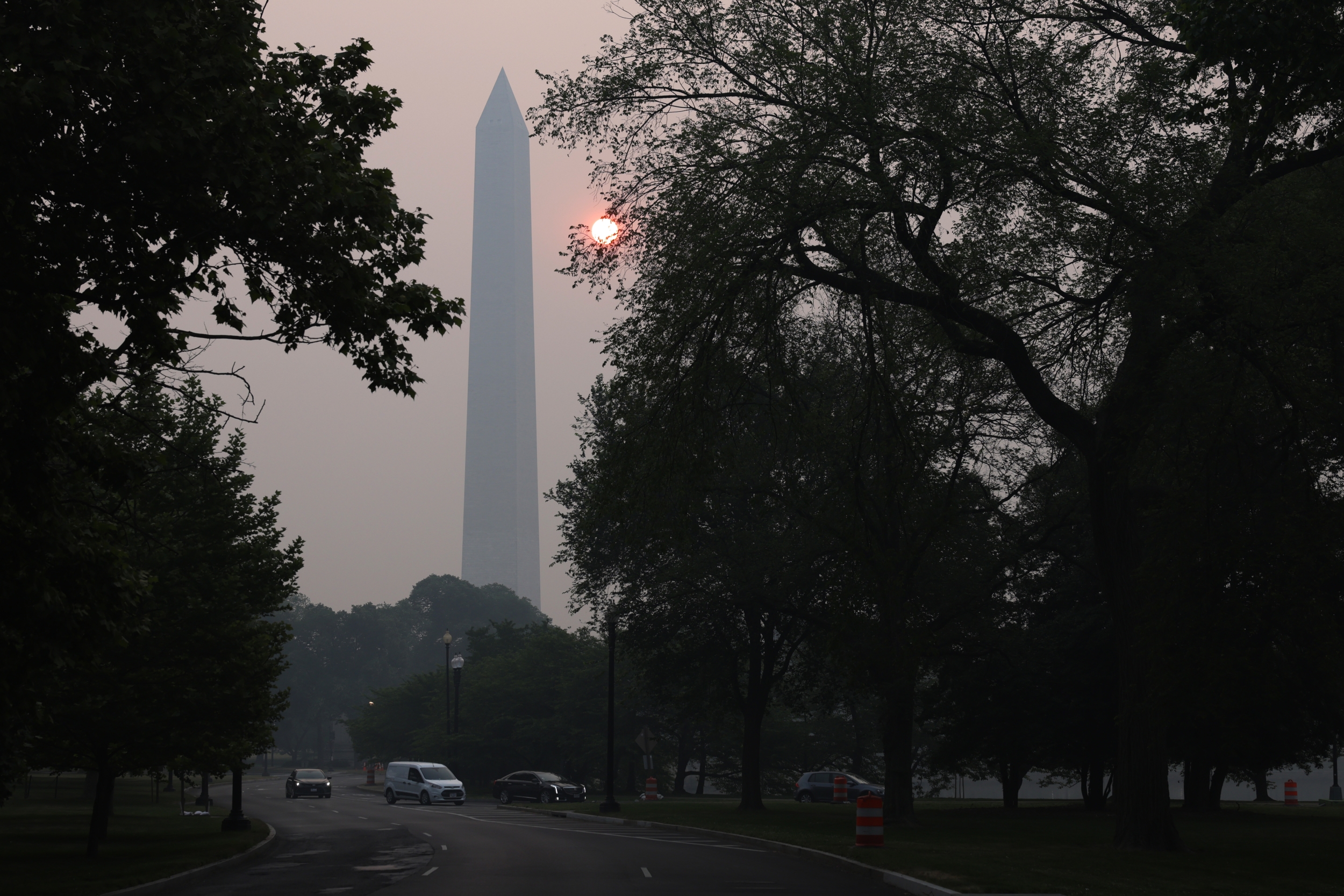
    Washington, D.C., residents and the millions of visitors who attended America 250 celebrations on the National Mall have been advised to limit outdoor activity following a rare “Purple” air quality alert — the second-worst category on the federal Air Quality Index — triggered by a convergence of record-breaking heat and smoke from the largest fireworks display in American history.

    The Metropolitan Washington Council of Governments issued the purple alert covering Washington, D.C., and parts of northern Virginia. Purple on the EPA’s Air Quality Index represents “Very Unhealthy” conditions — a level at which the EPA recommends that everyone, including healthy adults, reduce prolonged or heavy outdoor exertion.

    The heat wave stretched from Wednesday through Saturday, and Washington D.C. hit 102°F on July 3, breaking a record set in 1872. On July 4, the capital reached 101°F or higher — the hottest July 4 in D.C.’s recorded history. The combination of that heat wave with a 40-minute, multi-site fireworks display that launched hundreds of thousands of shells produced post-display particulate matter concentrations that CNN confirmed briefly ranked Washington among the worst air quality of any major city in the world.


    Why This Matters

    Most Americans are familiar with air quality alerts for “sensitive groups” — adults with asthma, heart disease, or COPD. A Purple alert is categorically different. At this level, the EPA’s guidance extends to the general population: everyone should avoid prolonged or heavy outdoor exertion, not just those with pre-existing conditions.

    The biological reason that heat and air pollution compound each other is specific. Heat causes people to breathe more deeply and rapidly — increasing the volume of air (and any particulate matter in it) inhaled per minute. Simultaneously, heat stress places additional burden on the cardiovascular system. Inhaling elevated particulate matter during cardiovascular stress creates a compound physiological challenge that healthy adults can normally tolerate but that at purple AQI levels carries documented risks.


    What We Know So Far

    The EPA’s AirNow system tracks fine particulate matter (PM2.5) at monitoring stations across the D.C. metro. Following the July 4 fireworks display:

    • D.C. July 4 temperature: 101°F or higher — the hottest July 4 in D.C.’s recorded history
    • AQI level: Purple — “Very Unhealthy” — the second-highest AQI category after Maroon (“Hazardous”)
    • PM2.5 source: Primarily fireworks smoke from the National Mall and nine additional launch sites
    • Alert area: Washington, D.C., and parts of northern Virginia
    • The AQMD in Southern California had separately issued a “Hazardous” (Maroon) air quality advisory for July 4–5 nationally, confirming the pattern
    • D.C.’s post-fireworks conditions briefly registered among the highest air pollution readings of any major global city

    Where the Risk Is Highest

    The risk is highest in:

    • Neighborhoods downwind of the National Mall and the nine additional fireworks launch sites used for the record display
    • Indoor spaces without air filtration — where smoke particulates can infiltrate through HVAC systems
    • People who remained outdoors after the fireworks ended, when PM2.5 levels were at their peak but the crowd was still dispersing

    The alert covered both D.C. proper and northern Virginia — a corridor of 4 million-plus residents.


    What the EPA Says and Who Faces the Greatest Risk

    At Purple (“Very Unhealthy”) AQI levels, the EPA’s action guidance is:

    • Sensitive groups (people with heart or lung disease, older adults, children, people with diabetes): Avoid all physical activity outdoors
    • Everyone else: Avoid prolonged or heavy outdoor exertion; consider moving activities indoors or rescheduling

    People at the highest risk from the D.C. purple alert:

    • Adults with asthma, COPD, or heart disease
    • Older adults (65+) who attended National Mall events and spent extended time outdoors
    • Children who attended events and are still outdoors
    • People who ran, cycled, or engaged in heavy exertion outdoors during or after the alert period
    • Anyone with diabetes — air pollution independently worsens glycemic control

    Symptoms and Warning Signs to Watch For

    Anyone who spent extended time outdoors during the alert period and experiences the following should contact their physician or seek urgent care:

    • Unusual shortness of breath
    • Chest tightness or discomfort
    • Worsening cough or wheezing
    • Headache, dizziness, or unusual fatigue following outdoor time
    • Worsening asthma or COPD symptoms despite rescue inhaler use

    What You Can Do Now

    • Check current D.C. area air quality at AirNow.gov by entering your zip code. If the AQI remains elevated, limit outdoor activity.
    • Run HVAC on recirculation rather than fresh-air intake to avoid pulling outdoor particulates indoors.
    • Use HEPA air purifiers indoors if available — particularly in bedrooms where nighttime air quality matters for recovery.
    • If you have asthma or COPD, review your action plan with your physician if symptoms have worsened following the alert period.
    • Do not exercise outdoors while the AQI remains in the orange, red, or purple range for your specific neighborhood.
    • If you attended National Mall events and feel unwell, contact your physician, particularly if you have cardiovascular or respiratory conditions.

    Cost and Access: What Patients Should Know

    AirNow.gov provides real-time, zip-code-level air quality data at no cost. The FEMA Wireless Emergency Alert system also broadcasts air quality warnings to mobile phones in affected areas.

    For patients experiencing air quality-related asthma exacerbation who do not have insurance, federally qualified health centers in D.C. and northern Virginia provide urgent care services on a sliding-fee basis. For severe respiratory emergencies, call 911.


    What Happens Next

    The D.C. metro air quality is expected to improve as the fireworks smoke disperses over 48 to 72 hours and as weather systems provide atmospheric mixing. The DOEE (District of Columbia Department of Energy and Environment) updates D.C. air quality data in real time.

    MedicalDaily will report on any prolonged air quality advisories or new health guidance from the D.C. health department related to the post-fireworks pollution event.


    The Bottom Line

    Washington, D.C.’s “Purple” air quality alert — triggered by record heat and the nation’s largest fireworks display — marks one of the most significant post-fireworks air pollution events the city has experienced. At this AQI level, the EPA’s recommendation extends to healthy adults, not just sensitive groups. If you were in the D.C. metro on July 4–5, limit outdoor activity while the AQI remains elevated and watch for respiratory or cardiovascular symptoms.

    Source link

  • The Benefits of Intentional Consumption: Why Minimalists Choose Quality Over Quantity

    The Benefits of Intentional Consumption: Why Minimalists Choose Quality Over Quantity

    The way we consume goods and services has a profound impact on our lives, the environment, and the economy. In recent years, a growing movement of minimalists has emerged, advocating for a more intentional approach to consumption. At its core, intentional consumption is about being mindful of the products we buy, the resources we use, and the waste we generate. This approach prioritizes quality over quantity, durability over disposability, and experiences over material possessions. In this article, we’ll delve into the benefits of intentional consumption and why minimalists choose this path.

    The Environmental Benefits

    One of the most significant advantages of intentional consumption is its positive impact on the environment. The production, packaging, and disposal of consumer goods are major contributors to pollution, greenhouse gas emissions, and waste management issues. By choosing to buy fewer, higher-quality items, minimalists reduce their carbon footprint and help mitigate these environmental problems. For instance, buying second-hand clothing or investing in timeless, well-made pieces reduces the demand for fast fashion, which is notorious for its high environmental cost. Similarly, opting for durable, long-lasting electronics instead of the latest models can significantly decrease electronic waste.

    The Financial Benefits

    Intentional consumption also has financial benefits. While it may seem counterintuitive, spending more on a few, high-quality items can be more cost-effective in the long run than constantly buying cheaper, lower-quality alternatives. This approach reduces the need for frequent replacements, saving money over time. Additionally, adopting a minimalist lifestyle can lead to a reduction in clutter, which in turn can lead to a clearer mind and more focused priorities, potentially leading to better financial decision-making. Furthermore, the emphasis on experiences over possessions can lead to a more fulfilling life, as experiences are often remembered and cherished more than material goods.

    The Psychological Benefits

    Beyond the environmental and financial benefits, intentional consumption has profound psychological advantages. The constant pursuit of material possessions can lead to a never-ending cycle of desire and dissatisfaction, a phenomenon known as the “hedonic treadmill.” Minimalists, by focusing on what truly adds value to their lives, break free from this cycle. They find contentment in simplicity, reducing stress and anxiety that can come from clutter and the pressure to keep up with the latest trends. Intentional consumption also fosters gratitude, as each possession is valued and appreciated, rather than taken for granted.

    The Social Benefits

    The benefits of intentional consumption extend into the social sphere as well. By valuing quality over quantity, minimalists often support local, sustainable businesses and artisans, contributing to the preservation of traditional skills and the strengthening of local economies. This approach can also lead to a stronger sense of community, as people come together over shared values of simplicity, sustainability, and the appreciation of craftsmanship. Moreover, the decision to live with fewer possessions can lead to a more equitable distribution of resources, as the focus shifts from individual accumulation to collective well-being.

    Implementing Intentional Consumption

    For those looking to adopt a more intentional approach to consumption, there are several strategies that can be employed. First, it’s essential to define personal values and priorities, understanding what truly adds value and joy to one’s life. Next, implementing a “one in, one out” policy can help maintain a balanced level of possessions, ensuring that each new item is carefully considered. Practicing mindfulness in daily consumption, whether it’s avoiding impulse purchases or choosing products with minimal packaging, can also make a significant difference. Finally, embracing the concept of enough, recognizing when desires are driven by genuine need versus societal pressure, is a powerful step towards a more intentional lifestyle.

    Overcoming Challenges

    Despite the benefits, transitioning to a lifestyle of intentional consumption can come with its challenges. One of the most common obstacles is the societal pressure to consume, driven by advertising and social norms. Overcoming this requires a strong sense of self and a clear understanding of one’s values. Another challenge can be the higher upfront cost of quality items, which can be daunting for those on a tight budget. However, considering the long-term savings and the reduced need for frequent replacements can help in making more informed purchasing decisions. Lastly, the emotional attachment to possessions can be a barrier, necessitating a process of reflection and possibly seeking support from like-minded individuals or professionals.

    Conclusion

    In conclusion, the benefits of intentional consumption are multifaceted, spanning environmental, financial, psychological, and social realms. By choosing quality over quantity, durability over disposability, and experiences over material possessions, minimalists find a more fulfilling, sustainable way of living. This approach not only contributes to a healthier planet and economy but also leads to a more contented, clutter-free life. As the world grapples with the challenges of consumerism, adopting a mindset of intentional consumption offers a promising path forward, one that values simplicity, sustainability, and the well-being of both individuals and the planet.

    FAQs

    Q: Is being a minimalist the same as intentional consumption?

    A: While related, minimalism and intentional consumption are not exactly the same. Minimalism focuses on reducing the number of possessions, whereas intentional consumption is about being mindful of the products you buy and use, regardless of the quantity. You can practice intentional consumption without being a minimalist.

    Q: How do I know if a product is of high quality?

    A: Determining the quality of a product involves considering several factors, including the materials used, the craftsmanship, the brand’s reputation, and reviews from other users. High-quality products are typically those that are durable, functional, and made with attention to detail.

    Q: Is intentional consumption only for the wealthy?

    A: No, intentional consumption is not limited to any income bracket. While it’s true that some high-quality items may cost more, the focus is on value rather than price. Second-hand shopping, renting, or buying during sales can make quality products more accessible to those on a budget.

    Q: How can I apply intentional consumption to digital products and services?

    A: Applying intentional consumption to digital products involves being mindful of app subscriptions, digital purchases, and the time spent on devices. It’s about choosing quality over quantity, ensuring that each digital product or service adds value to your life, and being aware of digital waste and privacy implications.

    Q: Can children be taught intentional consumption?

    A: Yes, teaching children the principles of intentional consumption from a young age can help them develop healthy consumption habits and values. This can be done through open conversations about needs versus wants, involving them in purchasing decisions, and modeling intentional consumption behaviors yourself.

  • Beyond Fast Fashion: How to Invest in Quality Pieces That Make a Statement

    Beyond Fast Fashion: How to Invest in Quality Pieces That Make a Statement

    Introduction to Beyond Fast Fashion

    In recent years, the fashion industry has been dominated by fast fashion, with cheap, trendy pieces being churned out at an incredible rate. However, this approach to fashion has several downsides, including the environmental impact of constant production and disposal, the exploitation of workers in the fashion industry, and the devaluation of individual style. The alternative to fast fashion is investing in quality pieces that are both timeless and stylish. This approach to fashion is often referred to as “beyond fast fashion” or “slow fashion.”

    The Benefits of Investing in Quality Pieces

    Investing in quality pieces has numerous benefits. For one, these pieces are made to last, reducing the need for frequent purchases and the waste that comes with them. Additionally, quality pieces are often made with better materials and craftsmanship, meaning they are more durable and less likely to fall apart quickly. This not only saves money in the long run but also reduces the environmental impact of the fashion industry. Furthermore, quality pieces are often timeless, meaning they won’t go out of style after a single season. This allows individuals to develop a personal style that isn’t dictated by the latest trends.

    How to Identify Quality Pieces

    Identifying quality pieces can be challenging, especially for those who are new to investing in their wardrobe. There are several factors to consider when looking for quality pieces. First, consider the material. Natural materials like wool, cotton, and silk are often of higher quality than synthetic materials like polyester and nylon. Next, look at the construction of the piece. Well-made pieces will have straight seams, evenly spaced stitching, and a solid weight to them. Finally, consider the brand reputation. Some brands are known for producing high-quality pieces, while others prioritize speed and low costs over quality.

    Investing in Timeless Pieces

    One of the keys to building a wardrobe beyond fast fashion is investing in timeless pieces. These are pieces that won’t go out of style after a single season and can be worn for years to come. Timeless pieces can include classic coats, well-made denim, and simple white shirts. When investing in timeless pieces, consider the fit, the material, and the construction. A well-fitted piece made from high-quality materials will look great for years to come.

    Building a Capsule Wardrobe

    A capsule wardrobe is a small collection of essential pieces that can be mixed and matched to create multiple outfits. Building a capsule wardrobe is a great way to invest in quality pieces and reduce decision fatigue. To build a capsule wardrobe, start by identifying the pieces you wear most often. These might include a few pairs of well-made pants, a classic coat, and a selection of simple tops. Next, consider the colors and fabrics you like to wear. Choose a palette of colors that work well together and invest in pieces made from high-quality fabrics.

    Caring for Your Investment Pieces

    To get the most out of your investment pieces, it’s essential to care for them properly. This includes washing them in cold water, avoiding machine drying, and storing them in a cool, dry place. Additionally, consider the cost of alterations and repairs. A well-made piece might need occasional alterations or repairs to keep it looking its best. Factor these costs into your budget when investing in quality pieces.

    The Role of Accessories in Beyond Fast Fashion

    Accessories can play a significant role in beyond fast fashion. A quality handbag, a classic watch, or a simple pair of earrings can elevate an outfit and add a touch of personality. When investing in accessories, consider the material, the construction, and the brand reputation. A well-made accessory can last for years and become a trusted companion in your wardrobe.

    Embracing Sustainability in Fashion

    Sustainability is a critical component of beyond fast fashion. The fashion industry is one of the largest polluters in the world, with the production and disposal of clothing contributing to greenhouse gas emissions, water pollution, and textile waste. To embrace sustainability in fashion, consider the environmental impact of your purchases. Choose pieces made from sustainable materials, like organic cotton or recycled polyester. Additionally, consider the end-of-life of your pieces. Can they be recycled, repurposed, or donated?

    The Cost of Quality Pieces

    One of the most significant barriers to investing in quality pieces is the cost. Quality pieces are often more expensive than their fast fashion counterparts. However, it’s essential to consider the cost per wear. A quality piece that is worn frequently can be more cost-effective in the long run than a cheap piece that is worn only once or twice. Additionally, consider the value of the piece. A well-made piece that is timeless and stylish can be a valuable addition to your wardrobe.

    Conclusion

    Investing in quality pieces is a great way to move beyond fast fashion and develop a personal style that is both timeless and stylish. By considering the material, construction, and brand reputation, individuals can identify quality pieces that will last for years to come. Building a capsule wardrobe, caring for investment pieces, and embracing sustainability in fashion are all critical components of beyond fast fashion. While the cost of quality pieces can be a barrier, it’s essential to consider the cost per wear and the value of the piece. With a little patience and planning, anyone can invest in quality pieces and develop a wardrobe that is both stylish and sustainable.

    FAQs

    1. What is beyond fast fashion?
      Beyond fast fashion refers to an approach to fashion that prioritizes quality, timelessness, and sustainability over speed and low costs. This approach involves investing in pieces that are made to last, rather than constantly purchasing cheap, trendy items.

    2. How do I identify quality pieces?
      To identify quality pieces, consider the material, construction, and brand reputation. Look for natural materials, well-made construction, and brands that prioritize quality over speed and low costs.

    3. What is a capsule wardrobe?
      A capsule wardrobe is a small collection of essential pieces that can be mixed and matched to create multiple outfits. Building a capsule wardrobe involves identifying the pieces you wear most often and investing in quality, timeless pieces that can be worn for years to come.

    4. How do I care for my investment pieces?
      To get the most out of your investment pieces, wash them in cold water, avoid machine drying, and store them in a cool, dry place. Additionally, consider the cost of alterations and repairs, and factor these costs into your budget.

    5. What role do accessories play in beyond fast fashion?
      Accessories can play a significant role in beyond fast fashion. A quality handbag, a classic watch, or a simple pair of earrings can elevate an outfit and add a touch of personality. When investing in accessories, consider the material, construction, and brand reputation.

    6. How can I embrace sustainability in fashion?
      To embrace sustainability in fashion, consider the environmental impact of your purchases. Choose pieces made from sustainable materials, like organic cotton or recycled polyester. Additionally, consider the end-of-life of your pieces, and choose pieces that can be recycled, repurposed, or donated.

    7. What is the cost of quality pieces?
      The cost of quality pieces can be higher than their fast fashion counterparts. However, it’s essential to consider the cost per wear and the value of the piece. A quality piece that is worn frequently can be more cost-effective in the long run than a cheap piece that is worn only once or twice.