Tag: Protect

  • Healthy Habits to Lower Your Risk and Protect Heart Health

    Healthy Habits to Lower Your Risk and Protect Heart Health

    High blood pressure often develops quietly, damaging blood vessels and increasing the risk of heart attack, stroke, and kidney disease. Many people do not notice symptoms until complications appear, which is why prevention matters early. The good news is that lifestyle choices can make a major difference in reducing risk and improving long-term heart health.

    Simple daily habits such as better nutrition, regular movement, healthy sleep, and stress control can help lower blood pressure naturally. Small changes done consistently often lead to measurable results over time. With the right routine, hypertension prevention becomes more achievable and sustainable for people of all ages.

    7 Essential Habits to Prevent High Blood Pressure

    Preventing high blood pressure often starts with simple daily choices that protect your heart over time. These seven essential habits can help lower your risk, improve circulation, and support long-term heart health naturally.

    1. Follow the DASH Diet

    The DASH diet is one of the most effective eating plans to prevent high blood pressure by focusing on fruits, vegetables, whole grains, beans, nuts, and low-fat dairy. Limiting sugary drinks, red meat, and processed foods while adding potassium-rich foods like bananas and spinach can support lower blood pressure and better heart health.

    2. Get Regular Aerobic Exercise

    Walking, cycling, swimming, and jogging can help lower blood pressure naturally when done consistently. Aim for at least 150 minutes of moderate aerobic exercise weekly to improve circulation, reduce stress, and support weight control.

    3. Maintain a Healthy Weight

    Carrying extra body weight increases strain on the heart and blood vessels, which may raise blood pressure over time. Losing even a small amount of weight through healthy eating and activity can improve readings and support hypertension prevention.

    4. Reduce Sodium Intake

    Too much sodium can raise blood pressure in many adults, especially when intake is frequent and high. Choosing fresh foods, reading labels, and seasoning meals with herbs or lemon instead of salt can help reduce sodium levels.

    5. Manage Stress Daily

    Chronic stress may contribute to unhealthy blood pressure patterns and long-term heart strain. Mindfulness, breathing exercises, journaling, or yoga can help lower stress while supporting better sleep and wellness.

    6. Improve Sleep Quality

    Poor sleep is linked with a higher risk of high blood pressure and cardiovascular problems. Aim for seven to nine hours of sleep nightly and maintain a regular schedule to improve overall health.

    7. Limit Alcohol and Avoid Smoking

    Too much alcohol may gradually increase blood pressure, while smoking damages blood vessels and strains the heart. Reducing alcohol intake and quitting smoking can quickly improve heart health and lower long-term risk.

    Prevent High Blood Pressure: Dietary Patterns and Food Choices

    Prevent high blood pressure by focusing on eating patterns rather than one “superfood.” The DASH diet and Mediterranean-style eating plans both emphasize vegetables, fruit, lean proteins, legumes, whole grains, and healthy fats. These approaches may support better blood pressure levels while improving cholesterol and overall heart health.

    According to the Centers for Disease Control and Prevention, reducing sodium, choosing healthier foods, and maintaining a healthy weight are key strategies for managing and preventing high blood pressure. Potassium-rich foods such as beans, leafy greens, potatoes, bananas, and yogurt can also support healthier blood pressure balance. Learn more at

    Meal timing can also help some people. Regular meals with balanced portions may support blood sugar stability and reduce overeating later in the day. Sustainable habits matter more than extreme restrictions.

    Hypertension Prevention: Exercise Protocols and Monitoring Strategies

    Hypertension prevention improves when exercise becomes part of a weekly routine. Moderate aerobic movement such as brisk walking for 30 to 45 minutes on most days can strengthen the heart and help lower blood pressure. Resistance training two to three times weekly may add further benefits.

    Based on guidance from the American Heart Association, regular physical activity is one of the most effective natural tools for lower blood pressure and heart health. Combining cardio exercise with strength training can improve circulation, body composition, and metabolic wellness. More guidance is available at

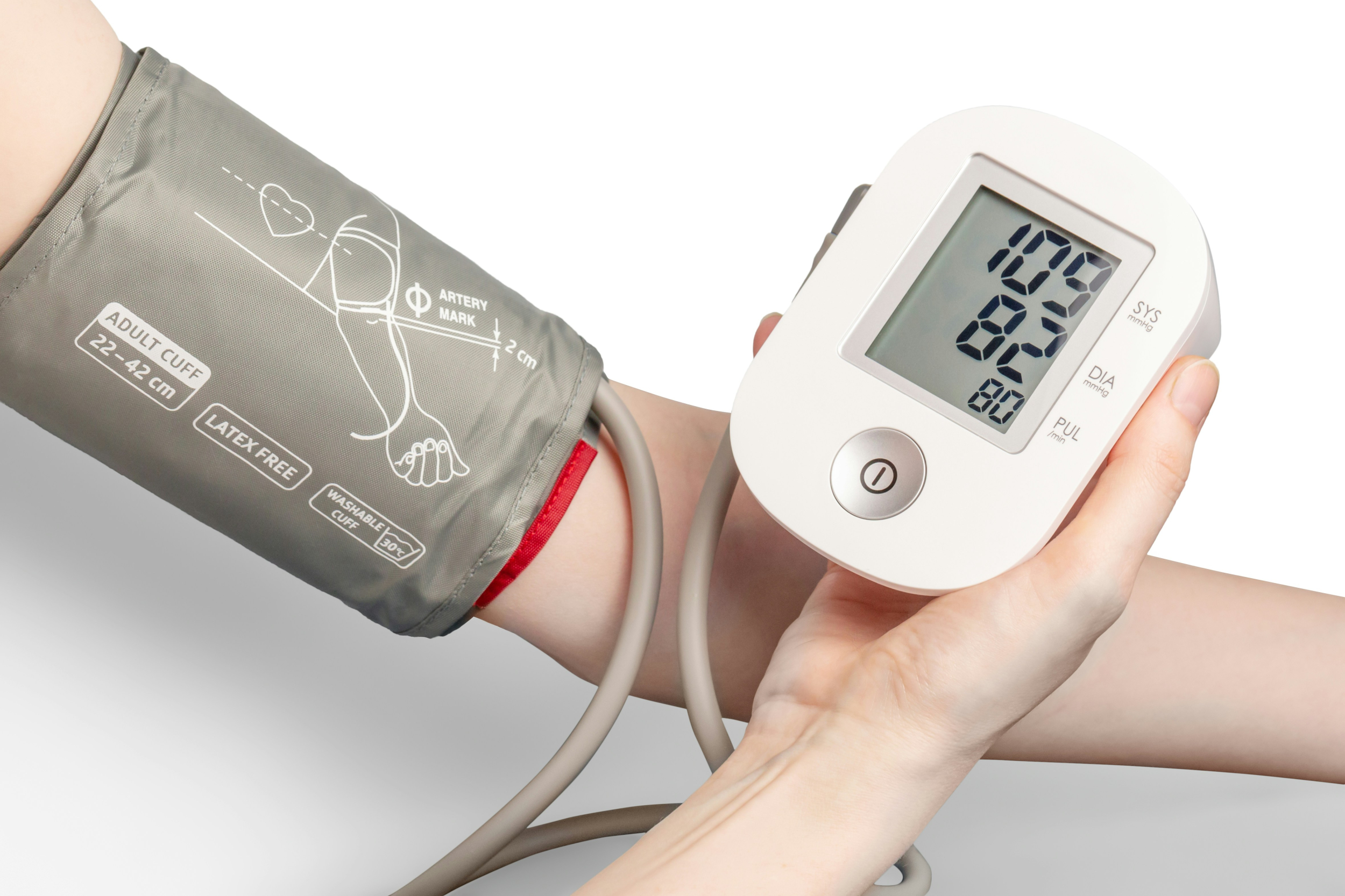
    Home blood pressure monitoring is also valuable. Use a validated device, measure at consistent times, and track trends rather than single readings. This can help identify patterns and motivate healthier habits.

    Heart Health: Sleep, Stress Reduction, and Long-Term Lifestyle Support

    Heart health depends on more than food and workouts. Sleep quality, emotional stress, and routine daily behaviors all influence blood pressure. Poor sleep and ongoing tension may keep the body in a heightened stress state that affects vascular function.

    Based on research from National Heart, Lung, and Blood Institute, sleep habits, stress management, and healthy routines are important parts of blood pressure control and cardiovascular wellness. Relaxation techniques such as deep breathing, meditation, and consistent sleep schedules may help support healthier readings. Learn more at

    Long-term success usually comes from stacking small habits rather than chasing quick fixes. Protecting heart health is often about what you repeat daily.

    Essential Heart Health Habits for Lifelong Blood Pressure Control

    High blood pressure prevention works best when healthy habits become part of everyday life. Eating better, moving regularly, sleeping well, managing stress, and avoiding tobacco all work together to reduce long-term risk. Even modest changes can create meaningful progress when maintained consistently.

    Lower blood pressure goals do not require perfection. What matters most is building routines that fit your lifestyle and can last for years. With patience and consistency, hypertension prevention becomes a realistic path toward stronger heart health and better overall wellbeing.

    Frequently Asked Questions

    1. Can high blood pressure be prevented naturally?

    Yes, many people can reduce risk through lifestyle habits. Healthy eating, exercise, sleep, and stress management all help. Avoiding smoking and excess alcohol also matters. Genetics can still play a role, so regular checkups remain important.

    2. What foods help lower blood pressure?

    Foods rich in potassium, fiber, and healthy fats may help. Examples include leafy greens, beans, oats, berries, yogurt, nuts, and fish. Lower-sodium choices are also helpful. Balanced eating patterns matter more than single foods.

    3. How much exercise helps blood pressure?

    A common target is 150 minutes of moderate activity weekly. This can include walking, biking, or swimming. Strength training can add benefits as well. Consistency matters more than intensity for many people.

    4. When should I see a doctor about blood pressure?

    See a doctor if readings stay elevated or symptoms concern you. Severe headaches, chest pain, or shortness of breath need prompt care. Regular monitoring helps catch issues early. Professional guidance is useful for personalized treatment plans.


    Source link

  • How to Protect Your Health in the First 24 Hours After a Car Accident

    How to Protect Your Health in the First 24 Hours After a Car Accident

    The jarring reality of a vehicle collision is a frequent and tragic event across the United States. In fact, car accidents are responsible for an estimated 100 deaths each day and send 2.1 million people to the emergency room annually. In the moments following a crash, chaos, confusion, and a rush of adrenaline can easily take over, often masking the presence of serious injuries.

    Navigating this high-stress situation with a clear plan is essential for your long-term well-being. This guide provides clear, actionable steps to take within the first 24 hours to protect your most important asset: your health. By acting deliberately, you can prevent minor issues from becoming major complications and ensure you are on the right path to a full recovery.

    At the Scene: Your First Priority Actions

    What you do immediately at the crash site can have a significant impact on your health and safety. The priority is to secure the area, assess your physical condition, and gather essential information without putting yourself or others at further risk.

    Ensure Safety and Call for Help

    Your first action should always be to assess immediate danger. If it is possible and safe to do so, move your vehicle to the shoulder or out of the flow of traffic to prevent a secondary collision. Turn on your hazard lights to alert other drivers.

    Next, call 911 without delay, even if the accident seems minor. This summons both medical first responders who can provide immediate aid and law enforcement to secure the scene. A formal police report provides essential documentation of the accident, which is often required by insurance companies to process a claim.

    Perform a Quick Self-Check

    While waiting for help to arrive, conduct a brief self-assessment for any obvious injuries. Check for cuts, active bleeding, signs of head trauma, or potential broken bones. Pay attention to any sharp pain or inability to move a limb.

    It is critical to advise against moving if you suspect a neck or back injury, as this could worsen a potential spinal cord issue. If you are in pain or feel dizzy, try to remain still and wait for paramedics to assist you safely.

    A Step-by-Step Checklist for the Scene

    While waiting for first responders, there are several key steps you can take to document the incident, provided you are not seriously injured and can move safely.

    • Check on other passengers and individuals involved in the accident. Ask if they are okay, but avoid administering medical aid unless you are qualified; wait for professionals.
    • Use your phone to take photos of the scene from multiple angles. Document the damage to all vehicles involved, skid marks on the road, traffic signals, and any of your own visible injuries.
    • Exchange contact and insurance information with the other driver(s). Get their full name, phone number, address, driver’s license number, license plate number, and insurance policy details.
    • Avoid discussing fault or apologizing. Statements like “I’m so sorry” can be misinterpreted as an admission of guilt, which can complicate insurance and legal matters later.
    • If there are witnesses, get their names and phone numbers. Their impartial accounts of what happened can be invaluable for both medical and insurance purposes.
    • Cooperate with the police when they arrive. Provide a clear, factual account of the events leading up to the collision. Stick to what you know and avoid speculating.

    The Critical Hours After: Recognizing Hidden Dangers

    The 24-hour period after a car accident is a critical window for identifying injuries that may not be immediately apparent. Adrenaline can mask significant pain, and some of the most common collision-related injuries have delayed symptoms. Seeking prompt medical attention is non-negotiable.

    Why You Must See a Doctor, Even if You Feel Fine

    The surge of adrenaline during a car crash is a powerful painkiller. Many people walk away from an accident feeling fine, only to wake up in severe pain the next day. A medical professional can identify underlying issues like internal bruising, hairline fractures, or soft tissue damage that you may not feel yet. Getting immediate medical help can be life-saving.

    Furthermore, many serious conditions, such as cervical spine dysfunction, only become apparent after a professional evaluation. A thorough medical check-up creates a baseline record of your health post-accident, which is vital for proper follow-up care.

    Common Delayed-Symptom Injuries

    Some of the most serious injuries may not show symptoms for hours or even days. According to legal and medical experts, whiplash is a prime example of an injury that may not present symptoms until well after the collision. What initially feels like minor neck stiffness can develop into chronic pain and limited mobility if left untreated.

    Other common delayed-symptom injuries include concussions, which can manifest as headaches or confusion hours later; soft tissue injuries like sprains and strains; and even dangerous internal bleeding. Never dismiss minor aches or stiffness in the day following an accident, as they could be early indicators of a more significant musculoskeletal problem.

    Symptoms to Watch For: Immediate vs. Delayed

    Being vigilant about your body’s signals is crucial. Here is a comparison of symptoms that may appear immediately versus those that can surface hours or days later.

    Immediate Symptoms to Address Delayed Symptoms (Hours to Days Later)
    Visible cuts or bleeding Persistent headaches, dizziness, or confusion (Concussion)
    Suspected broken bones or fractures Neck, shoulder, or back stiffness and pain (Whiplash)
    Loss of consciousness, however brief Numbness, tingling, or weakness in limbs (Nerve damage)
    Difficulty breathing or chest pain Abdominal pain, deep bruising, or swelling (Internal injury)
    Obvious pain and discomfort Emotional changes like anxiety, irritability, or PTSD

    Safeguarding Your Recovery: The Power of Documentation

    Meticulous record-keeping is a powerful tool for managing your health after an accident. It helps your medical team track your progress and provides a clear, detailed history for any subsequent insurance or legal processes that may arise.

    Creating a Detailed Health Journal

    From the very first day, start a journal to document your health journey. Record every physical and mental symptom you experience, no matter how minor it seems. Note your pain levels on a scale of 1 to 10 throughout the day.

    Also, keep track of any medication you take, disruptions to your sleep patterns, and any daily activities you now find difficult or impossible to perform. This detailed log will be an invaluable resource for your doctor and can help illustrate the full impact of the accident on your quality of life.

    The Legal Importance of Prompt Medical Records

    From a legal and insurance standpoint, seeking an immediate medical evaluation creates an official record that links your injuries directly to the accident. This documentation is crucial for validating insurance claims and protecting your rights in a potential personal injury case. Insurance companies may argue that a delay in seeking care means your injuries were caused by another event, not the collision.

    Understanding the immediate steps to take after a car accident includes recognizing how proper medical and legal documentation safeguards your future. This is particularly important because the gap between a legal settlement and a person’s actual physical recovery can be significant if not managed correctly from the start.

    Don’t Forget Your Mental Health

    The impact of a car accident is not just physical; it is a traumatic event that can have a lasting psychological effect. It is common to experience anxiety, depression, or even post-traumatic stress disorder (PTSD) in the weeks and months following a crash.

    If you experience persistent emotional distress, flashbacks of the event, nightmares, or a new fear related to driving, it is important to speak with a mental health professional. Acknowledging and addressing the mental health impact is a critical component of a comprehensive recovery.

    Taking Control of Your Recovery Starts Now

    In the aftermath of a car accident, focusing on three critical actions can define your path forward: ensuring your safety at the scene, seeking a comprehensive medical evaluation without delay, and meticulously documenting every aspect of your physical and mental health journey. These steps are your first line of defense against long-term complications.

    While you couldn’t control the accident, you can take control of your recovery. By prioritizing your health from the very first day, you empower yourself to heal properly and build the strongest possible foundation for your future well-being.

    Source link

  • Vaccine To Protect Against Dementia? This One Reduces Risk By 20%

    Vaccine To Protect Against Dementia? This One Reduces Risk By 20%

    As dementia and Alzheimer’s cases continue to rise, researchers are exploring new ways to curb their impact. But a surprising breakthrough suggests that protection might already be within reach. A recent study suggests that shingles vaccine, which protects against the painful viral rash, may also reduce the risk of dementia in older adults.

    Earlier studies have shown that there is reduced dementia risk among those vaccinated with shingles. However, many were biased, as vaccinated individuals tend to be more health-conscious, making it difficult to determine whether the vaccine itself offered protection or if lifestyle factors like diet and exercise played a role.

    To address this, researchers at Stanford Medicine took advantage of an unusual public health policy in Wales. In 2013, a shingles vaccination program set strict age-based eligibility rules: those who were 79 on September 1 could receive the vaccine that year, while those who turned 80 before the cutoff were never eligible.

    The two groups had similar education levels, vaccination habits, and rates of conditions like diabetes and heart disease. This created a unique opportunity to compare two nearly identical groups, differing only in vaccine access, allowing researchers to isolate the vaccine’s true impact from lifestyle factors.

    “What makes the study so powerful is that it’s essentially like a randomized trial with a control group — those a little bit too old to be eligible for the vaccine — and an intervention group — those just young enough to be eligible,” said Dr. Pascal Geldsetzer, senior author of the study in a news release.

    The study showed that those who received the shingles vaccine were 20% less likely to develop dementia over the next seven years than those who did not receive the vaccine. The researchers also noted that the protection against dementia was notably stronger in women than in men. This is possibly due to sex differences in immune response or the difference in the way dementia develops.

    “For the first time we are able to say much more confidently that the shingles vaccine causes a reduction in dementia risk. If this truly is a causal effect, we have a finding that’s of tremendous importance,” Dr. Geldsetzer added.

    Source link

  • This Simple Oral Hygiene Habit May Help Protect You From Stroke

    This Simple Oral Hygiene Habit May Help Protect You From Stroke

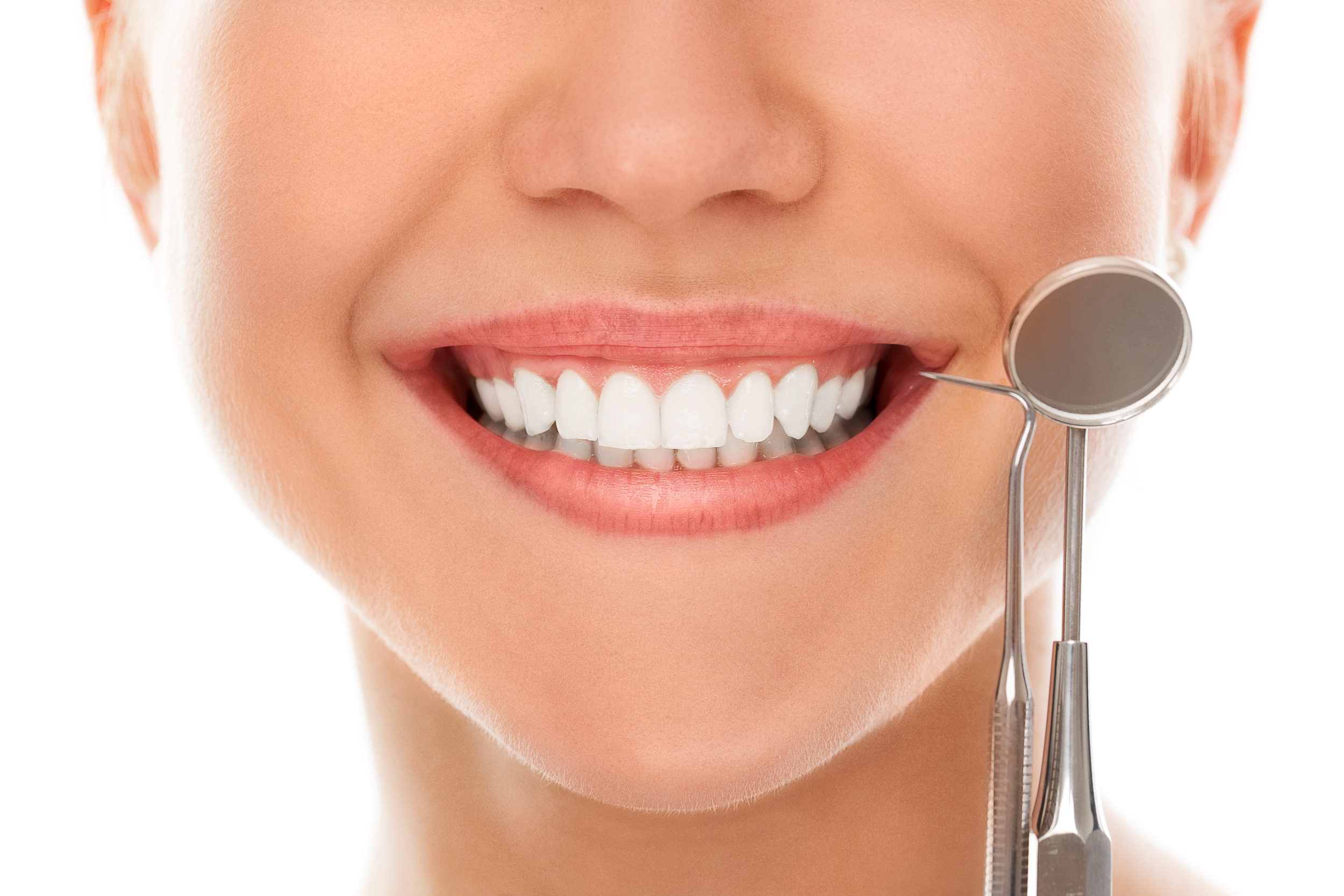
    Taking care of your oral hygiene protects your teeth and gums, but the benefits go beyond that—it may also help prevent stroke. However, brushing alone might not be enough. Researchers have found that flossing at least once a week can significantly reduce stroke risk.

    Previous studies have linked oral health to reduced stroke risk, but in the latest study, the researchers evaluated the specific impact of flossing.

    “A recent global health report revealed that oral diseases — such as untreated tooth decay and gum disease — affected 3.5 billion people in 2022, making them the most widespread health conditions. We aimed to determine which oral hygiene behavior — dental flossing, brushing or regular dentist visits — has the greatest impact on stroke prevention,” said study lead author Dr. Souvik Sen in a news release.

    The findings suggest that regular flossing may lower the risk of ischemic stroke by 22%(stroke from blood clots), cardioembolic stroke (caused by blood clots traveling from the heart) by 44%, and atrial fibrillation by 12%. These protective effects were independent of tooth brushing and other oral hygiene behaviors.

    The results will be presented at the American Stroke Association’s International Stroke Conference 2025, in Los Angeles. The findings were based on the Atherosclerosis Risk in Communities (ARIC) study, the first large-scale investigation in the U.S. that examined the link between flossing and stroke risk. For the study, researchers surveyed more than 6,000 people about their dental flossing habits and tracked their health over 25 years.

    Among those who flossed, 4,092 had never experienced a stroke, and 4,050 had no history of atrial fibrillation (AFib), a common heart rhythm disorder. Over time, 434 individuals suffered strokes, with different causes ranging from artery blockages to heart-related clots. Additionally, 1,291 participants developed AFib.

    The analysis revealed that the more frequently people flossed, the greater their reduction in stroke risk. Flossing was also linked to a lower likelihood of cavities and periodontal disease.

    “Oral health behaviors are linked to inflammation and artery hardening. Flossing may reduce stroke risk by lowering oral infections and inflammation and encouraging other healthy habits. Many people have expressed that dental care is costly. Flossing is a healthy habit that is easy to adopt, affordable, and accessible everywhere,” Sen explained.

    Source link

  • Taking Pills For Cardiovascular Diseases? They May Also Protect Against Dementia, Study Says

    Taking Pills For Cardiovascular Diseases? They May Also Protect Against Dementia, Study Says

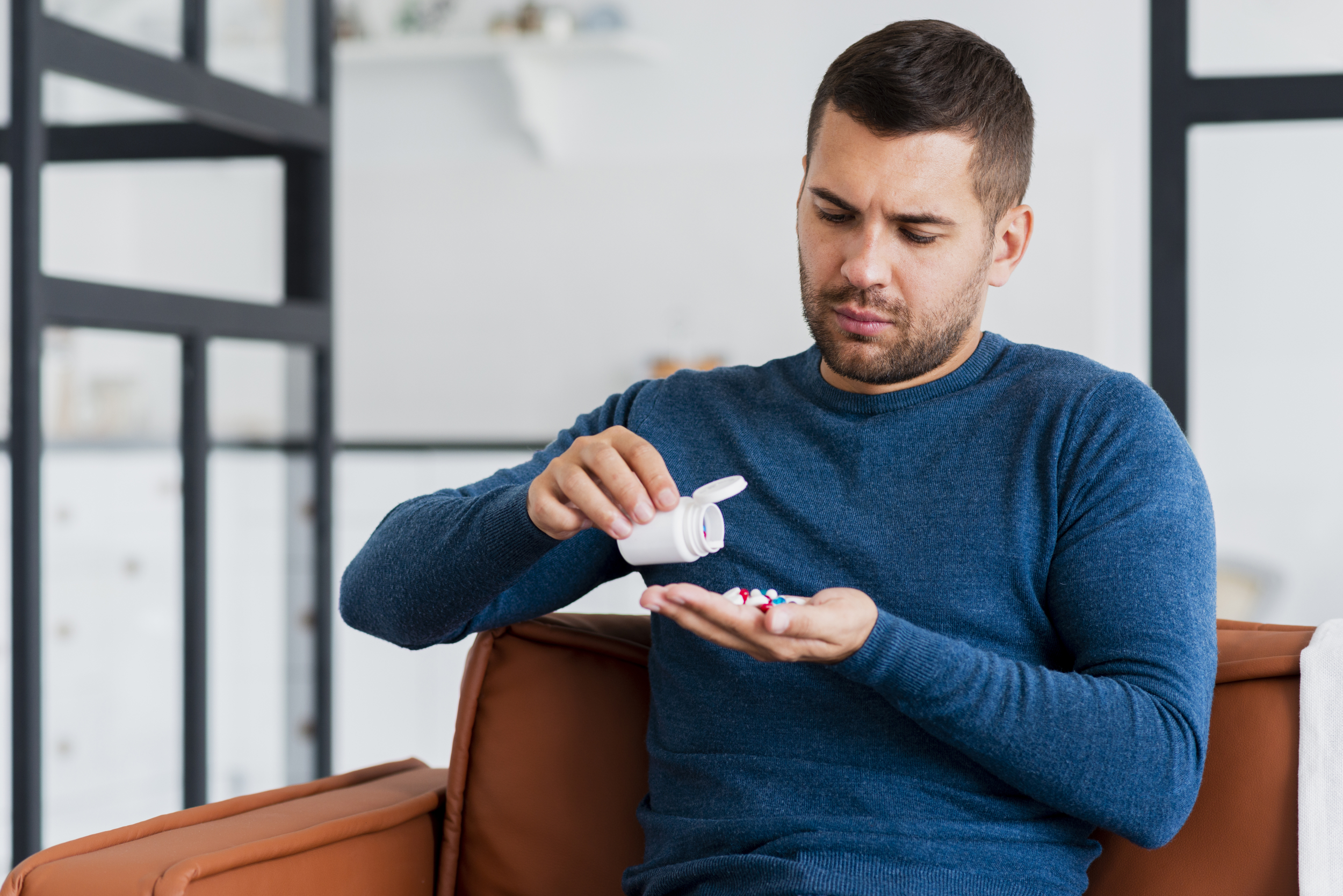
    Taking medications for cholesterol and blood pressure might seem like a health burden for many. But there’s good news for those who have to depend on cardiovascular medications. Researchers have found that beyond their cardiovascular benefits, long-term use of these drugs, especially when used in combination, may offer protection against dementia.

    The latest study conducted by Karolinska Institutet in Sweden revealed the use of common cardiovascular drugs for more than five years is associated with a reduced risk of dementia later in life.

    “Previous studies have focused on individual drugs and specific patient groups but in this study, we take a broader approach,” said Alexandra Wennberg, a lead author of the paper.

    The study analyzed dementia risk using data from Swedish national registers, involving around 88,000 individuals over the age of 70 who were diagnosed with dementia between 2011 and 2016. It also included 880,000 control participants. The researchers obtained data about the participants’ use of cardiovascular drugs from the Swedish Prescribed Drug Register.

    “The results show that long-term use of antihypertensive drugs, cholesterol-lowering drugs, diuretics, and blood-thinning drugs is associated with between 4 and 25 percent lower risk of dementia. Combinations of the drugs had stronger protective effects than if they were used alone,” the news release stated.

    However, the researchers noted that the use of antiplatelet drugs for stroke prevention may be associated with a higher risk of dementia. This could be due to the increased risk of microbleeds in the brain caused by these drugs, which are linked to cognitive decline.

    “The association between the use of common cardiovascular drugs and dementia risk suggests that these pathways may be explored for the development of dementia treatment though future research is necessary. Conversely, because antiplatelets are commonly used, it is important to further understand any long-term negative effects on cognitive outcomes.

    Researchers believe that the new finding adds an important piece of the puzzle for finding new treatments for dementia. Also, since the study observed cognitive decline associated with antiplatelet use, it highlights the need to consider their potential long-term cognitive effects when prescribing these medications.

    “We currently have no cure for dementia, so it’s important to find preventive measures,” said Wennberg.

    Source link

  • Know Symptoms, Learn How To Protect Yourself

    Know Symptoms, Learn How To Protect Yourself

    Whooping cough cases are on the rise in the U.S., with cases skyrocketing to the highest levels seen in a decade, health officials reported.

    Pertussis or whooping cough is a highly contagious respiratory illness that is a common endemic disease in the U.S.. The infection tends to surge in cycles, with peaks in reported cases occurring every few years.

    In the past few years, whooping cough cases dropped to lower-than-expected levels, largely due to pandemic precautions like masking and remote learning. However, the U.S. Center for Disease Control and Prevention (CDC) is now sounding the alarm as the country returns to pre-pandemic trends, or even surpassing them, with more than 10,000 cases typically reported annually.

    “Preliminary data show that more than five times as many cases have been reported as of week 41, reported on October 12, 2024, compared to the same time in 2023. The number of reported cases this year is higher than what was seen at the same time in 2019, prior to the pandemic,” the CDC said in a report.

    Meanwhile, health officials urge people to get vaccinated as it is the best way to prevent whooping cough. However, the CDC expects a rise in cases across both vaccinated and unvaccinated populations as infection patterns return to normal, largely due to waning immunity from earlier vaccinations.

    Know Symptoms:

    The symptoms can begin just like a common cold with a runny or stuffed nose, occasional cough, and low-grade fever for around two weeks. Young children, particularly those under the age of one are likely to get severe infection.

    As the infection progresses, patients may experience intense coughing fits lasting up to 10 weeks. These fits often produce a distinctive “whoop” sound when inhaling after a coughing episode. Other signs include vomiting during or after coughing fits, extreme fatigue, difficulty sleeping, and even trouble breathing. In severe cases, the force of coughing can lead to rib fractures.

    Prevention

    Whooping cough vaccination is recommended for prevention for people of all ages including babies, preteens, teenagers, and pregnant women. However, the effectiveness of vaccines can wane over time. In the case of individuals who are already exposed to pertussis bacteria, the use of preventive antibiotics is also recommended.

    Source link