Tag: Professional

  • Evyatar Nitzany on Balancing Professional Life with Physical Activity

    Evyatar Nitzany on Balancing Professional Life with Physical Activity

    Staying active throughout the workday isn’t just about fitness—it’s about maintaining energy, focus, and long-term well-being. In today’s work culture, where professionals are often glued to screens and tied to tight schedules, staying active can feel like a luxury rather than a necessity. As Evyatar Nitzany notes, even small efforts to incorporate more physical activity can lead to noticeable improvements in mood, productivity, and resilience.

    The key lies in finding what works for your lifestyle and making it a consistent, yet flexible, part of your day. By shifting the mindset around physical activity and embracing even the simplest changes, professionals can foster a healthier work-life rhythm that supports their physical and mental health.

    Why Staying Active Matters

    Regular movement during the day supports physical health and mental clarity. Professionals who stay active often report feeling more alert and better able to manage stress throughout the day. Even light activity can help reduce the fatigue that builds up from sitting for long periods.

    When physical activity is part of a daily routine, it can lead to better posture, improved focus, and greater job satisfaction. A simple walk during a lunch break or light stretching between meetings can make a noticeable difference in energy levels. Those who prioritize staying active tend to recover faster from mental fatigue and maintain a more balanced mood across high-pressure workdays.

    Barriers for Busy Professionals

    Busy schedules and demanding workloads often leave little room for physical activity. It’s not uncommon for professionals to feel drained after long hours in front of a screen or in back-to-back meetings. The mental load of work can make even a short walk seem like an extra task rather than a break.

    In many office settings, the atmosphere itself can discourage movement. Sitting for extended periods becomes the norm, especially when meetings are virtual or held back-to-back. Some workplaces also lack facilities or policies that encourage taking active breaks, leaving employees feeling stuck in sedentary routines.

    Balancing personal responsibilities outside of work adds another layer of difficulty. Between commuting, family duties, and errands, finding time to move can feel like a luxury. Over time, this lack of regular activity can lead to fatigue, diminished motivation, and even minor health issues that get brushed aside.

    Simple Ways to Add Physical Activity into the Workday

    Active habits don’t always require major changes—they often begin with small shifts in routine. Choosing to take the stairs instead of the elevator or walking during a phone call can break up long periods of sitting without disrupting workflow. These minor adjustments add up over the week. Even setting a timer to stand up every hour can make a difference in how the body feels.

    Some find that brief activities between tasks help them reset mentally. A short walk around the building or even a few minutes of stretching at the desk can improve circulation and refresh focus. These quick breaks can often lead to a clearer mind and a more creative approach to problem-solving.

    Incorporating activity into the workday can even make meetings more engaging. Standing discussions or walking meetings not only boost energy but also encourage more dynamic conversations. These alternatives help reduce the stiffness and sluggishness that often come with sitting all day.

    Choosing Activities That Fit Your Lifestyle

    The best kind of physical activity is the one that feels manageable and enjoyable within your daily routine. A person juggling early meetings might prefer a short yoga session at home, while someone with a free lunch hour could use that time for a brisk walk outdoors. The key is to align with your schedule, not work against it. Making the activity convenient increases the chances of sticking with it.

    When selecting an activity, it helps to consider your energy levels throughout the day. Some thrive on early morning workouts, while others find their rhythm in the evening after the workday winds down. What matters most is creating a rhythm that feels natural and doesn’t add stress to an already packed schedule.

    Building Habits That Stick

    Starting small often leads to lasting change. Aiming for consistency over perfection can be more effective in the long run. Setting a simple reminder on your phone or linking actions to an existing habit—like stretching after pouring your morning coffee—can make the new routine feel second nature.

    Progress doesn’t always come in leaps. Tracking through an app or journal can highlight patterns and boost motivation on days when energy feels low. When the routine is flexible and forgiving, it becomes easier to maintain through busy and unpredictable schedules.

    Support from those around you makes a difference. When coworkers encourage short breaks or join in a lunchtime walk, staying active feels less like a solo effort and more like a shared norm.

    Organizations that prioritize employee wellness are seeing the benefits of flexible schedules and active spaces. When leadership models healthy habits, others tend to follow.

    Source link

  • Essential Skills for Any Healthcare Professional to Learn in 2026

    Essential Skills for Any Healthcare Professional to Learn in 2026

    Healthcare demands a workforce equipped with more than just clinical expertise. As patient expectations shift, technology advances, and care models become more integrated, professionals must adapt to new roles, tools, and environments. Success in modern healthcare hinges on both soft and technical skills. Adaptability, digital fluency, empathy, and leadership are now central to daily routines.

    Whether navigating telehealth platforms or engaging diverse patient populations, healthcare workers must remain agile and responsive to change. As explained by Brady Beitlich, this transformation reflects a broader effort to create systems that are more efficient and patient-centered.

    Online Marketing | Unsplash

    Changing Roles and New Demands in Healthcare

    Healthcare professionals are seeing their responsibilities expand beyond traditional clinical duties. As care models evolve, there’s a stronger emphasis on collaboration, patient engagement, and outcome-based care.

    A nurse today might coordinate virtual check-ins, manage electronic records, and work closely with specialists across different locations. Similarly, physicians are expected to stay current with emerging technologies while navigating the complex needs of their patients. These changes make skill-building critical to keeping pace with healthcare delivery. In many settings, roles are blending, requiring individuals to wear multiple hats in a single day.

    Digital Literacy and Health Informatics

    Healthcare professionals must now navigate a digital-first backdrop. Handling electronic health records efficiently, understanding telehealth software, and working with remote monitoring tools are no longer optional skills. These platforms have become central to delivering timely, accurate, and patient-centered care.

    A physical therapist might use wearable tech data to tailor recovery plans, while a general practitioner could rely on AI-assisted diagnostics to catch early signs of chronic disease. Mastery of these technologies not only improves efficiency but also enhances clinical decision-making. Staying ahead in digital health requires technical fluency and a proactive mindset. As technology becomes increasingly integrated into patient care, digital literacy will continue to influence the way professionals approach their work.

    Effective Communication and Team Collaboration

    Brady Beitlich explains that strong communication remains foundational in healthcare. Whether speaking with a patient whose first language isn’t English or coordinating with remote care teams, clarity and empathy have a direct impact on care outcomes. Miscommunication can lead to errors, while effective dialogue builds trust and improves compliance.

    In high-pressure environments like emergency departments, quick yet precise exchanges between nurses, physicians, and technicians can save lives. Beyond verbal communication, emotional intelligence and the ability to manage conflict are becoming increasingly important, especially in diverse, multidisciplinary teams. The ability to actively listen and tailor messaging to the audience is now a key component of team success.

    Cultural Competency and Inclusive Care

    Healthcare providers are now expected to deliver care that respects cultural values, beliefs, and communication styles. A patient’s background often shapes how they perceive illness, treatment, and the healthcare system as a whole. By acknowledging these differences, professionals can foster more effective relationships and achieve better outcomes.

    A pediatrician working in an urban setting may treat families from diverse cultural backgrounds, each with its unique health practices. Understanding those nuances enables providers to adapt their approach without compromising clinical standards. Inclusive care also means addressing systemic barriers that contribute to health disparities, ensuring every patient feels seen, heard, and supported.

    Adaptability and Ongoing Learning

    Rapid advancements in medical technology and treatment protocols demand a mindset geared toward continual growth. Professionals who embrace change are better equipped to respond to new challenges, whether that means learning to operate new equipment or adjusting workflows to accommodate updated guidelines.

    A respiratory therapist may need to pivot quickly during a public health crisis, adapting to new ventilator models or revised care procedures. Those open to learning can more easily transition into expanded roles or collaborative settings. Flexibility has become a cornerstone of modern healthcare practice.

    Leadership, Decision-Making, and Preventive Care

    Even without formal titles, healthcare workers are often called to lead, whether by guiding a team through a complex case or taking initiative on quality improvement efforts. Strong decision-making, grounded in ethics and clinical knowledge, ensures better care delivery and team performance.

    Brady Beitlich says that a dietitian leading a community wellness program can positively impact hundreds of lives by promoting healthier lifestyles and preventing chronic illnesses. Healthcare leadership isn’t just about authority; it’s about responsibility, vision, and the ability to inspire change at both individual and system-wide levels.

    Source link

  • Transform Your Career: Strategies for Achieving Professional Fulfillment

    Transform Your Career: Strategies for Achieving Professional Fulfillment

    Transform Your Career: Strategies for Achieving Professional Fulfillment

    Are you feeling stuck in your current job, wondering how to break free from the monotony and cultivate a sense of purpose and fulfillment? You’re not alone. Many of us have been there, feeling trapped, uninspired, and searching for a way out. But the good news is that it’s never too late to make a change. In this article, we’ll explore various strategies for transforming your career and achieving professional fulfillment.

    I. Identify Your Why

    Before embarking on a journey to transform your career, it’s essential to understand why you want to make a change. What drives you? What motivates you? What are your values, passions, and strengths? Take some time to reflect on your values, interests, and long-term goals. What kind of work environment do you want to be in? What kind of tasks do you want to perform? By clarifying your "why," you’ll be better equipped to make informed decisions about your career path.

    II. Explore New Opportunities

    Once you’ve identified your why, it’s time to explore new opportunities. This can mean searching for job openings, attending industry conferences, networking, or taking courses to upskill. Be open to trying new things and stepping out of your comfort zone. Consider freelancing, volunteering, or taking on a side project to gain new experiences and build your network.

    III. Build a Support Network

    Surround yourself with people who inspire and motivate you. Join online communities, attend industry events, or participate in professional associations. Having a supportive network can help you stay focused, motivated, and inspired. You can also share your goals with a mentor or accountability partner to help stay on track.

    IV. Develop a Growth Mindset

    A growth mindset is essential for career transformation. Be willing to learn, adapt, and evolve. Focus on developing new skills, taking calculated risks, and embracing failure as an opportunity for growth. Practice self-reflection, and be honest with yourself about your strengths and areas for improvement.

    V. Foster a Positive Work-Life Balance

    Achieving a positive work-life balance is crucial for overall well-being and career fulfillment. Set boundaries, prioritize self-care, and establish a routine that nourishes both your body and mind. Remember, work-life balance is not just about achieving more, but about living a more intentional life.

    VI. Cultivate a Sense of Purpose

    Finally, cultivate a sense of purpose. Ask yourself, "What am I here for?" Find ways to align your work with your values and passions. This can help you feel more fulfilled, motivated, and inspired. Celebrate small wins, and acknowledge your progress along the way.

    VII. Break Free from Fear and Perfectionism

    Fear and perfectionism can hold us back from taking the necessary steps to transform our careers. Break free from these barriers by practicing self-compassion, reframing failure as an opportunity, and focusing on progress rather than perfection.

    VIII. Conclusion

    Transforming your career requires courage, resilience, and a willingness to take calculated risks. By identifying your why, exploring new opportunities, building a support network, developing a growth mindset, fostering a positive work-life balance, cultivating a sense of purpose, and breaking free from fear and perfectionism, you can achieve professional fulfillment. Remember, it’s a journey, not a destination. Stay committed, adaptable, and open to growth, and you’ll be well on your way to a more fulfilling career.

    FAQs

    • How do I know what I want to do?

      • Start by reflecting on your values, interests, and long-term goals. What kind of work environment do you want to be in? What kind of tasks do you want to perform?
    • What if I’m running out of passion and energy for my current job?

      • It’s normal to experience burnout or flag. Take a step back, assess your situation, and consider seeking support from a therapist, coach, or career counselor.
    • How do I get started?

      • Begin by identifying your why, then start exploring new opportunities, building a support network, and developing a growth mindset. Celebrate small wins along the way, and be patient with the process.
    • What if I’m afraid to take the leap?

      • Fear is normal. Write down your fears, then challenge each one. Focus on the benefits of taking the leap, such as increased fulfillment, growth, and potential for change.

    Remember, transforming your career is a journey, and it’s okay to take it one step at a time. By embracing these strategies, you’ll be well on your way to achieving professional fulfillment and living a more intentional, purposeful life.

  • Healthcare professional resources

    Healthcare professional resources

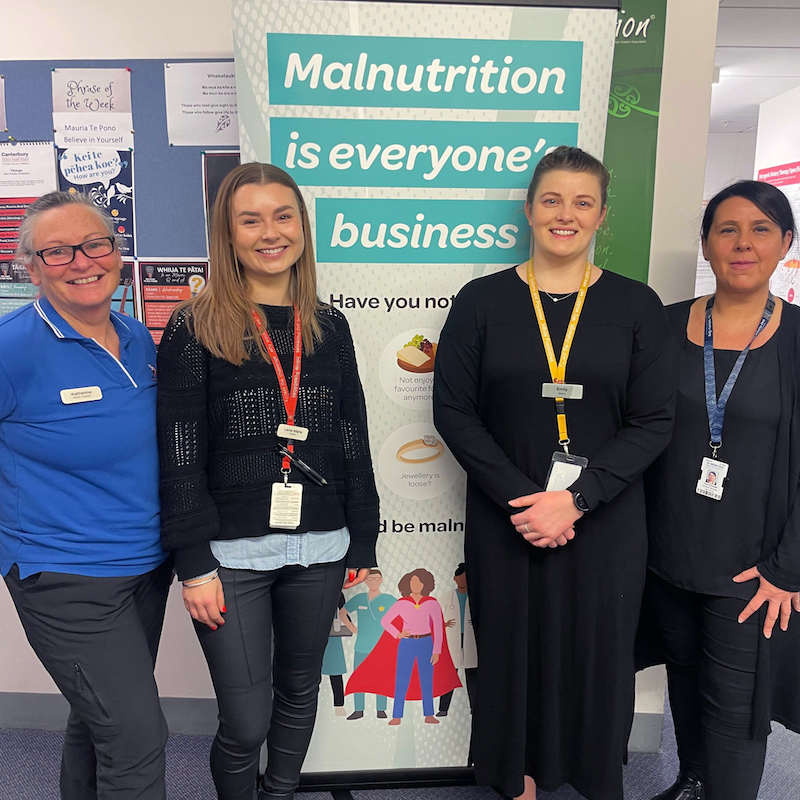
    Want to learn more about building a successful Malnutrition Week campaign? Join us as we learn from New Zealand Registered Dietitian Tory Crowder and her team at Christchurch Hospital. Tory shares how her team of 40 dietitians and diet assistants have utilised the Malnutrition Week ANZ themes from the past three years to develop activities that are impactful and engaging to their wider…

    Source

    Source link