Tag: Postpartum

  • Just 80 Minutes Of Weekly Exercise Reduces Baby Blues, Postpartum Depression Symptoms: Says Study

    Just 80 Minutes Of Weekly Exercise Reduces Baby Blues, Postpartum Depression Symptoms: Says Study

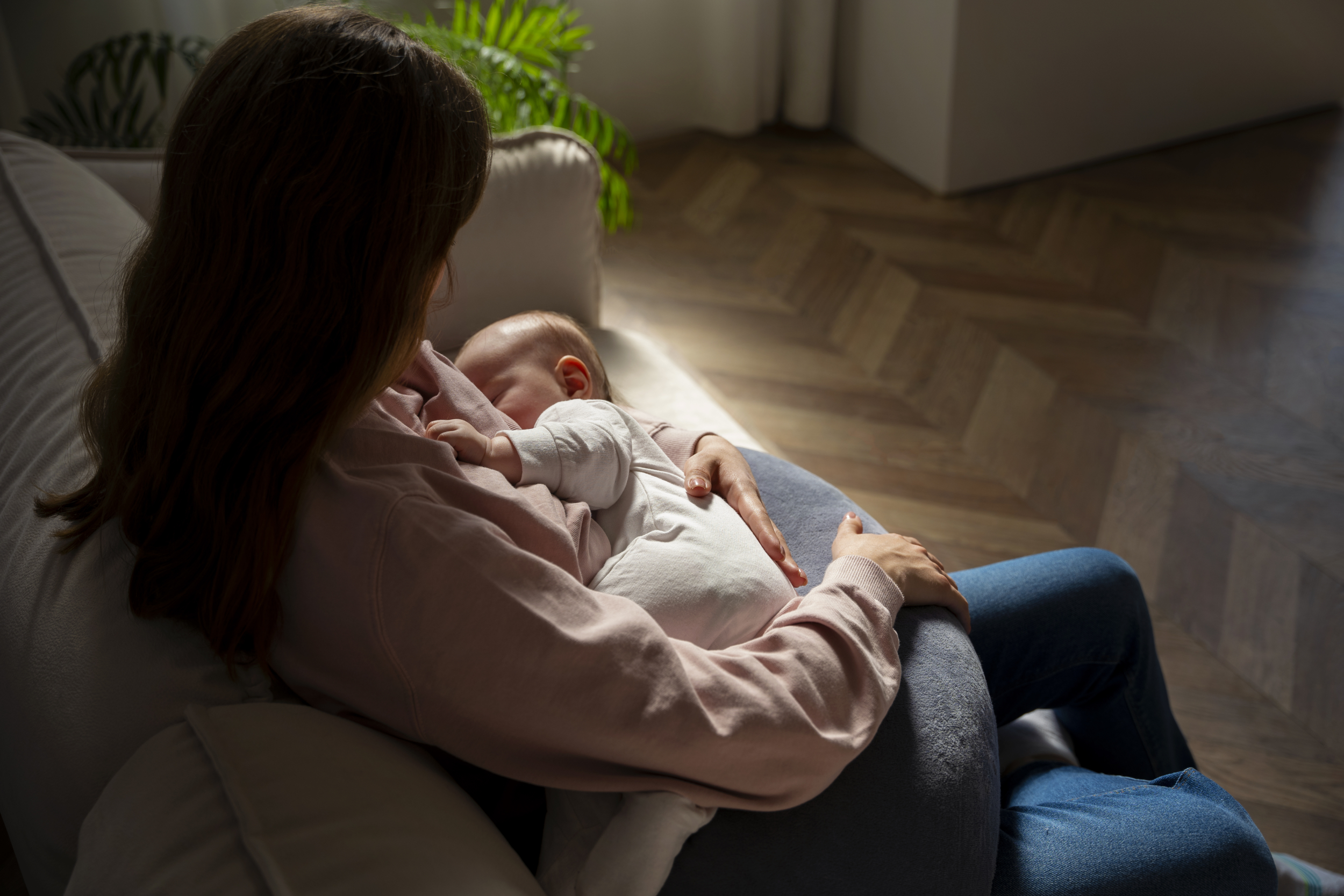
    For new moms who are looking for an all-natural way to ease their baby blues or depression, here’s some good news: a brisk walk or yoga might be just what you need to relieve symptoms. Researchers have found that mothers who engage in exercise programs with at least 80 minutes of moderate activity each week experience significant reductions in the severity of baby blues and postpartum depression.

    Postpartum depression is a serious mental health condition impacting over 10% of women in the first year after childbirth. Hormonal shifts, genetic predisposition, and environmental factors can trigger it. In contrast, the ‘baby blues’ is a milder, temporary form of depression that usually fades within a few weeks as hormone levels stabilize.

    Researchers behind the latest study investigated the benefits of exercise on maternal mental health by evaluating 35 studies involving 4072 participants from 14 countries. Participants exercised at different frequencies, from 1 to 5 days a week, with sessions lasting between 15 and 90 minutes. Activities included aerobic exercise, strength training, stretching, yoga, and combinations of these forms.

    “Pooled data analysis of the study results showed that compared with no exercise, exercise-only interventions were associated with less severe symptoms of depression and anxiety after giving birth and an almost halving in the odds (45%) of developing major postpartum depression,” the news release stated.

    Although with an increase in exercise volume, there were greater reductions in depression symptoms, researchers noted significant positive effects, even with a minimum threshold of 80 minutes per week of moderate activities spread across at least four days. Moderate activities included brisk walking, water aerobics, stationary cycling, and resistance training with bands, weights, or body weight.

    Based on these findings, researchers recommend starting postpartum exercise within the first three months after childbirth for improved mental health.

    “The findings of this review show the efficacy of exercise in improving mental health outcomes for postpartum individuals. Given the comparable effectiveness we observed of postpartum exercise in reducing depressive symptom severity to conventional treatments, exercise could provide mothers with relatively safe, accessible and inexpensive alternatives to address mental health conditions,” the researchers wrote in the study published in the British Journal of Sports Medicine.

    “Additionally, using exercise to improve postpartum mental health could reduce current concerns with conventional treatment options, such as the largely unknown long-term effects of antidepressant use during lactation on the child or prohibitive costs of regular psychosocial therapy visits,” they added.
    Source link

  • Behavioral Therapy For Insomnia May Lower Risk Of Postpartum Depression: Study

    Behavioral Therapy For Insomnia May Lower Risk Of Postpartum Depression: Study

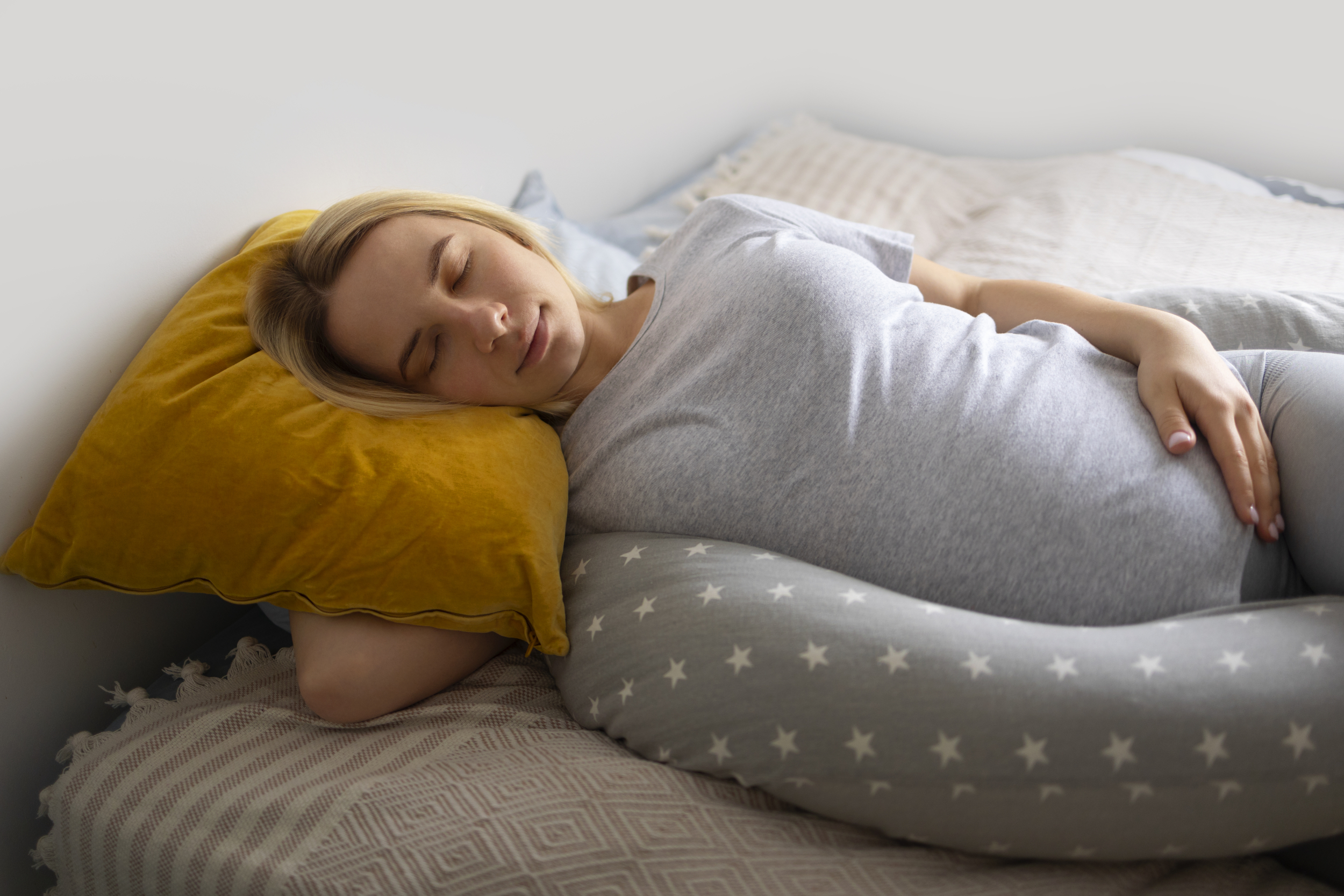
    Good sleep is essential for mental well-being of every human being. While it is difficult to ensure good sleep during pregnancy, getting behavioral therapy for insomnia could not only solve sleep issues, but could even reduce the risk of postpartum depression, a recent study has revealed.

    Postpartum depression is a mental health condition that affects around 10% of women after giving birth. The symptoms include severe mood disorder, constant fatigue, difficulty sleeping at night with daytime drowsiness, difficulty caring for oneself or the baby, withdrawal from social contact, trouble concentrating and making decisions, and distressing thoughts, such as fears of harming the baby.

    The patients are recommended to get sleep, rest, and exercise, and seek therapy or medications for relief, depending on the severity of the symptoms.

    According to the latest study published in the Journal Of Affective Disorders, getting cognitive behavioral therapy for insomnia (CBTi) may serve as a protective factor against postpartum depression.

    “Early intervention is crucial for infant and parental mental health. Our research explores how addressing sleep problems like insomnia can lead to better mental health outcomes for families, helping parents and their children thrive,” said Dr. Elizabeth Keys, the study’s co-author, in a news release.

    The therapy starts by identifying a patient’s thoughts, behaviors, and sleep patterns that contribute to insomnia. Misconceptions or habits disrupting sleep are then challenged and reframed to enhance sleep quality.

    “CBTi is the gold standard for the treatment of insomnia and has consistently been shown to improve symptoms of depression. Its treatment effects are similar to antidepressant medications among adults, but with fewer side effects, and is therefore often preferred by pregnant individuals,” said Dr. Keys.

    During the trial, researchers evaluated 62 women with insomnia, who underwent a five-week CBT-I intervention specifically adapted for pregnancy. The participants’ insomnia and depression symptoms were tested before the intervention, immediately after, and again six months postpartum.

    The results revealed that there was a significant improvement in sleep among the participants and reduced depressive symptoms six months after postpartum.

    “These are enormously encouraging results for anyone who has struggled in those early weeks and months with their newborns. Our study adds to the growing evidence that treating insomnia during pregnancy is beneficial for various outcomes. It’s time to explore how we can make this treatment more accessible to pregnant individuals across the country to improve sleep health equity,” Dr. Keys added.

    Source link