In today’s fast-paced world, it’s easy to get bogged down in negative thoughts and emotions. However, research has shown that having a positive outlook on life can have a significant impact on both physical and mental health. Being optimistic can bring numerous benefits, from reducing stress and anxiety to improving relationships and overall well-being. In this article, we’ll explore the benefits of being optimistic, how positive thinking can improve your physical and mental health, and provide tips on how to cultivate a more optimistic mindset.
The Power of Positive Thinking
Positive thinking is more than just a mindset; it’s a way of life. When we focus on the positive aspects of our lives, we begin to see the world in a different light. We start to notice the good things, the beauty, and the joy that surrounds us. This, in turn, can have a profound impact on our mental and physical health. Studies have shown that people who practice positive thinking tend to have lower levels of stress and anxiety, better sleep quality, and a stronger immune system. They also tend to be more resilient, better equipped to handle life’s challenges, and more likely to achieve their goals.
The Benefits of Optimism for Physical Health
Being optimistic can have a significant impact on our physical health. Research has shown that optimistic people tend to have:
Lower blood pressure: Studies have found that people who are optimistic tend to have lower blood pressure, which can reduce the risk of heart disease and stroke.
A healthier weight: Optimistic people tend to have a healthier weight, which can reduce the risk of chronic diseases such as diabetes and certain types of cancer.
A stronger immune system: Positive thinking has been shown to boost the immune system, reducing the risk of illness and infection.
Less chronic pain: Optimistic people tend to experience less chronic pain, which can improve overall quality of life.
The Benefits of Optimism for Mental Health
Being optimistic can also have a significant impact on our mental health. Research has shown that optimistic people tend to have:
Lower levels of stress and anxiety: Positive thinking can help reduce stress and anxiety, which can improve overall mental well-being.
Fewer symptoms of depression: Optimistic people tend to experience fewer symptoms of depression, which can improve overall quality of life.
Better relationships: Positive thinking can improve relationships, which can lead to a stronger support network and improved mental health.
Improved cognitive function: Optimistic people tend to have better cognitive function, which can improve problem-solving skills and overall mental performance.
How to Cultivate a More Optimistic Mindset
So, how can we cultivate a more optimistic mindset? Here are a few tips:
Practice gratitude: Take time each day to reflect on the things you’re grateful for. This can help shift your focus to the positive aspects of your life.
Reframe negative thoughts: Challenge negative thoughts by reframing them in a more positive light. For example, instead of thinking “I’ll never be able to do this,” try thinking “I’ll learn and grow from this experience.”
Surround yourself with positive people: The people we surround ourselves with can have a significant impact on our mindset. Surround yourself with positive, supportive people who encourage and uplift you.
Take care of yourself: Taking care of your physical health can also improve your mental health. Make sure to get enough sleep, exercise regularly, and eat a healthy diet.
Overcoming Obstacles to Optimism
Of course, it’s not always easy to be optimistic. Life can be challenging, and it’s easy to get bogged down in negative thoughts and emotions. Here are a few tips for overcoming obstacles to optimism:
Practice self-compassion: Be kind to yourself when you’re struggling. Remember that it’s okay to not be okay, and that you’re doing the best you can.
Seek support: Talk to a trusted friend or family member, or seek out professional help if you’re struggling with negative thoughts or emotions.
Take things one step at a time: When faced with a challenging situation, try to break it down into smaller, more manageable tasks. This can help you feel more in control and more optimistic about the future.
Focus on the present moment: Instead of getting bogged down in worries about the future or regrets about the past, try to focus on the present moment. Mindfulness techniques such as meditation and deep breathing can help you stay present and focused.
Conclusion
In conclusion, being optimistic can have a significant impact on both physical and mental health. By practicing positive thinking, cultivating a more optimistic mindset, and overcoming obstacles to optimism, we can improve our overall well-being and quality of life. Remember that it’s okay to not be okay, and that it’s a process to develop a more optimistic mindset. With time and practice, you can learn to focus on the positive aspects of your life, cultivate a more optimistic mindset, and improve your overall health and well-being.
FAQs
Q: What is optimism, and how can it benefit my life?
A: Optimism is a positive mindset that can bring numerous benefits, from reducing stress and anxiety to improving relationships and overall well-being.
Q: How can I cultivate a more optimistic mindset?
A: You can cultivate a more optimistic mindset by practicing gratitude, reframing negative thoughts, surrounding yourself with positive people, and taking care of your physical health.
Q: What if I’m struggling with negative thoughts and emotions?
A: If you’re struggling with negative thoughts and emotions, try practicing self-compassion, seeking support, taking things one step at a time, and focusing on the present moment.
Q: Can optimism really improve my physical health?
A: Yes, research has shown that optimistic people tend to have lower blood pressure, a healthier weight, a stronger immune system, and less chronic pain.
Q: How can I overcome obstacles to optimism?
A: You can overcome obstacles to optimism by practicing self-compassion, seeking support, taking things one step at a time, and focusing on the present moment.
Q: Is it possible to learn to be more optimistic?
A: Yes, it is possible to learn to be more optimistic. With time and practice, you can develop a more optimistic mindset and improve your overall health and well-being.
Staying active throughout the workday isn’t just about fitness—it’s about maintaining energy, focus, and long-term well-being. In today’s work culture, where professionals are often glued to screens and tied to tight schedules, staying active can feel like a luxury rather than a necessity. As Evyatar Nitzany notes, even small efforts to incorporate more physical activity can lead to noticeable improvements in mood, productivity, and resilience.
The key lies in finding what works for your lifestyle and making it a consistent, yet flexible, part of your day. By shifting the mindset around physical activity and embracing even the simplest changes, professionals can foster a healthier work-life rhythm that supports their physical and mental health.
Why Staying Active Matters
Regular movement during the day supports physical health and mental clarity. Professionals who stay active often report feeling more alert and better able to manage stress throughout the day. Even light activity can help reduce the fatigue that builds up from sitting for long periods.
When physical activity is part of a daily routine, it can lead to better posture, improved focus, and greater job satisfaction. A simple walk during a lunch break or light stretching between meetings can make a noticeable difference in energy levels. Those who prioritize staying active tend to recover faster from mental fatigue and maintain a more balanced mood across high-pressure workdays.
Barriers for Busy Professionals
Busy schedules and demanding workloads often leave little room for physical activity. It’s not uncommon for professionals to feel drained after long hours in front of a screen or in back-to-back meetings. The mental load of work can make even a short walk seem like an extra task rather than a break.
In many office settings, the atmosphere itself can discourage movement. Sitting for extended periods becomes the norm, especially when meetings are virtual or held back-to-back. Some workplaces also lack facilities or policies that encourage taking active breaks, leaving employees feeling stuck in sedentary routines.
Balancing personal responsibilities outside of work adds another layer of difficulty. Between commuting, family duties, and errands, finding time to move can feel like a luxury. Over time, this lack of regular activity can lead to fatigue, diminished motivation, and even minor health issues that get brushed aside.
Simple Ways to Add Physical Activity into the Workday
Active habits don’t always require major changes—they often begin with small shifts in routine. Choosing to take the stairs instead of the elevator or walking during a phone call can break up long periods of sitting without disrupting workflow. These minor adjustments add up over the week. Even setting a timer to stand up every hour can make a difference in how the body feels.
Some find that brief activities between tasks help them reset mentally. A short walk around the building or even a few minutes of stretching at the desk can improve circulation and refresh focus. These quick breaks can often lead to a clearer mind and a more creative approach to problem-solving.
Incorporating activity into the workday can even make meetings more engaging. Standing discussions or walking meetings not only boost energy but also encourage more dynamic conversations. These alternatives help reduce the stiffness and sluggishness that often come with sitting all day.
Choosing Activities That Fit Your Lifestyle
The best kind of physical activity is the one that feels manageable and enjoyable within your daily routine. A person juggling early meetings might prefer a short yoga session at home, while someone with a free lunch hour could use that time for a brisk walk outdoors. The key is to align with your schedule, not work against it. Making the activity convenient increases the chances of sticking with it.
When selecting an activity, it helps to consider your energy levels throughout the day. Some thrive on early morning workouts, while others find their rhythm in the evening after the workday winds down. What matters most is creating a rhythm that feels natural and doesn’t add stress to an already packed schedule.
Building Habits That Stick
Starting small often leads to lasting change. Aiming for consistency over perfection can be more effective in the long run. Setting a simple reminder on your phone or linking actions to an existing habit—like stretching after pouring your morning coffee—can make the new routine feel second nature.
Progress doesn’t always come in leaps. Tracking through an app or journal can highlight patterns and boost motivation on days when energy feels low. When the routine is flexible and forgiving, it becomes easier to maintain through busy and unpredictable schedules.
Support from those around you makes a difference. When coworkers encourage short breaks or join in a lunchtime walk, staying active feels less like a solo effort and more like a shared norm.
Organizations that prioritize employee wellness are seeing the benefits of flexible schedules and active spaces. When leadership models healthy habits, others tend to follow.
Car crashes, workplace injuries, and slip-and-fall accidents often leave visible evidence—fractures, bruises, and scars that mark the path to physical healing. Yet beneath those surface wounds lies another battle entirely. The emotional and psychological effects of an accident can linger long after the body mends, quietly shaping how victims think, sleep, and interact with the world.
This invisible aftermath is often misunderstood or ignored. As legal advocates at Therman Law often note, true recovery is not just physical—it’s emotional, mental, and social. A settlement that covers hospital bills but not therapy or emotional trauma only tells half the story.
From chronic anxiety and insomnia to relationship strain and depression, post-accident stress can have lifelong repercussions. Understanding its hidden toll is the first step toward full recovery and justice.
The Body’s Shock Response: When Survival Mode Stays Stuck
Immediately after an accident, the body’s “fight-or-flight” system floods the bloodstream with adrenaline and cortisol. These hormones help victims survive the crisis—but when that heightened state lingers, it can create chronic stress.
The American Psychological Association (APA) lists car crashes among the top triggers for acute stress disorder (ASD) and post-traumatic stress disorder (PTSD). Victims often report flashbacks, panic attacks, and hypervigilance—reacting to sounds or sensations that remind them of the incident.
These reactions are the body’s attempt to process trauma. But when the stress response fails to shut down, it can evolve into a long-term psychological injury, often just as disabling as a physical one.
When the Body Heals but the Mind Doesn’t
Modern medicine can repair broken bones and torn ligaments, but emotional trauma doesn’t follow the same timeline. Many accident victims appear “fine” in the weeks after an event, only to develop anxiety, depression, or irritability months later—a condition known as delayed-onset stress.
The National Institute of Mental Health (NIMH) warns that chronic stress can weaken the immune system, increase inflammation, and raise the risk of heart disease. In other words, ignoring emotional healing can slow physical recovery and even cause new health issues.
That’s why Therman Law encourages victims to seek both medical and psychological evaluations early in their recovery process. Emotional pain deserves the same attention—and compensation—as physical injury.
Sleep: The Silent Casualty of Trauma
One of the first casualties of post-accident stress is sleep. Victims often struggle with nightmares, restless nights, or the inability to fall asleep at all.
The Sleep Foundation notes that trauma-induced insomnia can severely hinder healing since deep sleep is when tissues repair and the brain processes stress. Over time, chronic sleep loss intensifies anxiety, pain sensitivity, and mood swings.
Therapists often target sleep restoration first using approaches such as Cognitive Behavioral Therapy for Insomnia (CBT-I) and mindfulness techniques. Restoring sleep isn’t just about feeling rested—it’s about rebuilding the foundation of recovery.
The Social Ripple Effect: Isolation After Injury
Many accident survivors withdraw from social life, often subconsciously. They may stop driving, avoid crowds, or decline invitations to places that trigger memories of the event. What starts as self-protection can evolve into isolation.
According to the Harvard T.H. Chan School of Public Health, social isolation significantly increases the risk of depression and cognitive decline. Losing social contact also deprives victims of a vital recovery tool—emotional support.
Attorneys at Therman Law frequently observe this pattern in clients. They advocate not only for financial recovery but for holistic well-being—encouraging survivors to rebuild social connections and access trauma-informed therapy.
Chronic Pain and Emotional Feedback Loops
Pain and emotion are deeply intertwined. Persistent pain activates brain regions tied to mood regulation, such as the amygdala. When pain continues, anxiety and depression intensify, which then heighten the sensation of pain—a vicious feedback loop.
The Cleveland Clinic reports that people with chronic pain are three times more likely to develop mood disorders. That’s why experts recommend integrated treatment plans combining physical therapy with psychological care.
Unfortunately, most recovery systems still separate the two. Breaking this loop requires recognizing that mental and physical recovery are not separate paths—they’re the same journey.
The Financial Burden of Recovery
Physical and emotional recovery is often complicated by financial pressure. Medical bills, missed work, and insurance delays can turn healing into a full-time source of stress.
A study published in the American Journal of Public Health found that nearly 60% of accident victims report financial strain as a major obstacle to recovery. Chronic financial stress elevates cortisol levels, delaying wound healing and weakening immunity.
Here, experienced legal representation makes a tangible difference. Firms such as Therman Law help victims secure compensation not only for medical expenses but also for pain, suffering, and emotional trauma—so they can focus on healing rather than survival.
The Hidden Victims: Families Under Strain
An accident doesn’t affect only the person injured. Spouses, children, and caregivers often experience “secondary trauma”—the distress of watching a loved one struggle physically and emotionally.
Research from the National Center for Biotechnology Information (NCBI) shows that family members of trauma victims frequently develop anxiety, sleep disturbances, or depressive symptoms. Over time, strained communication and financial hardship can further destabilize family life.
Rehabilitation experts recommend family counseling as part of the recovery process. When loved ones understand trauma’s emotional ripple effects, they’re better equipped to provide empathy rather than frustration.
Healing the Mind: Proven Paths to Recovery
While trauma recovery is highly individual, certain evidence-based therapies stand out. Cognitive Behavioral Therapy (CBT) helps victims reframe negative thoughts and rebuild confidence. For those with severe PTSD, treatments such as Eye Movement Desensitization and Reprocessing (EMDR) and prolonged exposure therapy—endorsed by the U.S. Department of Veterans Affairs—have shown remarkable results.
Equally vital is gradual re-engagement with daily life. Driving again, walking in familiar places, or reconnecting socially helps rewire the brain’s fear response. Healing happens not just in therapy rooms, but in the act of reclaiming normalcy.
When Emotional Harm Enters the Courtroom
For decades, personal injury law focused mostly on visible, measurable damages. But today, courts across the U.S. increasingly recognize the reality of emotional suffering. Claims for pain and suffering, emotional distress, and loss of enjoyment of life are becoming integral parts of personal injury cases.
Firms such as Therman Law routinely integrate psychological evaluations into claims, ensuring victims are compensated for invisible injuries that affect their quality of life. This legal shift underscores a cultural awakening: emotional trauma deserves the same seriousness as physical harm.
Beyond the Body: Redefining True Recovery
Healing from an accident is not just about fixing what’s broken—it’s about restoring wholeness. Yet too often, victims are told they’re “fine” once physical wounds close, even as their mental scars remain raw.
Recognizing post-accident stress as part of total recovery isn’t indulgence—it’s essential healthcare. The mind and body are inseparable, and recovery remains incomplete until both are healed.
As Therman Law reminds clients, justice means more than financial compensation. It means ensuring victims reclaim their peace of mind, emotional balance, and sense of safety. True healing isn’t defined by the absence of pain, but by the return of life’s normal rhythm—the ability to breathe deeply again, sleep soundly, and feel safe behind the wheel or walking down the street.
Investing in yourself is one of the most critical investments you can make. It encompasses various aspects, including financial wellness, which is often overlooked as a vital component of overall health. Financial wellness is not just about managing your money effectively; it also plays a significant role in your mental and physical health. The stress and anxiety associated with financial instability can have debilitating effects on both body and mind. In this article, we will explore how investing in financial wellness can lead to improved mental and physical health, and provide practical tips on how to achieve financial stability.
Understanding Financial Wellness
Financial wellness refers to a state where an individual is able to manage their financial resources effectively, make informed financial decisions, and achieve their financial goals without undue stress. It is about having a sense of security and peace of mind when it comes to money matters. Achieving financial wellness involves several elements, including budgeting, saving! investing, managing debt, and planning for the future. It is a continuous process that requires effort, discipline, and patience.
The Impact of Financial Stress on Mental Health
Financial stress can have a profound impact on mental health. The constant worry about money can lead to anxiety, depression, and a range of other mental health issues. The pressure to make ends meet, pay off debt, or save for the future can be overwhelming, leading to feelings of hopelessness and despair. When individuals are preoccupied with financial concerns, they may experience decreased motivation, difficulty concentrating, and strained relationships. Furthermore, the stigma associated with financial struggles can prevent people from seeking help, exacerbating the problem.
The Link Between Financial Wellness and Physical Health
Financial stress not only affects mental health but also has physical consequences. Chronic stress can lead to a range of physical health problems, including hypertension, cardiovascular disease, obesity, and a weakened immune system. The body’s stress response, also known as the "fight or flight" response, is designed to be temporary, but when it becomes a chronic state, it can have devastating effects on physical health. Moreover, financial stress can lead to unhealthy coping mechanisms, such as substance abuse or poor eating habits, further compromising physical health.
Strategies for Achieving Financial Wellness
Achieving financial wellness requires a multifaceted approach. Here are some strategies to help you improve your financial situation and, in turn, your mental and physical health:
Budgeting: Start by creating a realistic budget that accounts for all your income and expenses. Prioritize your spending, ensuring that essential expenses are covered first.
Saving: Make saving a habit. Aim to save a portion of your income regularly, even if it’s a small amount.
Debt Management: Develop a plan to manage your debt. This could involve consolidating debt, negotiating with creditors, or seeking professional help.
Investing: Consider investing in retirement accounts, such as 401(k) or IRA, and explore other investment options to grow your wealth over time.
Financial Education: Continuously seek to improve your financial literacy. Read books, attend seminars, or consult with financial advisors to make informed financial decisions.
The Role of Mindset in Financial Wellness
Your mindset plays a crucial role in achieving financial wellness. A positive and proactive approach to finances can make a significant difference. It involves adopting a long-term perspective, being open to learning, and maintaining a growth minset. Negative beliefs and attitudes towards money can hinder your progress, making it essential to address any underlying financial biases or fears. Practicing mindfulness and self-compassion can also help in managing financial stress and making wise financial decisions.
Building an Emergency Fund
Having an emergency fund in place is a cornerstone of financial wellness. It provides a cushion against unexpected expenses, reducing financial stress and anxiety. Aim to save enough to cover three to six months of living expenses. This fund can help you navigate through financial shocks, such as job loss, medical emergencies, or car repairs, without going into debt.
Investing in Personal Development
Investing in yourself through personal development is closely linked to financial wellness. Enhancing your skills, knowledge, and personal qualities can lead to better job opportunities, increased income, and a greater sense of fulfillment. This investment can take many forms, including formal education, vocational training, health and wellness programs, and personal coaching.
Leveraging Technology for Financial Wellness
Technology offers numerous tools and resources to help manage finances effectively. Mobile apps, budgeting software, and online financial platforms can simplify budgeting, saving, and investing. Automated savings plans and investment apps can make managing money easier and less time-consuming. Moreover, online communities and forums provide support and valuable insights from others who are on a similar financial journey.
Conclusion
Investing in financial wellness is a powerful way to improve your mental and physical health. By adopting effective financial strategies, managing stress, and cultivating a positive mindset, you can achieve financial stability and enhance your overall well-being. Remember, financial wellness is a journey, not a destination. It requires patience, persistence, and a willingness to learn and adapt. By prioritizing your financial health, you are investing in a happier, healthier you.
FAQs
Q: How do I start investing in myself for financial wellness?
A: Begin by assessing your current financial situation, setting clear financial goals, and seeking out resources for financial education and planning.
Q: Is financial wellness only about saving money?
A: No, financial wellness encompasses saving, but it also involves effective management of debt, wise investing, and maintaining a healthy financial mindset.
Q: Can financial stress really affect my physical health?
A: Yes, chronic financial stress can lead to a range of physical health issues, including hypertension, cardiovascular disease, and a weakened immune system.
Q: How can I stay motivated on my journey to financial wellness?
A: Celebrate small victories, find a support system, continuously educate yourself on personal finance, and remind yourself of your long-term goals.
Q: What role does emergency funding play in financial wellness?
A: An emergency fund provides a safety net against unexpected expenses, reducing financial stress and the need for costly loans or credit card debt.
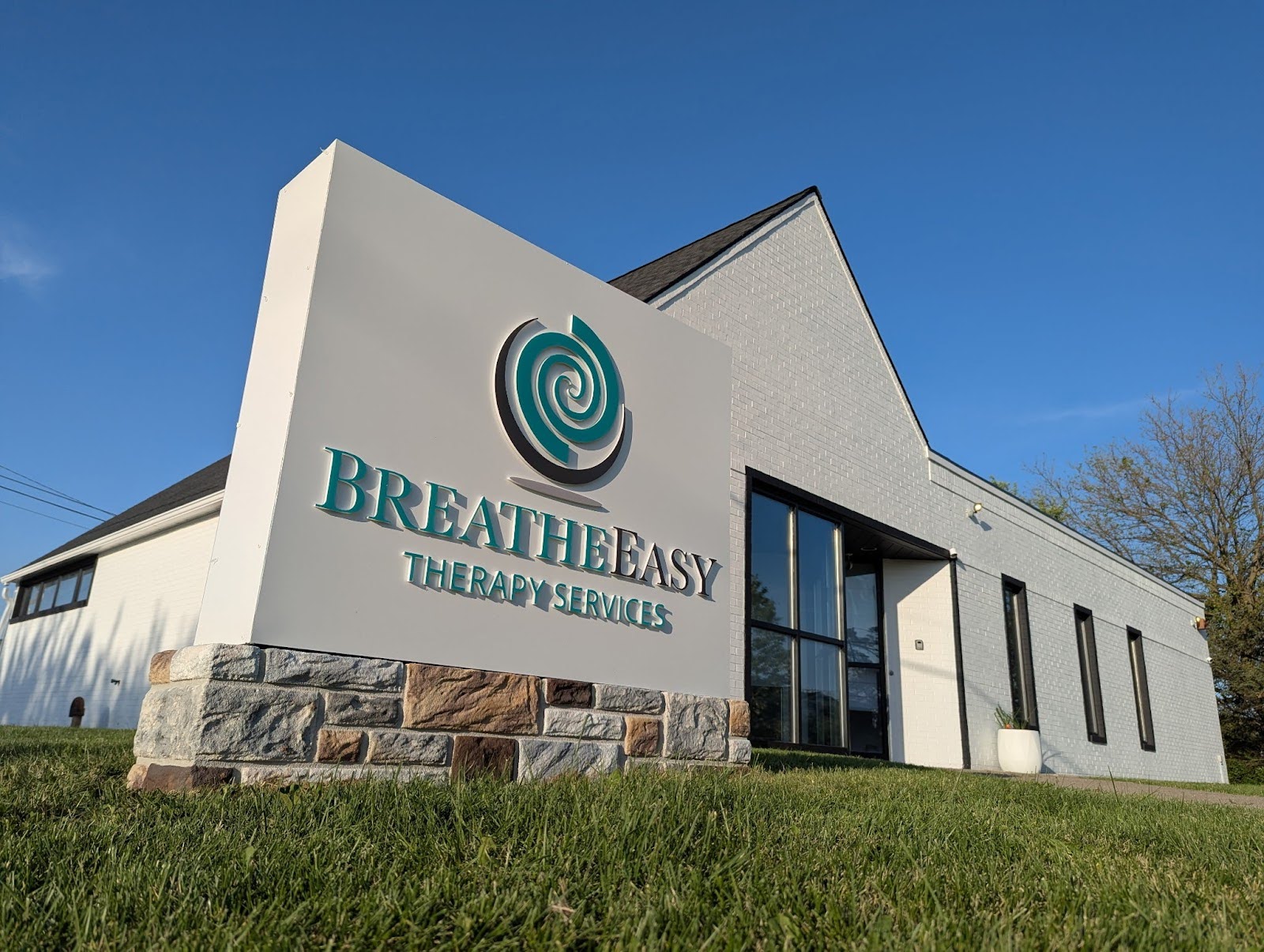
When Cynthia Piccini purchased a new building for both of her businesses, Breathe Easy Therapy Services and Breathe Easy Wellness, in January, it was not just a business decision; it was a declaration. A declaration that mental health deserves space. That healing is multifaceted with proactive care.
“We needed a space where therapy and wellness could truly work hand-in-hand,” says Piccini, a marriage and family therapist. “So I designed one.”
The newly opened building, which officially launched in June and houses both of her businesses, reflects this vision. Visitors step into a central waiting area, then enter a serene square layout that seamlessly connects wellness and therapy. There’s a yoga studio, meditation room, massage space, salt cave, and across the hall, a suite of therapy offices. “You don’t know why someone’s here,” Piccini notes. “It might be for breathwork. It might be for trauma therapy. But it’s all part of the same conversation.”
This integrative approach responds to a significant need. According to Mental Health America, over 28 million adults in the U.S. with a mental illness do not receive treatment. And many of those who do only seek care when in crisis. “We want to change that,” Piccini emphasizes. “Therapy doesn’t have to be about fixing a problem. It can be about learning more about yourself, gaining tools, building relationships, or simply feeling good.”
That’s why Breathe Easy Therapy Services offers far more than traditional therapy. Recent events include a “Relax, Reset, Recharge” day for educators, with group yoga, massage, skincare, and breathwork sessions. The main goal is to help teachers enter the school year grounded and emotionally equipped.
Other offerings include a hybrid chronic illness support group, children’s yoga, a 55+ yoga class, and an upcoming premarital workshop led by Piccini herself. “We are teaching people how to have healthy conflict in a relationship,” she said. “No one teaches you that.”
And it’s not just the offerings that make the business unique; it’s the philosophy. “We are not here to replace therapy,” Piccini says. “We are here to expand it.” Breathwork, yoga, mindfulness, and massage are not just add-ons. They are interventions, especially when therapy sessions happen just once a week. These wellness practices fill in the gaps, giving clients tools they can use daily.
Breathe Easy also reduces the mental barrier to care. “Many people are still hesitant to ‘go to therapy,’” she explains. “But they will go to a yoga class. They will get a massage. And through that, they start to feel better. They start to open up to the idea that healing can take many forms.”
The business has grown with intention. Every staff member, from the yoga instructors to the therapists, was handpicked for their dedication to healing. “I don’t hire for resumes alone,” Piccini says. “I hire for energy.”
Looking ahead, Cynthia sees this building as just the beginning. “I would love to open more,” she says. “Each one can serve as a sanctuary, where people don’t come to fix themselves, but to understand themselves.”
The expansion of Breathe Easy Therapy Services is more than a new address. It’s a new chapter in how we think about mental wellness. Therapy doesn’t start when something breaks. It starts the moment someone takes a breath and chooses to care.
Social media users are accusing White House officials of lying about President Donald Trump‘s health after the 47th president was diagnosed with a vein condition which caused swelling in his legs months after a reportedly “perfect” physical exam.
President Trump recently underwent medical testing in order to investigate a mysterious swelling in his legs, reported White House press secretary Karoline Leavitt. The tests, which included diagnostic vascular studies and an ultrasound of his legs, revealed that the President suffers from chronic venous insufficiency, a common condition which affects about 1 in 20 adults.
“No signs of heart failure, renal impairment or systemic illness were identified,” Leavitt said.
However, in April of this year, the White House released a memo detailing Trump’s physical condition following an annual physical exam conducted at Walter Reed National Military Medical Center.
The White House stated that Trump was in perfect physical condition after the assessment.
“I have never felt better, but nevertheless, these things must be done!” Trump said at the time.
Now, social media users are accusing the Trump administration of having lied about the President’s health results from April considering the new information about his vein condition.
“And the physical exam was ‘perfect’?????” exclaimed one user.
“Wait, thought he was in excellent health. The healthiest president, ever,” joked a fourth.
Wait,thought he was in excellent health. The healthiest president, ever.
— Tim Scott (Private Citizen) (@NCPawPaw06) July 17, 2025
Leavitt further revealed that the President demonstrated no indications of deep vein thrombosis or arterial disease, which are potential complications of chronic venous insufficiency.
She added that the bruising on the back of Trump’s hand was evaluated and determined to be minor irritation from frequent hand shaking, noting that the President was experiencing “no discomfort” and demonstrated excellent health.
As she stepped onto the yoga mat, Sarah felt a sense of calm wash over her. She had been practicing yoga for months, and she couldn’t believe the transformative impact it had on her life. From improved flexibility to reduced stress, Sarah had experienced the numerous yoga benefits that had been touted by her friends and family. But what exactly makes yoga so powerful? Let’s delve into the physical benefits, mental benefits, and emotional benefits of this ancient practice.
Physical Benefits: A Stronger, More Flexible Body
One of the most obvious physical benefits of yoga is its ability to increase flexibility. By holding various poses, or asanas, yoga helps to stretch and lengthen the muscles, tendons, and connective tissue. This can be especially beneficial for individuals who lead sedentary lifestyles or have jobs that involve repetitive movements. Regular yoga practice can help to improve range of motion, reduce stiffness, and even alleviate chronic pain. For example, the downward-facing dog pose can help to stretch the hamstrings, calves, and spine, while the warrior pose can help to strengthen the legs and hips.
In addition to flexibility, yoga can also help to improve balance, coordination, and overall physical strength. Many yoga poses require engagement of the core muscles, which can help to improve posture, stability, and balance. This can be especially beneficial for older adults or individuals who are at risk of falls. Furthermore, yoga can help to improve cardiovascular health by reducing blood pressure, increasing circulation, and boosting the immune system.
Mental Benefits: A Clearer, More Focused Mind
The mental benefits of yoga are just as impressive as the physical benefits. One of the most significant advantages of yoga is its ability to reduce stress and anxiety. By combining physical movement with deep breathing techniques, yoga helps to calm the mind and quiet the nervous system. This can be especially beneficial for individuals who struggle with anxiety or depression, as yoga can help to reduce symptoms and improve mood. For example, the child’s pose can help to calm the mind and reduce feelings of overwhelm, while the tree pose can help to improve focus and concentration.
In addition to reducing stress, yoga can also help to improve cognitive function. Regular practice has been shown to improve memory, attention, and processing speed, making it an excellent activity for individuals of all ages. Yoga can also help to improve sleep quality, which is essential for overall mental and physical health. By promoting relaxation and reducing stress, yoga can help individuals fall asleep faster, sleep more soundly, and wake up feeling refreshed and revitalized.
Emotional Benefits: A Deeper Connection to Self
While the physical benefits and mental benefits of yoga are well-documented, the emotional benefits are just as profound. Yoga helps to cultivate a deeper connection to the self, promoting self-awareness, self-acceptance, and self-love. By tuning into the body and mind, individuals can develop a greater understanding of their thoughts, emotions, and behaviors. This can lead to increased emotional intelligence, empathy, and compassion, which can have a positive impact on relationships and overall well-being.
Yoga can also help to promote emotional healing and release. By releasing physical tension and emotional blockages, individuals can experience a sense of liberation and freedom. This can be especially beneficial for individuals who have experienced trauma or are struggling with emotional pain. For example, the eagle pose can help to release tension in the shoulders and chest, while the pigeon pose can help to release emotions stored in the hips and lower back.
Beyond the Mat: Bringing Yoga into Daily Life
While the benefits of yoga are numerous, they don’t have to be limited to the mat. By incorporating yoga principles and practices into daily life, individuals can experience the benefits of yoga in every aspect of their lives. This can include practices such as mindfulness, meditation, and deep breathing, which can help to reduce stress and improve focus. Individuals can also bring yoga into their daily routines by taking breaks to stretch, practicing gratitude, and cultivating self-awareness.
In addition to individual practices, yoga can also be incorporated into relationships and community. By practicing yoga with others, individuals can experience a sense of connection and belonging, which can be especially beneficial for those who feel isolated or alone. Yoga can also be used as a tool for social change, promoting unity, compassion, and understanding.
Conclusion
In conclusion, the benefits of yoga are numerous and far-reaching. From physical benefits such as increased flexibility
President Donald Trump underwent a nearly 5-hour physical exam this morning, raising questions about his health following last month’s bruise saga.
According to the president’s official schedule, Trump arrived at Walter Reed Medical Center in Washington at 11 a.m. and did not leave until 3:45 p.m. For comparison, former President Joe Biden’s physical exam last about 2.5 hours last year, AP News reported at the time. Although Biden forwent a cognitive exam, those typically take just 15 minutes, according to NPR.
Trump wrote in a Truth Social post shared Monday that he has “never felt better, but nevertheless, these things must be done!” Trump is the oldest president to start a second term in the White House at 78.
Trump’s doctors have issued glowing statements about his health throughout his political career. In 2012, his then-doctor stated, at Trump’s request, that he was the “healthiest individual ever elected to the presidency,” NPR reported. Then, in 2018, another doctor told the press he had “great genes.”
The latest physical comes less than two months after Trump was photographed with a massive bruise on his right hand. It was captured during a White House meeting with French President Emmanuel Macron. One doctor chalked up the cause of the bruise to an “aggressive handshake” while another guessed the president’s tanning habits and potential use of blood-thinning medications could make his skin more prone to bruising.
Many took to social media to share concern around the president’s abnormally long exam. Despite the results, a lot of Americans believe the Trump administration won’t release the real results.
“What kind of physical takes 4 hours and 45 minutes? Seems sus,” X user @ArtCandee wrote.
Uh.
Donald Trump is at Walter Reed Hospital for his “annual physical” today.
What kind of physical takes 4 hours and 45 minutes?
“Let me guess… At #Trump’s physical today, the doctor will proclaim very powerfully that he is the most physically fit of all our our presidents and that he’s a remarkable specimin [sic] who’s likely to live to the age of 150 or perhaps longer,” a third added.
Let me guess…
At #Trump ‘s physical today, the doctor will proclaim very powerfully that he is the most physically fit of all our our presidents and that he’s a remarkable specimin who’s likely to live to the age of 150 or perhaps longer.
Some users lambasted Trump for scheduling his physical exam ahead of a weekend spent golfing at Mar-a-Lago.
“Trump’s schedule today is to do his physical and then fly to Mar-a-Lago for the weekend to golf…” an X user wrote, along with a screenshot of Trump’s schedule.
“We need him to just golf every day tbh,” another joked.
The Power of Human Connection: How Surrounding yourself with Good Peeps Improves Mental and Physical Health
In today’s fast-paced, technology-driven world, it’s easy to get caught up in the hustle and bustle of daily life and neglect the importance of human connection. We often prioritize work, social media, and other digital distractions over face-to-face interactions with others. However, surrounding yourself with good people can have a profound impact on both your mental and physical health.
The Science Behind Human Connection
Studies have shown that social isolation can have severe consequences on our well-being. In fact, research has linked social isolation to a range of negative outcomes, including:
Increased risk of depression and anxiety
Weakened immune systems
Higher blood pressure
Increased risk of heart disease
Shorter lifespan
On the other hand, surrounding yourself with positive social relationships can have numerous benefits. Here are just a few examples:
Improved Mental Health: Social connections can help reduce stress, anxiety, and depression by providing emotional support and a sense of belonging.
Boosted Immune System: Studies have shown that people with strong social connections tend to have stronger immune systems and are less likely to get sick.
Increased Happiness: Surrounding yourself with positive people can increase feelings of happiness and overall well-being.
Better Physical Health: Social connections have been linked to lower blood pressure, healthier weight, and a reduced risk of chronic diseases.
The Power of Positive Relationships
So, what makes a positive social relationship? It’s not just about having a large social network – it’s about having meaningful, supportive relationships with others. Here are some characteristics of positive relationships:
Emotional Support: People who provide emotional support and validation can help you feel seen, heard, and understood.
Trust: Trust is essential in any relationship. When you feel trusted and secure, you’re more likely to open up and be your authentic self.
Communication: Effective communication is key to any successful relationship. When you can express yourself freely and openly, you’re more likely to feel heard and understood.
Empathy: Empathetic relationships can help you feel understood and validated, which can be especially important during times of stress or uncertainty.
Building Positive Relationships
So, how can you build positive relationships in your life? Here are a few tips:
Put Away Your Phone: Make an effort to put away your phone and focus on the people around you.
Practice Active Listening: When engaging with others, make an effort to truly listen and understand their perspective.
Show Appreciation: Express gratitude and appreciation for the people in your life – it can go a long way in building strong relationships.
Be Vulnerable: Don’t be afraid to be vulnerable and open with others. It’s often the most meaningful connections that come from being authentic and honest.
Conclusion
Surrounding yourself with good people can have a profound impact on both your mental and physical health. By building positive relationships and prioritizing human connection, you can reduce stress, boost your immune system, and increase feelings of happiness and well-being. So, take the time to nurture your relationships and prioritize the people in your life. Your health and happiness will thank you!
FAQs
Q: How can I build positive relationships in my life?
A: Start by putting away your phone, practicing active listening, showing appreciation, and being vulnerable with others.
Q: What are some signs of a positive relationship?
A: Signs of a positive relationship include emotional support, trust, effective communication, and empathy.
Q: Can I still have positive relationships if I’m socially anxious?
A: Yes! While social anxiety can make it challenging to form relationships, there are many ways to build connections without feeling overwhelmed. Start small and focus on building relationships with people who understand and support you.
Q: How can I prioritize human connection in my busy life?
A: Make time for face-to-face interactions, schedule regular check-ins with friends and family, and prioritize activities that bring you joy and connection with others.
Q: What if I’m struggling to form positive relationships?
A: Don’t be discouraged! Building positive relationships takes time and effort. Start by focusing on small, incremental steps, such as reaching out to a friend or family member, or joining a social group that aligns with your interests.
There’s been a growing shift in the fitness, health, and wellness industry.
The promise of “immediate results” will probably never lose its sparkle.
But, as a good portion of our population (hi, Boomers!) moves into their “silver” years, conversations around optimizing lifespan (how long you live) and healthspan (how long you live with a high quality of life) are also on the rise.
People are more interested than ever in longevity, which, these days, means the combination of a long lifespan and a long healthspan. (Historically, longevity and lifespan were synonymous.)
Trending too is the concept of biological age—essentially, how “old” your cells are, determined by their health and functioning. (Compare this to chronological age, which just refers to how many years you’ve been on this planet.)
Increasingly, people want to improve their overall health—for the long haul.
Of course, the wellness market is responding to this trend with supplements, ultra-specific diet plans, I.V. therapy, cold plunges, and other fringe modalities that promise to reduce or slow biological aging.
While some of these therapies are questionable, the movement that inspired them is great; For many of us in the health and fitness industry, the shift toward holistic health and long-term wellbeing is a welcome one.
At PN, we’ve held and promoted this expanded view of health for a while now.
Over 150,000 health & fitness professionals certified
Save up to 30% on the industry’s top nutrition certification
Help people improve their health and fitness—while making a great full-time or part-time living doing what you love.
We call it Deep Health
Deep Health is a “whole-person, whole-life” phenomenon that involves thriving in all dimensions of the human experience.
This framework of health includes six interdependent dimensions that influence and interact with each other.
These six dimensions are:
✅ Physical health
The one we all know best, and what people have historically thought of when thinking about health.
This is how your body feels, functions, and performs.
We measure physical health with blood work—such as your cholesterol and hormone levels and your blood pressure—as well as performance metrics like V02 max and demonstrations of strength, and subjective measures like energy and pain levels.
✅ Emotional health
This is about feeling a full range of emotions, but having more positive than negative feelings.
You can recognize, regulate, and appropriately express your emotions directly, maturely, and honestly. You have the resilience to recover from strong emotions, and calm yourself when you become stressed, anxious, or upset.
✅ Environmental health
This is about being and feeling safe and secure, as well as being and feeling supported by your everyday surroundings.
You have access to resources (health care, healthy food, clean air and water, nature) that support your goals and wellbeing.
✅ Mental or cognitive health
This is related to how well you think, learn, remember, and creatively problem-solve.
Your mind is sharp, and you’re able to be your most productive and do your best thinking.
This dimension also includes your mindset, capacity for insight, and your perspective and outlook on the world.
✅ Existential or purposeful health
Some might think of this as spiritual or soul health.
You have a deeper “why” or purpose for your life; you feel part of a “bigger picture.”
You have a strong sense of yourself and your intrinsic self-worth. You work to fulfill your purpose by choosing behaviors that align with your identity and values.
✅ Social or relational health
This is about connecting and interacting well with others.
You develop and maintain authentic, fulfilling relationships. You have a sense of belonging, and you feel respected, “seen,” valued, and supported by others.
If you have Deep Health, it’s almost a guarantee…
You’re experiencing a life well-lived. A vibrant, thriving life that’s healthy in every sense of the word.
Not surprisingly, such a life is also statistically more likely to last longer, with more of those years being enjoyable.
(For more on Deep Health, plus how you can use the concept to transform your own—or your clients’—health, read: The “Deep Health” coaching secret)
High-impact habits to boost Deep Health (and by extension healthspan, longevity, and biological age)
While there are many things that can impact healthspan, longevity, and biological age, the following will give you the best return on investment.
These aren’t always the “sexiest” actions, nor are they likely to sound “cutting edge” (partly because they’ve been tested by time and robustly proven by decades of research).
But—if you’re looking to maximize Deep Health for as long as possible—they’re the things worth spending your time on.
The most important thing is being active.
If there’s a “magical panacea” out there, it’s exercise.
Before you start beating yourself up for not being “a gym person”…
…Any activity helps…
…At any dose.
Whether you clean your yard, vacuum, play games with your pets or kids, or just do a little walking, tell yourself, “I’m doing great!”
Because you are. These activities make a positive, measurable difference.
If you want to level up, get in a mix of aerobic or cardiovascular exercise, strength training, and stability work (like yoga, tai chi, or balance-challenging exercises).
Again, these can be in whatever amounts you can, in ways you enjoy.
For quintuple stars, aim for at least 150 minutes per week of moderate aerobic exercise (or 75 minutes of intense aerobic exercise), plus two or more strength and stability training sessions per week. (If you do these activities with friends—bonus!—now you’re boosting social health too.)
In general, the more activity the better. (So long as you enjoy it—and your body is recovering adequately.)
A thoughtful diet—and a mindful approach to other substances—is big, too.
Rather than focus on food you “shouldn’t be eating,” center your attention on the abundance of foods that serve your health and wellbeing.
We’re talking:
Lean proteins (which can come from animals and/or plants, like fish, chicken, tofu, eggs, tempeh, Greek yogurt)
A rainbow of fruits and vegetables (fact: different colors provide different nutrients and benefits, so aim to eat all of the colors regularly)
Minimally-processed carbohydrates (whole grains, beans and lentils, starchy tubers like potatoes and sweet potatoes, and winter squash)
Healthy fats (from nuts, seeds, avocados, extra virgin olive oil, nut butters, and a little dark chocolate)
To stay hydrated, drink plenty of water. For variety, emphasize mostly zero-calorie drinks like unsweetened tea and coffee. (If you’re confused about how much fluid to drink every day, you’ll love the “pee chart” in this article: ‘How much water should I drink?’)
Avoid smoking or chewing tobacco, and if you drink alcohol, do so lightly to moderately.
And of course, getting quality sleep and regulating stress makes everything better.
Get enough quality sleep by prioritizing and protecting the time you rest.
Make your sleeping area as comfortable, quiet, and dark as possible. Figure out when you need to get to bed to get seven to eight hours of sleep, and ideally, start winding down with a relaxing bedtime ritual about half an hour to an hour before that time.
(Want to learn more about why sleep is so important—and how to get more of it? Check out our infographic: The power of sleep)
To build your emotional resilience and stress tolerance, incorporate soothing, self-regulating activities daily.
These activities are somewhat subjective (some people find it relaxing to sit and meditate, while others find it to be an opportunity for restless anxiety to boil over). However, “crowd favorites” include: breathing exercises, time in nature, various forms of self-expression (journaling, art, movement), or just a good soak in the tub.
One of the most important mindsets to adopt to help your mental and emotional health—although it can benefit all areas of life—is a growth mindset.
People with a growth mindset tend to view challenges and adversity as opportunities to grow, evolve, and learn. And turns out, this kind of perspective isn’t just good for your mental and emotional health, it boosts longevity, too.
Research shows that, compared to less optimistic individuals, those with a more positive attitude and a growth mindset about aging had a 43 percent lower risk of dying from any cause, and lived about 7.5 years longer.1 2
Lastly, don’t underestimate the power of finding your people—and a purpose.
Seeking and nurturing positive, supportive relationships is one of the best things you can do for your health.
And not just for your social health. Research shows that people who are satisfied with their relationships have better emotional health,3 cognitive health,4 and even physical health.5
In fact, one of the longest studies on human health—the Harvard Study of Adult Development, which tracked participants for nearly 80 years—showed that feeling happy and satisfied in one’s relationships was one of the best predictors of overall health, happiness, and longevity.6
Having a strong sense of purpose bolsters our health and longevity too.7 8
Interestingly, a sense of purpose seems to help people live longer, even when controlling for other markers of psychological well-being. So there’s something uniquely beneficial about having a strong purpose that’s different from, say, being happy.
A purpose can take time to uncover, but you can facilitate that discovery by devoting regular time to the “big questions” in life:
Who are you, really?
What do you want your life to be about?
How do you want to live?
More practically: What gets you out of bed in the morning? (Is it your family, or showing up for your clients? Or something else?)
But Deep Health isn’t just something you want to achieve—it also serves as a framework to help you make choices.
When you understand how Deep Health works, it can also help you answer the often vague and perplexing question, “How can I feel better?”
Knowing about your own Deep Health can tell you which area of your life to prioritize right now that will make the biggest impact on your overall health.
How to use Deep Health to help you prioritize next actions.
Depending on what’s going on in your life right now, you might get a Deep Health score that looks like this:
Or like this:
Or this:
Whatever your results (and no judgment on the numbers), the distribution of your score can tell you:
Where you’re currently thriving
Where you have the largest opportunities for growth and improvement
Where you might be able to make some easy improvements
Which dimensions, if you improve them, might best help you reach (and sustain) your goals
Your personalized assessment will make some suggestions. (The below is a sample screenshot.)
But of course, it’s entirely up to you where you decide to focus, and what actions you choose to take next—if any.
Let’s walk through an example
Let’s say you’ve recently become interested in optimizing health and longevity.
You’ve been listening to podcasts, you’ve read the articles about people “reversing” their biological age, and you feel fired up about it.
You haven’t felt so passionate or inspired about your health in a long time, and you’re excited to try some of the strategies recommended in those podcasts and articles. (You want to be 27 again! At least, your cells do.)
At the beginning of this journey, let’s imagine your Deep Health looks like this:
Kind of “so-so” all around. Definitely, there’s room for improvement.
Of course, in reality, there’s infinite pathways you could take. But let’s imagine two scenarios…
Scenario A: Biohack like a beast
After seeing your Deep Health score, you decide to simply tackle everything at once:
You subscribe to a longevity-boosting supplement program, that has you taking about 20 different tablets and powdered elixirs per day.
You start practicing 16:8 fasting (in each 24-hour cycle, you fast for 16 hours, and eat within an 8 hour window), eating only two meals per day.
You start eating fully plant-based, getting in tons of veggies, fruits, and legumes, and start tracking your macros meticulously.
You incorporate four 45-minute zone 2 cardio workouts a week (you heard that’s the amount needed to see significant benefit to your mitochondria).
You also add two 60-minute resistance training sessions a week.
You start taking cold plunges at the gym multiple times per week, and are even considering buying a cold plunge tank for your home.
For two weeks, you feel on top of the world.
Then, not so much. (You’ve actually grown to hate that green sludgy stuff you drink every morning.)
You continue to show up anyway with a gritty determination, and for months, follow your protocol as best as you can.
You forego social events, finding yourself grouchy and irritable. (When everyone else is munching on buttery canapés, you’re counting down the hours until your next feeding window.)
Every day feels like a Sisyphean effort, and you begin to wonder what the point of all of it is. You can’t imagine doing this for the rest of your life, which you’re (now ironically) trying to extend.
Eventually, all this white-knuckling in pursuit of optimal health starts to take a toll. On you, your marriage, your social life, and your mental and emotional wellbeing. And you want to know if all of this effort and suffering are worth it.
After several grueling months, you gather some data.
Your blood work looks awesome. You’re definitely leaner. And your biological age test tells you your rate of aging has slowed and your cells have gotten younger.
You’re… winning?
You decide to reassess your Deep Health, and it looks like this:
Your physical health has gone way up, but your emotional, social, mental, and existential health have all gone down. Overall, your Deep Health is somehow worse! (Argh!)
It becomes clear to you: While your “do all the things” protocol might help you live longer—it’s definitely not helping you live better.
Scenario B: Dig deep for Deep Health
In this scenario, you take a different approach.
Seeing your Deep Health starting point, you consider that list of “high impact habits” above.
You’re not sure which one to start with though, so you take some time to think about why you’re really interested in this whole longevity thing.
What’s your deeper purpose for wanting to live a longer, healthier life?
You think about your family, and tears come to your eyes when you conjure up the thought of your children having children, and imagining yourself tumbling around with a bunch of rambunctious grandkids. You want to be healthy, strong, and capable of playing with them.
This deep purpose aligns with your identity too. You’ve always been a “family guy,” and now you add a new layer on top of that: You decide to become the kind of person who makes their health and wellbeing a priority, so they can be there for their family for as long as possible.
With this new, revised identity and a clear purpose in mind, you begin to make some changes over time.
You focus on eating protein at most every meal, and up your fruit and vegetable game too.
You practice self-compassion when you can’t or just don’t get in as much protein or produce as you’d like. You also work on viewing your choices on a continuum—rather than simply “good” or “bad.” This flexibility helps you feel a sense of freedom in your diet, and feels a little more realistic, long-term.
Instead of going for the “perfect” four cardio sessions, you aim for two a week, for as long as you can fit in (which sometimes is only 20 minutes, but you do your best). Any extra sessions are a bonus.
You’re diligent with your resistance training, but you cap them at 30-45 minutes, twice per week (occasionally you only have 20 minutes for these sessions too, but you focus on consistency over perfection).
You begin going for outdoor walks after dinner with your partner—sometimes inviting a few neighborhood friends, too—and enjoy the deep yet fun conversations you have about work, family, and life (and, let’s be honest, some good neighborhood gossip).
After several satisfying months, you gather some data.
Your blood work has improved. You’ve leaned out a touch too. Your rate of aging has also slowed and your biological age has decreased, seemingly just as much as Scenario A.
But the biggest difference: You enjoyed this process.
You found it not only physically beneficial, but also socially enriching, mentally and emotionally enlightening, and deeply meaningful.
You reassess your Deep Health, and it looks like this:
Your physical health has gone up (though not quite as high as Scenario A), and so has your emotional, social, mental, and existential health. Your overall Deep Health is now undeniably, significantly up.
The funny thing: It didn’t even seem that hard.
Moreover, you feel more inspired and energized than ever to take even more steps to further invest in your health and wellbeing.
This is the power of Deep Health.
It’s not just about improving your biological age or increasing your healthspan (which mostly center on physical health metrics).
Striving for Deep Health means working to thrive in ALL areas of your life—not just the physical. Because no single aspect of your health functions alone.
With the push towards longevity and healthspan, and the focus on things like biological age and “biohacking” for optimal aging, it can be easy to forget that we already know the fundamentals of what it means to experience a life well lived.
The truth is, scientists don’t know everything that improves our biological age. Or even the best ways to measure it.
However, if you’re thriving in all dimensions of your health and wellbeing—in other words, achieving Deep Health—you can bet you’re doing all of the things that matter most in living a long, healthy, rewarding life.
You can help people build sustainable nutrition and lifestyle habits that will significantly improve their physical and mental health—while you make a great living doing what you love. We’ll show you how.