
Tag: people

  • Los Angeles Declared a Historic Win Against Fentanyl. Eight People Are Still Dying Every Day. Here Is What the Data Is Really Saying.

    Los Angeles Declared a Historic Win Against Fentanyl. Eight People Are Still Dying Every Day. Here Is What the Data Is Really Saying.

    When Los Angeles County officials announced in mid-2025 that overdose deaths had dropped 22 percent in 2024 — the most significant single-year decline in the county’s recorded history — the announcement was framed as a public health success story. District Attorney Nathan Hochman called it a vindication of prevention, education, and aggressive prosecution. The Los Angeles County Department of Public Health credited expanded naloxone access, harm reduction investments, and improved treatment availability.

    And on the narrow metrics cited in the press release, the numbers are genuinely encouraging. Deaths fell from 3,137 in 2023 to 2,438 in 2024. Fentanyl-related deaths specifically declined by 37 percent. Methamphetamine-related deaths dropped by 20 percent. These are not trivial improvements. In a crisis of this scale, every life saved represents a family intact, a child who still has a parent, a community that did not have to hold another funeral.

    But 2,438 people still died in Los Angeles County in a single year from drug overdoses and poisonings. That is an average of more than eight people every day. Every single day. Fentanyl — a synthetic opioid 50 times more potent than heroin and 100 times more potent than morphine — still accounted for 52 percent of all accidental overdose deaths in the county, even after the record decline. And the long-term trajectory of this crisis remains one of the most dramatic public health collapses in any American city’s modern history.

    The full LA County Department of Public Health data report on fentanyl overdoses: Data Report — Fentanyl Overdoses in Los Angeles County, October 2025. The official county announcement: Public Health Reports Most Significant Decline in Drug-Related Overdose Deaths in LA County History.

    ⚠ LOCAL DATA ALERT: In LA County, fentanyl overdose deaths surged 1,652% between 2016 and 2024. In the poorest communities (30%+ poverty rate), the fentanyl death rate is nearly FOUR TIMES higher than in the wealthiest neighborhoods — 39.1 vs. 10.0 per 100,000 population.

    THE LONG ARC: FROM 109 DEATHS TO 2,438 IN UNDER A DECADE

    To understand what Los Angeles County is actually facing, the short-term improvement must be placed in its proper context. In 2016, when routine toxicology testing for fentanyl began in LA County death investigations, 109 people died from fentanyl-related overdoses. By 2021, that number had risen to 1,504 — a 1,280 percent increase in five years. By 2023, the total had climbed to 3,137 — a 1,652 percent increase from the 2016 baseline. The 2024 decline brings the county back to roughly the 2022 level, which was itself an unprecedented crisis point.

    Fentanyl’s rise in Los Angeles has tracked a national pattern of drug supply contamination driven by illicit manufacturing. Unlike the opioid crisis of the 2000s and 2010s — which was substantially driven by overprescription of pharmaceutical opioids — the current crisis is primarily a fentanyl poisoning crisis. People who believe they are purchasing counterfeit prescription pills, cocaine, or methamphetamine are receiving products laced with illicitly manufactured fentanyl. Seven out of every 10 illicit pills seized in Los Angeles County contain a lethal dose of fentanyl, according to LA County District Attorney Nathan Hochman — who has characterized fentanyl as ‘an indiscriminate assassin.’

    The DA’s office announced several first-of-their-kind murder prosecutions for fentanyl distribution in 2025: LA County Sees Sharpest Decline in Overdose Deaths as DA Hochman Intensifies Fentanyl Fight.

    THE INEQUALITY BURIED IN THE DATA: GEOGRAPHY AND POVERTY AS DEATH SENTENCES

    The LA County October 2025 data report contains a figure that deserves to be front-page news in its own right. The rate of fentanyl overdose deaths in the least affluent communities — defined as areas where more than 30 percent of families live below the federal poverty level — was 39.1 deaths per 100,000 population in 2024. In the most affluent areas — where less than 10 percent of families are below the poverty line — the rate was 10.0 per 100,000. That is a nearly four-fold difference in death rates based solely on neighborhood income level.

    This disparity is not a natural phenomenon. It reflects differences in access to treatment and recovery services, differences in housing stability that affect treatment continuity, differences in access to naloxone and harm reduction infrastructure, differences in health insurance coverage, and differences in the concentration of street drug markets in lower-income communities. It also reflects the cumulative effect of decades of underinvestment in mental health and addiction treatment infrastructure in communities that needed it most.

    In practical terms, the geography of fentanyl death in Los Angeles correlates with neighborhoods on the south and east sides of the city and county — communities with higher concentrations of unhoused individuals, higher poverty rates, and lower access to primary care. These communities saw the highest absolute death rates at the peak of the crisis and will be the slowest to benefit from the percentage declines being celebrated at the county level.

    THE NATIONAL PICTURE: LA’S DECLINE IN CONTEXT

    Los Angeles County’s 22 percent improvement in 2024 is broadly consistent with a national trend. According to provisional data released by the CDC on May 13, 2026, approximately 69,973 people died from drug overdoses in the 12 months ending December 2025 — a 13.9 percent decline from the previous year. This represents the longest sustained decline in overdose deaths in decades: more than two full years of falling national mortality after the 2022 peak of 107,941 deaths.

    Full CDC overdose prevention data, updated May 13, 2026: CDC Overdose Prevention — About Overdose Prevention. National Institute on Drug Abuse death rate data: NIDA Overdose Death Rates.

    But as Brown University researcher Brandon Marshall noted in January 2026 reporting by U.S. News: ‘The monthly death toll is still not back to what it was before the COVID-19 pandemic, let alone where it was before the current overdose epidemic struck decades ago.’ The celebration of declining overdose numbers requires constant calibration against the baseline. Fewer people are dying than at the peak, but far more people are dying than in any year before this crisis began — and the crisis is showing no signs of resolving, only of moderating.

    THE FENTANYL VACCINE: A FUTURE SOLUTION THAT IS NOT HERE YET

    One of the most closely watched developments in overdose prevention science entering 2026 is the progression of an experimental fentanyl vaccine into early-phase human trials. The vaccine is not designed to treat opioid addiction directly but to prevent fentanyl from crossing the blood-brain barrier in individuals who use the drug — effectively reducing overdose risk by preventing the euphoric effect that drives compulsive use and by limiting the respiratory depression that causes overdose death.

    If successful, this approach could function as a pharmacological safety net for individuals in active recovery who face high relapse risk — a population for whom current naloxone-centered harm reduction strategies are important but insufficient. However, every addiction medicine specialist commenting on early trial data has been clear: widespread clinical availability of a fentanyl vaccine is likely years away, not months. It cannot be counted as a near-term solution to a crisis killing eight people per day in Los Angeles County alone.

    Background on the fentanyl crisis trajectory entering 2026: The Fentanyl Crisis in the United States Heads Into 2026 With Cautious Optimism.

    WHAT EVERY LOS ANGELES RESIDENT NEEDS TO KNOW

    Naloxone (brand name Narcan) is available without a prescription at pharmacies across Los Angeles County, and at no cost through Los Angeles County Department of Public Health distribution programs. It is the only pharmacological intervention capable of reversing a fentanyl overdose in progress. Every household in Los Angeles — not only those with someone who uses drugs — should have naloxone available. Fentanyl-laced counterfeit pills are indistinguishable from pharmaceutical tablets by appearance. A teenager who accepts what appears to be an Adderall or Xanax from a peer at a party is at risk. A young adult who takes a single pill at a social event is at risk. This is not a drug user’s problem. It is a community-wide threat.

    Fentanyl test strips — small, inexpensive paper strips that can detect fentanyl in a drug sample before consumption — are now legal in California and available through harm reduction organizations across Los Angeles. Their use does not enable drug use; it prevents death. Stigma around carrying test strips has cost lives. This is not a debate about whether drug use is acceptable. It is a debate about whether the appropriate response to a poisoned drug supply is to let people die from accidental contamination.

    Naloxone access and overdose prevention resources for Los Angeles residents: LA County Department of Public Health — Naloxone Access. National overdose prevention resource: CDC Overdose Prevention Resources.

    MEDICALDAILY.COM ASSESSMENT

    Los Angeles County’s 22 percent overdose death reduction in 2024 is real and meaningful — and it is also vastly insufficient relative to the scope of the crisis. Going from 3,137 deaths to 2,438 deaths is a step in the right direction. It is not a resolution. The nearly four-fold disparity in death rates between LA’s poorest and wealthiest communities tells a story that the headline percentage decline obscures: the communities that were hardest hit in this crisis are recovering the slowest, and the gap between them and more affluent neighborhoods may be widening rather than closing. The 1,652 percent long-term surge in fentanyl deaths since 2016 represents a civilizational failure in drug policy, mental health infrastructure, and social support systems that a single year of positive trend data cannot undo. Los Angeles has earned a moment to acknowledge the improvement. It has not earned a moment to declare victory.

    Source link

  • US Now Monitoring 41 People for Possible Hantavirus Infections

    US Now Monitoring 41 People for Possible Hantavirus Infections

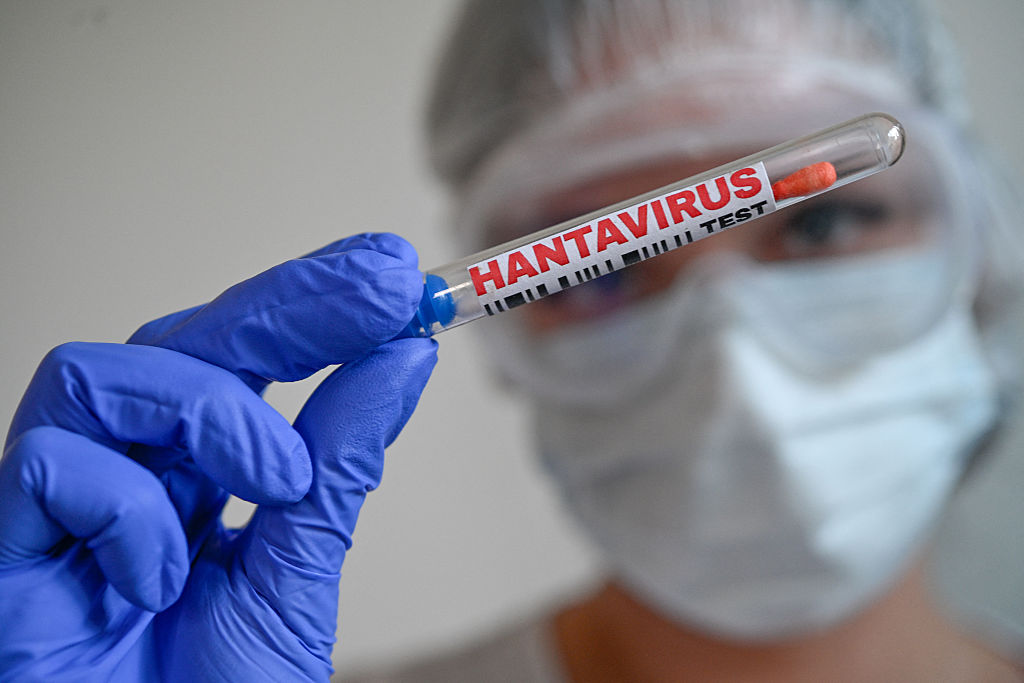
    U.S. health officials confirmed Thursday that 41 people across the country are under monitoring for potential hantavirus infections following a deadly outbreak aboard the cruise ship MV Hondius that killed three people earlier this month.

    The Centers for Disease Control and Prevention disclosed that the 41 individuals include 16 people repatriated from the cruise ship who are under quarantine at a Nebraska facility, two repatriated passengers being monitored at an Atlanta facility, seven former cruise ship passengers who departed before the outbreak was declared, and 16 people exposed during travel, including on flights.

    CDC incident manager for hantavirus, Dr. David Fitter, emphasized that no confirmed cases of the Andes hantavirus have been verified in the United States, according to ABC News.

    Monitoring of the Hantavirus

    The 16 additional people being monitored nationwide represent a significant increase from the 18 cruise ship passengers previously acknowledged by the CDC. These individuals had not been publicly disclosed before Thursday’s announcement.

    The cruise ship MV Hondius became the site of a severe hantavirus outbreak in May 2026, prompting the vessel to dock on May 10 for passenger disembarkation and medical care, Apha reported.

    Health authorities are implementing a six-week monitoring protocol for the most exposed individuals. According to CDC guidelines, people with recent exposure should be monitored for 45 days after potential contact and instructed to seek immediate medical attention if febrile or respiratory illness develops.

    Hantavirus spreads primarily through inhalation of particles contaminated with feces, urine, or saliva of infected rodents, though most strains do not transmit between people. The exception is the Andes virus, which has shown some evidence of person-to-person transmission according to the World Health Organization.

    Early symptoms include fatigue, fever, muscle aches, headache, dizziness, chills, nausea, vomiting, diarrhea, and abdominal pain, while late symptoms appearing four to 10 days later include coughing and shortness of breath, as per Praxis Med.


    Originally published on HNGN

    Source link

  • 12 Early Disease Symptoms Most People Ignore That Could Be Serious Health Warning Signs

    12 Early Disease Symptoms Most People Ignore That Could Be Serious Health Warning Signs

    Many serious illnesses begin with subtle early symptoms that people often dismiss as normal stress, aging, or temporary discomfort. These warning signs can appear gradually, making it easy to overlook their significance until the condition has progressed. In today’s fast-paced routines, people tend to push aside physical discomforts, unaware that these minor issues may be the body’s earliest warning signs that something is wrong.

    Recognizing health warning signs early encourages timely medical attention that may prevent complications and improve survival rates. Understanding which symptoms are commonly ignored helps individuals make informed decisions about when to seek evaluation. This article highlights 12 early symptoms that should never be ignored and explains why monitoring these signals can make a crucial difference in long-term health and well-being.

    12 Common Early Symptoms Often Overlooked and Their Health Risks

    People frequently ignore early symptoms that may signal developing diseases, assuming they will resolve on their own. However, these issues often provide important clues about underlying conditions that need medical attention.

    1. Persistent Fatigue: Chronic tiredness that doesn’t improve with rest may indicate anemia, thyroid disorders, diabetes, or chronic infections.
    2. Unexplained Weight Loss: Sudden weight loss without lifestyle changes can signal diabetes, digestive disorders, or various cancers.
    3. Persistent Cough or Hoarseness: A long-lasting cough may reflect asthma, COPD, chronic infections, or early lung cancer.
    4. New or Growing Lumps: Lumps in the breasts, lymph nodes, or other areas may represent infections or early malignancies that require evaluation.
    5. Chest Pain or Pressure: Ignoring chest discomfort can lead to missed signs of angina, heart attack, or vascular disease.
    6. Changes in Bowel Habits: Ongoing diarrhea, constipation, or blood in stool may indicate inflammatory bowel disease or colorectal cancer.
    7. Skin Changes or Non-Healing Wounds: New moles, color changes, or persistent sores can point to skin cancer or systemic illness.
    8. Unexplained Bruising: Frequent or unusual bruising may be linked to blood disorders, vitamin deficiencies, or liver problems.
    9. Persistent Headaches: Recurring or worsening headaches can signal hypertension, neurological conditions, or hormonal imbalances.
    10. Changes in Vision or Hearing: Gradual or sudden sensory changes may signal nerve damage, infections, or chronic diseases such as diabetes.
    11. Shortness of Breath: Difficulty breathing can be an early warning sign of heart disease, respiratory illness, or anemia.
    12. Unusual Pain or Numbness: Pain without clear cause or numbness in limbs may indicate nerve issues, circulation problems, or autoimmune disease.

    Why Do People Ignore Health Warning Signs?

    People often dismiss symptoms due to:

    • Fear of diagnosis: Avoiding medical evaluation to escape bad news.
    • Symptom normalization: Assuming issues like fatigue or pain are “part of getting older.”
    • Busy lifestyles: Prioritizing work or responsibilities over personal health.
    • Lack of awareness: Not understanding that early symptoms may reflect more serious issues.

    Education and awareness greatly influence how people respond to early symptoms and whether they seek help promptly.

    Which Symptoms Indicate Urgent Medical Attention?

    Some symptoms require immediate evaluation because they may signal life-threatening conditions:

    • Sudden chest pain or pressure
    • Severe abdominal pain
    • Difficulty breathing
    • Confusion, fainting, or loss of consciousness
    • Sudden weakness, numbness, or slurred speech

    Recognizing these health warning signs allows for rapid intervention that may prevent permanent damage or death.

    Strategies to Improve Awareness and Response to Early Symptoms

    Improving awareness of health warning signs plays a critical role in early diagnosis. Public health campaigns teach communities about symptoms associated with cancer, cardiovascular disease, and chronic illnesses. These initiatives encourage individuals to monitor changes in their health and seek help when something feels unusual.

    Digital health tools have become increasingly valuable in tracking early symptoms. Smartphone apps can log pain patterns, monitor heart rate, analyze sleep quality, and detect abnormal changes that might otherwise go unnoticed. Routine screenings also help catch diseases that progress silently, such as high blood pressure, diabetes, or early-stage cancer. Meanwhile, healthcare providers guide patients in understanding symptoms, assessing risk factors, and knowing when to seek medical advice. Integrating these strategies builds a more proactive and health-conscious population.

    How to Build Better Habits for Responding to Early Symptoms

    Responding effectively to early symptoms requires consistent and mindful habits. Individuals can start by practicing body awareness, taking note of unusual changes in energy levels, appetite, or physical sensations. Keeping a simple health journal helps track patterns over days or weeks, making it easier to identify persistent symptoms.

    Scheduling regular medical checkups also plays a major role in early detection. Even when symptoms seem minor, discussing them with a healthcare professional provides reassurance or highlights potential concerns. Practicing healthy lifestyle habits—balanced nutrition, sleep hygiene, and stress management—strengthens the body and makes deviations easier to notice. By making health monitoring a routine part of daily life, people become more equipped to respond promptly to early symptoms and prevent serious complications.

    Conclusion

    Early symptoms often appear subtle, and many people assume they are temporary inconveniences rather than signals of disease. However, overlooking these warning signs delays diagnosis and may lead to more severe complications. Understanding the significance of unexplained fatigue, persistent pain, lumps, or changes in bodily functions empowers individuals to respond more thoughtfully to their health.

    By adopting better awareness, using digital tools, and seeking medical guidance when symptoms arise, people can identify disease earlier and improve long-term outcomes. Prioritizing health warning signs strengthens overall well-being and supports a life where issues are addressed promptly instead of becoming emergencies. Recognizing early symptoms is a simple yet powerful step toward preserving health and preventing serious illness.

    Frequently Asked Questions

    1. What are common early symptoms people ignore?

    Fatigue, mild pain, skin changes, odd lumps, unusual bleeding, digestive changes, and cognitive shifts are often dismissed despite being early symptoms of disease.

    2. When should someone seek medical advice for symptoms?

    Symptoms that persist, worsen, or interfere with daily activities—especially those involving breathing, consciousness, or severe pain—require prompt evaluation.

    3. How to differentiate between minor aches and serious symptoms?

    Consider duration, intensity, and additional signs. If unsure, medical assessment is always the safest option.

    4. Can ignoring early symptoms lead to complications?

    Yes. Delays in addressing health warning signs can lead to late diagnoses, advanced disease stages, and serious long-term complications.


    Originally published on Science Times

    Source link

  • Discover the Daily Habits of Highly Successful People

    Discover the Daily Habits of Highly Successful People

    Introduction to Daily Habits of Highly Successful People

    Highly successful people are often admired and studied for their achievements, but what sets them apart from others? Is it their intelligence, talent, or luck? While these factors may play a role, research has shown that the daily habits of highly successful people are a key contributor to their success. By adopting these habits, anyone can improve their chances of achieving their goals and becoming more successful. In this article, we will explore the daily habits of highly successful people and provide tips on how to incorporate them into your own life.

    Setting Clear Goals and Priorities

    Highly successful people are known for setting clear goals and priorities. They understand what they want to achieve and focus their time and energy on making it happen. This involves setting specific, measurable, and achievable goals, as well as breaking them down into smaller, manageable tasks. By doing so, they are able to stay focused and motivated, even in the face of obstacles and setbacks. For example, Elon Musk, the CEO of SpaceX and Tesla, is known for setting ambitious goals, such as establishing a human settlement on Mars. He breaks down these goals into smaller tasks, such as developing reusable rockets, and focuses his time and energy on making them a reality.

    Creating a Morning Routine

    Highly successful people often start their day with a consistent morning routine. This routine may include activities such as exercise, meditation, or reading. The purpose of a morning routine is to set a positive tone for the day, increase energy and focus, and improve overall well-being. For example, Richard Branson, the founder of Virgin Group, starts his day with a morning routine that includes exercise, such as cycling or yoga, and spending time with his family. He believes that this routine helps him stay focused and energized throughout the day.

    Practicing Time Management and Productivity

    Highly successful people are skilled at managing their time and maximizing their productivity. They understand the importance of prioritizing tasks, avoiding distractions, and minimizing waste. This involves using tools such as to-do lists, calendars, and project management software to stay organized and on track. For example, Bill Gates, the co-founder of Microsoft, is known for his ability to prioritize tasks and manage his time effectively. He uses a variety of tools, including a to-do list and a calendar, to stay organized and focused on his goals.

    Building a Support Network

    Highly successful people often surround themselves with a supportive network of family, friends, and colleagues. This network provides encouragement, guidance, and accountability, helping them stay motivated and focused on their goals. For example, Oprah Winfrey, the media executive and former talk show host, has spoken about the importance of her support network, including her friends and family. She believes that this network has helped her stay grounded and focused on her goals, even in the face of challenges and setbacks.

    Embracing Lifelong Learning

    Highly successful people are committed to lifelong learning, understanding that education and personal development are essential for achieving success. They read books, attend seminars, and seek out new experiences to expand their knowledge and skills. For example, Warren Buffett, the investor and CEO of Berkshire Hathaway, is known for his love of reading and learning. He spends hours each day reading books and articles, and has said that he is always looking for new ways to learn and improve.

    Taking Care of Physical and Mental Health

    Highly successful people understand the importance of taking care of their physical and mental health. They prioritize activities such as exercise, meditation, and spending time with loved ones, recognizing that these habits are essential for maintaining energy, focus, and overall well-being. For example, Arianna Huffington, the founder of The Huffington Post, has spoken about the importance of taking care of her physical and mental health. She prioritizes activities such as sleep, exercise, and meditation, recognizing that these habits are essential for maintaining her energy and focus.

    Staying Adaptable and Resilient

    Highly successful people are adaptable and resilient, understanding that setbacks and failures are a natural part of the journey to success. They are able to pivot when circumstances change, and to bounce back from failures and setbacks. For example, J.K. Rowling, the author of the Harry Potter series, has spoken about the setbacks and rejections she faced early in her career. She remained adaptable and resilient, continuing to write and pursue her goals even in the face of rejection and failure.

    Conclusion

    The daily habits of highly successful people are a key contributor to their success. By setting clear goals and priorities, creating a morning routine, practicing time management and productivity, building a support network, embracing lifelong learning, taking care of physical and mental health, and staying adaptable and resilient, anyone can improve their chances of achieving their goals and becoming more successful. While it may take time and effort to develop these habits, the rewards are well worth it. By incorporating these habits into your own life, you can achieve greater success and fulfillment, and live a happier, healthier, and more productive life.

    FAQs

    Q: What are the most important daily habits of highly successful people?
    A: The most important daily habits of highly successful people include setting clear goals and priorities, creating a morning routine, practicing time management and productivity, building a support network, embracing lifelong learning, taking care of physical and mental health, and staying adaptable and resilient.
    Q: How can I create a morning routine that works for me?
    A: To create a morning routine that works for you, start by identifying your goals and priorities. Then, experiment with different activities, such as exercise, meditation, or reading, to find what works best for you. Be consistent and make your morning routine a non-negotiable part of your daily schedule.
    Q: How can I prioritize tasks and manage my time more effectively?
    A: To prioritize tasks and manage your time more effectively, start by making a to-do list and identifying the most important tasks that need to be completed. Then, use tools such as calendars and project management software to stay organized and on track. Avoid distractions, minimize waste, and take regular breaks to stay focused and energized.
    Q: Why is it important to build a support network?
    A: Building a support network is essential for achieving success, as it provides encouragement, guidance, and accountability. A support network can help you stay motivated and focused on your goals, even in the face of challenges and setbacks.
    Q: How can I prioritize my physical and mental health?
    A: To prioritize your physical and mental health, start by identifying activities that nourish your body and mind, such as exercise, meditation, and spending time with loved ones. Then, make these activities a non-negotiable part of your daily schedule, recognizing that they are essential for maintaining energy, focus, and overall well-being.
    Q: How can I stay adaptable and resilient in the face of setbacks and failures?
    A: To stay adaptable and resilient, start by recognizing that setbacks and failures are a natural part of the journey to success. Then, focus on learning from your mistakes, and use them as an opportunity to grow and improve. Stay positive, focused, and committed to your goals, and remember that every setback is an opportunity to learn and come back stronger.

  • Attention! How Mindfulness Training Is Helping People Reclaim Their Ability to Focus

    Attention! How Mindfulness Training Is Helping People Reclaim Their Ability to Focus

    It seems that distraction is the oxygen we breathe nowadays, with infinite bits of information at our restless fingertips. Each time I open my Edge browser, captivating news headlines and flashy images assault me. Half the time, I forget where I was headed!

    Is the effort to maintain control of our attention a fool’s errand? Nicholas Carr, in his best-seller, The Shallows: What the Internet Is Doing to Our Brains, notes that more than a few top journalists have stopped reading books because 1) they can easily find the information they need at Wikipedia and other online sources, and 2) their attention spans have withered.

    Mindfulness meditation nudges us in the opposite direction. Rather than surround ourselves with endless options, we simplify. The practice has us paying attention to this present moment, with curiosity, kindness, and nonjudgment. In place of multitasking and busyness, we discover present-moment attentiveness free from the relentless push to look for more. Mindfulness serves as a counterbalance—a grounding influence that keeps us very much here, on the spot.

    Mindfulness serves as a counterbalance—a grounding influence that keeps us very much here, on the spot.

    What Attention Training for ADHD Can Teach Neurotypical Practitioners

    For people living with attention deficit hyperactivity disorder (ADHD), the need for attention training might be more pointed. In the winter and spring of 2025, two groups completed my six-week “Mindfulness for ADHD” workshop series, with the option to extend to nine weeks. 

    I wanted to track if and how these techniques were making a difference for workshop attendees. Participants completed a 19-question evaluation at the beginning and end of the program, and data was analyzed for those who completed both: 5 participants from the 6-week program, and 3 from the 9-week program.

    One evaluation statement read, “I get distracted easily, and have a hard time refocusing on a task.” With these negatively worded statements, greater disagreement shows improvement. The totals for both groups were pre: 14 and post: 20—a 43% increase.

    Henry, one of the participants, offered this reflection: “I realize the benefits from feeling more grounded and able to recognize when distractions are impacting me and how to handle them in order to get on with things that are most important.”

    One common misunderstanding of mindfulness is that we are cultivating a particular state of mind, like calm or bliss, and anything that interrupts this process (“monkey mind”) is a detriment. People who subscribe to this perfectionist view tend to become discouraged when their ideal doesn’t materialize. They often quit, concluding that mindfulness is not for them. 

    One common misunderstanding of mindfulness is that we are cultivating a particular state of mind, like calm or bliss, and anything that interrupts this process (“monkey mind”) is a detriment.

    The effort in mindfulness practice is not to exert oneself to keep the mind focused on a particular object, such as the breath. Rather, the aim is to recognize the wandering mind and return our attention to a stable anchor of awareness—such as our breath, or feet on the floor. This exercise develops attention, and builds resiliency. You might as well be falling down and getting back up again, over and over. 

    Starting With Simple Intentions

    In one of the weekly sessions, participants were asked to set their intention in the beginning of the day, on arising. They identify a priority, such as cleaning the living room, and then keep reminding themselves of this during the day when they get involved in other activities—an active application of the meditation technique.

    “I saw how often my mind drifted from the intention,” wrote Casey, a longtime mindfulness practitioner. “By the end of the series, I had a good grip on it and was able to take on the task of painting my bathroom using this approach, and now it’s finished. I was so used to not getting things done in the past!”

    The Multitasking Myth

    Our modern culture is wedded to multitasking: the belief that we need to be dextrous at paying attention to a bunch of things at the same time. Research, however, has dismantled this myth, as neuroscientists have shown that the human brain is best suited to paying attention to one task at a time. Any more than this creates stress, increases errors, and begins to erode productivity.

    The main dealbreaker is that when we shift our attention, say, from reading an article to looking up a website, our brain has to reorient to the new context, and then when we go back to the article, we have to reorient again. This chews up precious cognitive resources, a process that researchers refer to as “switch costs.”

    Replacing multitasking with mindfulness resonated with a third group of four “Mindfulness for ADHD” participants when they responded to the statement, “Multitasking is a great way to get a lot done.” 40% of them agreed starting out, and at the end of the program, 75% disagreed/strongly disagreed.

    The people living with ADHD in these three groups were relieved to hear that simplifying to one thing at a time conserves cognitive resources and reduces stress, while preserving attention. And this message strikes a chord with the general population as well. In a 10-week Workplace Mindfulness training conducted with 10 police officers, their response to: “Multitasking enables me to accomplish more” showed a major change of mind (significant disagreement) in the post evaluation.

    The “Mindfulness for ADHD” program included a pausing practice that we call “head and shoulders.” It’s a way to take an immediate break from a challenging situation—overwhelm, frustration, stress—connect with the big picture (open space), and then revisit the challenge with a spacious frame of mind. “Learning to pause before reacting and to stay present with one task at a time,” says Gloria, “has been especially helpful.” The group with four participants showed strong improvement  with regard to the evaluation statement, “I tend to be impulsive, taking action, and then regretting it later,” progressing from 75% agree/strongly agree (pre) to 50% disagree (post).

    Anxiety and stress are common in connection with attention difficulties. The evaluation statement that showed the greatest improvement with the first two ADHD groups was:

    “I get stuck with the storylines that can make me feel anxious or stressed, and I don’t know how to pause or interrupt this pattern.” 

    In the first two groups, disagreement increased by 70% (Total scores: pre: 17; post: 29). The third group progressed from 75% strongly agree/agree (pre) to 50% disagree (post).

    Mindfulness isn’t like a vending machine where you simply put in a coin and out pops a bag of chips. There isn’t a one-to-one relationship between the practice and outcomes, which derives from the non-goal orientation of the practice. Of course, we’d like to get something out of it, but at the same time we are encouraged to check our ambition at the door. That way, we can be present with the actual practice, following the instructions as best we can, without hankering for something outside this moment.

    When we’re stuck on storylines, it’s like our thoughts are amplified by loudspeakers, glued to our ears. Mindfulness practice has us noticing when this is happening, acknowledging that these are thoughts which come and go.  We don’t have to “fix” anything. We just return our attention to this world here. Some mindfulness folks see this back and forth activity as exercising a mental muscle. We learn that, through awareness, we can radically change how we relate to our thoughts, ranging from being mesmerized and trapped, to objective discernment.

    Noticing Thoughts Without Judging Them

    Relating to our thoughts without judgment is key. 

    Getting stuck understandably makes people feel anxious or stressed. When we’re trapped in a whirlwind of thoughts, stress and anxiety are not far behind. Their impact on the brain affects working memory, which is closely related to attention.

    “Research has shown that rapidly changing circumstances, worry, and anxiety can all have a significant impact on your ability to focus,” writes Kate Morgan in the BBC’s “How Anxiety Affects Your Focus.” It stands to reason that learning how mindfulness tools can help deal with anxiety can assist us in regaining attention capacity.

    Mindfulness is not about getting rid of stress and anxiety, but relating to them with openness and curiosity—seeing them as they are, without the varnish of habitual patterns, bias, and aversion.

    People’s sense of powerlessness often arises from the fact that they don’t know how to pause or interrupt this looping cycle of distraction, anxiety, compromised focus, and judgmental thoughts. That momentary pause to be with our self-critical thoughts in a new way seems like it might not do much, but it’s actually doing a lot of work. Since it’s so easy to habitually get drawn in, putting a pin in it and taking a mental step back, even just for a breath, becomes a game-changer.

    Attention Training Matters In a Distracted World

    The mindfulness elements of grounding, present-moment orientation, kindness towards oneself, and developing awareness, attention, and nonjudgment are of course not restricted to people with ADHD. In fact, a key reason for the growing widespread interest in mindfulness is the crying need for balance and well-being in the midst of our techno-addled consumerist-driven world. 

    These skills take time to develop, and the process isn’t linear. But a growing body of research is showing that these mindfulness practices work to strengthen our attentional capacity, reduce the attendant stress of constant distractability, and enhance our sense of personal agency in a noisy world that’s relentlessly trying to pull us out of the present moment.


    Source link

  • Diabetes Symptoms and Prediabetes Signs Most People Overlook — Early Warnings for Type 2 Diabetes

    Diabetes Symptoms and Prediabetes Signs Most People Overlook — Early Warnings for Type 2 Diabetes

    Diabetes is a chronic health condition affecting millions globally. Early recognition of diabetes symptoms and prediabetes signs is crucial to prevent progression to type 2 diabetes and avoid serious complications. Many warning signs are subtle and often overlooked, leading to delayed diagnosis. This article highlights overlooked diabetes symptoms, prediabetes indicators, and type 2 diabetes early symptoms to watch for.

    Commonly Overlooked Diabetes Symptoms

    Some diabetes symptoms are easy to miss due to their mild or gradual onset:

    • Frequent urination and increased thirst indicate elevated blood sugar, causing kidney stress and dehydration.
    • Extreme hunger despite regular eating signals an impaired ability to use glucose.
    • Fatigue and reduced energy occur when cells struggle to absorb glucose.
    • Blurred vision results from fluctuating fluid levels affecting the eyes.
    • Slow healing of cuts and wounds reflects a compromised immune response.
    • Tingling, numbness, or pain in hands and feet (diabetic neuropathy) develops from nerve damage.
    • Unintentional weight loss despite increased appetite can be a warning.
    • Dry skin, itching, and frequent infections, including gum problems, may be signs.
    • Changes in sweating patterns, either excessive or reduced perspiration, can occur.

    These symptoms indicate elevated blood sugar and require medical evaluation.​

    Prediabetes Signs to Watch For

    Prediabetes occurs when blood sugar levels are higher than normal but not yet diabetic. Often symptomless, some signs include:

    • Darkened skin patches on neck, armpits, or groin (acanthosis nigricans).
    • Increased thirst and frequent urination.
    • Fatigue and irritability, resulting from blood sugar fluctuations.
    • Tingling or numbness in extremities indicates early nerve damage.
    • Slow wound healing and frequent infections.

    Recognizing these signs can prompt early lifestyle changes to prevent type 2 diabetes.​

    Early Symptoms Specific to Type 2 Diabetes

    Type 2 diabetes symptoms often develop slowly and may be unnoticed initially:

    • Increased thirst, frequent urination (especially at night).
    • Persistent fatigue, sometimes after meals.
    • Blurred vision.
    • Numbness or tingling in hands or feet.
    • Unexplained weight loss.
    • Frequent infections and skin conditions.

    These symptoms are the body’s signals that blood sugar regulation is impaired.​

    Why These Warning Signs Are Often Missed

    Many diabetes symptoms overlap with common health issues or aging effects. Mild symptoms are often misattributed to stress, fatigue, or lifestyle factors. Lack of routine blood sugar screening contributes to underdiagnosis. Awareness and education are key to identifying these signs early for timely intervention.​

    When to See a Doctor

    Individuals experiencing any combination of these symptoms should seek medical evaluation, including blood sugar testing. Early diagnosis allows for lifestyle modifications and medical treatments to prevent progression and complications. Regular screening is essential for those with risk factors like obesity, family history, or a sedentary lifestyle.​

    Long-Term Complications of Diabetes

    If unnoticed or unmanaged, diabetes can lead to serious long-term complications affecting various organs and systems:

    • Cardiovascular Damage: Diabetes increases the risk for heart attack, stroke, and peripheral artery disease by damaging large blood vessels (macrovascular complications).
    • Kidney Disease: Diabetes may damage the kidneys’ filtering ability (nephropathy), potentially leading to dialysis or transplant.
    • Eye Problems: Diabetic retinopathy can cause vision loss; cataracts and glaucoma are more common in older age.
    • Nerve Damage: Neuropathy causes numbness, tingling, pain, and loss of sensation, often starting in the feet and hands, increasing the risk of infection.
    • Foot Problems: Reduced sensation and blood flow can lead to ulcers, infections, and, in severe cases, amputation.
    • Other Effects: Diabetes can impair immune function, increase risk for gum disease, sexual dysfunction, gastrointestinal issues, and is linked with depression and dementia.

    These complications underscore the importance of early detection and consistent management to minimize damage and maintain quality of life.​

    Preventing Progression and Managing Diabetes

    Early identification of symptoms can lead to proactive management:

    • Lifestyle Changes: Healthy diet, physical activity, and weight management can delay or prevent the progression from prediabetes to type 2 diabetes, according to the Centers for Disease Control and Prevention.
    • Medication: When appropriate, medications help control blood sugar and reduce risks.
    • Regular Monitoring: Routine blood sugar, blood pressure, cholesterol checks, and screening for organ damage.
    • Patient Education: Awareness of symptoms and risks helps patients seek timely care.

    Effective management reduces risk of complications and improves long-term outcomes.​

    Recognizing overlooked diabetes symptoms, prediabetes signs, and type 2 diabetes early symptoms can save lives and reduce complications, according to the World Health Organization. Increased thirst, frequent urination, fatigue, numbness, and slow healing should never be ignored. Early medical consultation and proactive health management provide the best outcomes in diabetes care.

    Frequently Asked Questions

    1. How do diabetes symptoms in children differ from those in adults?

    Diabetes symptoms in children, especially type 1 diabetes, often appear suddenly and more intensely than in adults. Children may show rapid weight loss, increased appetite, extreme thirst and frequent urination, including bedwetting in previously dry children. Fatigue and mood swings are also common. In contrast, adults, particularly with type 2 diabetes, tend to develop symptoms gradually over years, making early detection more difficult. Early recognition in children is critical to prevent serious complications like diabetic ketoacidosis.​

    2. Can type 2 diabetes occur in children, and if so, how are the symptoms different?

    Yes, type 2 diabetes is increasingly diagnosed in children, often developing gradually. Symptoms resemble those of type 1 diabetes, such as increased thirst, urination, hunger, fatigue, blurred vision, and darkened skin patches, but may be less noticeable. Unlike type 1, unintentional weight loss is less common in children with type 2 diabetes. Early diagnosis in children is essential to initiate lifestyle changes and medical treatment.​

    3. What role does diabetic neuropathy play in overlooked diabetes symptoms?

    Diabetic neuropathy, or nerve damage caused by high blood sugar, can start with subtle symptoms like tingling, numbness, or mild pain in the hands and feet. These sensations might be dismissed as normal aging or minor injuries. Over time, neuropathy can lead to loss of sensation, increasing risks of unrecognized injuries and infections, especially in the feet. Recognizing early nerve-related symptoms is essential for preventing severe complications.​

    4. How does early fatigue associated with diabetes differ from regular tiredness?

    Fatigue linked to diabetes results from the body’s impaired ability to use glucose for energy, even if a person has eaten enough food. This fatigue is persistent and may occur alongside other symptoms, such as increased thirst and frequent urination. Unlike typical tiredness that improves with rest, diabetes-related fatigue can be chronic and unrelenting until blood sugar levels are controlled. Awareness of this difference can aid earlier diagnosis.


    Source link

  • Dietary Supplement Sold at Sam’s Club Recalled as Salmonella Sickens 11 People

    Dietary Supplement Sold at Sam’s Club Recalled as Salmonella Sickens 11 People

    Sam’s Club is recalling all Member’s Mark “Super Greens” dietary supplement powders after a multistate salmonella outbreak sickened 11 people, federal health officials announced Friday.

    Three of those affected have been hospitalized, and the illnesses span seven states, including Florida, Kansas, Michigan, North Carolina, New York, South Carolina, and Virginia.

    The US Food and Drug Administration (FDA) and the Centers for Disease Control and Prevention (CDC) traced the outbreak to a single lot of organic moringa leaf powder imported from Vallon Farm Direct PVT LTD in Jodhpur, India.

    The moringa powder had been distributed to multiple suppliers across the country, ultimately reaching Sam’s Club stores nationwide and online.

    “The health and safety of our members is our top priority,” Sam’s Club said in a statement on November 3.

    “We moved quickly to remove this product from our impacted clubs as soon as we were notified by the supplier.”

    All Member’s Mark “Super Greens” powders are included in the recall, regardless of lot code or “best by” date, USA Today reported.

    Consumers in possession of the product are urged not to eat it and are advised to discard it or return it to the place of purchase for a full refund.


    FDA Probes Broader Moringa Recall

    Salmonella infections usually appear within 12 to 72 hours after consumption and can last four to seven days.

    Symptoms include diarrhea, fever, stomach cramps, and severe vomiting.

    According to the FDA, young children, older adults, and people with weakened immune systems are at the highest risk of severe illness.

    State health officials in Virginia and Michigan confirmed the presence of salmonella by testing samples collected from the homes of those who fell ill.

    The outbreak has been reported in cases dating from May to September. While most people recover without treatment, severe infections can require hospitalization, which happened in three of the 11 confirmed cases.

    According to AP News, Moringa, a plant native to India, is commonly used for its nutritional benefits, including protein, vitamins, minerals, and amino acids. Its dried leaves are often sold in powder form as a dietary supplement.

    The FDA cautioned that more products could be recalled as the investigation continues to determine if additional batches of moringa powder were contaminated.

    “Consumers should not eat the supplements and should throw them away or return them to the store for a refund,” the agency advised.

    Originally published on vcpost.com


    Source link

  • What Is Hypochlorous Acid and Why People Love It

    What Is Hypochlorous Acid and Why People Love It

    If you spend time on skincare TikTok or Instagram, you’ve probably heard people talk about Hypochlorous Acid For Skin. It sounds like something from a science lab, but it’s actually a very gentle and natural thing. Your body already makes hypochlorous acid to fight germs and heal wounds. Pretty cool, right?

    In skincare, it’s used in a light spray that you can mist on your face. It helps clean the skin without drying it out. It’s safe for almost everyone and feels refreshing. That’s why people are falling in love with it.

    How It Helps Your Skin

    Our skin goes through a lot every day. Pollution, makeup, oil, and bacteria can make it look dull or cause breakouts. Hypochlorous acid spray for the face helps calm things down. It fights bacteria that cause acne and helps your skin stay clean and balanced.

    It’s also great for calming redness or irritation. If you have sensitive skin, you’ll know how nice it feels to find something that doesn’t sting or burn. Hypochlorous acid is super gentle, so you can even use it after cleansing or shaving.

    Some people like to spray it after workouts or during the day when their skin feels oily or sweaty. It’s like giving your face a quick reset.

    It’s Not Like Other Sprays

    A lot of face sprays are just water with a bit of fragrance. They might feel nice for a minute, but they don’t really do much for your skin. Hypochlorous acid spray for the face is different. It actually helps your skin heal.

    Think of it as a first-aid step for your face. It helps kill bad bacteria, but it’s still very soft and soothing. You can use it on breakouts, redness, or even tiny cuts. It helps your skin repair itself faster and stay calm.

    Safe for Sensitive Skin

    Many skincare products have harsh ingredients that can cause dryness or make your skin react. Hypochlorous acid is the opposite. It’s known for being gentle enough for all skin types, even the most sensitive.

    You can use it if you have acne, rosacea, or eczema. It doesn’t strip your skin or leave it tight. It just feels clean and soft. Some people even use it on their kids’ skin because it’s that mild.

    It’s a nice way to care for your skin without worrying about harsh side effects.

    How to Use It

    Using a hypochlorous acid spray for the face is very easy. You just spray it on clean skin and let it dry. You can also mist it on before or after moisturizer. It works well at any time of the day.

    If your skin is breaking out, you can use it more often. If you just want to keep your skin fresh, once or twice a day is enough. It’s light and doesn’t leave a sticky feeling.

    You can even spray it on your pillow or mask to help kill germs. It’s a small step that can make a big difference for your skin health.

    Helps With Acne and Redness

    One of the main reasons people use Hypochlorous Acid For Skin is to help with acne. When you have breakouts, bacteria and inflammation are often to blame. Hypochlorous acid helps fight both.

    It clears away bacteria gently and helps your skin calm down. It doesn’t dry out your skin like strong acne products. It just supports your skin’s natural healing process.

    If you have redness, rashes, or irritation, it can help soothe those, too. It’s like a tiny helper that keeps your skin balanced and happy.

    Works Well With Other Products

    Another great thing about hypochlorous acid is that it doesn’t mess with the rest of your skincare. You can pair it with cleansers, serums, and moisturizers easily. It doesn’t react badly or cause peeling.

    It can even make your other products work better because your skin stays clean and calm. When your skin barrier is healthy, everything you use on top works more effectively.

    It’s a simple step that can fit into anyone’s routine. You don’t need to change your whole skincare lineup to use it.

    Travel and Everyday Use

    Many people love keeping a small bottle of hypochlorous acid spray for the face in their bag. It’s perfect for traveling or long days out. If your skin feels sticky, irritated, or tired, just spray a bit and it feels brand new.

    It also helps after wearing makeup or sunscreen all day. Instead of wiping your face, you can mist it and let it dry. It helps keep your skin fresh without stripping away moisture.

    Even if you’re not into skincare much, this spray is a nice thing to keep around. It’s so easy that anyone can use it.

    A Simple Way to Care for Your Skin

    Skincare doesn’t have to be complicated. Sometimes the simplest things work best. Hypochlorous Acid For Skin is one of those simple things. It’s gentle, clean, and effective.

    It helps your skin heal, stay clear, and feel fresh. You don’t need to remember any steps or use it with caution. It just works quietly in the background to keep your skin happy.

    No fancy ingredients or strong smells. Just clean, balanced skin that feels good every day.

    Final Thoughts

    Healthy skin doesn’t always come from a long routine. It often comes from paying attention to what your skin actually needs. A hypochlorous acid spray for the face gives your skin the care it needs in the easiest way possible.

    It keeps your face clean, calm, and hydrated. Whether you’re dealing with breakouts, irritation, or just want a gentle spray, this is something worth trying.

    Simple, light, and kind to your skin — that’s what makes it special.

    Source link

  • Nearly 900 Mn Poor People Exposed To Climate Shocks, UN Warns

    Nearly 900 Mn Poor People Exposed To Climate Shocks, UN Warns

    Nearly 80 percent of the world’s poorest, or about 900 million people, are directly exposed to climate hazards exacerbated by global warming, bearing a “double and deeply unequal burden,” the United Nations warned Friday.

    “No one is immune to the increasingly frequent and stronger climate change effects like droughts, floods, heat waves, and air pollution, but it’s the poorest among us who are facing the harshest impact,” Haoliang Xu, acting administrator of the United Nations Development Programme, told AFP in a statement.

    COP30, the UN climate summit in Brazil in November, “is the moment for world leaders to look at climate action as action against poverty,” he added.

    According to an annual study published by the UNDP together with the Oxford Poverty and Human Development Initiative, 1.1 billion people, or about 18 percent of the 6.3 billion in 109 countries analyzed, live in “acute multidimensional” poverty, based on factors like infant mortality and access to housing, sanitation, electricity and education.

    Half of those people are minors.

    One example of such extreme deprivation cited in the report is the case of Ricardo, a member of the Guarani Indigenous community living outside Santa Cruz de la Sierra, Bolivia’s largest city.

    Ricardo, who earns a meager income as a day laborer, shares his small single-family house with 18 other people, including his three children, parents and other extended family.

    The house has only one bathroom, a wood- and coal-fired kitchen, and none of the children are in school.

    “Their lives reflect the multidimensional realities of poverty,” the report said.

    Two regions particularly affected by such poverty are sub-Saharan Africa, and South Asia — and they are also highly vulnerable to the impacts of climate change.

    The report highlights the connection between poverty and exposure to four environmental risks: extreme heat, drought, floods, and air pollution.

    “Impoverished households are especially susceptible to climate shocks as many depend on highly vulnerable sectors such as agriculture and informal labor,” the report said.

    “When hazards overlap or strike repeatedly, they compound existing deprivations.”

    As a result, 887 million people, or nearly 79 percent of these poor populations, are directly exposed to at least one of these threats, with 608 million people suffering from extreme heat, 577 million affected by pollution, 465 million by floods, and 207 million by drought.

    Roughly 651 million are exposed to at least two of the risks, 309 million to three or four risks, and 11 million poor people have already experienced all four in a single year.

    “Concurrent poverty and climate hazards are clearly a global issue,” the report said.

    And the increase in extreme weather events threatens development progress.

    While South Asia has made progress in fighting poverty, 99.1 percent of its poor population exposed to at least one climate hazard.

    The region “must once again chart a new path forward, one that balances determined poverty reduction with innovative climate action,” the report says.

    With Earth’s surface rapidly getting warmer, the situation is likely to worsen further and experts warn that today’s poorest countries will be hardest hit by rising temperatures.

    “Responding to overlapping risks requires prioritizing both people and the planet, and above all, moving from recognition to rapid action,” the report said.


    Severe flooding in Sudan is an example of how the world’s poorest people are also exposed to climate risks


    Source link

  • ‘Flesh-Eating Maggots’ Back in the US After 60 Years – But Can the Deadly Screwworm Spread Between People?

    ‘Flesh-Eating Maggots’ Back in the US After 60 Years – But Can the Deadly Screwworm Spread Between People?

    ‘Flesh-eating maggots’ may sound like something from a horror movie, but they have just made a shocking comeback in the United States for the first time in nearly 60 years.

    Health officials in Maryland, alongside the US Centers for Disease Control and Prevention (CDC), confirmed that a traveller had been infected with the New World screwworm after returning from Central America.

    Confusion remains over whether the individual had travelled to El Salvador or Guatemala, but one thing is clear: the parasite is back on American soil.

    Panic has spread almost as fast as the news itself, leaving many to ask the same chilling question: is this gruesome maggot infestation contagious?

    Is the Flesh-Eating Screwworm Contagious?

    The short answer is no.

    Unlike flu or COVID-19, screwworm infestations cannot pass directly from person to person or even from animal to animal.

    Experts from the Center for Food Security and Public Health explain that the parasite spreads only when female flies lay eggs on open wounds or natural body openings.

    In other words, it is always the fly that carries the danger. A sore or cut attracts the insect, which deposits hundreds of eggs.

    These hatch into larvae that feed on living tissue, creating the illusion of contagion when multiple hosts in the same area are affected.

    How the Flesh-Eating Parasite Invades the Body

    According to the CDC, a single female screwworm fly can lay up to 3,000 eggs during her short life. Even the smallest scratch, insect bite, or a newborn’s umbilical wound can be enough to attract the parasite.

    Within hours, the larvae burrow into the flesh and begin consuming living tissue—unlike ordinary maggots, which feed only on dead matter.

    Left untreated, the wound enlarges as more flies are drawn in. In livestock, infestations can cause extreme suffering and even death. In humans, they are rare but potentially life-threatening if not treated quickly.


    Symptoms of Flesh-Eating Maggots to Watch Out For

    The CDC warns of several tell-tale signs of screwworm infestation:

    • Painful or enlarging wounds that fail to heal
    • Bleeding or foul-smelling sores
    • Visible maggots in open wounds
    • A sensation of movement under the skin or inside nasal, oral, or eye cavities

    While terrifying, most infestations can be treated successfully if caught early.

    Treatment: The Gruelling Process of Removal

    Treatment is unpleasant but effective. Every larva must be removed manually, the wound disinfected, and the patient closely monitored for reinfestation. No single medication can eliminate screwworm once it takes hold.

    On a wider scale, the US Department of Agriculture relies on the sterile fly programme. By releasing sterilised male flies, they disrupt the breeding cycle and suppress outbreaks.

    Agriculture Secretary Brooke Rollins recently announced plans for a new sterile fly facility in Texas—a move that now seems alarmingly well-timed.

    A Billion-Dollar Threat to America’s Cattle Industry

    The screwworm is not only a medical menace—it is also an agricultural disaster. The USDA estimates that an outbreak in Texas alone could cost $1.8 billion in cattle losses, veterinary expenses, and labour.

    With America’s beef industry already under pressure, confirmation of a human case has rattled ranchers and consumers alike.

    Should Americans Be Worried About Screwworm?

    ‘The risk to public health in the United States from this introduction is very low,’ Maryland health spokesperson Andrew Nixon told Reuters.

    Experts stress that the parasite does not spread casually between people. Prevention relies on proper wound care, sanitation, and avoiding fly exposure in endemic regions.

    Still, its reappearance after nearly 60 years is a sobering reminder: globalisation and climate shifts are making it harder than ever to keep old enemies at bay.

    Originally published on IBTimes UK

    Source link