Tag: Penn

  • Penn Medicine Reports 30% Drop in Breast Cancer Risk with Ozempic and Wegovy

    Penn Medicine Reports 30% Drop in Breast Cancer Risk with Ozempic and Wegovy

    A landmark study published June 2, 2026, in JCO Oncology Practice and simultaneously presented at the 2026 American Society of Clinical Oncology Annual Meeting by researchers at the University of Pennsylvania Perelman School of Medicine has produced findings that could reshape how America’s medical community thinks about GLP-1 receptor agonist drugs and how millions of women with obesity approach their own cancer risk.

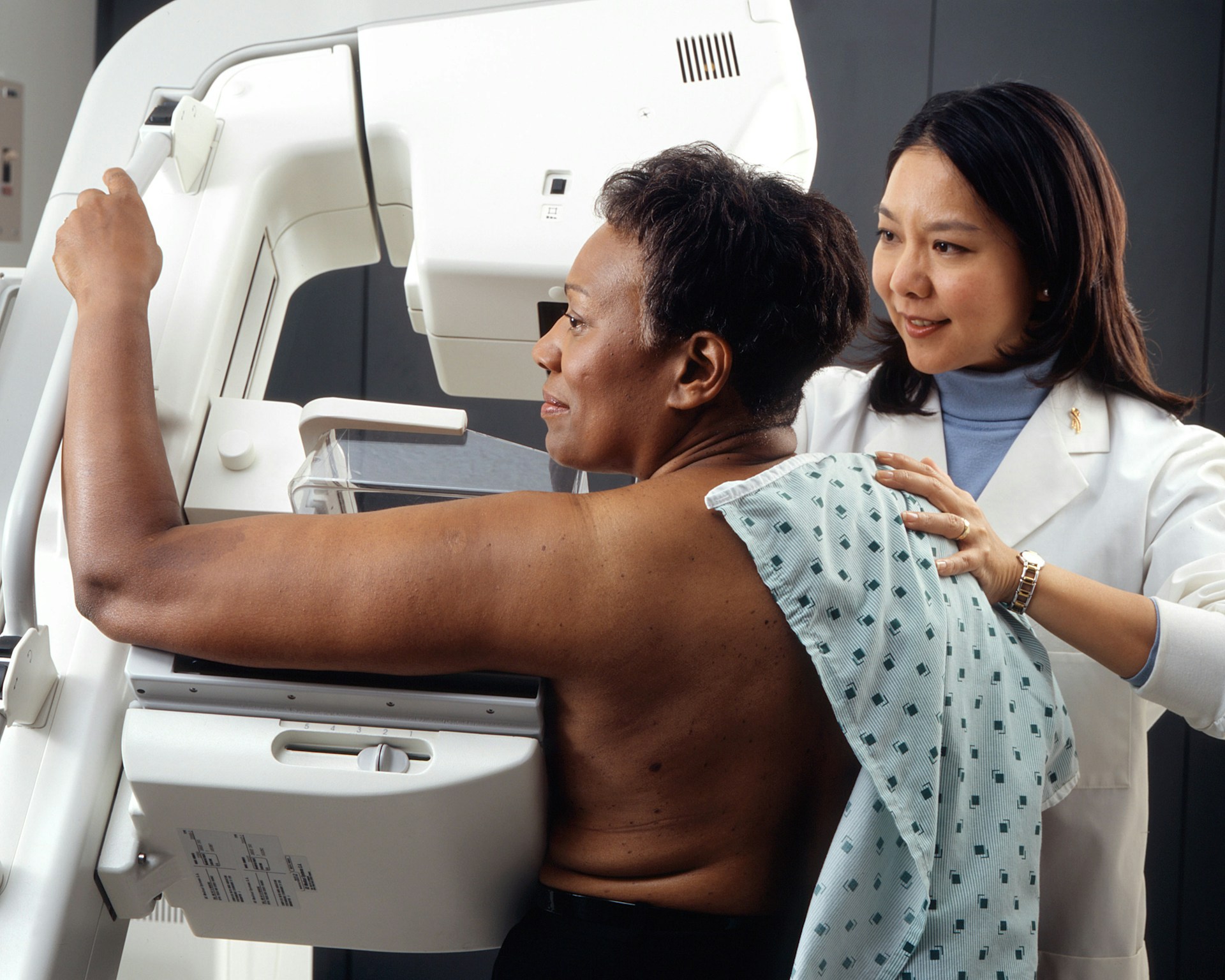
    The study, led by Dr. Elizabeth McDonald, a professor of radiology at Penn and practicing breast radiologist at Penn’s Abramson Cancer Center, found that women using GLP-1 medications were approximately 30% less likely to develop breast cancer than women who were not taking these drugs. The finding comes from an analysis of 111,646 women, the largest study of its kind, and the protective effect held even after rigorous statistical matching to control for confounding factors.

    The scale and rigor of the Penn Medicine study are what elevate it above prior observational work in this area. Researchers used electronic health records from the University of Pennsylvania Health System, which includes both academic and community medical sites across Pennsylvania and New Jersey, to identify women aged 45 to 80 with a BMI of 25 or above who had undergone breast imaging between January 2022 and June 2025.

    Of the 111,646 women in the full cohort, 15,264 (13.7%) had documented GLP-1 medication prescriptions, and 96,382 (86.3%) had no documented GLP-1 exposure. The researchers examined cancer incidence in both the full cohort and a matched cohort of 30,528 women, pairing each GLP-1 user one-to-one with a control patient matched on age, race, ethnicity, BMI, breast density, and diabetes status.

    The result: 35.1% lower odds of breast cancer in the full analysis; 30.5% lower odds in the rigorously matched cohort.

    Why the 30% Reduction Is Scientifically Credible

    The breast cancer finding is consistent with what GLP-1 drugs do biologically. GLP-1 receptor agonists, the drug class that includes Ozempic (semaglutide), Wegovy (semaglutide), Mounjaro (tirzepatide), and Zepbound (tirzepatide), produce significant weight loss and improve key metabolic measures such as insulin sensitivity, inflammation levels, and sex hormone balance. Each of these changes is independently linked to lower breast cancer risk through well-established biological pathways.

    Body fat is not just storage tissue; it is hormonally active. It converts androgens into estrogens through a process called aromatization. In postmenopausal women who are overweight or obese, fat tissue becomes the main source of circulating estrogen. Most breast cancers, about 70 to 75 percent, are estrogen receptor-positive, meaning they grow in response to estrogen. When weight is reduced, fat tissue decreases, aromatization declines, estrogen levels drop, and the growth stimulus for these cancers is reduced. This mechanism is widely accepted and helps explain why obesity increases breast cancer risk and why weight loss lowers it.

    GLP-1 drugs also reduce chronic low-grade inflammation, measured through markers such as CRP, which can contribute to a tumor-friendly environment. In addition, they improve insulin resistance, lowering levels of insulin and IGF-1, both of which have been shown to directly promote breast cancer cell growth.

    “While our study was observational and does not definitively confirm an association,” Dr. McDonald said, “it does add to the growing body of evidence suggesting that it’s worth investigating these weight-loss drugs as potential cancer prevention tools.”

    The Philadelphia Context: Penn Medicine, Penn’s Abramson Center, and What This Means Locally

    The Penn Medicine research carries particular significance in Philadelphia, where the study was conducted. The Penn Abramson Cancer Center, consistently ranked among the top cancer hospitals in the United States, is home to a major breast imaging and breast oncology program. The health system spans Pennsylvania and New Jersey, and the electronic health records used in the study reflect a real-world patient population in the greater Philadelphia region, including a wide range of body weight profiles, cancer risk factors, and GLP-1 prescribing patterns.

    Philadelphia County has a breast cancer incidence rate above the national average, driven in part by higher obesity rates among women, especially in lower-income areas of North, West, and South Philadelphia. If GLP-1 drugs reduce breast cancer risk by 30% in overweight and obese women, the same group that accounts for much of the county’s burden, the public health impact could be significant. Access becomes the key issue. The women most likely to benefit are also those most likely to face insurance and cost barriers to GLP-1 treatment.

    What Women Should Discuss with Their Doctors Now

    The Penn Medicine study is observational — it does not prove causality and does not constitute a clinical recommendation to prescribe GLP-1 drugs for breast cancer prevention. Breast cancer prevention currently relies on lifestyle modification, screening adherence, chemoprevention with tamoxifen or aromatase inhibitors for high-risk individuals, and prophylactic surgical options for those with BRCA mutations.

    What the study does justify is a conversation: women aged 45 to 80 who are overweight or obese, who are considering GLP-1 therapy for obesity or diabetes management, should ask their provider whether the breast cancer risk data adds weight to the clinical rationale for their treatment. For women who are already on GLP-1 medications, this study provides additional scientific support for the value of continued treatment. For oncologists, this data adds a new dimension to the patient conversation about weight management as cancer prevention — one with a specific drug class and a quantified risk reduction.
    Source link

  • Celebrating Veterans Day with Ronnie Penn

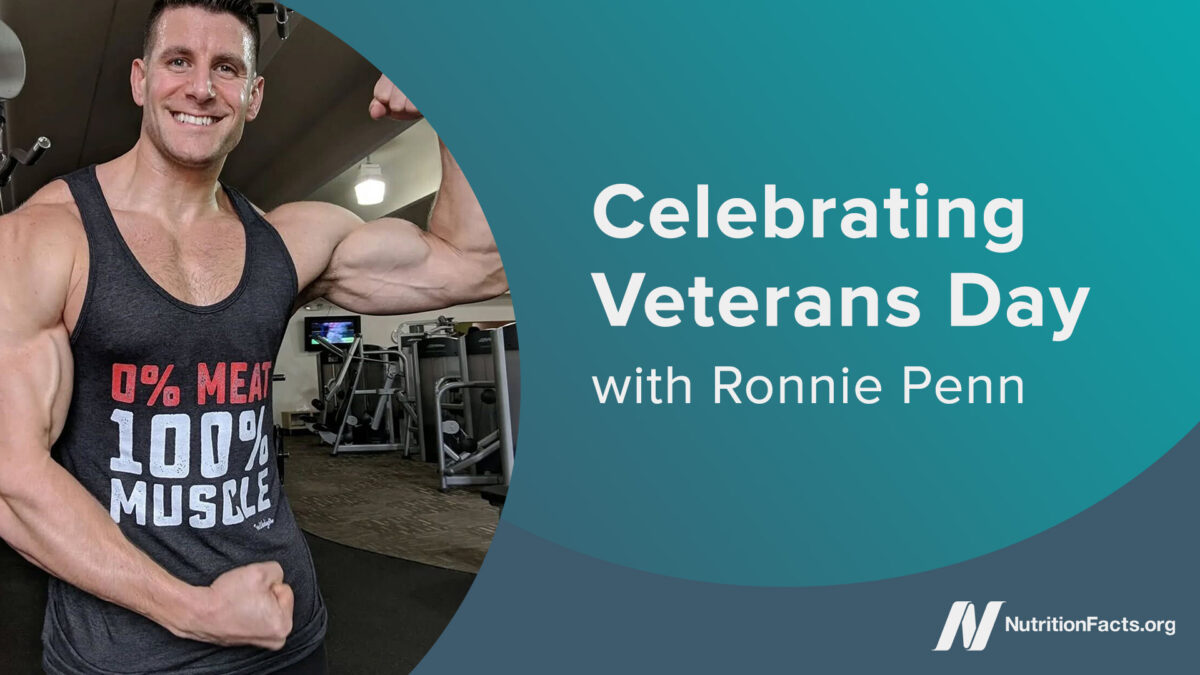
    Celebrating Veterans Day with Ronnie Penn

    We had the pleasure of talking with Ronnie Penn about his military service, his work as a chef and a coach, and what Veterans Day means to him. We hope you enjoy this interview. 


    Thank you for your service, Ronnie. We’re honored to speak with you today. Can you start by sharing a bit about your background? What inspired you to enlist, and when did your military journey begin?

    I grew up wanting to serve something bigger than myself, and the Marine Corps gave me that opportunity. I enlisted in 2004 and deployed to Iraq during Operation Iraqi Freedom and to Afghanistan from 2012 to 2014. Later, I served in the Coast Guard as a chef, which opened a whole new chapter in how I looked deeper into nutrition. Service taught me discipline, resilience, and the importance of teamwork—qualities I carry into everything I do today.


    How did your time in the military shape who you are today? Is there anything in particular about your service that you would like to share?

    The military taught me to stay calm under pressure and adapt quickly. Whether it was on deployment overseas or working with my shipmates in the galley, I learned how much impact food, mindset, and discipline can have on performance and morale. Those lessons shaped who I am now—not only as a veteran, but also as a coach who helps others take control of their health.


    Were there any habits or disciplines from your military experience that helped in your transition to plant-based living or in your work today as a coach?

    Two habits stuck with me: structure and accountability. In the Marines, every detail mattered. That same mindset helps me stick to meal prep, training schedules, and coaching clients. It also made the transition to plant-based eating easier because I was already used to planning ahead and being intentional about what I put into my body.


    You’ve spoken about health issues that arose during competition prep, which ultimately led you to switch to a plant-based diet. What symptoms were you experiencing at the time, and what physical or medical changes did you notice after the transition?

    When I was competing in bodybuilding, I pushed my body hard—lots of animal protein, supplements, and restrictive dieting. Over time, I developed digestive issues and constant fatigue. Switching to a whole food, plant-based diet changed everything. My digestion improved, and my energy came back. It was eye-opening to see how quickly the body can heal when you give it the right fuel.


    Did you encounter any challenges accessing or preparing plant-based foods during active service? How did you make it work in that environment?

    Back then, plant-based options were limited, especially on deployment. I loaded up on oatmeal, beans, rice, fruits, and vegetables whenever I could, and I had to get creative, too. I learned how to make simple meals with what was available, and that creativity carried into my role as a chef in the Coast Guard.


    Were there any particularly memorable reactions from your shipmates or peers when you introduced them to plant-based meals as a chef in the Coast Guard?

    At first, my shipmates were skeptical. But once I started cooking hearty meals, like lentil stews, veggie burritos, or black bean burgers, they were surprised by how satisfying plant-based food could be. I still remember one crew member saying, “I didn’t even miss the meat.” Moments like that showed me how powerful food can be in changing perceptions.


    You’ve become a vocal advocate for plant-based eating in high-performance settings. Are there any particular studies or sources that informed or reinforced your choices?

    The work of Dr. Greger and NutritionFacts.org has had a huge impact on me. I also leaned on research from the Physicians Committee for Responsible Medicine (PCRM) and books like The China Study. Seeing the science laid out gave me confidence that a plant-based diet wasn’t just personal preference; it was evidence-based. Also, the Netflix documentaries What the Health and Forks Over Knives were also extremely effective influences.


    In your opinion, how can education about preparing whole plant foods be a path forward for people to achieve better health?

    Education is the key. When people learn how to prepare whole plant foods in simple, tasty ways, it removes the intimidation factor. Once they see how it can lower blood pressure, improve energy, and even prevent chronic disease, it clicks. Food literacy is one of the most powerful tools we have for better health.


    Please tell us about your online personal training program and app. What inspired you to start these projects, and how do they help you reach more people with your message?

    I started my online fitness coaching because I wanted to reach people beyond the gym. Not everyone can afford a trainer, but most people have a smartphone. Through my training app, I provide meal plans, workout routines, and a grocery list with accountability check-ins. It’s a way to scale what I do—helping people take small, daily steps toward a healthier life.


    Lastly, what does Veterans Day mean to you? Is there anything you would like to share with your fellow veterans?

    Veterans Day is a moment of reflection for me. It’s about honoring the sacrifices of those who served, as well as reminding myself to live in a way that makes that service meaningful. I want to encourage other veterans to take care of themselves, not just physically, but mentally and emotionally, too. We served our country; now it’s time to serve ourselves by living healthy and purposeful lives.


    To learn more about Ronnie, visit his website: https://www.ronniepenn.com/


    Source link