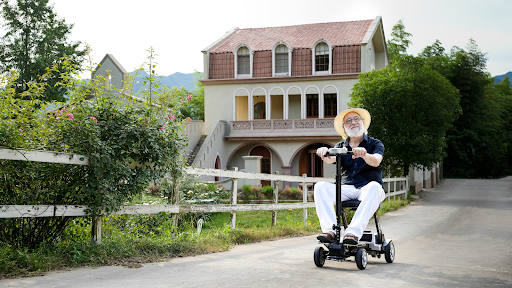
Introduction to The Great Outdoors
The world has become increasingly digital, with technology dominating every aspect of our lives. From the moment we wake up to the moment we go to bed, we are constantly connected to our devices, scrolling through social media, checking emails, and texting friends and family. While technology has made our lives easier and more convenient, it has also taken a toll on our mental and social well-being. The constant stream of information, the pressure to present a perfect online persona, and the fear of missing out (FOMO) can be overwhelming, leading to stress, anxiety, and depression. However, there is a way to escape the digital chaos and upgrade our social wellness: by disconnecting from technology and spending time in the great outdoors.
The Benefits of Unplugging
Unplugging from technology can have a significant impact on our mental and social health. When we disconnect from our devices, we are able to break free from the constant stream of information and distractions, and focus on the present moment. This can help reduce stress and anxiety, improve our mood, and increase our sense of calm and well-being. Additionally, unplugging can help us reconnect with ourselves, our thoughts, and our emotions, allowing us to develop a greater sense of self-awareness and introspection. By taking a break from technology, we can also improve our relationships with others, as we are able to engage in face-to-face interactions, listen more intently, and respond more thoughtfully.
The Joys of Outdoor Activities
Spending time in the great outdoors can be a powerful way to upgrade our social wellness. Outdoor activities such as hiking, camping, swimming, and biking can help us disconnect from technology and reconnect with nature. Being in nature has been shown to have a range of benefits, including reducing stress and anxiety, improving mood, and increasing feelings of happiness and well-being. Outdoor activities can also provide opportunities for social interaction, such as joining a hiking group or participating in a recreational sports team. These interactions can help us build relationships, develop social skills, and increase our sense of belonging and connection to others.
Building Social Connections in the Outdoors
One of the most significant benefits of spending time in the outdoors is the opportunity to build social connections. When we participate in outdoor activities, we are able to meet new people, form new relationships, and strengthen existing ones. Outdoor activities can provide a sense of community and camaraderie, as we work together to achieve a common goal, such as completing a difficult hike or participating in a group sporting event. Additionally, outdoor activities can provide opportunities for meaningful conversations and interactions, such as sharing stories and experiences around a campfire, or discussing the beauty of nature while on a hike. By building social connections in the outdoors, we can increase our sense of belonging and connection to others, and develop stronger, more meaningful relationships.
Improving Mental Health in the Outdoors
Spending time in the outdoors can also have a significant impact on our mental health. Being in nature has been shown to have a range of benefits, including reducing symptoms of anxiety and depression, improving mood, and increasing feelings of happiness and well-being. Outdoor activities can provide a healthy distraction from the stresses of daily life, allowing us to focus on the present moment and let go of worries and concerns. Additionally, outdoor activities can provide opportunities for mindfulness and meditation, such as paying attention to the sights and sounds of nature, or practicing yoga or tai chi in a park or other outdoor setting. By improving our mental health in the outdoors, we can increase our sense of calm and well-being, and develop greater resilience and coping skills.
Overcoming Barriers to Outdoor Activities
While spending time in the outdoors can be a powerful way to upgrade our social wellness, there are often barriers that prevent us from doing so. One of the most common barriers is lack of access to outdoor spaces, such as parks, trails, or other natural areas. Additionally, some people may feel intimidated or unsure about how to participate in outdoor activities, such as hiking or camping. Others may be concerned about safety, such as the risk of injury or encountering wildlife. However, there are many ways to overcome these barriers, such as finding local parks or trails, joining a recreational group or club, or taking a class or workshop to learn new skills. By overcoming these barriers, we can increase our opportunities for outdoor activities, and develop greater confidence and self-efficacy.
Creating a Balance between Technology and Nature
While disconnecting from technology and spending time in the outdoors can be beneficial, it is also important to create a balance between the two. Technology can be a powerful tool for connecting with others, accessing information, and improving our lives. However, when we spend too much time on our devices, we can neglect our relationships, our health, and our well-being. By creating a balance between technology and nature, we can enjoy the benefits of both, while minimizing the negative effects. This can involve setting boundaries, such as not using our devices during certain times of the day or in certain locations, or prioritizing outdoor activities and scheduling them into our daily or weekly routine. By creating a balance between technology and nature, we can upgrade our social wellness, and develop greater harmony and balance in our lives.
Conclusion
In conclusion, disconnecting from technology and spending time in the great outdoors can be a powerful way to upgrade our social wellness. By unplugging from our devices, we can reduce stress and anxiety, improve our mood, and increase our sense of calm and well-being. Outdoor activities can provide opportunities for social interaction, building relationships, and developing social skills. Additionally, spending time in nature can have a range of benefits for our mental health, including reducing symptoms of anxiety and depression, and improving our mood. By overcoming barriers to outdoor activities, creating a balance between technology and nature, and prioritizing outdoor activities, we can increase our opportunities for social connection, improve our mental health, and develop greater harmony and balance in our lives.
FAQs
Q: What are the benefits of unplugging from technology?
A: The benefits of unplugging from technology include reducing stress and anxiety, improving mood, and increasing sense of calm and well-being. Unplugging can also help us reconnect with ourselves, our thoughts, and our emotions, and develop greater self-awareness and introspection.
Q: How can outdoor activities improve social wellness?
A: Outdoor activities can provide opportunities for social interaction, building relationships, and developing social skills. Participating in outdoor activities can help us meet new people, form new relationships, and strengthen existing ones, increasing our sense of belonging and connection to others.
Q: What are some common barriers to outdoor activities?
A: Common barriers to outdoor activities include lack of access to outdoor spaces, feeling intimidated or unsure about how to participate, and concerns about safety. However, there are many ways to overcome these barriers, such as finding local parks or trails, joining a recreational group or club, or taking a class or workshop to learn new skills.
Q: How can I create a balance between technology and nature?
A: Creating a balance between technology and nature involves setting boundaries, prioritizing outdoor activities, and scheduling them into our daily or weekly routine. This can involve not using our devices during certain times of the day or in certain locations, or limiting our screen time to certain hours of the day.
Q: What are some tips for getting started with outdoor activities?
A: Tips for getting started with outdoor activities include finding local parks or trails, joining a recreational group or club, or taking a class or workshop to learn new skills. It’s also important to start small, begin with activities that are enjoyable and manageable, and gradually increase our level of participation and challenge as we become more comfortable and confident.