
Tag: Outdoor

  • Outdoor Spaces

    Outdoor Spaces

    Outdoor Spaces: Creating a Haven for Relaxation and Entertainment

    As the world becomes increasingly urbanized, it’s easy to forget the importance of outdoor spaces. However, having a well-designed outdoor area can greatly enhance the quality of our lives, providing a haven for relaxation, entertainment, and socialization. In this article, we’ll explore the benefits of outdoor spaces, the different types of outdoor areas, and provide tips on how to create your own perfect outdoor oasis.

    Benefits of Outdoor Spaces

    Outdoor spaces offer a wide range of benefits, from improving mental and physical health to increasing property value. Some of the most significant advantages of having an outdoor space include:

    • Mental Health: Spending time outdoors has been shown to reduce stress levels, improve mood, and even alleviate symptoms of depression and anxiety.
    • Physical Health: Being outdoors can help improve physical health by increasing vitamin D levels, reducing blood pressure, and improving sleep quality.
    • Social Benefits: Outdoor spaces provide an opportunity for socialization, whether it’s hosting barbecues, parties, or simply enjoying a quiet evening with family and friends.
    • Property Value: A well-designed outdoor space can increase property value, making it more attractive to potential buyers.

    Types of Outdoor Spaces

    There are many different types of outdoor spaces, each with its own unique characteristics and benefits. Some of the most popular types of outdoor areas include:

    • Backyards: A classic outdoor space, backyards are often the most used area of a home. They can be designed for relaxation, entertainment, or a combination of both.
    • Patios: A patio is a small, enclosed outdoor space that is often connected to a home. They are perfect for small gatherings and can be designed for relaxation or dining.
    • Decks: A deck is a raised platform that is often attached to a home. They provide a unique view and can be designed for relaxation or entertainment.
    • Gardens: A garden is a more extensive outdoor space that is often designed for relaxation and enjoyment. They can be formal or informal, and can include a variety of plants, flowers, and trees.
    • Roofs: A rooftop garden or patio is a unique outdoor space that provides a bird’s-eye view of the surrounding area. They are perfect for small gatherings and can be designed for relaxation or entertainment.

    Designing Your Outdoor Space

    When designing your outdoor space, there are several factors to consider. Some of the most important things to think about include:

    • Functionality: What do you want to use your outdoor space for? Do you want to entertain, relax, or both?
    • Aesthetics: What style or theme do you want to achieve in your outdoor space? Do you want it to be modern, traditional, or a combination of both?
    • Lighting: Proper lighting is essential for creating a welcoming and inviting outdoor space. Consider using solar-powered lights, string lights, or lanterns.
    • Seating: A comfortable seating area is essential for relaxation and socialization. Consider using outdoor furniture, such as sofas, chairs, and tables.
    • Plants: Plants can add color, texture, and fragrance to your outdoor space. Consider using native plants, succulents, or flowers.

    Tips for Creating Your Perfect Outdoor Oasis

    Creating your perfect outdoor oasis requires careful planning and attention to detail. Here are some tips to help you get started:

    • Start Small: Don’t try to do too much at once. Start with a small project, such as creating a seating area or adding some plants, and gradually build up to more extensive renovations.
    • Consider Your Climate: The climate in your area will play a significant role in the design and functionality of your outdoor space. Consider using materials that are durable and can withstand the elements.
    • Add Texture: Adding texture to your outdoor space can make it more visually interesting. Consider using different materials, such as wood, stone, or metal, to create a unique and inviting atmosphere.
    • Don’t Forget the Details: The details can make or break your outdoor space. Consider adding small touches, such as throw pillows, blankets, or decorative items, to create a welcoming and inviting atmosphere.

    Conclusion

    Creating an outdoor space that is both functional and aesthetically pleasing requires careful planning and attention to detail. By considering the benefits of outdoor spaces, the different types of outdoor areas, and the tips for designing and creating your perfect outdoor oasis, you can create a haven for relaxation and entertainment that you’ll enjoy for years to come.

    FAQs

    Q: What is the most important thing to consider when designing an outdoor space?
    A: The most important thing to consider when designing an outdoor space is functionality. What do you want to use your outdoor space for? Do you want to entertain, relax, or both?

    Q: What type of outdoor space is best for small homes or apartments?
    A: A patio or rooftop garden is often the best option for small homes or apartments. These spaces are compact and can be designed to fit small areas.

    Q: How can I make my outdoor space more inviting?
    A: You can make your outdoor space more inviting by adding comfortable seating, plants, and decorative items. Consider using string lights, lanterns, or solar-powered lights to create a warm and welcoming atmosphere.

    Q: What is the best material to use for outdoor furniture?
    A: The best material to use for outdoor furniture depends on your climate and personal preferences. Consider using durable materials, such as wicker, metal, or recycled plastic, that can withstand the elements.

    Q: How can I maintain my outdoor space?
    A: Maintaining your outdoor space is important to ensure it remains safe and inviting. Consider using a regular cleaning schedule, pruning plants regularly, and storing outdoor furniture and decorations during extreme weather conditions.
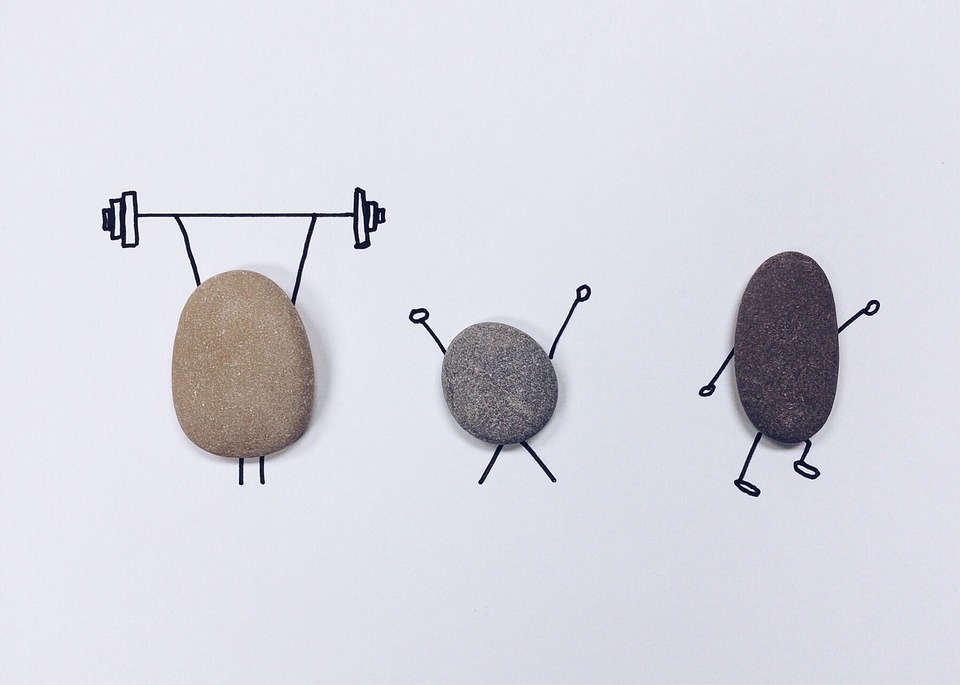
  • Sweat Under the Sun: The Ultimate Guide to Outdoor Workouts and Their Numerous Benefits

    Sweat Under the Sun: The Ultimate Guide to Outdoor Workouts and Their Numerous Benefits

    As the sun rises over the horizon, many people hit the great outdoors to tackle their daily workouts. Outdoor workouts are an excellent way to get some fresh air, exercise, and a much-needed dose of vitamin D. They also offer a unique set of benefits that are hard to replicate in a traditional gym setting.

    The Benefits of Outdoor Workouts

    Outdoor workouts, also known as "sweat under the sun," have been gaining popularity over the years, and for good reason. One of the most significant advantages is the mental boost that comes with exercising outdoors. Being in nature has been shown to reduce stress levels, improve mood, and increase feelings of well-being. This is often referred to as the "exercise-induced relaxation response."

    Another major benefit of outdoor workouts is the variety of options they offer. Whether you’re a fan of running, hiking, cycling, or weightlifting, there’s an outdoor workout for you. You can choose from trails, parks, beaches, or even urban streets, giving you the freedom to switch up your routine and keep things interesting.

    In addition to the mental and physical benefits, outdoor workouts also provide a sense of connection to nature. Being outdoors exposes you to natural elements like sunlight, wind, and water, which can have a profound impact on your overall health and well-being.

    Getting Started with Outdoor Workouts

    So, how do you get started with outdoor workouts? The first step is to identify your goals and preferences. Are you looking for a cardio-intensive workout or something more focused on strength training? Do you prefer gentle hills or rugged trails? Once you have a clear idea of what you’re looking for, you can start exploring outdoor locations that fit your needs.

    Next, be sure to dress appropriately for the season and weather conditions. This may mean bringing a hat, sunglasses, and sunscreen for outdoor workouts during the day. In the winter, you may need a warm coat, gloves, and a scarf. It’s also a good idea to invest in a good pair of shoes that are designed for outdoor activities.

    Bodyweight Exercises for Outdoor Workouts

    One of the most convenient aspects of outdoor workouts is the ability to do bodyweight exercises. These exercises require no equipment other than your own body, making them ideal for outdoor workouts. Some examples of bodyweight exercises include push-ups, squats, lunges, and planks.

    These exercises can be modified to suit your fitness level and goals. For example, you can do push-ups on a bench or ledge, or modify squats by reducing the depth or using a balance board. Lunges can be done in place or with a step or box. Planks can be held for different lengths of time or combined with other exercises like leg lifts or arm raises.

    Outdoor Yoga and Pilates

    In addition to bodyweight exercises, outdoor yoga and Pilates classes are also becoming increasingly popular. These classes provide a unique and challenging way to improve your flexibility, balance, and strength. Many gyms and studios offer outdoor yoga and Pilates classes, or you can find individual instructors who offer private sessions.

    One of the benefits of outdoor yoga and Pilates is the ability to connect with nature. Doing these exercises outdoors can be very grounding and meditative, allowing you to focus on your breath and the present moment.

    Outdoor Cardio Workouts

    For those who prefer cardio-intensive workouts, outdoor options abound. Some popular options include running, cycling, swimming, and hiking. These workouts provide a great way to improve your cardiovascular health, burn calories, and boost your mood.

    When it comes to outdoor cardio workouts, it’s important to choose a location that is safe and well-lit. You may want to avoid running or cycling in the early morning or evening when the lighting is poor. It’s also a good idea to bring a water bottle and snacks, especially if you’re planning a long workout.

    Outdoor Strength Training Workouts

    For those who prefer strength training, outdoor options are also plentiful. Some popular options include weightlifting, resistance band exercises, and burpees. These workouts provide a great way to improve your strength, power, and endurance.

    When it comes to outdoor strength training workouts, it’s important to choose a location that is safe and has minimal distractions. You may want to avoid areas with loose gravel or uneven terrain, as this can increase your risk of injury. It’s also a good idea to bring a mat or towel to provide extra grip and protection for your joints.

    Safety Tips for Outdoor Workouts

    While outdoor workouts are a great way to get exercise and enjoy the great outdoors, it’s important to take certain precautions to ensure your safety. Here are a few tips to keep in mind:

    • Always wear a heart rate monitor or fitness tracker, and be aware of your body’s signs of fatigue.
    • Bring a phone or other communication device with you, in case of an emergency.
    • Choose a location with good lighting and minimal distractions.
    • Dress appropriately for the weather and season.
    • Bring water and snacks, especially if you’re planning a long workout.
    • Be aware of your surroundings and keep an eye out for obstacles or hazards.

    Conclusion

    Sweat under the sun: outdoor workouts offer a unique set of benefits that are hard to replicate in a traditional gym setting. From the mental boost that comes with exercising outdoors to the variety of exercises and locations, outdoor workouts are an excellent way to get in shape and enjoy the great outdoors. Whether you prefer bodyweight exercises, outdoor yoga and Pilates, cardio workouts, or strength training, there’s an outdoor workout for you.

    Frequently Asked Questions

    Q: What is the best way to get started with outdoor workouts?

    A: The best way to get started with outdoor workouts is to identify your goals and preferences, dress appropriately for the season and weather conditions, and choose a location that fits your needs.

    Q: What are some good outdoor exercises for beginners?

    A: Some good outdoor exercises for beginners include bodyweight exercises like push-ups, squats, and lunges. These exercises are easy to learn and can be modified to suit your fitness level.

    Q: Is it safe to exercise outdoors?

    A: As long as you take certain precautions to ensure your safety, such as wearing a heart rate monitor, bringing a phone, and being aware of your surroundings, outdoor workouts are safe and enjoyable.

    Q: Can I use exercise equipment outdoors?

    A: Yes, many outdoor workouts can be modified to use exercise equipment like resistance bands, dumbbells, or kettlebells. However, it’s important to choose equipment that is designed for outdoor use and follow proper safety guidelines.

    Q: Do I need to be in good shape to exercise outdoors?

    A: No, you don’t need to be in good shape to exercise outdoors. Outdoor workouts can be modified to suit any fitness level, and many exercises are accessible to beginners.

    sweat-under-the-sun-the-ultimate-guide-to-outdoor-workouts-and-their-numerous-benefits