Tag: older

  • Stay Strong From Adolescence to Older Adulthood

    Stay Strong From Adolescence to Older Adulthood

    Staying active does not require complicated routines or expensive equipment. Simple daily exercises can build strength, flexibility, cardiovascular endurance, and balance from adolescence through older adulthood. The key is consistency, progressive overload, and choosing movements that support real-life function. When done correctly, basic exercises improve bone density, muscle mass, metabolic health, and even mental clarity.

    Across every age group, the body adapts to challenges. Muscles grow stronger, bones respond to impact, and the heart becomes more efficient at delivering oxygen. Whether you are a teenager building peak bone mass or an older adult preserving mobility, structured movement keeps the body resilient. A well-designed routine can help you stay healthy at any age while reducing injury risk and supporting long-term independence.

    Basic Exercises Daily Routine to Stay Healthy at Any Age

    Building a daily movement habit starts with simple, consistent activity. According to the Centers for Disease Control and Prevention (CDC), adults should aim for at least 150 minutes of moderate-intensity aerobic activity weekly plus muscle-strengthening exercises on two or more days per week. These recommendations can be adjusted in intensity for teens and older adults while keeping the same foundation. Following these guidelines improves heart health, insulin sensitivity, muscular endurance, and overall longevity.

    • Brisk Walking (3–4 mph): Aim for 20–30 minutes daily at a pace where conversation is possible but breathing is elevated; add hills or stairs for progression.
    • Bodyweight Squats: 3 sets of 10–15 reps; keep knees tracking over toes and chest upright; progress to jump squats (teens) or chair sit-to-stands (older adults).
    • Wall Push-Ups: 3 sets of 8–12 reps; slow 3–4 second lowering phase; progress to floor push-ups as strength improves.
    • Resistance Band Seated Rows: 3 sets of 12–15 reps; squeeze shoulder blades and control the release for posture support.
    • Core Work (Planks, Bird-Dogs, Dead Bugs): Hold 20–60 seconds; maintain spinal neutrality and steady breathing.
    • Glute Bridges and Lunges: 3 sets of 10–15 reps; improve hip strength and balance.
    • Single-Leg Balance Drills: Hold 20–30 seconds per side to enhance stability and reduce fall risk.

    Exercises for Teens: Building Bone Density and Muscle Mass

    Adolescence is a critical period for strengthening bones and building muscle mass. Based on a study conducted by the National Institutes of Health (NIH), up to 90% of peak bone mass is developed by late adolescence, making weight-bearing and resistance exercises essential during these years. This stage presents a powerful opportunity to improve skeletal strength and reduce future osteoporosis risk. Properly structured exercises for teens can enhance both athletic performance and long-term health.

    • Compound Strength Training (3–4x per week): Squats, deadlifts, bench press, rows, pull-ups; 3–4 sets of 8–12 reps at moderate intensity.
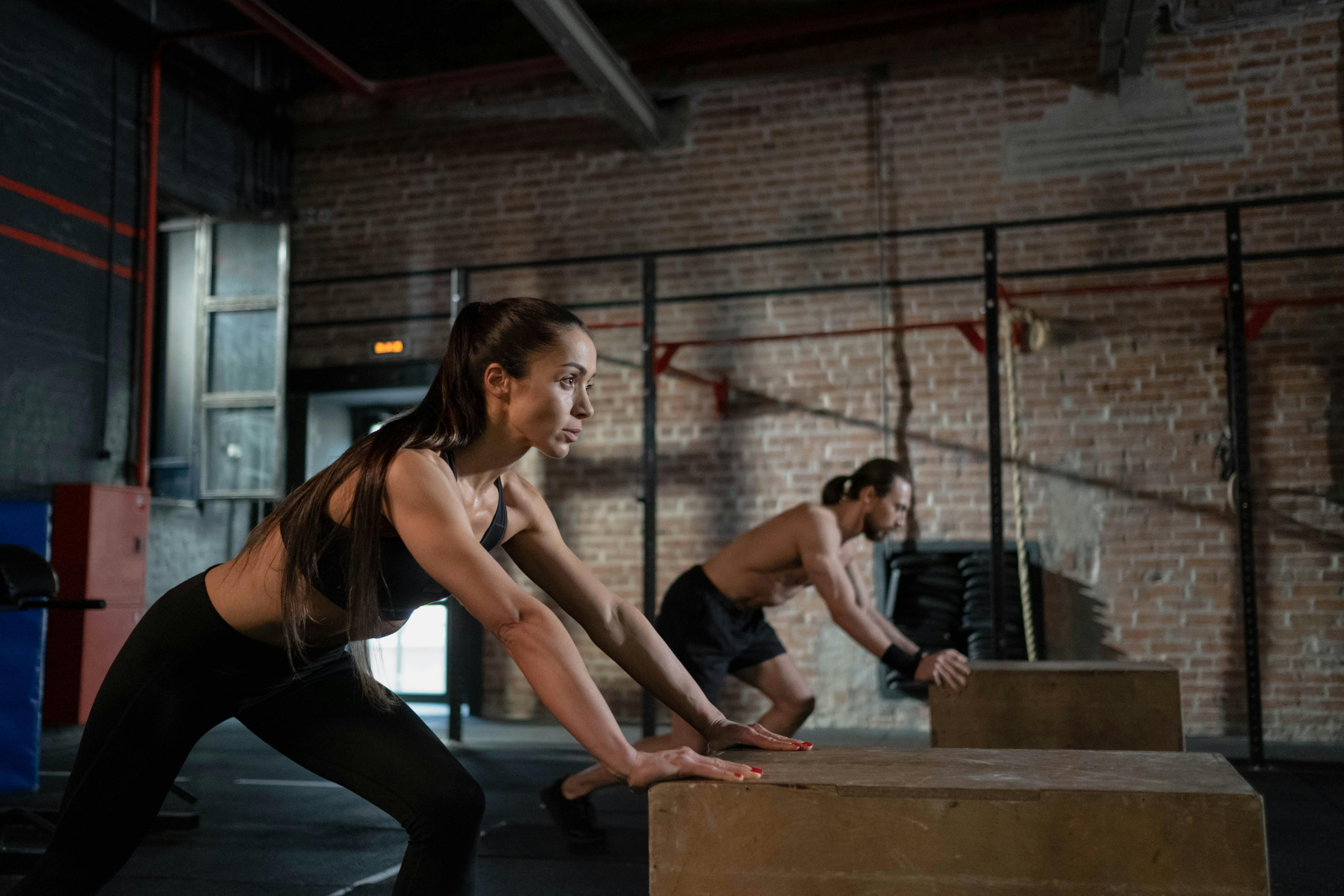
    • Plyometrics: Box jumps, lateral bounds, and medicine ball throws to stimulate bone remodeling and power development.
    • Sprint Intervals: 20 seconds high intensity followed by 40 seconds recovery for 8–10 rounds to boost anaerobic capacity.
    • Core Training: Hanging leg raises, hollow holds, Russian twists for trunk stability and injury prevention.
    • Recovery: Allow 48 hours between training the same muscle groups to support muscle repair.
    • Nutrition Support: 20–30g protein post-workout; adequate iron intake for adolescent girls to prevent fatigue.

    Stay Healthy Older Adults: Balance, Strength, and Fall Prevention

    Maintaining strength and balance becomes increasingly important with age. According to the National Institute on Aging (NIA), regular strength and balance exercises significantly reduce fall risk in adults over 65). Falls are a major cause of injury in older adults, but targeted physical activity can improve coordination and confidence. Even gradual improvements in muscle strength and stability enhance independence and daily function.

    • Chair Squats / Sit-to-Stand: 10–15 controlled reps to strengthen quadriceps and improve mobility.
    • Single-Leg Stands: Hold 30–60 seconds per side; progress by closing eyes or turning the head gently.
    • Heel-to-Toe Walking (Tandem Walk): Improves gait stability and coordination.
    • Tai Chi or Slow Weight-Shifting Movements: Enhances body awareness and ankle/hip balance strategies.
    • Light Resistance Training (2–3x weekly): Use bands or light dumbbells to counteract sarcopenia.
    • Nordic or Weighted Vest Walking: Safely increases cardiovascular demand and bone stimulation.

    Stay Strong for Life With Simple Daily Exercise

    Building a habit of simple daily exercises supports health from adolescence through older adulthood. Teens strengthen bones and muscles during critical growth years, adults maintain metabolic and cardiovascular function, and older individuals preserve balance and independence. The body responds to consistent, progressive movement regardless of age.

    Staying healthy at any age comes down to moving well, challenging the body appropriately, and allowing time for recovery. Walking, strength training, and balance work form a powerful combination that requires minimal equipment yet delivers meaningful results. When practiced regularly, these foundational exercises support resilience, confidence, and long-term vitality.

    Frequently Asked Questions

    1. How long should a daily exercise routine be?

    A simple routine can last 20 to 30 minutes per day. Consistency matters more than duration. Even shorter sessions provide benefits if performed regularly. The goal is sustainable daily movement.

    2. Can older adults safely start strength training?

    Yes, most older adults can begin strength training with medical clearance if needed. Starting with bodyweight or resistance bands is ideal. Proper form and gradual progression reduce injury risk. Supervision from a qualified trainer can help build confidence.

    3. Are bodyweight exercises enough to build muscle?

    Bodyweight exercises can effectively build strength, especially for beginners. Progression through tempo changes, added repetitions, or more challenging variations increases intensity. Over time, adding resistance may further enhance gains. Consistency remains the most important factor.

    4. How does exercise improve bone density?

    Weight-bearing and resistance exercises stimulate bone remodeling. Mechanical stress signals bone cells to strengthen tissue. This process helps maintain or improve bone density over time. Regular impact and strength work are especially important during adolescence and aging.


    Source link

  • The Surprising Benefits of Exercise for Older Adults

    The Surprising Benefits of Exercise for Older Adults

    Introduction

    As we age, our bodies undergo a range of changes that can affect our physical and mental health. While it’s common to assume that our bodies naturally decline with age, the truth is that many of the negative effects of aging can be mitigated or even reversed through regular exercise. In this article, we’ll explore the surprising benefits of exercise for older adults, and why incorporating physical activity into your daily routine can have a significant impact on your overall health and wellbeing.

    The Importance of Exercise for Older Adults

    Exercise is essential for people of all ages, but it’s particularly important for older adults. As we age, our bodies naturally lose muscle mass and bone density, which can increase our risk of falls, fractures, and other injuries. Regular exercise can help to slow down or even reverse this process, keeping our muscles and bones strong and healthy. Exercise can also help to improve our balance and coordination, reducing our risk of falls and other accidents.

    Physical Benefits of Exercise for Older Adults

    The physical benefits of exercise for older adults are numerous. Regular physical activity can help to:

    • Improve cardiovascular health by reducing blood pressure and improving circulation
    • Increase muscle mass and bone density, reducing the risk of falls and fractures
    • Improve balance and coordination, reducing the risk of falls and other accidents
    • Boost energy levels and reduce fatigue
    • Improve sleep quality and duration
    • Reduce the risk of chronic diseases, such as heart disease, diabetes, and certain types of cancer

    Mental and Emotional Benefits of Exercise for Older Adults

    Exercise is not just good for our physical health – it also has a range of mental and emotional benefits. Regular physical activity can help to:

    • Reduce symptoms of anxiety and depression
    • Improve mood and overall sense of wellbeing
    • Enhance cognitive function and reduce the risk of dementia
    • Improve self-esteem and body confidence
    • Provide opportunities for social interaction and connection with others

    Types of Exercise Suitable for Older Adults

    While it’s true that our bodies may not be as flexible or agile as they once were, there are still many types of exercise that are suitable for older adults. Some examples include:

    • Brisk walking
    • Swimming or water-based exercise
    • Cycling or using a stationary bike
    • Yoga or tai chi
    • Resistance training, such as weightlifting or bodyweight exercises
    • Group fitness classes, such as dance or aerobics

    Overcoming Barriers to Exercise

    Despite the many benefits of exercise, many older adults face barriers that prevent them from incorporating physical activity into their daily routine. Some common barriers include:

    • Lack of time or energy
    • Physical limitations or health concerns
    • Lack of access to exercise facilities or equipment
    • Fear of injury or embarrassment
    • Lack of motivation or support

    Strategies for Staying Motivated and Engaged

    Staying motivated and engaged with exercise can be challenging, but there are several strategies that can help. These include:

    • Finding an exercise buddy or workout partner
    • Setting achievable goals and tracking progress
    • Varying your routine to avoid boredom or plateaus
    • Rewarding yourself for milestones or achievements
    • Seeking support from a healthcare professional or fitness expert

    Safety Considerations for Older Adults

    While exercise is essential for older adults, it’s also important to take certain safety precautions to avoid injury or other complications. Some tips include:

    • Consulting with a healthcare professional before starting a new exercise routine
    • Warming up and cooling down properly
    • Listening to your body and taking regular breaks
    • Avoiding high-impact or high-intensity activities
    • Staying hydrated and fueling your body with a balanced diet

    Conclusion

    Exercise is a powerful tool that can have a significant impact on the health and wellbeing of older adults. By incorporating physical activity into your daily routine, you can improve your physical and mental health, reduce your risk of chronic disease, and enhance your overall quality of life. Whether you’re looking to improve your cardiovascular health, boost your mood, or simply stay active and engaged, there’s an exercise program out there that’s right for you. So why not get started today?

    FAQs

    Q: I’m not sure where to start with exercise – what’s the best type of exercise for older adults?
    A: The best type of exercise for older adults will depend on your individual needs and abilities. Consult with a healthcare professional to determine the best exercise program for you.
    Q: I have a health condition – is it still safe for me to exercise?
    A: Yes, exercise is still beneficial for people with health conditions, but it’s essential to consult with a healthcare professional before starting a new exercise routine.
    Q: I’m worried about falling or injuring myself – how can I stay safe while exercising?
    A: Take certain safety precautions, such as warming up and cooling down properly, listening to your body, and avoiding high-impact or high-intensity activities.
    Q: How often should I exercise, and for how long?
    A: Aim for at least 30 minutes of moderate-intensity exercise per day, and consider incorporating strength training and flexibility exercises into your routine.
    Q: Can I still benefit from exercise if I’m not able to leave my home?
    A: Yes, there are many exercises that can be done from the comfort of your own home, such as bodyweight exercises, yoga, or following along with exercise videos.
    Q: How can I stay motivated and engaged with exercise?
    A: Find an exercise buddy, set achievable goals, vary your routine, and reward yourself for milestones or achievements.

  • 老年人应重视的营养素 (Key nutrients for older adults)

    老年人应重视的营养素 (Key nutrients for older adults)

    What’s included:
    Simplified Chinese version of the patient resource ‘Key nutrients for older adults’

    Translated by: Tracy Xiao (Australian APD)


    View the English version here

    The patient resources are not, and are not intended to be, medical advice, which should be tailored to your individual circumstances.  The patient resources are for your information only, and we advise that you exercise your own judgment before deciding to use the information provided. Professional medical advice should be obtained before taking action.  Please see here for terms and conditions.

    Please note that all of our resources must be used in full and are unable to be personalised or customised.


    Download resource

    Source link

  • Is Paracetamol Safe? Regular Use In Older Adults May Lead To Ulcers, Heart, And Kidney Complications

    Is Paracetamol Safe? Regular Use In Older Adults May Lead To Ulcers, Heart, And Kidney Complications

    Is paracetamol your go-to for everything from headaches to fever? You might want to think twice. New research reveals that regular use of this common painkiller in older adults could increase the risk of gastrointestinal, heart, and kidney complications.

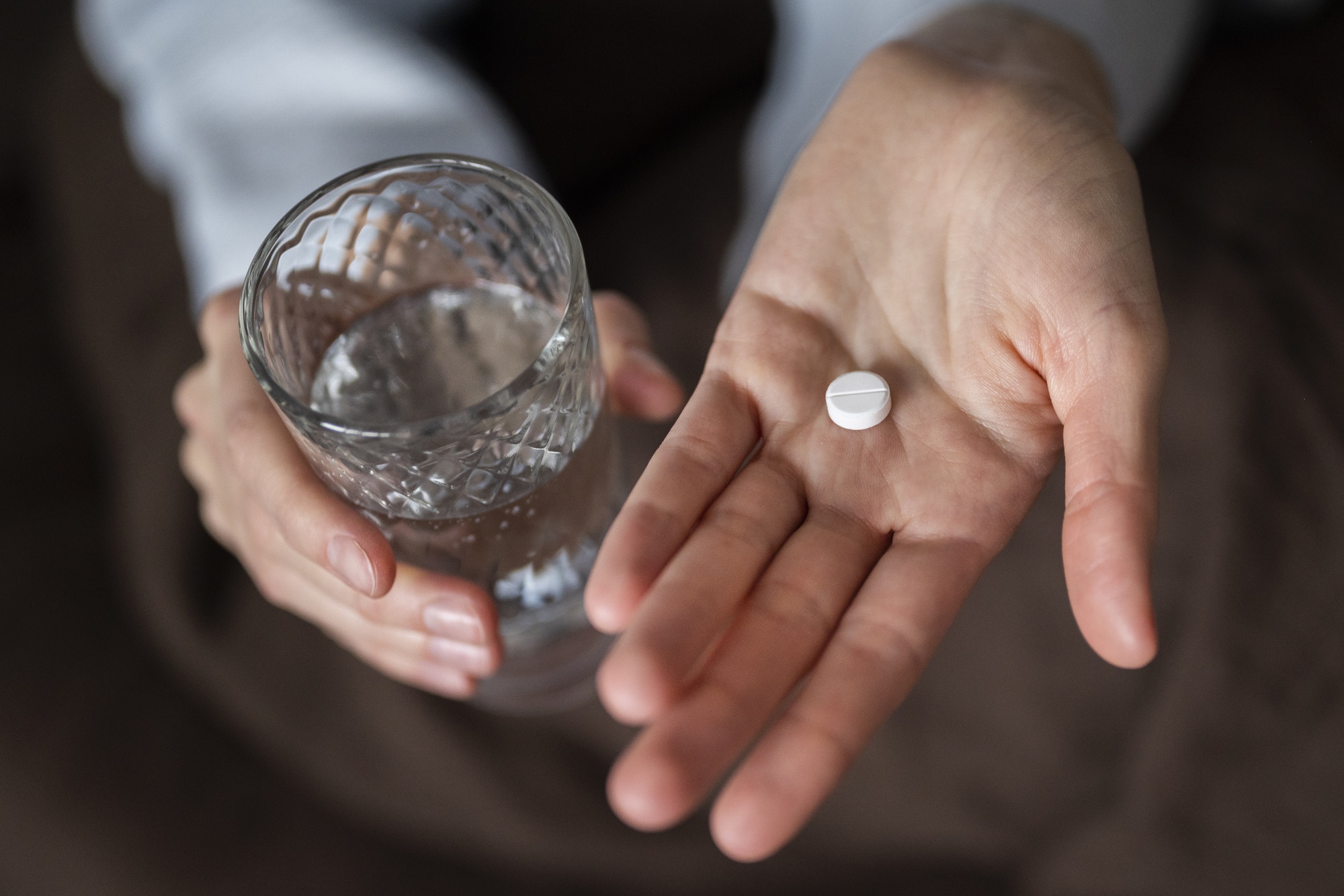
    Paracetamol, also known as acetaminophen, is commonly used on its own to treat moderate to severe pain or combined with other ingredients in medicines for allergies, colds, and flu. While it is often taken without much thought due to its easy availability, it is not safe to use more than 4 grams (4,000 milligrams) of acetaminophen in a single day. If you are taking multiple products that contain acetaminophen, it can be difficult to track the total amount you are consuming. Previous studies have shown that long-term use of paracetamol may lead to serious kidney damage.

    A recent study published in Arthritis Care and Research explored the long-term health effects of using paracetamol to manage chronic pain associated with osteoarthritis. The findings suggest that frequent use of this common pain reliever may be linked to several serious complications, such as peptic ulcers, heart failure, hypertension, and chronic kidney disease.

    “Due to its perceived safety, paracetamol has long been recommended as the first line drug treatment for osteoarthritis by many treatment guidelines, especially in older people who are at higher risk of drug-related complications,” said Professor Weiya Zhang, the researcher who led the study in a news release.

    The researchers analyzed the health records of over 180,000 adults aged 65 and older who had been repeatedly prescribed paracetamol—defined as two or more prescriptions within a six-month period. This group’s health outcomes were then compared to those of approximately 400,000 adults of the same age who had never received repeated paracetamol prescriptions.

    The study found that repeated use of paracetamol increased the risk of peptic ulcer bleeding by 24%, uncomplicated peptic ulcers by 20%, lower gastrointestinal bleeding by 36%, heart failure by 9%, hypertension by 7%, and chronic kidney disease by 19%.

    “Whilst further research is now needed to confirm our findings, given its minimal pain-relief effect, the use of paracetamol as a first line pain killer for long-term conditions such as osteoarthritis in older people needs to be carefully considered,” Professor Zhang added.

    Source link

  • RSV Vaccine Effective In Cutting Hospitalization In Older Adults, Immunocompromised Individuals: Study

    RSV Vaccine Effective In Cutting Hospitalization In Older Adults, Immunocompromised Individuals: Study

    Researchers have now found that the vaccine against Respiratory Syncytial Virus (RSV) can prevent hospitalization in a significant majority of older adults and immunocompromised individuals.

    The latest study published in the Lancet journal analyzed the effectiveness of the RSV vaccine in U.S. adults aged 60 and older using large-scale data from 36,706 patients. The researchers looked at hospital and emergency room visits for RSV-like illnesses between October 2023 and March 2024 across eight U.S. states. They then compared vaccination rates between patients who tested positive for RSV and those who tested negative while adjusting for factors like age, sex, race, underlying health conditions, and location. There were 3,275 vaccinated patients in the study.

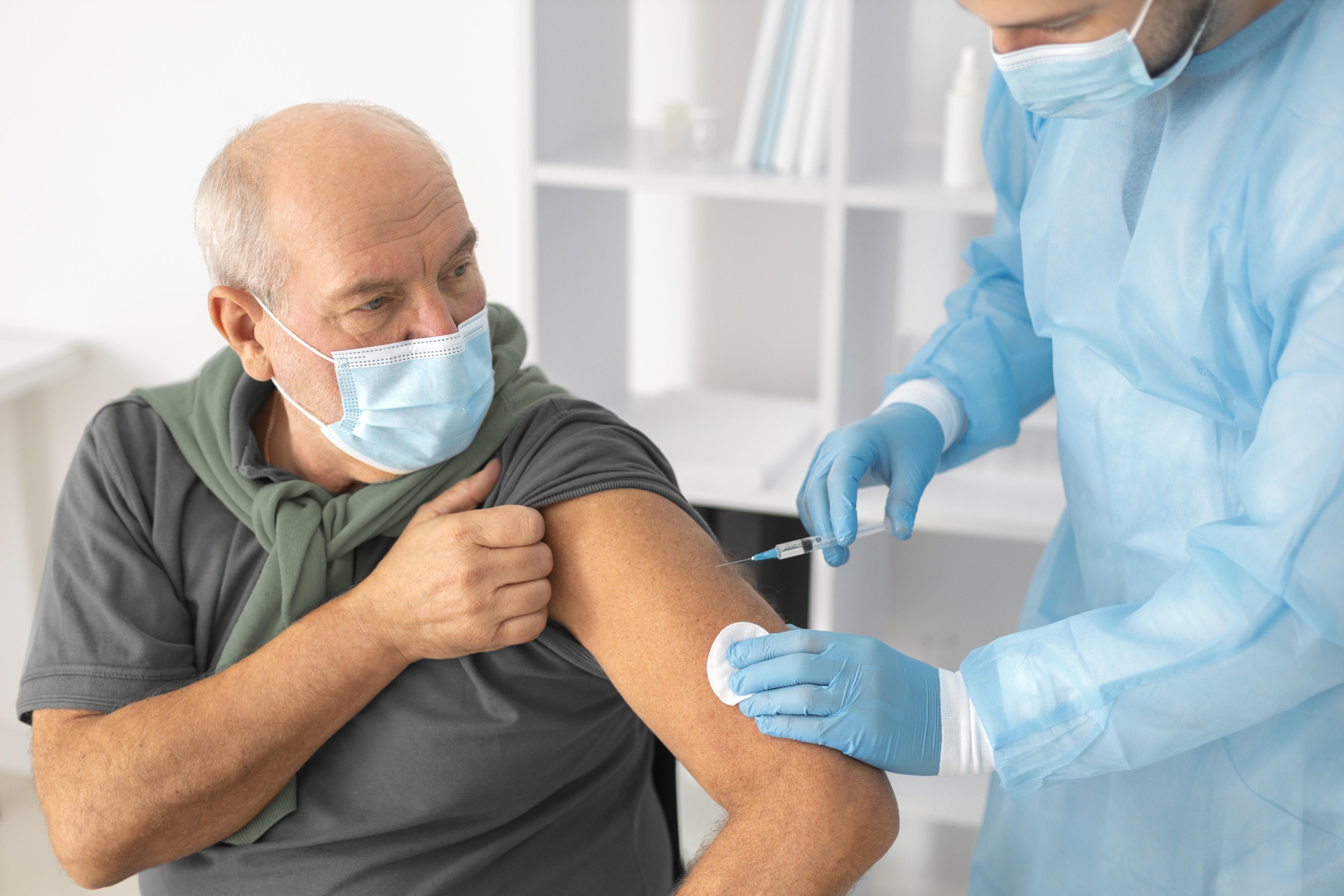
    The analysis showed that the RSV vaccine is highly effective, reducing the risk of hospitalization due to infection complications by 80%. Even among typically more vulnerable immunocompromised individuals, the vaccine was 73% effective at preventing hospitalization.

    “No vaccine is 100 percent effective. An 80 percent vaccine effectiveness rate is quite impressive and higher than we see, for example, with the influenza vaccine,” study co-author, Brian Dixon said in a statement.

    “The bottom line is that using real-world data from electronic medical records routinely captured in care for people from diverse walks of life we found that having the vaccine was highly protective against hospitalization, severe illness and death,” Dixon said.

    As per the Centers for Disease Control and Prevention (CDC) guidelines, everyone aged 75 and older is recommended to take at least one dose of the RSV vaccine, while adults aged 60 to 74 should consider it if they are at higher risk of severe RSV. This includes individuals with chronic heart or lung diseases, severe obesity, weakened immune systems, certain diabetes conditions, or those living in nursing homes.

    To protect infants from severe RSV, two options are available: Pfizer’s Abrysvo vaccine given to pregnant women or an RSV antibody treatment given to infants after birth.

    As of October 5, 2024, the CDC estimates that 36.9% of adults aged 75 and older have received an RSV vaccine. Among adults aged 60 to 74 with high-risk conditions for RSV, about 29% have been vaccinated.

    Source link

  • Can Fish Oil Benefit Older Adult Brains? Here’s What Study Says

    Can Fish Oil Benefit Older Adult Brains? Here’s What Study Says

    Can fish oil benefit brain health in older adults? Well, it depends. A new study found that while a specific group of older adults could benefit from regular fish oil use, the general population did not experience the same advantages.

    A clinical trial conducted at the Oregon Health & Science University (OHSU) examined the brain health effects of fish oil among older adults and discovered that omega-3 fatty acid use could benefit those with a genetic predisposition to Alzheimer’s. However, researchers did not find significant benefits for all older adults in general.

    The researchers examined WML (white matter lesion) progression and neuronal integrity breakdown, the factors associated with increased risk of Alzheimer’s disease among 102 participants aged 75 or older.

    The participants typically had relatively low blood levels of omega-3 fatty acids, which are found in fish oil. To assess the amount of change in white matter lesions in the brain, they underwent magnetic resonance imaging (MRI) of their brains during enrollment and at the end of three years. These participants either took a three-year treatment with 1.65 g of Omega-3 polyunsaturated fatty acids or a soybean oil placebo that tasted and looked similar.

    “Our findings showed that over three years, there was not a statistically significant difference between the placebo and the group that took fish oil. I don’t think it would be harmful, but I wouldn’t say you need to take fish oil to prevent dementia,” Lynne Shinto, senior co-author from OHSU, said in a news release.

    “Although ω-3 treatment failed to reach a significant reduction in WML progression and neuronal integrity breakdown among all participants at risk for dementia, the findings suggest that APOE*E4 carriers may benefit from ω-3 treatment,” the researchers wrote in the study published in the journal Jama Network. APOE*E4 carriers are a known genetic risk factor for late-onset Alzheimer’s disease.

    The study has certain limitations due to the participants being demographically and geographically homogeneous, limiting the generalizability of the findings. “A future multisite trial will have the ability to enroll a more ethnically, racially, and geographically diverse population and provide an adequate sample size to permit the assessment of clinical benefits, ” the researchers wrote.

    Source link