All orders are protected by SSL encryption – the highest industry standard for online security from trusted vendors.
How Refusing to Join the Old Farts Club Helped Me Drive Safely at Night Again is backed with a 60 Day No Questions Asked Money Back Guarantee. If within the first 60 days of receipt you are not satisfied with Wake Up Lean™, you can request a refund by sending an email to the address given inside the product and we will immediately refund your entire purchase price, with no questions asked.
Growing pains are a common reason children complain of leg pain at night, and they can be distressing for caregivers to witness. In many cases, these benign night leg aches are harmless, but knowing how to recognize their typical pattern and the red‑flag signs to call the doctor helps adults decide when reassurance is enough and when medical advice is needed.
Understanding growing pains allows families to respond calmly while remaining alert to symptoms that may suggest something more serious.
What Are Growing Pains in Children?
Growing pains, often referred to as benign nocturnal limb pains, describe a pattern of leg pain occurring in otherwise healthy children.
These pains are considered benign because they are not associated with damage to the bones or joints and do not interfere with normal growth. They most commonly affect children between about 3 and 12 years of age, with many cases appearing in the preschool and early school years.
What Do Growing Pains Feel Like?
Children with growing pains usually report a dull ache or throbbing sensation deep in the legs. The discomfort typically affects the calves, shins, thighs, or the area behind the knees rather than the joints themselves.
Benign night leg aches often involve both legs or alternate sides from one episode to another, which is a typical feature. The pain usually appears late in the day, in the evening, or during the night and often resolves by morning, leaving the child pain-free during the day.
Caregivers often find that gentle massage, stretching, or warm compresses ease the discomfort and help the child settle back to sleep.
Children with growing pains can run, play, and participate in their usual daytime activities without a limp or persistent stiffness. This combination of night-time pain with normal function the next day is one of the most important clues that the pain is likely benign.
At What Age Do Growing Pains Usually Start?
Growing pains usually begin in early childhood. Many children first experience symptoms between ages 3 and 5, and some have a second phase between ages 8 and 12.
Not every child has benign night leg aches, and those who do may experience them intermittently over several months or years. Pain-free intervals are common, and the pattern tends to be episodic rather than constant.
Are Night-Time Leg Aches in Children Normal?
Night-time leg pain can be alarming, but growing pains are one of the most frequent causes of recurrent leg aches in otherwise healthy children. In this context, benign night leg aches are generally considered a normal variation rather than a sign of disease.
Are Growing Pains Normal in Children?
For many children, growing pains are a normal part of development and are not a marker of arthritis, joint damage, or abnormal growth. Despite the name, they are not directly caused by bone stretching.
They may relate to muscle fatigue, overuse after active days, or a heightened sensitivity to pain in some children. The key point is that the child is otherwise well and active, according to Cleveland Clinic.
Why Do a Child’s Legs Hurt at Night but Are Fine by Morning?
A hallmark of benign night leg aches is the timing: pain appears when the child is resting or asleep and disappears by morning. The child can walk and play normally the next day without limp or weakness.
This pattern distinguishes growing pains from many other conditions, which tend to cause pain or stiffness in the morning, during activity, or throughout the day.
How to Tell If It’s Really “Benign” Growing Pains
Recognizing the typical pattern of growing pains helps caregivers decide when reassurance is reasonable and when medical input is needed.
Typical Features of Benign Night Leg Aches
Typical signs that point toward benign growing pains include:
Pain in the muscles of the legs rather than in the joints
Involvement of both legs or alternating sides
Episodes occurring in the late afternoon, evening, or at night
Pain-free periods in between episodes
Relief with massage, stretching, warmth, or cuddling
Normal walking, running, and playing during the day
When most of these features are present, the pain is more likely to represent growing pains than a more serious condition.
How Can Caregivers Tell If Leg Pain Is Serious?
Leg pain that does not fit the classic pattern of benign night leg aches deserves closer attention. Warning signs include pain that is constant or present during the day, pain that worsens over time, or pain centered on one specific spot on a bone or joint.
A child who limps, avoids using a leg, or has morning stiffness is not showing the usual pattern of growing pains. These differences form part of the red‑flag signs to call the doctor, as per Mayo Clinic.
Red-Flag Signs to Call the Doctor
Although growing pains themselves are benign, certain features suggest a need for medical evaluation. Caregivers should watch for red‑flag signs to call the doctor, including:
Pain in only one leg that keeps returning to the same area
Pain that is constant, not just at night
Visible swelling, redness, warmth, or deformity of a joint or bone
A new limp, refusal to walk, or difficulty bearing weight
Pain after an injury that remains severe or localized
Associated symptoms such as fever, unexplained weight loss, night sweats, unusual tiredness, or the child appearing unwell
If any of these signs occur, contacting the child’s doctor is advisable to rule out infection, injury, inflammatory disease, or, more rarely, serious illnesses affecting the bones or blood.
Urgent or emergency care is needed if a child cannot stand or walk at all due to leg pain, has sudden severe pain with redness or swelling, or has high fever combined with leg pain. These scenarios fall outside the expected pattern of growing pains and require prompt assessment.
Growing Pains: Supporting Comfort and Knowing When to Seek Help
Growing pains and benign night leg aches are part of the normal experience for many children and often resolve over time without affecting growth, joint health, or long-term function.
Recognizing the typical pattern, night-time muscle pain in both legs, normal movement by day, and relief with simple comfort measures, reassures caregivers that these are likely benign.
Staying aware of the red‑flag signs to call the doctor, such as persistent one-sided pain, swelling, limping, or systemic symptoms, ensures that children who need further evaluation receive it promptly. With a clear understanding of growing pains, families can balance reassurance and vigilance while supporting a child’s comfort and wellbeing.
Frequently Asked Questions
1. Can growing pains affect just one leg sometimes?
Growing pains are typically felt in both legs or alternate sides; persistent pain in only one leg is less typical and should be discussed with a pediatrician.
2. Do growing pains happen every night?
They usually come and go, with pain-free days or weeks in between; nightly pain over a long period is not typical and may need medical review.
3. Can hydration or nutrition help reduce growing pains?
Staying well hydrated and eating a balanced diet supports overall muscle and bone health, but there is no single nutrient proven to prevent growing pains.
4. Are growing pains linked to a child’s height later in life?
No, growing pains do not predict how tall a child will become and are not linked to abnormal growth or final adult height.
Most people have never once thought about how they breathe while asleep. You close your eyes, and breathing just happens. But here’s what a lot of sleep research in recent years has made increasingly clear: the route that air takes into your body during those eight hours — through your nose or through your mouth — has a measurable and underappreciated effect on how recovered you feel when you wake up.
This isn’t a fringe idea. It’s grounded in well-established physiology. The nose and the mouth are not interchangeable entry points for air. They serve fundamentally different biological functions, and those differences become especially significant when the body is in its most vulnerable, lowest-conscious state: sleep.
Your Nose Is Not Just a Hole in Your Face
The nasal passages are one of the more sophisticated pieces of biological engineering in the human body. As air passes through the nose, it gets filtered, warmed, and humidified before reaching the lungs — a conditioning process that the mouth simply cannot replicate. Nasal hairs and mucous membranes trap dust, allergens, bacteria, and viruses before they reach the respiratory tract.1
But the more significant function — and the one that’s drawn the most attention from researchers — is what the nose does with a molecule called nitric oxide (NO).
THE NITRIC OXIDE MECHANISM
The paranasal sinuses continuously produce nitric oxide, a vasodilating gas that is carried into the lungs with each nasal breath. Once in the lungs, NO helps dilate blood vessels in the alveoli — the tiny air sacs where gas exchange occurs — allowing for more efficient oxygen transfer into the bloodstream.
Research published in Acta Physiologica Scandinavica found that transcutaneous oxygen tension (tcPO2) was 10% higher during nasal breathing compared to mouth breathing in healthy subjects.2 A separate analysis found that introducing nasal-derived air to intubated patients — who cannot self-inhale nasal NO — increased arterial oxygen levels (PaO2) by 18%.2
Critically, nitric oxide is not released during mouth breathing. When you breathe through your mouth, you bypass the sinus system entirely and forgo this mechanism with every breath.
Beyond oxygen delivery, nitric oxide also acts as a natural bronchodilator — relaxing and widening the airway passages — and has demonstrated antimicrobial properties in laboratory and clinical models, helping to reduce pathogen load in inhaled air.3 It also activates the parasympathetic nervous system, the branch associated with rest and recovery, rather than the sympathetic “fight or flight” pathway that mouth breathing tends to engage.4
What Happens When You Breathe Through Your Mouth at Night
More than half of adults in the United States identify as mouth breathers, particularly during sleep.5 For many, this is habitual — a pattern so ingrained it goes entirely unnoticed. But the downstream effects accumulate over time in ways that are both physiological and functional.
A study published in the European Respiratory Journal compared upper airway resistance during sleep under nasal and oral breathing conditions in healthy subjects. The finding was striking: upper airway resistance during oral breathing was more than double that of nasal breathing (median 12.4 vs. 5.2 cmH₂O·L⁻¹·s⁻¹).6 The same study found that obstructive apneas and hypopneas — brief episodes where breathing is partially or fully interrupted — were dramatically more frequent when subjects breathed orally, with an apnea-hypopnea index of 43 versus 1.5 under nasal breathing.6
FUNCTION
NASAL BREATHING
MOUTH BREATHING
Air filtration
Filters dust, allergens, pathogens via nasal hairs and mucus
Unfiltered air reaches lungs directly
Air humidification
Warms and humidifies air before it reaches the airway
Dry, untempered air — dehydrates mouth and throat
Nitric oxide (NO)
Released from sinuses with every breath; +10–18% O₂ uptake
NO is not released; oxygen efficiency reduced
Upper airway resistance
Low — supports unobstructed airflow during sleep
More than 2× higher — increases apnea/hypopnea risk
Reduced hippocampal and cerebellar oxygenation observed in fMRI studies
Beyond these acute effects, a 2025 review published in Thoracic Research and Practiceexamined the neurological implications of chronic oral breathing. Using functional MRI data, researchers found that individuals with oral breathing patterns exhibited a measurably reduced blood oxygenation level-dependent signal in the hippocampus, brainstem, and cerebellum — regions associated with memory consolidation, motor regulation, and autonomic control.7 Impairments in working memory, olfactory memory, and arithmetic performance were also observed among chronic mouth breathers.7
“You don’t have to be diagnosed with sleep apnea to feel the effects of mouth breathing. The effects are cumulative and mostly invisible — until you stop.”
Why Sleep Is When It Matters Most
During waking hours, people unconsciously switch between nasal and oral breathing depending on activity, posture, and nasal congestion. The body has some ability to self-correct. During sleep, however, that self-regulation disappears. If you’re a mouth breather at night, you’re spending six to eight hours in a physiological state that your body was never optimally designed for — repeatedly, every night.
The cumulative effects are familiar to many: waking up with a dry or sore throat, a sense of fatigue that doesn’t match the hours slept, morning brain fog, or a tendency to snore. These are not random. They are predictable consequences of bypassing the nasal respiratory system for extended periods.
Healthy subjects with normal nasal resistance, notably, breathe almost exclusively through the nose during sleep — even without conscious effort.6 Oral breathing at night is not a natural default; it is a deviation from the body’s intended respiratory pattern, typically caused by nasal congestion, structural factors, or habituated behavior.
What You Can Actually Do About It
The practical question is how to address nighttime mouth breathing — particularly when the cause isn’t structural (like a deviated septum or enlarged adenoids) but habitual.
Rule out structural causes firstChronic nasal congestion, allergies, a deviated septum, or enlarged tonsils and adenoids are the most common reasons people mouth breathe at night. If you experience persistent nasal obstruction, a consultation with an ENT specialist or sleep physician is the appropriate first step before trying any behavioral interventions.
Address congestion and inflammationSaline nasal rinses, nasal strips, or medically prescribed intranasal steroids can meaningfully improve nasal airflow. Allergen control in the bedroom — using HEPA filters, washing bedding regularly, controlling humidity — is often underestimated.
Build the nasal breathing habit during the dayDaytime nasal breathing trains the associated musculature and reduces habitual oral breathing patterns during sleep. Myofunctional therapy — guided exercises for the tongue and orofacial muscles — is an evidence-supported approach for retraining these patterns.5
Consider mouth taping as a supportive tool — with appropriate caveatsFor individuals without sleep-disordered breathing who simply want to maintain nasal airflow during sleep, purpose-designed mouth sleep tapes have emerged as a practical option. Products like Adellina’s mouth sleep tape are developed specifically for overnight use, with skin-safe adhesive formulations and breathable construction that allow comfortable wear across a full night. The key distinction from improvised alternatives is material design: skin-friendly, low-irritation adhesives that are appropriate for the delicate facial skin around the lips. However, mouth taping is not appropriate for everyone — see the cautions below.
Optimize your sleep environmentDry air in the bedroom — particularly common in winter with central heating — contributes to mouth dryness and increased open-mouth breathing. A cool-mist humidifier can make nasal breathing more comfortable and reduce irritation.
IMPORTANT: WHO SHOULD NOT USE MOUTH TAPE
Mouth taping is not appropriate for individuals with diagnosed or suspected obstructive sleep apnea, severe nasal congestion or obstruction, respiratory conditions, or any difficulty breathing through the nose at rest. If you snore regularly or have been told you stop breathing during sleep, a sleep study and medical consultation should precede any behavioral sleep intervention.
A 2025 systematic review in PLOS ONE noted that while mouth taping may show benefit for mild sleep-disordered breathing in certain controlled settings, its use as a home remedy for sleep apnea is considered potentially unsafe and is not a recognized medical treatment.8 When in doubt, consult a healthcare provider before starting.
The Takeaway
Sleep research has historically focused on duration — the eight-hour target — and on macro-level disorders like sleep apnea. The quality of airflow during those hours has received comparatively little consumer attention, despite having a well-documented influence on oxygen delivery, nervous system regulation, airway resistance, and even brain oxygenation.
The growing interest in nasal breathing as a foundational sleep habit is, in this context, a reasonable response to a gap in how most people think about sleep hygiene. You can control your sleep environment, your pre-sleep routine, and your exposure to light and screens. You can also — with appropriate care and guidance — pay attention to how you breathe.
For most people, the change in how they feel after even a few nights of uninterrupted nasal breathing is the clearest argument for taking it seriously. The physiology isn’t complicated. The body already knows what to do — it just needs the chance to do it.
SCIENTIFIC REFERENCES
Turowski, J. (Cleveland Clinic). “Nasal Breathing: Filtration, Humidification, and Respiratory Defense.” Referenced in Universal Health Fellowship, “Nose vs. Mouth Breathing and Sleep,” 2024. universalhealthfellowship.org
Lundberg, J.O., et al. “Inhalation of nasally derived nitric oxide modulates pulmonary function in humans.” Acta Physiologica Scandinavica, 1996. PubMed ID: 8971255. tcPO₂ 10% higher in nasal vs. oral breathing; PaO₂ increased 18% with nasal-air supplementation in intubated patients. pubmed.ncbi.nlm.nih.gov
Åkerström S. et al. “Nitric Oxide Inhibits the Replication Cycle of Severe Acute Respiratory Syndrome Coronavirus.” Journal of Virology, 2005. Also: Kawakami Y. et al., “Could nasal nitric oxide help to mitigate the severity of COVID-19?” Microbes and Infection, 2020. pmc.ncbi.nlm.nih.gov
Galante, D. (NJ ENT/Sleep Specialist). “Nasal Breathing and the Autonomic Nervous System.” drgalante.com
American Journal of Physiology — Regulatory, Integrative and Comparative Physiology. Referenced in: “Mouth Breathing vs. Nose Breathing,” Dr2thofbuffalo.com, 2025. “More than half of US adults identify as mouth breathers.” dr2thofbuffalo.com
Fitzpatrick, M.F., et al. “Effect of nasal or oral breathing route on upper airway resistance during sleep.” European Respiratory Journal, 2003; 22(5):827–832. Oral breathing AHI: 43±6 vs. nasal AHI: 1.5±0.5. Upper airway resistance oral: 12.4 vs. nasal: 5.2 cmH₂O·L⁻¹·s⁻¹. publications.ersnet.org
Bayrak, Ö., Polastri, M., Pehlivan, E. “Effects of Nasal and Oral Breathing on Respiratory Muscle and Brain Function: A Review.” Thoracic Research and Practice, 2025; 26(3):145–151. fMRI findings: reduced hippocampal, brainstem, cerebellar BOLD signal in oral breathers. doi:10.4274/ThoracResPract.2024.24061. thoracrespract.org
Rapoport, D.M., et al. “Breaking social media fads and uncovering the safety and efficacy of mouth taping in patients with mouth breathing, sleep disordered breathing, or obstructive sleep apnea: A systematic review.” PLOS ONE, 2025; 20(5):e0323643. doi:10.1371/journal.pone.0323643. pmc.ncbi.nlm.nih.gov
You’re awake, and the time on your nightstand shows 3:33 a.m. There’s no reason to be awake, but your mind has other ideas. Some nights it could be an overactive mind; other times, you’re fighting a hot flash or the urge to scroll on your phone, hoping to fall back asleep.
Regardless of what’s calling to you in the middle of the night, the message you really need to hear: You’re not alone.
Nearly 18% of U.S. adults report trouble staying asleep, and 30–50% experience insomnia symptoms, including difficulty falling or staying asleep. And yet, our initial response to waking in the middle of the night tends to lean toward frustration or anger rather than curiosity.
Dr. Jessica Shepherd asks her readers to be curious about the patterns and symptoms we experience around wakefulness instead of moving towards “fixing” our sleep problem.
What would happen if we chose to investigate our feelings around wakefulness with self-compassion and mindfulness, instead of pushing against our own discomfort with what’s unwanted? Understanding more about why we wake up at night can help.
The Nervous System and Sleep Disruption
When did 3 a.m. become the new wake-up call? If you’ve slept soundly for most of your life, only to be suddenly confronted with a nightly routine that involves struggling to get back to sleep, know you’re in good company. These “wakeups” happen across ages, genders, and all life stages. Some of us (ahhem, menopause ladies, we see you) begin having some of these issues as a result of hormone shifts (we’ll get into that later).
What you need to know is that waking in the night is not a personal failure. Oftentimes, your nervous system responds to cues your body sends, both internal and external. Here are a few reasons why we wake up at night, and why your sleep may be feeling more fragmented:
Hyperarousal: Stress hormones like cortisol and adrenaline can trigger micro-awakenings. Even while asleep, your brain is scanning for potential threats.
Racing or overloaded mind: Daytime to-do lists, worries, or plans can linger into the night, keeping your brain alert.
Environmental triggers: Neighborhood noise, light, temperature swings, or even screens can subtly wake the brain.
Aging sleep architecture: As we age, our sleep naturally becomes lighter and more fragmented.
Hormonal shifts: As I mentioned above, if you’re in perimenopause or menopause, changes in estrogen, testosterone, and progesterone can significantly affect your sleep cycles. They can disrupt sleep when you’re experiencing hormone imbalances. Still, these shifts are a small part of the overall picture when we consider why many people experience nighttime wakefulness.
Why starting with curiosity helps
OB-GYN and author of Generation M, Dr. Jessica Shepherd, asks her readers to be curious about the patterns and symptoms we experience around wakefulness instead of moving towards “fixing” our sleep problem. Here are four questions she poses to help guide reflection:
Is this wake-up due to hot flashes or night sweats?
Am I waking repeatedly or having trouble breathing?
Is my mind racing too much to fall asleep or fall back asleep?
Do I need to use the bathroom frequently at night?
While Dr. Shepherd is a go-to source for menopausal struggles and solutions, these questions can be used to assess your symptoms, regardless of your age. Typically, mid-morning wakeup calls fall into one of these four categories: mental overactivity, changes in body or room temperature, repeated environmental disruptions, or physical cues. When we understand the causes and conditions for our experience, we can cultivate a mindful response.
Why Are My Thoughts Awake at 3 a.m.?
The main culprit for middle-of-the-night wakefulness can vary from person to person. No matter what time you’re waking up, if it’s before your alarm clock goes off, it’s likely to feel unsettling.
For those of you in perimenopause or menopause, the shift of our hormones (feeling hot flashes/night sweats) can make us feel very stressed out. As our stress levels rise, so do our cortisol levels. Typically, this stress hormone rises around 3 a.m. to prepare us for waking, but if our stress levels are too high, it can shift that baseline and cause us to wake up earlier than usual.
Mindfulness offers a different way to approach these interruptions. It nudges us first to accept what’s happening in the present moment, and then to gently turn towards curiosity and self-compassion.
For those of you who have surpassed that hurdle of menopause or generally have trouble falling asleep or staying asleep, this time of night can feel so much louder than usual. When we’re alone with our thoughts in the middle of the night, our fears can feel heightened. Sleep deprivation heightens amygdala reactivity, making even small anxieties feel intense. Mindfulness can help settle our nervous system by guiding us towards practical tools that help us eliminate spiraling narratives.
So, how can you shift your perspective when it comes to that mid-morning wake-up? Mindfulness offers a different way to approach these interruptions.
We’ve all heard the phrase, What you resist, persists, and you likely know from experience that it doesn’t work to fight sleeplessness or try to force yourself to go back to sleep.
Mindfulness nudges us first to accept what’s happening in the present moment, and then to gently turn towards curiosity and self-compassion. So perhaps the questions and phrases we could be engaging with might sound more like, “How can I offer myself compassion when sleeplessness makes itself known?” or, “What is this experience trying to show me?”
Look for clues in your daily routines
Sleep expert and author of Powerful Sleep, Shawna Robins, encourages people who have trouble navigating the “wide-awake” brain by taking a look at what they’re doing during the day.
She emphasizes laying the groundwork for a healthy routine (meals, exercise, self-care) that supports hormone balance and your nervous system. For Robins, that begins with stress management, proper nutrition, and some form of physical activity. When we do these things, sleeping, and specifically “falling asleep” or returning to sleep after that three o’clock wake-up, can get much easier. Robins says, “Healthy sleep starts during the daytime with healthier habits. It’s not just about what happens when you get into bed at night.”
Mindful Sleep Strategy
What does a mindfulness strategy look like for cultivating good sleep? Think about all the tools you’ve developed over the course of your mindfulness journey and start putting them to use.
Sleep supports the choices we make before bed.
That means journaling, sitting regularly, mindfully eating and noticing the times you’re eating. It can also involve checking in with your physical body (think body-scan meditation or breathwork), coupled with daytime routines (yoga/gym workout, exercises you can do throughout the day at work/your desk, etc.) that will help create a stable space for you to reset your energy and recalibrate your nervous system. Sleep supports the choices we make before bed.
If you find yourself up in the middle of the night and can’t get back to sleep, here are some different ways you can try to help yourself.
30-Second Body Scan Redirect attention from racing thoughts to physical sensations, noticing each part of the body without judgment.
Lengthened Exhale Breathing (4–6 breaths) Extending the exhale calms the parasympathetic nervous system, signaling the body that it is safe to rest.
Thought Noting Label thoughts gently (“I’m worrying,” “I’m planning”) to create mental distance.
Journaling Keep a notepad by the bed to externalize racing thoughts and reduce cognitive load.
Gentle Somatic Grounding Release tension in the jaw, shoulders, or belly to help the body signal safety.
Nighttime wakefulness often coincides with vivid or emotionally charged dreams. Sansan Fibri, founder of the app Wakefully.io, describes dreams as “our subconscious screenplay, where hidden narratives sometimes replay on repeat.”
Wakefully is an AI-driven dream-analysis and journaling app that allows users to examine dream themes and emotions or reframe dreams with evidence-based techniques. For those who wake at night due to intense dreams or lingering emotional tension, incorporating tools like Wakefully alongside your mindfulness practice can help shift into a more reflective space, calming a reactive mind. With curiosity, gentle awareness, and practical tools, you can transform these moments into opportunities for connection with your body and mind.
When we approach sleep with mindfulness, we can meet moments of wakefulness with curiosity instead of frustration, helping us meet them in the middle of the night with presence and ultimately a sense of well-being.
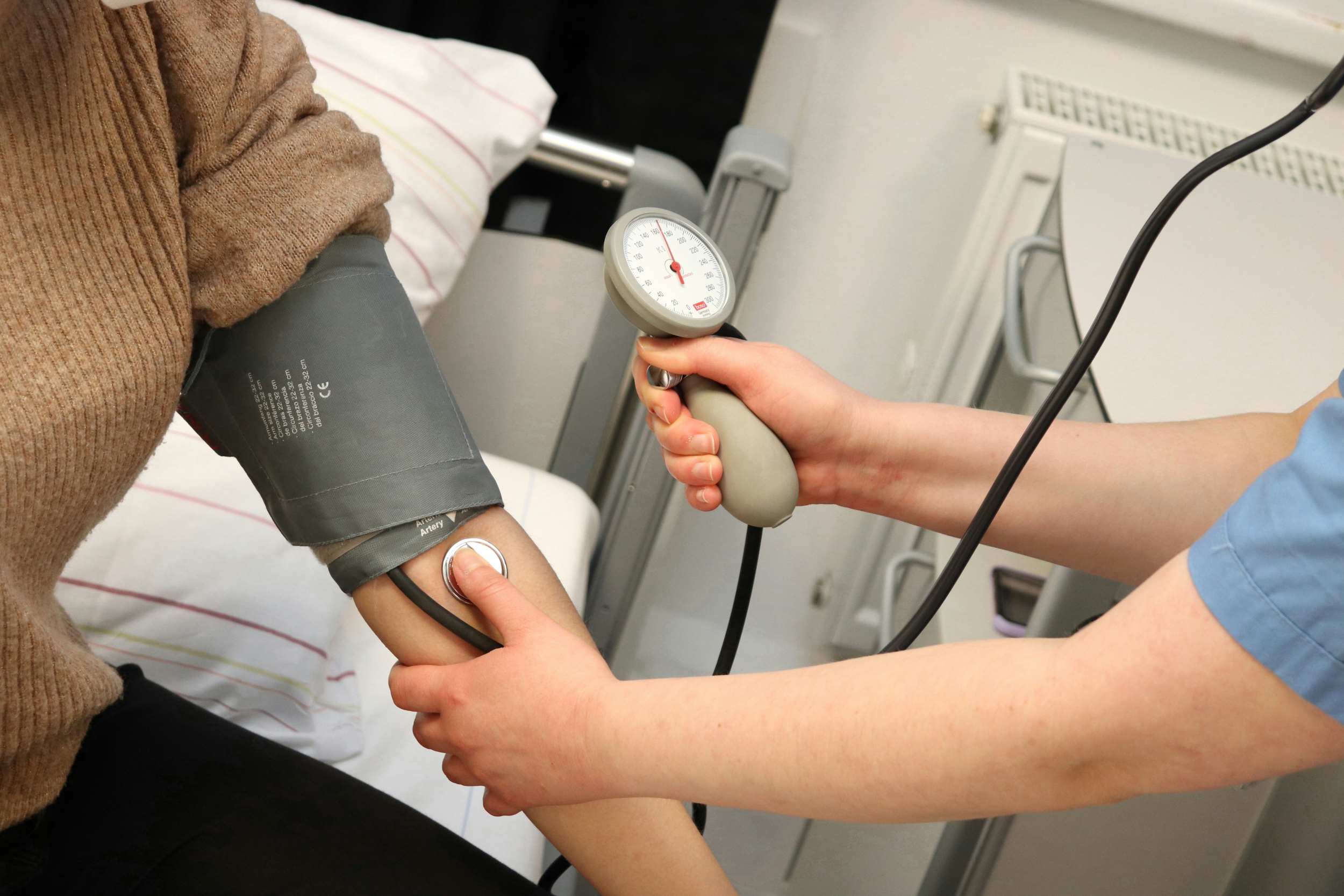
Blood pressure naturally fluctuates throughout the day, typically dipping at night during sleep. However, some individuals experience nocturnal hypertension, where blood pressure rises instead of falling. These blood pressure spikes at night can be more harmful than daytime hypertension because they are often silent and go unnoticed, yet they significantly increase the risk of heart attack, stroke, and kidney disease.
Nocturnal hypertension can occur in otherwise healthy adults or in individuals with known cardiovascular risks. Understanding the underlying causes, symptoms, and treatment options is crucial for preventing long-term complications. By recognizing patterns in nighttime blood pressure changes, patients and healthcare providers can tailor strategies to reduce cardiovascular risk and improve overall health.
Causes and Symptoms of Nighttime Blood Pressure Spikes
Several factors contribute to nocturnal hypertension, ranging from lifestyle habits to medical conditions. Identifying these causes is key to managing and preventing blood pressure spikes at night.
Common Causes
Sleep Apnea: Obstructive sleep apnea causes intermittent drops in oxygen levels during sleep, triggering the sympathetic nervous system and leading to nighttime blood pressure elevations. According to the American Heart Association, sleep apnea is strongly associated with nocturnal hypertension and can exacerbate cardiovascular risk if untreated.
Kidney Disease: Chronic kidney disease can impair sodium and fluid balance, contributing to sustained nighttime blood pressure increases.
Diabetes: Individuals with diabetes are prone to autonomic dysfunction, which can interfere with the normal nocturnal dip in blood pressure.
High Salt Intake and Sedentary Lifestyle: Diets high in sodium and lack of physical activity increase the likelihood of elevated nighttime blood pressure.
Stress and Hormonal Factors: Chronic stress and imbalances in hormones such as cortisol may elevate nocturnal blood pressure.
Symptoms to Watch For
Nocturnal hypertension is often asymptomatic, but some individuals may notice subtle signs, including:
Frequent nighttime urination (nocturia)
Disrupted sleep or insomnia
Loud snoring or gasping during sleep
Morning headaches or dizziness
According to a study published by the National Institutes of Health, these symptoms, particularly when combined with daytime hypertension, warrant evaluation with ambulatory blood pressure monitoring to detect nighttime spikes.
Managing and Preventing Blood Pressure Spikes at Night
Lifestyle Modifications
Managing blood pressure spikes at night often starts with lifestyle changes:
Regular Exercise: Engaging in moderate-intensity aerobic activity helps improve blood vessel health and lowers overall blood pressure.
Salt Reduction: Limiting sodium intake helps prevent fluid retention and nighttime elevations.
Weight Management: Maintaining a healthy weight reduces strain on the heart and kidneys.
Stress Control: Mindfulness, meditation, and relaxation techniques can help normalize sympathetic nervous system activity during sleep.
Improved Sleep Quality: Addressing sleep apnea with CPAP therapy, avoiding late caffeine, and establishing consistent sleep schedules can restore normal nocturnal blood pressure patterns.
Medical Interventions
When lifestyle measures are insufficient, medical treatment may be necessary:
Antihypertensive Medications: The timing of medications can be adjusted to optimize their effect during the nighttime. For example, some ACE inhibitors or ARBs may be taken in the evening to counter nocturnal elevations.
Ambulatory Blood Pressure Monitoring (ABPM): This tool provides 24-hour readings to detect hidden nocturnal spikes. According to Mayo Clinic research, ABPM is the gold standard for diagnosing nocturnal hypertension and tailoring treatment plans.
Conclusion
Nocturnal hypertension is a serious condition that often goes undetected but poses significant cardiovascular risks. Understanding the causes—from sleep apnea and kidney disease to stress and dietary factors—helps individuals recognize potential triggers of nighttime blood pressure spikes. Symptoms like frequent nighttime urination, snoring, and morning headaches should prompt evaluation with ambulatory monitoring.
Management involves a combination of lifestyle modifications, improved sleep, stress control, and, when necessary, appropriately timed antihypertensive medications. Early detection and proactive treatment can prevent long-term complications, reduce cardiovascular risk, and improve overall health. By staying vigilant and consulting healthcare professionals, patients can keep blood pressure spikes at night under control and protect their heart, kidneys, and brain from the consequences of untreated nocturnal hypertension.
Frequently Asked Questions
1. Can stress cause nighttime blood pressure spikes?
Yes. Chronic stress can activate the sympathetic nervous system, increasing blood pressure even during sleep. Techniques such as meditation, deep breathing, and counseling can help mitigate this effect.
2. How is nocturnal hypertension diagnosed?
Nocturnal hypertension is most accurately detected using ambulatory blood pressure monitoring, which records blood pressure at regular intervals over 24 hours, including during sleep.
3. What are the risks of untreated nocturnal hypertension?
Untreated nocturnal hypertension significantly increases the risk of heart attack, stroke, kidney disease, and overall cardiovascular mortality. Nighttime blood pressure is a stronger predictor of cardiovascular events than daytime readings.
4. Can lifestyle changes alone normalize nighttime blood pressure?
For some individuals, lifestyle changes such as reducing sodium, exercising regularly, and improving sleep can lower nighttime blood pressure. However, others may require medication to achieve optimal control.