Tag: neurodiversity

  • Mindfulness and Autism: Learning to Celebrate Neurodiversity

    Mindfulness and Autism: Learning to Celebrate Neurodiversity

    Summary:

    • Researchers who study mindfulness and autism have found that, for neurodiverse communities, mindfulness may have unexpected and adverse effects that are different from neurotypical people.
    • While mindfulness teachings are slowly becoming more inclusive, people with autism and other kinds of neurodiversity are often left behind.
    • We can learn to teach mindful practices in an accessible, inclusive way that considers each person’s unique brain wiring.

    “When I’m told to focus on sensations of my breath, I feel like there is a noose wrapped around my neck, getting tighter and tighter as I keep paying attention.”

    This comment comes from a brilliant young autistic woman who was told by her doctor that mindfulness would be good for her anxiety. She said it did the opposite: Mindfulness worsened her anxiety. In fact, it was a very negative experience that left her feeling like a failure.

    It’s never anyone’s fault when mindfulness doesn’t work for them. They were just not taught mindfulness in an accessible, inclusive way that considers any unique needs.

    Unfortunately, I hear things like this often. I am part of a mindfulness research program at the Azrieli Adult Neurodevelopmental Centre at the Centre for Addiction and Mental Health (CAMH) in Toronto, where in the course of the research, a large number of neurodiverse people have told me they are mindfulness “drop-outs.” In neurodiverse communities, people report having a range of sensory experiences that can produce different, and often adverse responses to common mindfulness techniques such as the body scan, breath practices, and loving-kindness. People with neurodevelopmental disabilities such as autism, ADHD, or cerebral palsy confide that they’ve tried it and “failed” at it. Similarly, in the education system, some teachers have told me that they can’t use the term mindfulness with students because, from prior experiences, some students already feel like they have failed at it.

    It’s never anyone’s fault when mindfulness doesn’t work for them. They were just not taught mindfulness in an accessible, inclusive way that considers any unique needs. Accessibility and neurodiversity are rarely discussed in the mindfulness world, but this discussion holds huge potential for both neurodiverse communities and mindfulness. As a mindfulness teacher, I want to ensure that all people can access mindfulness teachings in a way that works for them.

    What is Neurodiversity?

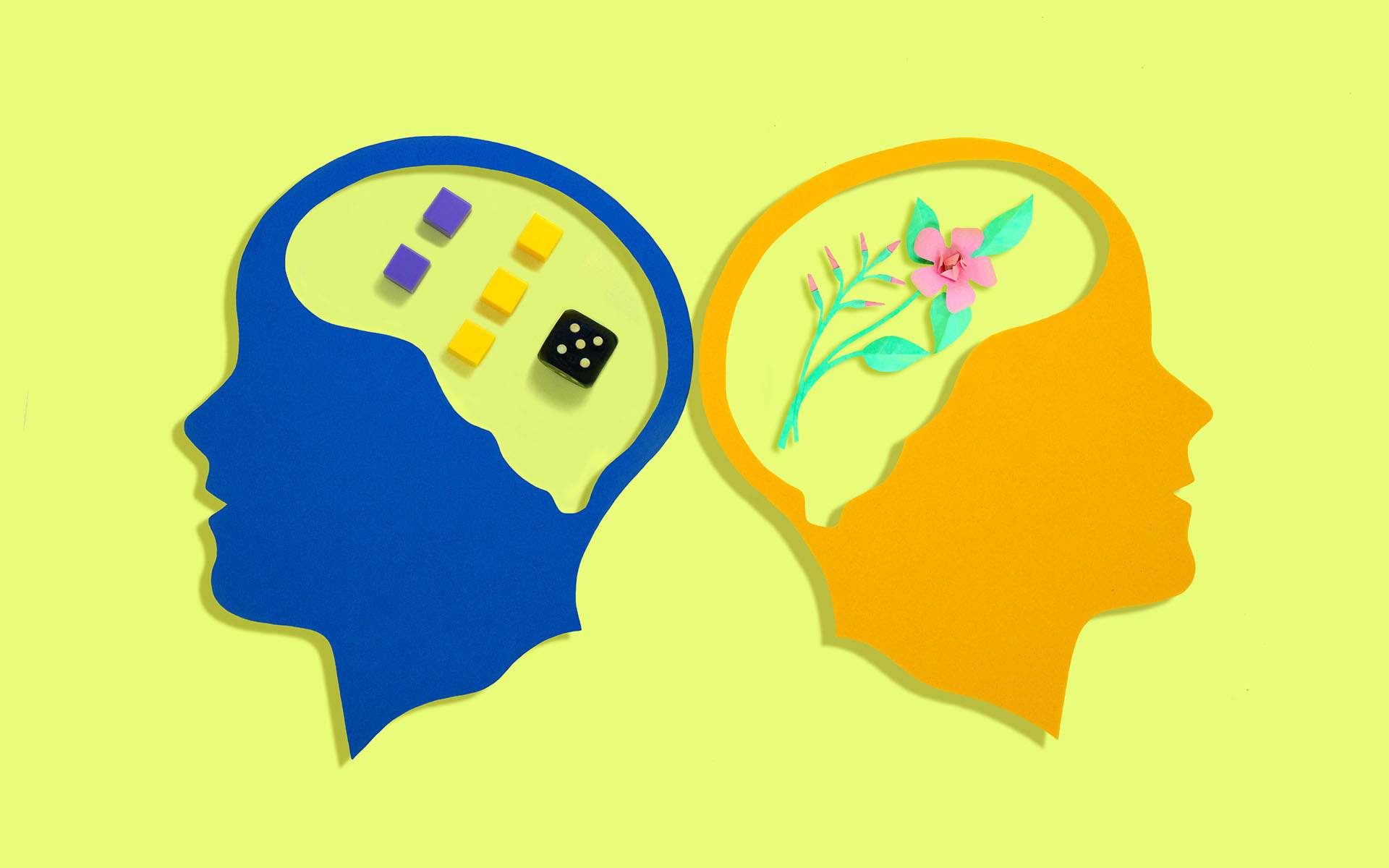
    As author Jenna Nuremberg shares in her 2020 book Divergent Mind: Thriving in a World That Wasn’t Designed for You, neurodiversity means “recognizing and celebrating the diversity of brain makeups instead of pathologizing some as normal and others as abnormal.” Similarly, the Autism Awareness Centre defines it as “the concept that humans don’t come in a one-size-fits-all neurologically ‘normal’ package,” and that all variations of human neurological function are worthy of respect. Not so differently, mindfulness encourages us to recognize what is going on inside of us—observing our inner world and experience with nonjudgment and acceptance.

    As mindfulness teachers, if we are not accepting and celebrating ALL brain makeups in our teaching, then we are not making mindfulness accessible. The story above—with the experience of the noose tightening—is one example of the mindfulness experience of an autistic person (autism being just one example of a neurodiverse mind).

    Autism occurs in all racial, ethnic, and socioeconomic groups, and 1 in 42 males, and 1 in 165 females were diagnosed with autism in 2018. Autism is not the only kind of neurodiverse brain that is often invisibly present in mindfulness groups. Dyslexia, ADHD, mild cerebral palsy, and mild intellectual disability may be unseen. All of these neurodevelopmental disabilities are often undiagnosed, and many people who come to mindfulness for the first time may not realize there is a reason why they are not connecting with the practices in the way they are being taught. This makes it really important for teachers to be aware of how inclusive their teaching practices are.

    What Makes Mindfulness Inaccessible

    Why is it so challenging for mindfulness teachers to adopt truly accessible practices?  One important reason is that the way of teaching most of us are taught to deliver was designed for the neurotypical population.

    Developed in the 1970s at the Centre for Mindfulness at the University of Massachusetts Medical School, with Jon Kabat-Zinn at the helm, Mindfulness-Based Stress Reduction (MBSR) introduced mindfulness to much of the healthcare community. However, the program was designed primarily without modifications for neurodiverse folks. This has significant consequences today: Many mindfulness teachers, though they may be highly trained and capable in MBSR and other mindfulness-based therapies, have usually not been trained to recognize neurodiversity among their students.

    Fortunately, mindfulness research and teaching is beginning to evolve—one instance is the embrace of trauma-sensitive practices, aided by David Treleaven’s work. Yet we still fall short when it comes to inclusive practices that truly provide accessible forms of mindfulness.

    Mindfulness research is beginning to evolve, yet we still fall short when it comes to inclusive practices that truly provide accessible forms of mindfulness.

    For example: The concept of interoception—an area of science that is being written about in literature related to neurodiversity—is the act of really feeling the physical sensations in the body. Knowing that feeling of when you are hungry, or need to go to the bathroom, are examples of interoceptive processing; being able to discriminate between different feelings in the body connected with emotions is another. Mindfulness can play a key role in developing interoceptive skills—for example, when we practice noticing the movement of our inhale and exhale at our nostrils or in the belly. However, interoception is not a universal ability. Some brains are wired to feel physical sensations, while some are wired to visualize easily.

    Still others don’t really visualize: Aphantasia (phantasia being Greek for fantasy) refers to the inability to picture those images in one’s mind. Research conducted at the University of Exeter Medical School found that 2% of the population are non-visual thinkers. That doesn’t mean you are doing something wrong if you can’t picture your loved one in front of you when practicing loving-kindness, it just means you need a modified technique. These different ways that the brain is wired are key when it comes to understanding our experience of mindfulness practice.

    In the last ten years, the Azrieli Adult Neurodevelopmental Centre at CAMH has been studying how mindfulness can better serve the autism community. I’ve been involved as a lead mindfulness facilitator in this research, both leading the groups with advisors and developing modifications to MBSR practices to make them accessible. Importantly, autistic people hold advisory roles in this work as a central part of the research. Mindfulness for the caregivers of neurodiverse people is also being studied by Azrieli’s neurodevelopmental disability community.

    Dr. Yona Lunsky, Director of the Azrieli Adult Neurodevelopmental Centre and a professor of psychiatry at the University of Toronto, has been leading teams to research mindfulness in this community for almost a decade. “The best way for us to adapt our approach when it comes to mindfulness is to work in partnership, and use our mindfulness skills when we do: Approach how we teach with presence to what is happening, with curiosity, without judgment, and with loving-kindness,” Dr. Lunsky says. “Being open to changing our approach is fundamental to developing something meaningful. It takes time and it evolves. And that is what makes it so exciting.” 

    Mindfulness teachers use a lot of metaphors and abstract language that some autistic people struggle with. Some of the sensory exercises pose huge problems for autistic people.

    Bringing mindfulness to neurodiverse communities inspires me to dig deep into my mindfulness training and get creative, so that I can offer traditional mindfulness teachings in ways that are helpful for a wide diversity of brains. As a teacher, it’s my job to teach in a way that is going to help the person in front of me. If I’m stuck to a script, or clinging to delivering mindfulness in a certain way, I risk not being accessible to the unique person’s mind. I need to be rooted enough in the teachings to be able to share them in a customized way.

    Daniel Share-Strom, an autistic man and champion of mindfulness meditation, is an advisor in our mindfulness research program at CAMH. Daniel’s popular TED Talk “Dear Society…Signed, Autism” shares Daniel’s humorous style of sharing his experience living as an autistic man on communication, learning, and interaction with the environment. Here are some thoughts Daniel has shared with me on mindfulness:

    • “In my own mental health journey I discovered mindfulness, and it was one of the first things that ever really helped me with anxiety. …I think it’s so important to adapt mindfulness from its original ways of being taught for neurodiverse groups. There are certain things autistic people bring to the table that aren’t compatible with the ways mindfulness is being presented. Mindfulness teachers use a lot of metaphors and abstract language that some autistic people struggle with. Some of the sensory exercises pose huge problems for autistic people.
    • Autistic people experience high rates of mental health challenges–from feeling anxiousness to having an adult suicide rate up to nine times the rate of the typical population. That is simply a result of growing up in a world that wasn’t designed for us—in a lot of ways. From the sensory world, to social protocols that neurotypical people developed that we didn’t really get much say in. That can all cause a lot of challenges. Mindfulness is an amazing tool to help autistic people cope with all of that. People just need to understand how to adapt it so it’s effective.”

    The work and feedback of Daniel and others makes it clear that we need to explore new ways of teaching mindfulness that honor neurodiversity, and that truly individualize mindfulness for each person.

    Lessons for Teaching Mindfulness Inclusively

    When people ask me how mindfulness can help autistic adults, I say we need to invert the question to “How can autism help mindfulness?” In my experience, it took many, many neurodiverse people patiently (and sometimes not so patiently) giving feedback on how I was teaching mindfulness before I started landing at more inclusive and accessible methods. Getting to know how autistic people connect best with mindfulness has helped me completely re-examine how I teach. It’s taught me to remain open to the vast differences of those in front of us, and explore with them ways for mindfulness to be useful. When we individualize the practice, the path truly belongs to each person.

    Mindfulness has something to offer the world. Neurodiversity has something to offer mindfulness. Let’s imagine together how a more inclusive mindfulness culture can contribute to a more inclusive world, one that can be truly accessible and beneficial to all.


    Source link

  • Embracing Our Neurodiversity: 12 Minute Meditation

    Embracing Our Neurodiversity: 12 Minute Meditation

    This week, Sue Hutton guides us in a unique breathing practice designed to foster awareness of our senses, honoring our neurodiversity while strengthening our mindfulness practice.

    We live in a neurologically-diverse world. We are all wired with unique minds and bodies, and each of us has a unique sensory constitution. For instance, someone who experiences sensory overwhelm when they pay attention to direct sensations inside the body may find a body scan practice overwhelming instead of centering. Similarly, someone who is blind isn’t going to use physical vision as a meditation tool. But there are ways to practice mindfulness and embrace our neurodiversity at the same time.

    Breath practice, often considered a simple tool for calming the mind, can be a more complex and nuanced experience for many neurodivergent meditators. For some, paying close attention to the rise and fall of the breath can bring about feelings of discomfort or even anxiety, as thoughts about the breath’s role in sustaining life may become all-consuming rather than calming.

    This practice is about finding the right approach for you and honoring our neurodiversity. We will cover different ways to engage with the breath that accommodate our diverse sensory needs, offering alternatives that can help each of us find a sense of calm and ease. Whether it’s focusing on the sensation of air moving in and out of your nostrils, the sound of your breath, or even the rhythm of your breath as you feel it in different parts of your body, there are multiple pathways to mindful breathing.

    A Guided Meditation for Embracing Neurodiversity Through Breath Awareness

    1. We all benefit from learning different ways of meditating on the breath. So let’s try out three different ways of feeling the breath in the body, and you can determine which one works best for you. 
    2. Remember, you don’t need to push yourself to experience anything that’s overwhelming. If there’s any kind of sense experience you have that is particularly uncomfortable, just take a break and you can come to another way of practicing the breath. 
    3. Come into a posture that’s comfortable for you. Bring yourself to a spirit of alertness and energy to help you concentrate. At the same time, give yourself permission to relax and soften. 
    4. The first practice I’d like to try is sound breathing. Some people really find this more comforting than focusing on the feelings of the breath inside the body. 
    5. To practice sound breathing, hold a hand up in front of your mouth and just exhale on the palm of your hand. You’ll notice you have to increase the exhalation a little bit, so there’s enough volume to hear the breath and to feel it on the palm of your hand. Once again, exhale on the palm of your hand and listen. Now continue to breathe in and out, but with the mouth closed. Keep the same volume, so there’s enough sound to allow the breath itself to be an anchor through the sound. Breathing in and out, focus on the sound of your breath through your nose. Relax the body on the outbreath in a way that’s comfortable for you, focusing on the sound. 
    6. Next, we’ll try a kinesthetic way of experiencing the breath that I call “lotus breathing.” Take one hand or two hands, whatever’s available for you, and allow the fingers to come to a close, just touching each other. Then, open the hand up again, like a flower opening in the day and then closing again, with the fingers coming back together again. Breathing in, the hands open, breathing out, hands close. Try that for a few moments and see how closely you can synchronize the rhythm of your breath with that gentle movement of your hand. 
    7. Lastly, let’s try a movement-focused breath. Place a hand on the belly and a hand on the chest. Allow yourself to soften. You’ll feel that nice, compassionate warmth of the hands resting on the body.
    8. You can notice this from the outside, if that’s comfortable—feeling how the hands rise up when you breathe in. And as you exhale, the hands rest back down with the belly in the chest. 
    9. Alternatively, you can choose to pay attention to the mechanism inside the body of the belly rising and falling. So breathing in, notice the feeling wherever it’s comfortable for you, of the rising and the falling on the exhalation. Then, fully let go on the outbreath. Give yourself permission to release and soften and relax every time you breathe out. 
    10. Now try experiencing the breath with the anchor that works best for you. Experiment with which tool you prefer, or combine them if you want. Remember, you’re the boss of your meditation. As long as you’re bringing your full awareness to the experience and you keep guiding yourself back to the present moment, you have the freedom to connect with the breath in the way that it works for you.
    11. Remember, make your breath your own when you do the practices. Be gentle. Be compassionate with yourself. You are perfect as you are and finding the tools that help you to come into the present moment. The best is your own personal journey.


    Source link