Creating a healthy evening routine is one of the simplest yet most effective ways to prepare the body and mind for restful sleep. Modern lifestyles often expose people to stress, digital distractions, and irregular eating patterns that interfere with relaxation and recovery.
A structured nighttime ritual calms the brain, supports digestive balance, and helps regulate essential hormones that drive the body’s internal clock. By aligning these elements, individuals can experience deeper, more restorative sleep and improved overall well-being.
What Is a Healthy Evening Routine?
A healthy evening routine refers to a consistent set of actions that signal to the body that it’s time to rest. Unlike morning routines that focus on alertness and productivity, evening habits aim to slow down the day’s pace, allowing the mind and body to transition smoothly into sleep mode.
Healthy routines commonly include turning off electronic devices, adjusting lighting, engaging in relaxing activities, and avoiding stimulating foods or beverages. When followed regularly, these small actions create a rhythm that enhances sleep consistency, improves mood stability, and boosts morning energy levels.
A well-crafted routine acts as a nightly reset, helping the body restore itself physically while giving the mind space to process, unwind, and recover from cognitive fatigue.
Why a Sleep Wind-Down Routine Matters
A proper sleep wind-down routine prepares the nervous system for rest by easing the transition from wakefulness to sleep. Without it, the brain often remains in a state of alertness, especially after exposure to blue light from screens or after engaging in demanding mental tasks. This overstimulation delays melatonin release, the hormone responsible for inducing sleepiness.
Scientific studies show that individuals who dedicate 20–30 minutes to relaxation before bed fall asleep faster and experience better sleep quality. Techniques such as deep breathing, meditation, or listening to calm music help lower cortisol levels, promoting a sense of safety and calm.
Avoiding stimulants like caffeine or intense exercise within two hours before bed also enhances the body’s ability to enter deeper sleep stages more efficiently. A consistent sleep wind-down routine becomes a biological signal that it’s time to power down, physically, mentally, and emotionally.
Understanding the Gut-Brain Connection and Its Impact on Sleep
The gut-brain connection plays a crucial role in how the body transitions to rest. This bidirectional communication system links emotional and cognitive centers of the brain with intestinal functions, mainly through the vagus nerve and neurotransmitters.
When the gut’s microbiome is healthy and diverse, it produces compounds such as serotonin and gamma-aminobutyric acid (GABA), both essential for regulating mood and sleep. Poor diet, stress, or irregular eating patterns can disrupt this communication, leading to sleep disturbances and anxiety.
Supporting the gut-brain connection before bed involves eating nutrient-rich foods that feed beneficial bacteria, such as yogurt, kefir, bananas, and oatmeal, and avoiding heavy or sugary meals late at night. Herbal teas like chamomile or peppermint can also soothe digestion while promoting relaxation signals to the brain.
The Role of Nighttime Hormone Balance
Several hormones govern the body’s ability to fall asleep and stay asleep. The balance among melatonin, cortisol, and serotonin directly influences the quality of nighttime rest, according to the World Health Organization. Maintaining proper nighttime hormone balance ensures that energy, appetite, and mood function in harmony with the body’s natural circadian rhythm.
Melatonin levels rise in response to darkness, signaling that it’s time for sleep. Blue light exposure delays this release, so dimming lights at least an hour before bed helps prepare the body.
Cortisol, the stress hormone, should gradually decrease at night. However, prolonged stress or irregular sleeping hours can keep levels high, making it difficult to relax.
Serotonin serves as a precursor to melatonin. Eating foods rich in tryptophan, such as eggs, nuts, or turkey, and getting enough daylight exposure during the day boosts its production.
Mindful lifestyle choices, such as limiting caffeine after midday and minimizing emotional strain in the evening, naturally encourage better nighttime hormone balance.
Bedtime Habits for Better Sleep
Developing sustainable bedtime habits for sleep helps train the body to anticipate rest. These habits do not need to be complex, consistency is what matters most.
Effective bedtime behaviors include:
Maintaining a set sleep schedule even on weekends.
Turning off electronics 30–60 minutes before lying down.
Reading or journaling to clear mental clutter.
Practicing mindful relaxation, such as deep breathing or light stretching.
Setting the environment for comfort: cool temperature, dim light, and minimal noise.
Incorporating routines like aromatherapy or soft background sounds can further enhance relaxation. Over time, these bedtime habits for sleep build strong associations between the environment and the act of resting, improving both sleep onset and duration.
What to Eat or Avoid Before Bed
Nutrition strongly influences the gut-brain connection and the overall sleep-wake rhythm. Eating the right foods can promote stable blood sugar levels and enhance hormone production, while heavy or caffeinated meals can cause discomfort and restlessness.
Foods that support relaxation include:
Whole grains and nuts for magnesium, which aids muscle relaxation.
Greek yogurt or bananas for tryptophan and serotonin support.
Herbal tea blends like chamomile or lavender to calm the nervous system.
It’s best to avoid large, fatty, or spicy foods as they slow digestion and can cause heartburn during the night. Similarly, alcohol and caffeine, even in the afternoon, may reduce rapid eye movement (REM) sleep, the stage essential for memory and emotional processing.
Light, nutrient-balanced snacks, like oatmeal with walnuts, can help maintain both the gut-brain connection and nighttime hormone balance naturally.
Creating a Personalized Sleep Wind-Down Routine
Everyone’s ideal sleep wind-down looks slightly different, but the principles remain consistent: minimize stimulation, focus on relaxation, and maintain regularity. Tailoring the process ensures higher adherence and better results.
Here’s a sample 30-minute plan:
10 minutes: Prepare the sleep environment, dim lights, lower the room temperature, and set aside devices.
10 minutes: Engage in a calming activity like reading, journaling, or guided meditation.
10 minutes: Practice mindfulness or breathing exercises while seated or lying comfortably.
Those with demanding schedules can adapt this to their needs, parents might include short stretches or a warm shower, while professionals might prefer quiet reflection or aromatherapy, as per the Centers for Disease Control and Prevention. By aligning the routine with personal preferences, individuals reinforce the rhythm of a healthy evening routine with minimal effort.
Mistakes That Disrupt Sleep and Hormone Balance
Even small missteps can interfere with sleep quality and disrupt the body’s hormonal rhythm. Common mistakes include:
Eating late dinners or skipping relaxation before bed.
Using phones or bright screens close to bedtime.
Maintaining irregular sleep and wake times.
Bringing work or emotional stress into the bedroom.
These behaviors elevate cortisol levels and interfere with melatonin release, directly harming nighttime hormone balance. Recognizing and correcting such habits often makes a noticeable difference in mood, focus, and energy after just a few nights.
When to Seek Help for Persistent Sleep Problems
If consistent routines still fail to improve rest, underlying issues like hormonal imbalances, anxiety, or digestive dysfunction might be contributing factors. Consulting a sleep specialist, endocrinologist, or nutritionist can help identify the root cause.
They can offer insights into optimizing the gut-brain connection and restoring hormonal equilibrium through testing, diet adjustments, and targeted therapy.
Professional support becomes valuable when poor sleep begins affecting daily concentration, mood, or long-term health.
A Calmer Night Starts with a Healthy Evening Routine
A truly healthy evening routine integrates mental relaxation, digestive care, and natural hormonal rhythms. It’s less about strict discipline and more about intentional self-care that aligns with the body’s design for rest.
Through consistent sleep wind-down rituals, balanced eating, and mindful bedtime habits for sleep, individuals can nurture both mind and body toward genuine restoration.
The harmony between the gut, brain, and hormonal systems forms the foundation of sustained well-being. With patience and regular practice, every evening can become an opportunity to recharge, rebalance, and prepare for the day ahead.
Frequently Asked Questions
1. Can evening exercise affect nighttime hormone balance?
Yes. Intense workouts right before bed can raise cortisol and adrenaline, delaying sleep. Light stretching or yoga in the early evening supports calmer hormone activity.
2. How does screen time interfere with the gut-brain connection?
Prolonged screen exposure increases stress and disrupts melatonin release, which can indirectly affect digestion and gut signaling. Reducing blue light helps both the gut and brain relax.
3. Are naps harmful to a healthy evening routine?
Short power naps earlier in the day are fine, but late or long naps can make it harder to fall asleep at night and disrupt sleep drive.
4. Can supplements help improve bedtime habits for sleep?
Some people benefit from natural aids like magnesium, L-theanine, or melatonin, but they work best when combined with consistent wind-down habits and good sleep hygiene.
Product Name: Ending Smoking Ritual – A Smokers Guide to Quit Smoking Naturally – Discover best ways to quit smoking naturally with the Ending Smoking Ritual guide. No more smoking stains on teeth, smoking lips, and wrinkles.
All orders are protected by SSL encryption – the highest industry standard for online security from trusted vendors.
Ending Smoking Ritual – A Smokers Guide to Quit Smoking Naturally – Discover best ways to quit smoking naturally with the Ending Smoking Ritual guide. No more smoking stains on teeth, smoking lips, and wrinkles. is backed with a 60 Day No Questions Asked Money Back Guarantee. If within the first 60 days of receipt you are not satisfied with Wake Up Lean™, you can request a refund by sending an email to the address given inside the product and we will immediately refund your entire purchase price, with no questions asked.
All orders are protected by SSL encryption – the highest industry standard for online security from trusted vendors.
Restore Vision Naturally is backed with a 60 Day No Questions Asked Money Back Guarantee. If within the first 60 days of receipt you are not satisfied with Wake Up Lean™, you can request a refund by sending an email to the address given inside the product and we will immediately refund your entire purchase price, with no questions asked.
What were the results of a randomized, double-blind, placebo-controlled trial of a daily half teaspoon of powdered black cumin in Hashimoto’s patients?
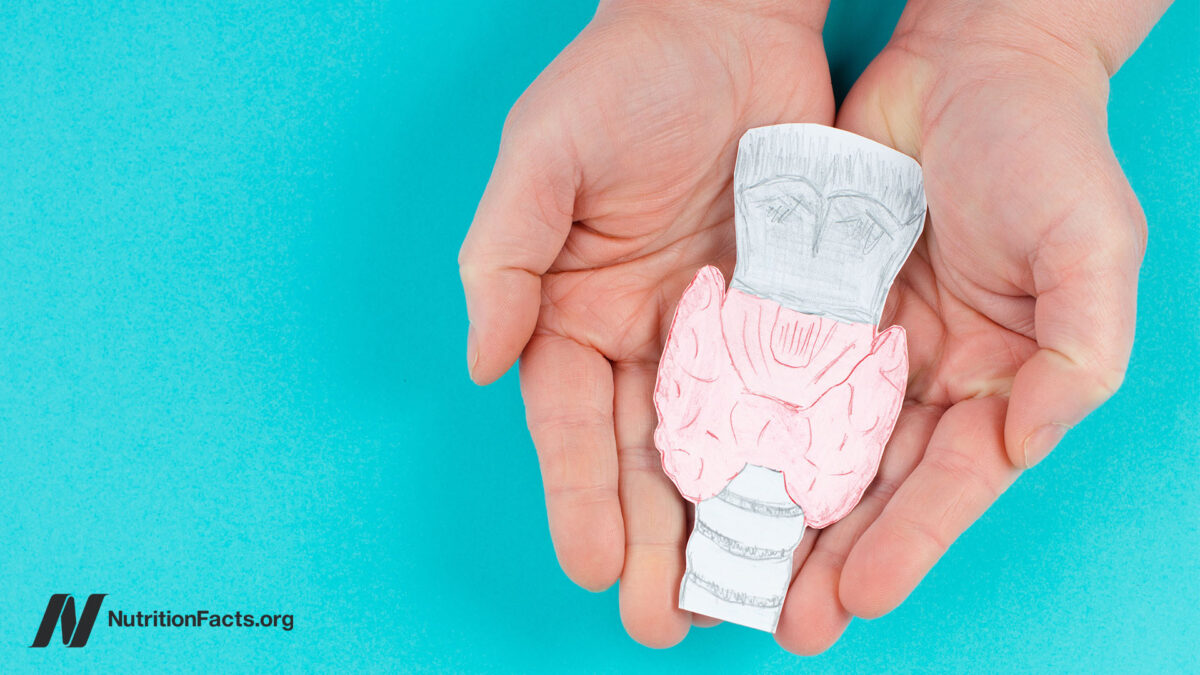
“Autoimmune thyroiditis, also known as Hashimoto’s thyroiditis, is an organ-specific autoimmune disorder,” where our body attacks our own thyroid gland, often leading to hypothyroidism due to destruction and scarring of the gland itself. We know there’s a genetic component, since identical twins are more likely to share the disease than fraternal twins. “However, even with identical twins, the concordance rate was only about 50%, emphasizing that important factors such as the environment play a role in disease pathogenesis.” Indeed, even if your identical twin, who has basically your exact same DNA, has the disease, there’s only like a flip of a coin’s chance you’ll get it. Genes load the gun, but the environment may pull the trigger.
More than 90 synthetic chemicals were noted to show disruption of hormonal balance or thyroid dysfunction.” However, only a few such ‘pollutants show evidence that they contribute to autoimmune thyroid disease.” These include polyaromatic hydrocarbons. Smokers get a lot of them from cigarettes, but in nonsmokers, exposure comes almost entirely from food, as you can see below and at 1:18 in my video Diet for Hypothyroidism: A Natural Treatment for Hashimoto’s Disease.
Polycyclic aromatic hydrocarbons are primarily formed when muscle meats, such as beef, pork, fish, or chicken, are cooked using high-temperature methods, such as grilling. PBBs, polybrominated biphenols, are a type of flame-retardant chemical no longer manufactured in the United States, but are still found in the aquatic food chain. PCBs, polychlorinated biphenols, are used in a number of industrial processes and end up in people’s bodies, again, largely through the consumption of fish, but also eggs and other meats, as seen here and at 1:41 in my video.
So, one might suspect those eating plant-based diets would have lower rates of hypothyroidism, and, indeed, despite their lower iodine intake, vegan diets tended to be protective. But they’ve never been put to the test in an interventional trial. A modification of the Paleolithic diet has been tried in Hashimoto’s patients, but it didn’t appear to improve thyroid function. What did, though, isNigella Sativa. That name should sound familiar to anyone who’s read my book How Not to Diet or watched my live Evidence-Based Weight Loss presentation. Nigella Sativa is the scientific name for black cumin, which is just a simple spice that’s also used for a variety of medicinal purposes.
In one study, Hashimoto’s patients received a half teaspoon of powdered black cumin every day for eight weeks in a randomized, double-blind, placebo-controlled trial. Not only was there a significant reduction in body weight, which is why I profiled it in my book, but the black cumin also significantly reduced the thyroid-stimulating hormone, a sign that thyroid function was improving. It even lowered the level of autoimmune anti-thyroid antibodies, as well as increased blood levels of thyroid hormone T3 in these Hashimoto’s patients. In addition, there was a significant drop in Interleukin 23, a proinflammatory cell signal thought to help promote the autoimmune inflammation of the thyroid, which “further confirms the anti-inflammatory nature of the plant.” And what were the side effects? There was a 17 percent drop in “bad” LDL cholesterol, as shown below and at 3:19 in my video.
Given the fact that patients with Hashimoto’s may be at particularly high risk of developing heart disease, this is exactly the kind of side effects we’d want. “Considering these health-promoting effects of N. Sativa [black cumin], it can be considered as a therapeutic approach in the management of Hashimoto-related metabolic abnormalities.”
A similar trial failed to find a benefit, though. Same dose, same time frame, but no significant changes in thyroid function. In contrast with the previous study, though, the study participants were not all Hashimoto’s patients, but rather hypothyroid for any reason, and that may have diluted the results. And it’s possible that telling patients to take the black cumin doses with their thyroid hormone replacement therapy may have interfered with its absorption, which is an issue similar to other foods and drugs, and why patients are normally told to take it on an empty stomach. Since there are no downsides—it’s just a simple spice—I figure, why not give it a try? The worst that can happen is you’ll have tastier food.
Doctor’s Note:
I get a lot of questions about thyroid function, and I am glad to have been able to do this series. If you missed any of the other videos, see the related posts below.
Product Name: Nutrafika Revitagut – Naturally soothe & strengthen the gut lining to relieve constipation, bloat & gas while promoting a healthy weight.
All orders are protected by SSL encryption – the highest industry standard for online security from trusted vendors.
Nutrafika Revitagut – Naturally soothe & strengthen the gut lining to relieve constipation, bloat & gas while promoting a healthy weight. is backed with a 60 Day No Questions Asked Money Back Guarantee. If within the first 60 days of receipt you are not satisfied with Wake Up Lean™, you can request a refund by sending an email to the address given inside the product and we will immediately refund your entire purchase price, with no questions asked.
Are you planning to shed pounds but prefer going the natural, healthy route? You don’t always need Ozempic or GLP-1 medications for weight loss; the right food choices may be all you need. A nutritionist shares tips on foods that naturally mimic Ozempic by helping you feel full longer and slowing digestion.
Luisana Carrero, a nutritionist from Houston, regularly shares simple and sustainable nutrition and workout tips on her Instagram handle, Luisana_nutritioncoach, helping people transform their bodies. In a recent post, she discusses 8 high-quality foods that naturally mimic the effects of Ozempic by boosting satiety, balancing blood sugar, reducing cravings, and helping make fat loss easier.
“Incorporate these foods into your diet to control hunger, stay satisfied longer, and lose fat,” she wrote. Here are the foods to include:
1. Greek Yogurt:
Carrero suggests that the combination of protein and probiotics makes Greek yogurt a top choice. It helps reduce calorie intake while supporting gut health, and adding berries and nuts creates a tasty, balanced snack.
Scientific evidence also supports the weight loss benefits of Greek yogurt. Research shows that yogurt consumption is inversely associated with the incidence of overweight or obesity. A 2014 study evaluating 8,516 participants found that those who consumed more than 7 servings of yogurt per week were less likely to be obese than those who ate 2 or fewer servings.
2. Sweet Potatoes:
As a slow-digesting and nutrient-rich carbohydrate, sweet potatoes help improve satiety. “Bake them at 400°F for 30-45 minutes and pair with your favorite protein,” Carrero wrote.
3. Berries:
With their low glycemic impact and calorie content, berries are a favorable food choice. They transform boring meals into tasty snacks and can be eaten fresh or added to items like yogurt and oatmeal.
4. Avocados:
Another tasty complement to salads and toasts, avocados offer a great combination of healthy fats and fiber that help regulate appetite hormones. In addition to supporting weight loss, this nutrient-rich fruit, packed with vitamins and antioxidants, promotes overall health.
5. Oats:
Oats help release gut hormones like peptide YY (PYY) and glucagon-like peptide 1 (GLP-1), which help reduce food intake. This easy breakfast food also can reduce cholesterol, regulate blood sugar and reduce constipation.
6. Veggies:
Carrero recommends including high-fiber veggies such as broccoli, kale, and Brussels sprouts in the daily diet as they are packed with vitamins & minerals.
7. Lean Beef:
Rich in protein and conjugated linoleic acid (CLA), lean beef supports fat loss in multiple ways. Protein not only helps build and repair muscle but also increases calorie burn during digestion.
8. Eggs:
Using eggs and egg whites can help improve satiety by regulating hunger-controlling hormones like GLP-1 and CCK (cholecystokinin). These hormones signal the brain to reduce appetite, helping you feel full longer and preventing overeating.
All orders are protected by SSL encryption – the highest industry standard for online security from trusted vendors.
Ejaculation Guru: How To Last Over 30 Minutes In Bed Naturally is backed with a 60 Day No Questions Asked Money Back Guarantee. If within the first 60 days of receipt you are not satisfied with Wake Up Lean™, you can request a refund by sending an email to the address given inside the product and we will immediately refund your entire purchase price, with no questions asked.
A few years back, PN co-founder John Berardi, PhD, posted a shirtless photo of himself on his 47th birthday.
He called it his “anti-regress pic” and thanked 30 years of squats, deadlifts, presses, and chin-ups—among other exercises—for his chiseled six-pack, pumped chest, and bulging biceps.
The question many commenters posed:
“Are you on testosterone?”
Dr. Berardi explained in a follow-up post that while he wasn’t against testosterone replacement therapy (TRT) for people who needed it, he himself was not on this therapy, and his testosterone levels were boringly “normal.” He also offered some thought-provoking ideas about testosterone and aging.Dr. Berardi’s take is the opposite of what you generally hear, especially these days when…
The mainstream opinion seems to be that declining testosterone is a harbinger of aging, frailty, and impotence—not to mention a threat to masculinity.
Increasing numbers of middle-aged men are ditching traditional medical checkups for men’s-focused telehealth clinics that specialize in testosterone enhancement.1
Reddit communities have popped up solely to obsess over neuroscientist Andrew Huberman’s supplement recommendations for optimizing testosterone.
Media outlets pump out story after story about “testosterone boosting” foods to eat and “testosterone lowering” foods to avoid.
Whether you’re a coach who fields the “How do I optimize testosterone?” question from clients—or just a regular dude hoping to age well—it’s easy to feel overwhelmed and confused by the conflicting information.
Are declining testosterone levels normal?
Do testosterone-boosting supplement regimens actually work?
Who benefits from testosterone therapy—and who doesn’t?
In this story, we’ll explore those questions and more.
What is testosterone?
Secreted by the testes, testosterone is the sex hormone responsible for male sexual characteristics such as big muscles, deep voices, and hairy chests. It’s a chemical messenger that plays a key role in various processes throughout the body, including sperm production and bone density.
(In women, who also need testosterone to keep various processes humming, testosterone is secreted by the ovaries and adrenal glands. Their bodies just make much less of it; about 10 to 20 times less than men.)
Possibly because of its relationship with muscle growth and sex drive, a lot of cisgender men think of testosterone in binary terms, with lower testosterone being bad and higher testosterone being good.
However, it’s more accurate to think of the relationship between testosterone and health as a continuum that goes from too low (problematic) to too high (also problematic), with the healthy range falling between the two extremes, says Denise Asafu-Adjei, MD, MPH, urologist, men’s health expert, and assistant professor of urology at Loyola University Chicago-Stritch School of Medicine.
As the chart below shows, the dangers of extremely low testosterone are similar to the risks of extremely high amounts (typically only achievable with the use of anabolic steroids).
Problems associated with extremely LOW testosterone
Problems associated with extremely HIGH testosterone
Brittle bones
Reduced body and facial hair
Loss of muscle mass
Low libido (sex drive)
Shrunken testicles
Erectile dysfunction
Low sperm count
Gynecomastia (increased breast tissue)
Irritability
Poor concentration
Fatigue
Depression
Blood clots
Heart damage
High blood pressure
Shrunken testicles
Low sperm count
Enlarged prostate
Acne
Fluid retention
Increased appetite
Insomnia
Headaches
Irritability
Mood swings
Impaired judgment
Low testosterone vs. lower testosterone
Testosterone levels naturally ebb with age, with most men losing about 1 to 2 percent annually starting around age 40. By age 75, most men have 30 percent less of the hormone than they did at age 25.2
(Fun fact: Between ages 25 and 80, men can expect their testicles to shrink 15 percent.3)
However, age-related drops in testosterone are not the same thing as “low testosterone.”
Hypogonadism is the medical term for low testosterone levels, and it affects about 35 percent of men older than 45 and 30 to 50 percent of men who have obesity or type 2 diabetes, according to the Endocrine Society, one of the professional public health organizations that sets hypogonadism treatment guidelines.
Not only can overly low testosterone make you feel fatigued and do a serious number on your sex drive, but it can also harm your bone and cardiovascular health, says Dr. Asafu-Adjei.
“You need testosterone for good bone strength,” says Dr. Asafu-Adjei. “As you get older, you’re already dealing with weaker bones, so having lowered testosterone isn’t going to help.”
Alternatively, bringing levels up to normal seems to offer cardiovascular benefits, she says. (The big caveat here is up to normal—not far above it.)
The importance of referring out
What if you or your client have most of the hallmark symptoms of hypogonadism but still have blood levels of testosterone in the normal range?
“Many men over 30 who feel down or low energy will now automatically blame their testosterone,” says Dr. Asafu-Adjei. “Their symptoms might be related to testosterone, but they also could be related to not sleeping, stress, or some other factor.”
That’s why seeing a healthcare professional specializing in men’s health and testosterone management is so important.
Such a physician can screen you or your client for dozens of other problems (like stress and poor sleep) and conditions (like diabetes, obesity, or sleep apnea) that either mimic the symptoms of hypogonadism or interfere with the production or signaling of testosterone.
In other words, supplemental testosterone is the answer for some men with symptoms of hypogonadism, but not all of them. An extensive workup is required.
“There are overlapping symptoms with low testosterone as well as a lot of nuances around hormone treatment,” says Dr. Asafu-Adjei.
“For example, outside of your total testosterone, we also look at your testosterone-to-estrogen ratio and other related hormones. That’s why it’s so important to go to someone who knows what they’re doing. They’ll take a deeper dive to figure out the root of the problem.”
So, if you specialize in coaching middle-aged and older men, get a urologist or endocrinologist in your referral network.
Over 150,000 health & fitness professionals certified
Save up to 37% on the industry’s top nutrition certification
Help people improve their health and fitness—while making a great full-time or part-time living doing what you love.
Testosterone and aggression
Many people assume that, in high amounts, testosterone turns men into pushy, road-rage-fueled jerks. However, the association between the hormone and behavior is much more complex.4
As it turns out, both too much and too little testosterone can lead to irritability.
In addition, the link between testosterone and aggression depends a lot on someone’s personality, upbringing, context, social norms, and more.
For example, in one experiment, researchers asked forty young men to play a video game that involved accepting and rejecting offers from a proposer. If someone deemed the proposal too low, they could reject the offer and punish the person for making such a substandard ask. Alternatively, if they considered the offer beneficial, they could accept it as well as reward the person.5
Researchers injected some of the men with testosterone as they played the game.
As expected, players treated with the hormone were more likely to punish proposers, especially if they considered the offer unfair. However, if they perceived the offer as fair, they rewarded the proposer more generously.
The increased testosterone amplified aggression, but also generosity.
Some researchers refer to this phenomenon as “the male warrior hypothesis,” which holds that testosterone may function to help some men protect and cooperate with their “in group” (such as their family, friends, and coworkers) while simultaneously punishing anyone seen as an outsider.6
7 evidence-based ways to optimize testosterone… naturally
On the Internet, if you look for ways to boost testosterone through lifestyle, you’ll quickly become inundated with supplement recommendations and lists of T-boosting and T-harming foods.
However, research-supported ways to optimize testosterone generally center on the fundamental dietary and lifestyle measures you’ve long heard are good for you.
They include the following:
Testosterone optimizer #1: Make sure you’re eating enough.
Your body prioritizes thinking (your brain) and movement (your muscles) above sex (your reproductive organs).
Think about it this way: If there was a famine, the last thing you’d need is another mouth to feed.
So, when you chronically burn more calories than you consume, hormone levels generally drop. (This is true in both men and women.)
“A lot of men in their 20s and 30s come to me about their low testosterone levels and their low testosterone symptoms,” says Dr. Berardi. “These are mostly guys who prioritize exercise. They work out a lot and watch what they eat. In other words, they are men experiencing mid- to long-term negative energy balance.”
Dr. Berardi’s advice is often not what men expect.
If their eating and exercise routines suggest they’re in a chronic negative energy situation, he simply recommends they eat an extra healthy snack or two a day.
“In situations like this, adding a couple hundred extra calories of high-quality protein and carbohydrate often fixes everything,” he says.
Those added calories could come from a couple scoops of whey protein mixed in milk with a nut butter and banana sandwich on the side, he says.
Another favorite snack of Dr. Berardi’s: A bowl of steel-cut oats with protein powder, cacao powder, dates, raw nuts, and nut butter.
Keep in mind: Eating too much (and gaining fat) can also affect testosterone, as we’ll cover soon. Use our FREE nutrition calculator to ensure you’re consuming the right amount of calories and nutrients to support hormone production.
Testosterone optimizer #2: Prioritize sleep.
Testosterone production has its own circadian rhythm: It’s higher in the morning and lower at the end of the day.
As you sleep, levels rise again, peaking during your first segment of rapid eye movement. This may explain why various sleep disorders—including sleep apnea—are associated with testosterone deficiency.7
A handful of small studies have looked at what happens to hormone levels when men skimp on sleep.8 In one of these studies, participants slept just five hours a night for eight days, resulting in a 10 to 15 percent drop in daytime testosterone levels. 9
The right amount of sleep varies from one person to another. However, if you routinely get fewer than seven hours and wake feeling exhausted, it’s a good bet you’re not getting enough. If you wake unrefreshed or struggle to sleep soundly, our 14-day sleep plan can help.
Testosterone optimizer #3: Maintain healthy body fat levels.
Body fat secretes aromatase, an enzyme that can convert some testosterone into estrogen.
According to some research, men categorized as overweight or obese tend to have slightly higher levels of estrogen, as well as the stress hormone cortisol. 10 11
More research is needed to know whether these slightly higher estrogen levels are enough to contribute to hypogonadism.
In the meantime, however, a healthy body composition is vital for overall good health and may also help to optimize testosterone.
Keep in mind, as we said above, that too little body fat can also negatively affect testosterone levels. To ensure your body fat levels are in the optimal zone, use our FREE body fat calculator.
Testosterone optimizer #4: Get moving.
Regular exercise is associated with elevations in testosterone. It can also help you sleep more restfully and keep body fat in check.
Resistance training offers more of a testosterone boost than endurance exercise. (Two to three sessions a week is a great benchmark.)
However, endurance exercise can also help, providing you exercise at the right intensity, finds research. (That’s 30 minutes of rigorous activity, four to five times a week.12)
Overtraining without enough recovery can lead to the opposite effect though, potentially causing gains to plateau and suppressing testosterone.13
(See our FREE exercise library for 400+ expert how-to videos and a 14-day at-home workout program.)
Testosterone optimizer #5: Consume a well-rounded, healthy diet.
In addition to helping you avoid nutrient deficiencies that can drive down testosterone levels, a healthy diet protects your blood vessels.
That’s crucial for getting erections.
A study of 21,469 men found that those who consumed foods consistent with the Mediterranean diet had a lower risk of developing erectile dysfunction over ten years compared to men who didn’t follow the diet.14
“Mediterranean diets are also known to promote heart health,” says Dr. Asafu-Adjei.
The Mediterranean diet emphasizes fruit, vegetables, whole grains, nuts and legumes, and healthy fats from foods like olive oil, eggs, and fatty fish. It de-emphasizes red and processed meat, sugar-sweetened beverages, and sodium.
However, eating patterns that center on minimally processed whole foods likely offer the same benefits.
Many fruits, veggies, and other minimally processed whole foods are rich sources of flavonoids, a plant chemical that helps to improve blood flow and testosterone production.
(This visual eating guide can help you choose the best foods for your body.)
When you’re under stress, your body produces cortisol and other hormones that prepare you to fight, flee, or freeze. As these stress hormones flood your body, they suppress the production of reproductive hormones like testosterone.15
This high-cortisol, low-testosterone phenomenon is a likely consequence of millions of years of evolution.
Early humans who were more interested in mating than fleeing from sharp-clawed wild animals didn’t usually live long enough to pass their genes to the next generation.
However, not all short-term stressors dampen testosterone. Some can raise it temporarily, including exam stress or exercise.16
So, aim for the stress sweet spot where you feel energized and engaged with life but not so busy and harried that you have no time to relax, sleep, or enjoy life.
As a certified health coach, it’s out of your scope of practice to recommend supplements to treat a condition like hypogonadism.
In addition, the boost someone might get from a supplement pales in comparison to the six pieces of advice above, or to testosterone therapy.
With that important caveat out of the way…
There is a correlation between low zinc intake and low testosterone levels.17 18
However, to benefit from supplementation, someone must truly be deficient in the mineral. Simply topping off someone’s already adequate zinc stores likely won’t lead to a testosterone boost, and may even cause harm.
Checking for and treating a mineral deficiency requires the expertise of someone trained in medical nutrition therapy. If you lack this training, encourage clients with low testosterone to talk to their healthcare professionals about whether a zinc supplement might help.
Use the Deep Health lens
Let’s circle back to Dr. Berardi’s hypothesis, first mentioned at the beginning of this story:
Some evolutionary biologists have indeed theorized that men evolved to have higher testosterone levels when they’re younger (to encourage mating) and lower levels when they’re older (to encourage parenting).19
However, this is more of a theory than a certainty.
What we can say with certainty is this: There’s no one-size-fits-all protocol for healthy testosterone levels.
When testosterone drops after middle age, some men feel lousy.
Even when they do everything right in the lifestyle department—exercising, eating a healthy diet, sleeping enough, and so on—they’re unable to raise testosterone into the normal range. For these men, a healthcare professional, thorough evaluation, and, if warranted, testosterone therapy can be life-changing.
At the same time, plenty of other men continue to thrive well into (and past!) middle age.
Sure, they may be unable to pack on muscle like they used to. But, if they’re paying attention, suggests Dr. Berardi, they might notice other pluses. Maybe they’re more patient, nurturing, and empathetic, for example.
“Don’t get me wrong. I’d be very unhappy with an inappropriate or clinically significant lowering of my hormone levels,” says Dr. Berardi. “However, if I can stay in the normal range and symptom-free with good lifestyle practices, I don’t think I have too much to worry about.”
Dr. Berardi recently turned 50.
“I’m at this stage where I see an interesting fork in the road,” he said.
“Will I gracefully accept aging and see this as a new season—or will I fight against it? I could color my hair, do hair transplants, top up my T levels, and get Botox injections. Or I could accept that there will be some eventual decline and ask, ‘What am I getting in return?’”
You can help people build sustainable nutrition and lifestyle habits that will significantly improve their physical and mental health—while you make a great living doing what you love. We’ll show you how.