Tag: Multiple

  • Oregon Air Quality Advisory Extended Through Today as Wildfires Blanket Multiple Counties in Hazardous Smoke

    Oregon Air Quality Advisory Extended Through Today as Wildfires Blanket Multiple Counties in Hazardous Smoke

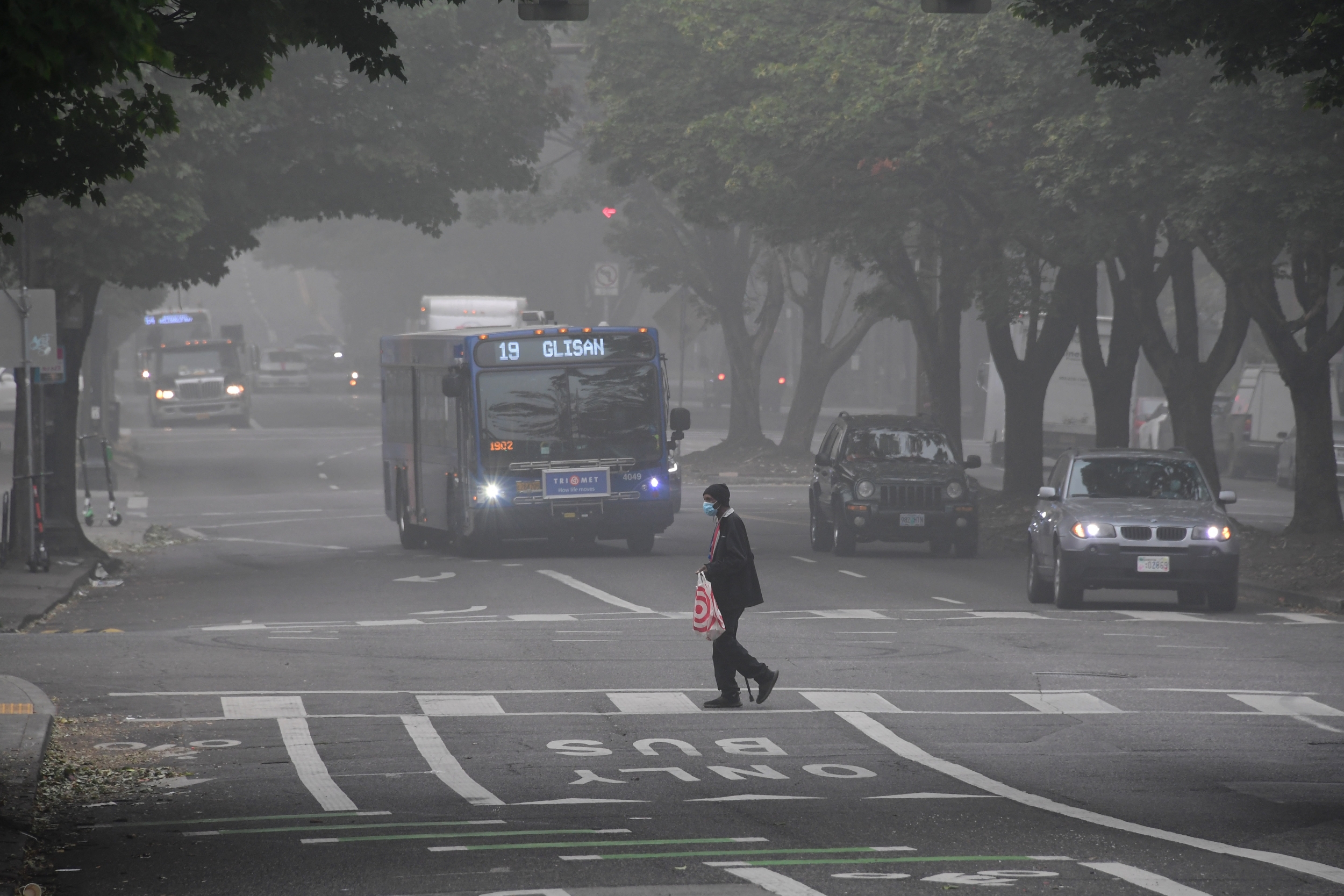
    The Oregon Department of Environmental Quality extended its air quality advisory on Wednesday, July 22, 2026, for a broad stretch of eastern and central Oregon, keeping health warnings active through at least Friday afternoon, July 24 — today. The advisory, which has now been extended three times since its original Monday end date, covers Baker, Crook, Deschutes, northern Harney, Grant, Jefferson, northern Malheur, Morrow, Union, southern Umatilla, and Wheeler counties due to smoke from multiple wildfires burning across southern, central, and eastern Oregon.

    The DEQ also identified intermittent smoke conditions in adjacent areas including Clackamas, eastern Douglas, northern Jackson, Klamath, Lake, and Wallowa counties through Friday afternoon. Separately, the DEQ issued an ozone smog advisory earlier this week for the Portland metro area, Salem, Hermiston, and Ontario, running through Wednesday evening.


    Why This Matters

    Wildfire smoke is not the same as the kind of air pollution most people think of from traffic or industry. Its most dangerous component is fine particulate matter, known as PM2.5 — particles less than 2.5 microns in diameter, small enough to bypass the body’s upper respiratory defenses and penetrate deeply into the lungs. Once inhaled, PM2.5 can enter the bloodstream and reach the heart, brain, and other organs.

    For people with asthma, chronic obstructive pulmonary disease, heart disease, or other cardiovascular or respiratory conditions, even moderate smoke exposure can trigger exacerbations that require emergency care. Children and pregnant people face distinct risks: children’s lungs are still developing, and PM2.5 exposure in pregnancy has been associated with preterm birth and low birth weight in multiple studies. Older adults face heightened cardiovascular risk from PM2.5 exposure even without pre-existing lung disease.

    As the DEQ’s advisory states, air quality may reach unhealthy levels in affected areas, with conditions capable of changing rapidly depending on wind and fire behavior.


    What We Know So Far

    Air quality was measured as “unhealthy” in Prineville, Pendleton, La Grande, and Baker City as of the afternoon of July 20, 2026, according to Central Oregon Daily. Under DEQ’s six-tier classification system, “unhealthy” means the general public may begin to experience health effects, while sensitive groups face serious health risks.

    The advisory was first issued for a subset of counties and was originally scheduled to end Monday, July 20. It was extended to Wednesday, then to at least Friday afternoon, July 24, reflecting the persistence of the wildfire smoke and the failure of weather conditions to clear affected areas.

    The smoke sources are multiple wildfires across southern, central, and eastern Oregon. Earlier in July, the East Evans Creek Fire in southern Oregon contributed to initial advisories before the smoke pattern expanded. The current advisory reflects a broader regional fire environment rather than a single named fire.


    Where the Risk Is Highest

    The counties under the active advisory — Baker, Crook, Deschutes, northern Harney, Grant, Jefferson, northern Malheur, Morrow, Union, southern Umatilla, and Wheeler — cover a wide stretch of eastern and central Oregon, including Bend (Deschutes County), La Grande (Union County), Pendleton (Umatilla County), and John Day (Grant County).

    Residents in these communities who live or work outdoors, those who depend on cooling by opening windows, and those with limited access to air conditioning or air filtration face the highest cumulative exposure. Agricultural workers, construction workers, and others in outdoor occupations in affected counties face occupational exposure that cannot be avoided by staying indoors.

    The DEQ and partner agencies are continuing to monitor smoke conditions, and the advisory may be extended or expanded further depending on fire behavior and wind patterns.


    What Doctors and Experts Say

    DEQ spokesperson Jennifer Horton told KATU that residents most at risk should stay indoors during the hottest parts of the day when pollutant levels are typically highest. “If you’re able to stay indoors during the hottest parts of the day when ozone levels are going to be the highest, that will help alleviate some of those health conditions,” Horton said.

    For people with heart or lung conditions, the DEQ recommends consulting a health-care provider before wearing a respirator, as the exertion required to breathe through a properly sealed N95 can itself place demands on the cardiovascular system. People who use inhalers, bronchodilators, or other respiratory medications should ensure they have an adequate supply and access to those medications during extended smoke events.


    What the Evidence Shows — and What It Does Not

    PM2.5 from wildfire smoke is a well-established health hazard supported by decades of peer-reviewed research. Short-term spikes in PM2.5 are consistently associated with increases in emergency department visits for asthma, respiratory distress, and cardiac events. The health consequences scale with concentration and duration of exposure, meaning a multi-day advisory affecting a broad area carries more cumulative health risk than a brief spike.

    What is harder to quantify in real time is the specific PM2.5 concentration in any individual location, since wildfire smoke levels can change within hours depending on fire behavior, terrain, and wind. The DEQ’s official AQI data provides the most reliable real-time measurement available.

    Cloth masks, surgical masks, and dust masks do not protect against PM2.5. Only properly fitted NIOSH-approved N95 or P100 respirators can reduce inhalation of fine smoke particles, according to DEQ’s advisory guidance. Standard respirators do not come in sizes appropriate for children, meaning young children cannot be effectively protected by masking outdoors.


    Who Faces the Greatest Risk?

    People with asthma, COPD, emphysema, or other chronic obstructive or restrictive lung disease face the highest respiratory risk from wildfire PM2.5 exposure. People with heart disease or prior heart attack face elevated cardiovascular risk from smoke, including increased risk of arrhythmia and acute coronary events during high-exposure periods.

    Pregnant people face a distinct concern: PM2.5 exposure during pregnancy has been associated in published research with preterm birth, low birth weight, and adverse fetal lung development. Pregnant residents in affected counties should treat the advisory as applying to them even if they feel well.

    Children under the age of 14 and adults over 65 are classified as sensitive groups by the EPA, meaning they may experience effects at lower concentrations than healthy adults. Infants and toddlers face the highest vulnerability because their lung development is most active and they spend the most time in care settings that may rely on natural ventilation.

    Outdoor workers in affected counties face occupational exposure that indoor workers do not. Construction crews, farm workers, utility workers, and others who cannot work indoors should follow employer guidance on break frequency, access to clean air spaces, and symptom monitoring.


    Symptoms and Warning Signs to Watch For

    Wildfire smoke exposure can cause burning or irritated eyes, runny nose, sore throat, coughing, and shortness of breath in otherwise healthy people. These symptoms are generally mild and resolve when a person moves to cleaner air.

    For people with asthma or COPD, smoke can trigger wheezing, chest tightness, increased breathlessness, and reduced peak flow that may require additional use of rescue inhalers or other medications. Symptoms that do not respond to usual rescue medications, worsening shortness of breath at rest, chest pain, rapid heart rate, confusion, or loss of consciousness warrant urgent or emergency evaluation.

    People who experience new or worsening chest pain, pressure, or tightness during a smoke event — even without prior heart disease — should seek emergency care. Wildfire smoke has been associated in research with triggering acute cardiac events in people who did not know they had underlying heart disease.


    What You Can Do Now

    The most effective action for residents in affected counties is to stay indoors with windows and doors closed as much as possible. If your home has a central air system, set it to recirculate indoor air rather than drawing in outside air. A portable HEPA air purifier run in the room where you spend the most time can significantly reduce indoor PM2.5 concentrations.

    If you must go outdoors for essential activities, a properly fitted NIOSH-approved N95 respirator provides meaningful protection. Select a respirator with an N, R, or P designation alongside the number 95, 99, or 100. Surgical and cloth masks do not provide effective filtration for wildfire PM2.5. Respirators must form a tight seal against the face to work, which means they do not fit children.

    Check current air quality conditions before going outdoors at Oregon DEQ’s Air Quality Index, the Oregon Smoke Information Blog, or by downloading the free OregonAIR app. AQI updates are in near real-time and are the most reliable tool for assessing current local conditions.

    If you are experiencing worsening symptoms and do not have access to cleaner air at home, 211info.org maintains a directory of clean air shelter locations in Oregon. Search for “Wildfire Related Clean Air Shelters” or call 211 during business hours, 8 a.m. to 6 p.m.

    People with asthma or COPD should ensure their rescue inhaler and any controller medications are filled and accessible before an extended smoke event. If you have a written asthma or COPD action plan, review it with your health-care provider at your next appointment to include guidance on smoke days.


    Cost and Access: What Patients Should Know

    N95 respirators are available at most hardware stores, home improvement retailers, and online retailers at a cost of roughly $1 to $4 per mask when purchased in multipacks. For residents who cannot access or afford respirators, free clean air shelter locations are available through 211info.org. OHA-certified community health workers in some counties can also connect residents to local resources during declared air quality events.

    People who use prescription inhalers or respiratory medications and are running low should contact their pharmacy or prescriber as early as possible, as demand for rescue medications typically increases during extended smoke events. Many pharmacies can provide emergency supplies of maintenance inhalers for patients with active prescriptions.


    What Happens Next

    The DEQ advisory is scheduled through at least Friday afternoon, July 24, 2026 — today — but may be extended further depending on wildfire activity and weather patterns. DEQ and partner agencies are monitoring conditions continuously.

    Residents in affected counties should check oregonsmoke.org and the DEQ AQI tool periodically throughout the day, as smoke levels can shift within hours. MedicalDaily will note any further advisory extensions if conditions worsen or additional counties are added.


    The Bottom Line

    Oregon’s air quality advisory for wildfire smoke is active today and covers more than a dozen counties across eastern, central, and parts of western Oregon. For healthy adults, staying indoors with windows closed is the most effective response. For people with asthma, COPD, heart disease, children, pregnant people, and older adults, this advisory should be treated as a direct health warning: limit outdoor time, use HEPA filtration indoors, wear a properly fitted N95 if outdoor activity cannot be avoided, and monitor symptoms closely. Emergency care should be sought if respiratory or cardiovascular symptoms worsen despite precautions.

    Source link

  • The CDC Is Investigating Multiple Cyclospora Outbreaks, and This Parasite Is Particularly Hard to Trace

    The CDC Is Investigating Multiple Cyclospora Outbreaks, and This Parasite Is Particularly Hard to Trace

    A parasitic illness is spreading across the United States this summer, and after weeks of investigation, federal health officials still cannot identify the specific food responsible for making people sick. The frustrating lack of a recall announcement is not a failure of urgency — it is a reflection of how uniquely difficult this particular parasite is to track.

    The Centers for Disease Control and Prevention has confirmed 145 domestically acquired cases of Cyclospora cayetanensis infection in 17 states, with illness onset dates from May 1 through June 7, 2026. Three people have been hospitalized. No deaths have been reported. But the case count is almost certainly a substantial undercount, and the absence of a specific food recall does not mean the outbreak is over.


    Why This Matters

    Cyclospora is not a pathogen that clinicians or patients typically think about first when gastrointestinal illness strikes. It requires a specific test that most clinical labs do not routinely run. It has an incubation period of 1 to 2 weeks — long enough that by the time patients seek care, they may not clearly remember what they ate that could have been contaminated. And it contaminates at the farm or irrigation level, not during processing, making the traceback chain longer and harder to follow.

    The result is predictable: most infected people are never diagnosed, the food source takes weeks or months to identify, and even after the source is found, the implicated product has often already moved through the supply chain and been consumed. Summer is the peak season for Cyclospora in the United States, meaning the number of cases is expected to grow before it peaks.


    What We Know So Far

    From CDC’s Cyclospora surveillance data current as of June 16, 2026, and FDA outbreak investigation table:

    • 145 confirmed U.S.-acquired cases in 17 states
    • 20 hospitalizations confirmed among cases with information available
    • No deaths reported
    • Illness onset dates: May 1 through June 7, 2026; median onset May 19
    • Median patient age: 43 years; 62 percent female
    • 45 travel-associated cases confirmed separately (patients ill while outside the United States)
    • Only 45 of the 145 domestic cases involve people who reported recent international travel — confirming a domestic food source is responsible
    • Michigan: More than 150 cases in 7 counties reported by state health officials — a count not yet included in the CDC’s 17-state national total
    • New York leads confirmed state counts at approximately 80 cases; Texas and Illinois each report up to 30
    • Food source: Not yet identified. No recall has been issued.

    Where the Risk Is Highest

    Cyclospora illness has been reported in 17 states, with no single geographic cluster that would suggest a local exposure. That distribution is consistent with contaminated produce distributed nationally — a pattern seen in every major Cyclospora outbreak in the United States since the 1990s.

    Prior outbreaks have repeatedly linked to fresh produce from Mexico and Central America, particularly cilantro, basil, fresh leafy greens, arugula, and bagged salad kits. The 2018 Cyclospora outbreak sickened more than 511 people across the Midwest and was linked to a fast-food chain’s salad mix. In 2020, fresh cilantro from a Texas distributor sourcing from Mexico was implicated in an Alabama cluster.

    Until a specific product is identified in this investigation, no targeted recall can be issued — and public health guidance must remain general: exercise caution with fresh herbs and leafy greens, particularly those imported from high-risk regions during the summer months.


    The Three Reasons Cyclospora Is So Difficult to Trace

    1. The incubation period makes exposure memory unreliable. Cyclospora has a 1-to-2-week incubation period between exposure and symptom onset. By the time a person seeks medical care, they typically cannot accurately recall every meal from the past 10 to 14 days. This makes dietary recall interviews — the primary tool for identifying contaminated foods — less reliable than in outbreaks caused by faster-acting pathogens like Salmonella, where the exposure meal is typically more recent.

    2. The parasite is not detected by standard stool testing. Standard clinical stool cultures do not include Cyclospora testing. A physician must specifically order a modified acid-fast stain or a direct fluorescence assay for Cyclospora, or a PCR-based test in clinical labs that offer it. Most primary care physicians and emergency physicians seeing a patient with prolonged diarrhea in the summer do not reflexively order Cyclospora testing — because most GI illness is caused by something else. This means the majority of Cyclospora cases go undiagnosed, and those that are diagnosed often experience significant delays.

    3. The contamination occurs at the farm or irrigation level, not during processing. Unlike foodborne bacterial contamination that can often be traced to a specific processing step or facility, Cyclospora contamination of produce typically occurs when irrigation water contaminated with human feces contacts crops in the field. This farm-level contamination makes traceback investigations far more complex — and means that the same contaminated irrigation source may affect multiple products from the same farm, complicating identification of a single “suspect” item.


    What Doctors and Experts Say

    The CDC’s clinical guidance for Cyclospora explicitly notes that health care providers should specifically request Cyclospora testing when they see patients with prolonged or recurring watery diarrhea, particularly from May through August.

    “Cyclospora is one of those infections that really tests physicians’ diagnostic instincts,” infectious disease specialists have noted in public health communications. The infection is treatable — a full course of trimethoprim-sulfamethoxazole (Bactrim) typically resolves illness — but the window in which to catch it relies on knowing to order the right test.


    What the Evidence Shows — and What It Does Not

    The CDC has explicitly stated there is no evidence of a single, unified nationwide Cyclospora outbreak. The 145 confirmed cases reflect a surveillance count of domestically acquired infections across the United States during the summer peak season, with multiple clusters currently under separate traceback investigation.

    MedicalDaily Evidence Check

    • Investigation status: Active multistate investigation, multiple clusters
    • Confirmed U.S. cases: 145 in 17 states (as of June 16, 2026); true total likely substantially higher
    • Food source: Not yet identified; no recall issued
    • What the data show: Domestic food exposure is confirmed as the primary driver (only 45 of 145 cases involve recent international travel)
    • What remains unknown: Specific implicated product or supplier
    • What readers should know: Cyclospora requires a specific lab test not included in standard stool cultures; prolonged diarrhea lasting more than a week warrants evaluation and explicit testing for this parasite

    Who Faces the Greatest Risk?

    Anyone who has consumed fresh produce — particularly leafy greens, fresh herbs like cilantro and basil, or bagged salad mixes — since May 1, 2026, could potentially have been exposed. However, certain groups are more likely to develop prolonged or serious illness:

    • Immunocompromised individuals, including organ transplant recipients, people with HIV, and cancer patients on chemotherapy, who may develop severe or prolonged disease
    • Adults who consume large quantities of fresh herbs and leafy greens regularly
    • Older adults, in whom infection can last longer and cause more significant weight loss and dehydration

    Symptoms and Warning Signs to Watch For

    The hallmark symptom of Cyclospora infection is:

    • Frequent, watery, sometimes explosive diarrhea that waxes and wanes over days to weeks
    • Cramping and bloating
    • Nausea and decreased appetite
    • Fatigue and muscle aches
    • Low-grade fever

    Without treatment, symptoms can last weeks and frequently return in cycles. If you have had persistent, recurring watery diarrhea lasting more than a week — especially if standard tests have come back negative — ask your doctor specifically about Cyclospora testing. Standard stool cultures do not detect this parasite unless specifically requested.


    What You Can Do Now

    • If you have prolonged or recurring diarrhea, see a clinician and specifically ask about Cyclospora testing. Use the words: “I want to be tested for Cyclospora, not just a standard stool culture.”
    • Do not self-treat with over-the-counter antidiarrheal medications as a substitute for diagnosis. If the cause is Cyclospora, antibiotic treatment is needed.
    • Wash all fresh produce thoroughly under running water before eating. While washing does not kill Cyclospora (the parasite resists standard disinfection), it reduces other surface contamination.
    • Exercise caution with fresh herbs — particularly cilantro, basil, and arugula purchased in bulk or from salad bars — until a food source is identified.
    • If you are immunocompromised, discuss your risk level with your physician.

    Cost and Access: What Patients Should Know

    Testing for Cyclospora requires a specific physician order for a modified acid-fast stain or PCR Cyclospora test. Treatment with generic trimethoprim-sulfamethoxazole (Bactrim) is inexpensive — often under $10 with a GoodRx discount at most pharmacies.

    For patients without a primary care provider, urgent care clinics and community health centers can order Cyclospora-specific stool testing. People experiencing severe dehydration, blood in the stool, or inability to keep fluids down should seek emergency care.


    What Happens Next

    The FDA and CDC are continuing traceback investigations into multiple clusters. New case data will be posted at CDC’s Cyclospora surveillance page as the investigation progresses. When a food source is identified, the FDA will issue a public advisory and, if a specific product is implicated, initiate or request a recall.

    MedicalDaily will report immediately when a food source is confirmed or a recall is issued.


    The Bottom Line

    The absence of a Cyclospora food recall is not reassurance — it is a reflection of how difficult this parasite is to trace. The investigation is active, the case count is almost certainly higher than reported, and summer is the peak exposure period. If you have had prolonged, waxing-and-waning diarrhea since May and standard tests have not identified a cause, ask specifically for Cyclospora testing. Treatment is effective once the correct diagnosis is made.

    Source link

  • Multiple Nurses From Same Unit in Massachusetts Hospital Diagnosed With Brain Tumors

    Multiple Nurses From Same Unit in Massachusetts Hospital Diagnosed With Brain Tumors

    An alarming outbreak of brain tumor diagnoses among labor and delivery nurses at a Massachusetts hospital has sparked internal and independent investigations.

    At least 11 staff members with ties to Newton-Wellesley Hospital’s fifth-floor labor and delivery unit have reported serious health concerns — including five benign brain tumors — according to a report by 25 Investigates.

    The hospital says its review, conducted in coordination with the Department of Occupational Health and Safety and third-party consultants, found no environmental risk factors linked to the tumor cases. Tests for air and water quality, radiation, and pharmaceutical safety reportedly yielded no red flags.

    However, the Massachusetts Nurses Association (MNA) is challenging those findings, calling the hospital’s investigation inadequate. The union has launched its own survey, which has already drawn responses from over 300 current and former staff. The MNA is now reaching out to individuals who requested follow-ups and consented to share medical records for further review.

    “The hospital cannot make this issue go away by attempting to provide a pre-determined conclusion,” the MNA stated.

    In response, hospital officials say they’ve held multiple staff forums and remain confident in the safety of their facility.

    “We can confidently reassure our dedicated team members…and all our patients that there is no environmental risk at our facility,” Newton-Wellesley said in a statement, emphasizing that the health of staff and patients remains a top priority.

    The investigation continues as staff and advocates seek more transparency and answers about the troubling health pattern.

    Originally published on Latin Times

    Source link

  • The Multiple Sclerosis Solution vsl cb | Blue Heron Health News

    The Multiple Sclerosis Solution vsl cb | Blue Heron Health News

    Product Name: The Multiple Sclerosis Solution vsl cb | Blue Heron Health News

    Click here to get The Multiple Sclerosis Solution vsl cb | Blue Heron Health News at discounted price while it’s still available…

    All orders are protected by SSL encryption – the highest industry standard for online security from trusted vendors.

    The Multiple Sclerosis Solution vsl cb | Blue Heron Health News is backed with a 60 Day No Questions Asked Money Back Guarantee. If within the first 60 days of receipt you are not satisfied with Wake Up Lean™, you can request a refund by sending an email to the address given inside the product and we will immediately refund your entire purchase price, with no questions asked.

    (more…)

  • 5 Guided Meditations to Investigate Panic and Anxiety

    5 Guided Meditations to Investigate Panic and Anxiety

    Explore these five guided meditations for softening feelings of anxiousness and calming panic.

    Unprecedented, uncertain—these are terms we’ve heard used in excess over the past few years. But no matter how tiring uncertainty may be, one thing remains true: We’ve all had to adapt to changing circumstances the best we can and as fast as we can. One thing we know is that mindfulness can help. If you’re finding yourself overwhelmed, here are five guided meditations worth following to ease anxiety and calm panic

    5 Guided Meditations for Panic and Anxiety

    1. A Meditation for Investigating Panic Attacks

    1. First, congratulate yourself that you are dedicating some precious time for meditation.
    2. Become aware of your body and mind and whatever you are carrying within you. Perhaps there are feelings from the day’s events or whatever has been going on recently.
    3. May you simply allow and acknowledge whatever is within you and let it be, without any form of analysis.
    4. Gradually, shift the focus of awareness to the breath, breathing normally and naturally. As you breathe in, be aware of breathing in, and as you breathe out, be aware of breathing out.
    5. Awareness can be focused at either the tip of the nose or the abdomen, depending on your preference. If focusing at the tip of the nose, feel the touch of the air as you breathe in and out… If focusing on the abdomen, feel the belly expanding on an inhalation and contracting on an exhalation.
    6. Breathing in, breathing out, experiencing each breath appearing and disappearing. Just breathing. And now gently withdraw awareness from the breath and shift to mindful inquiry.
    7. Mindful inquiry is an investigation into emotions, thoughts, and physical sensations that are driving your panic, anxieties, and fears, often beneath the surface of your awareness. There is a special and unique way of doing this practice that can foster the potential for deep understanding and insight.
    8. When you practice mindful inquiry, gently direct your attention into the bodily feeling of panic or fear itself. Allow yourself to bring nonjudgmental awareness into the experience of it, acknowledging whatever it feels like in the body and mind and letting it be.
    9. To begin this exploration you need to first check in with yourself and determine whether it feels safe or not. If you don’t feel safe, perhaps it is better to wait and try another time, and just stay with your breathing for now.
    10. If you are feeling safe, then bring awareness into the body and mind and allow yourself to acknowledge any physical sensations, emotions, or thoughts. Then, just let them be…without trying to analyze or figure them out.
    11. You may discover that within these feelings there’s a multitude of thoughts, emotions, or old memories that are fueling your fears. When you begin to acknowledge what has not been acknowledged, the pathway of insight and understanding may arise. As you turn toward your emotions, they may show you what you are panicked, worried, mad, sad, or bewildered about.
    12. You may learn that the very resistance to unacknowledged emotions often causes more panic or fear and that learning to go with it, rather than fighting it, often diminishes them. When we say “go with it,” we mean that you allow and acknowledge whatever is within the mind and body. Just letting the waves of emotions, thoughts, and physical sensations go wherever they need to go just like the sky makes room for any weather.
    13. Now gently return to the breath, being mindful of breathing in and out…riding the waves of the breath.
    14. As you come to the end of this meditation, take a moment to congratulate yourself and take a moment to appreciate the safety and ease you may be feeling right now that you can bring into your day. By acknowledging your fears, you may open the possibility for deeper understanding, compassion, and peace. Before you get up, gently wiggle your fingers and toes and gradually open your eyes, being fully aware here and now.
    15. Send some loving-kindness your way. May I dwell in peace. May all beings dwell in peace.

    2. A Meditation to Create Space Between You and Your Anxiety

    1. When you’re ready, come into a comfortable seated position. Let’s take some breaths here. Find your ground by feeling your feet on the floor beneath you. Feel your body touching the chair or cushion you’re on. Really allow yourself to settle into this: Feel gravity, and release your weight toward gravity. Let’s take a few deeper breaths now. If you are already feeling anxious, it can be helpful to really extend the exhale. Take a nice, long inhale, then very much emphasize the exhale.
    2. Explore how you’re feeling right now. If you’re feeling anxious right now, it’s a great opportunity to practice. But if not, bring to mind a time recently when you felt some kind of fear, anxiety, worry, or agitation. Recall the situation or conversation. Just remember that event, and as you do, you might start to notice anxious thoughts emerging in your mind. You might also start to notice some related sensations in your body.
    3. Open your attention wide. Before we turn toward the anxiety more fully, let’s first open our attention wide. Here’s where we can use A.W.E. (And What Else?) Just notice. You may be feeling anxiety right now, but let’s direct our attention away from that and actively explore our senses.
    4. Open your eyes and look around. If your eyes are closed, I invite you to open them to look around the space you’re in. Simply orient yourself. And now notice three things that you see in the space around you. They can be very neutral or even pleasant things—flowers, an image. Simply describe them to yourself in your mind: the colours, shapes, forms.
    5. Turn your attention to the sounds around you. Once you’ve noticed three things visually and described them to yourself, turn your attention to hearing. Allow your attention to settle on the sounds around you. Listen for three different sounds; they can be near or far. Emphasize pleasant or neutral sounds. And, again, describe them to yourself: notice the vibration, the tone, how they arise and then pass. 
    6. Now, let’s turn our attention to taste. This might be a little more challenging, but just notice: Can you detect any flavour in your mouth? Maybe something you ate before starting this practice? Toothpaste? Just notice what it’s like to taste.
    7. Now, turn your attention to your sense of smell. You might take in a deeper breath here. Just notice: Can you detect any scent in the space around you? Notice how they can shift and change with each breath.
    8. And finally, let’s move to the sense of touch. Beginning on the outer surface of our skin, feel the contact with the chair or the ground. If your hands are touching or resting against your body, just feel that sensation. It’s very simple: What do you notice when you turn your attention toward your hands touching? Feel the contact of your clothes with your body. Feel the temperature of the air on your skin. What can you notice?
    9. If you have the energy and some space now, turn your attention toward the felt sense of anxiety. If you feel the need for more space at any time, simply keep turning your attention outward: the sounds, the sights—wherever it feels calming and grounding for you to attend in your senses. When you do feel ready to explore, turn your attention to the felt sense: How do you notice anxiety? Where do you feel it in your body? Take a breath and notice where you feel it. Maybe it’s in your belly? See if you can notice the details, too: Is it throbbing or tingling? What’s the energy like? Within the sensation of anxiety, does it feel like there’s a lot of movement? Does it shift and change as you pay attention to it?
    10. Can you gently relax around the feeling of anxiety or fear? Think of the rest of your body holding this feeling with a lot of care. Pay close attention, explore, be curious: How does anxiety show up? How is it shifting? If at any point it becomes overwhelming or you get lost in thinking and find you’re unable to stay with the sensations, simply go to And What Else: Notice the sights around you. Notice the sounds. Feel the ground.
    11. If you are able to pay attention to this sense of anxiety, simply noticing it, let’s drop in a question. Staying with the felt sense of this fear, anxiety, worry, or agitation, just ask: What do you need? What do you want me to know? What are you trying to offer me? Just see what answers, images, words arise here. We’re asking ourselves here: What do I need?
    12. As we close out the meditation, see if you can commit to doing something to address that need you’ve identified. Alternatively, simply remember the information that has arisen for you during this practice. And now, if you’re ready, take a few deeper breaths. Soften your body slightly. Feel the seat under you, the ground under you.

    3. A Meditation for Working with Anxiety

    1. To begin, sit in a way that is relaxed, and take a moment to adjust your posture on your seat to one that’s more comfortable. Feel your body in contact with the surface beneath you. 
    2. Allow yourself to experience whatever is present right now. Whatever bodily feelings, mood, emotions, mind states, and thoughts are present. You might take a few deeper breaths to invite the body and the mind to relax and settle. Take a nice full deep in-breath, relaxing, releasing, and letting go on the out-breath. Breathe in, and fill the chest and the lungs with the in-breath. Release and let go on the out-breath. 
    3. As you breathe in, you might invite in a quality of calm. You could repeat the word calm silently to yourself as you breathe in, and then again as you breathe out. Breathe in, calm the body, breathe out, calm the mind. 
    4. When you’re ready, let the breath settle into its natural rhythm, allowing it to be just as it is. Breathe in, breathe out. 
    5. You might invite a smile to the corners of your eyes and the corners of your mouth; a smile sends a message to our brain and to our nervous system that we’re safe and don’t have to be hyper-vigilant. Smiling invites us to relax, and be at ease.
    6. While sitting in a way that is relaxed and alert, you might bring to your mind a situation that is a source of anxiety or stress for you. It might be a work situation, family, health, finances, or it might be a combination of factors. Allow yourself to take in all the feelings, sensations, and emotions, and the overall sense of this situation, in the body and in the mind. Choose not to follow scenarios in your mind about what might happen or things that might go badly, and simply observe your thoughts and let them go. Be open to whatever bodily sensations are present with kindness and acceptance. There might be contraction, heat, tightness, tingling, or pulsing. Whatever is present, say yes to what you’re feeling. Be open to these feelings and let them come and go. Bring a kind awareness to whatever emotions are present, and allow yourself to feel them fully; they might be fear, worry, anxiety, or sadness, to name a few. Let these feelings be as big as they want to be, and say yes to all that you’re feeling. Let your awareness and kind attention hold whatever is present, whatever is arising for you in the body, heart, and mind. Bring interest to the changing flow of experience, letting everything stay for a period of time, and then pass on their own time. Meet it all with kindness, acceptance, and interest. 
    7. If anxious thoughts arise like, “This will never go away” or, “I’ll never be able to do everything I have to do,” meet these thoughts with kindness and care. Without identifying with them or treating them as true, let the thoughts come and go. Continue to open to your experience in this way, meeting your experience with kindness and care. If it’s challenging, acknowledge that it is difficult. You could put a hand on your heart and wish yourself well, if this is helpful. 
    8. Think to yourself, “May I be happy, and may I live with ease.” Take a nice deep full in-breath, letting go on the out-breath. Hold your experience with kindness and with care. 
    9. Bring awareness to any emotion that may be present, perhaps underneath the feelings. Maybe there’s fear that the sadness, grief, or worry will continue. See if you can say yes to the emotion. Meet your emotions with kindness and care, and notice how they too shift and change if you can open to them. 
    10. If a sensation or an emotion gives rise to an urge or an impulse to do something negative, like eat something unhealthy, take a drink, or take a drug, see if you can stay with that energy. See that this too comes and stays for a while, and then passes. If it’s helpful you could imagine it as like a wave coming along. Maybe there’s a strong energy, and the wave crests. But if you stay with it with awareness and with kindness, perhaps those feelings pass for a while, and then there’s calm. Be open to the thoughts or narratives that come up in your mind; they might be “This is too much,” or “I need to do something to deal with this pain or difficult feeling,” and invite yourself to stay with the direct experience. 
    11. If the pain, discomfort, difficult emotion, or difficult feeling seems like it’s too intense, see if you can bring your awareness to another part of your experience. Perhaps an area of your body that feels more neutral, such as your hands, or your feet, or your seat, or something in your life that you’re happy about or grateful for. Let your awareness rest on a more pleasant or neutral experience for a time. When you feel ready, let your attention move back to the bodily feelings, and be open again to your experience, riding whatever waves arise. 
    12. Stay as close to your direct experience as you can, and bring a kind awareness to the thoughts and stories that surround the pain, stress, or difficult emotion. Choose not to identify with the thoughts but just acknowledge them as thoughts. Let them come and go in their own time with kindness. 
    13. Sit quietly for a couple of minutes, and be open to the changing flow of experience, recognizing how mindfulness can help us open up to and untangle ourselves from painful thoughts, stress, worry, anxiety, and the patterns of behavior that tend to go with those feelings, emotions, and mental states.

    4. A Meditation to Sit With Difficult Emotions

    1. Come into a comfortable sitting position. Imagine something difficult that you are going through. It doesn’t have to be the most difficult, but something moderately difficult. We want to practice with moderation before we move into the most difficult. Now, recognize your desire to push away the difficulty, to reach toward something that would soothe the difficulty in the moment (reaching out to someone, chocolate, distracting with technology, etc.), or denying that this difficulty is actually happening.
    2. Now turn toward it. Breathe deeply in through your nose and out through your mouth a few times. Now invite into your awareness a large figure of compassion and strength who envelops you in a blanket of love, acceptance, and security. It can be a big cloud of compassion, a large grandmotherly figure, anything that feels loving and kind. Now, imagine this figure is holding you.
    3. Turn fully toward your difficulty. Face it, head on. There is no need to be scared. Feel this wise being enveloping you and speaking kindly to you: “It will be okay, you are okay, you are lovable, you are enough, you are not alone, and we will get through this together.” Let yourself offer and receive loving and kind statements as many times as you need until your mind and body can soothe and slow down.
    4. Each time, you notice yourself reaching for the old familiar way of turning away from discomfort, try gently turning toward it. The more you train the mind to acknowledge and name whatever difficulty is here, it won’t feel so challenging. In addition, your limbic system and specifically your amygdala will send a signal to your sympathetic nervous system that you can physiologically relax.

    5. A Meditation to Explore Anxious Feelings

    1. Begin with a brief mindful check-in, taking a few minutes to acknowledge how you’re currently feeling in your body and mind…being mindful of whatever is in your awareness and letting it all be. There’s nothing that needs to be fixed, analyzed, or solved. Just allow your experience and let it be. Being present.
    2. Now gently shift your attention to the breath, becoming mindful of breathing in and out. Bring awareness to wherever you feel the breath most prominently and distinctly, perhaps at your nose, in your chest, or in your belly, or perhaps somewhere else. There’s no other place you need to go…nothing else you need to do…just being mindful of your breath flowing in and out. If your mind wanders away from the breath, just acknowledge wherever it went, then return to being mindful of breathing in and out.
    3. Reflect on a specific experience of anxiety, perhaps something recent so you can remember it more clearly. It doesn’t have to be an extreme experience of anxiety, perhaps something that you’d rate at 5 or 6 on a scale of 1 to 10. Recall the experience in detail, as vividly as you can, invoking some of that anxiety now, in the present moment.
    4. As you imagine the experience and sense into it, be mindful of how the anxiety feels in your body and stay present with the sensations. Your only job right now is to feel and acknowledge whatever physical sensations you’re experiencing in your body and let them be. There’s no need to change them. Let the sensations run their course, just like a ripple on a lake is gradually assimilated into the entirety of the body of water.
    5. Now feel into any emotions that emerge…anxiety, fear, sadness, anger, confusion…whatever you may feel. As with physical sensations, just acknowledge how these emotions feel and let them be. There’s no need to analyze them or figure them out
    6. If strong emotions don’t arise, this doesn’t mean you aren’t doing this meditation correctly. The practice is simply to acknowledge whatever is in your direct experience and let it be. Whatever comes up in the practice is the practice.
    7. Bringing awareness to your anxiety may sometimes amplify your anxious feelings. This is normal, and the intensity will subside as you open to and acknowledge what you’re experiencing and give it space to simply be.
    8. Continue feeling into the anxiety, just allowing any feelings in the body and mind and letting them be, cultivating balance and the fortitude to be with things as they are. The very fact that you’re acknowledging anxiety rather than turning away from it is healing.
    9. As you continue to acknowledge your physical sensations and emotions, they may begin to reveal a host of memories, thoughts, feelings, and physical experiences that may have created limiting definitions of who you think you are. You may begin to see more clearly into how these old patterns of conditioning have driven your anxiety. This understanding can set you free—freer than you ever felt possible.
    10. Now gradually transition back to the breath, breathing mindfully in and out… Next, slowly shift your awareness from your breath to sensing into your heart. Take some time to open into your heart with self-compassion, acknowledging your courage in engaging with your anxiety. In this way, your anxiety can become your teacher, helping you open your heart to greater wisdom, compassion, and ease within your being.
    11. As you’re ready to end this meditation, congratulate yourself for taking this time to meditate and heal yourself. Then gradually open your eyes and return to being present in the environment around you. May we all find the gateways into our hearts and be free.


    Source link