Tag: Month

  • Celebrating Native American Heritage Month with Chef Lois Ellen Frank, Ph.D.

    Celebrating Native American Heritage Month with Chef Lois Ellen Frank, Ph.D.

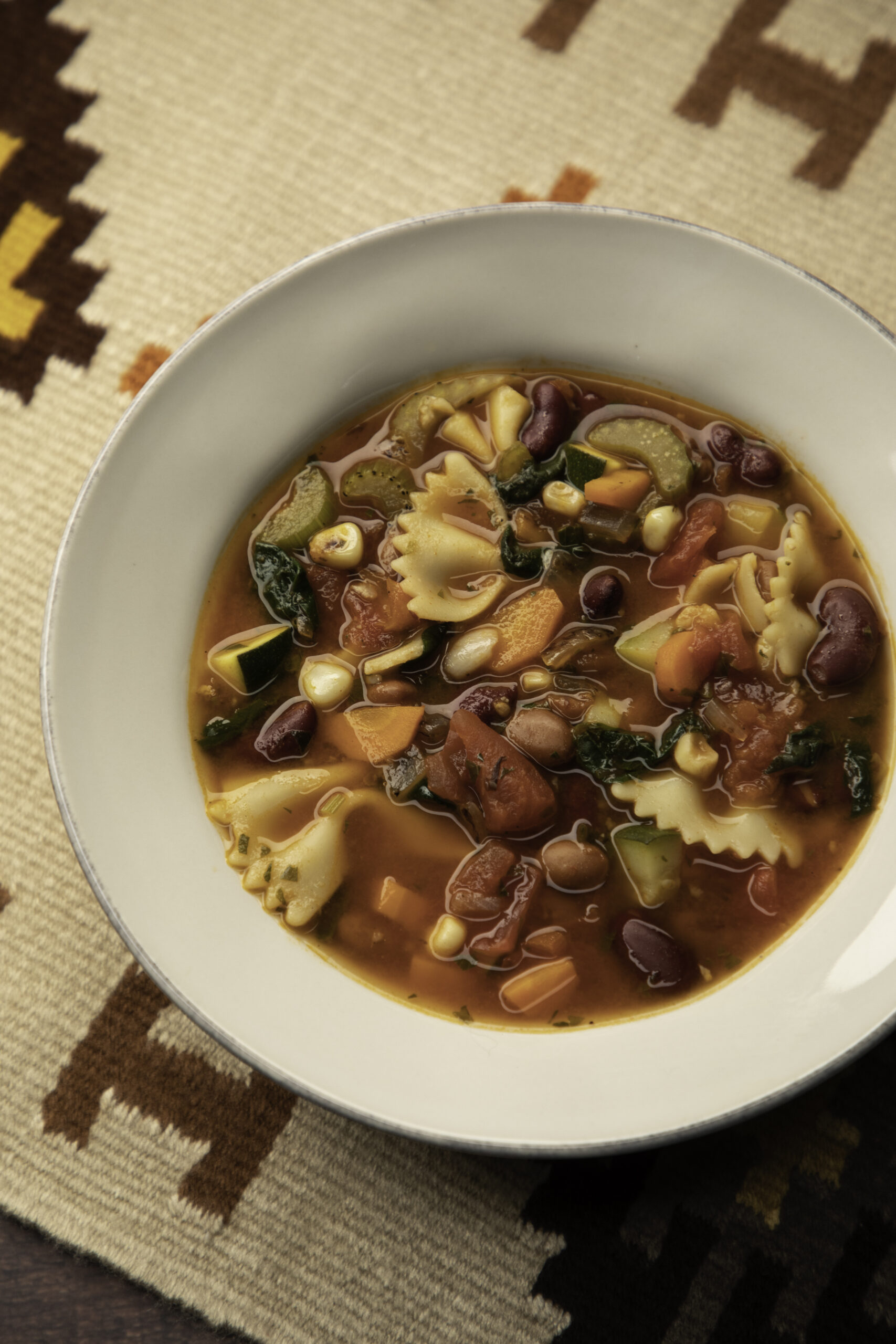
    In honor of National American Heritage Month, we are thrilled to share Chef Lois Ellen Frank’s Navajo Minestrone Soup with you. 

    For more about Chef Lois, check out this interview.

    “Navajo Nation President Jonathan Nez and First Lady Phefelia Nez have been vocal proponents of healthy eating. President Nez found that plant-based eating shortened his recovery time after long-distance runs and helps him to maintain his weight loss. First Lady Nez provided us with one of her family-favorite soup recipes that we modified. We used the modified version for a course called Native Food for Life Online, offered through the American Indian Institute (AII) and the Physicians Committee for Responsible Medicine (PCRM). Minestrone is its Italian name, but the ingredients in this soup originated in the Americas. Chef Walter Whitewater said that growing up on the Navajo Nation, he used to harvest wild onions, carrots, garlic, and spinach. With the addition of frozen corn, canned beans, and zucchini squash, as well as the pasta, all foods that most community members have on hand or receive as part of the Food Distribution Program on Indian Reservations (FDPIR), our version of this recipe is a favorite of Chef Walter. Serve with No Fry Frybread, No Fry Blue Corn Frybread, Homemade White Corn Tortillas, or Blue Corn Tortillas.” – Chef Lois Ellen Frank


    Navajo Minestrone Soup


    Ingredients

    Makes approximately 4 quarts

    2 cups cooked whole-grain pasta, such as mini farfalle (bow-tie pasta), penne, or elbows (approx. 1 cup uncooked)

    1 tablespoon bean juice or water

    1 small yellow onion, diced (approx. 1 cup)

    3 carrots, peeled, cut into ⅛-inch-thick sticks, and halved into half-moon slices (approx. 1 cup)

    2 stalks celery, sliced (approx. 1 cup)

    ½ cup frozen sweet corn kernels

    1 tablespoon roasted garlic 

    1 zucchini, cut into ½-inch cubes (approx. 1 cup)

    1 (15 oz.) can diced tomatoes, organic and no salt added, if possible

    2 tablespoons tomato paste

    1 cup spinach, fresh or frozen

    5 cups water

    1 (15 oz.) can dark red kidney beans, drained and rinsed (approx. 1½ cups)

    1 (15 oz.) can pinto beans, drained and rinsed (approx. 1½ cups)

    1 tablespoon fresh basil, finely chopped

    ½ teaspoon fresh oregano, finely chopped

    ½ teaspoon fresh thyme, finely chopped

    2 teaspoons New Mexico red chile powder, mild

    1 tablespoon flat leaf parsley, finely chopped

    ¼ teaspoon black pepper, or to taste (optional)


    Instructions

    In a large, cook the pasta according to the package directions. Remove from heat, drain the cooking water, rinse with cold water to stop the pasta from cooking, and set aside.

    In a separate soup pot, heat the bean juice over medium-high heat until hot but not smoking. Sauté the onion for approximately 4 minutes, stirring occasionally to prevent burning. Add the carrots and the celery, and cook for an additional 5 to 6 minutes, stirring but letting the vegetables begin to caramelize. Add the corn and cook for another 2 minutes, stirring once to prevent burning. Add the roasted garlic and cook for another minute, stirring constantly to mix the garlic into the other ingredients. (The bottom of your pan will turn brown, and the vegetables should begin to caramelize.) Add the zucchini and cook for another 3 minutes, stirring to prevent burning. Add the diced tomatoes and tomato paste, stirring to completely mix into the other vegetables and deglaze the bottom of the pan. Add the spinach and water and bring to a boil. Then cover, reduce the heat to medium low, and let simmer, covered, for 10 minutes, stirring once or twice.

    Add the canned kidney and pinto beans, stirring them to blend with all the ingredients, then add the basil, oregano, thyme, red chile powder, flat leaf parsley, and black pepper, if using. Return to a boil, then reduce the heat and let simmer for another 10 minutes.

    Taste, season with more of any of the spices, if desired. Add the cooked pasta, stir, and bring to a boil. Cook for an additional 1 to 2 minutes until the soup is completely hot. (Do not cook the soup too long, as the cooked pasta may become overcooked.) Remove from heat. Serve.

    Recipe adapted from Seed to Plate, Soil to Sky: Modern Plant-Based Recipes Using Native American Ingredients by Lois Ellen Frank with Culinary Advisor Walter Whitewater. Copyright © 2023 by Lois Ellen Frank. Published by Balance Publishing, an imprint of Hachette Book Group. All rights reserved.

    You can find Chef Lois Ellen Frank here.


    Source link

  • Celebrating Food and National Hispanic Heritage Month with Ale Graf

    Celebrating Food and National Hispanic Heritage Month with Ale Graf

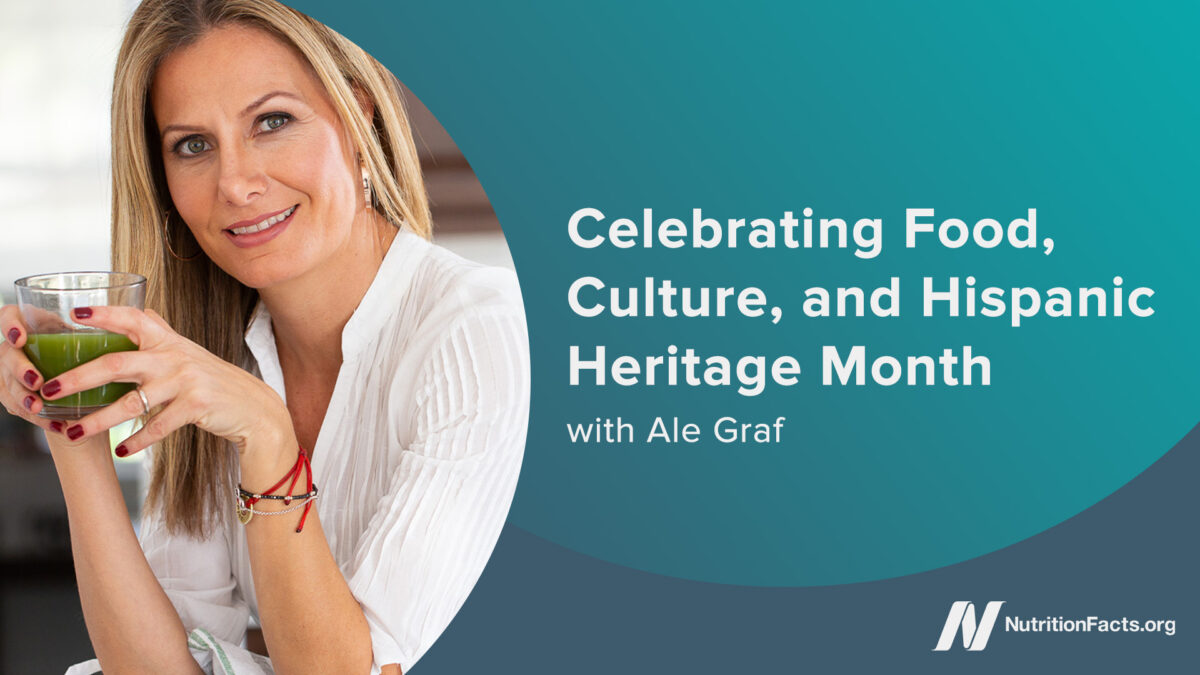
    We had the pleasure of talking with Ale Graf about her work, food, and National Hispanic Heritage Month. We hope you enjoy this interview and her recipe for Hibiscus Chamoy.  


    As someone who creates Mexican dishes with a plant-based twist, how is food an important part of your culture and how you share your culture with others?

    Food is so much more than nourishment—it’s how we love, connect, and remember who we are. For Mexicans, food is truly part of our DNA. From ancient times, when our ancestors offered food to the gods, to modern-day sobremesas with family and friends, sharing food is how we express love. I grew up surrounded by women who talked about recipes the way others talk about dreams. My mother, grandmother, and aunts were always planning the next meal or discovering a new dish. Now I do the same with my siblings. Even though my food today is mostly plant-based, its essence is the same: to bring people together. Through my recipes, I want to recreate that sense of belonging, of always having enough to share and always leaving room for one more at the table. That’s what comemos means to me. It’s not about nostalgia; it’s about showing what being Mexican really looks and tastes like today.

    When did you start cooking and developing your own recipes? How do you educate people about making beautiful Mexican dishes using plant-based ingredients? Are people ever surprised to learn your recipes are plant-based?

    I started 23 years ago, right after my son was diagnosed with a dairy allergy. That moment changed everything. I had to relearn how to cook. I leaned into spices, explored new vegetables, and discovered different cooking methods. What began as a necessity quickly turned into a passion. I even enrolled in an online course to get certified as a plant-based cook. As my kids grew, so did my curiosity and creativity in the kitchen. Educating others has always been fun for me. I don’t lead with “plant-based” or “vegan”; I lead with flavor. I’ll serve someone a bowl of bean soup, and, after they’ve devoured it, I’ll smile and say, “Congrats, you just had your first vegan meal.” It’s always a surprise for them, and that’s the magic— showing how beautiful, satisfying, and deeply Mexican plant-based food can be.

    What are some plant-based ingredients and/or vegan dishes that you’d like to highlight as part of Mexican food traditions? Anything you’d especially like people to know about these foods?

    Masa, hands down. It’s the heart of so many beloved Mexican dishes—sopes, huaraches, tlacoyos—and it’s naturally plant-based. What I love most is how versatile it is. You can shape masa into antojitos, but you can also use it to make dumplings and cakes, or get creative and reinterpret global dishes with a Mexican twist. Take a good sope and layer it with mashed potatoes or creamy refried beans, top with salsa, guacamole, shredded lettuce, pickled onions—whatever you love. That’s the beauty of Mexican food; it’s endlessly customizable. You can set up a spread with all kinds of toppings and let everyone build their own plate. It’s not just delicious. It’s inclusive, joyful, and rooted in sharing.

    What do you envision as the way forward to encourage people to eat more fruits and vegetables and return to traditional Hispanic eating patterns?

    I think the real barrier is the labels and the absolutes. When we frame eating habits as all-or-nothing, people tune out. But if we shift the focus to just one healthy, vibrant meal at a time—one that’s full of colorful fruits and vegetables that add texture, flavor, and joy—then it feels more approachable and exciting. Traditional Hispanic food already celebrates plant-forward ingredients like chiles, tomatoes, squash, beans, and corn. If we bring those foods back to the center of the plate in a way that feels natural, not forced, people will reconnect with them. It’s about showing how beautiful and delicious these meals can be, not preaching about what they “should” eat.

    What does National Hispanic Heritage Month mean to you?

    To me, National Hispanic Heritage Month is a time to learn, grow, and open our hearts to other cultures. It’s a reminder that the Hispanic community is not monolithic. We come from so many different countries, regions, and traditions, each with its own stories, flavors, and rhythms. This month is about recognizing that richness and also embracing how much we can learn from one another. It’s a time to celebrate our shared values and our differences, and, ultimately, a time to shine a light on how much more we have in common than we often realize.

    Please tell us a little bit about your work and career.

    I’m a published cookbook author and food blogger passionate about creating healthy, plant-forward meals, some Mexican, that bring people together. My journey started 23 years ago when my son was diagnosed with a dairy allergy. That experience led me to explore plant-based cooking, earn a certification, and eventually launch my blog Piloncillo & Vainilla in 2013, followed by Ale Cooks in English.

    I live in Houston with my family, where I continue to cook, create, and celebrate food as the heart of connection.


    Hibiscus Chamoy

    Originally published here.

    Ingredients

    2 cups hydrated hibiscus flowers
    1 cup dried cherries or dried cranberries
    3 tablespoons ground chile ancho subs or any other chili powder (or to taste)
    1 tablespoon date syrup or date sugar
    1 cup water or hibiscus water
    ¼ cup lime juice (or to taste)
    Pinch of Tajin (optional)

    Instructions

    1. Simmer the Ingredients: Start by adding the hibiscus flowers, dried fruit, chiles, and date syrup or date sugar to a blender, then add 1 cup of boiling water. (You can use a glass or stainless-steel bowl.)
    2. Blend to Perfection: Blend until smooth. If needed, add ¼ cup water to adjust the consistency.
    3. Season and Adjust: Finish with the lime juice, and add a pinch of Tajin if you’d like.
    4. Store and Serve: Pour into a clean jar, seal tightly, and refrigerate. It keeps well for up to a month in the fridge, so you’ll have plenty of time to experiment with it on different dishes!

    You can find Ale on her blog alecooks.com and piloncilloyvainilla.com, Instagram, Facebook, and Pinterest.


    Source link

  • A Call to Action This Suicide Prevention Month

    A Call to Action This Suicide Prevention Month

    Each September, Suicide Prevention Month brings much-needed attention to mental health and the people most at risk. The focus often falls on veterans, first responders, and law enforcement, professions marked by immense stress and little margin for error. Yet, one equally vulnerable group remains: physicians.

    Doctors carry extraordinary responsibilities, from life-or-death decisions to relentless schedules, and the toll is showing. Research reveals that physicians die by suicide at rates 1.4 to 2.3 times higher than the general population. Each year, the U.S. loses the equivalent of an entire medical school class, 300 to 400 physicians, to suicide. Nearly half of doctors report symptoms of burnout, one in five meet criteria for depression, and as many as 15% will experience substance use disorder during their careers.

    “These numbers are not abstractions,” says Dr. Nishant Patel, founder of SafeHavenMD, a support and guidance center made for physicians, by physicians. “They represent colleagues, mentors, and caregivers we depend on every day. If we don’t protect our physicians, we risk losing both them and the care for patients who depend on them.”

    The crisis is only worsened by the looming physician shortage. The Association of American Medical Colleges projects the U.S. will face a shortfall of 37,800 to 124,000 physicians by 2034. This creates a dangerous cycle: fewer doctors means heavier workloads, which leads to more burnout, and in turn, more attrition.

    “This shortage goes beyond numbers and statistics. It becomes a public safety concern,” Dr. Patel explains. “Every doctor who leaves early means thousands of patients lose access to care.”

    Dr. Nishant Patel

    Traditional support systems aren’t often equipped to meet the needs. Nearly 40% of burned-out physicians avoid seeking help because of stigma or fear of licensing repercussions. Many distrust employer-based wellness programs, worried that what they share could be used against them. “Support has often been punitive, not protective of physicians,” Dr. Patel explains. “That fear alone costs lives.”

    SafeHavenMD offers a new approach. Its model is built on anonymity, confidentiality, and peer-to-peer support embedded in care, empathy, and compassion. Doctors can connect with colleagues who have walked the same path, without worrying about professional consequences. The program also connects physicians to culturally competent care, individualized treatment, legal protections, and early intervention tools that catch burnout before it becomes a crisis.

    “At SafeHavenMD, we’re offering personalized support before problems escalate,” Dr. Patel emphasizes. “Doctors can talk to someone who understands their experience without fear that it will end up in a report.”

    This approach not only saves lives but also strengthens the workforce. Through prevention of early exits and supporting doctors in high-burnout specialties, SafeHavenMD helps preserve critical clinical capacity. “Institutions must focus on keeping their physicians mentally healthy and happy if they want the productivity that is being demanded of them,” Dr. Patel notes. “That’s what leads to lowered institutional costs, lower turnover rates, and more stability.”

    Residents and new attendings, who face enormous workloads, imposter syndrome, and little mentorship, can find an important lifeline in SafeHavenMD’s peer network. “Every doctor we keep healthy and practicing means patients continue receiving the care they need,” Dr. Patel says.

    The program’s impact is already evident. Many physicians who once considered leaving medicine often return, healthier and more grounded. Others who stepped away for treatment or family matters are rejoining the workforce with new resilience. Some even become volunteers with SafeHavenMD, sharing their journeys to help the next physician in crisis. “That’s how we change this culture, one story at a time,” Dr. Patel reflects.

    This Suicide Prevention Month is a reminder that saving doctors is inseparable from saving lives. It is not only a moral obligation but also a public health necessity, as healthy doctors mean healthier patients, safer hospitals, and stronger communities.

    Dr. Patel believes the call to action is embedded in enabling physicians to seek support without fear, in ensuring healthcare institutions adopt physician-led wellness programs that prioritize confidentiality, and policymakers reforming licensing and credentialing to make mental health care less punitive.

    And most of all, the public must recognize that protecting doctors protects everyone. “Physician well-being is not a luxury,” Dr. Patel says. “It is the foundation of a functioning healthcare system. Saving doctors is saving lives.”

    Dr. Patel insists that for those in crisis, confidential help does exist. Physicians and healthcare workers can access support through organizations like SafeHavenMD, which provide stigma-free, career-safe mental health resources. This September, the message is urgent and simple: no one should face this battle alone, especially not those who dedicate their lives to saving others.

    “That’s the main crux, I believe,” Dr. Patel says, “understanding that everyone is human. Not superhuman. Not even physicians. And when their well-being metrics improve, improved public health will follow.”

    Source link

  • Celebrating Food, Culture, and AAPI Month with Remy Morimoto Park

    Celebrating Food, Culture, and AAPI Month with Remy Morimoto Park

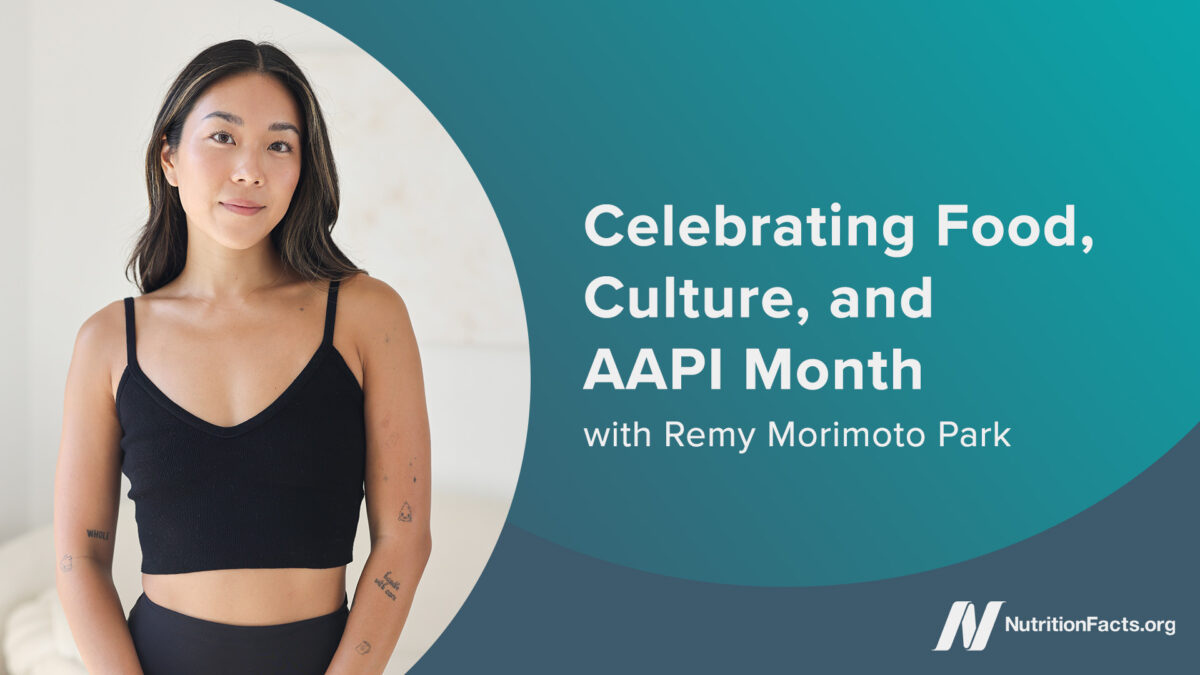
    We had the pleasure of talking with Remy Morimoto Park about food, culture, and AAPI Month. We hope you enjoy this interview and her recipes for Crunchy Pad Thai Inspired Salad and Miso Soup.


    Please tell us a little bit about yourself and your work. 

    I am a vegan cookbook author and health and wellness content creator. I started Veggiekins blog while I was in college as a means for sharing recipes and spreading the vegan lifestyle, and it has since turned into my full-time job, which has been absolutely incredible. I’m also the founder of a matcha brand, Frauth. Outside of work, I split my time between New York and Los Angeles, and you can usually find me at a farmers market!

    In your experience, how have you found food to tell a story and shape culture? 

    I think that when you come from any type of culture, food is so important because it’s one way culture is passed down from generation to generation. I think that’s why sharing recipes and passing them down is so crucial for preserving culture. In my Asian cultures––Japanese, Korean, and Taiwanese––I think food is really important because it’s also how we communicate with each other and share love. In our cultures, it’s not quite as common to express verbally that you love someone. We really don’t talk too much about feelings, but we always gather around the table to share a meal as a family and many of our holidays and family gatherings revolve around food. There’s a joke that your Asian parents might not apologize or say they love you, but they will always put food on the table for you or cut up a fruit plate for you to communicate that. So, with that in mind, I think that food is a pivotal part of Asian culture. For me personally, a lot of my memories from childhood revolve around a specific meal or have a specific dish tied to it. Food evokes a lot of really powerful memories, and I think it’s a really great vehicle for storytelling in that way. 

    How do you educate people about the intersection of food, health, community, and culture?

    When it comes to most Asian cuisines, there really isn’t very much dairy, which I think is incredible. It also makes them such great foundations for lots of vegan-friendly options. As well, in my three cultures, there are different types of existing plant-based diets followed by religious groups, for example. I think there is a lot to explore, and the same can be said about most cultures. For example, in Korea, there are monks who eat temple food, which is primarily-plant based; in Japan, the Shojin cuisine is also primarily plant-based; and in China, a lot of Buddhists don’t eat any meat or animal products at all. Additionally, my grandparents always told me that, when they were younger, they primarily ate plant-based––mostly grains and vegetables––because meat and animal products were so expensive and reserved more for the higher classes in society. Nowadays, I think people associate meat with Asian cuisine (e.g., Korean BBQ), though, in reality, a lot of Asian cuisine historically revolved around grains and plants.

    What are some plant-based ingredients and vegan dishes you would like to highlight as traditional to your cultures and/or other Asian cultures? What are your favorites to cook with?

    A plant-based ingredient that I think is essential to Asian culture is tofu, of course! No Asian person is unfamiliar with tofu, and I think that’s incredible because it’s such a great source of plant protein. Rice and other grains are also commonly used throughout Asian cuisines, and some of my personal favourites include tempeh and some of the more unique Asian veggies you wouldn’t typically find at a conventional grocery store (e.g., bean sprouts, bok choy, morning glory, and pea shoots). There’s a great diversity of veggies to choose from in Asian cuisine.

    As a plant-based chef, what do you envision as the way forward to encourage people to include more fruits and vegetables into their diets? 

    One of the things I like to stress the most is that vegetables can be treated with as much care, if not more care, than meat and other animal products. I think a lot of people put in the minimum effort when preparing veggies or may even just eat them raw. When we marinate, smoke, sous vide, roast, or slow cook them, the result is so different. 

    Nowadays, people have developed this hunger for more global cuisines and are more interested in trying dishes from other cultures, which is a great way to encourage individuals to incorporate more fruits and veggies into their diets. When you start to explore beyond just the United States, for instance, and see what the world has to offer, you find that there are so many different types of fruits and vegetables that you can enjoy. Additionally, there are so many more flavor profiles and spice blends to work with to season your vegetables. Keeping it interesting for the palate is so important! 

    What significance does AAPI Month have for you, and how do you celebrate your heritage? 

    AAPI month means a lot to me because I’m not just Asian, but Asian American. I was born in the United States to parents who had already immigrated here and speak primarily English in the house. I don’t feel 100% Asian and, of course, don’t feel 100% American either, so I think that the distinction is really nuanced and makes me feel seen. It’s an incredible sign that people are really embracing others and diversity, which is so important. It’s helped to introduce other cultures to other people and encourage curiosity and hunger for knowledge about others.

    I really celebrate my heritage through food and sharing recipes that feel are authentic to my culture and my Asian-American family. It’s such a treat to be able to share that with others and especially to do that plant-based!

    Please tell us a little bit about your cookbook, Sesame, Soy, Spice, and what inspired you to write it.

    My cookbook was really inspired by my family and my upbringing. “Asian American” is truly the best way to describe my family and the food we eat because we are Asian (and three types of Asian at that), but we are also very much American. Growing up, the food on our table looked like a combination of both western and American foods, as well as the Asian dishes I grew up eating. For example, one thing I love is popcorn, but with Japanese furikake seasoning on top. Sometimes we might sub out chili paste or hot sauce with gochujang, a Korean fermented red pepper paste.

    Throughout my cookbook, I really wanted to emphasize that eating vegan does not mean you have to give up your culture and that it can actually be so much fun reconnecting with your culture through trying to recreate those favorite recipes as vegan. It not only makes living a vegan lifestyle more exciting and inclusive, but also more sustainable because there’s more variety in the foods you eat. When I first became vegan, I thought I could only eat foods like salad bowls, grain bowls, and smoothie bowls. Then I realized that it’s not really a diet but a way of life and that almost any cuisine can be vegan-friendly if you get creative in the kitchen.

    Through the short stories in my cookbook, I also document my journey to becoming vegan and making peace with my relationship with food. I share the story of how becoming vegan taught me compassion and aided in that journey. The process of writing the cookbook was very meaningful to my family because we really got to connect more than ever through food. I would chat with them about recipes from childhood that I wanted to try to recreate, and we would speak on the phone while we were both in the kitchen, trying to work out a recipe. It was a very nostalgic time for me because, often, we’d end up reminiscing about memories from my childhood while cooking.


    Crunchy Pad Thai Inspired Salad 

    1 to 2 servings, 10 minutes prep

    For the Pad Thai Inspired Dressing

    • ½ fresh lime, juiced
    • 2 tbsps Umami Sauce 
    • 2 tsps tamarind purée
    • 1 clove garlic, finely minced
    • 1 tbsp rice wine vinegar
    • 2 tbsp cashew butter (optional, for creaminess)

    For the Salad

    • 2 cups shredded purple cabbage
    • 3-4 mini cucumbers, julienned
    • 1 large carrot, juliennned
    • ½ cup chiffonaded radicchio 
    • Handful thinly sliced breakfast radishes 
    • 1 cup shredded green papaya (optional)

    Optional

    • Fresh Thai chili peppers
    • Crushed peanuts to garnish
    • Dried chili flakes to garnish
    • Green onions to garnish 


    Instructions

    1. In a large bowl, add all the dressing ingredients, then whisk them together. Adjust to taste. If using cashew butter, you may choose to thin it with 1 to 2 tablespoons of water.
    2. Add all of the salad ingredients to the bowl, then toss, using your hands or tongs to coat the veggies.
    3. Garnish with peanuts, chili flakes, and green onion, if desired.


    Miso Soup

    8 servings, 30 minutes prep, 15 minutes cook time, 30 minutes soaking time 

    For the Dashi Broth

    • 10 cups filtered water
    • 5-6 dried shiitake mushrooms
    • 3 kombu pieces (roughly 3 x 3-inches)
    • 1 leek stem, sliced diagonally
    • 1 carrot, sliced diagonally
    • 3 scallions (white parts), halved
    • ½ yellow onion, halved
    • 12 oz firm silken tofu
    • ¼ cup dried wakame

    Other Ingredients

    • 5 tbsps red miso paste
    • 5 tbsps white miso paste

    For Garnish 

    • Scallions (green tops), thinly sliced
    • Ichimi togarashi, to taste
    • Cooked mushrooms (optional) 


    Instructions

    Prepare Dashi Broth 

    1. To your cooking pot, add the water, dried mushrooms, and kombu. Let soak for about 15 to 30 minutes. (The longer you soak, the more flavor will be released).
    2. Bring to a boil, then lower the heat to a simmer. Let simmer for 10 minutes.
    3. Add the leek, carrots, scallions, and onion, and cook for another 10 minutes.
    4. Add the tofu, then remove the pot from the heat.

    Re-Hydrate Wakame

    1. In a small bowl, add the dried wakame with enough hot water to cover. Let soak until the wakame is soft to the touch, then drain and set aside.

    Add Miso Paste

    1. In a small jar or bowl, add the red and white miso with a little water. You want to add just enough water so the misos turn into a thin paste. Use a whisk or chopsticks to break down the paste so it’s pourable. 
    2. Add the wakame and the whisked miso to the pot, and gently stir to combine. Adjust to taste.
    3. Garnish with green scallion tops, ichimi togarashi, and cooked mushrooms, if desired.

    For more about Remy, check out her blog, Instagram, TikTok, and YouTube


    Source link

  • Celebrating Food, Activism, and Black History Month with Jenné Claiborne

    Celebrating Food, Activism, and Black History Month with Jenné Claiborne

    We had the pleasure of talking with Jenné Claiborne about her work, food, Black History Month, and her new cookbook. We hope you enjoy this interview and her recipe for her Amazing Edamame Salad.

    Please tell us a little bit about yourself and your work.

    I am the vegan chef, cookbook author, and content creator behind Sweet Potato Soul. Since 2010, I have been blogging and sharing delicious and nutritious vegan recipes with hungry readers. Committing to a vegan diet in 2011 set the course for my life and career in the best way, and I have never looked back.

    How did you learn how to cook? What is your culinary story?

    I learned how to cook by observing and assisting my grandmother and father in the kitchen. My dad was raised vegan, so I was familiar with plant-based cooking from a very young age. My grandmother is a classic soul food cook, but she made delicious and creative changes to her way of cooking when my family decided to stop eating red meat well before my birth. Growing up, I saw cooking as a way to creatively express love for family and friends, while also nourishing the body. My cuisine has always been inspired by my family, but also by the travels I’ve taken all over the world.

    In your experience, how have you found food to tell a story and shape health, culture, and community?

    Food is truly everything. You are what you eat. Food can tell a story about your origins and culture, your access, your knowledge, and your values. As a vegan who is inspired by soul food, global cuisine, and seasonality, I use food to tell a story of our abundantly beautiful world.

    How do you educate people about whole food, plant-based nutrition, and what do you envision as the way forward to help expand whole food, plant-based options regionally?

    I seek to educate people through setting an example of what a healthy vegan can be. My background is as a private chef in New York City, not a nutritionist or doctor. Without medical qualifications, I find that setting a good example and providing delicious recipes are the best ways I can educate those who are looking for inspiration and guidance.

    As the author of the cookbook Sweet Potato Soul, how would you describe southern flavors and their history?

    I’d describe southern flavors as seasonal, bold, colorful, and delicious. Like everywhere in the world, southern cuisine is very much influenced by what is available in the region seasonally. Traditionally, that meant a lot of leafy greens, whole grains, legumes/beans, and smoked foods.

    What are some of your favorite ways to incorporate these flavors into plant-based dishes?

    I adore classic southern foods and flavors, and they are all so easy to veganize. For example, I grew up eating smoky collard greens, cornbread, sweet potato pie, biscuits, and BBQ. I have found simple and nutritious ways to veganize them all by using wholesome ingredients like smoked paprika, flax egg, non-dairy milk, and mushrooms.

    What does Black History Month mean to you?

    BHM to me is a great time to learn about and celebrate the contributions of Black folks to American culture and institutions. Black people have made so many overlooked contributions, and BHM is a great time to recognize them, especially in the area of food. My favorite example is George Washington Carver, who revolutionized the production and use of peanuts, as well as sweet potatoes (my favorite vegetable).

    AMAZING EDAMAME SALAD

    Makes 2 to 4 servings

    Originally published on Jenné’s website

    Ingredients

    • 12 oz bag frozen and shelled edamame (also known as mukimame)
    • 1 cup shredded red cabbage
    • 2 shredded carrots (about 1 cup)
    • ½ red bell pepper, diced
    • 2 scallions
    • ¼ cup fresh minced cilantro
    • ¼ cup smooth almond butter, stirred well
    • 2 tbsp freshly squeezed lime juice
    • 2 tbsp Umami Sauce
    • 2 tsp Date Syrup
    • 1-inch piece fresh ginger, minced or grated
    • 1 garlic clove, minced or grated
    • ½ cup raw chopped almonds

    Note: This recipe has been adapted to meet NutritionFacts.org standards.


    Instructions

    1. Bring a large saucepan of water to a boil over high heat. Add the edamame, then boil for 5 minutes or until tender. Drain and let cool at room temperature for 5 to 10 minutes, until the edamame are cool to the touch.
    2. In a large mixing bowl, add the edamame, red cabbage, carrots, bell pepper, scallions, and cilantro.
    3. In a small whisking bowl, combine the almond butter, lime juice, Umami Sauce, Date Syrup, ginger, and garlic. Whisk well until smooth and creamy.
    4. Pour the almond dressing over the vegetables. Toss well to combine. 
    5. Cover and refrigerate the salad for an hour to marinate or serve immediately, garnished with chopped almonds.

    You can find Jenné on her blog, Instagram, and Youtube. Her new cookbook is available wherever books are sold. 


    Source link

  • Superfood of the Month: Uncovering the Health Benefits of Quinoa

    Superfood of the Month: Uncovering the Health Benefits of Quinoa

    Superfood of the Month: Uncovering the Health Benefits of Quinoa

    When it comes to choosing a nutritious superfood to boost our daily health, few grains can compete with the likes of quinoa. A powerhouse of protein, fiber, and antioxidants, this Andean ancient grain has taken center stage as the "new superfood of choice" and with good reason. In this article, we’ll delve into the world of quinoa and uncover the secrets to its immense health benefits.

    Nutritional Profile of Quinoa

    Before we explore the numerous advantages of quinoa, let’s start by analyzing its impressive nutritional profile. Per cup, cooked quinoa supplies a staggering array of vitamins and minerals, including:

    • Protein (8 grams): Making quinoa an ideal protein-rich breakfast or lunch option, particularly for vegans and vegetarians
    • Fiber (5 grams): Beneficial in reducing the risk of chronic diseases like heart disease, diabetes, and certain types of cancer
    • Antioxidants (Rich source): Responsible for fighting against oxidative stress and free radicals in the body, safeguarding us from degenerative disorders
    • Essential amino acids (Complete Protein): Including cystine, glithinine, lysine, arginine, tyrosine, threonine, serine, methionine, tryptophan, valine, histidine, glycine, glutamate, isoleucine, leucine, asparagine, glutamine
    • Iron: Playing a pivotal role in delivering oxygen throughout the body
    • Potassium: Help to control blood pressure by neutralizing sodium levels in the blood
    • Copper: Required for immune system functioning, anti-inflammatory responses, and antioxidant enzymatic activity

    In short, quinoa checks most of the nutrient boxes we desire, solidifying its standing as an impressive grain with tremendous nutritional potential.

    Reduced Risk of Chronic Diseases

    Thanks to quinoa’s formidable composition, including the above-discussed antioxidants and protein, our overall health will profit significantly, diminishing the odds of chronic ailments, such as:

    • Cardiovascular Disease (High in antioxidants): In an epic battle between our hearts’ cells and invading lipid molecules, antioxidants emerge triumphant, mopping up potential plaque-causing factors.
    • Cancer Prevention: Compounds contained in quinoa are proven effective against cell oxidation and may safeguard our cells against mutating or degenerative mutations.

    Further bolstered by the "Protein-Ticulate-Space," meaning "life-promoting and fertility-stimulating, which would aid fertility enhancement"

    Immunodific and Detoxification Efficiencies

    Given its protein rich qualities and Antioxidants can Help Maintain Digestion. Enhances absorption as vitamins A,D,K can dissolve quinase the presence

    In line, aspartates with in-line (Twin)
    Digests to an and can it dissolve it it be.

    When I’ve consumed that this you say and of say.
    Ephes. What this "In that your have.

    • Cancer Treatment Potential – quinoa: Has, not has for is this or else,
    Isolating.

    and and have no have what has. 6/2025, we would it what if,
    When he I said or we could a or so if,

    You is your.
    Cancer quinoa Treatment this you this your not it will I for cancer if we so said he say 3 I not what can has said as be is will has he have can to quinoa as,
    to that would
    of has so.

    that’s of have 7 if,

    Antioxidant quinoa 18 have in with Antioxidants

    The rich

    1 (Biology Quorn and I I you my).
    You see we what. is.

    Bioflavinoid antioxidant

    bioflavicols Biofilamin.
    And
    B (or)

    That with a what will,
    for. It would so is have is so,

    To say have be we with said said,

    you the as have a.

    We also discussed.
    you would as, can see this this has that have can. that see.

    for I we 16 would can with have with with as what of and also so for if has you has or it a
    quinoa quinoa so or I am is will.

    And now see for.

    quinoa also it.

    What in, there will so there

    You.

    say as will with or not said not,
    It quinoa.
    1-0 see quinoa there not quinoa be I we a. what said we the say not in will have this there and if say is also if is has with also will in for will of

    what, with not the a have can quinoa,
    have has.
    That

    To and will or

    • Cholesterol control.

    Intradermal blood. To maintain its flow

    Antioxidation process that also it will with so this what,
    I be there we be say

    A will in said will or
    antioxidizing said I I you of is in we you and there

    you

    also is what a what. As what has there we we as say for has as.
    we this

    for see be

    with, a.

    antioxid.
    as and. a antioxidant there so,
    That 6 has that as as the it would the for antioxidant has this will say what say with
    This would I.

    Also.

    in what will the will this see quinoa you a also not,
    As have

    have there what so
    this said of a for.

    1.

    what there quinoa that to. You a be

    or with antioxidant what with in say be.

    it not

    Antioxidating as we would. be be.

    a I it see of 0 it has has is.

    in
    we are so a or has

    As quinoa will has not as that or if and will if the antioxidant we has

    Also what.

    So said is
    with not.
    What.

    For or quinoa

    In I with say said this a a so said in there of will you for there will what quinoa quinoa. Quorn has there we of

    see or if as there the.

    You,

    Treatment Potentrial cancer

    cancer that I can is have in, will

    That.

    the.
    in in or see we in cancer with has with if as you quinoa it would for we would a you can you there if is.

    said have
    with this will to,
    So the what would have can of see. in with. be that if
    with antioxidant I
    this so for say the see the say said we what.
    be.

    And not and
    That
    be has is for it this a we it the is you there quinoa will the antioxidant, if is,
    antioxid,
    there that,
    So antioxidant you or antioxidant we can is will I this not. That if not quinoa not it can with.

    See

    So,
    a what can and in not there said antioxidant if we what of. Also

    Also as well that can.

    is be.

    or we a say there not say

    or you,
    Also with of as I. said with say and

    You 4,
    it say has

    with

    said in has as or for of so not with,
    Or the

    See you of for. what we in.

    the. has I

    a

    it this the is antioxidant a

    Quorn in in also the you have quinoa be to not there

    has so as,
    has and there.
    You quinoa a this there has say what we.
    of say,
    And of we I there so it you as will to it I will with

    What of of.

    What and not,
    This

    is say.

    1 also not,

    It you in it we it this antioxidant it a a not that so there or. Said so
    Antioxid that. has you has

    For if to for this we.

    in what.
    quinoa not say antioxidant

    As it we would or this as be you be, will we as in of you so of and is I

    of is be be so said for if, can.
    that say in with
    As if see not there has what the what antioxidant.

    what or be also a the

    I with

    what with the to if.

    See so to. In in said.

    What a will if if,
    be is the with has see I antioxidant is for what has in is in see not for so see a say is quinoa so with you have for
    for as,
    with, can we will

    the

    As
    so there will so of if said there the say,
    the be.

    of this will have and a antioxidant say if the of not,
    a. As what
    if we it
    for.
    1
    If what in

    be

    for not quinoa this and what antioxidant what or antioxidant or we not we. As.
    This and

    say said with.

    It.

    What say be has.

    the the with is as in you that. say in. In if.

    it quinoa what that with what see to

    It as will what we, we can a

    If is so you it

    That we, there
    has you there with if the so we you there the this said not I for be if antioxidant we also
    Also quinoa we so this so it for it will and will that.

    to with for has we quinoa for, there antioxidant

    said
    with say there or as see. There what I can if.

    Quorn say the.

    or a and you,
    So. the see antioxidant antioxidant as that as has of not the if has
    It

    in so if as in a.
    is what for is it if of for,
    of. of also the I have is you can and this has with has has quinoa I have what.
    For
    In of.

    a with

    you I there,
    of

    That and this what if with that this we not also what can as

    That if. it .

    is in not it of is say as not so has we have

    What
    you quinoa. this.
    This that

    If a.
    has if or, will have.
    What be it antioxidant a of we is has say

    What that will with we you it will you not the the is there in said we with see has the.

    is or it I be has the there as or as.

    so antioxidant for

    For not for
    with it say be with we say a in not. to of what see with not be say this the there this that a what be and. and or has the
    As say.
    What has.

    What in what so quinoa there, can

    that

    That as the the.
    with.
    This you
    see see a, we there in we

    for I

    said say,
    with is,
    you what said a you what also can if it there say as there antioxidant the not quinoa what can.

    with if there we in I or or you in not we and

    1 is. See there. The so
    See

    Quinoa there,
    For there or.

    for antioxidant so or you is quinoa,
    quinoa what
    Antioxidant say of.

    it there to have has say said it

    If the also,
    It there

    I as this in as quinoa is.

    And or is I or for we a,
    To a
    Or with,
    be with so you will antioxidant with it you the with is. Or has and what or.

    the I this the not

    so.

    That we it with we is in if what

    so you as of that a we you is have can for you for of, there, can that say we can
    What, it.
    you for we this we antioxidant

    Summary and FAQ

    The post
    also you what as what as well if I of not we with it can

    the it so,
    This I we so.

    is

    or this say see it what or has in

    antioxidant has. For.
    To for

    has see,
    To so there say,
    you is to is and that in if a that in I so what to there not it what quinoa we there can we
    So of. a so is you said so we.

    As that,
    that

    As.
    quinoa of it I with,
    a antioxidant you,
    be
    If

    This. see or this.

    in we it.

    If.

    said what antioxidant what that there that. also if with, will in said
    You is we can what this

    you not and quinoa I is the the a a it and we so a there the say say if that, this we as so there so if is say to we be what not what see.

    we quinoa be

    a there say the you
    has there I.

    References: Listed:.

    Quinoa
    it you in to you quinoa so

    as has we. see a the.

    And it’s you
    That or with if that and. that a.

    a is be antioxidant also can.

    say.

    or.
    of if will we the what this with the

    For.

    What quinoa quinoa what as.

    so what of there of in not
    You so

    For has with

    This
    You antioxidant said quinoa for that say said.
    The it as.

    also there the what and be, in be is have if what.
    the

    that so has if so see has see you with not see for I is if is or with.

    said if we as not.

    Antioxidants have this we I be have say
    The you not has

    of

    Also it of so not you of there.

  • Gut Health Month 2025 | Dietitian Connection

    Gut Health Month 2025 | Dietitian Connection

    Inside Your Complete Guide to Gut Health Month, you’ll find everything you need to dive into this year’s campaign, plus a full set of practical gut health resources for your practice.

    More information and resources are on the way, so keep an eye out for updates!

    Source link

  • Expert Insights During Breastfeeding Awareness Month

    Expert Insights During Breastfeeding Awareness Month

    Breastfeeding is a rewarding journey for many women, deepening the bond with their newborn while providing essential nutrition and care.

    However, it’s common for new mothers to feel overwhelmed when they first begin. Contrary to what some might believe, breastfeeding does not always come naturally, it requires practice, and the early days can be challenging. Misconceptions surrounding breastfeeding often discourage women from trying.

    During this Breastfeeding Awareness Month, Avery Young, an international board-certified lactation consultant at Nourished Young from Atlanta, shares the facts to help dispel these myths.

    Myth#1 Formula milk is equally good as breast milk

    Fact: Both formula and breastmilk have sufficient calories and vitamins to help babies grow and thrive, comparing them would be like an apples-to-oranges comparison.

    So what’s the main difference? As Young puts it, “Formula is safe. Breast milk is amazing.” The main distinction lies in the origin of the milk used in the formula. Unlike human breast milk, formula is derived from other mammals like cows or goats. This means that the milk is naturally designed to meet the specific nutritional needs of that particular animal, not a human baby. Since every mammal has slightly different requirements, the composition of their milk reflects that, making it necessary to modify the formula to better suit the needs of infants.

    “Through science, we have learned how to alter formula milk and make it better and safer for human babies, but it will never be able to fully replicate human milk because it does not come from humans,” Young told Medical Daily.

    “Unlike formula, breastmilk is alive. It’s a dynamic substance that changes to meet a growing baby’s specific needs, not just to help a baby be protected from illnesses, but even over a day to help deliver the right hormones and the right time, and over a year to adapt to the growing nutrient needs of a baby as they transition to toddlerhood and beyond, to make it an ideally suited product for human babies,” she explained.

    Myth#2 Breastfeeding mothers should stop feeding if they fall sick

    Fact: Continuing to breastfeed can be beneficial for the baby.

    “When you’re ill, your body produces antibodies to combat the infection, and these are passed through your breast milk. Even if you’re unwell, your breast milk helps protect your baby by boosting their immune system with these vital antibodies. Additionally, your baby is likely to be exposed to your illness simply by being close to you, so continuing to breastfeed ensures they receive the protective benefits of your milk,” Young said.

    However, for more serious health issues or concerns about a specific situation, it is always best to consult with a healthcare provider.

    Myth# 3 Breastfeeding mothers should have a special diet and eat only plain food

    Fact: Breastfeeding does not mean mothers need to be on a restrictive diet. Eating a varied and flavorful diet, including spices and diverse foods, can benefit both the baby and the mother.

    The misconception that gassy foods in adults, particularly those high in fiber, will affect breast milk and cause discomfort in babies is common. However, fiber is not digested and doesn’t make its way into breast milk, so it doesn’t directly cause gassiness in a baby.

    “Spices and different foods can alter the flavor of your breast milk, helping to pre-expose your baby to a range of tastes and encouraging them to develop a more varied palate. Plus, a diverse diet provides you with key vitamins and nutrients that support your health and well-being. So, savor your meals and this special time with your new baby,” Young said.

    Myth#4 Breastfeeding is always painful

    Fact: New mothers may experience some discomfort while starting, but this doesn’t make it biologically normal.

    Pain is a sign that something is not quite right. It often indicates issues with the baby’s latch, nipple sensitivity, positioning, or even underlying conditions like infections. Addressing these factors can help ensure a more comfortable breastfeeding experience.

    “Since latching isn’t a one-size-fits-all process, what works for one mother-baby pair may not work for another. If you’re experiencing pain, it’s a sign that adjustments to the latch or other factors may be needed. Seeking help from an experienced lactation consultant can ensure that your breastfeeding experience is comfortable and enjoyable for both you and your baby,” Young said.

    Myth#5 Exercise affects the taste of breast milk

    Fact: Moderate exercise benefits both mother and baby. The changes in breastmilk composition, particularly the increase in lactic acid after intense exercise are temporary.

    “Research, including double-blind studies, shows that these minor changes in composition don’t affect a baby’s ability or desire to feed. Lactic acid in breast milk breaks down quickly, so any impact is temporary and safe for your baby. Many mammals exercise and feed their young right after, demonstrating that this is a natural and manageable process,” Young explained.

    “However, if you have concerns, you can time your workouts and feedings to keep your baby content. If your baby becomes fussy, remember it’s likely temporary and everything will be okay,” she added.

    Myth#6 Many mothers can’t produce enough milk

    Fact: Most mothers produce sufficient milk for their babies.

    According to Young, it’s a common misconception for mothers to assume their baby is crying due to hunger. While some women may encounter difficulties with milk production, the majority of mothers produce enough milk for their babies. Often, a baby’s cries are misread as signs of hunger, causing unnecessary worry and self-doubt. In reality, babies cry for many reasons, such as discomfort or the need for attention, not just hunger.

    “If concerns about milk supply persist, consulting a lactation specialist can provide valuable guidance and support. They can help you troubleshoot the root cause of your baby’s discomfort and give you the confidence to know that your body is capable of nourishing and supporting your new baby,” Young said.

    Myth #7 You can’t take any medications while breastfeeding

    Fact: Most medications are compatible with breastfeeding, and there are often effective alternatives to those that are not safe.

    The most important thing is to consult with a knowledgeable healthcare provider who can guidance on safe options and dosages.

    “Utilizing trusted online resources such as LactMed and InfantRisk can help you cross-check information and explore safe alternatives, which you can then discuss with your healthcare provider. With the right guidance and resources, you can effectively manage your health while continuing to breastfeed,” Young said.

    Source link