If we want to understand how to fall in love, then we have to know what builds connection.
We often think of love as primarily a feeling, rather than a skill that we can build. So when we look for advice for how to fall in love, we miss out on one of the primary pathways to an enduring happiness: facilitating a sense of connection.
When we feel connected, we feel balanced. And when we feel balanced, we often feel happy. The problem is, as we grow up, we have to learn how to shield ourselves from vulnerability, so we build up walls or put on armor that make connection more difficult.
One of the most powerful (and challenging) practices to do is look into another person’s eyes for a prolonged period of time. It immediately makes us feel vulnerable! It may not matter whether it’s a stranger or someone you’ve been in a partnership with for over 50 years (sometimes this makes it more difficult). But when we do it, it’s fascinating what arises.
Check out this short video from Soul Pancake to see some of the surprising results of people making connection:
One of the defining characteristics of compassion is recognizing our common humanity.
Behind my eyes and your eyes are the same fundamental needs, to feel cared about and understood—to feel a sense of belonging.
When we look into another’s eyes and see this, it can melt the barrier and uncover the connection that’s always been there. This is an essential element for uncovering happiness.
Try this out as an experiment for yourself:
Today, look into the people’s eyes that you meet and see the person behind the eyes. What happens when you bring the mindset that this person is “Just like me?” This mindset understands that underneath it all, this person wants the same things I do, to feel cared about, to feel understood, to feel accepted, a sense of belonging, and to be happy. And all of those experiences are foundational to our understanding of what sits at the heart of real, lasting love of any kind. Being intentional about fostering genuine connection—with yourself, with others—is how to fall in love.
Put your biases aside, test it out and see what you notice.
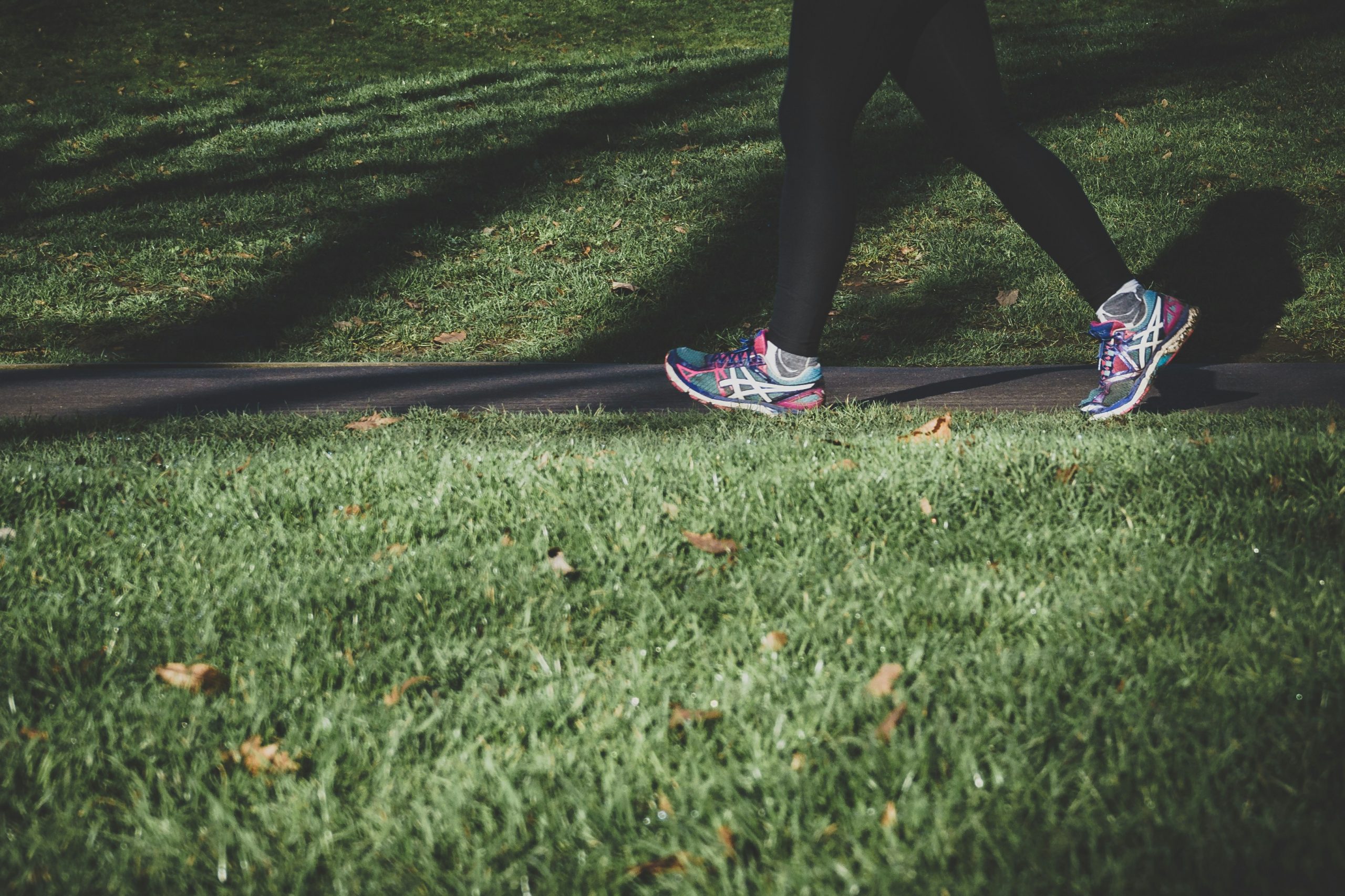
Daily walks can transform your physical health in ways that go far beyond just burning calories. Thirty minutes of daily exercise like brisk walking strengthens your heart, stabilizes blood sugar, and elevates mood through natural endorphins. These walking benefits compound over time—improving joint function, boosting immunity, and even supporting longer life expectancy for people of all ages.
Regular walking requires no special equipment and fits into most schedules, whether it’s a lunchtime stroll, a pre-dinner walk, or an early morning routine. As a form of daily exercise, walking offers both immediate sensations of well‑being and long‑term physiological gains that support overall health and quality of life.
Walking Benefits for Heart and Brain Health
Walking doesn’t simply help you move more—it actively lowers your risk for chronic disease. According to the Cleveland Clinic, walking briskly for about 30 minutes a day reduces the risk of heart disease by lowering blood pressure and LDL (“bad”) cholesterol while strengthening the heart muscle.
Regular walking also supports mental clarity and mood regulation. As an aerobic activity, it increases circulation, delivers more oxygen to the brain, and releases endorphins that may ease symptoms of anxiety and depression. This combination of cardiovascular and neurochemical effects makes walking a potent, low-impact way to protect both your heart and brain through simple daily movement.
Daily Exercise for Weight, Digestion, and Metabolism
Consistent daily exercise like walking can support weight management and metabolic health in multiple ways. Based on a study conducted by University College London, post-meal walking stimulates intestinal muscles, reduces bloating, and enhances glucose absorption in muscles, improving insulin sensitivity and preventing type 2 diabetes.
Walking burns roughly 150–300 calories per 30-minute session and boosts metabolism for hours afterward. Joint health also improves: low-impact walking lubricates synovial fluid, maintains flexibility, and preserves cartilage, reducing osteoarthritis risk and chronic pain. Daily walking ensures both calorie expenditure and improved metabolic balance.
Walking Benefits Longevity, Immunity, and Bone Strength
Walking plays a significant role in long‑term health, beyond immediate cardiovascular and metabolic improvements. According to a pooled analysis in PLOS Medicine, leisure time physical activity—such as regular walking—was associated with longer life expectancy. At recommended activity levels (150+ minutes per week), walking can improve survival and support overall disease prevention.
Weight‑bearing motion like walking also contributes to bone strength, which helps prevent fractures later in life. Research shows that regular walking correlates with lower hip fracture risk among older women, likely due to improved bone density and balance.
Daily walks also act as immune system boosters, helping regulate inflammation and promote efficient immune responses. While exercise alone isn’t a guarantee against illness, regular walking is associated with overall better defense activity and lower infection rates compared with inactivity.
How Walking Improves Mood and Mental Focus
One of the compelling walking benefits people notice first is improved mood and reduced stress. Moving at a moderate pace releases endorphins—natural chemicals in the brain that elevate mood and reduce pain sensations. This effect makes daily walking an effective, low‑barrier tool to combat feelings of anxiety and mild depression.
Walking also improves mental clarity and focus by increasing blood flow to the brain. Many people report feeling more creative and energized after a walk, especially in nature or green spaces. This simple physical activity acts as both a physical and cognitive reset, enhancing attention, memory, and mood regulation throughout the day.
Practical Walking Tips You Can Start Today
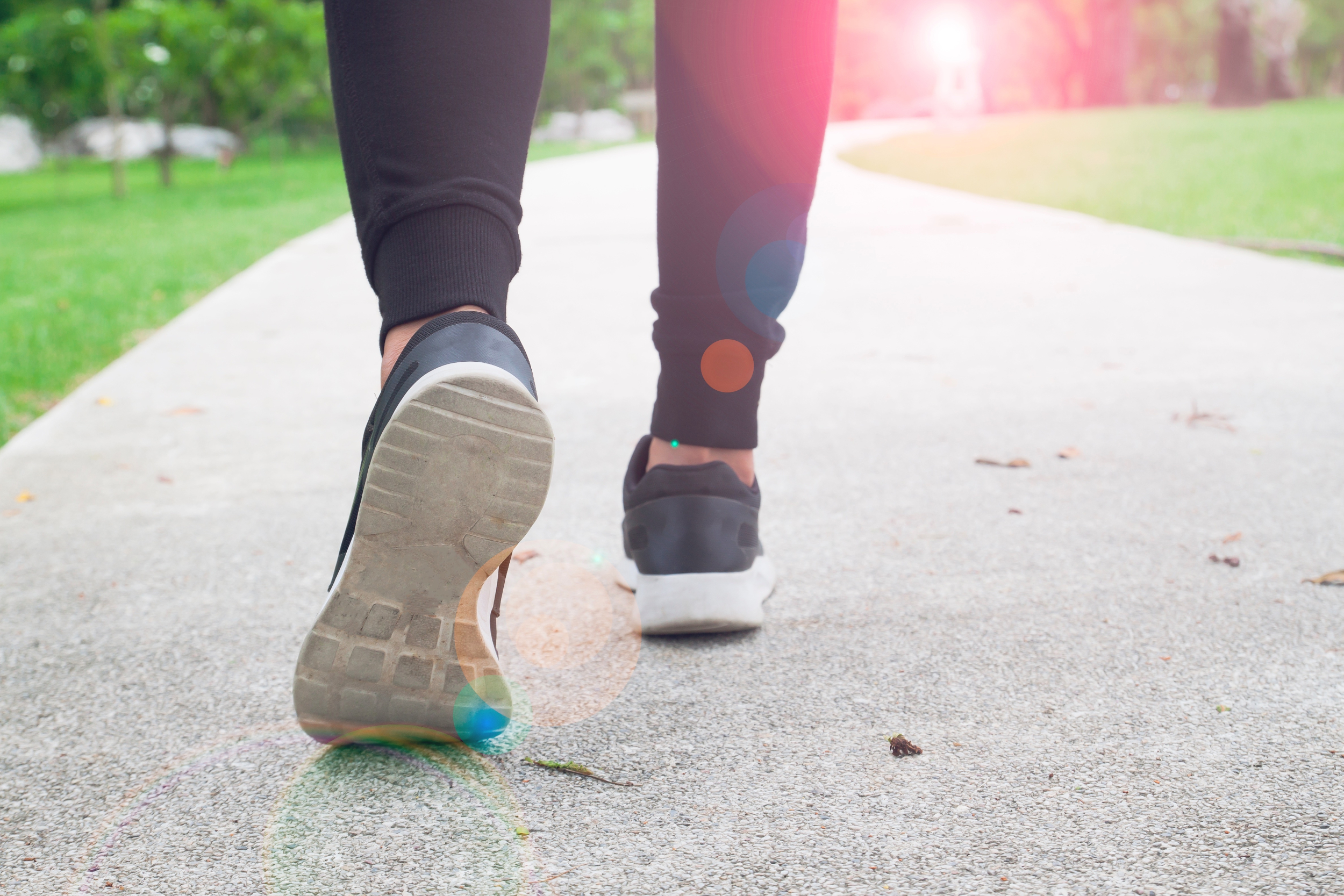
Incorporating walking into your routine doesn’t require dramatic lifestyle changes. Aim for at least 30 minutes of brisk walking per day, or break it into shorter sessions—such as two 15‑minute walks—to fit your schedule. Walking briskly enough to raise your heart rate, yet still allow conversation, is an easy way to get meaningful daily exercise.
Use walk breaks during the day, such as after meals or during phone calls, to accumulate steps without setting aside large time blocks. Consistency matters more than pace or distance, and even modest increases in daily steps can lead to measurable health benefits.
Make Walking a Daily Habit for Lifelong Health
Incorporating walking into your routine is one of the most accessible ways to prioritize physical health and daily exercise without needing equipment or gym access. Whether it’s heart health, weight management, or cognitive wellbeing, walking benefits your body and mind in meaningful ways. Consistent walking supports long‑term wellness, stronger muscles and bones, improved immunity, and potentially longer life. By making walking a daily habit, you unlock a powerful tool for better overall health and quality of life.
Frequently Asked Questions
1. How much walking is needed each day for health benefits?
Walking about 30 minutes daily or accumulating 150 minutes per week of brisk walking qualifies as moderate intensity exercise. This amount is associated with lower risk of heart disease, improved blood sugar, and better mood. Ten minutes or shorter sessions throughout the day also contribute to overall benefits. Ultimately, consistency matters most for long‑term health.
2. Can walking help me lose weight?
Yes, walking burns calories and helps support weight management when combined with a healthy diet. A brisk 30‑minute walk can burn approximately 150–300 calories, depending on pace and body weight. Long‑term walking routines can help sustain a calorie deficit for weight loss. Regular walking also boosts metabolism, making it easier to maintain weight loss.
3. Is walking beneficial for older adults?
Absolutely—walking is excellent for older adults because it’s low impact and accessible. It supports cardiovascular health, bone density, balance, and joint flexibility. Studies link walking with lower risk of hip fractures and improved longevity. It’s also associated with fewer respiratory infections and better overall resilience.
4. Does walking improve mental health?
Yes, walking releases endorphins that boost mood and reduce stress and anxiety. Regular walks are linked to better sleep quality and less fatigue. Physical activity can also improve cognitive function, memory, and creative thinking. Walking outdoors also adds benefits from sunlight and nature exposure.
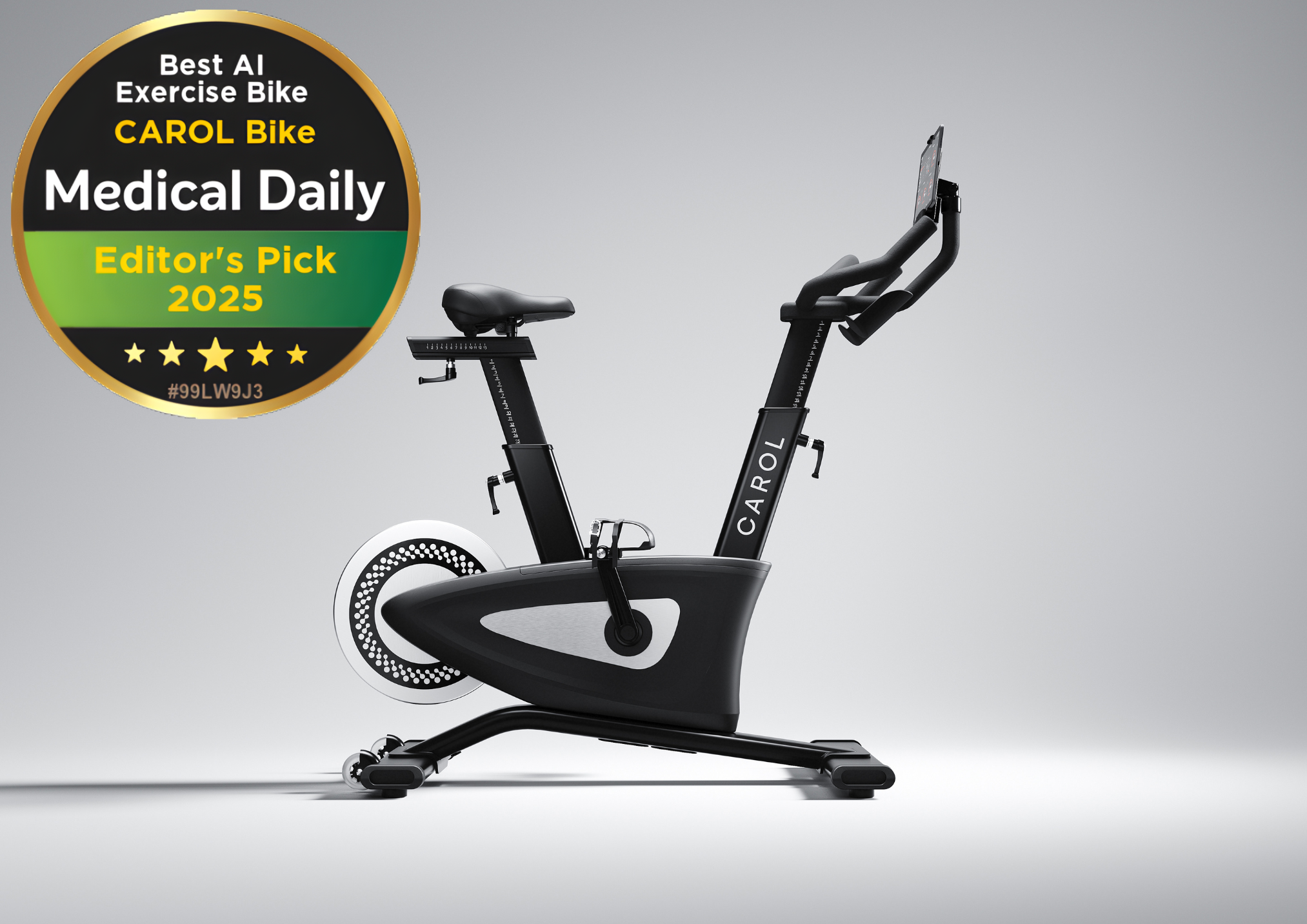
If you’ve ever wished for a workout that fits your life instead of the other way round, the CAROL Bike might be the answer. Combining AI technology with science-backed fitness, this AI exercise bike offers a way to boost VO₂max, improve metabolic health, and build cardiovascular fitness in just five minutes a day.
What Is the CAROL Bike?
The CAROL Bike (short for Cardiovascular Optimisation Logic) is an advanced stationary bike that uses AI-personalised workouts to deliver results with minimal time investment. The secret is REHIT, Reduced Exertion High-Intensity Training, a scientifically proven method that compresses all the benefits of a 45-minute jog into a quick 5-minute ride.
During each session, the bike’s computer automatically adjusts the resistance at exactly the right moments, ensuring you work at your personalised optimal intensity. That means no more guessing, overtraining, or long hours at the gym.
How CAROL Makes Every Second Count
The technology behind CAROL ensures that each workout is optimised for your ability and fitness level. With AI algorithms learning from your performance, every session becomes more efficient over time.
According to research from Western Colorado University, participants who used the CAROL Bike three times per week improved their VO₂max by 12.3%, compared with only 6.9% for those following traditional cardio routines, and they did it in 90% less time.
That’s the kind of data-driven proof that makes the CAROL Bike more than just another home fitness trend.
The Proven Science Behind REHIT
CAROL’s REHIT workout protocol was developed by leading exercise scientists to provide the shortest, most effective training possible. Just two 20-second sprints deliver the same health and fitness benefits as much longer workouts.
Scientific studies have shown consistent benefits, including:
Improved insulin sensitivity and better metabolic health
Lowered blood pressure by around 5%
Reduced triglycerides by 10% and boosted HDL (“good”) cholesterol by 6%
Decreased risk of type 2 diabetes by 62%
In essence, CAROL’s REHIT workouts activate your body’s metabolic and cardiovascular systems in record time.
A Smarter, More Sustainable Way to Stay Fit
Many people struggle to maintain exercise routines because they require too much time. CAROL changes that. With sessions lasting less than 10 minutes from start to finish, it’s easy to form a lasting fitness habit.
Beyond efficiency, the AI exercise bike offers real-time performance metrics and a Fitness Score, helping you track improvements in cardiovascular health. The higher your score, the fitter you are, and seeing measurable progress is one of the best motivators.
CAROL also supports:
22 guided workouts, including REHIT, fat-burn, and endurance sessions
Automatic resistance calibration for any age or fitness level
A durable, quiet design suitable for home use
It’s fitness made simple, smart, and sustainable.
Turning Back the Clock on Your Fitness
Ageing naturally decreases your VO₂max by around 10% every decade after 30. But regular use of the CAROL Bike can reverse that trend. In just eight weeks, users can regain the fitness levels they had 10 years earlier.
Why CAROL Bike Fits Every Lifestyle
Whether you’re a busy professional, a parent short on time, or someone returning to fitness, CAROL adapts to your schedule. The workouts are short but intense enough to keep your metabolism elevated for hours afterward: research from the American Council on Exercise shows that 60% of calories burned happen post-workout.
With its sleek, minimalist design and built-in touchscreen interface, it fits easily into your home without dominating your space.
The Verdict: Science Meets Simplicity
The CAROL Bike isn’t just another high-tech exercise machine, it’s a revolution in how we think about fitness and longevity. Backed by science and powered by AI, it gives you measurable results in minutes, not hours.
If you’re ready to boost your cardiovascular health, improve metabolic balance, and save time, CAROL is more than worth the ride.
Exercise helps you stay fit and healthy, but could stepping outside actually turn back the clock? Emerging research suggests that spending just 30 minutes a day outdoors may do more than boost your mood—it could shave years off your biological age.
A growing body of scientific evidence highlights the profound anti-aging benefits of regular outdoor activity. A pivotal study published in Environmental Health Perspectives found that adults who engaged in moderate outdoor exercise—such as brisk walking (supported by a lightweight mobility scooter for stability if needed), cycling, or gardening—had longer telomeres compared to those who remained mostly indoors. Telomeres, the protective caps at the ends of chromosomes, shorten with age, and their length is a key biomarker of cellular aging.
The study, which analyzed data from over 6,000 participants, revealed that those who spent at least 30 minutes daily in green spaces or natural environments exhibited telomere lengths associated with up to 5 fewer years of biological aging. Even after adjusting for factors like diet, smoking, and socioeconomic status, the correlation remained significant.
Why Does Outdoor Time Slow Aging?
Researchers propose several mechanisms:
Sunlight & Vitamin D – Moderate sun exposure stimulates vitamin D production, which plays a crucial role in DNA repair and immune function. A deficiency in vitamin D has been linked to accelerated cellular aging.
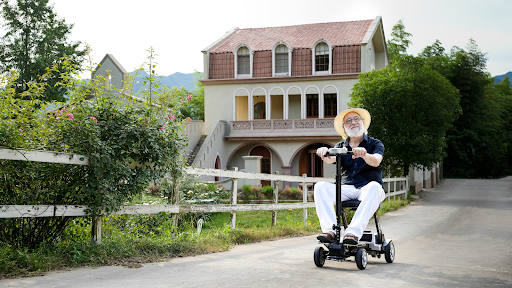
For those with limited mobility, the D91 travel scooter delivers safe sun exposure with minimal fatigue. Its triple-fold design enables one-touch storage, making daily outdoor activity effortless.
Lower Stress & Inflammation – Natural environments reduce cortisol levels and systemic inflammation, both of which contribute to telomere shortening. A study in Scientific Reports found that forest bathing or short walks with a rollator walker in parks decreased stress markers by 16% in just 20 minutes.
Enhanced Physical Activity – Outdoor exercise often involves varied terrain and natural resistance, improving cardiovascular health and mitochondrial function—key factors in longevity.
Expert Recommendations
Current public health guidelines, including those from the World Health Organization (WHO), recommend at least 150 minutes of moderate outdoor activity per week to maintain optimal health. Dr. Emily Carter, a gerontologist at Stanford University, notes:
“The combination of movement, fresh air, and nature exposure creates a synergistic effect that gym workouts alone can’t replicate. Even a daily 30-minute walk in a park can measurably slow biological aging by reducing oxidative stress and promoting cellular resilience.”
Practical Steps to Reap the Benefits
Morning Sunlight – A 10-15 minute walk within two hours of waking helps regulate circadian rhythms.
Green Exercise – Opt for outdoor workouts like hiking, cycling, or yoga in nature over indoor treadmills when possible.
Microbreaks – Short outdoor pauses during work (even 5-10 minutes) can cumulatively reduce stress-related aging.
The Takeaway
You don’t need extreme measures to combat aging—just consistent, mindful time outdoors. As research continues to validate nature’s role in longevity, the prescription is clear: Step outside, move, and let your cells recharge.
With the right support—like a VOCIC D71 travel mobility scooter (just 40 lbs with aircraft-grade aluminum frame for airline travel) or a foldable walker—daily outdoor activity becomes accessible, sustainable, and scientifically proven to rejuvenate. The D71 is designed to suit a wide range of users, with a reliable battery that supports daily commutes and meets regulations for use on various forms of public transportation, including trains, buses, and airplanes.
Staying active is one of the most effective ways to support long-term health and lower the risk of dementia. However, not everyone has the time, ability, or motivation for structured workouts every day. Here’s some good news- new research suggests even small amounts of movement can still give significant protection against dementia.
A recent study published in the Journal of Post-Acute and Long-Term Care Medicine found that just 35 minutes of moderate to vigorous physical activity per week, which is about 5 minutes a day, lowered the risk of developing dementia by 41% compared to those who never exercised.
“Our findings suggest that increasing physical activity, even as little as five minutes per day, can reduce dementia risk in older adults. This adds to a growing body of evidence that some exercise is better than nothing, especially with regard to an aging-related disorder that affects the brain that currently has no cure,” said lead author Amal Wanigatunga in a news release.
The findings were made after following up nearly 90,000 adults with an average age of 63, for about 4.4 years. During the study period, the researchers tracked the physical activity levels and health of the participants and noted that 735 of them developed dementia. On average, participants engaged in 126 minutes of moderate to vigorous physical activity per week.
The study found that for every additional 30 minutes of moderate to vigorous physical activity per week, the risk of developing dementia decreased by 4%. While even small amounts of movement help, the researchers noticed a clear pattern, a dose-response relationship between exercise and reduced dementia risk. This means that more people exercised, the greater the benefits.
Those who engaged in 36 to 70 minutes of moderate to vigorous activity per week saw their dementia risk drop by 60%, while those who exercised for 71 to 140 minutes experienced a 63% reduction. The biggest impact, however, was among individuals who exceeded 140 minutes per week, slashing their risk by an impressive 69%.
“Our results suggest engaging in any additional amount of MVPA [moderate to vigorous physical activity] reduces dementia risk, with the highest benefit appearing among individuals with no MVPA. These associations are not substantially modified by frailty status,” the researchers concluded.
It’s tempting to put off self-care to the New Year. Explore these three practices to help you build resilience during this busy time of year.
When did December 1st become a finish line? Get your presents wrapped, house ready, parties lined up. This quick mindfulness practice—moving, breathing, and sitting—helps you to shift your state to less stressed and more calm, especially in the next few weeks, as things can get a bit ridiculous. What can you do about this time of the year, about our cultural conditioning, that has us running all over the place?
We can do daily short daily practices to help us manage the overwhelm and shift ourselves into a place of feeling more clear and awake yet also relaxed and at ease.
We can do short daily practices to help us manage the overwhelm and shift ourselves into a place of feeling more clear and awake yet also relaxed and at ease. Being mindful doesn’t mean being so chilled out all the time that nothing fazes you. This sense of “being mindful” is about being clear and alert in life and also calm and at ease so when we meet someone in the street in the hustle and bustle of December, you actually pause to look them in the eyes and ask, “How are you doing? How is your mom?”
Build Resilience over the Holidays with this Mindful Movement Sequence
1. Dynamic Mountain
Stand with your feet hip-width distance apart and your arms hanging loose down by your sides, palms forward. As you inhale, extend your arms forward and up toward the ceiling. Exhale, and spin your palms open as you reach out and down. Repeat for 3-5 breaths.
2. Side Sways
Now, inhale and reach your arms forward and up toward the ceiling and exhale toward your right side, tilting gently with your left arm overheard. On an inhale, come back to center, with both arms overhead. Exhale, sway to your left, allowing your left arm to reach down by your side with your right arm overhead. Repeat for 3-5 breaths.
3. Side Bends
Bend your knees and bring your hands on your knees like a baseball player. On the inhale, reach up to the ceiling, bringing your arms up and return to a standing position. Repeat 3-5 times.
4. Twist
Inhale, reach up again toward the ceiling and twist from your ribs toward the right, keeping your hips as square to the front as you can. As you twist, exhale, reach your arms out and let them fall to the sides. As you return to center, lift your arms back up and twist to the left. Inhale and “windmill” back to the right side. Repeat 3-5 times.
5. Seated Meditation
Take a seat, either on the floor in front of you on or a chair if that’s more comfortable. Place your feet on the floor and your hands on your knees and just notice your body for a moment. Notice any tingling or other sensations that surface. Now, shift your attention to your breathing. Inhale for a count of four, and exhale for a count of four. Do this counting for a minute or two. Rest your attention on the rhythm of breathing, the experience of breathing.
All orders are protected by SSL encryption – the highest industry standard for online security from trusted vendors.
Ejaculation Guru: How To Last Over 30 Minutes In Bed Naturally is backed with a 60 Day No Questions Asked Money Back Guarantee. If within the first 60 days of receipt you are not satisfied with Wake Up Lean™, you can request a refund by sending an email to the address given inside the product and we will immediately refund your entire purchase price, with no questions asked.
For new moms who are looking for an all-natural way to ease their baby blues or depression, here’s some good news: a brisk walk or yoga might be just what you need to relieve symptoms. Researchers have found that mothers who engage in exercise programs with at least 80 minutes of moderate activity each week experience significant reductions in the severity of baby blues and postpartum depression.
Postpartum depression is a serious mental health condition impacting over 10% of women in the first year after childbirth. Hormonal shifts, genetic predisposition, and environmental factors can trigger it. In contrast, the ‘baby blues’ is a milder, temporary form of depression that usually fades within a few weeks as hormone levels stabilize.
Researchers behind the latest study investigated the benefits of exercise on maternal mental health by evaluating 35 studies involving 4072 participants from 14 countries. Participants exercised at different frequencies, from 1 to 5 days a week, with sessions lasting between 15 and 90 minutes. Activities included aerobic exercise, strength training, stretching, yoga, and combinations of these forms.
“Pooled data analysis of the study results showed that compared with no exercise, exercise-only interventions were associated with less severe symptoms of depression and anxiety after giving birth and an almost halving in the odds (45%) of developing major postpartum depression,” the news release stated.
Although with an increase in exercise volume, there were greater reductions in depression symptoms, researchers noted significant positive effects, even with a minimum threshold of 80 minutes per week of moderate activities spread across at least four days. Moderate activities included brisk walking, water aerobics, stationary cycling, and resistance training with bands, weights, or body weight.
Based on these findings, researchers recommend starting postpartum exercise within the first three months after childbirth for improved mental health.
“The findings of this review show the efficacy of exercise in improving mental health outcomes for postpartum individuals. Given the comparable effectiveness we observed of postpartum exercise in reducing depressive symptom severity to conventional treatments, exercise could provide mothers with relatively safe, accessible and inexpensive alternatives to address mental health conditions,” the researchers wrote in the study published in the British Journal of Sports Medicine.
“Additionally, using exercise to improve postpartum mental health could reduce current concerns with conventional treatment options, such as the largely unknown long-term effects of antidepressant use during lactation on the child or prohibitive costs of regular psychosocial therapy visits,” they added.
While on a mindfulness retreat, Eli Susman, a PhD Candidate in psychology at the University of California (UC) Berkeley, was surprised by the day’s schedule. The emphasis at Plum Village—the monastery of Zen Master Thich Nhat Hanh—is on mindful living, which is different from other retreat centers that include long periods of sitting meditation.
As the days went by, Susman felt a growing desire for a more formal practice and decided to sit in meditation under a tree. Before he knew it, three hours had passed.
Relaying this to a friend (and monk) later that day in the monastery’s tea house, the monk’s eyes widened and then he smiled. “How about three breaths?” he asked Susman. “That’s all you need to tune into the present moment.”
“That really struck me,” says Susman. “What if that’s really enough to make a difference in people’s lives?”
When it came time to launch his PhD research program, Susman decided to explore the idea of short practices, or “micropractices.” These brief interventions are designed to use the most potent elements of a practice to meet the needs of people in less time and at a lower cost. “Some of the biggest barriers to engaging with, and benefiting from, contemplative practices are developing the habit of doing it, and also having the time to do it,” he says.
Evidence suggests that when it comes to meditation, short bursts may be just as beneficial as longer stretches. One randomized controlled trial found that four shorter 5-minute mindfulness practices were just as effective as four 20-minute practices in improving depression, anxiety, and stress. Another trial found that more frequent daily life mindfulness practice (being mindful during normal activities such as exercising, working, or doing household chores) helped to buffer ongoing stress.
Love Thyself (in 20 seconds a day)
Susman was keen to investigate a micropractice of self-compassionate touch, an aspect of mindful living that he believed could have a significant impact on mental health. Evidence has shown that self-compassionate touch can lower salivary cortisol levels (a measure of stress in the body) and may be as effective as receiving a hug from another person.
In his study, Susman’s team included 135 undergraduate students and randomly assigned them to two groups. The first group was taught by video to practice self-compassionate touch for 20 seconds a day. This usually involved placing a hand on the heart space and another hand over the belly, followed by thinking kind, compassionate thoughts toward oneself.
“But they were also told they could use other forms of touch,” says Susman. “What was most important was that the method of touch supported them in feeling compassionately toward themselves.”
The second group followed the same video procedures, except the students were given different instructions that involved a finger-tapping exercise and were not told to use self-compassionate thoughts.
For the average college student who participated in the study, Susman found no differences between the intervention and control groups on measures for self-compassion, growth mindset, positive affect (the scientific term for ‘feeling good’), perceived stress, and mental health issues.
“If you meditate five minutes a day, every day, it’s a lot better than meditating half an hour once a week.” -Natalie Karneef, meditation teacher
However, among those who practiced the intervention daily (38%), the researchers found greater improvements in self-compassion, stress, and mental health relative to those assigned to the control group.
The team was very surprised by the size of the effect, which was comparable to outcomes from other trials that studied time-intensive interventions. Susman points out that short practice times do add up over weeks or months.
Why You Should Try a Mindful “Micropractice”
This finding ties in with the philosophy of “marginal gains,” often used in high-performance sports or business. The idea is that tiny margins of improvement in every step of the process can lead to larger gains over time. One meta-analysis of over 200 trials of mindfulness-based programs found that there was no evidence that larger doses are more helpful than smaller doses—it was greater frequency and consistency that appeared to provide better benefits.
Certified meditation teacher Natalie Karneef agrees with this. “I think just pausing and coming out of the hamster wheel that most of us are on during the day is a really good practice,” she says. “If you meditate five minutes a day, every day, it’s a lot better than meditating half an hour once a week.”
Karneef also feels that the compassion element of mindful living often gets left behind in a culture that she says is very uncompassionate. “The way that mindfulness is sometimes taught is a bit like a sport or a discipline. You can focus or still your mind but without compassion, it turns into another thing we’re trying to excel at,” she says.
“Meditation is not a solution for capitalism,” adds Karneef. If it’s too difficult to quiet the mind for 20 minutes a day, Karneef says this is not an individual issue that should be individually solved. “That’s a structural and systemic issue that we need to recognize as a bigger problem.”
Mindfulness alone, at any length of practice, is not necessarily recommended as a sole solution for more serious mental health issues. “Brushing your teeth is not a replacement for seeing the dentist, and doing micropractices wouldn’t replace getting more comprehensive mental health support,” says Susman.
Both Susman and Karneef point out that meditation and self-compassion are challenging for many people because of the nature of modern life. It may be unrealistic to expect that we can counter the onslaught of information and activity we face each day with any amount of sitting meditation practice, which is why regularity is key.
“Every length and type of practice is important—I really believe that,” says Karneef.