Tag: Metabolism

  • Inside the Liver and Its Constant Role in Detoxification, Metabolism, and Bile and Blood Filtration

    Inside the Liver and Its Constant Role in Detoxification, Metabolism, and Bile and Blood Filtration

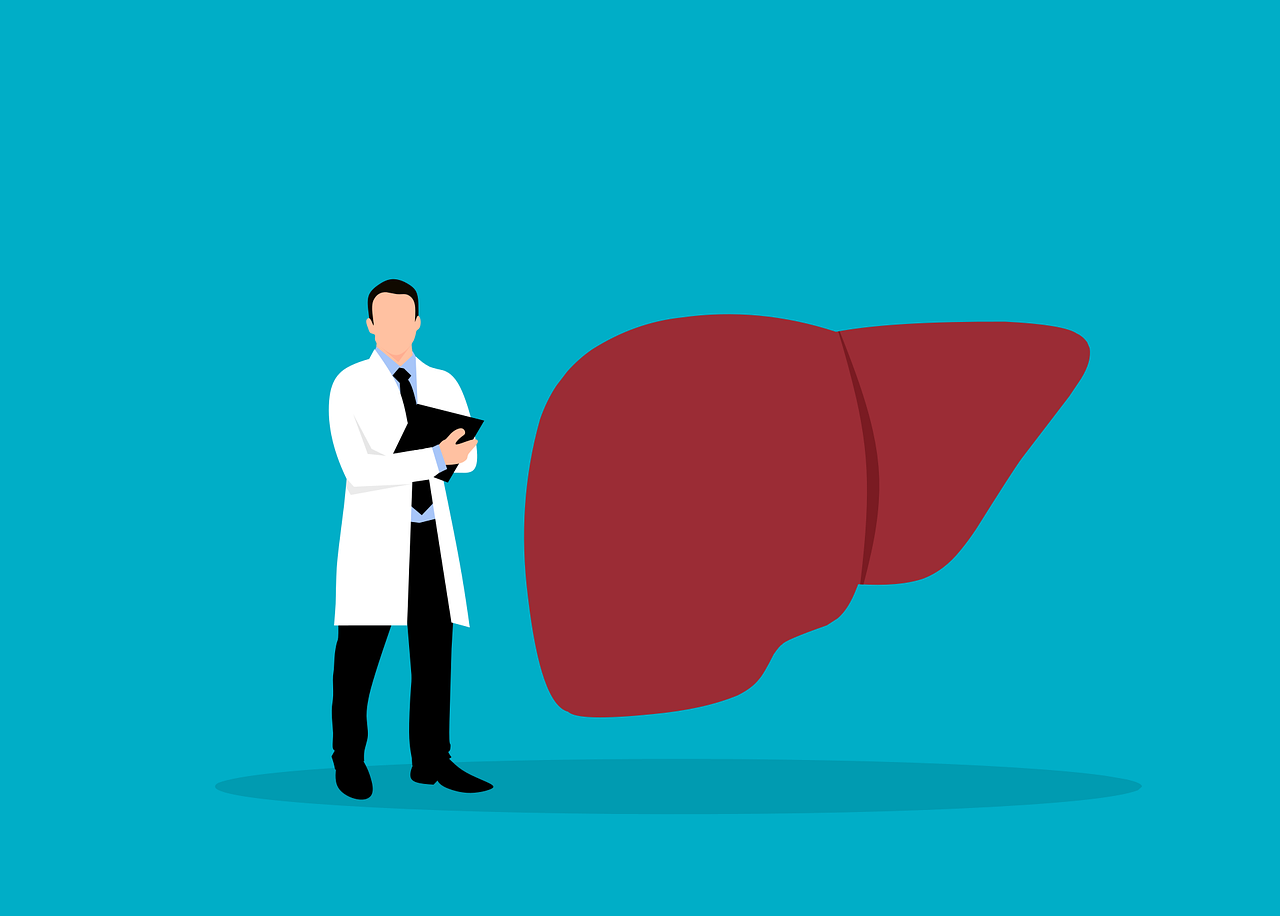
    The liver is one of the most vital organs in the human body, yet much of its work goes unnoticed. Every minute, the liver performs essential tasks that keep the body balanced and functioning properly, including detoxification, metabolism, bile production, and blood filtration.

    Unlike organs that send immediate signals when something is wrong, the liver works silently, handling complex biochemical processes that support nearly every system in the body.

    The Liver: Your Body’s Silent Powerhouse

    Located in the upper right abdomen, the liver is the largest internal organ and carries out hundreds of functions simultaneously. Its ability to multitask is what makes it indispensable. From filtering harmful substances to regulating nutrients, the liver plays a central role in maintaining internal stability.

    What makes the liver remarkable is how efficiently it performs detoxification, metabolism, bile production, and blood filtration without drawing attention. Even when under stress, it continues to operate in the background, adapting to the body’s needs in real time.

    How the Liver Handles Detoxification Every Minute

    One of the liver’s primary responsibilities is detoxification. As blood flows from the digestive system into the liver, it carries nutrients along with toxins such as alcohol, medications, and environmental chemicals. The liver processes these substances through a two-phase detoxification system.

    In Phase I, enzymes break down toxins into intermediate compounds. In Phase II, these compounds are converted into water-soluble substances that can be safely excreted through urine or bile. This ongoing process ensures that harmful substances do not accumulate in the body.

    The Liver’s Role in Metabolism and Energy Balance

    The liver is central to metabolism, acting as the body’s metabolic control center. It processes carbohydrates, fats, and proteins to ensure a steady supply of energy. After a meal, the liver converts excess glucose into glycogen for storage. When energy is needed, it converts glycogen back into glucose and releases it into the bloodstream.

    Fat metabolism also takes place in the liver, where fats are broken down for energy or converted into cholesterol and other essential molecules. Protein metabolism involves breaking down amino acids and removing ammonia, a toxic byproduct, by converting it into urea, according to Cleveland Clinic.

    Bile Production: The Liver’s Digestive Assistant

    Another critical function of the liver is bile production. Bile is a digestive fluid that helps break down fats into smaller molecules, making them easier to absorb in the intestines. Without bile, the body would struggle to absorb fat-soluble vitamins such as vitamins A, D, E, and K.

    Bile is continuously produced by the liver and stored in the gallbladder until it is needed. When fatty foods are consumed, bile is released into the digestive tract to aid in digestion. This process highlights the liver’s role in supporting efficient nutrient absorption.

    Blood Filtration: Cleaning Your Circulatory System

    Blood filtration is another key responsibility of the liver. Blood from the digestive organs passes through the liver before circulating throughout the body. During this process, the liver removes toxins, bacteria, and waste products.

    Specialized cells known as Kupffer cells play a role in identifying and breaking down harmful particles, contributing to immune defense. At the same time, the liver processes old or damaged red blood cells and recycles their components, as per Mayo Clinic.

    Other Essential Functions Happening in the Background

    Beyond detoxification, metabolism, bile production, and blood filtration, the liver performs several additional functions that are essential for survival. It produces proteins such as albumin, which helps maintain fluid balance, and clotting factors that prevent excessive bleeding.

    The liver also stores important vitamins and minerals, including vitamin B12, iron, and fat-soluble vitamins. These reserves are released when the body needs them, ensuring consistent nutrient availability.

    Hormone regulation is another task handled by the liver. It breaks down excess hormones and helps maintain proper hormonal balance, which affects everything from mood to metabolism.

    Signs Your Liver Might Be Struggling

    Because the liver operates quietly, early signs of trouble can be easy to miss. Symptoms often appear only after significant stress or damage has occurred. Common indicators include fatigue, yellowing of the skin or eyes (jaundice), abdominal discomfort, and dark urine.

    Digestive issues, such as nausea or loss of appetite, may also signal that the liver is not functioning optimally. Recognizing these signs early can help prevent more serious complications.

    How to Support Your Liver’s Daily Work

    Supporting liver health involves maintaining habits that reduce strain on its processes. A balanced diet rich in fruits, vegetables, and whole foods provides nutrients that aid detoxification and metabolism. Limiting alcohol and processed foods can reduce the burden on the liver.

    Staying hydrated helps the liver flush out toxins more effectively, while regular physical activity supports metabolic function. Routine health checkups can also help monitor liver function and detect potential issues early.

    Why the Liver’s Constant Work Matters for Overall Health

    The liver works continuously to keep the body in balance, managing detoxification, metabolism, bile production, and blood filtration without interruption. Its ability to adapt and perform multiple functions at once makes it one of the most important organs for maintaining overall health.

    By understanding how the liver operates quietly in the background, individuals can make informed choices that support its function. Protecting liver health is not just about preventing disease, it is about ensuring that the body’s internal systems continue to run smoothly every minute of the day.

    Frequently Asked Questions

    1. Can the liver repair itself after damage?

    Yes, the liver has a strong ability to regenerate, but repeated or severe damage can limit this process over time.

    2. How long does it take for the liver to process alcohol?

    On average, the liver processes about one standard drink per hour, depending on factors like body size and metabolism.

    3. Does drinking more water improve liver detoxification?

    Water supports overall body function and helps flush waste, but it does not directly speed up the liver’s detoxification processes.

    4. Are liver detox diets necessary for good health?

    Most detox diets are unnecessary because the liver naturally handles detoxification efficiently without special cleanses.



    Source link

  • How Metabolic Flexibility and Fuel Switching Shape a Healthier Metabolism and Stronger Insulin Response

    How Metabolic Flexibility and Fuel Switching Shape a Healthier Metabolism and Stronger Insulin Response

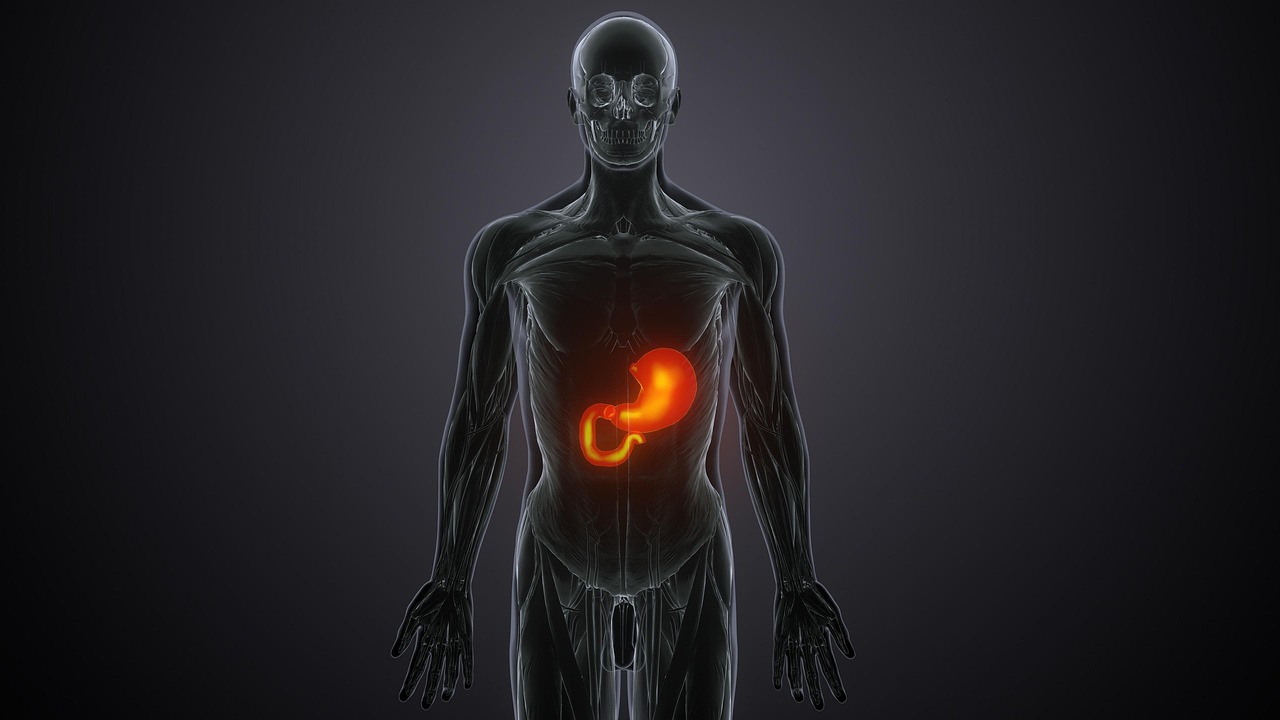
    Metabolic flexibility is emerging as a key marker of how well a person’s metabolism adapts to changing demands and fuel availability. It describes how efficiently the body can perform fuel switching between carbohydrates (glucose) and fats in different states such as feeding, fasting, and exercise.

    When fuel switching works well, insulin, mitochondria, and cellular energy systems stay in better balance, supporting long‑term metabolic health.

    What Is Metabolic Flexibility?

    Metabolic flexibility is the capacity of the body to switch between burning glucose and fat depending on what fuels are available and what the body needs at that moment.

    In a flexible state, the body increases carbohydrate oxidation after a meal and then shifts to fat oxidation during fasting or when carbohydrate intake is lower. This adaptability helps maintain stable energy and efficient nutrient handling.

    Fuel switching operates across a 24‑hour cycle. After eating, glucose becomes the primary fuel, especially for the brain and working muscles. Between meals and overnight, when insulin levels drop, the body draws more heavily on stored fat.

    A flexible metabolism transitions smoothly between these states, while a less flexible one tends to rely excessively on glucose and store more energy as fat.

    How Insulin and Mitochondria Shape Fuel Switching

    Insulin and mitochondria are central to metabolic flexibility. After a carbohydrate‑rich meal, insulin rises and signals cells to take up glucose, using it immediately for energy or storing it as glycogen. At the same time, insulin temporarily suppresses the release of fatty acids from fat tissue, shifting the system toward glucose use.

    As time passes after a meal and insulin levels fall, fat cells begin releasing fatty acids, and tissues increase fat oxidation. In a flexible system, this transition happens smoothly. Chronic high insulin levels and insulin resistance disrupt this rhythm, keeping the body stuck in glucose‑dominant mode and making it harder to tap into fat stores for fuel.

    Mitochondria, the cell’s energy‑producing structures, are where both glucose and fatty acids are oxidized to generate ATP.

    Healthy mitochondria can handle different fuel mixes, ramping up fatty acid oxidation during fasting and managing carbohydrate surges after meals without excessive metabolic stress. When mitochondrial function or number declines, fuel switching becomes less efficient, and excess fuel is more likely to be stored in tissues such as liver and muscle, which can promote insulin resistance.

    Why Metabolic Flexibility Matters for Health

    Metabolic flexibility sits at the intersection of insulin sensitivity, mitochondrial function, and long‑term cardiometabolic health.

    When fuel switching is intact, the body handles post‑meal blood sugar more effectively, reducing sharp spikes and insulin surges. Over time, this can ease the burden on the pancreas and help maintain healthier glucose control.

    Research associates metabolic inflexibility with conditions like insulin resistance, type 2 diabetes, obesity, and cardiovascular disease, according to Cleveland Clinic.

    Inflexible systems often show persistent reliance on glucose, difficulty increasing fat oxidation, and signs of mitochondrial overload or dysfunction. These patterns contribute to chronic low‑grade inflammation and the accumulation of fat in the liver and muscles, all of which raise long‑term disease risk.

    Signs of Poor Metabolic Flexibility

    Metabolic flexibility is often measured in research settings, but everyday signs can provide clues.

    Frequent energy crashes between meals, strong dependence on snacks, and intense cravings for refined carbohydrates may indicate trouble transitioning from glucose to fat as a fuel source. Feeling shaky, irritable, or unusually fatigued when meals are delayed can suggest similar issues.

    Physical and laboratory markers also offer hints. Central weight gain, elevated fasting glucose or insulin, high triglycerides, and low HDL cholesterol often cluster with impaired metabolic flexibility. While none of these signs are diagnostic on their own, together they can point to a metabolism that struggles with effective fuel switching.

    What Undermines Metabolic Flexibility?

    Modern lifestyles can make metabolic flexibility harder to maintain. Highly processed diets rich in refined carbohydrates and fats, frequent snacking, and low physical activity keep a constant influx of energy coming in.

    Under these conditions, insulin may remain elevated for long periods, leaving fewer opportunities for the body to shift back into fat‑burning mode between meals.

    Chronic overnutrition and sedentary behavior can overload mitochondria and promote fat storage in tissues not designed to store large amounts of lipid.

    Aging, poor sleep, and ongoing psychological stress can further reduce insulin sensitivity and alter hormonal balance. Over time, these influences accumulate and make fuel switching less responsive, reinforcing a state of metabolic inflexibility.

    How to Improve Metabolic Flexibility Safely

    Improving metabolic flexibility involves gradual, sustainable changes rather than extreme interventions, as per Mayo Clinic.

    A dietary pattern centered on minimally processed foods, adequate protein, healthy fats, and moderate amounts of carbohydrates supports more stable insulin responses. Setting defined meal times and limiting constant snacking allows the body to cycle naturally between periods of glucose use and fat use.

    Physical activity is one of the most effective tools for enhancing metabolic flexibility. Regular aerobic exercise, resistance training, and some higher‑intensity efforts increase mitochondrial density and capacity in muscles.

    As these adaptations build, muscles become better at using both fat and glucose, even at rest. Alongside movement, quality sleep, stress management, and limiting alcohol and tobacco use help maintain insulin sensitivity and healthier fuel switching.

    People with existing metabolic conditions or taking medications should consult a healthcare professional before major shifts in diet or fasting patterns. The aim is to train the metabolism toward greater metabolic flexibility through consistent routines that are realistic to maintain over the long term.

    Metabolic Flexibility: Training Metabolism for Better Fuel Switching

    Metabolic flexibility captures how well the body’s metabolism can shift between glucose and fat, under the guidance of insulin and powered by mitochondria.

    When this fuel switching works smoothly, the system handles meals, fasting periods, and physical activity with less strain, supporting steadier energy, healthier body composition, and lower long‑term disease risk.

    By focusing on nutrient‑dense foods, regular movement, structured meal timing, and restorative lifestyle habits, individuals can gradually nudge their metabolism toward better metabolic flexibility and more resilient fuel switching over time.

    Frequently Asked Questions

    1. Can someone be metabolically flexible and still have extra body fat?

    Yes. A person can carry extra body fat yet still show good metabolic flexibility, especially if they have good insulin sensitivity, move regularly, and maintain stable blood sugar.

    2. Does drinking coffee affect metabolic flexibility?

    Caffeine can temporarily increase fat oxidation and alertness, but its impact on long‑term metabolic flexibility depends more on overall diet, sleep, and activity than coffee itself.

    3. Is metabolic flexibility permanent once it improves?

    No. Metabolic flexibility is dynamic and can improve or decline over time, depending on ongoing habits like nutrition, physical activity, sleep, and stress management.

    4. Can someone have normal lab tests but still be metabolically inflexible?

    Yes. Standard lab tests may look normal while early signs of metabolic inflexibility, like energy crashes, cravings, or difficulty fasting, are already present, especially in the early stages.


    Source link

  • Does Skipping Meals Help You Lose Weight or Slow Metabolism? What You Need to Know

    Does Skipping Meals Help You Lose Weight or Slow Metabolism? What You Need to Know

    Skipping meals is often seen as a quick shortcut for weight loss because it reduces daily calorie intake. In the short term, it can create a calorie deficit, which is necessary for fat loss. However, the body doesn’t simply burn fat without consequences. When you skip meals, your system responds by adjusting energy use, hunger levels, and hormone balance. This can make weight management more complicated than it appears.

    While some people try to skip meals to lose weight, this habit may backfire over time. Hunger hormones can spike, leading to overeating later, while metabolism may slow down to conserve energy. Nutrition for weight loss is not just about eating less—it’s about eating smart. Sustainable fat loss requires consistency, balanced meals, and strategies that support both metabolism and overall health.

    Skipping Meals Metabolic Impact Short Long Term

    Skipping meals can negatively affect weight loss by triggering metabolic adaptation, where the body reduces energy expenditure to conserve calories. This means that even if you initially lose weight, your metabolism may slow down, making further fat loss more difficult. According to Banner Health, skipping meals can lead to reduced energy levels and a slower metabolism, which may counteract weight loss efforts over time.

    Another key issue is the disruption of hunger hormones, which directly affects fat loss and eating behavior. When you skip meals, ghrelin levels increase, making you feel hungrier, while leptin decreases, reducing satiety. This imbalance often leads to overeating later in the day, canceling out the calorie deficit. As a result, trying to skip meals to lose weight may create a cycle of restriction and overconsumption, making consistent fat loss harder to achieve.

    Skipping meals also contributes to muscle protein breakdown, especially when protein intake is inadequate. During long gaps without food, the body may use muscle tissue for energy, which reduces lean mass. Since muscle plays a major role in metabolism, losing it can slow calorie burning and impact long-term weight loss. This highlights why proper nutrition for weight loss should include regular meals with enough protein rather than relying on inconsistent eating patterns.

    Weight Loss Intermittent Fasting vs Continuous Deficit

    Intermittent fasting is a structured way to skip meals to lose weight, but it differs from random meal skipping because it follows a consistent schedule. Methods like the 16:8 approach limit eating to a specific time window, helping reduce calorie intake while still supporting fat loss.

    A continuous calorie deficit focuses on lowering daily intake in a steady, predictable way. This supports gradual weight loss while keeping energy levels stable. Based on a study conducted by the National Institutes of Health via PubMed, consistent calorie restriction can be effective for fat loss while reducing extreme metabolic adaptation.

    Both approaches can work, but consistency matters most. Unstructured skipping meals often leads to hunger and poor adherence. Nutrition for weight loss works best when it prioritizes balance, whether through intermittent fasting or regular meals.

    Nutrition for Weight Loss Sustainable Strategies Beyond Skipping

    Nutrition for weight loss is about building habits that support fat loss while protecting your metabolism. According to the National Institutes of Health, balanced nutrition and adequate energy intake are essential for maintaining metabolic health and preventing muscle loss. Instead of relying on skipping meals, focusing on sustainable strategies leads to better long-term results.

    • Protein Intake for Fat Loss and Muscle Preservation: Increasing protein intake supports fat loss by helping maintain muscle mass and improving satiety. Protein also has a higher thermic effect, meaning your body burns more calories digesting it compared to fats or carbohydrates. This makes it easier to stay in a calorie deficit without extreme restriction or skipping meals.
    • Diet Breaks and Refeed Periods for Metabolic Support: Using planned diet breaks helps prevent metabolic adaptation and keeps energy levels stable. Temporarily increasing calories to maintenance levels can restore hormone balance and support performance. This strategy allows your body to recover while still progressing toward weight loss goals.
    • Behavioral Consistency for Long-Term Success: Building consistent habits is key to sustainable nutrition for weight loss. Practices like meal planning, mindful eating, and food tracking improve adherence and reduce overeating. Instead of trying to skip meals to lose weight, focusing on routine makes fat loss more manageable and long-lasting.
    • Balanced Macronutrient Intake for Energy and Satiety: A proper balance of protein, carbohydrates, and fats supports steady energy levels and reduces cravings. Carbohydrates fuel daily activity, while healthy fats help regulate hormones linked to hunger. This balance improves adherence and makes it easier to maintain a consistent calorie deficit.
    • Meal Timing and Regular Eating Patterns: Eating at regular intervals helps regulate hunger hormones and prevents extreme hunger later in the day. Consistent meal timing can improve satiety and reduce the urge to overeat. This approach supports both fat loss and metabolic stability without the need to skip meals.

    Sustainable Fat Loss Framework Beyond Meal Skipping

    Skipping meals may seem like a simple way to lose weight, but it often creates more challenges than benefits in the long run. While it can lead to a short-term calorie deficit, it may also slow metabolism, increase hunger, and reduce muscle mass. These effects can make weight loss less predictable and harder to sustain.

    A more effective approach focuses on consistency, balanced nutrition, and realistic habits. By prioritizing protein intake, maintaining a steady calorie deficit, and avoiding extreme restriction, you can support long-term fat loss. Nutrition for weight loss works best when it aligns with your lifestyle, helping you achieve lasting results without compromising your health.

    Frequently Asked Questions

    1. Is skipping meals a good way to lose weight quickly?

    Skipping meals can reduce calorie intake, leading to short-term weight loss. However, it often increases hunger and may cause overeating later. This can cancel out the calorie deficit created earlier in the day. Sustainable weight loss usually works better with consistent eating patterns.

    2. Does skipping meals slow down metabolism?

    Yes, skipping meals can lead to metabolic adaptation over time. The body may reduce its energy expenditure to conserve calories. This makes it harder to continue losing weight. Maintaining regular meals helps support a stable metabolism.

    3. Is intermittent fasting better than skipping meals randomly?

    Intermittent fasting is more structured and can be more effective than random meal skipping. It provides a clear eating schedule that helps control calorie intake. Random skipping often leads to inconsistent results and overeating. Structure plays a key role in success.

    4. How can I lose fat without skipping meals?

    You can lose fat by creating a moderate calorie deficit through balanced meals. Focus on protein intake, portion control, and consistent eating habits. Regular meals help manage hunger and maintain energy levels. This approach supports long-term fat loss and better overall health.


    Source link

  • Joint-Friendly Workouts and Bone-Strengthening Exercises for a Faster Metabolism

    Joint-Friendly Workouts and Bone-Strengthening Exercises for a Faster Metabolism

    As people enter their 40s, the body begins to experience natural changes, muscle mass declines, metabolism slows, and bones lose density. This makes strength training over 40 an essential part of maintaining health, function, and vitality.

    By incorporating simple resistance workouts that emphasize proper form and joint protection, adults over 40 can safeguard their strength, prevent injuries, and support an active lifestyle well into later years.

    Why Strength Training Matters After 40

    Muscle loss, medically known as sarcopenia, typically starts around the mid-30s and accelerates with age. Without regular physical activity, adults can lose up to 5% of muscle mass per decade.

    This loss directly affects balance, strength, and everyday energy levels. Incorporating strength training over 40 helps counteract this process by stimulating muscle fibers and improving overall body composition.

    Unlike high-intensity workouts that can strain joints, well-planned resistance sessions promote metabolism boosting strength without excess wear and tear.

    Strength training also enhances hormone balance, supports cardiovascular health, and regulates blood sugar levels. These benefits go far beyond appearance, they contribute to long-term wellness and independence.

    Joint-Friendly Workouts for People Over 40

    As joints become more sensitive with age, it’s important to choose joint-friendly workouts that strengthen muscles while supporting mobility. These workouts focus on low-impact movements that minimize stress on the knees, shoulders, and back.

    Examples of joint-friendly workouts include:

    • Resistance band routines: Portable and easy to adjust, resistance bands allow a full range of motion without overloading joints.
    • Bodyweight exercises: Moves like wall push-ups, modified planks, and glute bridges offer strength improvements using natural resistance.
    • Swimming or water aerobics: The buoyancy of water reduces joint strain while still providing muscular resistance.
    • Yoga and Pilates: These improve flexibility, alignment, and awareness of joint positioning.

    Practicing proper warm-ups and controlled movement patterns prevents injury and ensures comfort during exercise.

    For those returning to fitness, starting with simple resistance training helps build foundational strength before progressing to weights or machines. Listening to the body’s signals, particularly in the knees, hips, and shoulders, is key to longevity in training.

    Exercises That Naturally Strengthen Bones

    Bone density declines gradually after age 40, particularly for women during and after menopause. To combat this, bone-strengthening exercises play an essential role in maintaining skeletal health. Weight-bearing and resistance-based movements help bones stay dense and resilient by stimulating bone cells known as osteoblasts.

    Proven bone-strengthening exercises include:

    • Squats and lunges: These activate large muscle groups in the legs and stimulate bone growth in the hips and spine.
    • Step-ups: Gentle impact combined with bodyweight resistance encourages bone adaptation in the lower body.
    • Dumbbell presses and rows: Strengthening the arms and shoulders also supports the upper back, maintaining good posture and reducing fracture risk.

    Unlike endurance-based activities, these movements create healthy microstress on bones, encouraging them to repair and rebuild. Combining these sessions with good nutrition, especially calcium and vitamin D, helps maximize results.

    Boosting Metabolism Through Strength Training

    As metabolism naturally slows with age, building and maintaining lean muscle becomes one of the most effective ways to keep it active, according to the World Health Organization. Each pound of muscle tissue burns more calories at rest than fat tissue, which means even small gains in muscle translate to noticeable increases in daily energy expenditure.

    Metabolism boosting strength workouts often include compound movements that work multiple muscle groups at once. Good examples are:

    • Push-ups or modified push-ups: Strengthen the chest, arms, and core simultaneously.
    • Deadlifts with proper form: Engage the lower back, glutes, and legs, leading to efficient calorie burning.
    • Planks and variations: Build core stability while engaging multiple major muscles.
    • Circuit training: Alternating between upper- and lower-body exercises with short rest periods elevates heart rate and keeps metabolism high even after a session ends.

    Combining strength training over 40 with quality sleep, balanced meals, and hydration further enhances metabolic health. Over time, this approach helps stabilize energy levels and makes it easier to maintain a healthy weight.

    A Beginner Routine for Simple Resistance Training Over 40

    Starting a new exercise routine at midlife doesn’t require complicated equipment or fitness memberships. A consistent simple resistance training plan performed two to three times per week can bring noticeable improvements in strength, flexibility, and confidence.

    A sample weekly program might include:

    Day 1 (Upper Body Focus):

    • Wall push-ups – 3 sets of 10–12 reps
    • Seated band rows – 3 sets of 12 reps
    • Dumbbell shoulder press – 2 sets of 10 reps
    • Biceps curls – 2 sets of 12 reps

    Day 2 (Lower Body Focus):

    • Bodyweight squats – 3 sets of 10 reps
    • Step-ups on a low platform – 3 sets of 12 reps
    • Glute bridges – 3 sets of 15 reps
    • Standing calf raises – 2 sets of 12 reps

    Day 3 (Full-Body Mobility and Core):

    • Plank holds – 3 sets of 20–30 seconds
    • Bird dogs – 3 sets of 10 reps each side
    • Gentle yoga or stretching – 15–20 minutes

    Proper form and posture are critical, especially for those just starting. Beginners should prioritize control and range of motion before focusing on weight or intensity.

    As endurance builds, light dumbbells or resistance bands can be added for progressive overload. Consulting a trainer or physical therapist ensures exercises are done safely, particularly for those with existing joint conditions or previous injuries, as per the Centers for Disease Control and Prevention.

    Mistakes to Avoid When Doing Strength Training Over 40

    Even experienced exercisers can make errors that hinder progress or increase injury risk. Common missteps include:

    • Skipping warm-ups and cooldowns: Cold muscles are prone to strain, while skipping stretching can limit flexibility over time.
    • Overtraining: Insufficient rest prevents muscle recovery and can cause chronic fatigue or joint inflammation.
    • Lifting too heavy too soon: Gradually increasing resistance is safer and more sustainable than sudden weight jumps.
    • Ignoring recovery: Adequate sleep, hydration, and nutrition play a direct role in muscle repair and joint support.

    Avoiding these pitfalls helps make joint-friendly workouts more sustainable for long-term consistency.

    Stay Strong and Active After 40

    Maintaining strength after 40 is less about chasing performance goals and more about building resilience that supports everyday life. Engaging in strength training over 40 helps preserve joint function, strengthens bones, and keeps metabolism high, all factors that directly contribute to quality of life.

    By incorporating joint-friendly workouts and bone-strengthening exercises, adults can remain active without discomfort or risk of injury. Consistent, simple resistance training routines bring gradual yet lasting improvements in posture, coordination, and muscle tone.

    The body may change with age, but its ability to adapt never truly fades. With practical strength sessions and mindful habits, staying strong, flexible, and energized at any age becomes not just possible, but entirely achievable.

    Frequently Asked Questions

    1. How long does it take to see results from strength training over 40?

    Visible results can appear within 6–8 weeks of consistent workouts, though strength and energy improvements often occur sooner. Progress depends on diet, sleep, and workout frequency.

    2. Can strength training over 40 help with weight management?

    Yes. Strength training builds lean muscle, which burns more calories at rest and supports healthy weight regulation even without intense cardio.

    3. Is it safe to lift weights daily after 40?

    Not recommended. Muscles and joints need rest to recover. Training 2–4 times per week with rest days in between helps prevent overuse and injury.

    4. Do I need supplements for strength training over 40?

    In most cases, a balanced diet provides sufficient nutrients, but supplements like protein, vitamin D, or calcium can help if dietary intake is low, always consult a healthcare provider first.


    Source link

  • Hidden Cameras Reveal Secrets of the Skinny; and how you can use these to double your metabolism!

    Hidden Cameras Reveal Secrets of the Skinny; and how you can use these to double your metabolism!

    Product Name: Hidden Cameras Reveal Secrets of the Skinny; and how you can use these to double your metabolism!

    Click here to get Hidden Cameras Reveal Secrets of the Skinny; and how you can use these to double your metabolism! at discounted price while it’s still available…

    All orders are protected by SSL encryption – the highest industry standard for online security from trusted vendors.

    Hidden Cameras Reveal Secrets of the Skinny; and how you can use these to double your metabolism! is backed with a 60 Day No Questions Asked Money Back Guarantee. If within the first 60 days of receipt you are not satisfied with Wake Up Lean™, you can request a refund by sending an email to the address given inside the product and we will immediately refund your entire purchase price, with no questions asked.

    (more…)

  • Boosting Your Metabolism Safely 

    Boosting Your Metabolism Safely 

    If you drink two cups of water, the adrenal hormone noradrenaline can surge in your bloodstream, similar to the response of smoking a few cigarettes or having a few cups of coffee.

    Given the 60 percent surge in noradrenaline within minutes of drinking just two cups of water, as shown in the graph below and at 0:13 in my video What Is the Safest Metabolism Booster?, might one be able to get the weight-loss benefits of noradrenaline-releasing drugs like ephedra—without the risks? You don’t know until you put it to the test. Published in the Journal of the Endocrine Society, the results were described as “uniquely spectacular.” Researchers found that drinking two cups of water increased the metabolic rate of men and women by 30 percent. The increase started within ten minutes and reached a maximum within an hour. In the 90 minutes after drinking one tall glass of water, the study participants burned about an extra 25 calories (100 kJ). Do that four times throughout the day, and you could eliminate 100 additional calories (400 kJ). That’s more than if you had taken ephedra! You’d trim off more calories drinking water than taking weight-loss doses of the banned substance ephedrine (the active component of ephedra) three times a day. And we’re just talking about plain, cheap, safe, and legal tap water.

    Using the Ten-Calorie Rule I’ve explained previously, drinking that much water could make us lose ten pounds over time unless we somehow compensated by eating more or moving less. Concluded one research team, “In essence, water drinking provides negative calories.

    A similar effect was found in overweight and obese children. Drinking about two cups of water led to a 25 percent increase in metabolic rate within 24 minutes, and it lasted at least 66 minutes, until the experiment ended. So, just getting the recommended daily “adequate intake” of water—about 7 cups (1.7 L) a day for children aged 4 through 8, and for ages 9 through 13, 8 cups (2.1 L) for girls and 10 cups (2.4 L) for boys, as shown below and at 1:45 in my video—may offer more than just hydration benefits. 

    Not all research teams were able to replicate these findings, though. For example, one found an increase of only about 10 to 20 percent, while another found only a 5 percent increase, and yet another team found effectively none at all. What we care about, though, is weight loss. The proof is in the pudding. Let’s test the waters, shall we?

    Some researchers suggest that the “increase in metabolic rate with water drinking could be systematically applied in the prevention of weight gain….” Talk about a safe, simple, side-effect-free solution. It’s free in every sense. Drug companies may spend billions of dollars getting a new drug to market. Surely a little could be spared to test something that, at the very least, couldn’t hurt. That’s the problem, though. Drinking water is a “cost-free intervention.”

    There are observational studies suggesting that those who drink four or more cups (1 L) of water a day, for example, appear to lose more weight, independent of confounding factors, such as drinking less soda or exercising more. What happens when you put it to the test?

    In 2013, “Effect of ‘Water Induced Thermogenesis’ on Body Weight, Body Mass Index and Body Composition of Overweight Subjects” was published. Fifty “overweight girls”—who were actually women, aged 18 to 23—“were instructed to drink 500 ml [2 cups] of water, three times a day, half an hour before breakfast, lunch, and dinner, which was over and above their daily water intake” and without otherwise changing their diets or physical activity. The result? They lost an average of three pounds (1.4 kg) in eight weeks. What happened to those in the control group? There was no control group, a fatal flaw for any weight-loss study due to the “Hawthorne effect,” where just knowing you’re being watched and weighed may subtly affect your behavior. Of course, we’re just talking about drinking water. With no downsides, why not give it a try? I’d feel more confident if there were some randomized, controlled trials to really put it to the test. Thankfully, there are!

    I hate it when the title ruins the suspense. “Water Consumption Increases Weight Loss During a Hypocaloric Diet Intervention in Middle-Aged and Older Adults.” Overweight and obese men and women randomized to two cups of water before each meal lost nearly five pounds more body fat in 12 weeks than those in the control group, as shown below and at 4:08 in my video. Both groups were put on the same calorie-restricted diet, but the one with the added water lost weight 44 percent faster.

    A similar randomized controlled trial found that about 1 in 4 in the water group lost more than 5 percent of their body weight compared to only 1 in 20 in the control group. The average weight-loss difference was only about three pounds (1.3 kg), but those who claimed to have actually complied with the three-times-a-day instructions lost about eight more pounds (4.3 kg) compared to those who only drank the extra water once a day or less. This is comparable to commercial weight-loss programs, like Weight Watchers, and all the participants did was drink some extra water. 

    The video I mentioned is The New Calories per Pound of Weight Loss Rule.

    If you missed my previous video, see The Effect of Drinking Water on Adrenal Hormones.

    For all the specifics, check out Optimizing Water Intake to Lose Weight, coming up next. 


    Source link

  • Boost Your Metabolism eBook

    Boost Your Metabolism eBook

    Product Name: Boost Your Metabolism eBook

    Click here to get Boost Your Metabolism eBook at discounted price while it’s still available…

    All orders are protected by SSL encryption – the highest industry standard for online security from trusted vendors.

    Boost Your Metabolism eBook is backed with a 60 Day No Questions Asked Money Back Guarantee. If within the first 60 days of receipt you are not satisfied with Wake Up Lean™, you can request a refund by sending an email to the address given inside the product and we will immediately refund your entire purchase price, with no questions asked.

    (more…)