Tag: Meat

  • The Link Between Breast Cancer and a Virus in Meat and Dairy

    The Link Between Breast Cancer and a Virus in Meat and Dairy

    Exposure to the bovine leukemia virus from meat and dairy (or a blood transfusion from those who eat meat or dairy) is a risk factor for cancer.

    In 2015, researchers in California found bovine leukemia virus (BLV) stitched into the DNA of human breast cancer tumors from mastectomies. The virus was found at much higher rates than in normal breast tissue obtained from breast reduction surgeries. Based on this difference, they calculated that as many as 37% of breast cancer cases may be attributable to exposure to BLV, likely through consuming milk or meat from infected animals.

    In response, the milk and meat industries seemed more concerned about consumer confidence than consumer cancer. But scientifically, the research priority turned to the question: Could the California results be replicated? The answer, it turns out, was yes. They were replicated among women in Iran. Replicated in Brazil. In Australia, the link was even stronger. In Texas, they found the same thing. Women diagnosed with breast cancer were found to be so much more likely to have bovine leukemia virus DNA in their breast tissue compared with women without cancer, that the attributable risk was calculated at 51.82%, indicating that this meat and dairy virus may be responsible for at least half of the breast cancer cases among the women in Texas they studied.

    All in all, six of the eight studies performed to date found the virus in human breast tissues, which “suggests strongly that BLV does infect humans, and breasts can be targets of infection.” Four of the five studies that compared infection rates in cancerous versus normal breast tissue found that the odds of detecting the virus in tumors were, on average, four times higher. How does that compare to other breast cancer risk factors? If you go on hormone replacement for five years, you can bump up your breast cancer risk by 30%. If you take birth control pills for more than a dozen years, your risk may go up by 40%. If you’re obese when you’re older, your risk can go up by 60%. Having a first-degree relative with breast cancer may double your risk. But having your breast infected with bovine leukemia virus may quadruple your risk, as you can see below and at 2:16 in my video Breast Cancer and the Bovine Leukemia Virus in Meat and Dairy.The only risk factors more potent than BLV infection were having the BRCA gene mutation, like Angelina Jolie has, or a high dose of ionizing radiation, like being in the wrong place at decidedly the wrong time, like Hiroshima and Nagasaki during World War II.
    Beyond confirmation, one study suggested that older patients had a greater likelihood of testing positive for bovine leukemia virus. That makes sense if BLV is from exposure to dairy and meat. The older we get, the more meals we’ve had—and the more opportunities to become infected over time. Researchers also discovered that the virus comes first, before the cancer diagnosis; they found it was present in some breast tissues 3 to 10 years before cancer was found. “This argues against the idea of viral invasion of already malignant cells,” quashing the theory that maybe the virus is somehow just attracted to the cancer after the fact. Could this explain the consistent findings that breast cancer tissue is more likely to harbor infection? Again, the data showed no — the virus appeared to come first. While the review doesn’t provide absolute proof that BLV is a cause of breast cancer, based on the best available balance of evidence, BLV infection does indeed appear to be a risk factor for breast cancer.

    The latest revelation is that BLV has now been found in human blood, too. This has a number of potential ramifications. Blood banks, for example, don’t screen for it. So, it’s possible you can get it from consuming meat or dairy, as well as from getting blood from someone who consumed meat or dairy. This could also mean that BLV could cause leukemia in people. It does in chimpanzees. Two infant chimps were fed milk from cows naturally infected with BLV, and both died of leukemia. We didn’t even know chimps could get leukemia. This certainly suggests the possibility of transmission or induction of leukemia through the ingestion of milk from BLV-infected cows, or blood-borne spread could carry the virus to other organs. In cattle, the virus causes blood cancers, but this may be just because dairy cattle are slaughtered and turned into hamburger when they are still so young, so maybe they don’t have time for tumors to grow in other organs.

    How concerned should we be about bovine leukemia virus? “It is not clear whether this is a good news story or a bad news story.” If future studies show that BLV does cause breast cancer in people, there will be significant repercussions for the dairy and cattle industries. But that means there is something we can do about it. Perhaps action should be taken now to eradicate the infection from cattle, rather than waiting for a final verdict. Twenty-one nations have already eradicated BLV from their dairy cattle. In contrast, the BLV prevalence in the United States just keeps increasing. If industries are not going to step up and try to eliminate the disease, then the least they could do is eliminate some of the practices that spread the disease between animals.

    BLV is spread via blood through contaminated needles, saw or gouge dehorners, ear taggers, hoof knives, tattoo pliers, nose tongs, and other tools of the agribusiness trade. Though “in view of the emerging information about BLV in human breast cancer, it is prudent to encourage the elimination of BLV in cattle, particularly in the dairy industry.” The hope is that, either way, it may help reduce the scourge of breast cancer.

    Doctor’s Note

    If you missed the previous video, see Bovine Leukemia Virus as a Cause of Breast Cancer.

    Avoiding infectious risks like BLV is another advantage of making meat without animals. See my video, The Human Health Effects of Cultivated Meat: Food Safety.


    Source link

  • A Cancer-Causing Contaminant in Meds and Meat

    A Cancer-Causing Contaminant in Meds and Meat

    Billion-dollar drugs have been pulled from the market for less carcinogenic contamination than is found in a single serving of grilled chicken.

    In 2018, one of the bestselling blood pressure drugs, valsartan—sold as Diovan—was found to be contaminated by the “probably carcinogenic” nitrosamine known as N-nitrosodimethylamine (NDMA). It’s believed that about 20 million people worldwide were prescribed the drug tainted with this contaminant, which has a cancer risk shown to exceed that of many known potent carcinogens, such as asbestos, PCBs, and benzo[a]pyrene.

    As I discuss in my video Cancer-Causing NDMA in Medications (Zantac, Metformin) and Meat, the U.S. Food and Drug Administration (FDA) estimated that taking the drug for a few years could cause cancer in as many as 1 in 8,000 people, whereas the European equivalent of the FDA estimated the cancer risk could be as high as 1 in 5,000. It is unlikely, researchers wrote in this 2019 paper, that drugs like valsartan are “a unique case.” And indeed, a few months later, the FDA announced it had found NDMA in ranitidine. Ranitidine, the acid reflux drug sold as Zantac, is one of the most prescribed drugs on the planet, in addition to being sold over the counter.

    Then in 2020, some formulations of metformin, a popular diabetes drug sold as Glucophage, were found to be contaminated. The finding of NDMA in common medicines led the FDA to call for the immediate withdrawal of all Zantac from store shelves, yanking the drug from the market because its testing showed NDMA levels could, in some circumstances, exceed the acceptable daily intake limit of 96 nanograms per day. It was so bad that the FDA found levels of this carcinogenic contaminant in Zantac are similar to the exposure levels you would experience if you ate grilled or smoked meats!

    Wait, what?

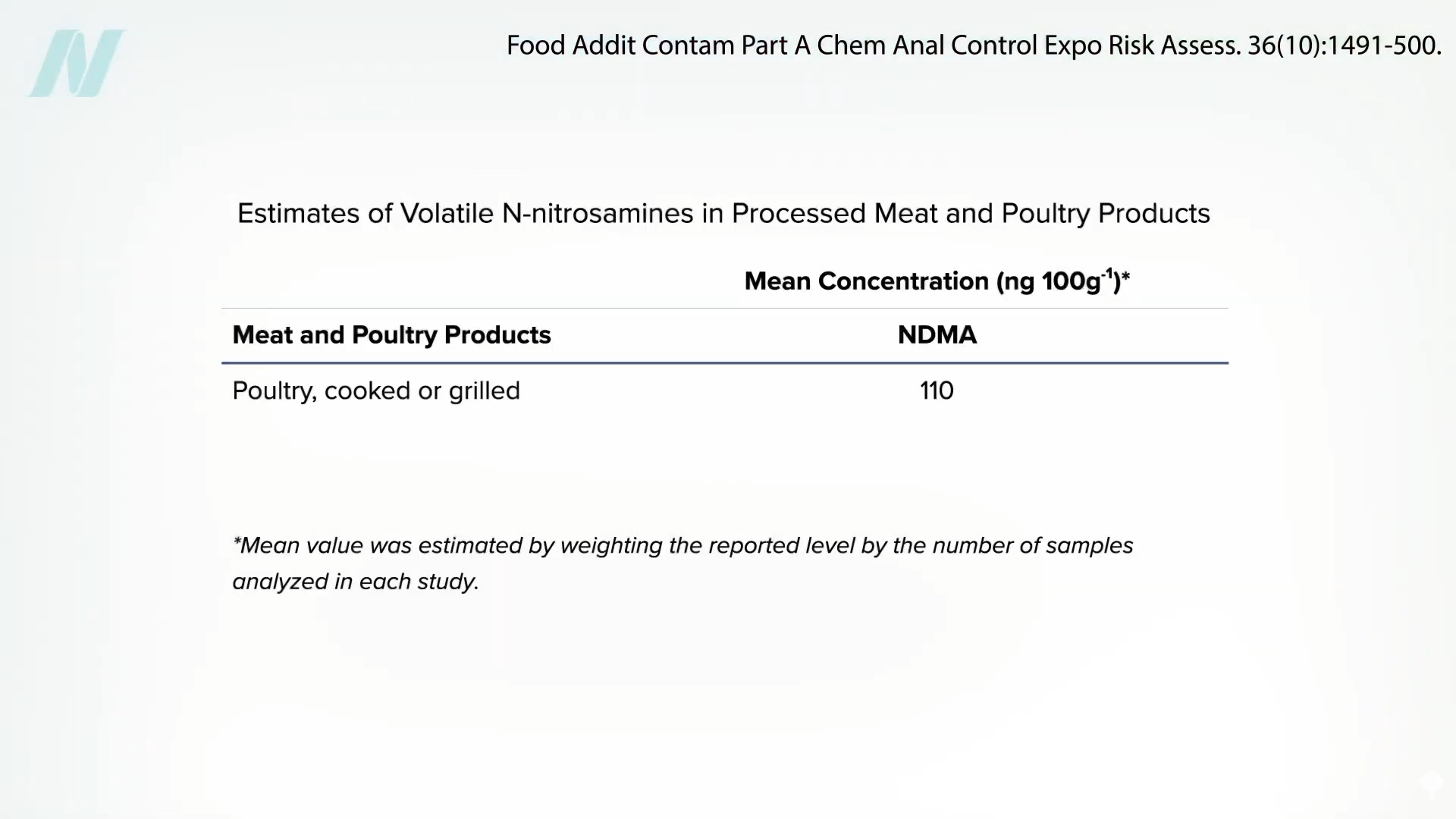
    NDMA has not only been found in contaminated drugs. It is a known byproduct of tire plants, pesticide manufacturing, and leather tanning, and it is found in food and beverages, including processed meat and beer. Now that we know NDMA can transfer through the placenta, this may explain the relationship between maternal cured meat consumption during pregnancy and the risk of childhood brain tumors. For example, eating hot dogs while pregnant may increase childhood brain tumor risk by 33%, and sausages by 44%. Bacon consumption may increase childhood brain tumor odds by 60 or 70%. But it’s not just processed meat. Researchers have found it in poultry products as well. A single serving of chicken contains more than 100 nanograms of NDMA, as you can see below and at 3:02 in my video.


    Remember how the FDA said the acceptable daily intake limit is 96 nanograms? Just half a chicken breast contains 110 nanograms.

    Now, raw poultry doesn’t have any NDMA; it comes from the cooking process. In fact, the dry-heat cooking of meat, like broiling or grilling, even creates airborne NDMA, releasing this very potent carcinogenic compound into the air. So, even if you’re getting a salad at a charcoal grill restaurant, just being indoors where meat is being grilled could be a significant cancer risk.

    Nitrosamines are also found in cigarette smoke, and pressure was put on the tobacco industry to try to remove them, arguing “there is simply no logical reason why a removable carcinogen should be allowed to remain in a consumer product….” That’s the same reason Zantac was yanked from store shelves.

    Okay, so let’s get this straight. Zantac—which is one of the best-selling drugs in history, bringing in billions of dollars—was pulled from the market because it contained a probable carcinogen that exceeded the acceptable daily limit, but there may be more of the contaminant in a single serving of chicken?! So, my question is: Why aren’t they pulling poultry off the shelves, too?

    Doctor’s Note

    NDMA is a nitrosamine, a class of carcinogens also found in processed meat. See, for example, How Much Cancer Does Lunch Meat Cause?.

    How can you make meat less cancer-causing? See Carcinogens in Meat.

    Is Organic Meat Less Carcinogenic? Check out the video to find out.

    Note: The article shown at minute 1:04 of the video I reference has since been retracted due to analytical artifact.


    Source link

  • Might Meat Trigger Parkinson’s Disease? 

    Might Meat Trigger Parkinson’s Disease? 

    What does the gut have to do with developing Parkinson’s disease?

    Parkinson’s disease is an ever-worsening neurodegenerative disorder that results in death and affects about 1 in 50 people as they get older. A small minority of cases are genetic, running in families, but 85% to 90% of cases are sporadic, meaning they seem to pop up out of nowhere. Parkinson’s is caused by the death of a certain kind of nerve cell in the brain. Once about 70% of them are gone, the symptoms start. What kills off those cells? It still isn’t completely clear, but the abnormal clumping of a protein called alpha-synuclein or α-synuclein is thought to be involved. Why? Researchers injected blended Parkinson’s brains into the heads of rats and monkeys, and Parkinson’s pathology and symptoms were induced. It can even happen when injecting just the pure, clumped α-synuclein strands themselves. How, though, do these clumps naturally end up in the brain?

    As I discuss in my video The Role Meat May Play in Triggering Parkinson’s Disease, it all seems to start in the gut. The part of the brain where the pathology often first appears is directly connected to the gut, and we have direct evidence of the spread of Parkinson’s pathology from the gastrointestinal (GI) tract to the brain: α-synuclein from brains of Parkinson’s patients is taken up in the gut wall and creeps up the vagal nerves from the gut into the brain—at least that was the case in rats. If only we could go back and look at people’s colons before they got Parkinson’s. Indeed, we can. Old colon biopsies from people who would later develop Parkinson’s were dredged up, and, years before symptoms arose, you could see the α-synuclein in their gut.

    Research supported by the Michael J. Fox Foundation has found that you can reliably distinguish the colons of patients from controls by the presence of this Parkinson’s protein lodged in the gut wall. But how did it get there in the first place? Are “vertebrate food products…a potential source of prion-like α-synuclein”? Indeed, nearly all the animals with backbones that we consume—cows, chickens, pigs, and fish—express the protein α-synuclein. So, when we eat common meat products, when we eat skeletal muscle, we’re eating nerves, blood cells, and the muscle cells themselves. Every pound of meat contains, on average, half a teaspoon of blood, and that alone could be an α-synuclein source to potentially trigger a clumping cascade of our own α-synuclein in the gut. Though “it may seem intuitive that dietary α-synuclein could seed aggregation in the gut,” this kind of buildup, what evidence do we have that it’s actually happening?

    We have some pretty interesting data. There’s a surgical procedure called a vagotomy, in which the big nerve that goes from our gut to our brain—the vagus nerve—is cut as an old-timey treatment for stomach ulcers. Would cutting communication between the gut and the brain reduce Parkinson’s risk? Apparently so, suggesting that the gut to brain’s vagal nerve may be critically involved in the development of Parkinson’s disease.

    Of course, “many people regularly consume meat and dairy products, but only a small fraction of the general population will develop PD,” Parkinson’s disease. So, there must be other factors at play that “may provide an opportunity for unwanted dietary α-synuclein to enter the host, and initiate disease.” For example, our gut becomes leakier as we age, so might that play a role? What else makes our gut leaky? “Dietary fiber deprivation has also been shown to degrade the intestinal barrier and enhance pathogen entry.” So, this raises “possibilities for food-based therapies.”

    Parkinson’s patients have significantly less Prevotella in their gut, a friendly fiber-eating flora that bolsters our intestinal barrier function. So, low levels of Prevotella are linked to a leaky gut, which has been linked to intestinal α-synuclein deposition, but fiber-rich foods may bring Prevotella levels back up. “Therefore, it is possible that by adopting a plant-based diet, in addition to the beneficial effects of phytonutrients, increasing overall fiber intake may modify gut microbiota and gut permeability [leakiness] in beneficial ways for people with PD.”

    So, does a vegan diet—one with lots of fiber and no meat—reduce risk for Parkinson’s? Parkinson’s “appears to be rare in quasi-vegan cultures,” with rates that are about five times lower in rural sub-Saharan Africa, for instance. All this time, we were thinking the benefits seen for Parkinson’s from plant-based diets were due to the antioxidants and anti-inflammatory nature of the animal-free diets, but maybe it’s also due to the increased intestinal exposure to fiber and decreased intestinal exposure to ingested nerves, muscles, and blood.

    Wasn’t that fascinating? For more on Parkinson’s, see the related posts below.


    Source link

  • Chemical Safety, Cultivated Meat, and Our Health 

    Chemical Safety, Cultivated Meat, and Our Health 

    More than 95 percent of human exposure to industrial pollutants like dioxins and PCBs comes from fish, other meat, and dairy.

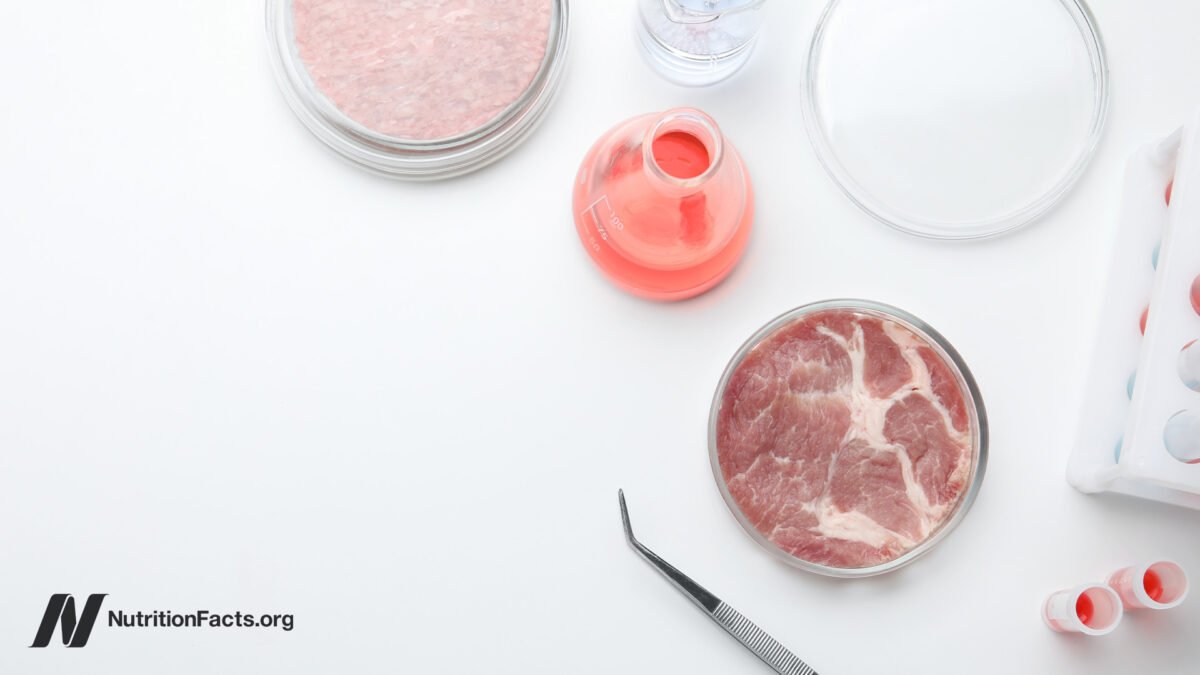
    By cultivating muscle meat directly, without associated organs like intestines, the incidence of foodborne diseases “could be significantly reduced,” as could exposure to antibiotics, “pesticides, arsenic, dioxins, and hormones associated with conventional meat.” Currently, the U.S. Food and Drug Administration has approved seven hormone drugs to bulk up the production of milk and meat. “In the European Union, there exists a total ban on such use,” however. Even without injected hormones, though, animal products naturally have hormones because they come from animals. “Eggs, example given, contribute more to the dietary intake of estradiol [estrogens] than beef, whether the animal is legally treated with hormones or not.” After all, eggs come straight from a hen’s ovaries, so, of course, they’re swimming with hormones. But if you’re directly growing just muscle meat or egg white protein, you don’t need to include reproductive organs, adrenal glands, or any of the associated hormones.

    “Chemical safety is another concern for meat produced under current production systems.” There are chemical toxicants and industrial pollutants that build up in the food chain, such as pesticides, PCBs, heavy metals, and flame retardants, but there is no food chain with cultivated meat. We could produce all the tuna we wanted, with zero mercury.

    When the World Health Organization determined that processed meat was a known human carcinogen and unprocessed meat a probable human carcinogen, it wasn’t even talking about the carcinogenic environmental pollutants. When researchers tested retail meat for the presence of “33 chemicals with calculated carcinogenic potential,” like polycyclic aromatic hydrocarbons (PAHs), organochlorine pesticides like DDT, and dioxin-like PCBs, they concluded that, in order to reduce the risk of cancer, we should limit beef, pork, or chicken consumption to a maximum of five servings a month.

    Why cultivate meat at all when you can just buy organic? Surprisingly, “consumption of organic meat does not diminish the carcinogenic potential associated with the intake of persistent organic pollutants (POPs).” A number of studies have recently compared the presence of environmental contaminants in organic meat versus conventional meat, and the researchers found, surprisingly, that organic meat was sometimes more contaminated. Not only organic beef either. Higher levels were also found in pork and poultry.

    If you look at the micropollutants and chemical residues in both organic and conventional meat, several environmental contaminants, including dioxins, PCBs, lead, and arsenic, were measured at significantly higher levels in the organic samples. As you can see below and at 2:56 in my video, The Human Health Effects of Cultivated Meat: Chemical Safety, the green is organic meat, and the blue is conventional. 

    Cooking helps to draw off some of the fat where the PCBs are concentrated, as shown here and at 3:01.

    Seafood seems to be an exception. Steaming, for example, generally increases contaminant levels, increasing contaminant exposure and concentrating mercury levels as much as 47 percent, as you can see here and at 3:15 in my video. Better not to have toxic buildup in the first place.

    More than 95 percent of human exposure to industrial pollutants like dioxins and PCBs comes from foods like meat, including fatty fish, and dairy, but the pollutants don’t appear magically. The only way the chicken, fish, and other meat lead to human exposure is because the animals themselves built up a lifetime of exposure in our polluted world, from incinerators, power plants, sewer sludge, and on and on, as you can see here and at 3:40 in my video.

    Unlike conventional meat production, a slaughter-free harvest would not only mean no more infected animals, but no more contaminated animals either. In terms of pollutants, it would be like taking a time machine back before the Industrial Revolution.

    Doctor’s Note:

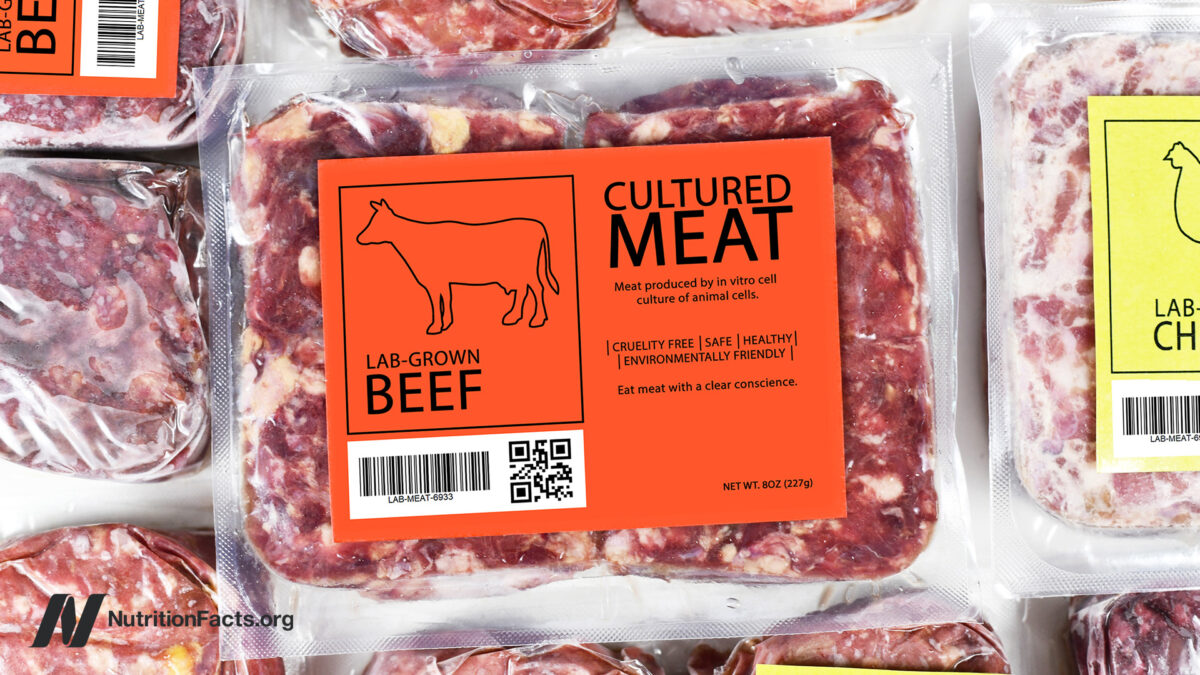
    Cultivated meat means less contamination with fecal residues, toxic pollutants, antibiotics, and hormones; up to 99 percent less environmental impact; and zero pandemic risk. Cultivated meat allows people to have their meat and eat it, too, without affecting the rest of us.

    This is the final video in this cultivated meat series. If you missed the first two, check out the videos on Food Safety and Antibiotic Resistance.

    I previously did a video series on plant-based meats; see the related posts below.

    All videos in the plant-based meat series are also available in a digital download from a webinar I did. SeeThe Human Health Implications of Plant-Based and Cultivated Meat for Pandemic Prevention and Climate Mitigation.


    Source link

  • Antibiotic Resistance, Cultivated Meat, and Our Health 

    Antibiotic Resistance, Cultivated Meat, and Our Health 

    Medically important antibiotics are being squandered by animal agriculture to compensate for typical factory farming practices.

    Cultivating muscle meat directly from cells instead of raising and slaughtering animals would reduce the risk of foodborne illnesses “due to fecal contamination during slaughtering and evisceration of carcasses” because there would be no feces, no slaughter, and no carcasses to eviscerate. In addition, cultivating meat would also reduce the threat from antibiotic resistance.

    To compensate for overcrowded, stressful, and unhygienic conditions on factory farms, animals are typically dosed en masse with antibiotics. A lot of antibiotics. About 20 million pounds of medically important antibiotics a year, as you can see here and at 0:57 in my video, The Human Health Effects of Cultivated Meat: Antibiotic Resistance

    In the United States, for example, farm animals are given about 2 million pounds of penicillin drugs and 15 million pounds of tetracyclines annually. This is madness. 

    Antibiotic drugs important to human medicine go right into the feed and water of animals like cows, pigs, and chickens, by the ton and by the thousands of tons, as shown below and at 1:02 in my video. And that is all without a prescription.

    Ninety-seven percent of the tens of millions of pounds of antibiotics given to farm animals in the United States are bought over the counter—without a prescription or even an order from a veterinarian, as seen here and a 1:24. To get even a few milligrams of penicillin, we need a doctor’s prescription, because these are miracle wonder drugs that can’t be squandered. Meanwhile, farmers can just back their trucks up to the feedstore. 

    Now, half the Salmonella in retail meat—chicken, turkey, beef, and pork—is resistant to tetracycline, as shown below and at 1:50 in my video. About a quarter of the bugs are now resistant to three or more entire classes of antibiotics, including some resistant to “cephalosporins such as ceftriaxone [which] are critically important drugs we use to treat severe Salmonella infections, especially in children.” 

    Such agricultural applications for antimicrobials are now considered an “urgent threat to human health.” “The link between antibiotic use in animals and antibiotic resistance in humans is unequivocal.”

    As shown here and at 2:20 in my video, it all starts with the poop. 

    Antibiotic-resistant bugs are selected for and then can spread via meat or produce contaminated by poop or they can spread through the wind, the air, or the water, or be carried by insects. There are many pathways by which resistant superbugs can escape. So, even if you don’t eat meat, you can be “put at risk by the pathogens released from stressed, immunocompromised, contaminant-filled livestock” dosed with antibiotics. That’s one of the reasons the American Public Health Association called for a moratorium on factory farms, due in part to all the pollution from concentrated animal feed operations (CAFOs) to the surrounding communities. 

    Every year, more than five tons of animal manure are produced for every man, woman, and child in the United States. Again, it all starts with the poop. But cultivated meat means no guts, no poop, no fecal infections, and no antibiotics necessary. It also means no fecal or antibiotic residues left in “foodstuffs such as milk, egg, and meat” that can potentially cause a variety of side effects beyond just the transfer of antibiotic-resistant bacteria to humans.

    And, as you can see here and at 3:30 in my video, things are getting worse, not better. U.S. animal agriculture is using more antibiotics now than ever.

    This isn’t only because more animals are being raised for food, either. Antibiotic sales in the United States are outpacing meat production. Yes, meat production is going up, but there is a serious rise in antibiotic sales for meat production, as shown below and at 3:46.

    With the combined might of Big Ag and Big Pharma (who profit from selling all the drugs), it’s hard to imagine anything changing on the political side. The only hope may be a change in the production side.

    “The unstoppable rise of super-resistant strains of bacteria is a serious worldwide problem, resulting in 700 000 deaths every year,” and the projections for global antibiotic use in the production of farm animals are “ominous,” estimated to exceed 100,000 tons of antibiotics pumped into animals raised for food by 2030. Quite simply, we may be “on the path to untreatable infections” by using even some of our “last resort antibiotics,” like carbapenems, just to shave a few cents off a pound of meat.

    And it’s not just foodborne bacteria. Mad cow disease, swine flu, and bird flu have the potential to kill millions of people. Skeptical? I’ve got a book for you to read, whose author’s “superb storytelling ability makes every page of the book interesting and fascinating for both specialist and layperson.” (Thanks, Virology Journal, for the wonderful book review and calling my book “a must read.”)

    Given the threat of the chickens coming home to roost, an editorial in the American Journal of Public Health thought that “it is curious, therefore, that changing the way humans treat animals—most basically, ceasing to eat them or, at the very least, radically limiting the quantity of them that are eaten—is largely off the radar as a significant preventative measure. Such a change, if sufficiently adopted or imposed, could still reduce the chances of the much-feared influenza epidemic…Yet humanity does not consider this option.”

    That may be moot, though, because we could cultivate all the chicken we want, without guts or lungs.

    It’s hard to stress the importance of that American Journal of Public Health editorial. As devastating as COVID-19 has been, it may just be a dress rehearsal for an even greater threat waiting in the wings—the wings of chickens.

    According to the Centers for Disease Control and Prevention, the leading candidate for the next pandemic is a bird flu virus known as H7N9, which is a hundred times deadlier than COVID-19. Instead of 1 in 250 patients dying, H7N9 has killed 40 percent of the people it infects.

    The last time a bird flu virus jumped directly to humans and caused a pandemic, it triggered the deadliest plague in human history—the 1918 pandemic that killed 50 million people. That had a 2 percent death rate. What if we had a pandemic infecting billions where death was closer to a flip of a coin?

    The good news is that there is something we can do about it. Just as eliminating the exotic animal trade and live animal markets may go a long way toward preventing the next coronavirus pandemic, reforming the way we raise domestic animals for food may help forestall the next killer flu. The bottom line is that it’s not worth risking the lives of millions of people for the sake of cheaper chicken.

    If you missed the previous video, see The Human Health Effects of Cultivated Meat: Food Safety. Up next is The Human Health Effects of Cultivated Meat: Chemical Safety


    Source link

  • Food Safety and Cultivated Meat 

    Food Safety and Cultivated Meat 

    What are the direct health implications of making clean meat—that is, meat without animals?

    In a 1932 article in Popular Mechanics entitled “Fifty Years Hence,” Winston Churchill predicted that we would one day “escape the absurdity of growing a whole chicken in order to eat the breast or wing, by growing these parts separately under a suitable medium.” Indeed, growing meat straight from muscle cells could reduce greenhouse gas emissions by as much as 96 percent, lower water usage by as much as 96 percent, and lower land usage by 99 percent.

    If we are to avoid dangerous climate change by the middle of the century, global meat consumption simply cannot continue to rise at the current rate. And there have certainly been initiatives like Meatless Mondays to try to get people to cut down, but so far, “they do not appear to be contributing in any significant way to the translation of the idea of eating less meat into the mainstream.” So, “in the light of people’s continued desire to eat meat, it seems the problems associated with consumption are unlikely to be fully resolved by attitude change. Instead, they must be addressed from an alternate perspective: changing the product.”

    From an environmental standpoint, it seems like a slam dunk. From an animal welfare standpoint, it could get rid of factory farms and slaughter plants for good, and I wouldn’t have to stumble across articles like this in the scientific literature: “Discerning Pig Screams in Production Environments.” I mean, what more do we need to know about modern animal agriculture than the fact that, “in recent years, a number of so-called…‘ag-gag’ laws have been proposed and passed…across the USA,” banning undercover photographing or videotaping inside such operations to keep us all in the dark.

    What about the human health implications of cultivated meat? I get the animal welfare, environment, and food security benefits, but what about “the potential for cultured meat to have health/safety benefits to individual consumers”? Nutritionally, the most important advantage is being able to swap out the type the fat. Right now, producers are growing straight muscle tissue, so it could be marbled with something less harmful than animal fat, though, of course, there’s still animal protein.

    When it comes to health, the biggest, clearest advantage is food safety, reducing the risk of foodborne pathogens. There has been a sixfold increase in food poisoning over the last few decades, with tens of millions “sickened annually by infected food in the United States alone,” including hundreds of thousands of hospitalizations and thousands of annual deaths. Contaminated meats and other animal products are the most common cause.

    When the cultivated meat industry calls its products clean meat, that’s not just a nod to clean energy. Food-poisoning pathogens like E. coli, Campylobacter, and Salmonella are fecal bacteria. They are a result of fecal contamination. They’re intestinal bugs, so we don’t have to worry about them if we’re making meat without the intestines.

    Yes, there are all sorts of “methods to remove visible fecal contamination” in slaughter plants these days and even experimental imaging technologies designed to detect more “diluted fecal contaminations,” but we are still left at the retail level with about 10 percent of chicken contaminated with Salmonella and 40 percent of retail chicken contaminated with Campylobacter. What’s more, most poultry and about half of retail ground beef and pork chops are contaminated with E. coli, an indicator of fecal residue, as shown here and at 3:47 in my video The Human Health Effects of Cultivated Meat: Food Safety. We don’t have to cook the crap out of cultivated meat, though, because there isn’t any crap to begin with.

    Doctor’s Note:

    This is the first in a three-video series on cultivated meat. Stay tuned for The Human Health Effects of Cultivated Meat: Antibiotic Resistance and The Human Health Effects of Cultivated Meat: Chemical Safety.

    I previously did a video series on plant-based meats. Check them in the related posts below.

    The videos are also all available in a digital download from a webinar I did: The Human Health Implications of Plant-Based and Cultivated Meat for Pandemic Prevention and Climate Mitigation.


    Source link

  • Does Processed Meat Affect Our Lung Function? 

    Does Processed Meat Affect Our Lung Function? 

    If the nitrites in foods like ham and bacon cause lung damage, what about “uncured” meat with “no nitrites added”?

    “Recently, the World Health Organization (WHO) classified processed meat as carcinogenic to humans.” Also known as cured meat, such as bacon, ham, hot dogs, lunch meat, and sausage, processed meat is definitively cancer-causing. What’s more, “high processed meat consumption has also been associated with increased risk of all-cause mortality”—that is, dying prematurely from all causes put together—“and is a risk factor for several major chronic diseases, such as type 2 diabetes, coronary heart disease, and stroke.” What about lung issues like asthma?

    As I discuss in my video Does Processed Meat Affect Our Lung Function?, nitrites are added to processed meats as preservatives to preserve their pink hue (so the meat products don’t turn gray), keep them less rancid-tasting, and prevent the growth of diseases like botulism. But, if that same sodium nitrite is put into the drinking water of lab animals, they develop emphysema. Nearly all of them develop emphysema. That was the extent of the scientific knowledge we had on the subject going into 2007, then this study was published: “Cured Meat Consumption, Lung Function, and Chronic Obstructive Pulmonary Disease Among United States Adults.” It found that frequent consumption of cured meat is associated with an increased risk of people developing diseases like emphysema, a form of chronic obstructive pulmonary disease (COPD). As you can see below and at 1:32 in my video, eating it every other day appeared to triple the odds of severe COPD. 

    Since it was a snapshot-in-time study, we don’t know which came first, the sausage or the COPD. For that, we need prospective studies that follow people over time, and the big twin Harvard studies in women and men both found that “the risk of newly diagnosed COPD increased with a greater consumption of cured meats after adjustment for many important confounders.” 

    We now have studies involving hundreds of thousands of people showing that higher consumption of processed meat is associated with a 40 percent increased risk of COPD. It comes out to about an 8 percent higher risk of COPD for each hot dog eaten in a week or each weekly breakfast link sausage. What is going on?

    Yes, there are advanced glycation end-products (AGEs), so-called glycotoxins that “occur naturally in meat and are formed through heat processing,” that may be pro-inflammatory, as well as saturated fat that can also trigger inflammation in the airways. And there’s the high salt content that can present a potential risk for lung inflammation, and the suggestion that processed meat intake may increase systemic inflammation in general. However, the reason attention has focused on the nitrites is because nitrites themselves may be “one of the mechanisms by which tobacco smoke causes COPD” and other diseases like emphysema. “Cured meats are the principal source of dietary nitrites,” but “nitrites are also byproducts of tobacco smoke.” One of the main constituents in cigarettes, besides carbon monoxide and nicotine, are nitrogen oxides that are converted in the lungs to nitrites.

    The way nitrites appear to cause lung damage is by affecting connective tissue proteins like collagen and elastin, which are what help keep the airspaces in our lungs open. But nitrite can modify these proteins in ways that “mimic age-related damage, including elastin fragmentation.”

    With that much lung injury, it’s logical to assume that processed meat consumption could also exacerbate the disease of those who already have it. And, indeed, cured meat consumption increases the risk of people with COPD ending back in the hospital; those eating more cured meat on average have about twice the risk of readmission. It appears the more you eat, the worse it is, as seen here and at 3:56 in my video.

    “Regarding lung health, processed meat intake has been associated with a likely increased risk of lung cancer, decline in lung function and chronic obstructive pulmonary diseases (COPD),” but what about asthma? High consumption of processed meat has also been “associated with higher asthma symptoms.” 

    We know that “higher maternal intake of meat before pregnancy may increase the risk of wheezing” in her children later on, based on a study of more than a thousand mother-child pairs. (And we aren’t talking about aspirating meat into our lungs and getting misdiagnosed with asthma.) In fact, “those who ate the most cured meats were 76% more likely to experience worsening asthma than those who ate the least.” Since obesity is a likely risk factor for asthma, might meat’s influence be indirect, by contributing to weight gain? That may be a small part of it, but the main effect appears to be direct, “suggesting a deleterious role of cured meat independent of BMI,” body mass index, a weight measurement. Put all the studies together, and “processed meat intake appears to be an important target for primary prevention of adult asthma.”

    Even if you don’t have any lung issues, processed meat consumption was negatively associated with measures of normal lung function, while fruit and vegetable consumption and dietary total antioxidant capacity were associated with better lung function.

    Can we just eat all-natural, uncured hot dogs, with “NO NITRATES OR NITRITES ADDED,” like these see here and at 5:35 in my video

    If you use a magnifying glass and peer at the small print, it says “except those naturally occurring in sea salt and cultured celery juice.”

    See, to avoid saying “added nitrites,” food manufacturers may add something that has a lot of nitrates, like celery, and also bacteria, “a starter culture to convert the nitrate to nitrite.” So, nitrites are being added and consumers are being duped.

    The European Union doesn’t allow this kind of consumer fraud and “considers the use of plant extracts containing high levels of nitrate with an intended technological purpose of preservation to be a deliberate use of a food additive,” and manufacturers must explicitly label their products as “containing nitrate or nitrite.” You can’t even call it natural. “In the European Union, ‘natural’ claims are also not permitted….”

    When Consumer Reports put it to the test, it found the nitrite levels in all the products were essentially the same, so “‘no nitrites’ doesn’t mean no nitrites.” Consumer Reports and the Center for Science in the Public Interest have petitioned the U.S. Food Safety and Inspection Service of the Department of Agriculture to stop this misleading practice. Nitrites are nitrites, and “their chemical composition is absolutely the same, and so are the health effects.”

    Yes, processed meat is a known carcinogen, but How Much Cancer Does Lunch Meat Cause? 

    I have many videos on both nitrites and nitrates. I know it can be confusing, so be sure to check them out. 


    Source link

  • How Healthy Are the Impossible Burger and Beyond Meat vs. Beef? 

    How Healthy Are the Impossible Burger and Beyond Meat vs. Beef? 

    What happens when you compare the trans fats, saturated fat, sodium, and cholesterol levels in plant-based meats versus animal-based burgers? 

    Global meat production has skyrocketed over the last half-century. As you can see below and at 0:20 in my video Are Beyond Meat and the Impossible Burger Healthy?, pork and poultry meat now exceed 100 megatons—that’s 100 million tons—a year, and “our growing demand for meat and dairy food products is unsustainable.” 

    “Anti-consumption and/or reduction of meat and animal by-products are arguably the most impactful ways in which consumers can alter their diets to positively impact individual and societal well-being.” Interest in plant-based diets and meat reduction is definitely growing, but even something like Meatless Mondays “requires dietary change and neither sustainability nor health approaches are likely to work with those who have strong positive beliefs about meat eating.” However, swapping in plant-based meat alternatives “may help disrupt the negativity around reducing meat.” For hardcore meat eaters, though, the substitutes have to taste like meat and look like meat.

    It’s interesting. The more people consume meat substitutes, the less likely they are to care that they have similar tastes, textures, appearances, or smells of meat, as you can see here and at 1:04 in my video

    But for plant-based alternatives to appeal to those who need them, the meatier, the better. This has certainly been accomplished with the spate of new plant-based products on the market, and study after study after study agree that they’re healthier for the planet. Are they healthier for us, too?

    As you can see below and at 1:30 in my video, when the labels of beef, Impossible, and Beyond burgers were compared and four of the worst components of the food supply—trans fats, saturated fat, sodium, and cholesterol—were assessed, the plant-based burgers won hands down when it came to trans fat and cholesterol. We all know that trans fats are “a serious risk factor to cardiovascular disease, cancer, and diabetes,” but they’ve also been associated with symptoms of depression, a lowering of testosterone in men (even at just 1 percent of calories), as well as linked to “a greater risk of developing all-cause dementia and Alzheimer disease.” Indeed, higher levels of trans fat in our blood are associated with up to a 50 percent higher risk of developing dementia, including Alzheimer’s. 

    Now that partially hydrogenated oils have been phased out of the food supply in the United States, for example, the only major source of trans fats that remains will be animal products.

    What is the tolerable upper daily intake level for trans fat? An upper limit was not set for trans fat by the Institute of Medicine (IOM) “because any incremental increase in trans fatty acid intake increases CHD risk,” and coronary heart disease is the number one killer of men and women. That is, any intake of trans fat above zero “increases LDL cholesterol.”

    Because trans fatty acids are unavoidable in diets that contain meat and dairy, consuming zero trans fat “would require significant changes in patterns of dietary intake.” One of the authors of the Institute of Medicine’s report is from the Harvard School of Public Health’s nutrition department and offered a memorable explanation for why the IOM panel did not cap it at zero: “‘We can’t tell people to stop eating all meat and all dairy products,’ he said. ‘Well, we could tell people to become vegetarians,’ he added. ‘If we were truly basing this only on science we would, but it is a bit extreme.’” (We wouldn’t want scientists to base anything on science…)

    Anyway, plant-based meats being trans-fat-free is a big advantage, and, of course, they’re free of cholesterol, hormones, and antibiotics, and have not been designated as “probable human carcinogens” by the World Health Organization, as you can see here and at 3:30 in my video

    Now, I’m not happy with the plant-based burgers’ added salt, which is about a quarter of the American Heart Association’s 1,500-mg daily upper sodium limit, or their saturated fat (from added coconut oil), but those do seem to be outliers. In the largest study of the nutritional value of plant-based meats to date, saturated fat levels of similar products only average about 2 grams per serving, which is much better than the animal-based equivalents. Sodium remains a problem throughout the sector, though, like nearly any other processed food out there, as seen here and at 4:03 in my video

    How processed are these products? Let’s look at the fiber content, for example. Seeing any fiber in a burger is a good thing, but if we ate the same amount of protein from yellow peas, for example, the primary plant protein in Beyond Burger, there would be almost no saturated fat or sodium at all, and we’d get a full 20 grams of fiber, as seen here and at 4:25 in my video

    Processing plants in a processing plant can eliminate 90 percent of the fiber, but processing plants through animals eliminate 100 percent of the fiber.

    As the chair of Harvard’s nutrition department put it, “Nutrition policies and dietary guidelines should continue to emphasize a diet rich in plant-based foods such as nuts, seeds, and legumes or pulses, which are rich in protein and many other nutrients but require little industrial processing.” But we shouldn’t let the perfect be the enemy of the good. Not everyone can go all kale and quinoa overnight. The choice on a U.S. Burger King menu isn’t between a beef Whopper and soybeans (a primary ingredient in the Impossible patty), but between a beef Whopper and an Impossible Whopper, and in that case, it’s a no-brainer.

    If you missed the first video in this series on plant-based meats, see The Environmental Impacts of Plant-Based Meat Substitutes.

    Stay tuned and check more videos in the related posts below.

    For a healthful, whole-food veggie burger, check out my recipe for Black Bean Burgers from my first cookbook


    Source link

  • Man’s Hands Seemingly Turn Yellow After Only Eating Butter, Cheese and Meat in Viral ‘Carnivore Diet’

    Man’s Hands Seemingly Turn Yellow After Only Eating Butter, Cheese and Meat in Viral ‘Carnivore Diet’

    A Florida man had to be treated for yellow nodules in his skin which were emanating ooze following eight months of being on a “carnivore diet” where he exclusively ate meat and dairy.

    The man in his mid-40s checked himself into a Tampa hospital after yellowish nodules on the palms of his hands, elbows and the soles of his feet began oozing liquid. He continued to explain to doctors that he had been following a “carnivore diet” for the past eight months, consuming entire sticks of butter, 6-9 pounds of cheese and hamburger patties daily.

    “A diagnosis of xanthelasma was made. This case highlights the impact of dietary patterns on lipid levels and the importance of managing hypercholesterolemia to prevent complications,” says the case report published in JAMA Network.

    The carnivore diet encourages followers to consume only animal products, including meat, dairy and eggs. The man insisted that the diet had improved his health, allowing him to lose weight and improving his energy levels. However, the man’s cholesterol levels were incredibly high, at 1,000 mg/dL. Normal cholesterol levels are at under 200mg/dL.

    The authors of the study noted that the case “highlights the impact of dietary patterns on lipid levels and the importance of managing hypercholesterolemia to prevent complications.”

    Originally published by Latin Times.

    Source link

  • New Meat Preserving and Curing Guide! Off The Chart Conversion Rates!

    New Meat Preserving and Curing Guide! Off The Chart Conversion Rates!

    Product Name: New Meat Preserving and Curing Guide! Off The Chart Conversion Rates!

    Click here to get New Meat Preserving and Curing Guide! Off The Chart Conversion Rates! at discounted price while it’s still available…

    All orders are protected by SSL encryption – the highest industry standard for online security from trusted vendors.

    New Meat Preserving and Curing Guide! Off The Chart Conversion Rates! is backed with a 60 Day No Questions Asked Money Back Guarantee. If within the first 60 days of receipt you are not satisfied with Wake Up Lean™, you can request a refund by sending an email to the address given inside the product and we will immediately refund your entire purchase price, with no questions asked.

    (more…)