
Tag: Meals

  • Does Skipping Meals Help You Lose Weight or Slow Metabolism? What You Need to Know

    Does Skipping Meals Help You Lose Weight or Slow Metabolism? What You Need to Know

    Skipping meals is often seen as a quick shortcut for weight loss because it reduces daily calorie intake. In the short term, it can create a calorie deficit, which is necessary for fat loss. However, the body doesn’t simply burn fat without consequences. When you skip meals, your system responds by adjusting energy use, hunger levels, and hormone balance. This can make weight management more complicated than it appears.

    While some people try to skip meals to lose weight, this habit may backfire over time. Hunger hormones can spike, leading to overeating later, while metabolism may slow down to conserve energy. Nutrition for weight loss is not just about eating less—it’s about eating smart. Sustainable fat loss requires consistency, balanced meals, and strategies that support both metabolism and overall health.

    Skipping Meals Metabolic Impact Short Long Term

    Skipping meals can negatively affect weight loss by triggering metabolic adaptation, where the body reduces energy expenditure to conserve calories. This means that even if you initially lose weight, your metabolism may slow down, making further fat loss more difficult. According to Banner Health, skipping meals can lead to reduced energy levels and a slower metabolism, which may counteract weight loss efforts over time.

    Another key issue is the disruption of hunger hormones, which directly affects fat loss and eating behavior. When you skip meals, ghrelin levels increase, making you feel hungrier, while leptin decreases, reducing satiety. This imbalance often leads to overeating later in the day, canceling out the calorie deficit. As a result, trying to skip meals to lose weight may create a cycle of restriction and overconsumption, making consistent fat loss harder to achieve.

    Skipping meals also contributes to muscle protein breakdown, especially when protein intake is inadequate. During long gaps without food, the body may use muscle tissue for energy, which reduces lean mass. Since muscle plays a major role in metabolism, losing it can slow calorie burning and impact long-term weight loss. This highlights why proper nutrition for weight loss should include regular meals with enough protein rather than relying on inconsistent eating patterns.

    Weight Loss Intermittent Fasting vs Continuous Deficit

    Intermittent fasting is a structured way to skip meals to lose weight, but it differs from random meal skipping because it follows a consistent schedule. Methods like the 16:8 approach limit eating to a specific time window, helping reduce calorie intake while still supporting fat loss.

    A continuous calorie deficit focuses on lowering daily intake in a steady, predictable way. This supports gradual weight loss while keeping energy levels stable. Based on a study conducted by the National Institutes of Health via PubMed, consistent calorie restriction can be effective for fat loss while reducing extreme metabolic adaptation.

    Both approaches can work, but consistency matters most. Unstructured skipping meals often leads to hunger and poor adherence. Nutrition for weight loss works best when it prioritizes balance, whether through intermittent fasting or regular meals.

    Nutrition for Weight Loss Sustainable Strategies Beyond Skipping

    Nutrition for weight loss is about building habits that support fat loss while protecting your metabolism. According to the National Institutes of Health, balanced nutrition and adequate energy intake are essential for maintaining metabolic health and preventing muscle loss. Instead of relying on skipping meals, focusing on sustainable strategies leads to better long-term results.

    • Protein Intake for Fat Loss and Muscle Preservation: Increasing protein intake supports fat loss by helping maintain muscle mass and improving satiety. Protein also has a higher thermic effect, meaning your body burns more calories digesting it compared to fats or carbohydrates. This makes it easier to stay in a calorie deficit without extreme restriction or skipping meals.
    • Diet Breaks and Refeed Periods for Metabolic Support: Using planned diet breaks helps prevent metabolic adaptation and keeps energy levels stable. Temporarily increasing calories to maintenance levels can restore hormone balance and support performance. This strategy allows your body to recover while still progressing toward weight loss goals.
    • Behavioral Consistency for Long-Term Success: Building consistent habits is key to sustainable nutrition for weight loss. Practices like meal planning, mindful eating, and food tracking improve adherence and reduce overeating. Instead of trying to skip meals to lose weight, focusing on routine makes fat loss more manageable and long-lasting.
    • Balanced Macronutrient Intake for Energy and Satiety: A proper balance of protein, carbohydrates, and fats supports steady energy levels and reduces cravings. Carbohydrates fuel daily activity, while healthy fats help regulate hormones linked to hunger. This balance improves adherence and makes it easier to maintain a consistent calorie deficit.
    • Meal Timing and Regular Eating Patterns: Eating at regular intervals helps regulate hunger hormones and prevents extreme hunger later in the day. Consistent meal timing can improve satiety and reduce the urge to overeat. This approach supports both fat loss and metabolic stability without the need to skip meals.

    Sustainable Fat Loss Framework Beyond Meal Skipping

    Skipping meals may seem like a simple way to lose weight, but it often creates more challenges than benefits in the long run. While it can lead to a short-term calorie deficit, it may also slow metabolism, increase hunger, and reduce muscle mass. These effects can make weight loss less predictable and harder to sustain.

    A more effective approach focuses on consistency, balanced nutrition, and realistic habits. By prioritizing protein intake, maintaining a steady calorie deficit, and avoiding extreme restriction, you can support long-term fat loss. Nutrition for weight loss works best when it aligns with your lifestyle, helping you achieve lasting results without compromising your health.

    Frequently Asked Questions

    1. Is skipping meals a good way to lose weight quickly?

    Skipping meals can reduce calorie intake, leading to short-term weight loss. However, it often increases hunger and may cause overeating later. This can cancel out the calorie deficit created earlier in the day. Sustainable weight loss usually works better with consistent eating patterns.

    2. Does skipping meals slow down metabolism?

    Yes, skipping meals can lead to metabolic adaptation over time. The body may reduce its energy expenditure to conserve calories. This makes it harder to continue losing weight. Maintaining regular meals helps support a stable metabolism.

    3. Is intermittent fasting better than skipping meals randomly?

    Intermittent fasting is more structured and can be more effective than random meal skipping. It provides a clear eating schedule that helps control calorie intake. Random skipping often leads to inconsistent results and overeating. Structure plays a key role in success.

    4. How can I lose fat without skipping meals?

    You can lose fat by creating a moderate calorie deficit through balanced meals. Focus on protein intake, portion control, and consistent eating habits. Regular meals help manage hunger and maintain energy levels. This approach supports long-term fat loss and better overall health.


    Source link

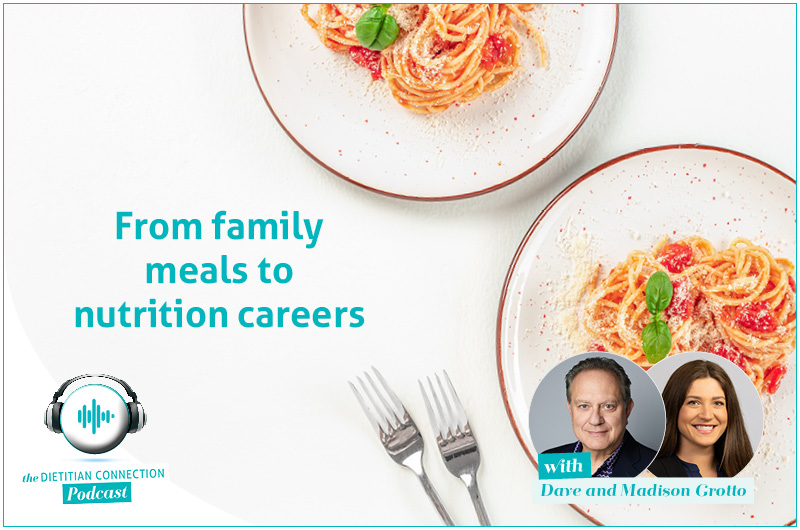
  • From family meals to nutrition careers

    From family meals to nutrition careers

    David Grotto, MS, RDN, LDN, FAND entered the world of food and nutrition when he was 14 years old working in the natural foods business and eventually owning and operating his own business. After experiencing a life lesson in the dangers of sharing nutrition misinformation, he attended the University of Illinois at Chicago, earning a degree in medical dietetics and nutrition. As an entrepreneur, Dave desired to share the importance of business acumen with other aspiring dietitians which led him to pursuing a master’s degree in nutrition and wellness entrepreneurship and a teaching position at Benedictine University. Early on, Dave discovered he had a knack for storytelling and hosted the radio show, Let’s Talk Health, Chicago, and television show, Health & Lifestyles, Weekly. He used his communication abilities to serve his profession and the public by becoming a national media spokesperson for the Academy of Nutrition and Dietetics and generated millions of media impressions.  As an acclaimed author, Dave wrote, 101 Foods That Could Save Your Life, which has been published in nineteen languages; 101 Optimal Life Foods; and The Best Things You Can Eat, a compendium of top foods for everything from Aches to Zzzzz. Having worked in the K-12 nutrition space for more than 10 years as a Sr. Manager of Wellbeing and Regulatory at Kellanova, Dave’s passion for inspiring children to be brave and adventurous eaters has led him to writing his first children’s book and Amazon “Hot New Release”, The Girls Who Lived in the Refrigerator!

    Source link

  • Doctors Pushed HIV Meds On Patients in Exchange For Lavish Meals, Trips, and Cash: Prosecutors

    Doctors Pushed HIV Meds On Patients in Exchange For Lavish Meals, Trips, and Cash: Prosecutors

    A pharmaceutical company that allegedly paid doctors kickbacks to push their HIV/AIDS drugs has agreed to pay a fine of more than $200 million to settle a civil lawsuit filed by federal prosecutors.

    The government alleged that Gilead had induced doctors to prescribe a slew of HIV/AIDS drugs in exchange for honoraria payments, meals, and travel expenses to healthcare practitioners. Prosecutors said the company created a scheme where healthcare practitioners who spoke at or attended Gilead speaker events, and used the events as a a way to deliver kickbacks.

    “For years, Gilead unlawfully sought to increase sales of its HIV drugs, by using its speaker programs to funnel kickbacks to doctors. As alleged, Gilead spent tens of millions of dollars on these programs, including over $20 million in speaking fees and millions more in exorbitant meals, alcohol and travel, all in an effort to induce doctors to prescribe Gilead’s HIV drugs and drive up sales,” U.S. Attorney Jay Clayton said.

    “With this settlement, Gilead has taken responsibility for its conduct and agreed to pay a significant financial penalty. The message is clear, companies that illegally drain taxpayer dollars from federal healthcare programs will be held accountable,” he said.

    The government also alleged that the scheme led to false claims for the Gilead HIV Drugs being submitted to and paid for by federal healthcare programs. Because of this, more than $176 million of the fine will go as compensation to the government, with the remainder being distributed to several states.

    One HIV speaker, who received over $300,000 in total honorarium payments, wrote prescriptions for Gilead HIV Drugs that resulted in over $6 million in Medicare, Medicaid, and TRICARE payments.

    The Gilead HIV antiretroviral drugs are expensive, with Medicare paying more than $1,000 for a one-month supply of Complera®, for example. From 2011 to November 2017, the company conducted HIV speaker programs, ostensibly for educational purposes.

    However, prosecutors say many of the events had little educational value and that Gilead would invite the same physicians over and over to the same program. The events were often held at fancy restaurants in New York including at James Beard House, Del Posto, Asiate, Palma, Vaucluse, Ilili, and Limani.

    Other desirable locations for the events included Hawaii, Miami, and New Orleans. Prosecutors noted that sometimes the location was selected in response to an HIV speaker’s request to be booked for a program in that city.

    Originally published on Lawyer Herald

    Source link

  • Craving Sugary Treat After Meals? Here’s Why You Always Have Room For Dessert

    Craving Sugary Treat After Meals? Here’s Why You Always Have Room For Dessert

    Do you ever find yourself craving something sweet even after a big meal? Or wonder how you still have room for dessert despite feeling full? Researchers now suggest that the phenomenon known as “dessert stomach” is linked to the brain.

    In a recent study, researchers investigated the phenomenon in mice and found that they ate sugar even when they were full. While analyzing the brains, they discovered that a group of nerve cells called POMC neurons triggered the craving for sugar.

    When the mice ate sugar, these neurons released ß-endorphin, a natural opiate that made them feel rewarded and caused them to eat more, even if they were full. This effect was specific to sugar, not other foods. When the researchers blocked this pathway, the mice stopped eating extra sugar, but only when they were full. The inhibition of the ß-endorphin did not affect the hungry mice.

    The researchers also found that the activation of endorphins began even before the mice started eating sugar, as soon as they sensed it. Interestingly, the opiate was also released in the brains of mice that had never eaten sugar before.

    “As soon as the first sugar solution entered the mice’s mouths, ß-endorphin was released in the “dessert stomach region”, which was further strengthened by additional sugar consumption,” the researchers explained.

    When a similar trial was conducted in humans, researchers used brain scans on volunteers after they received a sugar solution through a tube. They found that the same region of the brain responded to sugar in humans where there are many opiate receptors close to satiety neurons.

    “From an evolutionary perspective, this makes sense: sugar is rare in nature but provides quick energy. The brain is programmed to control the intake of sugar whenever it is available,” explained Henning Fenselau, research group leader at the Max Planck Institute for Metabolism Research and head of the study.

    The researchers hope their findings could be valuable for treating obesity. “There are already drugs that block opiate receptors in the brain, but the weight loss is less than with appetite-suppressant injections. We believe that a combination with them or with other therapies could be very useful. However, we need to investigate this further,” Fenselau added.

    Source link

  • 250 Vegan Recipes – Easy, Healthy, and Delicious Plant-Based Meals for Every Occasion – 250 Plant Based Vegan Recipes

    250 Vegan Recipes – Easy, Healthy, and Delicious Plant-Based Meals for Every Occasion – 250 Plant Based Vegan Recipes

    Product Name: 250 Vegan Recipes – Easy, Healthy, and Delicious Plant-Based Meals for Every Occasion – 250 Plant Based Vegan Recipes

    Click here to get 250 Vegan Recipes – Easy, Healthy, and Delicious Plant-Based Meals for Every Occasion – 250 Plant Based Vegan Recipes at discounted price while it’s still available…

    All orders are protected by SSL encryption – the highest industry standard for online security from trusted vendors.

    250 Vegan Recipes – Easy, Healthy, and Delicious Plant-Based Meals for Every Occasion – 250 Plant Based Vegan Recipes is backed with a 60 Day No Questions Asked Money Back Guarantee. If within the first 60 days of receipt you are not satisfied with Wake Up Lean™, you can request a refund by sending an email to the address given inside the product and we will immediately refund your entire purchase price, with no questions asked.

    (more…)

  • 500 Keto Diet Recipes – Easy, Delicious, and Healthy Low-Carb Meals for Weight Loss – 500 Keto Recipes

    500 Keto Diet Recipes – Easy, Delicious, and Healthy Low-Carb Meals for Weight Loss – 500 Keto Recipes

    Product Name: 500 Keto Diet Recipes – Easy, Delicious, and Healthy Low-Carb Meals for Weight Loss – 500 Keto Recipes

    Click here to get 500 Keto Diet Recipes – Easy, Delicious, and Healthy Low-Carb Meals for Weight Loss – 500 Keto Recipes at discounted price while it’s still available…

    All orders are protected by SSL encryption – the highest industry standard for online security from trusted vendors.

    500 Keto Diet Recipes – Easy, Delicious, and Healthy Low-Carb Meals for Weight Loss – 500 Keto Recipes is backed with a 60 Day No Questions Asked Money Back Guarantee. If within the first 60 days of receipt you are not satisfied with Wake Up Lean™, you can request a refund by sending an email to the address given inside the product and we will immediately refund your entire purchase price, with no questions asked.

    (more…)

  • Hot Cocoa, Green Tea With Fatty Meals May Combat Negative Effects Of Stress: Study

    Hot Cocoa, Green Tea With Fatty Meals May Combat Negative Effects Of Stress: Study

    Do you crave fatty foods during stress? While this is natural, adding hot cocoa or green tea to your meals might help. A recent study found that these flavonoid-rich drinks can counteract the negative effects of stress, even after eating a fatty meal.

    The latest study published in the journal Food and Function investigated how flavanols, when consumed with fat, can help reduce the negative effects of fat on stress-related problems in endothelial function.

    “We know that when people are stressed, they tend to gravitate towards high-fat foods. We have previously shown that fatty food can impair the body’s vascular recovery from stress. In this study, we wanted to see if adding a high-flavanol food to the fatty meal would alleviate the negative impact of stress in the body” said leading author Dr. Catarina Rendeiro in a news release.

    The study looked at 23 young, healthy males and females who were given a breakfast of two butter croissants with cheese and milk, followed by either a high-flavanol cocoa drink or a low-flavanol cocoa drink.

    After resting, the participants took a mental math test, which increased in difficulty over eight minutes, with incorrect answers flagged. The test is designed to create stress in participants like a scenario that would cause stress in their daily lives.

    The researchers measured the participants’ blood flow in the forearm, heart rate, blood pressure, and oxygen levels in the prefrontal cortex ( anterior frontal lobe of the brain) during the test and while at rest. Using Brachial Flow-mediated Dilatation (FMD) tests, the researchers also assessed the blood vessel functions of the participants that would predict cardiovascular disease risk.

    The results showed that those participants who consumed low-flavanol drinks had reduced vascular function, which lasted around 90 minutes even after the stressful event.

    Meanwhile, the results of FMD tests were significantly higher in those who had high-flavanol cocoa compared to low-flavanol cocoa 30 and 90 minutes after the stressful period. FMD tests indicate how much the brachial artery widens when blood flow increases, so a higher value indicates lesser heart disease risk.

    “This research shows that drinking or eating food high in flavanols can be used as a strategy to mitigate some of the impact of poorer food choices on the vascular system. This can help us make more informed decisions about what we eat and drink during stressful periods,” added Dr. Rendeiro.

    Source link

  • Fast Fat Burning Meals Cookbook – Paleo, Vegan, Real Food Recipes

    Fast Fat Burning Meals Cookbook – Paleo, Vegan, Real Food Recipes

    Product Name: Fast Fat Burning Meals Cookbook – Paleo, Vegan, Real Food Recipes

    Click here to get Fast Fat Burning Meals Cookbook – Paleo, Vegan, Real Food Recipes at discounted price while it’s still available…

    All orders are protected by SSL encryption – the highest industry standard for online security from trusted vendors.

    Fast Fat Burning Meals Cookbook – Paleo, Vegan, Real Food Recipes is backed with a 60 Day No Questions Asked Money Back Guarantee. If within the first 60 days of receipt you are not satisfied with Wake Up Lean™, you can request a refund by sending an email to the address given inside the product and we will immediately refund your entire purchase price, with no questions asked.

    (more…)