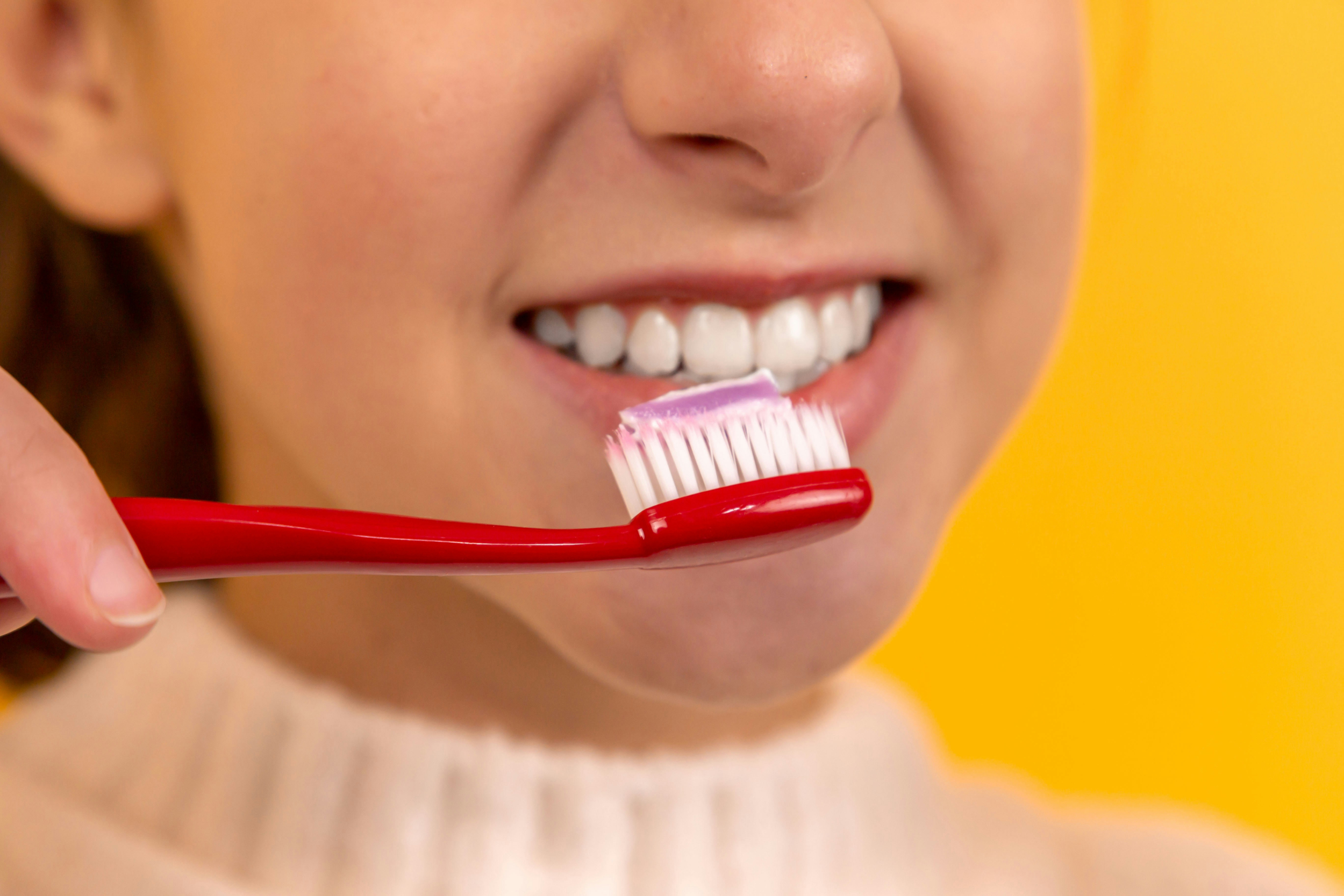
A new toothpaste developed by German researchers is gaining attention for its different approach to gum disease care. Instead of using broad antimicrobial ingredients that wipe out many bacteria in the mouth, this formula is designed to target harmful microbes linked to periodontitis while preserving beneficial bacteria. That shift may help improve oral microbiome health while still supporting daily brushing routines.
Traditional oral care products often focus on killing bacteria as widely as possible. While that can reduce harmful germs, it may also disturb the natural balance of the mouth. This new direction in periodontitis treatment aims to reduce damage caused by bad bacteria like Porphyromonas gingivalis while helping good bacteria remain active for better gum disease prevention.
New Toothpaste: Targeted Pathogen Inhibition Mechanism
The science behind this new toothpaste centers on selective action. Instead of sterilizing the mouth, it uses targeted pathogen inhibition to interfere with harmful bacteria associated with periodontitis. That means microbes tied to inflammation and gum tissue damage may lose their ability to thrive, while beneficial bacteria can continue supporting normal oral balance.
According to ScienceDaily, researchers from Fraunhofer developed a compound that blocks disease-causing bacteria without harming healthy microbes in the mouth. Their work led to toothpaste products through PerioTrap Pharmaceuticals, a spin-off focused on microbiome-friendly oral care. This approach may reduce the rebound effect sometimes seen after aggressive antibacterial rinses.
For consumers, that could mean a brushing product that supports fresher breath, cleaner teeth, and healthier gums while respecting the mouth’s natural ecosystem. As awareness grows around oral microbiome health, more people are looking for products that balance effectiveness with gentler long-term care.
Gum Disease: Traditional Treatments vs Microbiome-Friendly Alternatives
Gum disease treatment has long relied on professional cleanings, scaling and root planing, and antiseptic rinses. These methods can be effective, especially when infection is advanced. However, some chemical rinses may remove both harmful and beneficial bacteria, creating a temporary imbalance in the oral environment.
Based on information from the CDC, gum disease ranges from gingivitis to more severe periodontitis, which can lead to bone loss and tooth loss if not managed. Good oral hygiene and regular dental visits remain essential parts of prevention and treatment.
That is why microbiome-friendly toothpaste options are attracting interest. Rather than replacing professional dental care, they may serve as an added daily tool that supports healthier plaque control. Keeping beneficial bacteria present may also help reduce inflammation triggers and encourage a more stable oral environment between dental visits.
Periodontitis Treatment: Clinical Evidence and Product Availability
The future of periodontitis treatment may involve products that work with the body instead of against it. Researchers studying oral microbiomes have found that some toothpaste formulas can shift bacterial communities toward healthier patterns when used consistently.
Based on a clinical study available through PerioTrap, participants using microbiome-supportive toothpaste showed measurable changes in oral bacteria associated with better gum health. These findings suggest that brushing products can influence microbial balance, not just surface cleanliness.
Products linked to Fraunhofer IZI PerioTrap have entered parts of the European market, with wider availability expected to depend on regulatory approvals and distribution plans. As more evidence emerges, consumers may see more options focused on preserving beneficial bacteria while controlling pathogens such as Porphyromonas gingivalis.
Additional Information About New Toothpaste for Gum Disease
New research around microbiome-friendly oral care gives readers useful context beyond the main story. These added sections can strengthen the article by explaining practical benefits, risks, and what users should know before trying a new toothpaste.
- Who May Benefit Most From New Toothpaste: People with early signs of gum disease, bleeding gums, recurring plaque buildup, or sensitivity may benefit from a formula that targets harmful bacteria without disrupting healthy microbes. It may also help those looking for gentler long-term oral care.
- How to Use New Toothpaste for Best Results: Brush twice daily using the new toothpaste and maintain regular flossing habits for better gum disease prevention. Consistent use is often necessary to support oral microbiome balance over time.
- What Makes It Different From Regular Toothpaste: Traditional toothpaste often focuses on cleaning, whitening, or broad antibacterial action. A microbiome-friendly toothpaste is designed to support oral microbiome health while selectively addressing harmful bacteria.
- When to See a Dentist for Gum Disease: If symptoms like bleeding gums, swelling, bad breath, loose teeth, or gum recession continue, professional care is important. Toothpaste can help daily care, but advanced periodontitis treatment usually requires dental treatment.
- Possible Long-Term Benefits of Oral Microbiome Health: A balanced oral microbiome may help lower inflammation, reduce plaque buildup, and improve gum comfort. Supporting healthy bacteria may also reduce the chance of recurring gum issues.
- Can New Toothpaste Replace Dental Treatments?: No toothpaste can fully replace professional cleanings or deep cleaning procedures for severe gum disease. It works best as a supportive product alongside dentist-recommended care.
- How Fraunhofer IZI PerioTrap Stands Out: Fraunhofer IZI PerioTrap products focus on targeted pathogen inhibition, aiming to control bacteria like Porphyromonas gingivalis while preserving beneficial species. This approach differs from older broad-spectrum methods.
- What to Expect After Switching Toothpaste: Some users may notice fresher breath, less gum irritation, or cleaner-feeling teeth after regular use. Results vary depending on oral hygiene habits and the severity of existing gum problems.
Revolutionize Gum Disease Prevention With Microbiome-Friendly Toothpaste
Daily brushing habits are changing as science learns more about the oral microbiome. A new toothpaste that targets harmful bacteria while preserving healthy ones may offer a smarter route to gum disease prevention. Instead of creating imbalance, it aims to support a naturally healthier mouth.
While no toothpaste replaces regular dental checkups or professional treatment, microbiome-focused products could become valuable additions to home care. For people concerned about bleeding gums, recurring plaque, or long-term oral microbiome health, this new category may represent one of the most promising advances in modern oral hygiene.
Frequently Asked Questions
1. How does new toothpaste help gum disease?
This new toothpaste is designed to target harmful bacteria connected to gum disease instead of killing all bacteria in the mouth. That selective action may help maintain a healthier microbial balance. Good bacteria can continue supporting normal oral conditions. It may become a useful tool alongside brushing and flossing.
2. Can toothpaste cure periodontitis?
Toothpaste alone cannot cure advanced periodontitis treatment needs. Severe gum disease often requires professional dental cleaning, deep cleaning, or specialist care. However, the right toothpaste may support gum health between visits. It can be part of a complete treatment plan.
3. Why is oral microbiome health important?
The mouth contains helpful bacteria that assist in maintaining balance and resisting harmful microbes. If that balance is disrupted, inflammation and plaque problems may increase. Strong oral microbiome health may help reduce gum issues over time. It also supports overall oral comfort and cleanliness.
4. Is microbiome-friendly toothpaste safe for daily use?
Many microbiome-friendly toothpaste products are created for regular brushing use. Safety depends on ingredients, manufacturer standards, and local approvals. It is wise to follow label directions and ask a dentist if you have sensitive gums or dental concerns. Choosing reputable brands is always recommended.