Tag: Kids

  • Growing Pains in Kids and How to Spot Benign Night Leg Aches and Recognize Red Flag Signs to Call the Doctor

    Growing Pains in Kids and How to Spot Benign Night Leg Aches and Recognize Red Flag Signs to Call the Doctor

    Growing pains are a common reason children complain of leg pain at night, and they can be distressing for caregivers to witness. In many cases, these benign night leg aches are harmless, but knowing how to recognize their typical pattern and the red‑flag signs to call the doctor helps adults decide when reassurance is enough and when medical advice is needed.

    Understanding growing pains allows families to respond calmly while remaining alert to symptoms that may suggest something more serious.

    What Are Growing Pains in Children?

    Growing pains, often referred to as benign nocturnal limb pains, describe a pattern of leg pain occurring in otherwise healthy children.

    These pains are considered benign because they are not associated with damage to the bones or joints and do not interfere with normal growth. They most commonly affect children between about 3 and 12 years of age, with many cases appearing in the preschool and early school years.

    What Do Growing Pains Feel Like?

    Children with growing pains usually report a dull ache or throbbing sensation deep in the legs. The discomfort typically affects the calves, shins, thighs, or the area behind the knees rather than the joints themselves.

    Benign night leg aches often involve both legs or alternate sides from one episode to another, which is a typical feature. The pain usually appears late in the day, in the evening, or during the night and often resolves by morning, leaving the child pain-free during the day.

    Caregivers often find that gentle massage, stretching, or warm compresses ease the discomfort and help the child settle back to sleep.

    Children with growing pains can run, play, and participate in their usual daytime activities without a limp or persistent stiffness. This combination of night-time pain with normal function the next day is one of the most important clues that the pain is likely benign.

    At What Age Do Growing Pains Usually Start?

    Growing pains usually begin in early childhood. Many children first experience symptoms between ages 3 and 5, and some have a second phase between ages 8 and 12.

    Not every child has benign night leg aches, and those who do may experience them intermittently over several months or years. Pain-free intervals are common, and the pattern tends to be episodic rather than constant.

    Are Night-Time Leg Aches in Children Normal?

    Night-time leg pain can be alarming, but growing pains are one of the most frequent causes of recurrent leg aches in otherwise healthy children. In this context, benign night leg aches are generally considered a normal variation rather than a sign of disease.

    Are Growing Pains Normal in Children?

    For many children, growing pains are a normal part of development and are not a marker of arthritis, joint damage, or abnormal growth. Despite the name, they are not directly caused by bone stretching.

    They may relate to muscle fatigue, overuse after active days, or a heightened sensitivity to pain in some children. The key point is that the child is otherwise well and active, according to Cleveland Clinic.

    Why Do a Child’s Legs Hurt at Night but Are Fine by Morning?

    A hallmark of benign night leg aches is the timing: pain appears when the child is resting or asleep and disappears by morning. The child can walk and play normally the next day without limp or weakness.

    This pattern distinguishes growing pains from many other conditions, which tend to cause pain or stiffness in the morning, during activity, or throughout the day.

    How to Tell If It’s Really “Benign” Growing Pains

    Recognizing the typical pattern of growing pains helps caregivers decide when reassurance is reasonable and when medical input is needed.

    Typical Features of Benign Night Leg Aches

    Typical signs that point toward benign growing pains include:

    • Pain in the muscles of the legs rather than in the joints
    • Involvement of both legs or alternating sides
    • Episodes occurring in the late afternoon, evening, or at night
    • Pain-free periods in between episodes
    • Relief with massage, stretching, warmth, or cuddling
    • Normal walking, running, and playing during the day

    When most of these features are present, the pain is more likely to represent growing pains than a more serious condition.

    How Can Caregivers Tell If Leg Pain Is Serious?

    Leg pain that does not fit the classic pattern of benign night leg aches deserves closer attention. Warning signs include pain that is constant or present during the day, pain that worsens over time, or pain centered on one specific spot on a bone or joint.

    A child who limps, avoids using a leg, or has morning stiffness is not showing the usual pattern of growing pains. These differences form part of the red‑flag signs to call the doctor, as per Mayo Clinic.

    Red-Flag Signs to Call the Doctor

    Although growing pains themselves are benign, certain features suggest a need for medical evaluation. Caregivers should watch for red‑flag signs to call the doctor, including:

    • Pain in only one leg that keeps returning to the same area
    • Pain that is constant, not just at night
    • Visible swelling, redness, warmth, or deformity of a joint or bone
    • A new limp, refusal to walk, or difficulty bearing weight
    • Pain after an injury that remains severe or localized
    • Associated symptoms such as fever, unexplained weight loss, night sweats, unusual tiredness, or the child appearing unwell

    If any of these signs occur, contacting the child’s doctor is advisable to rule out infection, injury, inflammatory disease, or, more rarely, serious illnesses affecting the bones or blood.

    Urgent or emergency care is needed if a child cannot stand or walk at all due to leg pain, has sudden severe pain with redness or swelling, or has high fever combined with leg pain. These scenarios fall outside the expected pattern of growing pains and require prompt assessment.

    Growing Pains: Supporting Comfort and Knowing When to Seek Help

    Growing pains and benign night leg aches are part of the normal experience for many children and often resolve over time without affecting growth, joint health, or long-term function.

    Recognizing the typical pattern, night-time muscle pain in both legs, normal movement by day, and relief with simple comfort measures, reassures caregivers that these are likely benign.

    Staying aware of the red‑flag signs to call the doctor, such as persistent one-sided pain, swelling, limping, or systemic symptoms, ensures that children who need further evaluation receive it promptly. With a clear understanding of growing pains, families can balance reassurance and vigilance while supporting a child’s comfort and wellbeing.

    Frequently Asked Questions

    1. Can growing pains affect just one leg sometimes?

    Growing pains are typically felt in both legs or alternate sides; persistent pain in only one leg is less typical and should be discussed with a pediatrician.

    2. Do growing pains happen every night?

    They usually come and go, with pain-free days or weeks in between; nightly pain over a long period is not typical and may need medical review.

    3. Can hydration or nutrition help reduce growing pains?

    Staying well hydrated and eating a balanced diet supports overall muscle and bone health, but there is no single nutrient proven to prevent growing pains.

    4. Are growing pains linked to a child’s height later in life?

    No, growing pains do not predict how tall a child will become and are not linked to abnormal growth or final adult height.




    Source link

  • On the Other Side of Sadness: Teaching Our Kids (and Ourselves) That It’s Okay to Feel Anything

    On the Other Side of Sadness: Teaching Our Kids (and Ourselves) That It’s Okay to Feel Anything

    My six-year-old daughter, Opal, wants nothing more than to go to the Humane Society to visit the dogs that “need the most love.” So we leave right from a half-day of school to do just that, eating almond butter and jelly sandwiches on the way.

    The entryway of the Boulder Valley Humane Society smells like wood chips. There is a stack of hamster cages by the front door, placed like intended impulse purchases, like Chapstick and breath mints at Target.

    “May I help you?” The pleasant lady behind the counter says with a mouth that is more gums than teeth.  I tell her we’d like to visit a dog or two that are especially in need of love.

    “Hmmm,” she says, thinking, with a close-mouthed smile. “Yes, Leo could use a visit. He’s big, that ok?”

    We have an 85-pound lab at home. I assure her we are accustomed to Big.

    We find Leo asleep on a bed in a very large crate with a bone-shaped sign marked “Sweetie pie.”  He is a five-year-old pit bull with a face as wide as a loaf of bread and fur the shade of sand. We return to the front room where we wait for a staff person to bring him out.

    I notice as we walk through the halls, many—but not all—of the dogs have the same bone-shaped signs hanging from their cages, but with all different descriptions: “Playful!” “Timid.” It occurs to me that the ones without the signs must not be as forthcoming in their nameable characteristics. In my mind I imagine hosting a party in the New Year where I’ll have each guest wear a little sign around their neck that states one of their prominent qualities: People pleaser. Observer. Perfectionist.

    Leo busts through the swinging doors, pulling a staff member behind him on a pink leash. This should be an indication of what we’re in for, but I grab the leash anyway and out the front doors we go. Walking this dog is essentially like walking a linebacker who is heading in the opposite direction. I desperately try to keep my footing while he pulls me down a muddy decline and we leave Opal behind, yelling MOM!

    Giving this dog love is proving to be an arduous task. So we start to head back towards the building where we came from.

    As we walk, I notice the fur is missing from the tops of both of Leo’s ears and there are chalky mushroom-shaped lumps on his skin where the hair should be growing. Same on the backs of his legs. There are pin stripes in his short fur where the hair doesn’t grow, much more subtle than the scars that would have come from the mouth or claws of another animals.

    Opal says, “Why does he look like that?”

    I tell her it looks like he’s been in a fight with another dog. Harmless enough—animals fight. I don’t say that it looks like he has probably been in dogfights. That he was likely rescued from a rough situation with either an abusive owner or an owner who condoned violence. The kind of scenario that gives pit bulls a bad name. He is horrid on a leash—left both of my hands red and burned from the yanking—but he doesn’t seem to have any fear of or aggression towards people. This, to me, is a marvel.

    Upon our return, we catch sight of a man playing with a pit bull puppy, smiling and laughing as the pup climbs into his lap then flops over the side. I can see that Opal wants that experience, so we give Leo a final head-scratch and then ask to trade him in for a puppy.

    The Discomfort, the Squirming Away, the Return to Presence

    We take one of seven pit bull puppies to a fenced-in area outside. The fresh air and the puppy-energy feel like a relief. He’s as small as a football and slick-black except for his belly and the tips of his paws, which are pure white. Watching him teeter and fumble from point A to point B is pure comedy. Opal is beside herself with delight.

    Then she asks the inevitable question: “Can we take him home?”

    I tell her no.  A puppy is way too much work. They poop and chew on everything. But we can come visit him next week.

    “What if he’s gone by then?”

    Opal doesn’t say much on the way home. “Blackbird” by the Beatles is playing on the radio—Take these broken wings and learn to fly. I can see her in the rear-view mirror gazing out the window with a million-mile stare.

    I tell her that if he’s gone, that would mean a good family adopted him. These puppies would probably get adopted really fast.

    Opal doesn’t say much on the way home. “Blackbird” by the Beatles is playing on the radio—Take these broken wings and learn to fly. I can see her in the rear-view mirror gazing out the window with a million-mile stare.

    At home, Opal drapes her body over my lap as we sit on the couch. Our huge lab is snoring at my feet. Opal is sniffling and periodically wipes her nose on her sleeve. I caress her hair.

    She says, “What if nobody wants to adopt Leo?” Plump little tears pool in the corners of her eyes.

    I tell Opal that maybe we shouldn’t return to the Humane Society if it’s just going to break her heart. But that only upsets her more and I quickly realize those words are counter to everything we’ve been teaching her.

    We—the Grimes family—have spent the better part of a year as a foster family. And we frequently talk about how we never need to shy away from big emotions, especially when they come as a repercussion of helping others. But it’s such a habit to either tense-up or cower in the face of unhappiness, and to want to shield others from the pain of being human.

    “Honey, the Humane Society will find a good home for Leo. And for the little puppy and all his brothers and sisters.”

    “But what if the man who adopts them is mean?”

    I know there are no shortcuts to getting to the other side of sadness aside from going through it.

    “Oh honey,” I say. I am constantly at odds with how much truth to share with her about this crazy, uncertain, often-terrifying-but-also-beautiful-and-miraculous world. I swing back and forth between feeling like I say too much, and not knowing what else to say.

    So I return to simply paying attention—to my own thoughts, my own discomfort, my own shallow breath, my own want to talk about happier things—because I know there are no shortcuts to getting to the other side of sadness aside from going through it.

    I ask, “Can you take a deep breath with me?”

    “Uh-huh.” She is looking up at me now as we inhale and exhale. Choppy, partial breaths at first, then calm and deep.

    “Hey, it’s okay to feel sadness, sweetie. Fact is, there is a lot of sadness in the world. We just keep doing what we can. And you did good today, giving love like you did.”

    It in that moment, she stands up, gathers herself, and flashes me a tiny but genuine smile as she moves on with her day.

    Realizing: It’s Okay to Feel My Own Sadness, Too

    Two days later, we take a trip to visit our beloved foster baby of nearly a year who returned to live with her parents three weeks earlier. This baby, we’ll call her Little Blue Eyes.

    I’m so pleased to find her looking happy and healthy, very connected to her mother. She has an adorable room with quilts on the walls, loads of toys and books. Their pit bull strangely resembles the one from the humane society, though he is exponentially more calm and civilized.

    I didn’t realize it, but many of my feelings of loss had been shuffled in with the hubbub of the holidays and travel. The grief is immediately present when I rest my gaze on her face and hear her say OpalOpalOpal.

    All good news. And yet, in spite of the fact that we will likely see her again, it feels as if this visit is a good-bye. Little Blue Eyes went home days before Christmas and I didn’t realize it, but many of my feelings of loss had been shuffled in with the hubbub of the holidays and travel. The grief is immediately present when I rest my gaze on her face and hear her say OpalOpalOpal.

    The sorrow feels like fatigue at first, then grumpy over-sensitivity during dinner. Then, later, after Opal is asleep, a torrent of tears comes like a valve has burst behind my eyes. I can’t stop it, though my first inclination is to do just that. My mindful self is telling me that crying is a natural and healthy reaction, and that I can relax with my sadness. But my body—bones and muscles—wants to make the discomfort go away. I am aware of all of this.

    I make my way into our bedroom where Jesse is watching TV. He sees my face and says, “Little Blue Eyes?”

    I think of how intense these emotions feel to me, a “big strong grown-up,” and I can only imagine how the same vast emotions must feel to my daughter, on the planet only six years and with much less experience in seeing her feelings through to the other side. It’s up to us to show her that emotions are fluid, always in flux.

    I nod and lie down next to him. I put my head on his chest the way Opal did with me a few days earlier. His heart is in my ear like a distant drum against my shifting breath. I think of how intense these emotions feel to me, a “big strong grown-up,” and I can only imagine how the same vast emotions must feel to my daughter, on the planet only six years and with much less experience in seeing her feelings through to the other side. It’s up to us to show her that emotions are fluid, always in flux.

    “It’s okay to feel sad,” Jesse says to me. “I feel sad, too.”

    These are the same words I spoke to Opal when we were on the couch, the same compassionate tone. I sit up and stretch my arms high and to the sides, the sound of inner-movement like a soft rumble deep in the canals of my ears. Some life re-enters my bones.

    Those words, “It’s okay to feel sad,” open a window in the tiny, claustrophobic room of emotion I am crouched in. And it isn’t so stifling anymore. This is what happens when I am mindful of not trying to manipulate, hide, or wrestle with my sadness. I can let it roam more freely until, naturally and eventually, it simply dissolves on the back of an unsuspecting outbreath.


    Source link

  • Infinite Mind – Focus & Concentration Audio for Kids

    Infinite Mind – Focus & Concentration Audio for Kids

    Product Name: Infinite Mind – Focus & Concentration Audio for Kids

    Click here to get Infinite Mind – Focus & Concentration Audio for Kids at discounted price while it’s still available…

    All orders are protected by SSL encryption – the highest industry standard for online security from trusted vendors.

    Infinite Mind – Focus & Concentration Audio for Kids is backed with a 60 Day No Questions Asked Money Back Guarantee. If within the first 60 days of receipt you are not satisfied with Wake Up Lean™, you can request a refund by sending an email to the address given inside the product and we will immediately refund your entire purchase price, with no questions asked.

    (more…)

  • Children Health Risks of Sugary Drinks and Why Pediatricians Urge Parents to Rethink Kids’ Favorite Beverages

    Children Health Risks of Sugary Drinks and Why Pediatricians Urge Parents to Rethink Kids’ Favorite Beverages

    Sugary drinks are woven into many children’s daily routines, from school lunches to weekend treats, and pediatricians are increasingly concerned about sugary drinks’ children’s health risks that come with this constant exposure.

    These beverages may seem like harmless rewards, but evidence links regular intake to weight gain, dental problems, sleep and behavior issues, and a higher risk of chronic diseases. Because children’s bodies are smaller and still developing, the impact of added sugars can be especially significant.

    Parents often focus on food and overlook the sugar in drinks, even though beverages can quietly add a large amount of calories without providing meaningful nutrients. Understanding why pediatricians worry about sugary drinks helps families make more informed choices that support children’s health now and in the future.

    What Counts as a Sugary Drink for Children?

    Sugary drinks include much more than soda. Pediatricians group together regular soft drinks, fruit drinks and punches, sweetened iced teas, lemonades, energy drinks, sports drinks, and many flavored milks as part of the same problem. They share a key feature: added sugars that increase sweetness and calories, but add little nutritional value.

    Some products that appear healthier still contribute to sugary drinks’ children’s health risks. Juice boxes, fruit drinks marketed with “real fruit,” flavored waters, and certain smoothies can contain several teaspoons of sugar per serving.

    Packaging that highlights vitamins or natural flavors can distract from the actual sugar content. Learning to read ingredient lists and nutrition facts helps caregivers spot added sugars such as high-fructose corn syrup, cane sugar, honey, and syrups.

    Natural sugar in whole fruit comes with fiber and nutrients that slow absorption and promote fullness. In contrast, the sugars in most kids’ drinks, whether added or concentrated in juice, are absorbed quickly and can disrupt appetite and metabolism.

    Why Are Sugary Drinks So Bad for Kids’ Health?

    Sugary drinks are often called “empty calories” because they provide energy without important nutrients like protein, fiber, or essential vitamins and minerals. When children drink these beverages regularly, they can exceed recommended daily sugar and calorie limits without feeling full.

    Liquids do not trigger satiety signals as effectively as solid foods, so kids usually eat the same amount of food on top of what they drink.

    This pattern is central to sugary drinks’ children’s health risks. The body absorbs liquid sugar rapidly, causing spikes and dips in blood sugar that can affect energy, mood, and hunger.

    Over time, regular exposure to high-sugar drinks can promote unhealthy eating patterns and metabolic changes that increase the likelihood of weight gain and other health issues.

    How Sugary Drinks Drive Childhood Obesity

    Rising childhood obesity rates are closely linked to sugary beverage intake. Children who consume sugary drinks frequently are more likely to gain excess weight than those who rarely drink them. Because these drinks do not satisfy hunger well, they often add calories on top of regular meals and snacks rather than replacing them.

    In pediatric clinics, doctors see these patterns reflected in higher body mass index (BMI) percentiles and early signs of weight-related concerns. Reducing sugary drink intake is often one of the first and most effective steps recommended to families working to improve a child’s weight trajectory.

    The widespread availability and aggressive marketing of sugary drinks make them a normalized part of childhood, which is why pediatricians repeatedly emphasize the sugary drinks’ children’s health risks during visits.

    Diabetes, Heart Health, and Long-Term Risks

    Pediatricians also worry about how sugary drinks affect the body’s ability to manage blood sugar over time. Frequent spikes in blood sugar force the body to produce more insulin, and repeated strain can contribute to insulin resistance, a key risk factor for type 2 diabetes.

    Doctors are seeing more children and adolescents with conditions once considered “adult” diseases, including prediabetes, type 2 diabetes, high blood pressure, and abnormal cholesterol levels, according to the Centers for Disease Control and Prevention.

    While sugary drinks are only one factor, they are a concentrated and easily reduced source of added sugar, making them a practical target for prevention.

    These long-term concerns underscore why sugary drinks’ children’s health risks are highlighted in professional guidelines and public health messages. Changing drink choices is a relatively simple step that can help lower a child’s risk for serious conditions later in life.

    Impact on Kids’ Teeth, Sleep, and Behavior

    Sugary drinks also affect oral health. Bacteria in the mouth feed on sugar and produce acids that weaken tooth enamel, leading to cavities and tooth pain.

    When children sip sugary drinks throughout the day or fall asleep with sweet liquids in bottles or cups, their teeth face prolonged acid exposure. Both baby and permanent teeth can be damaged, affecting comfort, nutrition, and speech.

    Behavior and sleep can be influenced as well. Rapid changes in blood sugar can contribute to irritability, restlessness, and difficulty concentrating, which may show up as school and behavior challenges. Many sugary drinks, especially colas and energy drinks, also contain caffeine.

    Caffeine can interfere with falling asleep, staying asleep, and overall rest quality, which in turn affects mood, learning, and even weight. These combined effects form another layer of sugary drinks’ children’s health risks that pediatricians discuss with families.

    Are Supposedly ‘Healthier’ Sugary Drinks Any Safer?

    Products marketed as healthier, such as fruit drinks with added vitamins, sports drinks with electrolytes, and flavored milks, can still carry significant amounts of sugar. The added nutrients do not eliminate the risks associated with excessive sugar intake.

    Even 100% fruit juice, while free of added sugar, lacks the fiber in whole fruit and can still raise blood sugar quickly.

    Sports drinks are rarely necessary for most children’s routine activities, and diet or zero-sugar drinks, while lower in sugar, introduce other ingredients and are not recommended as daily staples for kids.

    From a pediatric perspective, many of these beverages still fit within the broader picture of sugary drinks’ children’s health risks when used frequently.

    Practical Ways to Reduce Sugary Drinks’ Children Health Risks

    Health experts routinely recommend water as the main drink for children. Plain milk, within age-appropriate portion and fat guidelines, supports growth and bone development. Limited amounts of 100% fruit juice may fit some diets but are often best kept small or diluted, as per Harvard Health.

    Families can make progress by changing habits gradually. Helpful strategies include: not keeping soda and sweetened drinks at home, offering water with meals, serving smaller portions of juice, and slowly diluting sweet drinks with water.

    Letting children choose a favorite refillable water bottle or adding fruit slices to water can make healthier choices more appealing. When adults also choose water and unsweetened drinks, they reinforce that these habits are normal rather than restrictive.

    Supporting Children’s Health by Rethinking Sugary Drinks

    Paying attention to sugary drinks’ children’s health risks gives families a manageable, high-impact way to support kids’ well-being. Sugary beverages contribute to obesity, dental decay, metabolic problems, and behavior and sleep issues, yet they are one of the easiest parts of the diet to change.

    Simple steps, such as replacing one sugary drink a day with water, limiting juice to small portions, and reserving sweet drinks for special occasions, can add up over time.

    By rethinking what children drink and making healthier options the default, caregivers help build a stronger foundation for growth, learning, and long-term health.

    Frequently Asked Questions

    1. Are flavored sparkling waters better than sugary drinks for kids?

    Lightly flavored sparkling waters without added sugar or sweeteners are generally a better choice than sugary drinks because they avoid excess sugar and calories. Still, plain water is the best everyday option.

    2. How quickly can cutting sugary drinks improve a child’s health?

    Some changes, like more stable energy and fewer cavities, may appear within weeks, while weight and long-term disease risk improve gradually over months and years.

    3. Is it okay for kids to have sugary drinks only on weekends?

    Occasional sugary drinks, such as limited weekend treats, are usually considered more acceptable than daily intake, as long as portions stay small and water remains the main drink.

    4. Do homemade smoothies count as sugary drinks?

    Homemade smoothies can be healthier if they use whole fruit, milk or yogurt, and no added sugars, but large portions with lots of juice or sweeteners can still act like sugary drinks.


    Source link

  • What’s Keeping Kids Awake From Stress to Nutrition

    What’s Keeping Kids Awake From Stress to Nutrition

    Sleep plays a crucial role in a child’s emotional, physical, and cognitive development, yet many kids today struggle to get the rest they need. Child sleeping problems are becoming increasingly common as busy schedules, overstimulation from screens, academic pressure, and inconsistent routines disrupt natural sleep rhythms. While many parents assume the issue is simply restlessness, the truth is that a wide range of underlying causes can contribute to kids’ insomnia and affect proper pediatric sleep. Understanding these root problems is the first step toward improving nightly rest and supporting healthier long-term development.

    These sleep barriers often build gradually, going unnoticed until bedtime becomes a nightly challenge. From dietary choices that spike energy levels to environmental factors like noise or temperature, small habits can significantly shape pediatric sleep quality. Emotional factors such as anxiety, fear, or separation difficulties can also interfere with falling asleep or staying asleep through the night. By recognizing these contributors early, parents can take meaningful steps to reduce child sleep problems and help their children develop more consistent, restorative sleep patterns.

    Psychological and Behavioral Contributors to Kids Insomnia

    Children are highly sensitive to emotional and behavioral shifts, making their sleep habits vulnerable to stress and routine changes. When the mind remains overstimulated or anxious, it becomes difficult for kids to transition into a calm, sleep-ready state. Understanding these psychological and behavioral triggers is key to addressing the root causes of kids’ insomnia.

    1. Anxiety, Stress, and Emotional Triggers

    Children may struggle to sleep when dealing with worries about school, friendships, or family changes. Anxiety activates the nervous system, making it harder for kids to relax at bedtime.
    According to the National Institute of Mental Health, anxiety can lead to physiological hyperarousal, directly interfering with the ability to fall asleep.

    2. Irregular Bedtimes and Poor Sleep Hygiene

    Inconsistent routines are one of the most common behavioral causes of kids’ insomnia. Children who do not follow a predictable bedtime schedule often experience difficulty settling down. Screen exposure—especially within one hour of bedtime—suppresses melatonin and delays sleep onset. According to research from Harvard Medical School, blue light from screens delays circadian rhythms and melatonin secretion, worsening insomnia in both adults and children.

    3. Parasomnias and Nighttime Disruptions

    Night terrors, sleepwalking, and confusional arousals typically occur when children are overtired or experiencing fragmented sleep. These episodes can be frightening for parents but are usually harmless and temporary. Parasomnias are more likely to occur in children with irregular sleep patterns or insufficient rest. These psychological and behavioral factors are major contributors to kids’ insomnia, especially in preschool and elementary-aged children.

    Medical, Environmental, and Dietary Factors in Pediatric Sleep

    Not all sleep issues stem from emotions or routines—many children struggle with sleep due to underlying medical or environmental conditions. Diet, allergies, breathing problems, and household habits can significantly affect how well a child sleeps through the night. Recognizing these physical and environmental factors helps parents take a more complete approach to improving pediatric sleep.

    1. Obstructive Sleep Apnea (OSA) and Breathing Problems

    OSA affects an estimated 1–5% of children, often caused by enlarged tonsils or obesity. Breathing interruptions prevent children from reaching deep sleep, leading to daytime sleepiness and irritability. According to the U.S. National Library of Medicine, untreated sleep apnea can impact cognitive development, growth, and behavior.

    2. Dietary Triggers and Stimulants

    Certain foods can contribute to bedtime problems. Caffeine, sugar, chocolate, and heavy evening meals may cause discomfort or overstimulation. Reflux, food intolerances, or allergies also disrupt pediatric sleep. Children who consume caffeinated products—even in the afternoon—may experience delayed sleep onset and more nighttime awakenings.

    3. Irregular Schedules and Excessive Napping

    Skipping naps or sleeping too long during the day affects nighttime rhythms. Without a consistent wake–sleep cycle, children struggle to regulate their internal clock.

    4. Medical Conditions Such as Restless Legs Syndrome (RLS)

    Although less common in children, RLS can cause uncomfortable sensations in the legs, leading to bedtime restlessness or nighttime waking. Low iron levels or genetic factors may contribute to RLS symptoms. These medical and environmental influences significantly affect pediatric sleep, often requiring evaluation from a pediatrician or sleep specialist.

    Hidden Everyday Habits That Disrupt Children’s Sleep

    Even minor daily routines can interfere with how well children sleep at night. These habits may seem harmless during the day but can create overstimulation, disrupt natural circadian rhythms, or make it harder for kids to transition into a calm, sleepy state. Parents often overlook these seemingly small behaviors, yet they can significantly impact a child’s ability to fall asleep quickly and stay asleep throughout the night. Understanding how these small factors fit into the bigger picture can help parents build a more consistent, structured, and calming bedtime environment that supports better rest.

    • Late-Day Physical Activity: Exercise is healthy, but vigorous play too close to bedtime can elevate adrenaline, increase core body temperature, and raise heart rate—all of which delay relaxation. High-energy activities like running, jumping, or competitive sports can keep kids wired longer than expected, pushing bedtime later than intended.
    • Inconsistent Weekend Schedules: Allowing kids to stay up late on weekends may feel like a harmless treat, but it can shift their internal clock by hours, creating a “social jet lag” effect. This inconsistency makes it harder for children to fall asleep on school nights and can lead to daytime fatigue, crankiness, or reduced focus.
    • Bright Lighting in the Evening: Overhead LED lights, TV screens, and brightly lit rooms suppress melatonin production, sending a signal to the brain that it’s still daytime. Even an extra hour of exposure can delay sleepiness, especially for younger children who are sensitive to light cues. Switching to warm, dim lighting in the evening can help the body wind down naturally.

    Conclusion

    Helping kids sleep better begins with understanding the many factors that influence their nightly rest. Emotional stress, dietary choices, screen habits, and environmental conditions all contribute to how easily a child falls and stays asleep. When these issues overlap, sleep problems become more frequent and harder to manage, making a thoughtful, consistent approach essential. Parents who take time to identify these patterns can make targeted adjustments that result in meaningful improvements.

    As children grow, their sleep needs and challenges naturally evolve, which is why flexible strategies work better than one-time fixes. By creating calming routines, adjusting evening activities, and addressing emotional needs, families can build a healthier sleep foundation. With patience and awareness, kids can develop habits that support long-term rest, resilience, and overall well-being—making bedtime smoother for everyone.

    Frequently Asked Questions

    1. What causes night terrors versus nightmares in children?

    Night terrors occur during deep (non-REM) sleep and are often linked to overtiredness or stress. Nightmares occur during REM sleep and are usually triggered by fears or anxieties the child can recall.

    2. How much screen time before bed affects kids’ insomnia?

    Using screens within one hour of bedtime can significantly delay sleep by suppressing melatonin. Limiting devices after dinner helps improve sleep quality.

    3. Can diet changes improve child sleep problems?

    Yes. Removing caffeine, reducing sugar intake, and avoiding heavy meals before bed often help. Identifying allergies or food intolerances can also improve rest.

    4. When should parents seek help for pediatric sleep issues?

    Seek professional help if sleep problems persist for several weeks, if snoring or breathing pauses occur, or if sleep deprivation affects daytime functioning or behavior.


    Source link

  • How to Plan a Fun and Safe Beach Day with the Kids

    How to Plan a Fun and Safe Beach Day with the Kids

    Introduction to Beach Day Planning

    Planning a fun and safe beach day with the kids can be a daunting task, but with a little preparation and knowledge, you can create an unforgettable experience for your little ones. A day at the beach can be a great way to spend quality time with your family, create lifelong memories, and enjoy the sun, sand, and surf. However, it’s essential to prioritize your kids’ safety and well-being to ensure a enjoyable day for everyone. In this article, we’ll provide you with a comprehensive guide on how to plan a fun and safe beach day with the kids.

    Choosing the Right Beach

    The first step in planning a fun and safe beach day is to choose the right beach. Consider the age and abilities of your children when selecting a beach. If you have toddlers or young children, look for a beach with calm and shallow waters, such as a bay or a beach with a gradual slope. If you have older kids, you may want to consider a beach with more amenities, such as restrooms, food vendors, and lifeguards. It’s also essential to check the beach’s safety record and read reviews from other parents to ensure it’s a safe and family-friendly destination.

    Preparing for the Beach Day

    Before heading to the beach, make sure to prepare your kids (and yourself) with the necessary gear and knowledge. Here are a few things to consider:

    • Sunscreen and sun protection: Pack a broad-spectrum sunscreen with a high SPF, as well as lip balm, hats, and sunglasses to protect your kids’ skin from the sun.
    • Swimwear and towels: Bring comfortable and suitable swimwear for your kids, as well as a few extra towels to keep them dry and warm.
    • Water and snacks: Pack plenty of water and healthy snacks, such as fruits, granola bars, and trail mix, to keep your kids energized throughout the day.
    • Beach toys and entertainment: Bring a few beach toys, such as buckets, shovels, and beach balls, to keep your kids entertained and engaged.
    • First aid kit: Pack a small first aid kit with essentials, such as band-aids, antiseptic wipes, and any medications your kids may need.

    Beach Safety Tips

    Beach safety is a top priority when it comes to planning a fun and safe beach day with the kids. Here are a few tips to keep in mind:

    • Supervise your kids at all times: Always keep a close eye on your kids, especially when they’re in or near the water.
    • Teach your kids about rip currents: Educate your kids on how to identify and respond to rip currents, and make sure they know how to swim safely.
    • Use flotation devices: If your kids are not strong swimmers, consider using flotation devices, such as life jackets or pool noodles, to help them stay safe in the water.
    • Watch for marine life: Be aware of any marine life, such as jellyfish or sharp rocks, that could pose a threat to your kids’ safety.
    • Follow beach rules and regulations: Pay attention to any beach rules or regulations, such as no-swimming areas or flag warnings, to ensure a safe and enjoyable day.

    Beach Activities for Kids

    A beach day can be a great opportunity to engage your kids in a variety of fun and educational activities. Here are a few ideas:

    • Beachcombing: Take a walk along the beach and see what interesting items the tide has washed up.
    • Sandcastle building: Build sandcastles, tunnels, and other structures using buckets, shovels, and your imagination.
    • Swimming and surfing: If your kids are strong swimmers, consider taking a swimming or surfing lesson to help them improve their skills.
    • Beach volleyball or other games: Set up a net or play other beach games, such as frisbee or soccer, to keep your kids active and entertained.
    • Nature scavenger hunt: Create a list of items for your kids to find on the beach, such as seashells, sea glass, or driftwood.

    Conclusion

    Planning a fun and safe beach day with the kids requires some preparation and knowledge, but with the right mindset and gear, you can create an unforgettable experience for your little ones. Remember to choose the right beach, prepare your kids with the necessary gear and knowledge, and prioritize their safety above all else. By following these tips and ideas, you’ll be well on your way to a fun and safe beach day with the kids.

    FAQs

    Here are a few frequently asked questions about planning a fun and safe beach day with the kids:

    • Q: What is the best way to protect my kids’ skin from the sun?
      A: The best way to protect your kids’ skin from the sun is to use a broad-spectrum sunscreen with a high SPF, as well as lip balm, hats, and sunglasses.
    • Q: What should I do if my child gets caught in a rip current?
      A: If your child gets caught in a rip current, stay calm and follow these steps: don’t try to swim against the current, swim parallel to the shore until you’re out of the current, and then swim back to shore.
    • Q: How can I keep my kids entertained on a long beach day?
      A: Bring a variety of beach toys and games, such as buckets, shovels, and frisbees, and consider setting up a beach umbrella or canopy to provide shade and a comfortable spot to rest.
    • Q: What are some common beach hazards I should be aware of?
      A: Common beach hazards include rip currents, marine life, sharp rocks, and strong waves. Always supervise your kids and be aware of their surroundings to ensure a safe and enjoyable day.
    • Q: Can I bring my own food and drinks to the beach?
      A: Yes, you can bring your own food and drinks to the beach, but be sure to follow any beach rules or regulations regarding food and trash disposal.
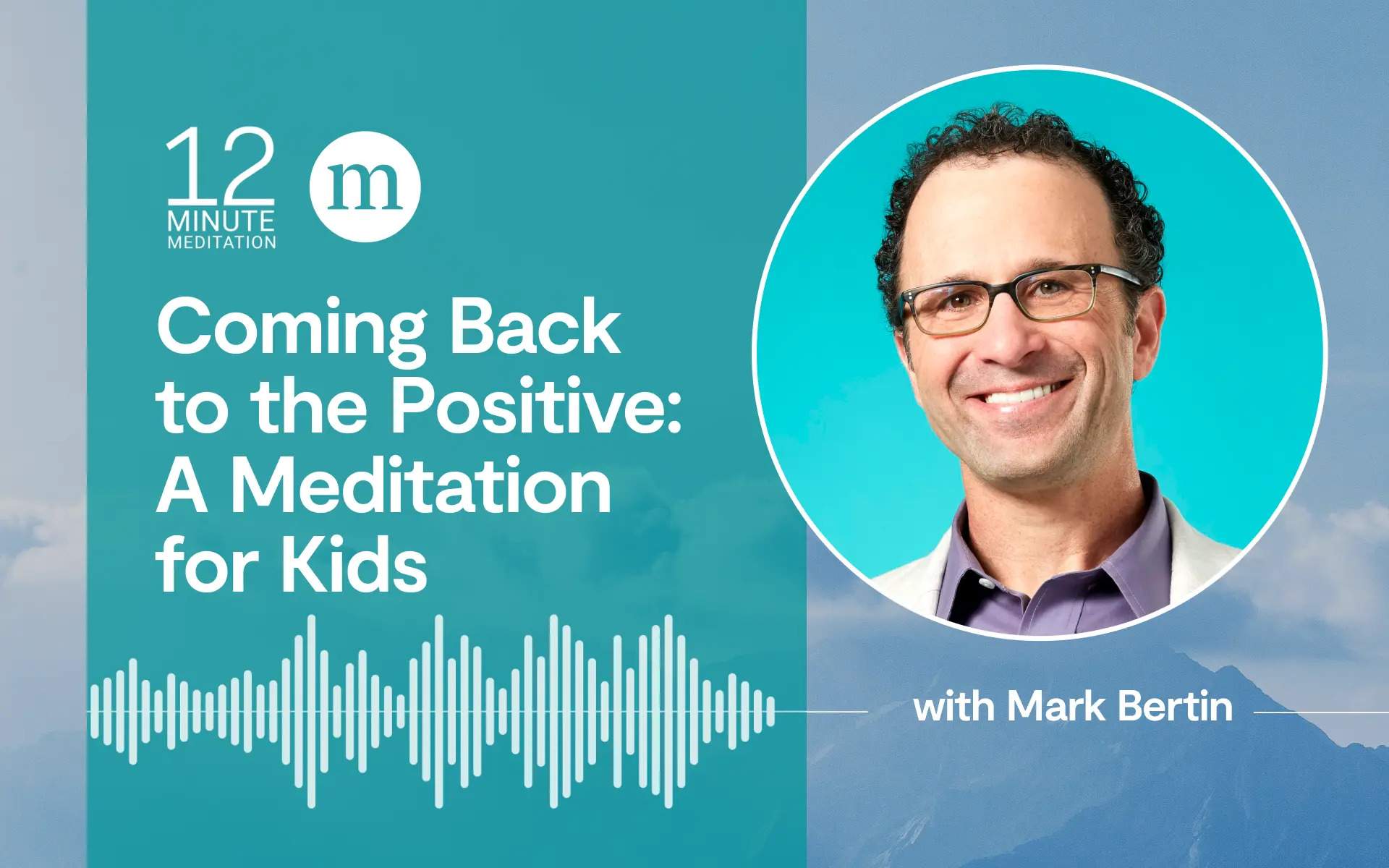
  • A Meditation for Kids: Coming Back to the Positive

    A Meditation for Kids: Coming Back to the Positive

    What went well today? Kids and teens can explore this eight-minute guided meditation for noticing the positive.

    Summary

    • Children often focus on scary or unpleasant thoughts, which can effect their mental health.
    • This short kids’ meditation uses conscious breathing and happy thoughts to help them notice the good and feel more positive.

    Our brains are hardwired to notice the negative. It’s part of how our ancient ancestors were able to survive in constantly threatening environments.  

    But this negativity bias can also make it difficult for us and our kids, even in our comparatively less threatening environments, to navigate other daily stressors, like big tests, arguments, or disappointments. 

    In this practice specifically designed for younger meditators, Dr. Mark Bertin shows kids how to gently guide their attention back to the positive things they might have missed, in order to help soothe the nervous system. 

    A Meditation for Kids: Coming Back to the Positive

    1. Lie down somewhere comfortable. Let your arms and legs fall to the ground. Close your eyes gently.
    2. Start to notice how your body changes with each breath you take. Each time you breathe, your belly moves up, and your belly moves down. If it is easier, put a hand on your belly. Or if you want, put a stuffed animal there.
    3. Each time you breathe, your belly moves. Your hand, or your toy, rises, and then falls. See if you can count ten breaths that way. Breathing in, one, breathing out, one. (Repeat for nine more inhales, and nine more exhales.)
    4. When you lose count, don’t worry about it. That’s normal, and happens to everyone. Come back to whatever number you last remember.
    5. Now, shift your attention to your day. Breathing in, focus on your breath as your belly goes up. Breathing out, focus on something that went well today.
    6. With each breath: breathing in, noticing your belly move, and with each breath out, noticing something that went well today.
    7. Now, picture something about yourself that makes you proud. Breathing in, focus on your belly moving. Breathing out, picture something that makes you proud about yourself. If nothing comes to mind, that sometimes happens. If that’s how you feel, picture what you’d wish for yourself instead.
    8. Finally, bring someone to mind who makes you happy. Before we end, try one more practice. Breathing in, notice your belly move. And now, breathing out picture someone who makes you happy.
    9. As you come to the end of this practice, take a few deep breaths, and start to wiggle your arms and legs. Pause and decide what you’d like to do next.
    10. It’s normal to have thoughts that make us feel scared or bad. We should never ignore anything important, but it’s useful to focus on the rest of our lives too. Take a few minutes every day to notice what has gone well, and see what happens next.


    Source link

  • Mindful Marble Art: A Creative & Sensory Practice for Kids

    Mindful Marble Art: A Creative & Sensory Practice for Kids

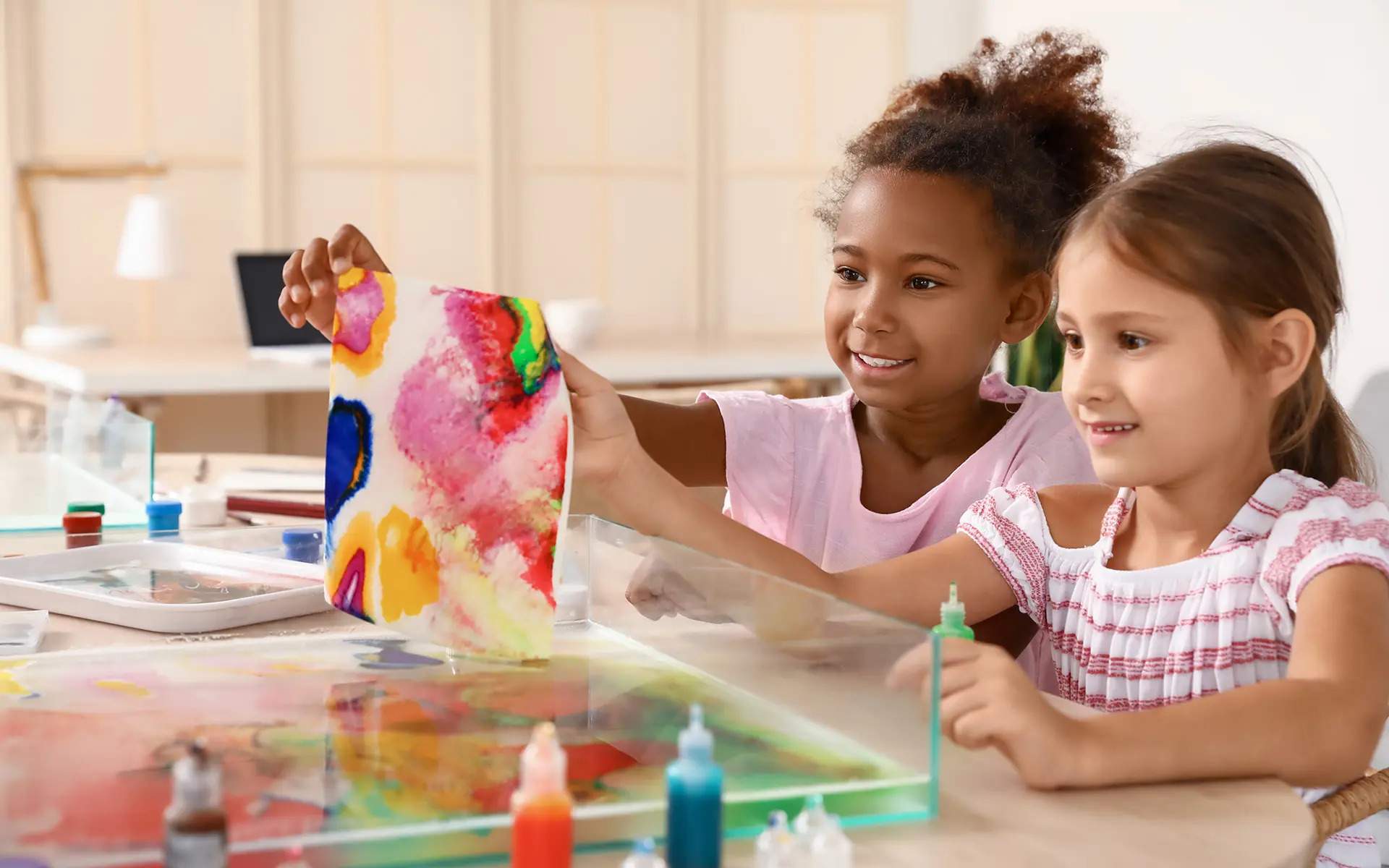
    This marble-painting activity activates all the senses and lets you enjoy a mindful moment while making art with your little ones.

    Mindfulness isn’t just about stillness—it can be a playful, swirling, and colorful experience. Mindful marble art transforms a simple creative activity into a sensory-rich moment of presence, helping children slow down, focus, and express themselves.

    Through gentle movement, breath awareness, and sensory exploration, this practice fosters patience, emotional regulation, and creativity—all while making art! See what it can look like. The sensation of rolling marbles, the vibrant blending of colors, and the rhythmic tilting of the tray help little ones engage their senses and cultivate mindful awareness.

    Benefits of Making Mindful Marble Art

    • Encourages patience: Children practice slowing down and guiding movement with care.
    • Engages the senses: Touch, sight, and motion deepen awareness of the present moment.
    • Strengthens breath-body connection: Pairing breath with movement supports self-regulation.
    • Fosters creativity & self-expression: Encourages open-ended exploration and focus.

    What You’ll Need

    • A shallow tray or box (a baking pan or shoebox lid works well)
    • A sheet of paper (cut to fit inside the tray)
    • Non-toxic, washable paint in 2-3 colors
    • Marbles or small rolling objects (ping pong balls, beads, or crumpled foil work too!)
    • A damp cloth or wipes for easy cleanup

    How to Do Mindful Marble Art

    1. Set the Space

    Begin by creating a calm and inviting atmosphere. Place materials in front of you and your child. Before starting, take a deep breath together:

    • Breathe in slowly through your nose (as if smelling a flower).
    • Exhale gently through your mouth (as if blowing out a candle).

    Repeat this breath 2-3 times. 

    Ask your child, “How do you feel right now?” 

    2. Sensory Preparation

    Invite your child to explore the marbles before painting:

    • What do they feel like? Smooth? Cool? Round?
    • Can you roll them between your fingers without dropping them?

    Dip a marble into the paint and ask:

    • What does the paint feel like? Sticky? Slippery? Gooey?
    • What colors do you see? Are they mixing together?

    3. Rolling with Awareness

    Place the marbles onto the paper in the tray. Guide your child to hold the edges, feeling its weight.

    Encourage mindful movement:

    • As they tilt the tray forward—breathe in.
    • As they tilt it back—breathe out.

    Mindful questions to keep attention focused:

    • What happens when you move the tray fast? What about slow?
    • Do the marbles ever get ‘stuck’? What can we do to help them move?
    • How do the colors mix together?

    If attention drifts, take a pause-and-wiggle break, shaking out hands before resuming.

    4. Reflect and Appreciate

    Once finished, pause to admire the marble art. Ask:

    • What do you see in the patterns? (Clouds? Rivers? Something new?)
    • How did it feel to roll the marbles?

    End with a gratitude moment together. Place a hand on your heart and say, Thank you for this time to create and play.


    Source link

  • Alarm Raised in Rise of Gun-Related Injuries Among Kids

    Alarm Raised in Rise of Gun-Related Injuries Among Kids

    Cook Children’s Medical Center is urging parents to lock up their firearms as they recorded a significant increase in the number of gun-related injuries among kids.

    The situation comes as school is out and children are spending more time at home, which is considered one of the factors for the development. In just the first half of this year, Cook Children’s has already treated 40 firearm injuries, which is nearing the total of 60 for the whole of last year.

    Cook Children’s Encourage Parents To Better Lock Up Firearms

    The program coordinator at the center, Eric Gonzalez, said the number is significantly higher than they expected and is probably more than what has been recorded in the last three years. He added that the situation is most likely a result of the number of firearms in households, particularly in Texas, and the fact that many of them are not properly stored.

    Gonzalez said that there are more and more guns out there every day and that firearms are becoming a prevalent part of the community, especially in Texas. Doctors argue that it is not only handguns that are worrying as BB guns, airsoft guns, and paintball guns can send children to the emergency room, according to CBS News.

    The program coordinator added that injuries caused by these items can be quite serious, noting that an airsoft gun can result in two to three inches of penetration. This means that a 9mm handgun can lead to far worse injuries.

    To prevent more injuries, Cook Children’s is encouraging parents who own firearms or similar items to follow the so-called “Three T’s.” These are, Talk to your kids, Teach them about gun safety, and Take action by locking up firearms.

    More Young Victims of Gun Violence

    On top of this, the center produced public service announcements and continues to do community outreach where it gives away lock boxes and cable locks for firearms. Summer vacation is a cause for concern because of sleepovers, which could put children in unfamiliar environments, Fox4News reported.

    The situation comes as the United States experienced a sudden rise in firearm mortality among youth in the past few years as firearms became the leading cause of death among children and adolescents in 2020.

    Other than firearm deaths, many youth who survive gunshot wounds or have been exposed to gun violence can develop negative behavioral health patterns. This was seen in increased youth suicide risk being linked to communities that are exposed to school shootings, as per KFF.


    Originally published on parentherald.com

    © {{Year}} ParentHerald.com All rights reserved. Do not reproduce without permission.

    Source link

  • FBI Asks Public for Tips on Medical Institutions Providing Gender-Affirming Surgeries on Kids

    FBI Asks Public for Tips on Medical Institutions Providing Gender-Affirming Surgeries on Kids

    The Federal Bureau of Investigation (FBI) is asking the public for any tips regarding medical institutions that are performing gender-affirming surgeries on children.

    President Donald Trump’s administration has placed gender-affirming care among transgender youth under scrutiny on the second day of Pride Month. “Help the FBI protect children,” the agency wrote, adding that they want to hold accountable those who “mutilate” kids under the guise of gender-affirming care.

    FBI Cracks Down on Gender-Affirming Surgeries on Children

    The Republican leader’s policies have continued to target the transgender community, restricting access to various services, such as gender-affirming healthcare. This comes as the procedure is rarely done in adolescents and is considered only on a case-by-case basis.

    Additionally, the majority of youth who receive these kinds of procedures report high levels of satisfaction, saying they have improved mental health and low levels of regret. Last week, Medicare wrote that selected hospitals sought billing codes and projected revenue from treating gender dysphoria in children, according to Axios.

    It asserted that gender-affirming care for minors has significant risks without providing substantial evidence to back up its claims. This caused it to draw scrutiny among major medical associations.

    A spokesperson for the Human Rights Campaign, Laurel Powell, said that healthcare for transgender youth is simply healthcare. She argued that trying to weaponize the FBI against American doctors who are doing their jobs is detrimental to parents who want their kids to thrive.

    The FBI’s request to the public comes as youth gender-affirming care has become illegal in 27 states across the country. Additionally, 17 states are facing legal challenges over the restrictions, putting them temporarily on hold, The Hill reported.

    Targeting the Transgender Community

    When Trump signed an executive order where he recognized male and female as the only two sexes, he also directed federal agencies to stop promoting the concept of gender transition. The Department of Health and Human Services (HHS), under the Republican leader’s directives, adopted the position that it “rejects gender ideology.”

    The development comes as the Trump administration passed a tax bill that bans Medicaid from covering transition-related care. Additionally, the legislation prohibits marketplace plans that are available under the Affordable Care Act from covering transgender care as an essential health benefit.

    The bill would have initially banned Medicaid from covering “gender transition procedures” for minors. However, House Republican leadership introduced an amendment that removed the word “minors” and the words “under 18 years of age.”

    The amendment later passed the GOP-led Rules Committee and the full House passed it the day after, as per NBC News.


    Originally published on parentherald.com

    © {{Year}} ParentHerald.com All rights reserved. Do not reproduce without permission.

    Source link