Tag: Keyword

  • Unlock Full Range of Motion: Top Benefits of Incorporating Mobility Exercises into Your Daily Routine (Keyword: mobility exercises)

    Unlock Full Range of Motion: Top Benefits of Incorporating Mobility Exercises into Your Daily Routine (Keyword: mobility exercises)

    She’s always been someone who values her health and wellness, and as such, she’s always on the lookout for new ways to improve her overall quality of life. Recently, she’s been hearing a lot about the importance of incorporating mobility exercises into her daily routine, and she’s curious to learn more. As she delves deeper into the world of mobility, she’s excited to discover the numerous benefits that these exercises have to offer.

    What are Mobility Exercises?

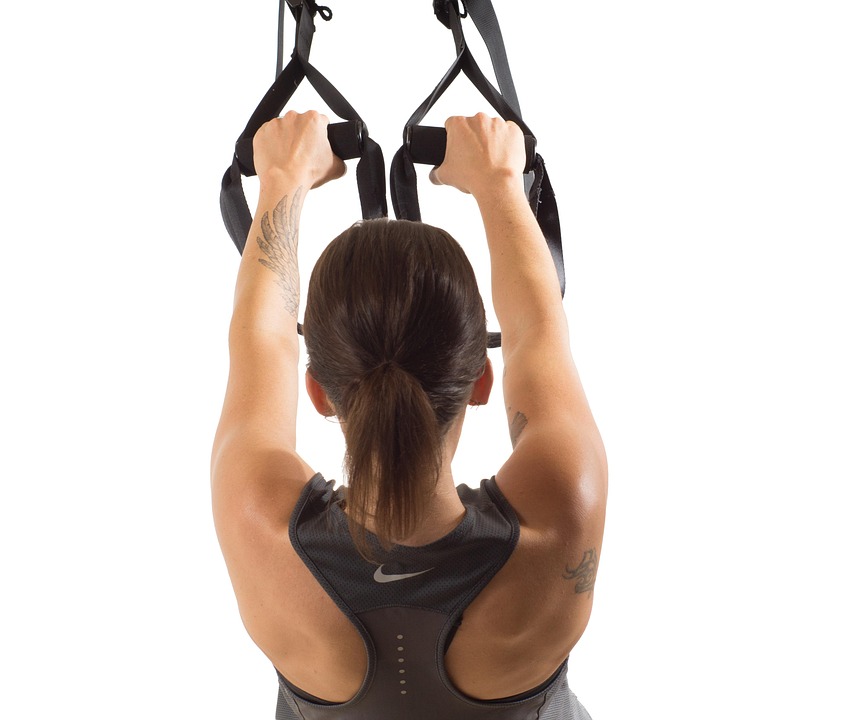
    To start, it’s essential to understand what mobility exercises are and how they differ from traditional forms of exercise. Mobility exercises are designed to help improve the range of motion in the joints, allowing for more freedom of movement and reducing the risk of injury. These exercises typically involve slow, controlled movements that target specific areas of the body, such as the hips, shoulders, and spine. By incorporating mobility exercises into her daily routine, she can expect to see significant improvements in her overall flexibility, balance, and coordination.

    The Top Benefits of Mobility Exercises

    As she begins to explore the world of mobility exercises, she’s amazed by the numerous benefits that they have to offer. Some of the top benefits of incorporating mobility exercises into her daily routine include:

    • Improved Flexibility: Mobility exercises help to increase the range of motion in the joints, making it easier to move and perform daily activities.
    • Reduced Risk of Injury: By improving flexibility and balance, mobility exercises can help reduce the risk of injury and improve overall athletic performance.
    • Enhanced Athletic Performance: Mobility exercises can help improve power, speed, and endurance, making them a valuable addition to any athlete’s training routine.
    • Better Posture: By strengthening the muscles that support the spine, mobility exercises can help improve posture and reduce the risk of back pain.
    • Reduced Stress and Anxiety: Mobility exercises can help reduce stress and anxiety by releasing tension in the muscles and promoting relaxation.

    Incorporating Mobility Exercises into Your Daily Routine

    Now that she’s aware of the numerous benefits of mobility exercises, she’s eager to start incorporating them into her daily routine. The good news is that mobility exercises are easy to incorporate into even the busiest of schedules. Here are a few tips for getting started:

    • Start Small: Begin with short, 10-15 minute mobility sessions and gradually increase the duration as you become more comfortable with the exercises.
    • Focus on Key Areas: Target areas such as the hips, shoulders, and spine, which are prone to stiffness and limited mobility.
    • Use Online Resources: Take advantage of online resources, such as videos and tutorials, to learn new mobility exercises and stay motivated.
    • Make it a Habit: Incorporate mobility exercises into your daily routine, such as first thing in the morning or right before bed.

    Mobility Exercises for Beginners

    For those who are new to mobility exercises, it can be overwhelming to know where to start. Here are a few exercises that are perfect for beginners:

    • Leg Swings: Stand with your feet hip-width apart and swing one leg forward and backward, then switch to the other leg.
    • Arm Circles: Hold your arms straight out to the sides and make small circles with your hands.
    • Hip Openers: Stand with your feet together and take a large step to one side, keeping your back straight and your front knee bent.
    • Cat-Cow Stretch: Start on your hands and knees and arch your back, lifting your tailbone and head towards the ceiling, then round your back and tuck your chin towards your chest.

    Advanced Mobility Exercises

    For those who are more experienced with mobility exercises, there are a variety of advanced exercises that can help take their practice to the next level. Some examples include:

    • Single-Leg Squats: Stand on one leg, keeping the other foot lifted off the ground, and lower your body down into a squat.
    • Plyometric Exercises: Incorporate explosive movements, such as jump squats and box jumps, to improve power and speed.
    • Mobility Flows: Combine multiple mobility exercises into a flowing sequence, such as a series of leg swings and hip openers.

    Conclusion

    Incorporating mobility exercises into your daily routine can have a significant impact on your overall health and wellness. By improving flexibility, reducing the risk of injury, and enhancing athletic performance, mobility exercises are a valuable addition to any fitness routine. Whether you’re a beginner or an experienced athlete, there are a variety of mobility exercises that can help you unlock your full range of motion and achieve your fitness goals. So why not get started today and experience the numerous benefits of mobility exercises for yourself?

    Frequently Asked Questions

    • Q: What is the best time of day to do mobility exercises?
      A: The best time to do mobility exercises is whenever it feels most convenient for you. Many people prefer to do them first thing in the morning or right before bed.
    • Q: Do I need to warm up before doing mobility exercises?
      A: Yes, it’s a good idea to warm up before doing mobility exercises to prevent injury and improve flexibility.
    • Q: Can I do mobility exercises if I have an injury?
      A: It’s best to consult with a healthcare professional before starting a new exercise routine, especially if you have an injury. They can help you modify exercises to accommodate your needs and abilities.
    • Q: How often should I do mobility exercises?
      A: Aim to do mobility exercises at least 2-3 times per week, and ideally every day if possible.
    • Q: Can mobility exercises help with back pain?
      A: Yes, mobility exercises can help reduce back pain by improving flexibility, strengthening the muscles that support the spine, and reducing tension in the muscles.

    unlock-full-range-of-motion-top-benefits-of-incorporating-mobility-exercises-into-your-daily-routine-keyword-mobility-exercises

  • 10 High-Intensity Interval Training (HIIT) Workouts That Get Results Fast (Keyword phrase: HIIT workouts)

    10 High-Intensity Interval Training (HIIT) Workouts That Get Results Fast (Keyword phrase: HIIT workouts)

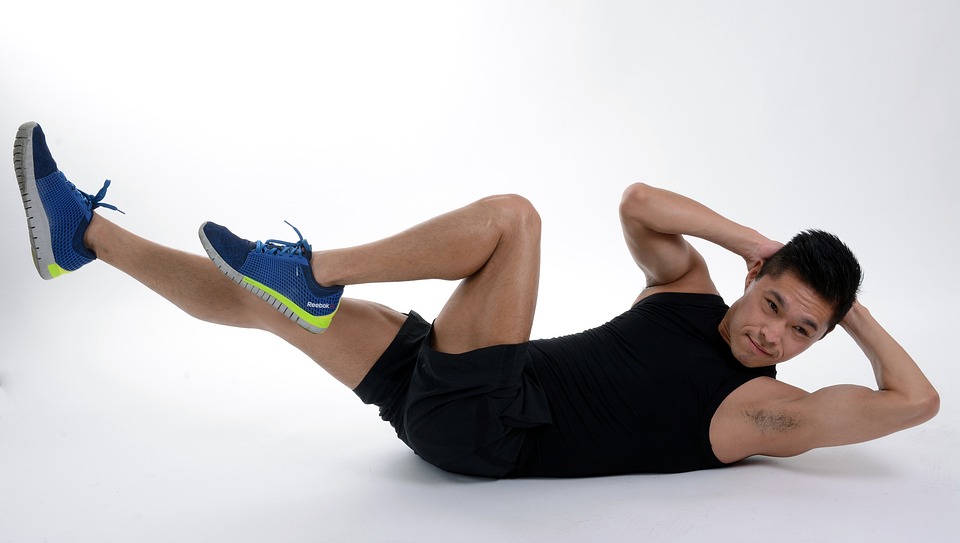
    When it comes to getting in shape, many people are looking for a workout routine that can deliver results quickly. One of the most effective ways to achieve this is through High-Intensity Interval Training, or HIIT workouts. HIIT workouts involve short bursts of intense exercise followed by brief periods of rest, and they have been shown to be incredibly effective for burning fat, building muscle, and improving cardiovascular health.

    What are HIIT Workouts?

    HIIT workouts are a type of exercise routine that involves short periods of high-intensity exercise followed by brief periods of rest. This type of training has been shown to be highly effective for improving cardiovascular health, increasing speed and endurance, and boosting metabolism. HIIT workouts can be applied to a variety of exercises, including running, cycling, swimming, and strength training. The key is to push yourself to your maximum intensity during the high-intensity intervals, and then rest and recover during the low-intensity intervals.

    Benefits of HIIT Workouts

    There are many benefits to incorporating HIIT workouts into your fitness routine. Some of the most significant advantages include:

    • Time Efficiency: HIIT workouts are extremely time-efficient, and can be completed in as little as 15-20 minutes.
    • Caloric Burn: HIIT workouts have been shown to burn a high number of calories, both during and after exercise.
    • Improved Cardiovascular Health: HIIT workouts are excellent for improving cardiovascular health, and can help to increase speed and endurance.
    • Increased Metabolism: HIIT workouts can help to boost metabolism, which can lead to increased weight loss and improved overall health.

    10 Effective HIIT Workouts

    Here are 10 HIIT workouts that can help you get results fast:

    1. Sprint Intervals: This workout involves sprinting at maximum intensity for 30 seconds, followed by 30 seconds of rest. Repeat for 15-20 minutes.
    2. Burpee Challenge: This workout involves doing as many burpees as possible in 30 seconds, followed by 30 seconds of rest. Repeat for 15-20 minutes.
    3. Mountain Climbers: This workout involves doing mountain climbers at maximum intensity for 30 seconds, followed by 30 seconds of rest. Repeat for 15-20 minutes.
    4. Jump Squats: This workout involves doing jump squats at maximum intensity for 30 seconds, followed by 30 seconds of rest. Repeat for 15-20 minutes.
    5. Plank Jacks: This workout involves doing plank jacks at maximum intensity for 30 seconds, followed by 30 seconds of rest. Repeat for 15-20 minutes.
    6. Box Jumps: This workout involves doing box jumps at maximum intensity for 30 seconds, followed by 30 seconds of rest. Repeat for 15-20 minutes.
    7. Kettlebell Swings: This workout involves doing kettlebell swings at maximum intensity for 30 seconds, followed by 30 seconds of rest. Repeat for 15-20 minutes.
    8. Treadmill Intervals: This workout involves running at maximum intensity on a treadmill for 30 seconds, followed by 30 seconds of rest. Repeat for 15-20 minutes.
    9. Rowing Intervals: This workout involves rowing at maximum intensity for 30 seconds, followed by 30 seconds of rest. Repeat for 15-20 minutes.
    10. Circuit Training: This workout involves doing a series of exercises, such as squats, lunges, and push-ups, at maximum intensity for 30 seconds, followed by 30 seconds of rest. Repeat for 15-20 minutes.

    How to Incorporate HIIT Workouts into Your Fitness Routine

    Incorporating HIIT workouts into your fitness routine can be easy and fun. Here are a few tips to get you started:

    • Start Slow: Begin with shorter intervals and gradually increase the duration as you get more comfortable with the workout.
    • Listen to Your Body: Rest and recovery are just as important as the high-intensity intervals. Make sure to listen to your body and take rest days as needed.
    • Mix it Up: Try different types of HIIT workouts to avoid boredom and prevent plateaus.
    • Find a Workout Buddy: Having a workout buddy can help to keep you motivated and accountable.

    Conclusion

    HIIT workouts are a highly effective way to improve cardiovascular health, burn fat, and build muscle. By incorporating HIIT workouts into your fitness routine, you can see results fast and achieve your fitness goals. Remember to start slow, listen to your body, and mix up your workouts to avoid boredom and prevent plateaus. With consistent practice and dedication, you can achieve the fitness results you desire and live a healthier, happier life.

    FAQs

    • What is HIIT?
      HIIT stands for High-Intensity Interval Training, and involves short periods of high-intensity exercise followed by brief periods of rest.
    • Is HIIT suitable for beginners?
      Yes, HIIT workouts can be modified to suit different fitness levels. Start with shorter intervals and gradually increase the duration as you get more comfortable with the workout.
    • How often should I do HIIT workouts?
      It’s recommended to do HIIT workouts 2-3 times per week, with at least one day of rest in between.
    • Can I do HIIT workouts at home?
      Yes, many HIIT workouts can be done at home with minimal equipment. Try bodyweight exercises like burpees, jump squats, and mountain climbers.
    • Will HIIT workouts help me lose weight?
      Yes, HIIT workouts have been shown to be highly effective for burning fat and losing weight. Combine HIIT workouts with a healthy diet and regular exercise for best results.

    10-high-intensity-interval-training-hiit-workouts-that-get-results-fast-keyword-phrase-hiit-workouts

  • Overcoming Workout Fatigue: Strategies to Rekindle Your Fitness Motivation (Keyword: workout fatigue)

    Overcoming Workout Fatigue: Strategies to Rekindle Your Fitness Motivation (Keyword: workout fatigue)

    Workout fatigue is a common phenomenon that can strike even the most dedicated fitness enthusiasts. It’s that feeling of exhaustion, both physically and mentally, that can leave you feeling drained and demotivated to hit the gym. Fortunately, there are strategies you can use to overcome workout fatigue and rekindle your fitness motivation.

    Understanding Workout Fatigue

    Workout fatigue is a natural response to the physical and mental demands of regular exercise. When you start a new workout routine, your body is excited to engage in physical activity and you feel energized and motivated. However, as the weeks go by and the exercises become more challenging, your body begins to Adjust to the demands placed upon it. This is known as the adaptation phase, where your body adapts to the new demands by building muscle and increasing cardiovascular endurance.

    But as your body adapts, you may start to feel the effects of workout fatigue. Your workouts may become less intense, you may feel more sore and more tired, and you may start to dread going to the gym. This is because your body is no longer responding to the same stimuli it did when you first started, and it needs a change to continue making progress.

    Causes of Workout Fatigue

    There are several causes of workout fatigue, including:

    • Lack of progression: If you’re doing the same workout routine over and over again, your body will stop responding to the same stimuli and you’ll start to feel fatigued.
    • Poor nutrition: If you’re not fueling your body with the right foods, you may experience fatigue and a lack of energy.
    • Insufficient rest and recovery: Your body needs time to recover and rebuild after a workout, and if you’re not giving it enough time, you may experience fatigue.
    • Mental burnout: If you’re feeling stressed or overwhelmed, it can be hard to muster up the motivation to work out.

    Strategies to Overcome Workout Fatigue

    Fortunately, there are several strategies you can use to overcome workout fatigue and rekindle your fitness motivation. Here are a few:

    • Increase Intensity: If you’re doing the same workout routine over and over again, it’s time to mix things up. Try increasing the intensity by adding more weight or reps, or by changing the exercise itself.
    • Change Your Routine: If you’re feeling bored or unmotivated, it may be time to change your workout routine. Try a new type of exercise, such as spinning or yoga, or try a new workout routine, like bodyweight exercises or high-intensity interval training.
    • Listen to Your Body: If you’re feeling tired or sore, it may be okay to take a day off. Don’t push yourself too hard, as this can lead to injury or burnout.
    • Make It Fun: Workout fatigue can be overcome by making exercise fun again. Try exercising with a friend, taking a fitness class, or trying a new exercise that you’ve been curious about.

    Setting Realistic Goals

    Setting realistic goals is an important part of overcoming workout fatigue. If you have unrealistic expectations, you may become discouraged and give up on your fitness routine. Here are a few tips for setting realistic goals:

    • Start Small: Set small, achievable goals for yourself, such as exercising three times a week or doing a certain number of reps. As you get stronger and more confident, you can gradually increase the intensity and frequency of your workouts.
    • Focus on Progress, Not Perfection: Don’t be too hard on yourself if you don’t see immediate results. Focus on the progress you’re making, no matter how small, and celebrate your successes along the way.
    • Make It a Habit: Try to make exercise a habit by incorporating it into your daily routine. This can help you stay motivated and consistent, even on days when you don’t feel like working out.

    Tips for Overcoming Mental Fatigue

    Mental fatigue can be just as debilitating as physical fatigue, and it can be harder to overcome. Here are a few tips for dealing with mental fatigue:

    • Take a Break: If you’re feeling stressed or overwhelmed, take a break from your workout routine. Come back to it when you’re feeling refreshed and ready.
    • Practice Self-Care: Take time for yourself to relax and rejuvenate. This can include activities like meditation, yoga, or simply taking a warm bath.
    • Focus on Your Why: Remember why you started your fitness journey in the first place. Reflect on your goals and remind yourself why they’re important to you.

    Conclusion

    Workout fatigue is a common phenomenon that can strike even the most dedicated fitness enthusiasts. But by recognizing the causes of fatigue, using strategies to overcome it, and setting realistic goals, you can rekindle your fitness motivation and continue making progress towards your goals. Remember to listen to your body, make it fun, and focus on progress, not perfection. With the right mindset and strategies, you can overcome workout fatigue and achieve your fitness goals.

    FAQs

    Q: How often should I exercise to avoid workout fatigue?
    A: Aim to exercise 3-4 times per week, with at least one day of rest in between.

    Q: What should I eat to avoid workout fatigue?
    A: A balanced diet that includes plenty of protein, complex carbohydrates, and healthy fats can help support energy levels and reduce fatigue.

    Q: How can I avoid mental fatigue?
    A: Make time for self-care activities like meditation, yoga, or relaxation techniques to help reduce stress and anxiety.

    Q: What should I do if I’m feeling burned out and exhausted?
    A: Take a break from your workout routine and come back to it when you’re feeling refreshed and ready. Prioritize self-care and focus on relaxation and recovery.

    Q: Can I still achieve my fitness goals if I experience workout fatigue?
    A: Absolutely! With the right mindset and strategies, you can overcome workout fatigue and achieve your fitness goals. Prioritize self-care, set realistic goals, and focus on progress, not perfection.

    overcoming-workout-fatigue-strategies-to-rekindle-your-fitness-motivation-keyword-workout-fatigue

  • Cracking the Code: How Genetics Affects Your Fitness Goals and Body Type (Keyword: genetics and fitness)

    Cracking the Code: How Genetics Affects Your Fitness Goals and Body Type (Keyword: genetics and fitness)

    Understanding the intricate relationship between genetics and fitness is a crucial step in achieving your physical goals. For decades, fitness enthusiasts have been baffled by why some people seem to effortlessly lose weight and build muscle, while others struggle to achieve even the slightest changes. The answer lies in the realm of genetics, which plays a significant role in determining an individual’s fitness potential and body type. In this article, we’ll delve into the complex world of genetic adaptation, exploring how your DNA influences your fitness journey and providing valuable insights to help you crack the code.

    The Role of Genetics in Fitness

    Genetics is the study of heredity, and it’s a fundamental aspect of understanding human physiology. Every individual’s genetic makeup is unique, composed of a combination of genetic traits inherited from their parents. These traits can influence various aspects of an individual’s health, including their physical appearance, athletic performance, and response to exercise.

    The Impact of Genes on Fitness

    When it comes to fitness, genetics can have a significant impact on an individual’s performance. Several genes are responsible for regulating various physiological processes, such as:

    1. Muscle Fibre Composition: The type and proportion of skeletal muscle fibres can significantly influence an individual’s ability to build and maintain lean muscle mass. For instance, some people might have a higher percentage of fast-twitch muscle fibres, which are better suited for explosive, high-intensity activities, while others may have a higher proportion of slow-twitch fibres, more suited for endurance activities.
    2. Metabolic Rate: Genetic variations can affect an individual’s resting metabolic rate (RMR), which influences how efficiently their body burns calories at rest. This can impact weight loss and weight management.
    3. Lipolysis and Lipogenesis: Certain genes control the breakdown and storage of fat, which can influence an individual’s ability to burn fat for energy.
    4. Hormone Regulation: Hormones like insulin, growth hormone, and testosterone play a crucial role in energy regulation, muscle growth, and fat loss. Genetic variations in these hormonal pathways can impact an individual’s response to exercise and diet.

    Body Types and Genetic Influences

    There are three primary body types, each with its unique characteristics:

    1. Ectomorph: Typically slender and lean, ectomorphs often have a fast metabolism and may struggle to gain weight.
    2. Mesomorph: Mesomorphs are often naturally lean and athletic, with a higher muscle mass-to-body-fat ratio.
    3. Endomorph: Individuals with an endomorphic body type tend to be curvy and may struggle with weight management.

    While these body types are not strictly determined by genetics, individual variations in genes influencing muscle fibre composition, metabolic rate, and hormone regulation can contribute to an individual’s body type.

    Cracking the Code: How to Work with Your Genetics

    While genetics play a significant role in fitness, it’s crucial to understand that individual differences can be overcome with the right approach. By recognizing and adapting to your genetic makeup, you can optimize your training and nutrition plan for better results. Here are some expert tips to help you crack the code:

    1. Identify Your Genetic Strengths and Weaknesses: Consult with a genetic counselor or a fitness expert to assess your genetic profile and identify areas where you may excel or struggle.
    2. Focus on Progressive Overload: Gradually increase weight, resistance, or reps to challenge your muscles and encourage growth, regardless of your genetic makeup.
    3. Nutrition and Hydration: Fuel your body with a balanced diet rich in protein, complex carbohydrates, and healthy fats, and stay hydrated to support optimal performance.
    4. Listen to Your Body: Pay attention to your body’s feedback, taking rest days when needed and adjusting your training plan to avoid injury.
    5. Combine Genetic Insights with Lifestyle Changes: Use genetic information to create a personalized plan, incorporating lifestyle modifications to optimize your fitness journey.

    Conclusion

    Genetics play a significant role in shaping an individual’s fitness potential and body type. By understanding the intricacies of genetic adaptation and recognizing individual differences, you can optimize your training and nutrition plan to achieve better results. Remember that genetics is not destiny, and with the right approach, you can crack the code and unlock your full potential.

    Frequently Asked Questions (FAQs)

    Q: Can genetic testing predict my fitness level?
    A: While genetic testing can provide valuable insights, it’s not a definitive predictor of fitness level. Other factors like diet, training, and lifestyle choices also play a significant role.

    Q: Can I change my body type?
    A: While you can’t change your body type, you can adapt to your genetic makeup by incorporating the right training and nutrition strategies.

    Q: How do I get a personalized genetic testing and counseling?
    A: Consult with a certified genetic counselor, fitness expert, or nutritionist who can help you assess your genetic profile and provide personalized guidance.

    By understanding your genetic makeup and adapting your training and nutrition plan accordingly, you can unlock your full potential and achieve a healthier, fitter you. Remember, genetics is just one piece of the puzzle – the key lies in understanding and working with your unique genetic code.

    cracking-the-code-how-genetics-affects-your-fitness-goals-and-body-type-keyword-genetics-and-fitness

  • Sole Searching: Top Factors to Consider When Choosing the Perfect Workout Shoes for Your Fitness Goals (Keyword: workout shoes)

    Sole Searching: Top Factors to Consider When Choosing the Perfect Workout Shoes for Your Fitness Goals (Keyword: workout shoes)

    When it comes to reaching your fitness goals, having the right gear is essential. One of the most important components of a successful workout is the right pair of shoes. As the old adage goes, "the right shoes can make all the difference." But with so many options on the market, how do you know which pair is right for you? In this article, we’ll explore the top factors to consider when choosing the perfect workout shoes for your fitness goals.

    Understanding Your Fitness Goals

    The first step in selecting the perfect workout shoes is to define your fitness goals. What do you want to achieve with your workouts? Are you a casual jogger, a serious athlete, or a yoga enthusiast? Different fitness goals require different levels of support, stability, and cushioning. For example, if you’re a runner, you’ll want shoes that provide excellent arch support and shock absorption to protect your joints from the impact of each step. If you’re a yoga practitioner, you’ll want shoes that offer flexibility and grip to help you maintain balance and stability in challenging poses.

    Fit and Sizing

    A proper fit is crucial for a comfortable and effective workout. The shoes should feel snug but not too tight, with enough room in the toe box to wiggle your toes. Measure your feet at the end of the day, as feet tend to swell throughout the day. Consider getting your feet measured at a specialty shoe store or online retailer that offers free returns and exchanges. Remember, it’s better to err on the side of caution and go up a size if you’re unsure.

    Cushioning and Support

    Cushioning and support are essential for working out, particularly for high-impact activities like running or jumping. Look for shoes with adequate midsole cushioning and a drop (heel-to-toe offset) that fits your stride length and running style. Higher-quality shoes often feature advanced materials like gel, foam, or carbon fiber to provide extra support and shock absorption. Pay attention to the shoe’s arch support, as well, as this can make a big difference in reducing fatigue and preventing injuries.

    Breathability and Ventilation

    A breathable shoe is essential for keeping your feet cool and dry. Look for shoes with mesh panels or perforations to allow for airflow and moisture-wicking materials to keep your feet dry. Avoid shoes with thick, heavy designs that can trap heat and moisture. Instead, opt for shoes with a lightweight, airy feel that will keep your feet comfortable during even the most intense workouts.

    Style and Comfort

    Let’s face it: fit and function are important, but style matters too. Choose shoes that make you feel confident and inspired to tackle your workouts. Consider the color, design, and overall aesthetics that appeal to you. While functionality is crucial, the right shoes can also boost your mood and motivation.

    Traction and Stability

    If you’re a fan of high-intensity interval training (HIIT) or weightlifting, you’ll want shoes with excellent traction and stability. Look for shoes with a stable heel and a low profile to prevent excessive movement during intense exercises. Consider shoes with a rocker sole or a pivot point to help you maintain stability and control.

    Budget and Quality

    Finally, consider your budget and the quality of the shoes. High-quality shoes made with premium materials may be pricier, but they often provide better support, durability, and overall performance. Set a budget and stick to it, balancing the cost with the level of quality you’re willing to invest in.

    Conclusion

    Choosing the perfect workout shoes can be daunting, but by considering these top factors, you’ll be well on your way to selecting the right pair for your fitness goals. Remember to identify your fitness goals, ensure a proper fit, prioritize cushioning and support, consider breathability and ventilation, and prioritize style and comfort. With the right shoes, you’ll be ready to tackle even the most challenging workouts with confidence and motivation.

    FAQs

    Q: What is the best workout shoe for beginners?
    A: For beginners, look for shoes with a comfortable, supportive design that can accommodate various foot shapes and sizes. Good options include cross-training shoes or tennis shoes.

    Q: Can running shoes be used for other types of workouts?
    A: While running shoes are designed for running, they can be used for other high-impact activities like HIIT or other cardio exercises. However, for low-impact activities like yoga or Pilates, consider a shoe with a more flexible sole and less cushioning.

    Q: How often should I replace my workout shoes?
    A: Aim to replace your shoes every 300-500 miles or every 3-6 months, depending on the frequency and intensity of your workouts. Worn-out shoes can lead to injuries and decreased performance.

    Q: Can I wear workout shoes for everyday activities?
    A: While workout shoes can be stylish, they’re designed for high-intensity activities. For everyday activities like walking or casual outings, consider a more relaxed, comfortable shoe that provides better arch support and stability.

    sole-searching-top-factors-to-consider-when-choosing-the-perfect-workout-shoes-for-your-fitness-goals-keyword-workout-shoes

  • 5 Scientifically-Backed Ways to Boost Your Endurance and Power Through Any Workout ( keyword: endurance training)

    5 Scientifically-Backed Ways to Boost Your Endurance and Power Through Any Workout ( keyword: endurance training)

    When it comes to exercise, building endurance is a crucial aspect of any workout routine. Whether you’re a seasoned athlete or a beginner, having the stamina to power through even the toughest challenges is essential for achieving your fitness goals. In this article, we’ll explore 5 scientifically-backed ways to boost your endurance and stand tall through even the most challenging workouts.

    Building Endurance: The Importance of Aerobic Training

    Before we dive into the scientifically-backed tips, it’s essential to understand the importance of aerobic training in building endurance. Aerobic exercise refers to any activity that raises your heart rate and keeps it elevated for a prolonged period. When you engage in aerobic exercise, your body adapts by increasing the efficiency of its energy-producing systems, allowing you to work out for longer periods without fatigue.

    Incorporating aerobic exercises into your routine, such as running, cycling, or swimming, can significantly improve your endurance. By doing so, you’ll not only increase your cardiovascular health but also enhance your overall fitness level.

    Tip 1: High-Intensity Interval Training (HIIT) for Endurance

    One effective way to boost your endurance is through high-intensity interval training (HIIT). This type of training involves short bursts of high-intensity exercise followed by brief periods of rest. This approach has been shown to improve endurance by increasing anaerobic capacity, reducing perceived exertion, and enhancing speed and agility (1).

    To incorporate HIIT into your routine, try this example:

    • Warm up for 5-10 minutes
    • Sprint or jog at maximum intensity for 30 seconds
    • Rest for 30-60 seconds
    • Repeat for 15-20 minutes
    • Cool down for 5-10 minutes

    Tip 2: Strength Training for Endurance

    While many think that strength training is only beneficial for building muscle, it’s also an effective way to improve endurance. Building strength can enhance your capacity for high-intensity tasks and reduce fatigue. Research has shown that incorporating strength exercises into your routine, such as squats, lunges, and deadlifts, can increase endurance and reduce muscle damage (2).

    To start, aim for 2-3 strength training sessions per week, focusing on exercises that work multiple major muscle groups.

    Tip 3: Flexibility and Mobility for Endurance

    Flexibility and mobility are often overlooked aspects of endurance training, but they play a crucial role in enhancing overall performance. By incorporating exercises that improve flexibility and mobility, such as yoga or Pilates, you can reduce muscle soreness, increase range of motion, and optimize energy expenditure (3).

    Incorporate 1-2 sessions of flexibility and mobility exercises per week, focusing on major muscle groups such as hips, shoulders, and calves.

    Tip 4: Proper Nutrition and Hydration for Endurance

    Proper nutrition and hydration are essential for optimal endurance performance. A well-balanced diet that includes complex carbohydrates, lean protein, and healthy fats can provide sustained energy, while adequate hydration can prevent dehydration and reduce performance decrements (4).

    To fuel your workouts, aim to consume:

    • 1.5-2.5 grams of protein per kilogram of body weight daily
    • 2-3 grams of carbohydrates per kilogram of body weight daily
    • 0.5-1 gram of healthy fat per kilogram of body weight daily
    • At least 8-10 glasses of water per day

    Tip 5: Mind-Body Connection for Endurance

    The mind-body connection plays a significant role in endurance performance. By focusing on mental strategies such as visualization, positive self-talk, and goal-setting, you can enhance motivation, reduce anxiety, and improve endurance (5).

    Incorporate the following mind-body techniques into your daily routine:

    • Visualization: Imagine yourself completing the workout or achieving a specific goal
    • Positive self-talk: Focus on positive affirmations, such as "I can do this" or "I’m strong and capable"
    • Goal-setting: Set specific, achievable goals for your workouts and celebrate small victories

    Conclusion

    Building endurance is a journey that requires dedication, patience, and persistence. By incorporating these 5 scientifically-backed tips into your routine, you’ll be well on your way to improving your endurance and achieving optimal performance. Remember to prioritize aerobic training, strength training, flexibility and mobility exercises, proper nutrition and hydration, and the mind-body connection to boost your endurance and power through any workout.

    FAQs

    Q: How often should I incorporate HIIT into my routine?
    A: Aim to do HIIT 2-3 times per week, with at least one day of rest in between.

    Q: What are some examples of strength training exercises I can do?
    A: Examples include squats, lunges, deadlifts, bench press, and rows. Start with lighter weights and gradually increase as you build strength.

    Q: How much water should I drink during a workout?
    A: Aim to drink at least 8-10 ounces of water 15-30 minutes before a workout and 2-3 ounces every 10-15 minutes during the workout.

    Q: Can I do strength training with endometriosis or other health conditions?
    A: Consult with your healthcare provider or a fitness professional to discuss modifying strength exercises to accommodate any health concerns or limitations.

    Q: Can I do high-intensity interval training (HIIT) with endometriosis or other health conditions?
    A: Consult with your healthcare provider or a fitness professional to discuss modifying HIIT exercises to accommodate any health concerns or limitations.

    References:

    1. Billat et al. (2007). Intensity of training is associated with alterations in factors affecting endurance performance. Journal of Sports Sciences, 25(10), 959-968.

    2. Cronin et al. (2017). The effects of strength training on muscle function and performance in athletes. Journal of Strength and Conditioning Research, 31(5), 1313-1322.

    3. Martin et al. (2014). The effects of yoga on flexibility and mobility in athletes. Journal of Strength and Conditioning Research, 28(5), 1323-1332.

    4. Sherman et al. (2016). The effects of carbohydrate and protein supplementation on endurance and performance in athletes. Journal of Sports Sciences, 34(12), 1247-1256.

    5. Kornspan et al. (2017). The effects of mind-body techniques on anxiety and performance in athletes. Journal of Sports and Social Sciences, 35(2), 147-156.

    5-scientifically-backed-ways-to-boost-your-endurance-and-power-through-any-workout-keyword-endurance-training

  • 10 Ways to Shake Off Exercise Boredom and Get Back in Shape (Keyword: exercise boredom)

    10 Ways to Shake Off Exercise Boredom and Get Back in Shape (Keyword: exercise boredom)

    As we all know, staying consistent with an exercise routine can be challenging, especially when the initial excitement wears off and exercise boredom sets in. But fear not, dear reader! We’ve got you covered. In this article, we’ll explore 10 ways to shake off exercise boredom and get back in shape, because let’s face it, maintaining a consistent workout routine is key to achieving those fitness goals.

    Break the Cycle: Identifying the Root of the Problem

    Before we dive into the solutions, let’s take a step back and understand why we fall victim to exercise boredom in the first place. It’s easy to blame it on the lack of variety, but often, it’s a result of monotony, lack of progress, or simply not seeing the results we want. Whatever the reason, identifying the root of the problem is crucial to finding a solution that works for you.

    1. Mix and Match: Vary Your Workouts

    One of the most effective ways to fight exercise boredom is to mix and match your workouts. Change up the routine by incorporating different exercises, such as cardio, strength training, and flexibility exercises. This not only keeps things interesting but also targets different muscle groups and challenges your body in new ways.

    For example, if you’re a fan of running, try swapping it out for a HIIT (High-Intensity Interval Training) session or a spin class. If you’re a strength training enthusiast, try incorporating yoga or Pilates to focus on flexibility and core strength. The possibilities are endless, so don’t be afraid to experiment and find what works for you!

    2. Find Your Why

    Staying motivated requires a deep understanding of why you started exercising in the first place. What’s your "why"? Is it to feel more confident, to get healthier, or to set a good example for your kids? Whatever it is, write it down and post it somewhere visible, whether it’s on your mirror or phone lock screen. Having a clear purpose will help you stay focused and motivated, even when the going gets tough.

    3. Track Your Progress

    You may not always see the results you want right away, but tracking your progress can be a huge motivator. Take progress pictures, measurements, or measurements of your workouts. Seeing the small changes can be a huge confidence booster and help you stay on track.

    4. Find a Workout Buddy or Personal Trainer

    Exercise with a friend, family member, or personal trainer can make a world of difference. Not only do you get to split the costs, but you also get accountability, support, and a fresh perspective. Plus, having someone to share the experience with can make it more enjoyable and help you stay committed.

    5. Make It a Habit

    Consistency is key, so make exercise a habit by incorporating it into your daily routine. Schedule it in your planner, set reminders on your phone, or create a routine that works for you. Before you know it, exercise will become second nature.

    6. Get Creative with Your Environment

    Change up your workout environment to keep things fresh. Try exercising outdoors, in a new studio, or even at home. Sometimes a change of scenery is all you need to get out of a rut.

    7. Celebrate Small Wins

    Don’t wait until you’ve achieved your ultimate goal to celebrate. Celebrate small wins along the way, whether it’s a new personal best, a challenging workout, or simply showing up to the gym consistently. Recognizing small achievements can be a powerful motivator and help you stay on track.

    8. Set Realistic Goals

    It’s easy to get discouraged when we set unrealistic goals and don’t see immediate results. Set specific, measurable, achievable, relevant, and time-bound (SMART) goals. Break them down into smaller, manageable chunks, and celebrate each milestone along the way.

    9. Make It Enjoyable

    Remember, exercise should be enjoyable! If you’re dreading every workout, it’s time to shake things up. Find activities that bring you joy, whether it’s dancing, swimming, or hiking. Exercise should be a positive experience that leaves you feeling empowered and energized.

    10. Get Inspired

    Surround yourself with people who inspire and motivate you. Attend fitness events, follow fitness influencers or bloggers, or join online communities. Seeing others’ success stories and progress can be a powerful motivator and help you stay on track.

    Conclusion

    Exercise boredom is a common phenomenon, but with these 10 tips, you can shake it off and get back in shape. Remember to identify the root of the problem, mix and match your workouts, find your "why," and make it a habit. Stay motivated by tracking your progress, finding a workout buddy or personal trainer, and celebrating small wins. Don’t forget to make it enjoyable, get inspired, and surround yourself with positive influences.

    Frequently Asked Questions

    Why do I get bored with exercise?

    Exercise boredom can be due to a variety of factors, including lack of variety, lack of progress, or simply not seeing the results we want. It’s essential to identify the root cause and find ways to address it.

    How can I stay motivated?

    Stay motivated by setting realistic goals, finding your "why," and making exercise a habit. Surround yourself with positive influences, celebrate small wins, and track your progress.

    What are some ways to mix and match my workouts?

    Try incorporating different exercises, changing up your routine, or working out in a new environment. You can also try mixing cardio with strength training or adding flexibility exercises to your routine.

    How can I make exercise enjoyable?

    Make exercise enjoyable by finding activities that bring you joy, whether it’s dancing, swimming, or hiking. Exercise should leave you feeling empowered and energized, so don’t be afraid to experiment and find what works for you.

    What are some ways to track my progress?

    Take progress pictures, measurements, or track your workouts. Seeing small changes can be a huge confidence booster and help you stay motivated. You can also use apps or fitness trackers to monitor your progress and stay accountable.

    10-ways-to-shake-off-exercise-boredom-and-get-back-in-shape-keyword-exercise-boredom