
Tag: Key

  • Inner Calm: The Key is Letting Go

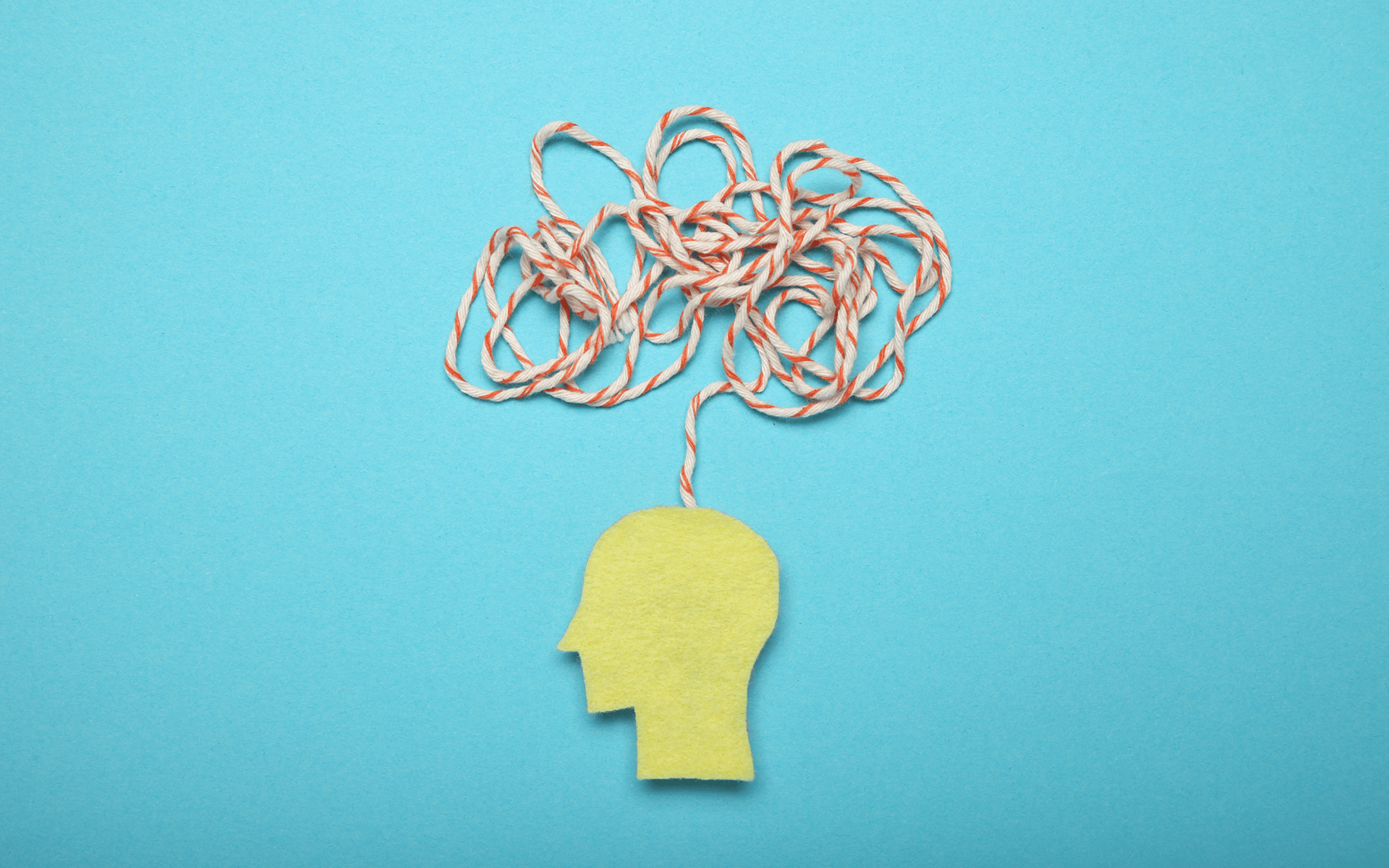
    Inner Calm: The Key is Letting Go

    We often hear about inner calm, but it can be so much more than a fleeting moment of peace after yoga or the perfect massage. Inner calm is actually our ability to let go of attachments and reactions to life’s events, resulting in ease and clarity.

    As a mindfulness skill, inner calm is the ability to let go of attachments and reactivity based on an understanding of impermanence—the changing nature of our thoughts, emotions, and desires. When we find ourselves rushing and reacting, we can remind ourselves, This too shall pass. The purpose is not to negate what we’re feeling but to put brakes on accelerated feelings. Once we return to our inner stillness, we can look at the source of our reactivity, intimately seeing its changing nature: This right here is what frees us.

    Once we return to our inner stillness, we can look at the source of our reactivity, intimately seeing its changing nature: This right here is what frees us.

    As a practice, inner calm is the art of stopping, looking and letting go for purposes of healing and clarity. It involves physical composure and mental tranquility. It can be seen as the ultimate balm for your soul—like a cool breeze on a hot day. Inner calm brings ease to body and mind alike. In the body, composure is experienced in the muscles and as an overall feeling of ease. In the mind, inner calm creates the space to hold everything without attachment and resistance. Conversely, the absence of inner calm may show up as restlessness in the body and agitation or reactivity in the mind.

    Seeking inner calm can often leave us wanting more, but it’s ironic that true inner calm is achieved when we let go of our desires, even the desire for inner calm itself—a catch-22 if there ever was one. This paradox becomes evident when we consider the case of a client dealing with anxiety who turned to meditation as a way to ease his mind. Surprisingly, he found himself even more anxious post-meditation. He had hoped that meditation would improve his sleep, but he was left frustrated when he observed his restlessness during a body scan meditation, which only seemed to worsen his sleep problems.

    The moral here? To find peace, he had to let go first of his expectations around finding peace. In order to let go, he learned to see the three hindrances to his achieving mindfulness: running in circles (a restless mind), pulling (striving to sleep), and pushing (frustrated with his restlessness). With practice, he learned to accept his restless mind, which softened the striving and frustration, and he was able to find ease, even when he couldn’t sleep, which ultimately allowed him to sleep.

    Letting go of attachments to certain outcomes doesn’t, however, mean that we’re suppressing or evading challenging situations. Instead, this release occurs organically when we comprehend that emotions arise and dissolve—all within ninety seconds.

    The Ninety-Second Rule

    Inner calm is not about suppressing, denying, or avoiding our emotions. When we don’t give in to the urge to react, we’re cultivating the ability to stay with unpleasantness (knowing that emotions are physiological responses in the body that will arise and dissolve). Just as happiness triggered by external events doesn’t last, negative emotions also don’t last. Have you heard of the ninety-second rule? Neuroscientist Jill Bolte Taylor reveals in her book My Stroke of Insight: A Brain Scientist’s Personal Journey that all emotions have a beginning, middle, and end—all within ninety seconds from when they first arise.

    The reason we continue to experience negative emotions, sometimes for days, weeks, and even years, is that we continue to fuel these feelings with our narratives. Instead, if we stop and let the emotion move through our body, we’ll create space in our minds to better understand what they are trying to tell us. Rather than suppressing or using positive thinking to bypass our experience, we can form an alliance with our feelings. By doing this, we can uncover how they’re trying to protect us, address our unmet needs, or draw our attention to new information in the environment.

    The ninety-second rule is a helpful reminder to ride the waves of our emotions, but emotions can sometimes be so powerful that they hijack our rational thought processes. It’s helpful in these situations to remember where those emotions come from—deep in the past, when we were hunter-gatherers facing real tigers!

    How Inner Calm Supports Resilience

    So much of our lives are marked by perceived threats to our identity, career, or relationships. Our primal reactions—fight-flight-freeze—can be unhelpful when it comes to navigating these everyday psychological and social stressors. What’s needed to resolve problems common to the modern world is clarity and creativity, but our reaction is the opposite—to fight, flee, or freeze. This evolutionary response to any threat is automatic and unconscious.

    What’s needed to resolve problems common to the modern world is clarity and creativity, but our reaction is the opposite—to fight, flee, or freeze.

    When our emotions are triggered such that we can’t think or see clearly, it’s called an “amygdala hijack”—a term popularized by emotional intelligence expert Daniel Goleman. The amygdala is the emotional center of the brain. One of its functions is to scan the environment for threats and prepare the body for an emergency response. When it perceives a threat, such as a tiger lurking in the bushes, it sends an immediate signal to release stress hormones—adrenaline and cortisol—that ramp up an emergency response. Blood stops flowing to the organs and instead floods into the limbs to prepare us for fight or flight. Meanwhile, the prefrontal cortex (which is responsible for thinking and executive decision-making) shuts down because there is no time to think and analyze when we’re facing what the brain perceives as a life-threatening situation.

    During an amygdala hijack, it is said that our IQ temporarily drops by ten to fifteen points. Maybe this explains that feeling after we’ve reacted to a verbal trigger: What was I thinking when I said that? That’s exactly the point. We stop thinking rationally. It also compromises memory, which is why we can’t remember a single good thing about a person with whom we have a conflict or why we can’t find our keys in the middle of a panic attack. Being in a continuous state of fight or flight from modern threats also compromises the integrity of other systems, like immunity and digestion.

    Cultivating inner calm is an important step in avoiding the amygdala hijack so we can think clearly even in highly charged situations. Using practices to promote inner calm—like breath awareness—helps slow our escalating emotions and allows the parasympathetic nervous system to kick back in so we can once again think clearly. Another activity that nudges the prefrontal cortex to start thinking again is “noting” or “labeling.” The act of noting or labeling our emotions gets the prefrontal cortex to regain healthy communication with the amygdala and avoids the hijack. Inner calm offers opportunities to learn and improve or for us to provide a deeper understanding of the “what” and the “why” behind our actions. We can replace tension and misunderstanding with harmony and understanding. Inner calm is key for resilience in relationships and life in general.

    Where Are You on the Inner Calm Continuum?

    You can strengthen your ability for inner calm, regardless of your circumstances. First, pay attention to when you’re calm and when you’re not. Next, notice the causes and conditions that promote calm and what stops you from being calm. By cultivating a habit of calming the mind and body, you’ll develop the ability to access this place more quickly and easily.

    Daily Practice: One-Minute Rest

    Rested, we care again for the right things and
    the right people in the right way.
    —David Whyte

    Take time in your day, several times a day, if possible, to empty your cup and make space for what matters. You can do this very quickly by checking in with your body.

    1. Any tension or tightness in the body is a clue that you’re holding on to something that needs your loving attention. You can’t let go without knowing what it is you’re trying to let go. Just turning your attention to places you’re holding tension can help you uncover the emotions and thoughts associated with that tension.
    2. Once you can see the cause of your tension, you can figure out the solution. It’s also clarifying to realign with your intentions as you’re emptying your cup—what is it you’re clearing the space for?
    3. Return. Take a one-minute rest and return to your body. Rub the palms of your hand and place them on your eyes, allowing them to rest. Move your hands to your jawline, neck, shoulders, chest, or wherever feels good in your body.
    4. Listen. Listen within. What can you let go of at this moment to make room for what matters?
    5. Begin. Begin your activities with a relaxed body and mind aligned with what matters.

    Try practicing and playing with this reminder with your family, with team members, and in your community before beginning a meeting or activity together.

    Excerpted from the book Return to Mindfulness: Disrupting Default Habits for Personal Fulfillment, Effective Leadership, and Global Impact by Shalini Bahl Milne. Copyright © 2024 Shalini Bahl Milne. Republished with permission from the author. Return to Mindfulness will be available on Amazon on January 18, 2024.



    Source link

  • Does Mindfulness Make You Kinder? Key Studies On What We Know (and Don’t Know Yet).

    Does Mindfulness Make You Kinder? Key Studies On What We Know (and Don’t Know Yet).

    Do mindful people feel better in their own bodies? Does mindfulness make you kinder? Researchers are diving into these questions and uncovering the benefits of mindfulness.

    People come to mindfulness practice for many reasons. They might need support dealing with stress, or want a go-to way to help improve their sleep. There are plenty of questions, too, like: What does the research say about mindfulness and physical health? Does it really matter how often you meditate? Does mindfulness make you kinder for real, or is that mostly just what people just say?

    While studies are numerous and ongoing, and of course not every question can be answered definitively—we can look at some research gathered from Greater Good Science Center at UC Berkeley, Center for Healthy Minds at University of Wisconsin–Madison, Center for Mindfulness at UMass Medical School, and American Mindfulness Research Association, to help explore some of these questions more deeply.

    Feeling good in your own skin

    Do mindful people feel better about their bodies? Researchers asked 115 female college students about their level of mindfulness, body responsiveness, body shame, and overall health. Women who reported greater awareness and who tended to be nonjudgmental and nonreactive—key mindfulness skills—had less body shame, were more attuned to their bodies, and were healthier overall. The researchers say it’s not yet clear whether mindfulness increases body satisfaction, or vice versa. 

    Building your meditation muscle 

    In a comparison of adults who listened to either a guided meditation or a podcast daily for 13 minutes, researchers found that meditators reaped more benefits. For instance, after eight weeks meditators felt less anxiety and reported fewer negative mood states. And their performance on a set of computerized tests showed that they’d developed better attention and memory skills than podcast listeners. 

    The brain networks that work to keep us in the present moment and remember information are like mental muscles: They need exercise to keep them sharp and well-functioning, and meditation may provide that workout. The study also found that people in the meditation group were better at regulating their emotions, which was tied to having fewer negative moods. 

    But before you think this was a quick fix, think again. When the researchers checked to see if these benefits could be detected after four weeks, they came up empty-handed. Most of the gains didn’t show up until after eight weeks of steady practice. As with exercising a physical muscle, it takes time, patience, and repetition for change to take effect. 

    Does mindfulness make you kinder to yourself and others?

    Self-compassion may make aging easier. A review of the research showed that adults over 65 who practiced self-compassion tended to be less anxious and depressed, and felt a greater sense of well-being, than those who didn’t. (Tip: It probably doesn’t hurt to start practicing when you’re young.) 

    Mindful menopause

    Researchers at the Mayo Clinic in Minnesota surveyed nearly 1800 women aged 40 to 65 to see if those with a more mindful disposition might experience fewer menopausal difficulties. In fact, those with higher mindfulness scores were less stressed and had fewer symptoms like mood swings, hot flashes, insomnia, and fatigue—encouraging results for the millions of women experiencing this midlife passage.

    Mindful ripples 

    Does mindfulness make you kinder? That’s the question researchers asked when reviewing 31 studies on mindfulness and prosocial behavior. They found that dispositionally mindful people and those who completed some form of mindfulness training tended to be more compassionate and helpful. Being nonjudgmental, empathic, having a positive outlook on life, and knowing how to regulate emotions also increased behavior that benefitted others. 

    There were a few catches. Adults tended to be more prosocial than teenagers, and people who rated themselves higher in mindfulness were more helpful to people they knew than to strangers. 

    This didn’t apply to those who’d attended formal mindfulness training, though. They were just as kind to people they didn’t know as to those familiar to them. One big surprise was that people who’d received mindful awareness training and those who’d had compassion-focused instruction were equally prosocial, debunking the myth that the benefits of mindfulness are only limited to the individual. In other words, just being mindful may be enough to up your kindness quotient. 


    Source link

  • Is It Normal Aging or Early Dementia? Key Memory Loss Causes and Alzheimer’s Early Signs to Watch For

    Is It Normal Aging or Early Dementia? Key Memory Loss Causes and Alzheimer’s Early Signs to Watch For

    Memory changes happen to everyone as they age. Occasionally misplacing keys or forgetting someone’s name is part of normal aging, and these moments usually don’t interfere with daily life. Dementia symptoms, however, involve ongoing cognitive decline that affects independence, decision-making, and routine tasks. The difference lies in consistency and impact. When memory problems begin to disrupt familiar activities or relationships, they shift from typical aging into something that needs medical attention.

    Memory loss causes vary widely. Some stem from simple stress, medication effects, or lack of sleep. Others point to Alzheimer’s early signs, where changes slowly build and progress over time. Understanding the difference helps people seek care sooner, protect cognitive function, and avoid mistaking serious symptoms for minor forgetfulness. Recognizing what’s normal and what’s not allows for timely evaluation and early intervention.

    Everyday Memory Lapses vs Progressive Dementia Symptoms

    There is a clear line between everyday forgetfulness and the more serious dementia symptoms that interfere with functioning. Normal age-related lapses tend to be occasional and improve with reminders, while dementia symptoms escalate slowly and become more consistent over months or years.

    1. Forgetting recent events but recalling them later is typical aging. People might miss an appointment or overlook a detail, but the memory returns when prompted. Dementia symptoms involve forgetting the same information repeatedly and needing constant reminders.
    2. Word-finding struggles improve with cues in normal aging. A person may momentarily forget a word but quickly find it again with context. Dementia symptoms make communication difficult because language retrieval becomes unpredictable and conversations break down.
    3. Misplacing items is common, but tracing them logically is preserved. If someone loses their glasses, they can usually retrace steps. Dementia symptoms lead to placing objects in illogical locations, like keys in the refrigerator, and forgetting the reasoning behind it.
    4. According to the National Institute on Aging, normal aging does not significantly affect the ability to perform daily activities, while dementia disrupts problem-solving, routine tasks, and self-care.
    5. Judgment and reasoning differ sharply. Aging adults may take longer to make decisions but typically reach logical conclusions. Dementia symptoms cause confusion and difficulty weighing options, especially under stress.
    6. Memory decline in dementia affects safety. Wandering, leaving appliances on, or forgetting to lock doors are red flags that go beyond typical forgetfulness.

    Everyday lapses are frustrating. Dementia symptoms, however, reshape how someone navigates their entire day.

    Beyond Memory: Alzheimer’s Early Signs in Daily Functioning

    Dementia involves more than memory loss. Alzheimer’s early signs include subtle behavioral and functional shifts that others may notice first.

    1. Poor judgment and financial mistakes appear early. Adults who once managed money well may overpay bills, miss payments, or fall for scams. According to the Alzheimer’s Association, impaired judgment is one of the earliest markers of cognitive decline.
    2. Disorientation in familiar places increases. Getting lost during routine trips or feeling confused in known environments signals changes in spatial awareness linked to Alzheimer’s early signs.
    3. Personality changes emerge. Withdrawal from social activities, irritability, or decreased motivation can reflect early neurological changes rather than mood shifts.
    4. Task abandonment becomes common. People may start cooking and forget to finish, or begin a project and lose track of steps. While normal aging slows task speed, Alzheimer’s early signs interrupt the task entirely.
    5. Progression differentiates the condition. Alzheimer’s early signs worsen gradually and consistently. Normal aging plateaus, but neurodegeneration does not.
    6. Awareness declines. Individuals may deny or fail to notice changes, while family members observe increasing confusion or anxiety.

    Recognizing these early functional shifts helps prompt assessment before significant decline occurs.

    Lifestyle Factors and Memory Loss Causes You Should Know

    Memory loss causes extend beyond dementia and can be reversible. Understanding these factors helps prevent misdiagnosis and supports better cognitive health.

    1. Stress and sleep deprivation impair memory. Chronic stress elevates cortisol, which affects recall and concentration.
    2. Medications play a major role. Antihistamines, sleep aids, and certain blood pressure drugs may cause forgetfulness.
    3. Vitamin deficiencies contribute to memory problems. According to Harvard Medical School, low B12 levels can mimic early dementia symptoms but are fully treatable once identified.
    4. Depression often looks like cognitive decline. People withdraw, lose interest, and appear forgetful, but treating the mood disorder often restores clarity.
    5. Head injuries affect long-term cognition. Even mild concussions can impact memory decades later, especially in older adults.
    6. Chronic conditions matter. Thyroid disorders, infections, and uncontrolled diabetes all impact concentration, recall, and decision-making.
    7. Alcohol use affects brain function. Excessive drinking damages memory centers and accelerates cognitive aging.
    8. Lifestyle patterns influence risk. Sedentary habits, poor diet, and lack of mental stimulation increase the likelihood of cognitive decline.

    Identifying these factors helps separate benign memory loss causes from more serious dementia symptoms.

    Conclusion

    Understanding when memory lapses become concerning helps people take action sooner. While normal aging brings occasional forgetfulness, dementia symptoms disrupt independence, daily routines, and decision-making. Recognizing Alzheimer’s early signs allows families to pursue testing, treatment approaches, and safety planning when it matters most.

    Not all memory loss causes dementia. Many are reversible with lifestyle adjustments, medical care, or improved mental habits. Paying attention to patterns, changes in behavior, and early red flags supports healthier aging and ensures that anyone experiencing symptoms gets the right evaluation at the right time.

    Frequently Asked Questions

    1. What memory loss causes mimic early dementia symptoms?

    Vitamin deficiencies, thyroid problems, depression, and medication effects can all resemble dementia.

    2. How do Alzheimer’s early signs differ from normal aging?

    They affect daily functioning, increase over time, and include behavioral or judgment changes, not just forgetfulness.

    3. When does occasional forgetfulness become dementia symptoms?

    When memory problems disrupt routine tasks, repeat frequently, or interfere with independence.

    4. Can lifestyle changes reverse memory loss causes?

    Yes. Treatable conditions, improved sleep, exercise, better diet, and stress management can restore memory clarity.


    Source link

  • Tired All the Time? Key Hypothyroidism Signs That Reveal a Hidden Thyroid Disorder

    Tired All the Time? Key Hypothyroidism Signs That Reveal a Hidden Thyroid Disorder

    Feeling tired all the time can be frustrating and confusing, especially when rest does not fix it. Many people do not realize that persistent fatigue can be one of the most important hypothyroidism signs pointing to an underlying thyroid disorder.

    What is Hypothyroidism?

    Hypothyroidism is a condition where the thyroid gland does not produce enough thyroid hormones to meet the body’s needs. These hormones help regulate metabolism, body temperature, heart rate, and how efficiently the body uses energy. When levels are low, almost every system slows down.

    The thyroid is a small, butterfly-shaped gland located at the base of the neck, but its impact is widespread. In hypothyroidism, this “master regulator” underperforms, leading to a generalized slowdown that can make a person feel sluggish, foggy, and chronically exhausted. Hypothyroidism is common, particularly among women and older adults, but it can affect people of any age.

    Why Does Hypothyroidism Cause So Much Fatigue?

    Fatigue from a thyroid disorder is not the same as feeling tired after a late night or a busy week. People with hypothyroidism often describe feeling tired all the time, even after getting what should be a full night’s sleep. Daily tasks may start to feel harder, energy may crash early in the day, and physical or mental effort can feel disproportionately draining.

    This happens because thyroid hormones play a central role in how cells produce and use energy. When hormone levels are low, metabolism slows, and cells do not generate energy as effectively. As a result, muscles, brain tissue, and other organs operate in a low-power state, which translates into persistent fatigue, heaviness, and reduced stamina.

    Key Hypothyroidism Signs Beyond Feeling Tired All the Time

    Fatigue is often the symptom that pushes someone to seek answers, but it rarely appears alone. Recognizing other hypothyroidism signs can make it easier to see the pattern and suspect a thyroid disorder rather than random, unrelated issues.

    Common Physical Symptoms of an Underactive Thyroid

    Physical changes are among the most noticeable clues that something is wrong with the thyroid. Many people experience increased sensitivity to cold, feeling chilly when others are comfortable or needing extra layers even in mild weather, according to Mayo Clinic.

    Unexplained weight gain or difficulty losing weight may appear despite no major change in diet or activity, because a slower metabolism burns fewer calories. Dry, rough skin, brittle hair, thinning hair on the scalp or outer eyebrows, and a puffy face are also typical.

    Digestive changes are common too, particularly constipation that does not respond well to usual remedies. Muscle weakness, cramps, or general aches and joint stiffness can develop, sometimes mistaken for normal aging or overuse.

    Some individuals notice a slower heart rate, hoarseness or a deeper voice, or heavier, longer, or more irregular menstrual periods, which can further contribute to fatigue and low iron levels.

    Mood, Brain Fog, and Other “Hidden” Symptoms

    Hypothyroidism signs are not just physical. Many people experience emotional and cognitive changes that can be misread as stress, burnout, or depression. Low mood, lack of interest in usual activities, increased anxiety, or irritability can all accompany an underactive thyroid. These shifts in mental health may worsen as fatigue increases, creating a frustrating cycle.

    Cognitive symptoms are another key piece of the puzzle. People may describe “brain fog” — slower thinking, trouble finding words, forgetfulness, and difficulty focusing on tasks that used to be easy.

    Work performance and daily decision-making may feel harder, and multitasking can become overwhelming. Sleep quality can suffer as well, with difficulties staying asleep or waking too early, even though the person remains tired all the time during the day.

    Early Warning Signs That are Easy to Miss

    One of the challenges with hypothyroidism is that symptoms usually develop slowly over months or even years. Early signs can be subtle: a bit more fatigue than usual, feeling colder than others, a few extra kilograms of weight gain, slightly drier skin, or a downshift in mood. Since each change is mild, it is easy to blame work stress, parenting, aging, or seasonal changes.

    Because of this gradual onset, many people adapt to feeling slightly worse over time and only realize how much has changed in hindsight. Paying attention to clusters of symptoms rather than each one in isolation can be helpful, as per the American Thyroid Association. When fatigue, cold intolerance, skin or hair changes, and mood shifts appear together and persist, it becomes more likely that a thyroid disorder could be involved.

    Diagnosis, Treatment, and What Happens Next

    When a thyroid disorder like hypothyroidism is suspected, the cornerstone of diagnosis is blood testing. Elevated TSH with low thyroid hormone levels usually confirms primary hypothyroidism, indicating that the thyroid gland is not producing enough hormone.

    In some cases, TSH is mildly elevated while hormone levels remain within the normal range, a situation known as subclinical hypothyroidism, which may or may not require immediate treatment depending on symptoms and risk factors.

    Once diagnosed, the standard treatment is daily thyroid hormone replacement, most often levothyroxine. The goal is to restore hormone levels to a range where symptoms improve and long-term risks are reduced, the National Institutes of Health.

    Dose adjustments are usually made gradually, with repeat lab tests every few weeks or months. Many people notice that fatigue, cold intolerance, and other hypothyroidism signs improve significantly once the right dose is reached, though full recovery of energy can take time.

    Living With Hypothyroidism and Chronic Fatigue

    Even after treatment begins, managing energy can remain a day-to-day challenge for some individuals. Practical strategies can make a difference. Pacing activities, breaking tasks into smaller steps, and prioritizing the most important responsibilities can help prevent overwhelming crashes. Gentle, regular physical activity such as walking, stretching, or low-impact exercise can support stamina and mood without overtaxing the body.

    A nutrient-dense diet with adequate protein, healthy fats, and complex carbohydrates, along with good hydration, supports overall health and may help stabilize energy throughout the day. Maintaining a consistent sleep schedule, creating a calming pre-sleep routine, and minimizing late-night screen time can improve sleep quality, which is crucial for anyone feeling tired all the time. Keeping a symptom journal can also be useful for tracking patterns and sharing specific details with a healthcare provider.

    For some, fatigue persists even when thyroid levels appear well-controlled on tests. In such cases, it is important not to assume that nothing more can be done. Other conditions, from sleep disorders to mental health issues or chronic fatigue syndrome, may coexist with hypothyroidism and require their own treatment plans. Collaborative, ongoing care with a clinician can help identify additional contributors to fatigue and refine strategies for living well with a thyroid disorder.

    Recognizing that being tired all the time is not “just normal” is an important first step. When persistent fatigue occurs alongside other hypothyroidism signs, considering the possibility of a thyroid disorder and seeking medical evaluation can lead to answers, appropriate treatment, and, over time, a meaningful improvement in daily energy and quality of life.

    Frequently Asked Questions

    1. Can diet alone fix an underactive thyroid?

    Diet cannot cure hypothyroidism because the core problem is inadequate thyroid hormone production, which usually requires medication. However, a balanced diet with sufficient iodine, selenium, zinc, and iron can support overall thyroid function and general energy levels, especially when combined with prescribed treatment.​

    2. Does exercise help if someone with hypothyroidism already feels exhausted?

    Gentle, regular exercise can improve stamina, mood, and sleep quality in people with hypothyroidism, even when fatigue is present. Starting with low-impact activities such as walking, yoga, or light stretching and increasing slowly often works better than intense workouts, which can worsen exhaustion if done too quickly.​

    3. Are hypothyroidism and Hashimoto’s disease the same thing?

    Hypothyroidism describes the state of having too little thyroid hormone, regardless of the cause. Hashimoto’s disease is an autoimmune condition in which the immune system attacks the thyroid gland, and it is one of the most common causes of hypothyroidism in many countries.​

    4. Can untreated hypothyroidism cause long-term health problems beyond fatigue?

    Yes, untreated hypothyroidism can lead to high cholesterol, weight gain, high blood pressure, and an increased risk of heart disease over time. In more severe or prolonged cases, it can also affect fertility, pregnancy outcomes, and, rarely, lead to life-threatening complications such as myxedema coma.


    Source link

  • Key Autoimmune Arthritis Warning Signals

    Key Autoimmune Arthritis Warning Signals

    Rheumatoid arthritis (RA) is a chronic autoimmune arthritis that affects millions worldwide. Recognizing the early signs and symptoms is crucial for timely treatment and preventing joint damage.

    This article explores the early rheumatoid arthritis symptoms, typical RA signs, how the disease differs from other autoimmune arthritis conditions, and when to see a doctor for evaluation.

    What Is Rheumatoid Arthritis?

    Rheumatoid arthritis is an autoimmune arthritis condition where the immune system mistakenly attacks the body’s own joint tissues. Unlike osteoarthritis, which results from wear and tear, RA causes inflammation inside the joint lining that leads to swelling, pain, stiffness, and eventual joint destruction. It most commonly affects small joints such as those in the hands, wrists, and feet, but it can progress to larger joints as well.

    RA is systemic, meaning it can also affect other organs in the body, including the heart, lungs, and eyes. While the exact cause remains unclear, genetic predisposition and environmental factors like smoking increase the risk of developing this autoimmune disorder.

    What Are the Early Rheumatoid Arthritis Symptoms?

    Identifying early rheumatoid arthritis symptoms is vital as immediate medical attention can slow the disease’s progression. The primary early RA signs include:

    • Joint Pain and Stiffness: Inflammation causes the joints to ache, especially after periods of inactivity. This pain is often symmetrical, affecting joints on both sides of the body.
    • Prolonged Morning Stiffness: One of the classic autoimmune arthritis symptoms is stiffness that lasts for more than an hour in the morning or after resting. This is different from other arthritis types where morning stiffness is typically brief.
    • Joint Swelling and Redness: Inflamed joints often appear swollen, warm, and sometimes red. These signs indicate active inflammation.
    • Fatigue and Malaise: General feelings of tiredness and low energy often accompany the joint symptoms. This systemic symptom is common in RA due to widespread inflammation.
    • Low-grade Fever: Some individuals may experience a mild fever, signaling the autoimmune activity in the body.

    These early symptoms may be subtle, making it important to monitor changes carefully.

    How to Recognize RA Signs in Daily Life

    Early RA signs can interfere with daily activities. People may find it difficult to perform routine tasks such as buttoning shirts, opening jars, or walking comfortably because of joint stiffness, according to the World Health Organization. Noticing symmetrical joint discomfort, for example, pain in both hands or both wrists, can be a key indicator of RA rather than mechanical injury or osteoarthritis.

    The combination of joint symptoms with systemic complaints like fatigue or unexplained low-grade fever should raise suspicion for autoimmune arthritis and prompt medical evaluation.

    Which Joints Are Affected First in Rheumatoid Arthritis?

    RA typically targets the small joints first, particularly those in the hands, wrists, and feet. The joints around the knuckles (metacarpophalangeal joints) and the base of the fingers are commonly involved early. Unlike osteoarthritis, which often affects the thumbs and large weight-bearing joints, RA’s inflammation is characteristically symmetrical and persistent.

    This pattern helps distinguish RA from other arthritis types. Recognizing which joints are affected early on supports faster diagnosis and treatment initiation.

    How Is Early Rheumatoid Arthritis Diagnosed?

    Diagnosing RA in its early stages involves a combination of clinical evaluation, laboratory testing, and imaging. A healthcare provider will assess for RA signs such as swollen, tender joints and review the duration and pattern of joint symptoms, as per the Centers for Disease Control and Prevention.

    Laboratory tests are essential to confirm the diagnosis:

    • Rheumatoid Factor (RF): An antibody present in many but not all RA patients.
    • Anti-Cyclic Citrullinated Peptide (anti-CCP) Antibodies: Highly specific for RA and often present even before symptoms develop.
    • Inflammatory Markers: Elevated erythrocyte sedimentation rate (ESR) or C-reactive protein (CRP) indicate active inflammation.

    Imaging techniques such as X-rays can detect joint erosion, but changes may not appear early. Ultrasound and MRI are more sensitive and can identify inflammation and damage before it is visible on X-rays.

    Early diagnosis is critical because starting disease-modifying antirheumatic drugs (DMARDs) early reduces joint damage and improves long-term outcomes.

    What Are the Differences Between Rheumatoid Arthritis and Other Autoimmune Arthritis?

    While RA is a common form of autoimmune arthritis, it is distinct from other autoimmune diseases like lupus or psoriatic arthritis.

    • Lupus: Often affects skin, kidneys, and blood cells with joint symptoms but usually less severe joint erosion.
    • Psoriatic Arthritis: Associated with psoriasis skin lesions and affects joints asymmetrically.

    Some RA signsspecifically include symmetrical joint inflammation, presence of anti-CCP antibodies, and particular patterns of joint involvement.

    Understanding these differences aids in accurate diagnosis and tailored treatment approaches.

    When Should You See a Doctor for Rheumatoid Arthritis Symptoms?

    Prompt medical consultation is recommended when experiencing persistent joint pain, swelling, and stiffness lasting more than six weeks, especially if these symptoms involve multiple joints on both sides of the body.

    Early signs such as prolonged morning stiffness and unexplained fatigue coupled with joint discomfort are also red flags. Since RA can cause irreversible joint damage, early intervention by a rheumatologist significantly improves prognosis.

    How Can Early Rheumatoid Arthritis Be Managed?

    Effective early management focuses on controlling inflammation to prevent joint damage and improve quality of life.

    Disease-Modifying Antirheumatic Drugs (DMARDs): Medications like methotrexate reduce immune system activity and slow progression.

    • Biologic Therapies: Target specific immune system components to suppress inflammation.
    • Physical Therapy: Helps maintain joint flexibility and muscle strength.
    • Lifestyle Adjustments: Regular exercise, balanced diet, and quitting smoking support treatment effectiveness.

    Early, aggressive treatment strategies improve symptoms and reduce long-term disability associated with RA.

    Frequently Asked Questions

    1. Can rheumatoid arthritis affect people of all ages?

    While RA is more common in middle-aged adults, it can affect individuals of any age, including children (known as juvenile idiopathic arthritis) and the elderly. Age does not exclude anyone from developing this autoimmune arthritis.

    2. Are there specific lifestyle factors that can trigger rheumatoid arthritis flare-ups?

    Certain factors like stress, infections, smoking, and poor diet may exacerbate inflammation and trigger RA flare-ups. Managing these triggers alongside medical treatment can help reduce symptom severity.

    3. How do gender and genetics influence the risk of developing RA?

    Women are two to three times more likely to develop rheumatoid arthritis than men, likely due to hormonal and genetic influences. A family history of autoimmune arthritis also increases individual risk.

    4. What role does diet play in managing autoimmune arthritis symptoms?

    While no specific diet cures RA, anti-inflammatory foods such as omega-3 rich fish, fruits, vegetables, and whole grains may help reduce inflammation and support overall joint health when combined with medical treatment.


    Source link

  • Key Warning Signs of Summer Disease and Heat Exhaustion

    Key Warning Signs of Summer Disease and Heat Exhaustion

    Hot weather can bring more than just discomfort — it can lead to serious health dangers. Heatstroke and heat exhaustion are among the most dangerous summer diseases, and both require awareness and prompt response. While heat exhaustion may feel like extreme fatigue or dizziness, heatstroke can escalate rapidly and cause organ damage, unconsciousness, or death if not treated.

    Being able to recognize heatstroke symptoms early can make the difference between a swift recovery and a medical emergency. As global temperatures rise and heat waves become more common, knowing how to identify, prevent, and respond to heat illness is essential — especially for vulnerable groups such as children, older adults, and people with chronic conditions.

    Common Heatstroke Symptoms and How They Differ from Heat Exhaustion

    Heat-related illnesses can range from mild discomfort to life-threatening emergencies. Recognizing the differences between heatstroke and heat exhaustion is essential to prevent serious complications.

    1. Heatstroke Symptoms

    Heatstroke is a severe, life-threatening condition marked by a body temperature above 104°F (40°C). Individuals may experience confusion, agitation, slurred speech, seizures, or even unconsciousness. Other signs include hot, dry skin with little or no sweating, rapid heartbeat, headache, nausea, vomiting, flushed appearance, and rapid breathing. According to Mayo Clinic, recognizing these symptoms early is critical because immediate medical intervention is required to prevent serious complications or death.

    2. Heat Exhaustion Symptoms

    Heat exhaustion often precedes heatstroke and is characterized by heavy sweating, pale and clammy skin, fatigue, dizziness, fainting, nausea, vomiting, a weak rapid pulse, and muscle cramps from electrolyte imbalances. If not addressed promptly, the body’s core temperature may continue rising, and mental alertness can decline, increasing the risk of progression to heatstroke.

    3. Progression from Heat Exhaustion to Heatstroke

    Heat exhaustion can quickly escalate into heatstroke, particularly during ongoing physical activity in hot conditions. Ignoring early warning signs or delaying cooling measures significantly raises the risk of organ failure and long-term health complications. Immediate recognition and intervention are therefore essential to prevent severe outcomes.

    Prevention and Immediate Actions for Heat-Related Illness

    Staying safe during extreme heat requires planning, awareness, and quick action if symptoms arise.

    1. Prevention Strategies

    • Hydrate consistently, even before feeling thirsty. Water is optimal, and electrolyte drinks help replace salts lost through sweat.
    • Wear lightweight, loose-fitting, breathable fabrics. Light-colored clothing reflects sunlight and helps maintain body temperature.
    • Avoid peak sun hours between 10 a.m. and 4 p.m., when heat and UV levels are highest.
    • Take frequent breaks in shaded or air-conditioned areas during outdoor work, exercise, or prolonged sun exposure.
    • Gradually acclimate to hot environments to reduce the body’s stress response to heat.
    • Monitor vulnerable populations such as children, older adults, and people with heart, lung, or kidney conditions, as they are more prone to heat-related complications. Johns Hopkins Medicine emphasizes that these preventive measures significantly reduce the risk of heat exhaustion and heatstroke.

    2. Immediate Actions if Symptoms Appear

    If heat-related symptoms arise, move the person to a cool environment and remove excess clothing to help the body cool naturally. Apply cooling methods such as damp cloths, fans, or cool showers, and provide water or electrolyte drinks while avoiding alcohol and caffeine. Prompt first aid is vital to prevent serious complications, including organ damage. According to the CDC, rapid cooling within the first few minutes is crucial to reduce the risk of long-term harm.

    3. Immediate Actions if Symptoms Appear

    Continue monitoring the person, keeping them in a shaded or ventilated area, and maintain cooling measures until help arrives. Call emergency services if severe symptoms occur, such as confusion, fainting, or a body temperature above 104°F, to reduce the risk of heatstroke progression.

    Conclusion

    Heatstroke and heat exhaustion are serious summer diseases that can progress quickly without intervention. Recognizing heatstroke symptoms, differentiating them from heat exhaustion, and acting immediately are essential for safety. Preventive strategies, including proper hydration, clothing choices, avoiding peak sun, and monitoring at-risk individuals, help minimize risk. Prompt first aid, such as moving to a cool area and applying cooling techniques, can prevent escalation to life-threatening conditions. By staying informed and proactive, individuals and caregivers can significantly reduce the dangers posed by extreme heat and protect their health during the hottest months.

    Frequently Asked Questions

    1. What is the difference between heatstroke and heat exhaustion?

    Heat exhaustion presents with heavy sweating, fatigue, dizziness, and mild to moderate temperature elevation. Heatstroke is more severe — sweating may stop, skin becomes hot and dry, and confusion or unconsciousness can occur. Immediate medical care is necessary.

    2. How quickly should heatstroke be treated?

    Heatstroke is a medical emergency. Cooling and professional medical attention should start immediately to prevent organ damage or death.

    3. What are the long-term effects of heatstroke?

    Untreated heatstroke can damage the brain, heart, kidneys, and muscles, leading to organ dysfunction, neurological issues, or increased susceptibility to future heat illnesses.

    4. Who is most at risk for heat-related illnesses?

    Children, older adults, people with chronic conditions, and those on medications affecting hydration or temperature regulation are most vulnerable. Awareness and preventive actions are essential for these groups.


    Source link

  • Key Insomnia Causes and Sleep Issues You Should Know

    Key Insomnia Causes and Sleep Issues You Should Know

    Waking up at 3am is one of the most common sleep issues people experience, often interrupting what should be a full night of rest. For many, these sudden awakenings happen without warning, leaving them frustrated, restless, and uncertain about what caused it. These episodes can significantly impact sleep quality, daytime energy, and overall health—especially when they occur frequently. Understanding why they happen is the first step in addressing the problem.

    A combination of stress, hormonal changes, and natural shifts in the sleep cycle can trigger these nighttime disruptions. According to sleep researchers, early-morning awakenings are often tied to cortisol spikes, unstable blood sugar, or transitions into lighter sleep stages. For others, the cause is rooted in insomnia causes or underlying medical conditions. In this article, we’ll break down the most common explanations for waking up at 3am and what you can do to get your sleep back on track.

    Stress and Hormonal Factors Behind Early Morning Awakenings

    Waking up at 3am is a common issue, and it often feels sudden or mysterious. However, your body is usually reacting to internal signals related to stress, hormones, or metabolism. These factors can disrupt the natural sleep rhythm and push your brain into alertness far earlier than intended. Below are the main biological and emotional triggers that commonly cause early-morning awakenings.

    Key Stress and Hormonal Triggers Explained

    • Elevated Cortisol Levels From Stress: Cortisol rises naturally before morning to help you wake up, but chronic stress or anxiety causes this spike to happen earlier—commonly around 3am. When your mind is overloaded, your brain interprets minor internal signals as a cue to wake up. According to the National Institutes of Health (NIH), high nighttime cortisol overstimulates the nervous system, making you more prone to sudden awakenings during the early hours.
    • Adrenaline Surges From Anxiety or Hormonal Imbalances: Adrenaline is designed to keep you alert during perceived danger. When anxiety activates your fight-or-flight system at night, adrenaline spikes can abruptly pull you out of sleep. People with thyroid imbalances, adrenal disorders, or those going through perimenopause experience these surges even more frequently. Based on a study conducted by Harvard Medical School, fluctuations in estrogen and progesterone disrupt sleep continuity, causing many individuals—especially women—to wake suddenly during the night.
    • Blood Sugar Drops During Sleep: If your glucose level falls too low while sleeping, your body releases adrenaline and cortisol to stabilize it. This internal “alarm response” wakes you up quickly and often leaves you feeling alert or restless. Blood sugar dips are more likely when someone eats a high-carb dinner, drinks alcohol before bed, or has insulin-related issues. When the body senses low fuel, it interrupts sleep to restore balance.
    • Hormonal Shifts Linked to Medical or Life-Stage Changes: Hormonal fluctuations caused by thyroid problems, menopause, adrenal issues, or metabolic disorders can make your sleep more fragile. These imbalances affect temperature regulation, heart rate, and stress hormone production. As a result, the body may interpret normal internal changes as a signal to wake up—leading to repeated 3am interruptions.

    Sleep Cycle Disruptions and Medical Conditions Affecting Sleep Maintenance

    The sleep cycle naturally enters lighter phases in the early morning hours. Between 2am and 4am, the body transitions out of deep sleep and toward REM sleep, which makes it more sensitive to noise, temperature changes, and internal disruptions. This alone increases the chances of waking up at 3am.

    According to the Centers for Disease Control and Prevention (CDC), sleep issues involving fragmented rest are often connected to disorders like insomnia, sleep apnea, and restless leg syndrome. These conditions disrupt normal sleep architecture, forcing the brain to wake repeatedly throughout the night—often during the early morning window.

    Sleep apnea, for example, causes pauses in breathing that trigger the brain into waking up for air. Restless leg syndrome creates uncomfortable sensations that worsen at night, while insomnia involves difficulty staying asleep even when the person falls asleep normally.

    Other medical issues can also contribute. Bladder problems prompt nighttime urination, chronic pain interrupts deep sleep, and neurological conditions interfere with maintaining sleep. Conditions like neuropathy, arthritis, and acid reflux are major contributors to sleep maintenance insomnia, a form of insomnia where people wake up too early and struggle to fall back asleep. If you find yourself frequently waking up at 3am despite going to bed at a normal time, it may be a sign of underlying sleep issues or medical conditions that need attention.

    Conclusion

    Waking up at 3am is often caused by stress, hormonal changes, and sleep cycle patterns that make the body more vulnerable to interruptions. By understanding these triggers—along with common sleep issues and insomnia causes—you can take steps to improve sleep quality and nighttime stability. Managing stress, addressing underlying medical conditions, and supporting your natural sleep rhythm all play important roles in preventing those frustrating early-morning episodes. Focusing on your overall well-being helps ensure that waking up at 3am becomes less frequent, leading to deeper, more restorative rest and better long-term health.

    Frequently Asked Questions

    1. Is waking up at 3am harmful to overall health?

    Occasional early awakenings are normal, but frequent episodes can lead to fatigue, mood changes, weakened immunity, and long-term sleep deprivation.

    2. What lifestyle changes can improve sleep continuity?

    Reduce nighttime stress, limit caffeine and alcohol, keep a consistent sleep schedule, and create a cool, quiet sleep environment. Practicing relaxation techniques before bed also helps stabilize cortisol levels.

    3. When should medical help be sought for sleep disruptions?

    If waking up at 3am happens more than three times per week for over a month, or if it interferes with daytime functioning, it’s time to see a doctor or sleep specialist.

    4. Are hormonal or metabolic issues important to address?

    Yes. Hormonal imbalances, thyroid issues, and blood sugar problems can all affect sleep. Proper diagnosis and treatment can greatly improve nighttime stability.


    Source link

  • Key Hypothyroidism vs. Hyperthyroidism Signs You Shouldn’t Ignore

    Key Hypothyroidism vs. Hyperthyroidism Signs You Shouldn’t Ignore

    The thyroid is a small, butterfly-shaped gland found at the base of the neck, but the hormones it produces have a massive influence on the body. They help regulate metabolism, energy levels, heart function, digestion, and even mood. Because thyroid hormones affect so many systems, changes in their levels can lead to noticeable and sometimes confusing thyroid symptoms.

    Differentiating between hypothyroidism—which occurs when the thyroid is underactive—and hyperthyroidism, caused by an overactive thyroid, is essential for proper treatment. While both are thyroid disorders, they affect the body in almost opposite ways. Understanding these differences helps individuals seek the right medical care early.

    Common Hypothyroidism Signs and How They Affect the Body

    Hypothyroidism occurs when the thyroid does not produce enough thyroid hormone. This slows the body’s metabolic processes, leading to physical and emotional changes.

    Common hypothyroidism signs include:

    • Fatigue and sluggishness
    • Unexplained weight gain
    • Cold intolerance
    • Dry skin and hair
    • Constipation
    • Muscle weakness
    • Depression or low mood

    According to the National Institute of Diabetes and Digestive and Kidney Diseases, a slowed metabolism due to low thyroid hormones can significantly affect energy, weight regulation, and overall organ function. These symptoms often appear gradually, which means many people overlook them or attribute them to aging or lifestyle changes. Over time, untreated hypothyroidism can contribute to high cholesterol, heart problems, infertility, and nerve damage.

    In many cases, hypothyroidism is caused by autoimmune disorders such as Hashimoto’s disease, but it can also result from iodine deficiency, certain medications, or surgical removal of the thyroid.

    Hyperthyroidism Signs and Their Effects on Health

    Hyperthyroidism is the opposite condition—here, the thyroid produces too much hormone. This speeds up the body’s metabolic rate, causing systems to work faster than normal.

    Common hyperthyroidism signs include:

    • Unexplained weight loss despite normal appetite
    • Heat intolerance and excessive sweating
    • Rapid or irregular heartbeat (palpitations)
    • Anxiety, irritability, and restlessness
    • Tremors
    • Difficulty sleeping
    • Frequent bowel movements

    According to Mayo Clinic, elevated thyroid hormone levels overstimulate the entire body, affecting heart rhythm, temperature regulation, digestion, and emotional balance. One of the most common causes of hyperthyroidism is Graves’ disease, an autoimmune condition that forces the thyroid to produce excess hormone. Other causes include thyroid nodules, inflammation of the thyroid (thyroiditis), and excess iodine intake. If untreated, hyperthyroidism can cause serious complications such as arrhythmias, osteoporosis, and a life-threatening condition known as thyroid storm.

    Diagnosing Thyroid Problems and Managing Thyroid Symptoms

    Diagnosing thyroid problems begins with accurate testing, since hypothyroidism and hyperthyroidism require different treatments. Doctors typically use a combination of blood tests—including TSH, Free T4, and Free T3—to measure hormone levels, along with thyroid antibody tests to identify autoimmune causes. In some cases, imaging tests such as an ultrasound or thyroid scan are recommended to check for nodules or structural issues. According to the CDC, early testing for thyroid imbalances improves treatment outcomes and helps reduce long-term complications.

    Once diagnosed, treatment varies depending on whether thyroid function is too low or too high. For hypothyroidism, the most common treatment is levothyroxine, a synthetic hormone that restores normal levels. Patients usually undergo regular blood tests to ensure the dosage remains accurate. Hyperthyroidism treatment, on the other hand, may involve antithyroid medications that reduce hormone production, radioactive iodine therapy to shrink the thyroid, surgery for partial or complete removal of the gland, or beta-blockers to control symptoms like rapid heartbeat.

    In addition to medical treatment, managing thyroid symptoms effectively also involves lifestyle adjustments. A balanced diet with sufficient iodine supports healthy thyroid function, while avoiding excessive soy or iodine supplements prevents further imbalance. Stress management, regular exercise, consistent use of prescribed medications, and routine medical checkups all contribute to better long-term control. Combining proper treatment, healthy habits, and continuous monitoring is key to keeping thyroid symptoms manageable and maintaining overall well-being.

    Conclusion

    Understanding the differences between hypothyroidism signs and hyperthyroidism signs is key to identifying thyroid disorders early and getting the right treatment. With timely diagnosis, proper medical guidance, and consistent monitoring, most people can manage their condition effectively and maintain a healthy, active life. Being aware of thyroid symptoms encourages individuals to notice changes sooner, seek evaluation, and follow through with recommended care. Long-term management often includes lifestyle adjustments, routine checkups, and medication when needed. By staying proactive and informed, individuals can reduce complications, improve daily well-being, and support better long-term health outcomes.

    Frequently Asked Questions

    1. Can hypothyroidism and hyperthyroidism occur together?

    Not simultaneously, but individuals with autoimmune thyroid diseases may swing between the two over time. For example, Hashimoto’s thyroiditis may cause temporary hyperthyroidism before leading to hypothyroidism.

    2. What causes thyroid disorders?

    Autoimmune diseases are the most common cause, but other factors include iodine imbalance, radiation exposure, certain medications, and genetic predisposition.

    3. Are thyroid symptoms similar in men and women?

    Yes, but thyroid disorders occur more often in women. Symptoms may vary slightly based on age, hormones, and overall health.

    4. How soon do symptoms improve with treatment?

    Most people notice improvement within a few weeks. Full stabilization may take several months, depending on medication dosage and hormone levels.


    Source link

  • James Paterek Highlights Why Healthcare Staffing Retention Is the Key to 2026 Stability

    James Paterek Highlights Why Healthcare Staffing Retention Is the Key to 2026 Stability

    James Paterek understands that in the dynamic world of healthcare staffing, the spotlight almost always shines brightest on recruitment. Organizations relentlessly pursue qualified providers, focusing immense energy on credentialing, sourcing, and filling those ever-present urgent vacancies. Yet, as we move into 2026, a crucial truth must take center stage: recruitment alone is not enough. To build the resilient, high-quality care teams that patients deserve and facilities need, healthcare leaders must shift their focus to the other side of the coin: retention.

    Mina Rad | Unsplash

    Retention isn’t merely a strategic goal; it is the foundation of stability and quality of care. It represents the smart, sustainable investment that turns a temporary fix into a lasting solution. For industry veterans and successful leaders like Jim Paterek, the emphasis on human capital management has always been a powerful driver of long-term organizational success. His expertise in scaling businesses, as demonstrated by leading a firm that employs over 11,000 individuals, underscores a core principle: investing in people is the best investment for growth and stability.

    The Hidden Cost of High Staff Turnover

    The departure of a valued healthcare professional is more than just an administrative hassle or an empty line on a schedule; it triggers a costly chain reaction throughout the entire organization.

    Disruption to Patient Care: When a trusted provider leaves, the continuity of care fractures. Patients lose their established relationships, which can negatively impact treatment adherence and outcomes.

    Escalating Operational Expenses: Replacing a single nurse can easily cost upwards of $50,000 when factoring in the expenses of recruiting, onboarding, training, and credentialing a replacement. For facilities, particularly those in rural or tribal health settings already navigating limited resources, this cost is a significant drain.

    Erosion of Team Morale: The remaining team members are forced to absorb the departing professional’s workload, resulting in increased pressure, longer shifts, and ultimately, accelerated burnout. This creates a cycle where high turnover breeds even more turnover, resulting in an unsustainable model.

    For organizations that partner with specialized firms, mitigating this churn is paramount. The goal isn’t just to fill a seat quickly; it’s to fill it with a professional who is supported and motivated to stay.

    Retention: A Strategic Investment That Begins Day One

    A truly effective retention strategy starts not after a provider is hired, but the very moment they accept an assignment. A seamless, supportive onboarding experience sets the definitive tone for the provider’s entire journey. When healthcare professionals feel genuinely valued, prepared, and connected to their new mission, they are significantly more likely to stay engaged and committed to the long term.

    Millbrook Support Services, for example, embodies this commitment, recognizing that comprehensive solutions must extend beyond the placement. This support, guided by the principles of integrity and accountability that define leaders like James Paterek, is essential for providers on travel, contract, or per diem assignments.

    Core Pillars of Sustainable Provider Support

    Credentialing and Compliance Excellence (Reducing Burden): Streamlining licensing, compliance, and onboarding dramatically cuts administrative friction. When professionals can focus immediately on patient care rather than paperwork, their job satisfaction starts high and stays high.

    Proactive, Ongoing Support: Regular, meaningful check-ins, flexible scheduling options, and access to career resources are non-negotiable. This consistent engagement ensures providers never feel isolated or unsupported, especially those who have relocated far from home to serve underserved communities.

    Customized Workforce Solutions: Recognizing that no two healthcare facilities are alike, tailored staffing models from short-term coverage to extended contracts meet specific needs, providing the stability both the client and the provider require.

    Proven Strategies for Nurturing Loyalty and Longevity

    Moving into 2025, leading healthcare organizations are adopting holistic strategies that build intrinsic loyalty. These are the practices that show a deep, genuine investment in a professional’s career and well-being:

    Consistent and Transparent Communication: Open lines of communication foster trust. Regular, clear updates about assignments, facility needs, and future opportunities ensure providers feel like informed partners, not just temporary workers.

    Meaningful Recognition and Appreciation: While compensation is crucial, recognition of contributions, especially those that go above and beyond, significantly boosts morale and loyalty. Celebrating their impact on patient lives reinforces their mission and purpose.

    Investment in Professional Development: Offering access to continuing education, upskilling opportunities, and mentorship demonstrates a commitment to a provider’s future growth and development. This shows that the organization sees the professional as a long-term asset.

    Prioritizing Work-Life Balance and Flexibility: The demands of modern healthcare are immense. Supporting flexibility in scheduling and encouraging adequate time off is the single most effective way to combat the pervasive problem of provider burnout.

    Culture: The Undeniable Driver of Retention

    Ultimately, retention is an echo of an organization’s culture. Providers are most likely to stay in environments where they feel seen, heard, and deeply connected to the mission. This is critically true for clinicians who choose to serve in rural or tribal health settings, where a sense of community and mission alignment is often the core reason for their commitment.

    Strong staffing partners actively help clients establish and maintain this connection. This can include facilitating cultural orientation, introducing mentorship programs, and establishing robust local engagement initiatives. When a provider connects with their team and the community, they build roots, and those roots are what prevent churn, even when the job presents challenges.

    The success of a strategic leader like Jim Paterek in managing large-scale, service-based organizations highlights the principle that a people-first strategy is a sound business strategy. By focusing on quality, ethical practices, and the long-term success of the human capital, organizations achieve not just temporary gains but enduring stability.

    James Paterek explains that the healthcare organizations that thrive in the competitive landscape of 2025 will be those that fully integrate retention and recruitment as two equally important facets of their workforce strategy. Recruiting the top talent is the necessary first step, but keeping that talent is what secures lasting operational excellence and high-quality patient care. Millbrook Support Services proudly champions both sides, connecting exceptional providers with meaningful opportunities and nurturing the supportive relationships that allow both the professional and the facility to thrive.

    Source link

  • Fungus Key Pro

    Fungus Key Pro

    Product Name: Fungus Key Pro

    Click here to get Fungus Key Pro at discounted price while it’s still available…

    All orders are protected by SSL encryption – the highest industry standard for online security from trusted vendors.

    Fungus Key Pro is backed with a 60 Day No Questions Asked Money Back Guarantee. If within the first 60 days of receipt you are not satisfied with Wake Up Lean™, you can request a refund by sending an email to the address given inside the product and we will immediately refund your entire purchase price, with no questions asked.

    (more…)