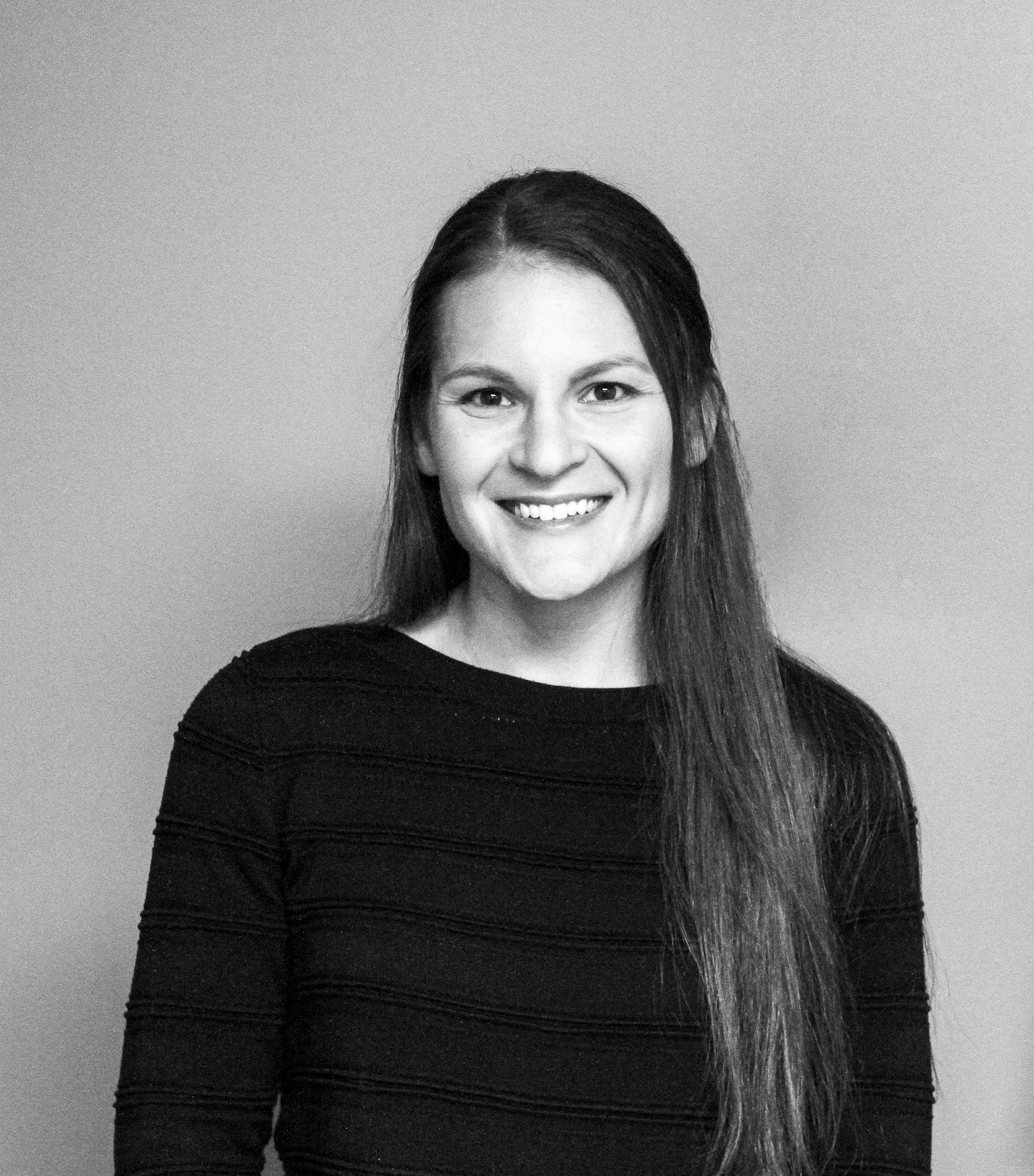
Healthcare delivery often unfolds across multiple clinical touchpoints, yet continuity between those touchpoints can remain difficult to sustain. According to Rachael Rivero, nurse practitioner and owner of Kansas Care Connect and ChronicWELL, for patients managing chronic conditions, care frequently involves several specialists, primary care providers, and diagnostic pathways that do not always communicate in real time.
From her perspective, these structural disconnects can leave patients navigating complex treatment plans alone while providers manage growing administrative strain. “When patient data is fragmented, follow-up between visits is limited, care teams are stretched thin, and small issues can escalate into preventable complications or even hospital stays,” she says.
Kansas Care Connect emerged as her response to those systemic gaps. Built around Medicare’s Chronic Care Management framework, the organization operates as a nurse practitioner-led coordination partner supporting patients between office visits. Its model centers on structured check-ins, care plan oversight, and remote patient monitoring, designed to surface risks earlier.
According to Rivero, proactive monitoring allows care teams to identify changes in condition trends, medication adherence, or lifestyle factors before they evolve into higher-acuity events. Research has noted that structured chronic care coordination programs are associated with reductions in hospital admissions and improved patient engagement, reinforcing the value of sustained between-visit support in complex populations.
Rivero’s pathway into this work was shaped by more than a decade of practicing as a nurse practitioner specializing in pulmonary, sleep, and critical care. Her early clinical foundation began in intensive care settings, where she developed an appreciation for high-acuity problem-solving and interdisciplinary coordination. Over time, she expanded into the outpatient environment, where long-term patient relationships revealed a different set of challenges.
“In the ICU, you are solving immediate crises,” she explains. “But in outpatient care, you begin to see the long story, what happens between visits, what gets missed, and how easily patients can feel lost in the system.”
Those longitudinal relationships became formative. Rivero notes that many patients expressed confusion about treatment sequencing, follow-ups, and specialist coordination. She recalls that care plans could stall when diagnostics were delayed, results were siloed, or communication loops remained incomplete.
“Patients would come back without answers, and providers were just as frustrated because the information, testing, or follow-up they needed hadn’t come together in time to move care forward,” she says. “That cycle kept revealing operational blind spots, even in systems delivering high-quality treatment.”
Drawing on both her clinical exposure and an early academic background in entrepreneurship, Rivero began exploring care coordination frameworks that could operate locally. In 2023, she saw an opportunity to design a nurse-led model tailored to community practices rather than national call-center structures. Launching Kansas Care Connect required balancing full-time clinical responsibilities with business development and family life, yet she viewed the effort as mission-aligned. From her perspective, the need for coordinated support outweighed the uncertainty of building an independent organization from the ground up.
Since its founding, Kansas Care Connect has expanded through various phases. Rivero credits early growth to outcomes-driven trust rather than traditional marketing channels. She explains that the relationship credibility within the medical community played a central role in adoption and growth.
Leadership philosophy has also shaped the organization’s culture. Rivero emphasizes a team-first operating model grounded in collaboration across nurse practitioners, registered nurses, and support staff. “No role is more important than another,” she explains. “We function as one care team, and the work only succeeds when everyone feels ownership in the mission.” She pairs that philosophy with flexible structures that allow many clinicians, particularly working parents, to operate in hybrid or remote formats while maintaining continuity for patients.
Compassion and accountability remain core pillars. Rivero notes that many team members were drawn to the organization through personal caregiving experiences, reinforcing empathy as a hiring lens. She believes those shared motivations translate into deeper patient rapport and sustained engagement, particularly for individuals managing multiple chronic conditions.
Looking ahead, Rivero’s long-term vision extends through ChronicWELL, a broader ecosystem designed to support individuals living with chronic disease beyond traditional coordination services. She explains the initiative as a network model encompassing education, wellness resources, and additional care pathways aimed at helping patients maintain quality of life alongside clinical treatment.
Rachael Rivero’s journey from critical care clinician to healthcare founder reflects an effort to close operational gaps she witnessed firsthand. Through Kansas Care Connect and the developing ChronicWELL platform, Rivero continues to build models centered on coordination, continuity, and human connection, principles she believes remain essential as chronic care needs expand nationwide.