Tag: Issues

  • Earache and Otalgia in Adults and Uncovering Hidden TMJ Problems and Referred Ear Pain Issues

    Earache and Otalgia in Adults and Uncovering Hidden TMJ Problems and Referred Ear Pain Issues

    Earache in adults is often blamed on infections, but many cases of adult ear pain actually come from structures outside the ear, a pattern known as ear pain or secondary otalgia.

    In these situations, the ear becomes a “warning light” for problems in the jaw, teeth, neck, throat, or nerves rather than the true source of disease. Understanding these less obvious causes of otalgia helps adults avoid repeated, ineffective treatment for “ear infections” that are not really present.

    What Is Earache (Otalgia) in Adults?

    Earache, or otalgia, is any pain felt in or around the ear, regardless of where it starts. Clinicians distinguish between primary otalgia, where the problem lies in the ear itself, and secondary or referred ear pain, where the source is elsewhere but the pain is felt in the ear. In children, primary ear infections are common, but in adults, secondary causes frequently dominate.

    A careful ear examination guides this distinction. Primary ear problems such as infections usually cause visible changes, including redness, bulging, perforation, or discharge from the eardrum, often with fever and reduced hearing.

    When the ear looks normal but adult ear pain persists, referred ear pain becomes more likely, and attention shifts to the jaw, teeth, throat, neck, and nerves.

    Can You Have Ear Pain Without an Ear Infection?

    Adults can absolutely have earaches without any infection. When there is no fever, hearing is normal, and the ear exam shows no inflammation, otalgia often reflects problems in nearby structures like the TMJ, teeth, or throat. In these cases, ear drops and antibiotics do little because they do not address the actual source of pain.

    Referred ear pain occurs because nerves serving the ear also carry sensation from other parts of the head and neck. The brain sometimes misreads where the signal started, so a throat, jaw, or neck issue can be experienced as earache. This explains why a normal ear can still hurt and why persistent adult ear pain requires a broader perspective.

    How Does Referred Ear Pain Work?

    Referred ear pain develops from shared nerve pathways. Nerves that serve the temporomandibular joint, teeth, throat, neck, and parts of the chest feed into the same networks that transmit ear sensations. When one of these regions becomes inflamed or injured, the brain may interpret the pain as coming from the ear.

    Because of this overlap, adult ear pain can be puzzling. A dental abscess, TMJ disorder, or throat inflammation can all produce otalgia even when the ear itself appears healthy. Recognizing referred ear pain encourages both patients and clinicians to look beyond simple ear infection as the default explanation.

    What is Referred Ear Pain?

    Referred ear pain is otalgia felt in the ear even though the problem lies elsewhere. Everyday examples include toothache that radiates toward the ear, sore throat that seems to “shoot” into the ear, or jaw strain near the TMJ that feels like ear pressure and ache.

    Often, earache is accompanied by other clues, such as difficulty chewing, swallowing pain, or neck stiffness, pointing toward the real origin, according to Cleveland Clinic.

    TMJ Disorders and Dental Problems as Causes of Adult Ear Pain

    The temporomandibular joint (TMJ), located just in front of the ear, is a leading cause of referred ear pain in adults. TMJ disorders can arise from teeth grinding, jaw clenching, bite misalignment, arthritis, or prior injury.

    The earache from TMJ is often dull, aching, and one-sided, and it tends to worsen with chewing, talking, or yawning. People may notice jaw clicking, popping, locking, or tenderness over the joint, while the ear exam remains normal.

    Dental problems are another major contributor to adult ear pain. Deep cavities, cracked teeth, wisdom tooth issues, and dental abscesses in the molar region can send pain along nerves shared with the ear.

    This referred pain often feels deep and throbbing, worsens with biting or exposure to hot and cold, and may accompany tooth sensitivity, gum swelling, or a bad taste in the mouth. Once the dental issue is treated, the associated earache usually improves.

    How do you Tell the Difference Between TMJ or Dental Pain and an Ear Infection?

    Ear infections typically cause constant pain, often with fever, feeling unwell, reduced hearing, and visible changes in the eardrum such as redness or bulging. There might be ear discharge or a recent history of colds.

    In contrast, TMJ-related otalgia fluctuates with jaw use and comes with jaw symptoms, while dental-related ear pain reflects biting or temperature triggers and clear tooth or gum problems. A normal ear exam strongly points toward TMJ, dental, or other referred causes rather than primary ear disease.

    Throat, Sinus, Neck, and Nerve-Related Sources of Otalgia

    Inflammation of the throat and sinuses can also lead to adult ear pain. Tonsillitis, pharyngitis, sinusitis, and laryngopharyngeal reflux irritate areas with shared nerve connections to the ear, as per Harvard Health.

    Adults may notice sore throat, difficulty swallowing, hoarseness, nasal congestion, or postnasal drip alongside earache, suggesting referred ear pain rather than a primary ear infection. Sinus congestion can also disturb Eustachian tube function, causing ear pressure, fullness, or mild otalgia, especially with changes in altitude or during colds.

    Neck and cervical spine problems such as arthritis, disc disease, or muscle strain can cause dull, persistent discomfort around or behind the ear.

    This type of adult ear pain often worsens with certain head positions and may come with neck stiffness or reduced range of motion. In addition, nerve-related conditions like trigeminal or glossopharyngeal neuralgia, as well as migraine, can present as sharp, electric, or pressure-like ear pain despite a normal ear examination.

    Although less common, serious conditions such as head and neck cancers, temporal arteritis, or even heart attack can sometimes present with referred ear pain.

    Persistent, unexplained adult ear pain, especially in older individuals or those who smoke, drink heavily, or have cardiovascular risk factors, deserves careful evaluation, particularly if it appears with weight loss, swallowing problems, voice changes, neck lumps, chest discomfort, or shortness of breath.

    Understanding Adult Ear Pain for Better Care

    Earache in adults is often more complex than a simple infection, and many cases of otalgia stem from TMJ disorders, dental problems, throat and sinus disease, neck issues, nerve conditions, or, less often, serious underlying illness.

    Recognizing that adult ear pain can be referred to as ear pain encourages a broader look at jaw function, dental health, throat and sinus symptoms, neck posture, and neurological features.

    Mild, brief earache may respond to rest, jaw care, and congestion management, but ear pain that persists, recurs, or comes with red-flag symptoms should prompt medical or dental assessment. By understanding the varied sources of earache, adults can seek more accurate diagnoses and more effective relief from their otalgia.

    Frequently Asked Questions

    1. Can earwax buildup cause adult ear pain that feels like something more serious?

    Yes. Impacted earwax can cause earache, fullness, reduced hearing, and even tinnitus, and it can feel alarming, but it is usually harmless and easily treated once removed by a professional.

    2. Is it normal for adult ear pain to get worse at night?

    It can be. TMJ clenching during sleep, lying on one side, or increased attention to pain when things are quiet can all make earache feel worse at night, even without an infection.

    3. Can stress or anxiety make earache or otalgia worse?

    Yes. Stress can increase jaw clenching and muscle tension in the neck and shoulders, which may aggravate TMJ-related ear pain or tension-type discomfort around the ears.

    4. Should adults with recurring ear pain keep a symptom diary?

    This can be helpful. Tracking when earache happens, what activities trigger it (chewing, cold drinks, head position), and associated symptoms can give doctors valuable clues about referred ear pain sources.




    Source link

  • Why So Many Women’s Health Issues Are Misdiagnosed

    Why So Many Women’s Health Issues Are Misdiagnosed

    Endometriosis is a complex and often misunderstood women’s health issue affecting millions globally yet remains frequently misdiagnosed. Recognizing common endometriosis symptoms, understanding why this condition’s diagnosis is elusive, and distinguishing it from other pelvic pain causes are crucial to improving care for affected women.

    What Are the Common Endometriosis Symptoms?

    Endometriosis is characterized by the growth of tissue similar to the uterine lining outside the uterus, resulting in a wide range of symptoms. The most prevalent sign is pelvic pain, which can be severe and debilitating, according to the World Health Organization.

    This includes painful menstrual cramps that worsen over time, pain before and during periods, and chronic lower abdominal and pelvic pain lasting beyond menstruation. Additionally, women with endometriosis may experience pain during or after sex, pain in the lower back extending to the tailbone, hips, or legs, and painful bowel movements or urination, especially during periods.

    Heavy menstrual bleeding and spotting between periods are common bleeding symptoms. Gastrointestinal issues such as bloating, diarrhea, constipation, nausea, and abdominal distension, sometimes referred to as “endo belly,” may also accompany the condition.

    Fatigue, brain fog, and mood changes including anxiety and depression are often reported, reflecting the disease’s systemic impact beyond localized pain. Infertility affects many women with endometriosis, posing significant emotional and physical challenges. Symptoms may vary considerably among individuals, and some experience flare-ups that amplify their discomfort and other systemic symptoms.​

    Why Is Endometriosis Often Misdiagnosed?

    One key reason for frequent misdiagnosis lies in the symptom overlap with other pelvic pain causes such as irritable bowel syndrome, ovarian cysts, urinary tract infections, pelvic inflammatory disease, and even routine menstrual pain. This overlap confuses both patients and healthcare providers. Symptoms like pelvic pain, bowel and bladder discomfort, and fatigue are nonspecific and common in various gynecological and gastrointestinal conditions.

    The variability in symptom presentation further complicates diagnosis. While some women suffer intense pain, others may have mild or atypical symptoms that do not raise immediate suspicion of endometriosis.

    Additionally, standard noninvasive diagnostic tools lack reliability in detecting endometriosis. The gold standard for diagnosis, laparoscopy with histological confirmation, is a surgical procedure not routinely performed without strong clinical indications.

    Many healthcare providers have limited specialized training in recognizing endometriosis, contributing to underdiagnosis or misattribution of symptoms to psychological causes or other conditions. Consequently, women often face an average diagnostic delay of 7 to 12 years from symptom onset, enduring years of untreated pelvic pain and related symptoms.​

    What Are the Main Pelvic Pain Causes Besides Endometriosis?

    Pelvic pain may stem from numerous causes, making accurate diagnosis challenging. Common sources besides endometriosis include:

    • Irritable bowel syndrome and other gastrointestinal disorders
    • Ovarian cysts or hemorrhagic cysts
    • Urinary tract infections and bladder pain syndrome
    • Pelvic inflammatory disease and infections
    • Musculoskeletal issues such as pelvic floor dysfunction

    Distinguishing endometriosis from these conditions requires detailed patient history, careful physical examination, and when necessary, advanced imaging or surgical exploration, as per the National Institutes of Health. Awareness of endometriosis as a possible cause of chronic pelvic pain is vital to prevent misdiagnosis.​

    How Does Delay in Diagnosis Affect Women’s Health?

    A delayed or missed diagnosis can have profound physical and emotional consequences. Persistent pelvic pain and other symptoms impact daily activities, work productivity, relationships, and mental health. Untreated endometriosis can lead to progressive disease with extensive scarring and adhesions, potentially worsening pelvic pain and contributing to infertility.

    Women often report experiencing invalidation or dismissal of their symptoms, which can exacerbate anxiety, depression, and feelings of isolation. Early diagnosis and treatment are essential to manage symptoms effectively, preserve fertility when desired, and improve quality of life.​

    What Can Be Done to Improve Diagnosis of Endometriosis?

    Improving diagnosis requires enhancing awareness and education about endometriosis among healthcare providers and the public. Clinicians should maintain a high index of suspicion when evaluating women with chronic pelvic pain, painful periods, or unexplained infertility. Comprehensive medical histories that explore pain characteristics, menstrual patterns, and associated symptoms help identify potential cases.

    While laparoscopy remains the definitive diagnostic method, research is underway to develop noninvasive biomarkers and imaging techniques to facilitate earlier detection. Multidisciplinary care involving gynecologists, pain specialists, and mental health professionals often provides the best outcomes.

    Incorporating patient-reported symptom screening tools and advocating for better funding and research into endometriosis also support addressing this women’s health issue more effectively.

    Frequently Asked Questions

    1. What types of treatments are available for managing endometriosis symptoms?

    Endometriosis treatment typically includes medication and surgery. Pain relief options range from over-the-counter painkillers to hormonal treatments that suppress ovulation, menstrual periods, and the growth of endometrial tissue.

    Hormonal treatments include birth control pills, progestin-only medications, and gonadotropin-releasing hormone (GnRH) agonists or antagonists. Surgical options usually involve laparoscopy to remove or destroy endometrial lesions, and in severe cases, hysterectomy may be considered. Treatment plans are often individualized and may combine both medical and surgical approaches to reduce pain and improve quality of life.

    2. Can endometriosis be cured?

    Currently, there is no cure for endometriosis. Treatments focus on managing symptoms, particularly pain, and improving fertility when needed. Hormonal therapies and surgery can control the progression of the disease and alleviate symptoms, but endometriosis can recur even after treatment. Ongoing research aims to develop more effective and long-lasting therapies.

    3. How does endometriosis affect fertility?

    Endometriosis can impact fertility by causing inflammation, scarring, and adhesions around the reproductive organs, which may interfere with egg release, fertilization, or implantation. Women with endometriosis may have difficulty conceiving, and fertility may decline with increasing disease severity. Treatments such as surgery to remove endometriotic tissue can improve fertility outcomes, though success rates vary.

    4. Are there lifestyle changes or complementary therapies that help with endometriosis symptoms?

    While medical treatments are primary, some women find relief through lifestyle changes such as diet modification, regular exercise, stress management, and alternative therapies like acupuncture or physical therapy.

    These approaches may help reduce inflammation and improve overall well-being. However, complementary therapies should be used alongside, not in place of, evidence-based medical care, and patients should discuss these options with their healthcare providers for personalized guidance.


    Source link

  • Key Insomnia Causes and Sleep Issues You Should Know

    Key Insomnia Causes and Sleep Issues You Should Know

    Waking up at 3am is one of the most common sleep issues people experience, often interrupting what should be a full night of rest. For many, these sudden awakenings happen without warning, leaving them frustrated, restless, and uncertain about what caused it. These episodes can significantly impact sleep quality, daytime energy, and overall health—especially when they occur frequently. Understanding why they happen is the first step in addressing the problem.

    A combination of stress, hormonal changes, and natural shifts in the sleep cycle can trigger these nighttime disruptions. According to sleep researchers, early-morning awakenings are often tied to cortisol spikes, unstable blood sugar, or transitions into lighter sleep stages. For others, the cause is rooted in insomnia causes or underlying medical conditions. In this article, we’ll break down the most common explanations for waking up at 3am and what you can do to get your sleep back on track.

    Stress and Hormonal Factors Behind Early Morning Awakenings

    Waking up at 3am is a common issue, and it often feels sudden or mysterious. However, your body is usually reacting to internal signals related to stress, hormones, or metabolism. These factors can disrupt the natural sleep rhythm and push your brain into alertness far earlier than intended. Below are the main biological and emotional triggers that commonly cause early-morning awakenings.

    Key Stress and Hormonal Triggers Explained

    • Elevated Cortisol Levels From Stress: Cortisol rises naturally before morning to help you wake up, but chronic stress or anxiety causes this spike to happen earlier—commonly around 3am. When your mind is overloaded, your brain interprets minor internal signals as a cue to wake up. According to the National Institutes of Health (NIH), high nighttime cortisol overstimulates the nervous system, making you more prone to sudden awakenings during the early hours.
    • Adrenaline Surges From Anxiety or Hormonal Imbalances: Adrenaline is designed to keep you alert during perceived danger. When anxiety activates your fight-or-flight system at night, adrenaline spikes can abruptly pull you out of sleep. People with thyroid imbalances, adrenal disorders, or those going through perimenopause experience these surges even more frequently. Based on a study conducted by Harvard Medical School, fluctuations in estrogen and progesterone disrupt sleep continuity, causing many individuals—especially women—to wake suddenly during the night.
    • Blood Sugar Drops During Sleep: If your glucose level falls too low while sleeping, your body releases adrenaline and cortisol to stabilize it. This internal “alarm response” wakes you up quickly and often leaves you feeling alert or restless. Blood sugar dips are more likely when someone eats a high-carb dinner, drinks alcohol before bed, or has insulin-related issues. When the body senses low fuel, it interrupts sleep to restore balance.
    • Hormonal Shifts Linked to Medical or Life-Stage Changes: Hormonal fluctuations caused by thyroid problems, menopause, adrenal issues, or metabolic disorders can make your sleep more fragile. These imbalances affect temperature regulation, heart rate, and stress hormone production. As a result, the body may interpret normal internal changes as a signal to wake up—leading to repeated 3am interruptions.

    Sleep Cycle Disruptions and Medical Conditions Affecting Sleep Maintenance

    The sleep cycle naturally enters lighter phases in the early morning hours. Between 2am and 4am, the body transitions out of deep sleep and toward REM sleep, which makes it more sensitive to noise, temperature changes, and internal disruptions. This alone increases the chances of waking up at 3am.

    According to the Centers for Disease Control and Prevention (CDC), sleep issues involving fragmented rest are often connected to disorders like insomnia, sleep apnea, and restless leg syndrome. These conditions disrupt normal sleep architecture, forcing the brain to wake repeatedly throughout the night—often during the early morning window.

    Sleep apnea, for example, causes pauses in breathing that trigger the brain into waking up for air. Restless leg syndrome creates uncomfortable sensations that worsen at night, while insomnia involves difficulty staying asleep even when the person falls asleep normally.

    Other medical issues can also contribute. Bladder problems prompt nighttime urination, chronic pain interrupts deep sleep, and neurological conditions interfere with maintaining sleep. Conditions like neuropathy, arthritis, and acid reflux are major contributors to sleep maintenance insomnia, a form of insomnia where people wake up too early and struggle to fall back asleep. If you find yourself frequently waking up at 3am despite going to bed at a normal time, it may be a sign of underlying sleep issues or medical conditions that need attention.

    Conclusion

    Waking up at 3am is often caused by stress, hormonal changes, and sleep cycle patterns that make the body more vulnerable to interruptions. By understanding these triggers—along with common sleep issues and insomnia causes—you can take steps to improve sleep quality and nighttime stability. Managing stress, addressing underlying medical conditions, and supporting your natural sleep rhythm all play important roles in preventing those frustrating early-morning episodes. Focusing on your overall well-being helps ensure that waking up at 3am becomes less frequent, leading to deeper, more restorative rest and better long-term health.

    Frequently Asked Questions

    1. Is waking up at 3am harmful to overall health?

    Occasional early awakenings are normal, but frequent episodes can lead to fatigue, mood changes, weakened immunity, and long-term sleep deprivation.

    2. What lifestyle changes can improve sleep continuity?

    Reduce nighttime stress, limit caffeine and alcohol, keep a consistent sleep schedule, and create a cool, quiet sleep environment. Practicing relaxation techniques before bed also helps stabilize cortisol levels.

    3. When should medical help be sought for sleep disruptions?

    If waking up at 3am happens more than three times per week for over a month, or if it interferes with daytime functioning, it’s time to see a doctor or sleep specialist.

    4. Are hormonal or metabolic issues important to address?

    Yes. Hormonal imbalances, thyroid issues, and blood sugar problems can all affect sleep. Proper diagnosis and treatment can greatly improve nighttime stability.


    Source link

  • Top Hormonal Imbalance Symptoms and How Estrogen Imbalance Triggers Women’s Hormone Issues

    Top Hormonal Imbalance Symptoms and How Estrogen Imbalance Triggers Women’s Hormone Issues

    Hormonal imbalances in women occur when there is too much or too little of a hormone in the bloodstream, disrupting the body’s intricate chemical messaging system that regulates many vital functions. Recognizing the symptoms and understanding the causes of women’s hormone issuesis crucial for early diagnosis and effective management.

    This article explores common hormonal imbalance symptoms, women’s hormone issues, estrogen imbalance, and key answers to frequently asked questions, while also discussing treatment options for a well-rounded understanding.

    Hormones and Their Role in Women’s Health

    Hormones such as estrogen, progesterone, and testosterone play critical roles in regulating the menstrual cycle, reproductive functions, metabolism, mood, and overall health. Estrogen, in particular, helps maintain reproductive tissues, bone density, and skin health. These hormones interact in a delicate balance, and any disruption can trigger various symptoms and health challenges, underlying the importance of hormonal balance for women’s well-being.

    What Causes Hormonal Imbalance in Women?

    Hormonal imbalances can arise from multiple sources, according to the National Institutes of Health. These include:

    • Natural life stages such as puberty, pregnancy, perimenopause, and menopause cause fluctuating hormone levels.
    • Stress, poor diet, insufficient sleep, and lack of exercise can disrupt hormonal regulation by affecting cortisol and other hormones.
    • Medical conditions including polycystic ovary syndrome (PCOS), thyroid disorders, adrenal gland dysfunction, and insulin resistance can interfere with hormone production or processing.
    • Environmental toxins and exposure to endocrine disruptors found in plastics, pesticides, and personal care products also play a role in disturbing hormone balance.

    These causes highlight the complexity of women’s hormone issues and the need for comprehensive evaluation when symptoms appear.

    Understanding Estrogen Imbalance

    Estrogen imbalance refers to either excess or deficiency of this key hormone in the body. High estrogen levels can cause heavy or irregular menstrual bleeding, weight gain, mood swings, and breast tenderness due to its effect on the uterine lining and neurotransmitters. Low estrogen levels, common during menopause, may lead to hot flashes, vaginal dryness, osteoporosis risk, cognitive changes, and fatigue. Awareness of these estrogen imbalance symptoms helps in targeting appropriate treatment strategies and lifestyle adjustments, as per the World Health Organization.

    Recognizing Hormonal Imbalance Symptoms (Signs Your Body Is Off)

    Women may experience a diverse range of signs indicating hormonal disruption:

    • Menstrual irregularities such as missed, heavy, or unpredictable cycles.
    • Mood changes, including anxiety, irritability, depression, and mood swings.
    • Weight fluctuations and difficulty losing weight despite diet efforts.
    • Low libido and sexual dysfunction, including vaginal dryness or painful intercourse.
    • Skin problems such as acne flare-ups, dryness, hair thinning, or excessive hair growth.
    • Sleep disturbance, including insomnia, night sweats, and fatigue.
    • Digestive issues like constipation or diarrhea, sometimes linked to hormone-driven gut activity.

    Because these symptoms often overlap with other conditions, clinical investigation is advised for accurate diagnosis.

    Treatment Options for Hormonal Imbalance

    Managing hormonal imbalances symptoms involves multiple approaches tailored to the individual’s symptoms and underlying causes:

    • Hormonal birth control is frequently prescribed to regulate menstrual cycles and alleviate symptoms like heavy bleeding or painful periods. Available forms include pills, patches, rings, shots, and intrauterine devices (IUDs).
    • Hormone replacement therapy (HRT) is effective particularly for menopausal women experiencing low estrogen symptoms such as hot flashes and night sweats. Bioidentical hormone replacement therapy (BHRT) uses hormones molecularly identical to those in the body to provide personalized treatment.
    • Medications such as anti-androgens help reduce symptoms of excess male hormones in conditions like PCOS, addressing acne and unwanted hair growth.
    • Vaginal estrogen creams, tablets, or rings treat vaginal dryness and discomfort related to estrogen deficiency.
    • For women with PCOS who are trying to conceive, ovulation-inducing drugs like clomiphene (Clomid) or letrozole (Femara) and assisted reproductive technologies such as in vitro fertilization (IVF) may be utilized.
    • Thyroid hormone therapies are essential for patients with hypothyroidism or hyperthyroidism, ensuring balanced thyroid levels and improved metabolic function.
    • Lifestyle interventions are fundamental: regular exercise, such as yoga, swimming, or walking, reduces stress and supports hormone balance by boosting endorphin release.
    • Nutritional approaches include consuming adaptogenic herbs such as ashwagandha, maca root, and fenugreek, which may help regulate the endocrine system naturally.
    • Stress management techniques such as meditation and mindfulness help normalize cortisol levels and improve overall hormonal health.

    When to Seek Medical Advice

    Women noticing persistent hormonal imbalance symptoms should consult healthcare providers for hormone level testing and diagnostic evaluations. Timely intervention can prevent complications like infertility, bone loss, metabolic syndrome, or severe mood disorders. Diagnosing the specific hormonal issues enables personalized treatment plans combining medical and lifestyle measures for the best outcomes.

    Hormonal imbalance symptoms in women reflect disruptions in a complex endocrine network influenced by natural aging, medical conditions, lifestyle, and environmental factors. Estrogen imbalance significantly impacts physical, emotional, and reproductive health. Recognizing signs early and understanding the diverse causes allows women to seek appropriate care and restore hormonal balance effectively. Through a combination of targeted treatments, lifestyle changes, and ongoing care, women can maintain hormonal health and improve quality of life.

    Frequently Asked Questions

    1. How can hormonal imbalances affect long-term health in women?

    Hormonal imbalances can have significant long-term effects, including increased risk of infertility, osteoporosis due to low estrogen, pregnancy complications, and elevated risk for hormone-dependent cancers such as breast and ovarian cancer. Chronic imbalance may also contribute to metabolic disorders like diabetes and cardiovascular disease, emphasizing the importance of early diagnosis and management.​

    2. Can hormonal imbalances impact brain health and cognitive function?

    Yes, hormonal fluctuations, especially declining estrogen during menopause, are linked to neurological symptoms such as memory loss, difficulty concentrating, mood swings, and increased risk for conditions like dementia and Alzheimer’s disease. Hormones influence neurotransmitter function and brain health, making hormonal balance essential for mental well-being.​

    3. Are there natural remedies or lifestyle choices that can help prevent hormonal imbalances?

    Besides medical treatments, lifestyle factors play a strong role in hormone balance. Stress reduction techniques (meditation, yoga), consistent exercise, a balanced diet rich in whole foods, and avoiding endocrine disruptors (like certain plastics and chemicals) can support hormone health. Adaptogenic herbs such as ashwagandha and macaw may also help regulate hormones naturally when used appropriately.​

    4. How do hormonal imbalances affect pregnancy and fertility beyond menstrual irregularities?

    Hormonal imbalances can cause more than irregular cycles; they may impair ovulation and reduce fertility. Conditions like PCOS are major hormone-related causes of infertility. Hormonal disruptions during pregnancy increase risks for gestational diabetes, pre-eclampsia, miscarriages, and can affect fetal development. Timely hormonal evaluation and treatment improves pregnancy outcomes.


    Source link

  • Stellantis Issues Major Recall for Dodge Darts Due to Rollaway Safety Hazard

    Stellantis Issues Major Recall for Dodge Darts Due to Rollaway Safety Hazard

    Stellantis, the parent company of Dodge and Chrysler, has issued a major recall for more than 298,000 Dodge Dart vehicles due to a serious safety issue that could cause the cars to roll away unexpectedly.

    The announcement came through the National Highway Traffic Safety Administration (NHTSA) on October 9, 2025.

    The recall affects Dodge Dart sedans from model years 2013 to 2016. The problem lies in the transmission shift cable, which can become disconnected.

    When this happens, drivers may think the car is in park when it’s actually not, which increases the risk of a rollaway accident—especially dangerous if someone is behind or near the vehicle.

    According to USA Today, Stellantis said the issue is tied to a previous recall from 2019 (Recall No. 19V293000).

    At that time, the company replaced the cable bushing, but many owners have continued to report problems even after the fix.

    After reviewing the complaints and investigating the vehicles between June and October 2025, Stellantis confirmed the issue still exists and issued a new recall: 25V674000.


    Stellantis to Fix Dodge Dart Defect for Free

    As of now, the company says there have been no reported injuries or crashes linked to this defect. However, out of caution, it is asking all affected owners to take the issue seriously.

    While Stellantis works on a permanent solution, dealers will be notified starting October 16, and vehicle owners will be contacted between November 6 and November 13.

    Affected customers will receive a letter in the mail explaining the issue and the next steps. Once a fix is available, repairs will be provided at no cost.

    Drivers concerned about their vehicle can reach out to Chrysler customer service at 800-853-1403. The recall number for reference is A0C, CBS News reported.

    This isn’t the first time Stellantis has faced a recall in 2025. Earlier in the year, the automaker pulled back more than 63,000 Jeep Cherokees because of a defect that could cause the vehicles to lose power or their parking capability.

    Even with the recall, Stellantis had some positive news to share — the company revealed plans to invest $13 billion in its US manufacturing network.

    The move is expected to add around 5,000 new jobs across Illinois, Indiana, Michigan, and Ohio.

    Originally published on vcpost.com

    Source link

  • Dolly Parton Scraps Vegas Shows Over Health Issues

    Dolly Parton Scraps Vegas Shows Over Health Issues

    Dolly Parton, 79, has postponed her upcoming Las Vegas concerts due to “health challenges,” the American country music legend announced, although she stressed she is not yet ending her glittering career.

    “As many of you know, I have been dealing with some health challenges, and my doctors tell me that I must have a few procedures,” the singer-songwriter posted on social media late Sunday, without disclosing specifics.

    The “Jolene” and “I Will Always Love You” hitmaker kept her trademark humor intact, quipping that “it must be time for my 100,000-mile check-up, although it’s not the usual trip to see my plastic surgeon!”

    “In all seriousness, given this, I am not going to be able to rehearse and put together the show that you want to see.”

    Parton was set to perform six nights of sold-out shows in December at Caesars Palace. She revealed that the new dates are set for September of 2026.

    She told her millions of followers that she would continue her projects in Nashville but would need “a little time to get show ready, as they say.

    “And don’t worry about me quittin’ the business because God hasn’t said anything about stopping yet.”

    Parton became a major star in the 1970s, with singles including “Coat of Many Colors,” and followed up with smash hits like “I Will Always Love You,” famously covered by Whitney Houston, and “9 to 5.”

    Source link

  • Got Memory Issues? Here’s How To Tell If It’s Dementia Or Just Aging

    Got Memory Issues? Here’s How To Tell If It’s Dementia Or Just Aging

    Who has not forgotten a name, occasionally misplaced things, or stumbled over the right word during a conversation? However, with growing awareness about dementia, these occasional memory lapses often leave people wondering if it could be an early sign of dementia.

    As people get older, you might notice that it takes a little longer to remember things than it once did, but most of the time, there is no cause for concern. This occasional forgetfulness is called age-associated memory impairment and is a normal part of aging. Although it may feel frustrating, it does not mean you have dementia.

    Although many people confuse normal aging with dementia, the two are very different. Dementia often begins with mild memory loss but progressively worsens over time. In normal age-related memory changes, forgetfulness tends to be occasional and typically involves memories from the more distant past. In contrast, people with dementia frequently struggle with recent events, such as forgetting a conversation they had earlier that day or not recognizing someone they just met.

    Dementia is not just about memory loss. It also brings confusion, difficulty managing everyday tasks, trouble with language and understanding, and noticeable changes in behavior. Over time, these challenges interfere with a person’s ability to perform daily activities and can significantly affect their independence.

    However, it is important to remember that noticing symptoms like memory loss or confusion is not enough to diagnose dementia. Only a healthcare professional can make that diagnosis after a thorough evaluation. This typically involves medical history, cognitive tests, physical exams, and sometimes brain imaging to rule out other possible causes.

    Memory issues can also stem from a variety of other causes, including head injuries like concussions, brain tumors or infections, thyroid or organ problems, medication side effects, mental health conditions like depression and anxiety, substance misuse, sleep disturbances, or even deficiencies in key nutrients such as vitamin B12 and poor nutrition.

    When to see a doctor?

    If memory problems start interfering with daily life, it is important to see a doctor. Warning signs include repeating the same questions over and over, getting lost in familiar places, or struggling to manage personal care.

    In some cases, older adults may be diagnosed with mild cognitive impairment (MCI), a condition where memory or thinking problems are more noticeable than in others their age. However, unlike dementia, people with MCI can usually manage their daily activities independently, but it can sometimes be an early sign of Alzheimer’s disease.

    Source link

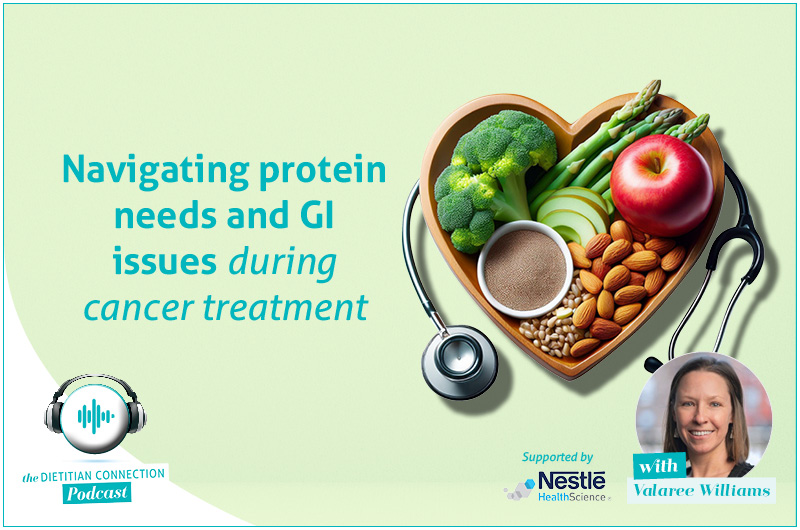
  • Protein & GI issues in cancer

    Protein & GI issues in cancer

    Earlier this year, Certified Specialist in Oncology Nutrition, Valaree Williams presented Managing gastrointestinal disturbances in cancer patients: Strategies for optimizing patient care.Valaree is back to talk about the importance of protein for those going through cancer treatment and to continue answering YOUR questions from the webinar. Tune in to learn ways to make protein foods appealing when taste and appetite have been impacted by cancer treatment, how to address swallowing issues, and nuanced recommendations for diarrhea and constipation– there may be a case for marshmallows…

    Hosted by Kristin Houts

    Biography

    Valaree Williams, MS, RDN, CSO, LDN, CNSC, FAND, became a registered dietitian nutritionist in 2006 and has focused many years of her work on the provision of nutrition care to patients with cancer. She is currently employed as a clinical dietitian at Memorial Sloan Kettering Cancer Center in Middletown, New Jersey. Valaree serves in volunteer roles for the Academy of Nutrition and Dietetics, Commission on Dietetic Registration, and ASPEN, where she currently serves as the chair for CDR. Additionally, she has contributed to several oncology nutrition publications. 

    In this episode, we discuss:

    • Protein recommendations for cancer patients
    • Modifications to meals and snacks for those with swallowing difficulty
    • Fiber’s role in the management of treatment-induced diarrhea and constipation
    • The collaborative nature of cancer care and integral role of the dietitian on a medical team


    Additional resources

    In case you missed it, you can watch Valaree’s presentation Managing gastrointestinal disturbances in cancer patients: Strategies for optimizing patient care” here.


    Supported by 


    The content, products and/or services referred to in this podcast are intended for Health Care Professionals only and are not, and are not intended to be, medical advice, which should be tailored to your individual circumstances. The content is for your information only, and we advise that you exercise your own judgement before deciding to use the information provided. Professional medical advice should be obtained before taking action. The reference to particular products and/or services in this episode does not constitute any form of endorsement. Please see  here  for terms and conditions.

    Source link