Tag: Iron

  • Who Should Take Them and Safe Iron Deficiency Treatment Tips for Anemia

    Who Should Take Them and Safe Iron Deficiency Treatment Tips for Anemia

    Iron supplements play an important role in maintaining healthy red blood cells and supporting oxygen transport throughout the body. When used appropriately, they can be an effective part of iron deficiency treatment and anemia management, but unnecessary use can cause side effects and even serious health risks.

    Understanding who needs them and who should avoid them helps readers make safer, more informed decisions.

    What Are Iron Supplements?

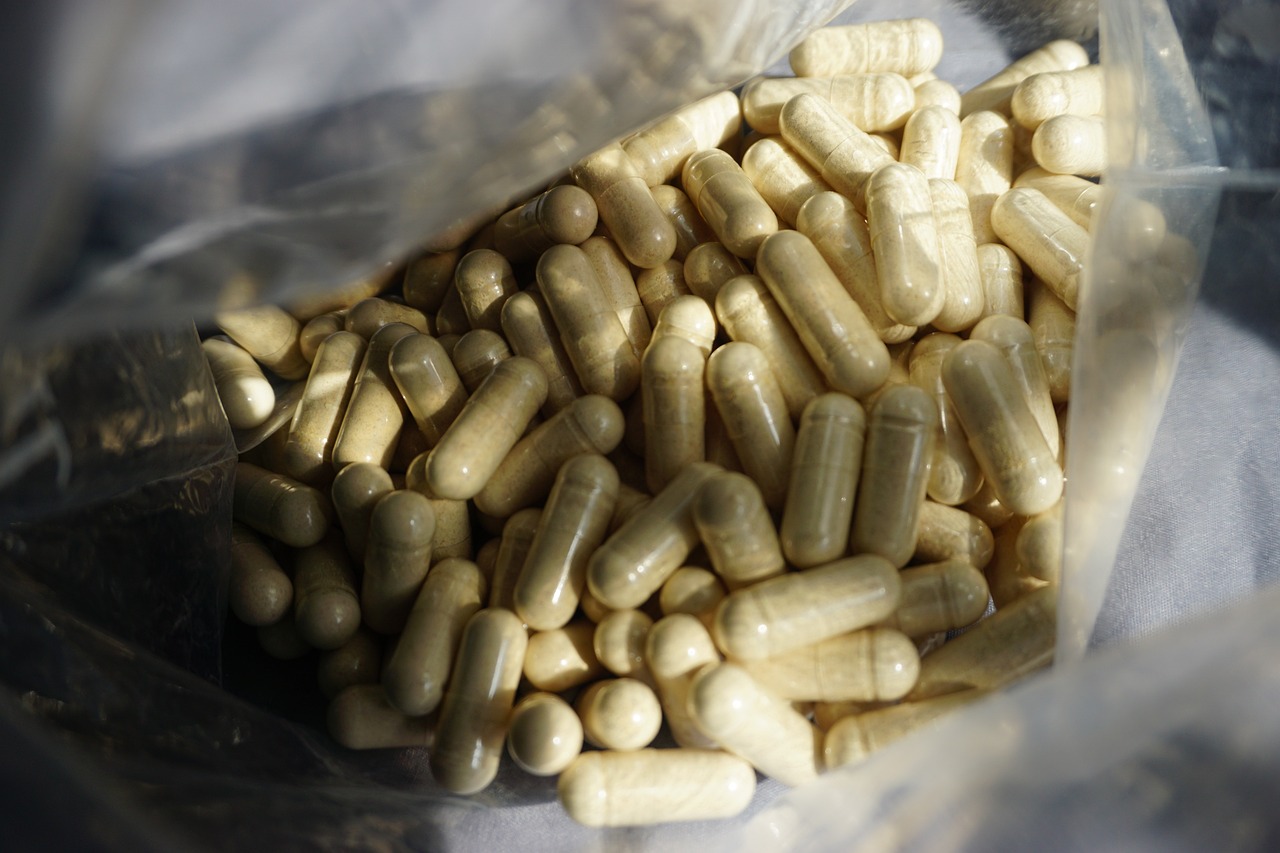
    Iron supplements are products designed to increase iron levels in the body when diet alone is not enough. They are commonly used to support iron deficiency treatment and to help manage anemia caused by low iron stores.

    Most over-the-counter iron supplements contain forms such as ferrous sulfate, ferrous gluconate, or ferrous fumarate, often available as tablets, capsules, or liquids. These forms differ slightly in how much elemental iron they deliver and how well they are tolerated.

    In many cases, healthcare professionals choose the specific type and dose based on blood test results, existing health conditions, and how severe the anemia is.

    Who Really Needs Iron Supplements?

    Not everyone benefits from taking iron supplements, and starting them without medical guidance can be risky. In general, people who need them have documented low iron levels or clear signs of iron deficiency anemia confirmed through laboratory testing.

    Individuals with diagnosed iron deficiency usually have low ferritin (the body’s iron storage protein) and may also have low hemoglobin or hematocrit. In such cases, iron supplements become a central part of iron deficiency treatment to restore iron stores and support normal red blood cell production.

    Those at higher risk include pregnant people, infants and children in rapid growth phases, individuals with heavy menstrual bleeding, frequent blood donors, and people with chronic blood loss from conditions such as ulcers or gastrointestinal disorders.

    Some groups are more prone to iron deficiency even when they try to eat well. Vegetarians and vegans may not get enough highly absorbable heme iron from animal sources and can be more vulnerable to low iron over time if intake is not carefully planned.

    People with gastrointestinal conditions such as celiac disease, inflammatory bowel disease, or those who have had bariatric surgery may have poor absorption and may rely on iron supplements as part of their long-term anemia management.

    Athletes, especially endurance athletes, can also have increased iron needs because of higher red blood cell turnover and losses through sweat and minor gastrointestinal bleeding.

    Signs That Someone Might Need Iron Supplements

    Iron deficiency and anemia can be subtle at first, but they often share a cluster of recognizable symptoms. Common signs include persistent fatigue, weakness, pale or sallow skin, shortness of breath with mild exertion, and feeling unusually cold. Some people develop headaches, dizziness, brittle nails, or hair thinning as their iron levels drop.

    Cognitive and neurological symptoms can also appear with iron deficiency anemia. Difficulty concentrating, irritability, and restless legs, particularly at night, may be linked to insufficient iron, according to the World Health Organization.

    Because these symptoms can mimic other conditions such as thyroid problems, chronic fatigue, or depression, self-diagnosis is unreliable. Iron supplements should not be started solely based on symptoms without confirming iron deficiency through blood tests like ferritin, serum iron, transferrin saturation, and a complete blood count.

    A proper evaluation for potential iron deficiency treatment usually includes a health history that covers diet, menstrual patterns, digestive symptoms, blood loss, and existing medical conditions.

    This assessment helps determine whether iron supplements are appropriate, whether dietary changes might be enough, or whether another underlying cause needs attention.

    How Iron Supplements Are Used in Iron Deficiency Treatment

    In iron deficiency treatment and anemia management, supplements are often used for a defined period rather than indefinitely. Once a healthcare professional confirms iron deficiency anemia, an oral iron preparation is usually prescribed with a specific dose and schedule.

    For many people, energy levels start to improve within a few weeks as hemoglobin begins to rise, but full replenishment of iron stores often takes several months.

    Iron supplements are generally more effective when taken on an empty stomach because food can reduce absorption. However, this approach can increase stomach upset for some individuals.

    To balance comfort and absorption, many people are advised to take iron with a small amount of food or to adjust the timing. Vitamin C, whether from a supplement or a glass of orange juice, may help enhance iron absorption when taken at the same time as the iron tablet.

    Dietary strategies are usually recommended alongside supplements. Including iron-rich foods such as lean red meat, poultry, fish, beans, lentils, tofu, and fortified cereals can support the body’s recovery from anemia.

    Pairing plant-based iron sources with vitamin C–rich foods like citrus fruits, strawberries, or bell peppers can help improve non-heme iron absorption. At the same time, limiting tea, coffee, and calcium-rich foods around supplement time can prevent interference with absorption.

    Side Effects, Risks, and Overdose

    Even when used properly, iron supplements can cause side effects. Common complaints include constipation, nausea, stomach discomfort, diarrhea, or dark stools.

    These reactions are not necessarily dangerous but can be uncomfortable enough for some people to stop treatment prematurely, which can slow or reverse the progress of iron deficiency treatment.

    To reduce side effects, healthcare professionals may adjust the dose, switch to another type of iron supplement, or recommend taking the supplement with food despite the slight reduction in absorption, as per the National Institutes of Health.

    Sometimes, lower but more frequent doses are better tolerated. Slow-release formulations might be suggested for specific cases, although their absorption characteristics can differ.

    Taking too much iron is particularly dangerous for children, as accidental ingestion of adult iron supplements can lead to poisoning and requires urgent medical care. In adults, chronic overuse of iron supplements without monitoring can gradually lead to iron overload.

    This excess iron may accumulate in organs such as the liver, heart, and pancreas, potentially contributing to conditions like cirrhosis, heart arrhythmias, or diabetes in susceptible individuals. This risk reinforces the importance of using iron supplements only when they are truly needed.

    Alternatives and When Intravenous Iron Is Considered

    For some people, oral iron supplements are not effective or not tolerated despite adjustments in dose and timing. Individuals with severe anemia, ongoing blood loss, very poor iron absorption, or significant digestive side effects may require a different approach.

    In these situations, healthcare professionals sometimes consider intravenous (IV) iron as part of more intensive anemia management.

    Intravenous iron delivers iron directly into the bloodstream, bypassing the digestive tract. This method can replenish iron stores more quickly, especially when rapid correction is needed or when oral iron simply does not work.

    However, IV iron is usually given in clinical settings due to the need for monitoring during infusion and the small risk of allergic reactions.

    In mild cases or early stages of deficiency, dietary strategies alone may be enough without supplements. Addressing underlying causes, such as treating heavy menstrual bleeding, managing gastrointestinal conditions, or improving overall nutrient intake, can help prevent recurring anemia.

    Regular monitoring through blood tests allows adjustments over time and helps determine whether iron supplements can be safely stopped once iron levels have normalized.

    Frequently Asked Questions

    1. Can someone take iron supplements long term for energy?

    Long-term use of iron supplements just for “energy” is not advised without confirmed deficiency and medical supervision. Excess iron can build up over time and increase the risk of organ damage, so duration and dose should be guided by blood tests.​

    2. Is it safe to take iron supplements together with other vitamin or mineral supplements?

    Iron supplements can be used with many vitamins, but nutrients like calcium may reduce iron absorption if taken at the same time. Spacing iron away from high-calcium products and checking for individual interactions with a healthcare professional is generally recommended.​

    3. How often should iron levels be checked while on iron deficiency treatment?

    Iron levels are often checked after several weeks to a few months of iron deficiency treatment to see if anemia is improving. Once levels normalize, testing can be less frequent, and supplements may be reduced or discontinued to avoid unnecessary long-term use.​

    4. Can dietary changes alone reverse mild anemia without iron supplements?

    Mild anemia from low intake may improve with more iron-rich foods and better absorption strategies, such as pairing plant iron with vitamin C. More significant anemia, blood loss, or absorption problems usually require iron supplements or other medical treatment in addition to diet changes.​


    Source link

  • Iron Stag

    Iron Stag

    Product Name: Iron Stag

    Click here to get Iron Stag at discounted price while it’s still available…

    All orders are protected by SSL encryption – the highest industry standard for online security from trusted vendors.

    Iron Stag is backed with a 60 Day No Questions Asked Money Back Guarantee. If within the first 60 days of receipt you are not satisfied with Wake Up Lean™, you can request a refund by sending an email to the address given inside the product and we will immediately refund your entire purchase price, with no questions asked.

    (more…)

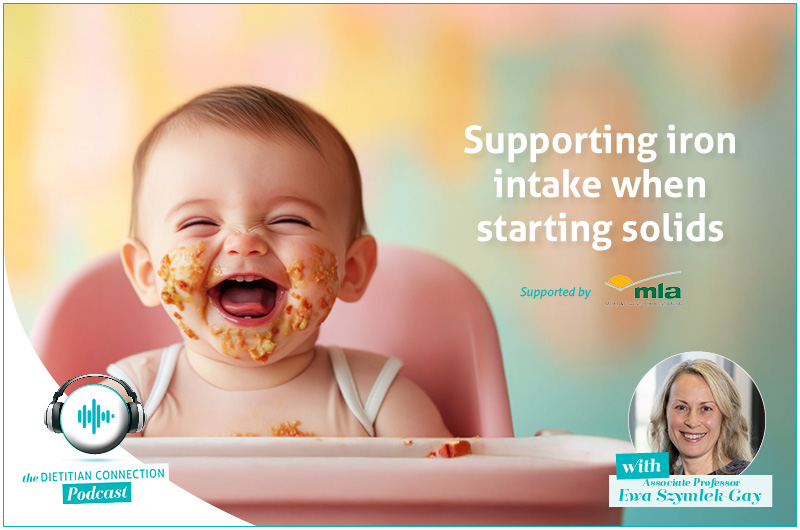
  • Supporting iron intake when starting solids

    Supporting iron intake when starting solids

    Why is iron so important in the early years, and how can dietitians help families get it right from the start? In this follow-up episode from our hugely popular Paediatric Symposium, Associate Professor Ewa Szymlek-Gay dives into the science and practicalities of iron nutrition in babies and toddlers – from starting solids to supplements. A must-listen for dietitians working in paediatrics, maternal health or family nutrition.

    Hosted by Brooke Delfino

    Biography

    Associate Professor Ewa Szymlek-Gay leads a research program focusing on micronutrients and health at the Institute for Physical Activity and Nutrition, Deakin University. She has over 20 years of experience investigating micronutrient absorption and requirements; the aetiology and consequences of micronutrient deficiencies and excess; and strategies to enhance the content and bioavailability of micronutrients in the diets of at-risk populations in low-and high-resource countries, and the impact of these interventions on functional outcomes.


    In this episode, we discuss:

    • Why iron matters in early childhood
    • When and how to introduce iron-rich foods
    • Iron-rich options for baby-led weaning
    • Practical tips for vegetarian and plant-based families
    • Iron enhancers and inhibitors explained


    Additional resources

    • Click here to catch up on our Paediatric Symposium ‘A journey through early life nutrition’
    • Click here to download or order free resources from the MLA Healthy Meals website

    Supported by 


    The content, products and/or services referred to in this podcast are intended for Health Care Professionals only and are not, and are not intended to be, medical advice, which should be tailored to your individual circumstances. The content is for your information only, and we advise that you exercise your own judgement before deciding to use the information provided. Professional medical advice should be obtained before taking action. The reference to particular products and/or services in this episode does not constitute any form of endorsement. Please see  here  for terms and conditions.

    Source link

  • Heme Iron and Cancer 

    Heme Iron and Cancer 

    Laboratory models suggest that extreme doses of heme iron may be detrimental, but what about the effects of nutritional doses in humans?

    In muscle meat, there is a heme protein that contributes to, well, the meaty taste of meat. There’s also a heme protein in the roots of soybean plants that can be churned out to provide a similar flavor and aroma in plant-based meat, which is used to make the Impossible Burger possible. The question is: Are there any downsides?

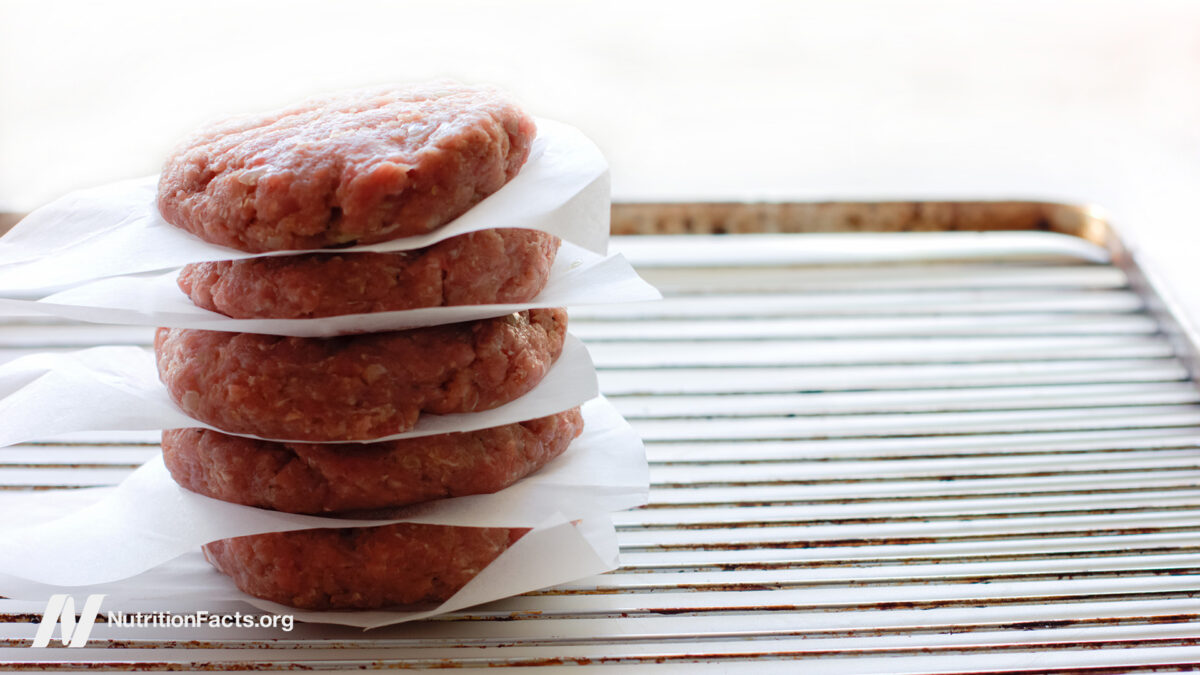
    When the European Food Safety Authority was considering the safety of adding heme iron to foods, its main concern was a potential increased risk of colon cancer. As you can see below and at 1:00 in my video Does Heme Iron Cause Cancer?, we know meat causes cancer. Processed meat—bacon, ham, hot dogs, sausages, and lunch meat—is considered a Group 1 carcinogen, meaning we know it causes cancer in people with the same level of certainty that something like smoking causes cancer, whereas something like a burger probably causes cancer in people, kind of like DDT. But what’s the role of heme iron? 

    There are all sorts of potential mechanisms to explain the cancer risk. Meat has the pro-inflammatory long-chain omega-6 arachidonic acid and more of the aging- and cancer-associated methionine, trans fat, and endogenous hormones like IGF-1, not to mention the ones that are implanted in animals as “exogenous hormonal growth-promoters.” Then there are all the toxic pollutants that build up the food chain, like pesticides and formaldehyde.

    According to the prestigious IARC, the International Agency for Research on Cancer, “there is strong evidence that HAAs [heterocyclic aromatic amines], by causing DNA damage, contribute to carcinogenic mechanisms associated with the consumption of red meat.” These DNA-damaging compounds are formed when muscle tissue is exposed to high, dry heat like grilling, roasting, baking, and broiling—basically anything above steaming or stewing. There is also “strong evidence” that the formation of so-called N-nitroso compounds contributes to the cancer-causing mechanism. Those are carcinogens that can form inside our gut when we eat meat. However, there is also “strong evidence that haem [heme] iron contributes to the carcinogenic mechanisms associated with red and processed meat.”

    Normally I might leave it there, but other authoritative bodies I respect, like the American Institute for Cancer Research and the World Cancer Research Fund, are more tentative. While they agree there is some evidence that the “consumption of foods containing haem iron might increase the risk of colorectal cancer,” they consider the evidence suggesting such a connection to be limited.

    Much of the available evidence is based on data from lab animals, such as the study titled “Dietary Heme Induces Gut Dysbiosis, Aggravates Colitis, and Potentiates the Development of Adenomas in Mice,” in which dietary heme was found to disrupt the gut flora, aggravate inflammation, and potentiate the development of intestinal tumors in mice. But it’s critical to note that, in all the laboratory animal models that have been used, the rodents ingested meat or heme equivalent to humans eating up to 40,000 pounds (18,000 kilograms) of meat a day. Even the smallest dose would be about a dozen daily Impossible Burgers.

    In another study, ascribing “a central role for heme iron” in the development of colon cancer associated with meat intake, the authors claimed they “aimed at determining, at nutritional doses, which is the main factor involved and proposing a mechanism of cancer promotion by red meat.” So, heme “doses were chosen to mimic red meat consumption,” and, indeed, there was a significant increase in tumor load, as you can see here and at 3:41 in my video

    The researchers concluded that their “results strongly suggest that at concentrations that are in line with human red meat consumption, heme iron is associated with the promotion of colon carcinogenesis,” that is, cancer development. However, if you look at the actual diet given to the participants and do the math, it was 500 times the level of heme found in people’s diets, in excess of about 20 pounds of meat a day. Of course, even if they really did use the right doses, they’re still going to end up with data on the wrong species, which brings us to clinical studies that we’ll explore next. 

    This is part of a nine-video series on plant-based meats. If you missed any of the other earlier installments, check out the related posts below.

    The final two videos in the series are coming up next. See Heme-Induced N-Nitroso Compounds and Fat Oxidation and Is Heme the Reason Meat Is Carcinogenic?.


    Source link

  • Iron Man Stamina

    Iron Man Stamina

    Product Name: Iron Man Stamina

    Click here to get Iron Man Stamina at discounted price while it’s still available…

    All orders are protected by SSL encryption – the highest industry standard for online security from trusted vendors.

    Iron Man Stamina is backed with a 60 Day No Questions Asked Money Back Guarantee. If within the first 60 days of receipt you are not satisfied with Wake Up Lean™, you can request a refund by sending an email to the address given inside the product and we will immediately refund your entire purchase price, with no questions asked.

    (more…)

  • Is Stainless Steel or Cast Iron Cookware Best? Is Teflon Safe?

    Is Stainless Steel or Cast Iron Cookware Best? Is Teflon Safe?

    What is the best type of pots and pans to use?

    In my last video, I expressed concerns about the use of aluminum cookware. So, what’s the best type of pots and pans to use? As I discuss in my video Stainless Steel or Cast Iron: Which Cookware Is Best? Is Teflon Safe?, stainless steel is an excellent option. It’s the metal chosen for use “in applications where safety and hygiene are considered to be of the utmost importance, such as kitchenware.” But what about studies showing that the nickel and chromium in stainless steel, which keeps the iron in stainless unstained by rust, can leach into foods during cooking? The leaching only seems to occur when the cookware is brand new. “Metal leaching decreases with sequential cooking cycles and stabilizes after the sixth cooking cycle,” after the sixth time you cook with it. Under more common day-to-day conditions, the use of stainless steel pots is considered to be safe even for most people who are acutely sensitive to those metals.

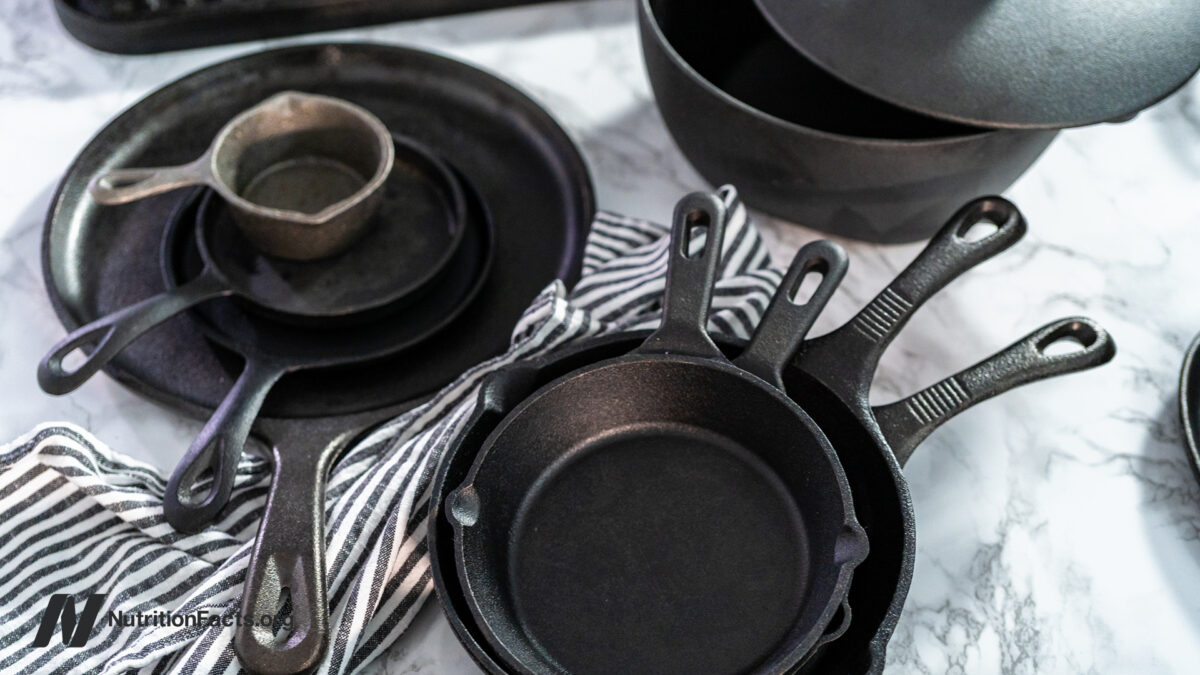
    A little leaching metal can even be a good thing in the case of straight iron, like a cast iron skillet, which can have the “beneficial effect” of helping to improve iron status and potentially reduce the incidence of iron deficiency anemia among children and women of reproductive age. The only caveat is that you don’t want to fry in cast iron. Frying isn’t healthy regardless of cookware type, but, at hot temperatures, vegetable oil can react with the iron to create trans fats. 

    What about using nonstick pans? Teflon, also known as polytetrafluoroethylene (PTFE), “is used as an inner coating material in nonstick cookware.” Teflon’s dark history was the subject of a 2019 movie called Dark Waters, starring Mark Ruffalo and Anne Hathaway. Employees in DuPont’s Teflon division started giving birth to babies with deformities before “DuPont removed all female staff” from the unit. Of course, the corporation buried it all, hiding it from regulators and the public. “Despite this significant history of industry knowledge” about how toxic some of the chemicals used to make Teflon were, it was able to keep it hidden until, eventually, it was forced to settle for more than half a billion dollars after one of the chemicals was linked to “kidney and testicular cancers, pregnancy-induced hypertension, ulcerative colitis, and high cholesterol.”

    “At normal cooking temperatures, PTFE-coated cookware releases various gases and chemicals that present mild to severe toxicity.” As you can see below and at 2:38 in my video, different gases are released at different temperatures, and their toxic effects have been documented. 

    You’ve heard of “canaries in the coal mine”? This is more like “canaries in the kitchen, as cooking with Teflon cookware is well known to kill pet birds,” and Teflon-coated heat lamp bulbs can wipe out half a flock of chickens. 

    “Apart from the gases released during heating the cooking pans, the coating itself starts damaging after a certain period. It is normally advised to use slow heating when cooking in Teflon-coated pans,” but you can imagine how consumers might ignore that. And, if you aren’t careful, some of the Teflon can start chipping off and make its way into the food, though the effects of ingestion are unknown.

    I could find only one study that looks at the potential human health effects of cooking with nonstick pots and pans. Researchers found that the use of nonstick cookware was associated with about a 50 percent increased risk of colorectal cancer, but that may be because of what they were cooking. “Non-stick cookware is used in hazardous cooking methods (i.e. broiling, frying, grilling or barbecuing) at high temperatures mainly for meat, poultry or fish,” in which carcinogenic heterocyclic amines (HCA) are formed from the animal protein. Then, the animal fat can produce another class of carcinogens called polycyclic aromatic hydrocarbons (PAH). Though it’s possible it was the Teflon itself, which contains suspected carcinogens like that C8 compound from the movie Dark Waters, also known as PFOA, perfluorooctanoic acid.

    “Due to toxicity concerns, PFOA has been replaced with other chemicals such as GenX, but these new alternatives are also suspected to have similar toxicity.” We’ve already so contaminated the Earth with it, though, that we can get it prepackaged in food before it’s even cooked, particularly in dairy products, fish, and other meat; now, “meat is the main source of human exposure” to these toxic pollutants. Of those, seafood is the worst. In a study of diets from around the world, fish and other seafood were “major contributors” of the perfluoroalkyl substances, as expected, given that everything eventually flows into the sea. Though the aquatic food chain is the “primary transfer mechanism” for these toxins into the human diet, “food stored or prepared in greaseproof packaging materials,” like microwave popcorn, may also be a source. 

    In 2019, Oral-B Glide dental floss was tested. Six out of 18 dental floss products researchers tested showed evidence of Teflon-type compounds. Did those who used those kinds of floss end up with higher levels in their bloodstream? Yes, apparently so. Higher levels of perfluorohexanesulfonic acid were found in Oral-B Glide flossers, as you can see below and at 5:28 in my video.

    There are a lot of environmental exposures in the modern world we can’t avoid, but we shouldn’t make things worse by adding them to consumer products. At least we have some power to “lower [our] personal exposure to these harmful chemicals.”

    This is the second in a three-video series on cookware. The first was Are Aluminum Pots, Bottles, and Foil Safe?, and the next is Are Melamine Dishes and Polyamide Plastic Utensils Safe?.

    What about pressure cooking? I covered that in Does Pressure Cooking Preserve Nutrients?.

    So, what is the safest way to prepare meat? See Carcinogens in Meat


    Source link