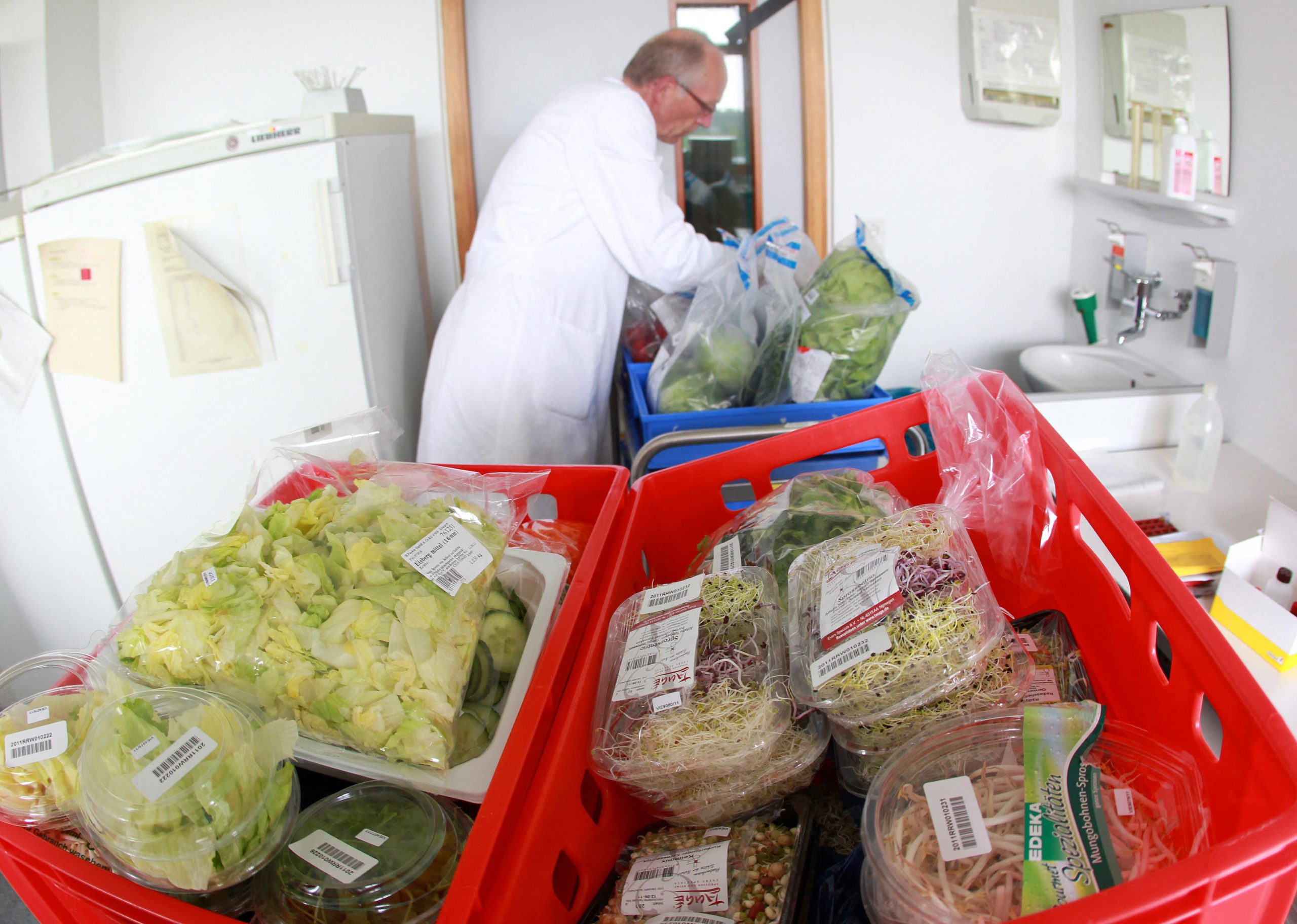
Michigan health officials have released specific, produce-by-produce washing and handling instructions for consumers as the state’s Cyclospora outbreak surpassed 1,562 confirmed cases as of July 10, 2026 — the largest outbreak of the parasitic illness in Michigan’s history, and the source of which remains unidentified.
The Michigan Department of Health and Human Services released its detailed prevention guidance on July 4 and July 6, 2026, issuing instructions that go further than general “wash your produce” advice — spelling out, vegetable by vegetable, exactly what consumers should buy, how to prepare it, and when cooking is the safest choice.
No specific produce grower, supplier, or food type has been identified as the source of the outbreak as of July 10.
Why This Matters
Cyclospora cayetanensis is a microscopic parasite that attaches tenaciously to produce surfaces — and standard washing does not guarantee its removal. The CDC notes that Cyclospora can cling to leafy vegetables and herbs in ways that make thorough removal challenging, which is why officials recommend specific preparation methods that reduce risk beyond a simple rinse.
With more than 1,562 cases confirmed in Michigan and several hundred additional cases in adjacent areas of Ohio and other states, and with no food source yet named, consumers do not have a specific product to avoid. That gap makes produce safety guidance from health officials especially important: without knowing which item is contaminated, the most prudent approach is to take extra precautions with all fresh produce linked to prior Cyclospora outbreaks.
Michigan officials have emphasized these recommendations for anyone preparing raw produce — especially people who are immunocompromised, elderly, on chemotherapy, or otherwise at higher risk of serious illness from dehydration or infection. The MDHHS also extended the guidance to restaurants and commercial kitchens in southeast Michigan.
What We Know So Far
The MDHHS outbreak dashboard showed 1,562 confirmed cases as of the morning of July 10, 2026. Cases have been reported in at least 44 Michigan counties, concentrated in Monroe, Wayne, Washtenaw, Lenawee, Shiawassee, Jackson, Oakland, and Livingston counties — all in southeastern Michigan.
The outbreak began June 22, 2026. Michigan typically sees 40 to 50 cases per year; the current outbreak has produced more than 30 times the annual average in under three weeks.
Approximately 44 hospitalized cases have been reported to date, according to the MDHHS dashboard. No deaths have been reported.
The CDC and FDA are assisting Michigan investigators with whole-genome sequencing of parasite isolates and epidemiological traceback. As of July 10, no common food vehicle has been identified despite more than two weeks of active investigation.
The Produce-Specific Safety Guide From MDHHS
The following instructions are drawn directly from MDHHS official guidance released July 4–6, 2026, confirmed across multiple MDHHS communications and media outlets.
Lettuce and Leafy Greens
What to buy: Buy whole heads of lettuce rather than pre-washed, bagged lettuce or salad mixes. Pre-cut and pre-washed bagged salad kits have been linked to prior Cyclospora outbreaks in the U.S. and Canada.
How to prepare: Remove and discard the outer two to three leaves. Wash the remaining inner leaves thoroughly under running water.
Safest option: For leafy greens that can be cooked, cooking is the safest option. Cooking to 158°F (70°C) or higher kills the Cyclospora parasite.
Cilantro and Basil
How to prepare: Wash thoroughly under running water. Separate the individual leaves from the stems as you wash — this increases the surface area that running water contacts and reduces the chance of parasite survival between leaves.
Safest option: Both cilantro and basil are safest when cooked. Using them as cooked ingredients in hot dishes reduces exposure risk more than using them raw.
Note: MDHHS did not recommend consumers stop buying or eating cilantro and basil. The guidance is about safe preparation, not elimination of these foods.
Green Onions
How to prepare: Trim the root end. Remove and discard the outer layer. Wash the remainder thoroughly under running water.
Safest option: As with leafy greens, cooking green onions eliminates parasite risk. Use them in stir-fries, soups, or other hot preparations when possible during the outbreak.
Other Produce: Universal Rules
For all other fruits and vegetables, MDHHS recommends:
- Wash all fresh produce under clean running water before eating or preparing, even produce with rinds or peels you do not eat
- Scrub firm fruits and vegetables — such as melons, cucumbers, and potatoes — with a clean produce brush
- Cut away any damaged or bruised areas on fruits and vegetables before eating
- Wash hands thoroughly with soap and water before and after handling or preparing any produce
- Wash and sanitize cutting boards, knives, and other utensils before and after contact with raw produce
The Heating Rule: 158°F Kills Cyclospora
The single most reliable way to eliminate Cyclospora from produce is heat. MDHHS confirms that cooking food to 158°F (70°C) or higher kills the parasite. This applies to any produce on the concern list. If you can cook it, do.
What Not to Buy During the Outbreak
MDHHS has specifically noted that the following have been linked to prior U.S. and Canadian Cyclospora outbreaks, and should be treated with extra caution:
- Pre-washed, bagged salad mixes and kits (including pre-cut lettuce blends with romaine, iceberg, red cabbage, and carrots)
- Fresh cilantro
- Fresh basil
- Green onions
- Raspberries (linked to prior outbreaks, though not specifically identified as a source in this outbreak)
- Snow peas
MDHHS is not advising consumers to stop buying these items entirely — only to apply the specific preparation steps above, choose cooked preparations where possible, and avoid pre-washed bagged versions of lettuce.
Where the Risk Is Highest
Southeastern Michigan and the areas immediately across the Ohio border (including Lucas County and northwest Ohio, where more than 500 cases have been reported) represent the current epicenter of risk. However, because no food source has been identified, and because fresh produce from Michigan’s supply region is distributed nationally, these guidelines are relevant for consumers across the Midwest and beyond who buy fresh produce from common grocery chains and distributors.
People at highest risk for serious illness from Cyclospora include:
- Immunocompromised individuals (transplant recipients, chemotherapy patients, people with HIV)
- Adults over 65
- Infants and young children
- Pregnant individuals
MDHHS specifically noted that the guidance is especially important for these groups.
What Health Officials Say
Dr. Natasha Bagdasarian, Michigan’s chief medical executive, said the state’s leading hypothesis is that the outbreak is likely related to fresh produce, based on the geographic pattern of cases, the timing of the outbreak during summer produce season, and the historical pattern of Cyclospora outbreaks in North America. She confirmed the state is conducting food exposure interviews with all confirmed cases and performing whole-genome sequencing on parasite samples to narrow the search for a common source.
“All fresh produce — and not just the ones I listed — should be thoroughly washed under running water,” Dr. Bagdasarian stated in public communications this week. “If it has leaves, like cilantro and basil, separate them as you wash them.”
The CDC adds that Cyclospora can really stick to some foods, and washing alone may not fully eliminate the risk from contaminated produce — reinforcing that cooking is the most reliable protective step available to consumers right now.
Symptoms and Warning Signs to Watch For
Cyclospora typically causes symptoms beginning one week after exposure, though onset can range from two days to more than two weeks. Symptoms include:
- Watery diarrhea, which can be frequent and explosive
- Loss of appetite
- Prolonged fatigue
- Abdominal cramping and bloating
- Nausea, and occasionally vomiting
- Low-grade fever
Without antibiotic treatment, symptoms can persist for weeks to months and may relapse after seeming to improve. The illness does not spread person-to-person.
Seek medical care if:
- Diarrhea lasts more than a few days
- Symptoms include signs of dehydration (very little urination, dry mouth, dizziness)
- You are immunocompromised, elderly, pregnant, or caring for a young child with symptoms
- Symptoms worsened rather than improving
A specific laboratory request is needed for Cyclospora diagnosis. Standard stool testing does not always detect the parasite. Ask your clinician specifically to test for Cyclospora if you suspect exposure.
What You Can Do Now
- Switch to whole-head lettuce. Put down the bagged salad mix and buy an intact head of romaine, iceberg, or butter lettuce. Remove the outer leaves before washing the inner ones.
- Wash herbs leaf by leaf under running water. For cilantro and basil, separate the individual leaves from stems as you rinse.
- Trim and peel green onions before washing. Remove the root end and outer layer, then wash thoroughly.
- Cook produce when you can. During an active Cyclospora outbreak with an unknown source, cooking any fresh produce at risk to 158°F eliminates parasite risk more reliably than washing alone.
- Wash hands before and after produce handling. Use soap and water for at least 20 seconds.
- Sanitize surfaces and tools that contact raw produce, including cutting boards and knives.
- See a doctor if you develop prolonged diarrhea, particularly if you live in southeast Michigan or adjacent Ohio counties. Specify that you want to be tested for Cyclospora.
Cost and Access: What Patients Should Know
Cyclospora treatment with the antibiotic trimethoprim-sulfamethoxazole (TMP-SMX) is available in generic form at very low cost — typically $4 to $10 at most pharmacies with a prescription. Most health insurance plans cover it.
The parasite-specific stool test required for diagnosis is typically covered by insurance when ordered by a clinician. For uninsured patients, local health department clinics can provide evaluation and testing during an active outbreak at no or low cost. Find your local Michigan health department at Michigan.gov/mdhhs.
What Happens Next
The MDHHS outbreak dashboard updates daily through the investigation period. Whole-genome sequencing results comparing parasite samples across cases could provide the key link to a common food source — a result that could trigger a specific product recall or advisory.
If a food source is identified, MDHHS, the FDA, and CDC will issue a public advisory and, if warranted, a product recall notice. Until then, the produce preparation guidance described in this article represents the most protective steps available to consumers.
MedicalDaily will update this story when a food source is identified or case counts change materially.
The Bottom Line
Michigan’s Cyclospora outbreak has now reached 1,562 confirmed cases with no food source identified. Until investigators pinpoint a specific product, your best protection is: buy whole heads of lettuce rather than pre-cut bagged mixes; separate and wash cilantro and basil leaves thoroughly under running water; trim and peel green onions before washing; cook any suspect produce to 158°F when possible; and see a clinician for any diarrheal illness lasting more than a few days, specifying that you want Cyclospora testing. These are not suggestions — they are official MDHHS instructions, and they apply nationally given the reach of produce supply chains.