Tag: inflammation

  • How Aging Lungs Turn Respiratory Infections Into Dangerous Storms of Inflammation and Broken Immunity

    How Aging Lungs Turn Respiratory Infections Into Dangerous Storms of Inflammation and Broken Immunity

    Aging lungs do not simply get weaker with time; they undergo cellular changes that fuel inflammation, disrupt immunity, and make respiratory infections like flu and COVID more dangerous for older adults. These age‑related shifts mean that even routine viruses can trigger runaway damage instead of a controlled, protective response.

    What Happens To The Lungs As People Age?

    With aging, lungs lose some elasticity, airway walls may thicken, and the tiny air sacs where gas exchange occurs become less efficient. The chest wall can also stiffen, reducing lung capacity and leaving less reserve to cope with respiratory infections.

    Even without obvious disease, these structural changes narrow the margin of safety when flu, COVID, or other respiratory infections strike.

    Aging lung cells accumulate damage from pollution, smoke, and repeated infections. Many enter a state called cellular senescence, where they stop dividing but stay active.

    Rather than remaining quiet, senescent cells release inflammatory chemicals that irritate surrounding tissue, turning the lungs into a site of chronic, low‑grade inflammation even when no infection is present.

    This background state of “inflammaging” means inflammatory signals are already elevated before a virus appears. When infection occurs, the immune system reacts on top of this baseline, often overshooting and causing more tissue damage.

    Instead of a precise response, the lungs may experience swelling and fluid buildup that impair oxygen exchange.

    At the same time, key aspects of immunity decline with aging. Some immune cells respond more slowly and less effectively, and the barrier function of the airway lining weakens, giving pathogens easier access.

    The combination of higher inflammation and reduced immunity makes older adults more reactive yet less protected during respiratory infections.

    Why Flu And COVID Hit Older Adults So Hard

    Flu and COVID are viral respiratory infections that directly target the airways and lung tissue, placing heavy stress on aging lungs. Reduced lung reserve and inflammaging make it easier for these viruses to push the system toward failure.

    Both infections can also trigger widespread inflammation throughout the body, interacting with age‑related changes in the heart and blood vessels and increasing the risk of pneumonia, acute respiratory distress, and other severe outcomes.

    Aging lungs contain pockets of damaged or senescent cells that respond to viral invasion with a surge of inflammatory molecules. Instead of signaling for a balanced response, these cells help ignite an inflammatory cascade that draws in more immune cells and amplifies tissue injury.

    Fluid leaks into the air spaces, oxygen levels fall, and breathing becomes more difficult. In many severe cases, the virus itself is only part of the problem; much of the harm comes from the excessive inflammatory response within aging lungs.

    Underlying health conditions common in older adults, such as heart disease, diabetes, or chronic obstructive pulmonary disease, add another layer of risk. These illnesses can further narrow airways, alter blood flow, and strain the immune system, according to Harvard Health.

    When flu or COVID arrives, the combined burden of aging lungs, chronic inflammation, weakened immunity, and existing disease makes serious complications more likely.

    Immune changes with age also worsen outcomes. Older immune systems are slower to recognize new pathogens and often produce weaker antibody responses. Some immune cells release large amounts of inflammatory signals without efficiently clearing the virus.

    This imbalance allows infections to linger in the lungs while inflammation remains high, increasing the chance of lasting damage.

    How Aging Lung Cells Drive Runaway Inflammation

    Several types of lung cells contribute to heightened inflammation with aging, including epithelial cells lining the airways, fibroblasts in the supporting tissue, and resident immune cells.

    When stressed or senescent, they release pro‑inflammatory cytokines and chemokines, acting as if the lungs are under constant attack. This state increases the likelihood that respiratory infections will ignite runaway inflammation rather than a controlled response.

    Fibroblasts normally help maintain structure and repair lung tissue. In older lungs, some fibroblasts adopt a distress state, sending strong danger signals even when damage is modest.

    They secrete inflammatory factors and growth signals that drive excessive tissue remodeling and scarring. During flu or COVID, this process can escalate quickly, transforming a localized infection into widespread lung injury.

    As immune cells rush into aging lungs, they may cluster densely around damaged or infected areas. These inflammatory cell clusters concentrate the tools needed to kill viruses but also concentrate inflammatory substances that can harm healthy cells.

    When too many clusters form, or when they persist, they leave behind scars and reduce lung function. This damage increases vulnerability to future respiratory infections and slows recovery after illness, as per the Centers for Disease Control and Prevention.

    Inflammaging ensures that the lungs start from a higher baseline of inflammatory activity, so responses to infection often overshoot. Swollen tissues, leaky blood vessels, and fluid‑filled air sacs restrict oxygen transfer and increase the work of breathing.

    After infections resolve, lingering low‑grade inflammation can delay healing and contribute to long‑term declines in lung function.

    Aging, Immunity, And Safer Respiratory Seasons

    Understanding how aging lungs, inflammation, and immunity interact helps explain why respiratory infections such as flu and COVID so often hit older adults hardest. Cellular damage and senescence create an environment where infections more easily spark outsized inflammatory responses that injure lung tissue.

    At the same time, immunosenescence weakens the ability to contain and clear viruses, giving respiratory infections more time to wreak havoc in aging lungs.

    These insights highlight the importance of preventive strategies tailored to older adults: staying up to date on flu and COVID vaccines, protecting the lungs from smoke and pollutants, and managing chronic conditions that strain the respiratory system.

    Researchers are also exploring therapies that might reduce inflammaging or support more balanced immunity in the lungs.

    By focusing on the links between aging, lungs, inflammation, immunity, and respiratory infections, it may be possible to lessen the impact of seasonal viruses and help older adults breathe more easily through future respiratory seasons.

    Frequently Asked Questions

    1. Can aging lungs recover fully after a severe flu or COVID infection?

    Some older adults regain most of their previous lung function, but others may be left with lasting scarring or reduced capacity, especially after pneumonia or intensive care.

    2. Do younger people with chronic lung disease face risks similar to older adults?

    Yes, chronic conditions like COPD or severe asthma can mimic aspects of aging lungs, increasing inflammation and reducing reserve, which raises the risk from respiratory infections.

    3. Can regular exercise really improve immunity in aging lungs?

    Moderate, consistent physical activity can support cardiovascular health, improve breathing efficiency, and modestly enhance immune function, which may help the lungs handle infections better.

    4. Are there specific nutrients that support aging lung health during respiratory seasons?

    A balanced diet rich in fruits, vegetables, healthy fats, and adequate protein supports immune cells and tissue repair, while nutrients like vitamin D and omega‑3s are often studied for additional benefits.


    Source link

  • What Foods Trigger Inflammation?

    What Foods Trigger Inflammation?

    Inflammatory markers can double within six hours of eating a pro-inflammatory meal. Which foods are the worst?

    Excessive inflammation may play a role in a number of leading causes of death and disability, including type 2 diabetes, obesity, and heart disease. “But what are the stimuli that jumpstart the destructive inflammatory cascade?” You typically hear about the pro-inflammatory nature of a chronic high-fat diet, but the inflammatory effect “may not be limited to chronic intake but may be evident after the consumption of a single meal.”

    Within hours after eating an unhealthy meal, inflammatory markers like interleukin-6 (IL-6) can skyrocket, doubling within six hours. The majority of studies show an increase in IL-6 after consuming a high-fat meal. But the meals they tested weren’t just filled with meat, eggs, dairy, and oil, but also junky refined carbohydrates like white flour and added sugar.

    When people are given essentially straight butter fat and no carbs, they can still get a spike in inflammation within hours, proving the added fat itself is pro-inflammatory. But when people are given straight sugar water without any fat, the result is the same, proving the added sugar is pro-inflammatory, too, as you can see below and at 1:26 in my video Foods That Cause Inflammation.

    Why should we be concerned with the inflammatory responses after unhealthy meal ingestion? Because extensive research points to the idea that “persistent low-grade inflammation is an underlying factor in several high-mortality chronic diseases and that diet can contribute to, or attenuate, that inflammation.”

    You’ll note in the graph below that IL-6 levels jumped up to about 3 pg/mL after the meal. (You can also check it out at 1:55 in my video.)

    When levels start regularly getting up to about 3 pg/mL, that’s associated with twice the risk of death. That increased risk was found across the board, compiling eight other similar studies, likely because it’s linked with increased risk of heart disease, the number one killer of men and women, even as strongly as some other major well-known risk factors like high cholesterol.

    Now, not all high-fat foods cause inflammation. More than a dozen studies combined show that whole plant foods such as nuts do not increase inflammatory markers, even when eating up to handfuls of nuts a day. In fact, spread half an avocado on a beef burger, and you may be able to blunt some of the inflammation caused by the meat—even lean meat—as you can see below and at 2:35 in my video.

    There are reviews purporting to show a drop in inflammatory markers after eating wild game, which is about as lean a meat as you can get, but that’s only compared to store-bought meat. Give people some really fatty meat and their IL-6 shoots up, as do their tumor-necrosis factor and C-reactive protein. Inflammatory, inflammatory, inflammatory—within hours of consumption. But what if you instead eat a kangaroo steak, which is extremely low in fat, similar to elk or moose? You’ll get the same strong inflammatory response within hours of eating it, as you can see below and at 3:15 in my video.

    Now, certainly less inflammatory than conventional meat you might get at the store, but pro-inflammatory nonetheless, increasing markers of inflammation within mere hours.

    Doctor’s Note

    Stay tuned for Which Foods Are Anti-Inflammatory?, up next.

    For more on diet and inflammation, see related posts below.


    Source link

  • When an Autoimmune Skin Condition Signals Systemic Inflammation

    When an Autoimmune Skin Condition Signals Systemic Inflammation

    Psoriasis is often seen as a surface-level issue, but the red, scaly plaques on the skin can be a visible sign of a deeper inflammatory process. As understanding of this autoimmune skin condition has grown, researchers now recognize that psoriasis symptoms may reflect widespread immune activity affecting joints, blood vessels, and metabolism.

    Viewing psoriasis through this systemic lens can change how people think about diagnosis, treatment, and long-term health.

    Understanding Psoriasis as an Autoimmune Skin Condition

    Describing psoriasis as an autoimmune skin condition highlights the role of the immune system in driving the disease.

    In autoimmune and immune-mediated conditions, the body’s defenses become misdirected, leading to chronic inflammation even in the absence of infection. In psoriasis, this inflammation focuses on the skin and, in some people, the joints.

    Some experts refer to psoriasis as both autoimmune and autoinflammatory because it involves elements of classic autoimmunity and innate immune activation.

    Regardless of terminology, the key idea is that psoriasis is not caused by poor hygiene or simple irritation. It is a biologically complex condition with genetic and environmental contributors, and its symptoms reflect immune pathways that can also affect other organs.

    Recognizing Common Psoriasis Symptoms

    Psoriasis symptoms can look different from person to person, but several features are particularly characteristic. The most common form, plaque psoriasis, typically presents with:

    • Raised, thickened patches of skin covered with silvery-white or grayish scales
    • Red, pink, or purple discoloration, depending on skin tone
    • Lesions most often found on the elbows, knees, scalp, and lower back

    Many individuals report itching, burning, or soreness in affected areas, which can interfere with sleep and daily activities. The skin may become dry and cracked, with occasional bleeding when plaques are irritated or scratched. The scalp can show heavy flaking that resembles severe dandruff.

    Psoriasis symptoms are not limited to the skin. Nail changes are common, including pitting (small depressions), ridging, discoloration, and separation of the nail from the nail bed.

    Different subtypes—such as guttate, pustular, inverse, and erythrodermic psoriasis—have their own patterns of symptoms, ranging from small drop-like spots to widespread redness or pus-filled bumps. This diversity is one reason why a professional evaluation is important when symptoms first appear.

    How Psoriasis Connects to Systemic Inflammation

    The connection between psoriasis and systemic inflammation lies in the immune pathways that drive both skin lesions and deeper health effects. Immune cells in psoriatic plaques produce cytokines—chemical messengers that promote inflammation.

    These cytokines do not remain confined to the skin; they circulate in the bloodstream, potentially affecting the lining of blood vessels, joints, and other tissues, according to Mayo Clinic.

    This understanding supports the view of psoriasis as part of a broader inflammatory network that can raise the risk for other conditions. In this sense, psoriasis symptoms on the skin can serve as a visible marker of underlying immune activity that may be occurring silently elsewhere in the body.

    Recognizing this connection has encouraged more comprehensive care, with attention not only to skin clearance but also to overall inflammatory burden.

    Triggers That Worsen Psoriasis Symptoms and Inflammation

    Psoriasis symptoms often fluctuate over time, with periods of relative calm and sudden flares. A variety of triggers can worsen the condition, including:

    • Infections, particularly streptococcal throat infections in guttate psoriasis
    • Skin injuries such as cuts, scrapes, or sunburn (the Koebner phenomenon)
    • Psychological stress and lack of sleep
    • Certain medications, including some blood pressure drugs and antimalarials
    • Smoking and heavy alcohol use

    Lifestyle factors also play a major role. Obesity and inactivity can promote systemic inflammation and increase disease severity. Dietary patterns high in processed foods and low in fruits, vegetables, and whole grains may contribute to an inflammatory state.

    Genetics and family history further influence who develops psoriasis and how severe it becomes, highlighting the interplay between inherited risk and environmental exposures.

    Diagnosis and Assessment of Systemic Involvement

    Diagnosis of psoriasis is usually clinical, based on the appearance and distribution of lesions and the presence of characteristic scaling.

    Dermatologists may perform a skin biopsy in uncertain cases to confirm the diagnosis and rule out other conditions. Because psoriasis is linked with systemic inflammation, many experts also recommend screening for comorbidities.

    A thorough assessment may include questions about joint pain, stiffness, and swelling to identify psoriatic arthritis. Blood pressure, weight, waist circumference, and basic blood tests can help evaluate cardiovascular and metabolic risk.

    In some cases, referral to rheumatology or other specialists is appropriate. Approaching psoriasis in this integrated way supports early detection of related conditions and more comprehensive management.

    Treatment Options for Skin and Systemic Inflammation

    Treatment strategies for psoriasis aim to relieve symptoms, improve skin appearance and function, and reduce the underlying inflammatory activity. For mild disease, topical therapies are often the first line.

    These include corticosteroid creams and ointments, vitamin D analogues, retinoids, calcineurin inhibitors, and other medicated products that reduce inflammation and slow skin cell growth, as per Cleveland Clinic.

    For more extensive or resistant psoriasis, phototherapy (controlled exposure to ultraviolet light) can be effective. Systemic medications such as methotrexate, cyclosporine, and newer oral agents are used to modulate immune responses in moderate to severe cases.

    Biologic therapies have become a major advance; these drugs target specific molecules such as interleukin-17, interleukin-23, or tumor necrosis factor-alpha. By focusing on key inflammatory pathways, biologics can improve both skin and joint symptoms and may help lower overall inflammatory burden.

    The choice of treatment depends on disease severity, comorbid conditions, patient preferences, and safety considerations. Regular follow-up is important to monitor effectiveness, side effects, and long-term health.

    Psoriasis Symptoms as a Clue to Whole-Body Health

    When psoriasis is viewed only as a cosmetic concern, opportunities to protect long-term health can be missed. Recognizing it as an autoimmune skin condition that reflects broader immune activity changes the conversation.

    Skin lesions, nail changes, and joint symptoms can act as visible clues to underlying systemic inflammation, providing an early chance to identify and address associated risks.

    People living with psoriasis benefit from collaborative care that includes dermatology, primary care, and when appropriate, rheumatology or cardiology. Open communication about new or changing symptoms, treatment goals, and lifestyle challenges helps tailor a plan that addresses both the skin and the whole person.

    By integrating medical therapy with attention to cardiovascular, metabolic, and joint health, psoriasis can be managed not just as a skin disease but as a key window into overall inflammatory wellness.

    Frequently Asked Questions

    1. Can someone have psoriasis without the classic red, scaly plaques?

    Yes. Psoriasis can appear as smooth red patches in skin folds, only affect the nails, or show mainly as joint pain with minimal visible skin changes.

    2. If psoriasis is an autoimmune skin condition, does that mean the immune system is “weak”?

    No. The immune system is overactive and misdirected, creating chronic inflammation, not too weak to fight infections.

    3. Can psoriasis go into remission, and what does that look like?

    Yes. Plaques can flatten or disappear, itching can resolve, and skin may look almost normal, though flares can return.

    4. How is psoriasis different from eczema if both cause itchy, inflamed skin?

    Psoriasis usually forms thick, sharply edged, scaly plaques and is strongly tied to systemic inflammation; eczema tends to be less defined, may ooze, and is more linked to allergies and a weak skin barrier.


    Source link

  • Your Ultimate Inflammation Diet Guide

    Your Ultimate Inflammation Diet Guide

    Inflammation is a natural immune response, but chronic inflammation can lead to pain and various health issues, including compromised gut health. The anti-inflammatory diet focuses on consuming foods that reduce inflammation, thereby alleviating pain and supporting a healthy digestive system. This article explores the best anti-inflammatory foods, the connection between diet and gut health, and practical ways to incorporate these foods into daily eating habits.

    What Are Anti-Inflammatory Foods?

    Anti-inflammatory foods contain compounds that help calm the body’s inflammatory responses. These include antioxidants, polyphenols, vitamins, and minerals found in whole, unprocessed foods. Some of the top anti-inflammatory foods include:

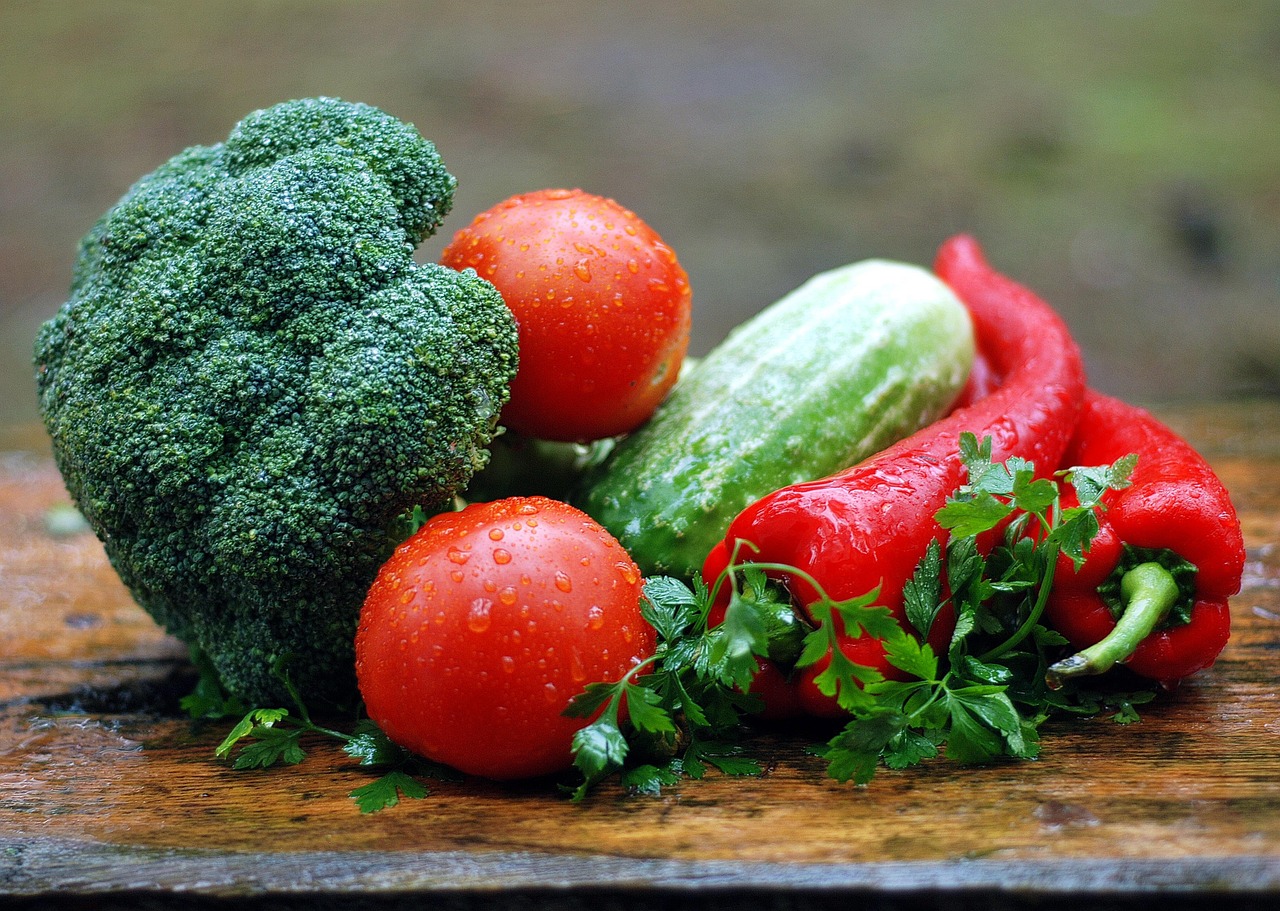
    • Fruits and vegetables rich in color and nutrients, such as berries, cherries, broccoli, kale, spinach, carrots, and tomatoes. These provide antioxidants that neutralize harmful free radicals contributing to inflammation.
    • Fatty fish like salmon, sardines, and mackerel, which are high in omega-3 fatty acids known to reduce inflammatory markers.
    • Nuts and seeds, such as walnuts, almonds, chia seeds, flaxseeds, and pumpkin seeds, contain healthy fats and fiber that support anti-inflammatory processes.
    • Whole grains like quinoa, oats, and brown rice provide fiber that supports gut health.
    • Spices and herbs, including turmeric, ginger, garlic, cinnamon, and rosemary, with bioactive compounds that reduce cytokine activity linked to inflammation.
    • Healthy oils such as extra virgin olive oil, which contains oleocanthal, known for anti-inflammatory effects.

    These foods not only reduce inflammation but also promote overall health through their nutrient density.​

    How Does an Anti-Inflammatory Diet Improve Gut Health?

    The gut is home to a diverse microbiome that plays a crucial role in digestion, immunity, and inflammation regulation, according to the National Institutes of Health. An anti-inflammatory diet supports gut health in several ways:

    • Dietary fiber from fruits, vegetables, legumes, and whole grains feeds beneficial gut bacteria, enhancing their growth and diversity. This supports a balanced microbiome and helps reduce gut inflammation.
    • Fermented foods like yogurt, kimchi, and sauerkraut introduce probiotics that improve gut flora balance and strengthen the gut barrier, preventing harmful pathogens from triggering inflammation.
    • Omega-3 fatty acids found in fatty fish reduce inflammation in the gut lining by modulating immune cell responses and cytokine production.
    • Antioxidants and polyphenols in anti-inflammatory foods protect gut cells from oxidative stress and inflammation-induced damage.
    • Improving gut health through diet not only aids digestion but also helps reduce systemic inflammation, which can manifest as chronic pain or fatigue.​

    Foods to Avoid in an Inflammation Diet

    To effectively reduce inflammation and support gut health, it is important to avoid or limit foods that can trigger or worsen inflammatory responses:

    • Processed foods high in refined sugars and unhealthy fats contribute to inflammation and disrupt gut microbiota balance.
    • Excessive consumption of red and processed meats, especially charred or grilled types, can increase inflammatory markers.
    • Trans fats and hydrogenated oils found in many fast foods and baked goods promote inflammation.
    • Some individuals may benefit from limiting nightshade vegetables (tomatoes, eggplants, peppers) if these foods exacerbate their symptoms.
    • Excessive alcohol can also damage the gut lining and increase inflammation.
    • Choosing whole, minimally processed foods over these inflammatory triggers is key to a successful inflammation diet.​

    Incorporating Anti-Inflammatory Foods into Daily Life

    A sustainable anti-inflammatory diet can be enjoyable and varied. Practical tips include:

    • Adopting a Mediterranean-style diet, which emphasizes fruits, vegetables, whole grains, legumes, nuts, fish, and healthy oils, all rich in anti-inflammatory nutrients.
    • Starting meals with colorful vegetables and including a variety of plant-based foods to maximize nutrient intake.
    • Using herbs and spices like turmeric and ginger to enhance flavor while benefiting from their anti-inflammatory properties.
    • Snacking on nuts, seeds, or berries instead of processed snacks.
    • Incorporating fermented foods regularly to boost gut health.
    • Choosing fatty fish at least twice a week for omega-3 intake.

    Sample meal ideas could include a salmon and kale salad with olive oil dressing, a turmeric-spiced vegetable stir-fry, or a berry and chia seed smoothie.​

    The anti-inflammatory diet offers a holistic approach to managing pain and enhancing gut health through nourishing, whole foods that target inflammation at its source, according to the Heart and Stroke Foundation of Canada. Adopting it can support long-term wellness and improved quality of life.

    Frequently Asked Questions

    1. Is an anti-inflammatory diet safe and beneficial during pregnancy?

    Yes, an anti-inflammatory diet can be beneficial during pregnancy as it may help manage inflammation that is linked to pregnancy complications such as gestational diabetes and preterm birth. Including foods rich in antioxidants and omega-3 fatty acids supports maternal and fetal health. However, pregnant individuals should consult healthcare providers to tailor the diet to their specific needs for safety and optimal outcomes.​

    2. Can an anti-inflammatory diet improve fertility and reproductive health?

    Emerging evidence suggests that consuming anti-inflammatory foods before and during conception may positively influence fertility by improving endocrine and metabolic parameters, which could benefit conditions like polycystic ovary syndrome (PCOS). Though clinical fertility outcome data is limited, an inflammation-reducing diet might support reproductive health through systemic inflammation reduction.​

    3. How does chronic inflammation during pregnancy affect the child’s long-term health?

    Maternal diet-induced inflammation during pregnancy has been linked with risks of adverse outcomes for the child, including a potentially increased risk of autoimmune conditions like type 1 diabetes. An anti-inflammatory diet may reduce low-grade inflammation during pregnancy, which could lower such risks and promote healthier fetal development.​

    4. Are there any potential side effects or risks associated with following an anti-inflammatory diet long term?

    Generally, an anti-inflammatory diet emphasizing whole, nutrient-dense foods is considered safe with minimal risk for most people. However, overly restrictive versions of the diet might lead to nutrient imbalances. It is important to maintain a balanced intake of all essential nutrients and consult healthcare providers before making significant dietary changes, especially for people with medical conditions or special dietary needs.


    Source link