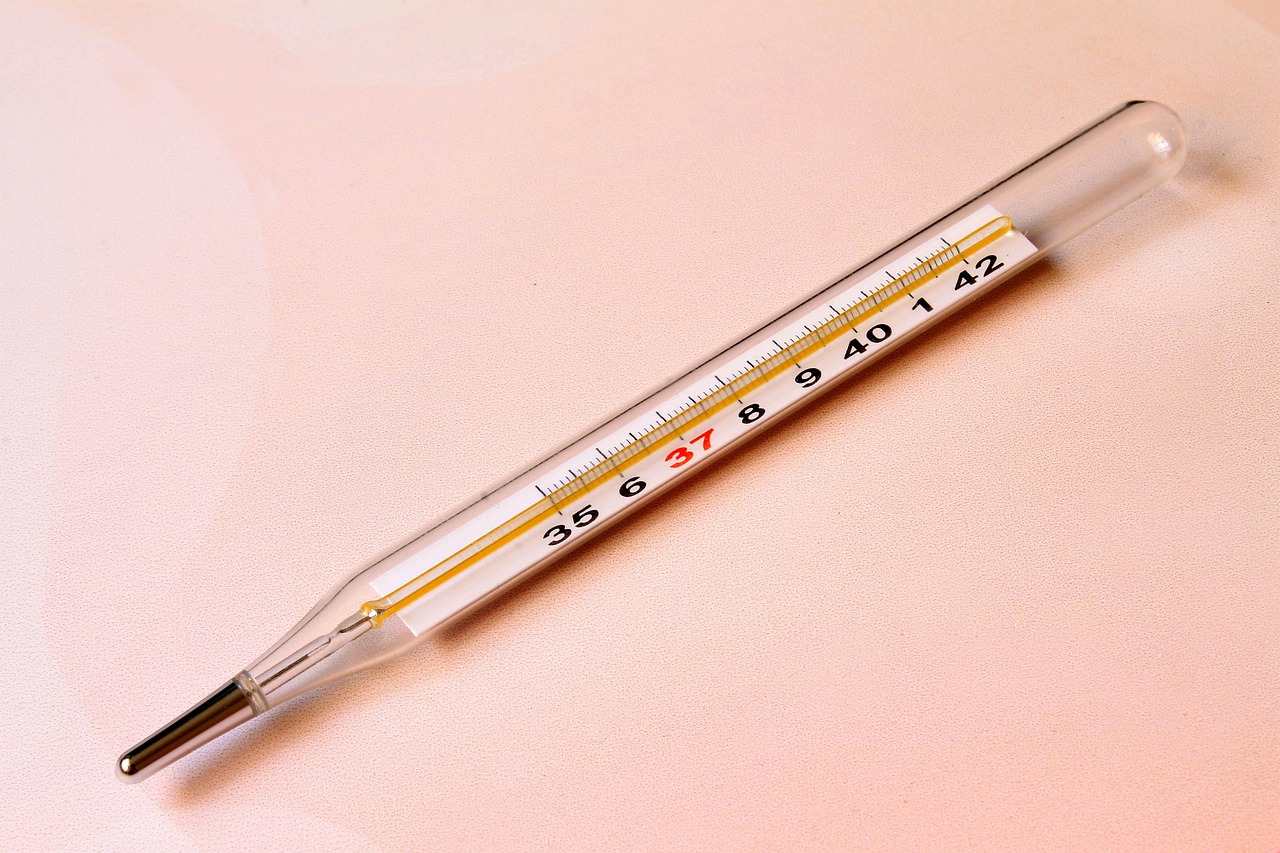
Tag: Infection

  • What Your Infection Symptoms Might Be Telling You ​

    What Your Infection Symptoms Might Be Telling You ​

    Persistent low-grade fever can be easy to dismiss, but when a fever that won’t go away lingers for days or weeks, it may be the body’s way of signaling an underlying problem.

    Understanding what low-grade fever means, how it relates to different infection symptoms, and when to seek medical advice helps readers make safer decisions about their health.​

    What Is a Low-Grade Fever?

    A low-grade fever generally refers to a mildly elevated body temperature, often around 99.1–100.4°F (37.3–38°C), measured with a reliable thermometer. It is higher than the typical baseline of about 98.6°F (37°C) but lower than what would be considered a high fever.​

    This mild rise in temperature is part of the body’s natural immune response to threats such as viruses, bacteria, or inflammation. Along with low-grade fever, common infection symptoms can include tiredness, mild headache, muscle aches, and a general sense of feeling unwell.​

    Is a Persistent Low-Grade Fever Serious?

    A single day of low-grade fever after a busy or stressful week is usually not a cause for alarm. Concern grows when there is a fever that won’t go away, especially if it continues for more than several days or keeps returning without a clear explanation.​

    Persistent low-grade fever can occasionally point to an infection, an inflammatory condition, or another underlying medical issue that needs attention. Risk is higher in infants, older adults, pregnant individuals, and people with weakened immune systems, who may develop complications more easily.​

    Common Causes of a Low-Grade Fever That Won’t Go Away

    Short-Term Infections: Colds, Flu, and COVID-19

    Many people first notice low-grade fever during common viral illnesses such as colds, seasonal flu, or COVID-19. These infections often bring infection symptoms like sore throat, cough, runny or stuffy nose, body aches, and fatigue along with the mild temperature increase.​

    In uncomplicated cases, low-grade fever from these respiratory infections improves within a few days as the body clears the virus. When a fever that won’t go away continues beyond a week or starts to worsen instead of improve, it may indicate a complication such as pneumonia or another secondary infection.​

    Urinary Tract and Other Bacterial Infections

    Bacterial infections are another frequent reason for ongoing low-grade fever, according to the World Health Organization. A urinary tract infection (UTI), for example, can cause persistent low-grade fever along with burning during urination, frequent urges to urinate, pelvic discomfort, or flank pain.​

    Other bacterial sources include sinus infections, dental abscesses, and skin infections like cellulitis, which may produce localized redness, warmth, and swelling in addition to mild fever. When infection symptoms are focused in one area and accompanied by a fever that won’t go away, medical evaluation is important to prevent the infection from spreading.​

    Chronic Inflammatory and Autoimmune Conditions

    Not all low-grade fevers are caused by germs. Autoimmune diseases and chronic inflammatory conditions, such as rheumatoid arthritis, lupus, and inflammatory bowel disease, can trigger recurrent low-grade fever as the immune system mistakenly attacks the body’s own tissues.​

    In these cases, fever often appears alongside other persistent symptoms such as joint pain, rashes, digestive issues, or prolonged fatigue. Because these conditions can slowly damage organs and joints over time, ongoing low-grade fever plus chronic systemic symptoms warrants careful medical assessment.​

    Medications, Hormonal Changes, and Other Noninfectious Causes

    Certain medications can produce drug-related fevers, sometimes presenting as a low-grade fever that won’t go away until the medication is adjusted or stopped under medical guidance. Examples include some antibiotics, seizure medicines, and drugs used to treat high blood pressure or irregular heart rhythms.​

    Endocrine conditions such as overactive thyroid (hyperthyroidism) and hormonal shifts can also cause modest increases in temperature, sweating, and a racing heartbeat. Stress, recent vaccination, and recovery from surgery or injury may contribute to short-term low-grade fever, which usually settles once the body stabilizes.​

    Less Common but Serious Causes

    Occasionally, persistent low-grade fever is one of the earliest signs of more serious illness. Cancers such as lymphoma or leukemia may cause low-grade fever, night sweats, and unexplained weight loss over time.​

    Chronic infections like tuberculosis or certain viral conditions can also show up primarily as a fever that won’t go away, sometimes lasting weeks. When routine tests do not reveal a clear cause, healthcare professionals may use the term “fever of unknown origin” (FUO) and recommend more extensive investigations.​

    Infection Symptoms That Should Not Be Ignored

    Respiratory Red Flags

    When low-grade fever pairs with respiratory infection symptoms, the details matter, as per Harvard Health. Worsening cough, difficulty breathing, chest pain, or coughing up blood can suggest complications like pneumonia or other serious lung infections that require timely treatment.​

    Persistent low-grade fever with loss of taste or smell, sore throat, or known exposure might raise concern for COVID-19 or a similar viral illness, where testing and isolation guidance may apply. Rapid breathing, bluish lips, or severe chest discomfort should be treated as emergencies.​

    Urinary, Abdominal, and Skin Warning Signs

    Burning urination, strong-smelling urine, blood in the urine, or pain in the lower back combined with low-grade fever can signal a UTI that may be spreading toward the kidneys. Nausea, vomiting, or severe flank pain increase the urgency for medical evaluation.​

    In the abdomen, severe or worsening pain, especially with persistent low-grade fever, can indicate conditions such as appendicitis, gallbladder disease, or pelvic infections. For skin, expanding redness, streaking, warmth, or pus with even a modest fever can suggest an infection that might spread quickly without proper care.​

    Systemic “Red Flag” Symptoms

    Certain infection symptoms are considered warning signs regardless of the exact temperature reading. These include confusion, stiff neck, severe headache, trouble staying awake, or seizures, which may indicate infections involving the brain or its coverings.​

    Night sweats, drenching sweats, rapid unexplained weight loss, or swollen lymph nodes combined with a fever that won’t go away may point to chronic infection or blood-related illness. Any combination of persistent low-grade fever and these systemic red flags calls for prompt medical attention.​

    When a Low-Grade Fever Becomes a Reason to Worry

    For generally healthy adults, low-grade fever that lasts more than about 7–10 days without improvement is a reasonable threshold for scheduling a medical visit. A shorter timeline is appropriate if infection symptoms are severe or clearly worsening.​

    Fevers that continue for more than two to three weeks, even at low levels, often qualify as prolonged or unexplained and usually prompt a more thorough investigation. Clinicians may look at patterns over time, such as whether the low-grade fever always appears in the evening or after certain activities.​

    Age and underlying health conditions also matter. Infants, older adults, pregnant individuals, and people with chronic lung disease, heart disease, diabetes, or weakened immune systems should usually seek medical guidance sooner, even if the fever appears mild.​

    Emergency care is warranted when low-grade fever is accompanied by difficulty breathing, chest pain, confusion, seizures, or a rapidly spreading rash, as these symptoms may indicate serious or life-threatening illness.

    A sudden jump from low-grade to very high fever, especially with shaking chills or severe pain, also deserves urgent evaluation.​

    At-Home Care for Low-Grade Fever

    While seeking answers about a fever that won’t go away, basic self-care supports the body’s healing. Adequate rest, hydration with water or clear fluids, and lightweight clothing help regulate temperature and prevent dehydration.​

    Over-the-counter medications such as acetaminophen or ibuprofen are often used to relieve discomfort from low-grade fever, but they should be taken only as directed and may not be necessary if symptoms are mild.

    Tracking temperature and infection symptoms in a notebook or app can be useful when discussing the pattern with a healthcare professional.​

    How Healthcare Professionals Evaluate Persistent Low-Grade Fever

    When a patient seeks help for low-grade fever that won’t go away, healthcare professionals usually begin with detailed questions about timing, travel history, recent infections, medications, and exposure to sick contacts or animals.

    They also ask about infection symptoms affecting specific body systems, such as breathing problems, urinary changes, digestive issues, or new rashes.​

    A physical examination may focus on breathing sounds, heart rate, abdomen, joints, lymph nodes, and skin. Depending on the findings, tests can include blood work, urine analysis, throat or wound cultures, imaging such as chest X-rays or ultrasound, and sometimes more specialized studies if an autoimmune disease or cancer is suspected.​

    Managing a Fever That Won’t Go Away

    For most people, a short-lived low-grade fever is an ordinary part of fighting off minor infections and resolves without complications. However, a fever that won’t go away, especially when combined with concerning infection symptoms or red flag signs, deserves thoughtful attention rather than being repeatedly ignored.​

    Recognizing when low-grade fever might signal something more serious empowers readers to act sooner, ask better questions, and seek care at the right time. By monitoring symptoms, respecting personal risk factors, and working with qualified healthcare professionals, individuals can navigate persistent low-grade fever with greater clarity and safety.​

    Frequently Asked Questions

    1. Can chronic stress alone cause a low-grade fever?

    Chronic stress can slightly raise body temperature and feel like a low-grade fever, even without obvious infection symptoms. Still, ongoing fever should be medically evaluated to rule out underlying illness.​

    2. Is it normal for low-grade fever to be higher at night?

    Body temperature naturally runs a bit higher in the late afternoon and evening, so low-grade fever often feels worse at night. Regular evening spikes, especially with night sweats or weight loss, should be discussed with a clinician.​

    3. Can someone have a low-grade fever without feeling sick?

    Yes, some people have a measurable low-grade fever but feel mostly normal. If this pattern persists or recurs, it is still worth tracking and bringing up during a medical visit.​

    4. Does drinking cold water or taking a cold shower help a low-grade fever?

    Cool fluids and a comfortable room temperature can ease discomfort and prevent dehydration with low-grade fever. Very cold baths or extreme cooling are discouraged because shivering can raise internal temperature.​


    Source link

  • What Respiratory Infection Risks You Need to Know

    What Respiratory Infection Risks You Need to Know

    As COVID-19 continues to evolve, new variants have emerged in 2026 with symptoms and transmission characteristics similar to earlier strains but with some distinct traits. Understanding these new COVID variant symptoms, their contagiousness, and the best protection strategies is essential to reduce spread and protect public health.

    Introduction to New COVID Variants in 2026

    COVID-19 variants are versions of the virus that have mutated over time. By 2026, several new variants such as NB.1.8.1 (“Nimbus”), XFG (“Stratus”), and others have become dominant globally. These variants differ slightly in genetic makeup, which can influence transmissibility, immune escape, and symptom profile. Despite these changes, new variants generally cause respiratory infections with symptoms overlapping other respiratory illnesses like the flu and common cold.

    What Are the New COVID Variant Symptoms?

    The new COVID variants primarily show symptoms that align with typical respiratory infections, making it difficult to distinguish them from colds or flu without testing. Common symptoms include:

    • Fever or chills
    • Persistent cough (dry and continuous)
    • Sore throat, often intense or sharp, especially with the NB.1.8.1/Nimbus variant
    • Nasal congestion or runny nose
    • Fatigue and muscle aches
    • Headache
    • Loss of taste or smell (less common with some newer variants)
    • Gastrointestinal issues such as nausea, vomiting, or diarrhea (less frequent)

    The distinct “razor blade” sore throat reported with the NB.1.8.1 variant represents a sharper, stabbing sensation unlike the milder throat irritation seen previously. Most symptoms tend to be mild to moderate, though severity can vary based on vaccination status and individual health conditions.

    How Contagious Are the New COVID Variants?

    New variants such as NB.1.8.1 and XFG are highly transmissible mainly due to their enhanced ability to evade antibodies from past infection or vaccination, as per the World Health Organization. People infected with these variants can spread the virus even if they are asymptomatic or have very mild symptoms, contributing to rapid community spread.

    Transmission occurs primarily via respiratory droplets and aerosols produced by coughing, sneezing, talking, or breathing. Contact with contaminated surfaces also poses some risk but is less common. The contagiousness of these variants mirrors patterns seen in respiratory infections, with crowded indoor environments and poor ventilation increasing spread risk.

    How Can You Protect Yourself Against New COVID Variants?

    Protection methods for new COVID variants continue to build on proven public health strategies, according to the Centers for Disease Control and Prevention. These include:

    • Vaccination and Boosters: Staying up to date with COVID-19 vaccine doses remains critical for protection against severe disease and reducing transmission.
    • Mask Wearing: Using well-fitting masks, especially in indoor or crowded settings, reduces inhalation of infectious droplets.
    • Hand Hygiene: Regular handwashing with soap or using hand sanitizer prevents indirect transmission.
    • Respiratory Etiquette: Covering coughs and sneezes limits airborne spread.
    • Ventilation: Improving airflow indoors with open windows or air purifiers lowers concentration of airborne virus.
    • Isolation: Staying home and avoiding contact with others when symptomatic or after exposure reduces transmission.

    These combined measures help minimize infection risk even as new variants circulate.

    Differences Between New Variants and Previous Strains

    While new variants continue to cause respiratory infections with overlapping symptoms, critical differences include:

    • Increased transmissibility due to mutations enabling immune escape
    • Slight shifts in symptom profiles, such as a sharper sore throat in NB.1.8.1 cases
    • Generally stable or slightly reduced severity, with fewer hospitalizations compared to early pandemic strains, partly due to widespread immunity and vaccination
    • Ongoing need to monitor vaccine effectiveness and update formulations if necessary

    In summary, the COVID pandemic continues through evolving variants in 2026, characterized by symptoms similar to a respiratory infection, such as colds and flu, but with some unique features like intense sore throats seen in particular variants like NB.1.8.1. These variants spread easily through respiratory droplets and aerosols, requiring ongoing vigilance in personal protective behaviors and vaccination efforts to reduce transmission and protect vulnerable populations.

    This understanding helps individuals recognize symptoms early and adopt effective protection strategies amid the ongoing presence of new COVID variants causing respiratory infections worldwide.

    Frequently Asked Questions

    1. What are the symptoms of the new COVID variant?

    New variants mainly produce fever, cough, sore throat, congestion, fatigue, headache, and sometimes gastrointestinal symptoms, with some variants causing a sharper sore throat sensation.

    2. How quickly does the new COVID variant spread?

    These variants are highly contagious, spreading rapidly in populations especially where immunity wanes or mask use is low.

    3. Can the new COVID variants cause severe respiratory infection?

    Severe cases are less common in vaccinated individuals but can occur, particularly in those with weakened immune systems or pre-existing health conditions.

    4. Are vaccines effective against new COVID variants in 2026?

    Vaccines remain effective at preventing severe disease and death, although breakthrough infections can occur. Boosters help maintain protection levels.

    5. How do new COVID variants affect people with pre-existing conditions?

    Those with chronic respiratory or immune conditions are at higher risk for complications and should take extra precautions.


    Source link

  • Man Hospitalized With Fever, Recurrent Falls Diagnosed With Rare Infection Linked To Lake Swimming In Iowa

    Man Hospitalized With Fever, Recurrent Falls Diagnosed With Rare Infection Linked To Lake Swimming In Iowa

    A 77-year-old man’s mysterious symptoms, fever, and frequent falls due to fatigue left doctors puzzled for days until they diagnosed him with a potentially fatal Legionnaires’ disease, linked to his vacation swimming in an Iowa lake.

    According to the case published in CMAJ, the unidentified patient was admitted to a Winnipeg hospital with fever, cough, and multiple sudden falls due to fatigue. Tests showed an elevated blood cell count, indicating an infection, along with high levels of creatine kinase, suggesting potential kidney damage. Further testing revealed that the patient had developed severe pneumonia.

    The patient was initially treated for five days with antibiotics piperacillin-tazobactam, a broad-spectrum antibiotics for pneumonia but his condition did not improve. Doctors then performed a bronchoscopy but could not identify the specific bacteria from the sample.

    Although doctors initially requested Legionella testing of the bronchoalveolar lavage culture, the laboratory declined due to a lack of clinical justification. However, after the doctors highlighted the patient’s risk factors including recent travel, exposure to stagnant water, and pneumonia unresponsive to standard antibiotics, the lab proceeded with the test.

    While the bronchoalveolar lavage culture tested negative, a urine test confirmed the presence of Legionella. The negative culture result was likely due to recent antibiotic use.

    Once Legionnaires’ disease was confirmed, doctors prescribed a 10-day course of antibiotics levofloxacin (750 mg daily). By the fourth day of treatment, the patient had improved significantly and no longer needed supplemental oxygen, allowing him to be discharged from the hospital to continue his recovery at home.

    Legionnaires’ disease develops within 10 days after exposure to Legionella bacteria, which enters the body through inhalation from water or soil. Outbreaks have been linked to various water sources, including hot tubs, whirlpools, cooling towers in air conditioning systems, hot water tanks, heaters, decorative fountains, swimming pools, birthing pools, and drinking water.

    The initial signs of the infection include headache, muscle aches, and a high fever. Within three days, additional signs may appear, including cough, shortness of breath, chest pain, gastrointestinal issues, and confusion. Though it primarily affects the lungs, it can sometimes lead to infections in other parts of the body, such as wounds or the heart. If left untreated it can lead to life-threatening complications including septic shock, and lung and kidney failure.

    A milder form of the infection from the same bacteria causes Pontiac fever, with similar symptoms but doesn’t affect the lungs and generally resolves in a few days.

    Source link

  • Texas Doctors Forced a Miscarrying Woman to Wait Nearly 2 Days Before Receiving Treatment. She Died of a Preventable Infection

    Texas Doctors Forced a Miscarrying Woman to Wait Nearly 2 Days Before Receiving Treatment. She Died of a Preventable Infection

    A woman in Texas reportedly died from a preventable infection because doctors “had to wait until there was no heartbeat,” according to state law, before treating her for a miscarriage at 17 weeks. She left behind a husband and 1-year-old daughter.

    At 17 weeks pregnant, Josseli Barnica was taken to a Houston hospital where doctors told her it was “inevitable” that she would miscarry her son. However, according to ProPublica, they had to wait 40 hours to remove the fetus, leaving her uterus exposed to infection, until there was no heartbeat due to the state’s abortion ban.

    During that time, Barnica prayed she would make it home to her 1-year-old “princess,” but she died the next day with her husband by her side, leaving him to raise his daughter as a single father while most of their family remained in Honduras.

    More than a dozen medical experts, including maternal-fetal medicine specialists, OB-GYNs, and researchers, said Barnica’s death was “preventable.” They also labeled her case as “horrific,” “astounding,” and “egregious,” ProPublica reported.

    Barnica died at HCA Houston Healthcare Northwest, which would not comment directly on her case to ProPublica, but HCA Healthcare stated, “Our responsibility is to be in compliance with applicable state and federal laws and regulations,” adding that physicians exercise their independent judgment.

    Originally published by Latin Times

    Source link