
Tag: Improved

  • Better Sleep, More Energy, and Improved Mood

    Better Sleep, More Energy, and Improved Mood

    Magnesium benefits extend across sleep quality, energy metabolism, and emotional wellbeing, making it one of the most important essential energy minerals for human health. This mineral supports neurotransmitter systems that calm the nervous system, regulates circadian rhythms, and contributes to deep and restorative sleep cycles. In addition, magnesium is involved in hundreds of enzymatic reactions that help convert food into usable energy, and low levels can lead to fatigue and impaired mitochondrial function. Mood regulation is also tied to magnesium, as it influences systems that affect stress responses and emotion stabilization, which is why deficiency often correlates with higher rates of depressive symptoms and anxiety.

    Magnesium deficiency is common in modern diets, with many adults failing to achieve recommended intake levels, especially when compounded by stress or poor absorption. Recognizing and addressing this gap can have significant effects on sleep quality, daily energy levels, and emotional equilibrium. Throughout this article, we’ll explore specific ways magnesium supports sleep architecture, fuels metabolism, and stabilizes mood, backed by research findings. By understanding these mechanisms, individuals can make better-informed choices about diet, supplementation, and lifestyle habits to support overall health.

    Magnesium Benefits Sleep and Energizes the Body

    According to Healthline, magnesium plays a key role in sleep regulation by activating the parasympathetic nervous system and helping regulate neurotransmitters like gamma-aminobutyric acid (GABA) and melatonin, which are critical for calming the nervous system and maintaining sleep-wake cycles. Magnesium deficiency is linked to sleep difficulties, including trouble falling asleep and lighter, more restless sleep. Studies demonstrate that older adults taking magnesium supplements experienced improved sleep quality and duration compared to those taking a placebo.

    Magnesium also contributes to cellular energy production by activating enzymes involved in ATP synthesis, boosting mitochondrial efficiency. This makes it an important nutrient among energy minerals that support daytime alertness and reduce fatigue. For many people, forms such as magnesium glycinate provide sustained energy without midday crashes, while threonate forms may cross the blood-brain barrier more effectively, supporting neuronal function. When deficiency is corrected, sleep onset, deep sleep phases, and energy levels often show noticeable improvement.

    Energy Minerals Support Mood and Cognitive Function

    Based on a study conducted by Healthline‘s review of magnesium benefits, low magnesium levels are associated with an increased risk of depressive symptoms and anxiety, highlighting its role in emotional regulation. Adequate magnesium supports the downregulation of the stress response and helps stabilize neurotransmitter systems that influence mood, such as by moderating the hypothalamic-pituitary-adrenal (HPA) axis and cortisol levels.

    Magnesium deficiency can impair the function of sodium/proton pumps that maintain neuronal membrane potential, increasing feelings of fatigue and cognitive fog. Proper magnesium intake, on the other hand, supports ATP-Mg complexes that fuel essential processes like neurotransmission and muscle relaxation. This contributes not only to physical energy but also to mental clarity and emotional resilience. Clinical studies have shown that individuals supplementing with magnesium may experience reduced symptoms of anxiety and improved overall mood, particularly when deficiency is present.

    Magnesium Deficiency and Broader Health Outcomes

    According to a systematic review published on MDPI, magnesium deficiency is linked with symptoms like restless leg syndrome, and supplementation demonstrated potential benefits for improving symptom severity and sleep quality in some clinical contexts. While more research is needed to draw definitive conclusions, magnesium supplementation was associated with significant reductions in symptom scores for some participants compared to placebo.

    Magnesium also supports thyroid hormone conversion and cardiovascular health, contributing to metabolic rate and sustained energy production—functions that further position it among essential energy minerals. Some forms of magnesium, such as malate or taurate chelates, may also assist in muscle recovery after exertion, helping to mobilize energy reserves and reduce post-exercise fatigue. Overall, addressing magnesium deficiency can have wide-ranging benefits from reducing cramps and sleep disturbances to supporting metabolic and emotional regulation.

    Conclusion

    Magnesium benefits are broad and well-documented, encompassing improved sleep quality, enhanced energy production, and more stable mood. As one of the most versatile energy minerals, magnesium plays a role in hundreds of enzymatic reactions, supports neurotransmitter regulation, and contributes to ATP synthesis. Correcting magnesium deficiency can restore sleep architecture and circadian balance, boost mitochondrial efficiency, and promote emotional wellbeing. For many adults whose diets fall short of recommended magnesium levels, increasing intake through food or supplementation can lead to substantial improvements in daily functioning and quality of life.

    Ensuring an adequate daily intake—often around 300-400 mg for most adults—through bioavailable forms like glycinate, citrate, or threonate helps prevent subclinical deficits that compromise sleep, energy, and mood. Combining magnesium-rich foods with mindful supplement choices under the guidance of a healthcare provider can optimize physiological and psychological health. Ultimately, attention to magnesium status supports not just isolated outcomes but overall resilience and vitality.

    Frequently Asked Questions

    1. What are the key magnesium benefits for sleep?

    Magnesium helps regulate neurotransmitters such as GABA and the hormone melatonin, which are crucial for calming the nervous system and setting sleep-wake rhythms. It can improve sleep quality and reduce the time it takes to fall asleep. Many studies link higher magnesium intake with deeper and more restorative sleep phases. Adequate magnesium also supports relaxation of muscles and nerves, contributing to overall sleep comfort.

    2. How does magnesium deficiency affect energy levels?

    Magnesium deficiency can impair ATP production, which is the primary energy currency in cells. This often results in fatigue, sluggishness, and reduced endurance. Because magnesium activates enzymes in the Krebs cycle and energy pathways, insufficient levels limit energy generation. Correcting deficiency usually improves stamina and daytime alertness.

    3. Can magnesium improve mood and reduce stress?

    Yes. Magnesium supports emotional balance by moderating the stress response and influencing brain pathways that regulate mood. Low magnesium levels have been linked to increased rates of anxiety and depression symptoms. Supplementation in deficient individuals often results in reduced stress and improved emotional resilience.

    4. Which forms of magnesium are best for health benefits?

    Magnesium glycinate is often recommended for calming effects and sleep support due to its high absorbability. Magnesium citrate supports metabolism and energy production. Magnesium threonate may be more effective at crossing the blood-brain barrier and supporting cognitive functions. Choosing the right form depends on individual goals and health needs.


    Source link

  • Unlock Your Full Range: 10 Essential Stretches for Improved Flexibility

    Unlock Your Full Range: 10 Essential Stretches for Improved Flexibility

    She knows that having a full range of motion is essential for maintaining flexibility and preventing injuries. One of the most effective ways to achieve this is by incorporating stretching exercises into her daily routine. In this article, she will explore the top 10 essential stretches for improved flexibility, helping her unlock her full range and take her physical abilities to the next level.

    Understanding the Importance of Flexibility
    She understands that flexibility is not just about being able to touch her toes or do the splits. It’s about having a full range of motion in her joints, which allows her to move freely and comfortably. When she has good flexibility, she can perform daily tasks with ease, improve her athletic performance, and reduce her risk of injury. On the other hand, poor flexibility can lead to stiffness, pain, and limited mobility.

    The Benefits of Stretching
    She has learned that stretching is one of the most effective ways to improve flexibility. By incorporating stretching exercises into her daily routine, she can increase her range of motion, reduce muscle tension, and enhance her overall physical performance. Stretching can also help her recover faster from workouts, reduce muscle soreness, and improve her posture. Moreover, stretching can be a great way to relax and reduce stress, as it allows her to focus on her breath and calm her mind.

    The Top 10 Essential Stretches for Improved Flexibility
    She has identified the top 10 essential stretches that can help her unlock her full range and improve her flexibility. These stretches target major muscle groups, including the neck, shoulders, back, hips, legs, and calves.

    1. Neck Stretch: She starts by slowly tilting her head to the side, bringing her ear towards her shoulder. She holds for 30 seconds and then repeats on the other side. This stretch helps to loosen the muscles in her neck and improve her range of motion.

    2. Shoulder Rolls: She rolls her shoulders forward and backward in a circular motion, repeating for 10-15 repetitions. This stretch helps to relax her shoulder muscles and improve her posture.

    3. Chest Stretch: She stands in a doorway with her hands on the doorframe at shoulder height. She leans forward, stretching her chest and shoulders, and holds for 30 seconds. This stretch helps to open up her chest and improve her range of motion.

    4. Quad Stretch: She stands with one hand against a wall for balance and lifts one leg behind her, keeping her knee straight. She holds for 30 seconds and then repeats on the other side. This stretch helps to loosen the muscles in her quadriceps and improve her range of motion.

    5. Calf Stretch: She stands facing a wall with one hand on the wall for balance. She steps one foot back about a foot, keeping her heel on the ground, and bends her front knee. She holds for 30 seconds and then repeats on the other side. This stretch helps to loosen the muscles in her calves and improve her range of motion.

    6. Hamstring Stretch: She sits on the floor with her legs straight out in front of her. She leans forward, reaching for her toes, and holds for 30 seconds. This stretch helps to loosen the muscles in her hamstrings and improve her range of motion.

    7. Hip Flexor Stretch: She kneels on all fours with her hands under her shoulders and her knees under her hips. She brings one knee forward, keeping her foot flat on the ground, and holds for 30 seconds. She then repeats on the other side. This stretch helps to loosen the muscles in her hip flexors and improve her range of motion.

    8. Lower Back Stretch: She lies on her back with her knees bent and feet flat on the ground. She tilts her pelvis upwards and then back down again, repeating for 10-15 repetitions. This stretch helps to loosen the muscles in her lower back and improve her range of motion.

    9. Glute Stretch: She lies on her back with her knees bent and feet flat on the ground. She crosses one foot over the other and lifts her hips off the ground, squeezing her glutes at the top. She holds for 30 seconds and then repeats on the other side. This stretch helps to loosen the muscles in her glutes and improve her range of motion.

    10. IT Band Stretch: She stands with her feet shoulder-width apart and her hands on her hips. She crosses one foot over the other and bends her knee, stretching her IT band. She holds for 30 seconds and then repeats on the other side. This stretch helps to loosen the muscles in her IT band and improve her range of motion.

    Tips for Effective Stretching
    She knows that stretching is not just about going through the motions. To get the most out of her stretches, she needs to focus on proper technique, breathing, and relaxation. She should always warm up before stretching, either by doing some light cardio or dynamic stretching. She should also listen to her body and not push herself too far, as this can lead to injury. Additionally, she should focus on deep, controlled breathing, inhaling and exhaling slowly and smoothly.

    Common Mistakes to Avoid
    She is aware that there are some common mistakes to avoid when it comes to stretching. She should never bounce or force her way into a stretch, as this can lead to injury. She should also avoid stretching cold muscles, as this can reduce her range of motion and increase her risk of injury. Moreover, she should never stretch to the point of pain, as this can indicate that she is overstretching and potentially causing damage to her muscles.

    Conclusion
    She now understands the importance of flexibility and the benefits of stretching. By incorporating the top 10 essential stretches into her daily routine, she can improve her range of motion, reduce muscle tension, and enhance her overall physical performance. She should remember to focus on proper technique, breathing, and relaxation, and avoid common mistakes such as bouncing or forcing her way into a stretch. With consistent practice and patience, she can unlock her full range and take her physical abilities to the next level.

    Frequently Asked Questions
    Q: How often should I stretch?
    A: She should aim to stretch at least 2-3 times a week, ideally after a workout or at the end of the day.

    Q: How long should I hold each stretch?
    A: She should hold each stretch for 30 seconds to allow her muscles to fully relax and lengthen.

    Q: Can I stretch if I have an injury?
    A: She should consult with a healthcare professional or physical therapist before stretching if she has an injury, as some stretches may exacerbate the injury.

    Q: Can I stretch at any time of the day?
    A: She can stretch at any time of the day, but it’s best to stretch after a workout or at the end of the day when her muscles are warmest.

    Q: How can I improve my flexibility fast?
    A: She can improve her flexibility quickly by incorporating stretching exercises into her daily routine, focusing on proper technique and breathing, and avoiding common mistakes such as bouncing or forcing her way into a stretch.

    unlock-your-full-range-10-essential-stretches-for-improved-flexibility

  • Study Links It to Improved Well-Being, Positive Behavioral Traits

    Study Links It to Improved Well-Being, Positive Behavioral Traits

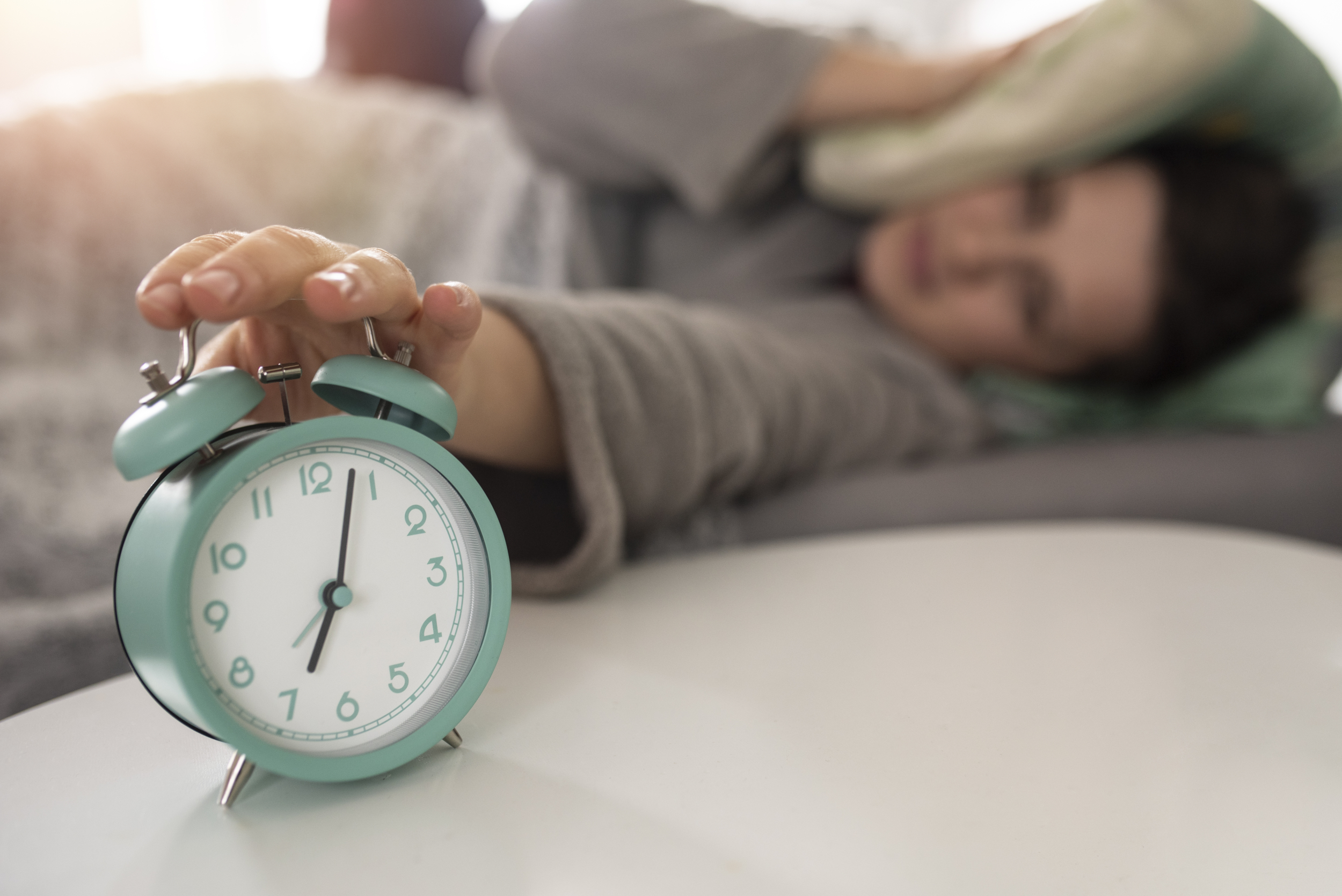
    Hit the snooze button without guilt; those extra minutes of sleep may be good for your well-being, suggests a recent study. Researchers have found that sleeping an additional 46 minutes is linked to improved well-being and positive traits such as gratitude, flourishing, resilience, and prosocial behaviors.

    Even subtle changes in the amount of sleep can affect the components of your mental well-being, according to the latest study published in the Journal of Positive Psychology.

    Studies have shown that people with positive traits such as gratitude and resilience have better sleep. The researchers of the latest study investigated the reverse hypothesis, that is whether extra sleep helps improve positive behavioral traits.

    “This study is exciting because it expands what we know about the health effects of sleep restriction and extension to include variables related to forming flourishing moral communities,” Sarah Schnitker, a researcher of the study said in a news release.

    The researchers examined 90 young adults randomly assigned to three groups: sleep restriction, sleep extension, or normal sleep. The participants wore wristband actigraphy devices, which tracked sleep patterns, during the study sessions from Monday to Friday. The researchers measured participants’ levels of flourishing, resilience, and gratitude and noted improvements across the week with sleep extension and worsening levels with sleep restriction.

    “We saw that people who increased their sleep by 46 minutes a night ended up feeling more resilience, gratitude, life satisfaction, and purpose in life. When people were cut back on sleep by a mild average of 37 minutes a night, they experienced drops in mood, resilience, flourishing and gratitude,” Michael K. Scullin, principal investigator of the study said.

    The findings suggest that extra sleep not only boosts current moods and outlooks but has a far-reaching impact on overall well-being. The researchers also noted broader societal benefits, finding that sleep influences prosocial behaviors. Well-rested individuals had increased expressions of gratitude and a more positive outlook in social interactions.

    “It turns out that getting more sleep has a broader influence than just feeling more alert during the day. Better sleep helps you to have a clear vision for your life and to be more resilient to the challenges that could happen tomorrow,” Scullin explained.

    Source link