Tag: Impact

  • How HatchPath Is Connecting Workplace Burnout, Heart Health, and Community Impact Through Wellness Initiatives

    How HatchPath Is Connecting Workplace Burnout, Heart Health, and Community Impact Through Wellness Initiatives

    As conversations around workplace wellness continue to evolve, more organizations are examining how stress, burnout, and emotional strain influence broader health outcomes. According to Jordan Dunin, founder of HatchPath, the discussion increasingly extends beyond productivity or morale and into long-term well-being. HatchPath, which provides concierge-style wellness and coaching support for organizations and individuals, operates within that growing intersection between employee resilience and organizational sustainability.

    From Dunin’s perspective, businesses are in a unique position to create impact that extends beyond internal operations. He explains that for-profit organizations can still play a meaningful role in supporting communities, particularly when wellness initiatives are tied to education, accessibility, and long-term engagement. “A company does not have to operate as a nonprofit to create real impact,” Dunin says. “Organizations have the ability to support people in ways that extend far beyond the workplace when that intention becomes part of the culture.”

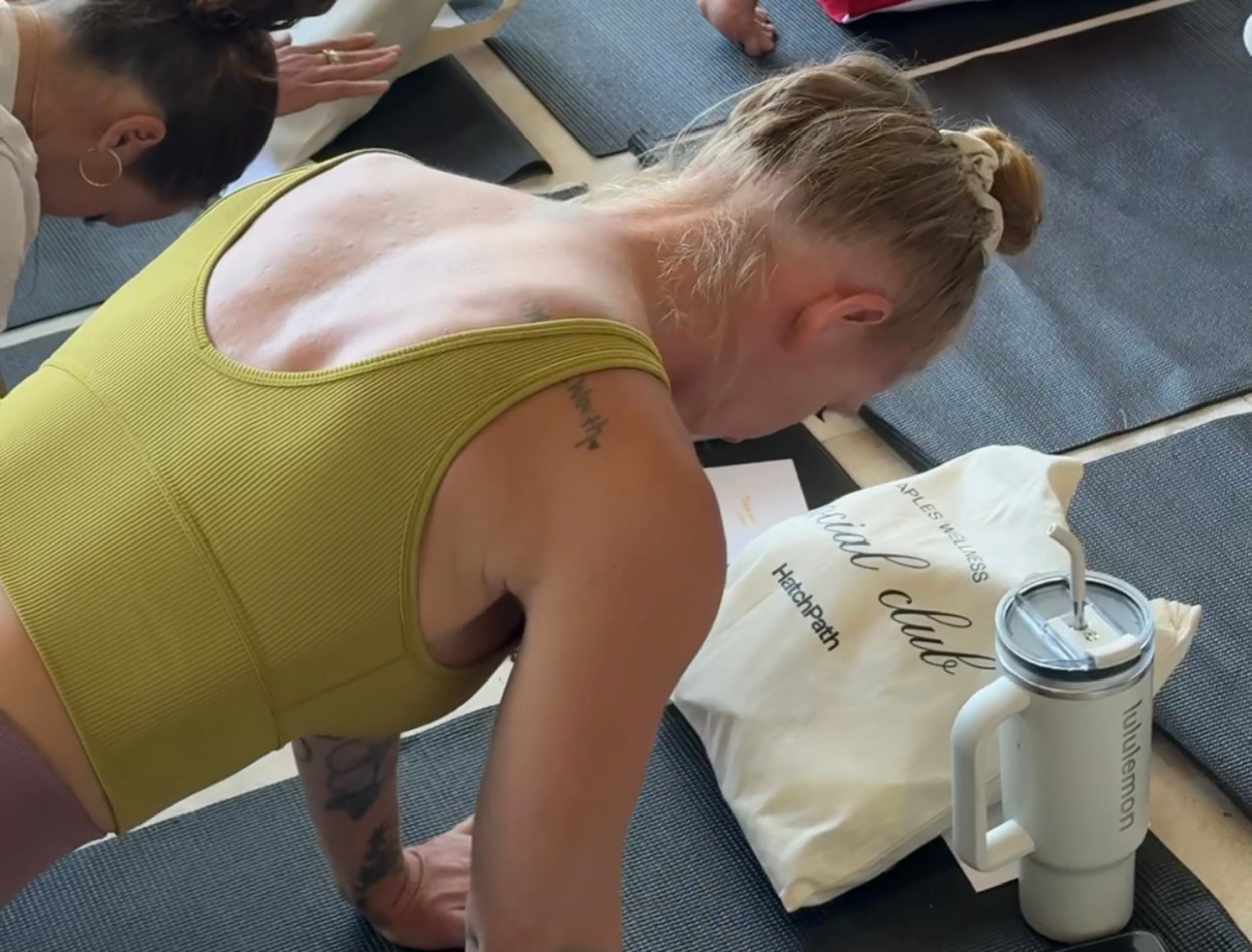
    That philosophy recently shaped one of HatchPath’s community wellness events, organized in partnership with the American Heart Association. The gathering brought together local professionals, wellness practitioners, and community members for an experience centered on nervous system regulation, movement, stress management, and heart health awareness. According to Dunin, the event was intentionally designed to reflect a broader understanding of wellness and the relationship between emotional health and cardiovascular health.

    “We wanted people to think differently about heart health and stress,” Dunin says. “For many people, wellness conversations focus on exercise or nutrition alone, but emotional regulation, sleep, recovery, and the state people live in every day also matter a lot.”

    The event included guided breathwork sessions, movement-based activities, wellness treatments, and educational discussions focused on recovery and restoration. From Dunin’s viewpoint, the collaborative structure reflected HatchPath’s larger mission of creating environments where people can connect through healthier habits and shared experiences.

    Natasha Iannone, Development Director of American Heart Association, adds, “We were incredibly pleased with the outcome of the Wellness at Home Experience in Naples and grateful for the collaboration with HatchPath. Events like these beautifully demonstrate what’s possible when wellness, community, and purpose come together. We look forward to continuing to work together and raise support for the American Heart Association’s life-saving mission and impact throughout Southwest Florida.”

    The connection between stress and physical health has increasingly become part of broader workplace discussions. More than 840,000 people die each year from health conditions linked to workplace psychosocial risks, including long working hours, job insecurity, workplace harassment, and chronic stress. These risks are closely associated with cardiovascular disease and mental health disorders. From Dunin’s perspective, organizations are beginning to recognize that wellness is closely tied to sustainability, retention, and overall quality of life.

    That understanding has also influenced HatchPath’s recent expansion through employee benefits platforms. According to Dunin, the model allows the company to reach a larger number of employees across multiple organizations while increasing access to wellness and coaching support. He explains that the objective is broader availability for individuals who may not otherwise seek out support independently.

    HatchPath

    “Our focus has always been participation and accessibility,” Dunin says. “When support becomes easier to access, more people are willing to engage with it consistently.”

    Beyond corporate partnerships, HatchPath has continued organizing wellness initiatives tied to different community causes, including mental health, children’s well-being, and environmental awareness efforts. Dunin notes that these events reflect a larger belief that wellness should be approached holistically rather than through isolated categories.

    He also believes that conversations around stress management are gradually becoming more normalized within leadership environments. From his perspective, many professionals are beginning to acknowledge that constant connectivity and prolonged pressure can affect recovery, focus, and emotional regulation over time.

    “Rest is becoming an important part of the conversation,” Dunin says. “People are realizing that recovery, boundaries, and nervous system health influence how they show up in every part of life.”

    As HatchPath continues expanding its reach, Dunin views the company’s work as part of a broader shift in how businesses approach responsibility and wellness. While nonprofits continue serving an essential role within communities, he believes companies also have the opportunity to contribute in ways that create meaningful and lasting impact.

    “When businesses choose to invest in people beyond performance metrics, that impact carries outward into families, communities, and everyday life,” Dunin says. “That is where long-term change begins.”


    Source link

  • Noise in Urban Soundscapes and Its Hidden Impact on Sleep Disruption and Higher Blood Pressure

    Noise in Urban Soundscapes and Its Hidden Impact on Sleep Disruption and Higher Blood Pressure

    Noise pollution has become part of everyday life in many cities, yet its impact on sleep and cardiovascular health is often underestimated. In dense urban soundscapes, constant traffic, construction, and nightlife noise can drive sleep disruption, activate the body’s stress response, and contribute to higher blood pressure over time.

    Understanding these links helps explain why some city residents feel persistently tired, stressed, and unwell, even when they seem to be “used to” the noise.

    Noise Pollution in Urban Soundscapes

    Noise pollution refers to unwanted or excessive sound that harms health or quality of life. In urban soundscapes, this usually comes from road and rail traffic, aircraft, construction work, sirens, and crowded entertainment districts.

    The problem is not just occasional loud events, but continuous or frequent noise that leaves little time for genuine quiet.

    People living near busy roads, flight paths, or nightlife zones may experience elevated noise levels both day and night. Even when they stop consciously noticing the sound, the body continues to register it. Over time, this ongoing exposure can shape sleep patterns, stress responses, and cardiovascular function in subtle but important ways.

    How Urban Noise Affects Sleep

    During sleep, the brain does not fully disconnect from the environment. The auditory system keeps monitoring for sounds that might signal danger. Noise can trigger micro‑arousals, brief shifts to lighter sleep stages, even if the person does not remember waking up. These small interruptions fragment the sleep cycle.

    As a result, people may spend less time in deep and REM sleep, which are essential for physical recovery, memory processing, and emotional regulation. In noisy urban soundscapes, such sleep disruption can occur many times a night.

    Over weeks and months, this pattern often leads to non‑restorative sleep, morning fatigue, and difficulty concentrating, even if total time in bed seems adequate.

    Repeated nighttime disturbances can also resemble insomnia. Residents may lie awake waiting for the next siren or truck, making it hard to relax. Shortened sleep, irregular bedtimes, and poor sleep quality can gradually erode mood, performance at work or school, and overall resilience.

    Noise, Stress Response, and Higher Blood Pressure

    From a biological standpoint, significant noise acts as a stressor. The body responds by activating the sympathetic nervous system and releasing hormones such as adrenaline and cortisol. This stress response increases heart rate and blood pressure and prepares the body for action.

    In quiet environments, these stress reactions are short‑lived. In noisy cities, however, they may be triggered repeatedly throughout the day and night by horns, engines, construction, or loud voices. Over time, frequent activation can create a state of chronic, low‑grade stress.

    Nighttime noise is particularly important. Sleep is meant to be a period when blood pressure and heart rate naturally drop, allowing the cardiovascular system to recover, according to the World Health Organization.

    When noise keeps the stress response active, this normal nighttime “dipping” can be blunted. Instead of extended calm, the body experiences a stop‑start pattern of activation, which gradually changes how blood vessels and the heart function.

    Higher blood pressure develops through many factors, but noise exposure adds to the load. Repeated surges of stress hormones cause blood vessels to constrict and the heart to work harder.

    In chronically noisy urban soundscapes, these reactions can become the new baseline, nudging resting blood pressure upward. Over months and years, this process increases the risk of sustained hypertension and related cardiovascular problems.

    Studies of people living near busy roads, railways, and airports consistently show links between long‑term noise exposure, sleep disruption, and higher blood pressure. Some research has captured immediate spikes in blood pressure during specific noise events at night, even when the person appears to remain asleep.

    These findings highlight that noise is not just irritating; it has measurable effects on the cardiovascular system.

    Broader Health Impacts of Noisy City Living

    The health effects of noise extend beyond higher blood pressure. Chronic exposure in urban soundscapes is associated with increased anxiety, irritability, and depressive symptoms. Poor sleep and constant low‑grade stress can make it harder to cope with daily demands, regulate emotions, and maintain social relationships.

    Cognitive performance may also be reduced in persistently noisy environments. Concentration, memory, and learning suffer when the brain must constantly screen out background sound.

    Children who live or study near major roads or flight paths can face extra challenges focusing and retaining information, which may affect academic progress.

    For many city dwellers, these issues overlap: fragmented sleep, daytime tiredness, elevated stress, and gradual increases in blood pressure all influence one another. The combined effect can be a noticeable drop in productivity, well‑being, and quality of life, even if noise is rarely identified as the main cause, as per the Centers for Disease Control and Prevention.

    Practical Ways to Reduce Noise Impact

    Individuals cannot eliminate all urban noise, but they can limit its impact on sleep and blood pressure. Helpful steps include:

    • Placing bedrooms on the quieter side of the building whenever possible
    • Using heavier curtains, better window seals, or double glazing to reduce sound intrusion
    • Employing constant background sound, such as a fan or white‑noise device, to mask sudden peaks
    • Wearing comfortable earplugs at night in particularly loud locations

    Supporting habits such as regular bedtimes, a calming pre‑sleep routine, and reduced caffeine and screen use in the evening can also improve sleep quality despite ongoing noise exposure.

    People who notice persistent sleep disruption, morning headaches, daytime fatigue, or rising blood pressure while living in noisy areas should consider discussing these concerns with a health professional. Tracking sleep and blood pressure over time can help clarify how strongly noise and sleep disruption might be contributing.

    Those with existing cardiovascular disease, older adults, shift workers, and residents near major transport routes may be especially vulnerable. For them, reducing noise exposure and improving sleep quality are meaningful parts of managing higher blood pressure and protecting heart health.

    Noise, Urban Soundscapes, and Protecting Long‑Term Heart Health

    In modern cities, noise is often treated as an inevitable backdrop. Yet chronic exposure to loud urban soundscapes plays a clear role in sleep disruption, activation of the stress response, and higher blood pressure. Recognizing noise as a significant environmental influence on health is an important step toward change.

    At the personal level, small adjustments to the home and sleep routine can help shield the body from constant sound. At the community and policy level, measures such as traffic calming, quieter infrastructure, and stricter nighttime standards can reshape urban soundscapes in ways that support restorative sleep and cardiovascular health.

    By understanding how noise interacts with sleep, stress, and blood pressure, societies can move toward cities that are not only vibrant and active, but also genuinely healthy places to live.

    Frequently Asked Questions

    1. Can noise pollution raise blood pressure even if someone feels used to it?

    Yes. The body can still react with stress hormones and subtle blood pressure increases to ongoing noise exposure, even when a person no longer consciously notices the sound.

    2. Are short bursts of loud noise as harmful as constant background noise?

    Short, very loud bursts can cause immediate spikes in heart rate and blood pressure, while constant moderate noise tends to contribute more to long‑term stress and sleep disruption.

    3. Does noise at work affect blood pressure the same way as nighttime noise?

    Workplace noise can increase stress and temporary blood pressure, but nighttime noise is more strongly linked to long‑term cardiovascular effects because it interferes with restorative sleep.

    4. Can listening to music at night offset the impact of city noise on sleep?

    Soothing, low‑volume music or soundscapes may help some people relax and mask traffic noise, but if it is too loud or stimulating, it can still disturb sleep quality.


    Source link

  • The Impact of Financial Stress on Mental Health: How to Cope and Thrive

    The Impact of Financial Stress on Mental Health: How to Cope and Thrive

    Introduction

    Financial stress is a pervasive and insidious force that can have a profound impact on an individual’s mental health. The pressure to make ends meet, pay bills, and save for the future can be overwhelming, leading to feelings of anxiety, depression, and hopelessness. The consequences of financial stress can be far-reaching, affecting not only an individual’s mental well-being but also their relationships, physical health, and overall quality of life. In this article, we will explore the impact of financial stress on mental health, discuss coping strategies, and provide tips for thriving in the face of financial uncertainty.

    The Impact of Financial Stress on Mental Health

    Financial stress can have a significant impact on mental health, leading to a range of negative emotions and outcomes. Some of the common effects of financial stress on mental health include:

    • Anxiety and worry: The pressure to pay bills, debt, and financial obligations can lead to feelings of anxiety and worry, making it difficult to relax and enjoy life.
    • Depression: Prolonged financial stress can lead to feelings of hopelessness and despair, contributing to the development of depression.
    • Sleep disturbances: Financial stress can disrupt sleep patterns, leading to insomnia, sleep deprivation, and other sleep-related problems.
    • Relationship problems: Financial stress can put a strain on relationships, leading to conflict, communication problems, and intimacy issues.
    • Physical health problems: Chronic financial stress can lead to physical health problems, such as headaches, digestive issues, and a weakened immune system.

    Causes of Financial Stress

    Financial stress can be caused by a range of factors, including:

    • Low income: Living on a low income or having a limited budget can lead to financial stress, making it difficult to make ends meet.
    • Debt: High levels of debt, particularly credit card debt, can lead to financial stress and anxiety.
    • Unemployment or underemployment: Losing a job or being underemployed can lead to financial stress, particularly if there is no safety net or support system in place.
    • Medical expenses: Unexpected medical expenses or chronic health conditions can lead to financial stress, particularly if there is no health insurance or inadequate coverage.
    • Financial insecurity: Feeling insecure about one’s financial future, such as not having enough savings or retirement funds, can lead to financial stress and anxiety.

    Coping with Financial Stress

    While financial stress can be overwhelming, there are several coping strategies that can help individuals manage their finances and reduce stress. Some of these strategies include:

    • Creating a budget: Developing a budget can help individuals track their income and expenses, identify areas for reduction, and make informed financial decisions.
    • Prioritizing expenses: Prioritizing essential expenses, such as rent/mortgage, utilities, and food, can help individuals manage their finances and reduce stress.
    • Building an emergency fund: Having a safety net or emergency fund in place can provide peace of mind and reduce financial stress.
    • Seeking support: Talking to a financial advisor, therapist, or support group can provide emotional support and help individuals develop coping strategies.
    • Practicing self-care: Engaging in self-care activities, such as exercise, meditation, or hobbies, can help reduce stress and improve overall well-being.

    Managing Debt

    Debt can be a significant contributor to financial stress, but there are several strategies for managing debt and reducing financial stress. Some of these strategies include:

    • Consolidating debt: Consolidating debt into a single loan or credit card can simplify payments and reduce interest rates.
    • Creating a debt repayment plan: Developing a plan to pay off debt, such as the snowball method or avalanche method, can help individuals stay on track and reduce debt.
    • Negotiating with creditors: Negotiating with creditors, such as credit card companies or lenders, can help individuals reduce interest rates, fees, or payments.
    • Seeking debt counseling: Working with a debt counselor or credit counselor can provide guidance and support in managing debt and developing a plan to become debt-free.

    Building Financial Resilience

    Building financial resilience can help individuals cope with financial stress and thrive in the face of uncertainty. Some strategies for building financial resilience include:

    • Diversifying income: Having multiple sources of income, such as a side hustle or investments, can provide a financial safety net and reduce reliance on a single income source.
    • Building an emergency fund: Having a cushion of savings can provide peace of mind and reduce financial stress.
    • Investing in oneself: Investing in education, skills, or personal development can increase earning potential and improve financial stability.
    • Practicing financial mindfulness: Being mindful of spending habits, financial goals, and values can help individuals make informed financial decisions and reduce financial stress.

    Conclusion

    Financial stress can have a profound impact on mental health, leading to anxiety, depression, and other negative outcomes. However, by understanding the causes of financial stress, developing coping strategies, and building financial resilience, individuals can reduce financial stress and thrive in the face of uncertainty. By prioritizing financial wellness, seeking support, and practicing self-care, individuals can improve their overall well-being and achieve financial stability.

    FAQs

    Q: What are the common causes of financial stress?
    A: Common causes of financial stress include low income, debt, unemployment or underemployment, medical expenses, and financial insecurity.
    Q: How can I cope with financial stress?
    A: Coping strategies for financial stress include creating a budget, prioritizing expenses, building an emergency fund, seeking support, and practicing self-care.
    Q: What is the impact of financial stress on mental health?
    A: Financial stress can lead to anxiety, depression, sleep disturbances, relationship problems, and physical health problems.
    Q: How can I manage debt?
    A: Strategies for managing debt include consolidating debt, creating a debt repayment plan, negotiating with creditors, and seeking debt counseling.
    Q: What is financial resilience, and how can I build it?
    A: Financial resilience refers to the ability to cope with financial stress and uncertainty. Strategies for building financial resilience include diversifying income, building an emergency fund, investing in oneself, and practicing financial mindfulness.
    Q: Where can I seek support for financial stress?
    A: Individuals can seek support from financial advisors, therapists, support groups, or online resources, such as financial counseling services or mental health hotlines.

  • The Impact of Social Media on Mental Health

    The Impact of Social Media on Mental Health

    Introduction

    The advent of social media has revolutionized the way we interact, communicate, and share information. Platforms like Facebook, Instagram, Twitter, and LinkedIn have become an integral part of our daily lives, with billions of users worldwide. However, a growing body of research suggests that excessive social media use can have a profound impact on mental health. In this article, we will delve into the complex relationship between social media and mental health, exploring the potential risks and benefits, and discussing ways to mitigate the negative effects.

    The Risks of Social Media on Mental Health

    Social media can have a significant impact on mental health, particularly in young people. Some of the potential risks include:

    • Cyberbullying: Social media can be a breeding ground for bullying and harassment, which can lead to anxiety, depression, and even suicidal thoughts.
    • Unrealistic comparisons: Social media platforms showcase the highlight reels of other people’s lives, creating unrealistic expectations and promoting unhealthy comparisons.
    • Sleep deprivation: Exposure to screens and the constant notifications from social media can interfere with sleep patterns, leading to fatigue, irritability, and decreased cognitive function.
    • Social isolation: While social media connects us to others, it can also create a false sense of connection, leading to social isolation and loneliness.

    The Impact of Social Media on Self-Esteem

    Social media can have a profound impact on self-esteem, particularly in young women. The constant exposure to idealized and unrealistic images of beauty, fitness, and success can lead to feelings of inadequacy, low self-esteem, and body dissatisfaction. A study published in the Journal of Youth and Adolescence found that exposure to idealized images of peers on social media can lead to decreased self-esteem and life satisfaction.

    The Role of Social Media in Anxiety and Depression

    Social media can also play a significant role in the development and exacerbation of anxiety and depression. The constant stream of information, the pressure to present a perfect online persona, and the fear of missing out (FOMO) can create a sense of anxiety and overwhelm. A study published in the Journal of Social and Clinical Psychology found that limiting social media use to 30 minutes per day can lead to significant improvements in mental health, including reduced symptoms of anxiety and depression.

    The Benefits of Social Media on Mental Health

    While social media can have negative effects on mental health, it can also have numerous benefits. Some of the potential benefits include:

    • Social support: Social media can provide a sense of connection and community, particularly for people who are isolated or have difficulty forming social relationships.
    • Access to resources: Social media can provide access to mental health resources, including online therapy, support groups, and educational materials.
    • Self-expression: Social media can provide a platform for self-expression, creativity, and self-promotion, which can boost self-esteem and confidence.

    Strategies for Healthy Social Media Use

    To mitigate the negative effects of social media on mental health, it is essential to use social media in a healthy and balanced way. Some strategies for healthy social media use include:

    • Setting boundaries: Set limits on social media use, including the amount of time spent on social media and the types of content consumed.
    • Taking breaks: Take regular breaks from social media, including days or weeks without social media use.
    • Practicing self-compassion: Practice self-compassion and self-kindness, including avoiding self-comparison and focusing on positive self-talk.
    • Seeking offline connections: Seek offline connections and relationships, including face-to-face interactions and community activities.

    The Role of Parents and Caregivers

    Parents and caregivers play a crucial role in promoting healthy social media use in young people. Some strategies for parents and caregivers include:

    • Monitoring social media use: Monitor social media use, including the amount of time spent on social media and the types of content consumed.
    • Setting boundaries: Set limits on social media use, including the amount of time spent on social media and the types of content consumed.
    • Encouraging offline activities: Encourage offline activities, including sports, hobbies, and face-to-face interactions.
    • Modeling healthy behavior: Model healthy social media behavior, including responsible social media use and online etiquette.

    The Role of Social Media Companies

    Social media companies also play a critical role in promoting healthy social media use. Some strategies for social media companies include:

    • Implementing age restrictions: Implement age restrictions, including minimum age requirements for social media use.
    • Providing mental health resources: Provide mental health resources, including online therapy, support groups, and educational materials.
    • Promoting responsible social media use: Promote responsible social media use, including responsible online behavior and digital citizenship.
    • Reducing cyberbullying: Reduce cyberbullying, including implementing antibullying policies and reporting mechanisms.

    Conclusion

    The impact of social media on mental health is complex and multifaceted. While social media can have numerous benefits, including social support, access to resources, and self-expression, it can also have negative effects, including cyberbullying, unrealistic comparisons, and social isolation. To mitigate the negative effects of social media on mental health, it is essential to use social media in a healthy and balanced way, including setting boundaries, taking breaks, practicing self-compassion, and seeking offline connections. Parents, caregivers, and social media companies also play a critical role in promoting healthy social media use, including monitoring social media use, setting boundaries, and providing mental health resources.

    FAQs

    Q: What is the impact of social media on mental health?
    A: The impact of social media on mental health is complex and multifaceted, including both positive and negative effects. While social media can provide social support, access to resources, and self-expression, it can also lead to cyberbullying, unrealistic comparisons, and social isolation.

    Q: How can I use social media in a healthy way?
    A: To use social media in a healthy way, it is essential to set boundaries, take breaks, practice self-compassion, and seek offline connections. This includes limiting social media use to 30 minutes per day, taking regular breaks from social media, and engaging in offline activities.

    Q: What can parents and caregivers do to promote healthy social media use in young people?
    A: Parents and caregivers can promote healthy social media use in young people by monitoring social media use, setting boundaries, encouraging offline activities, and modeling healthy behavior. This includes setting limits on social media use, encouraging face-to-face interactions, and promoting responsible online behavior.

    Q: What can social media companies do to promote healthy social media use?
    A: Social media companies can promote healthy social media use by implementing age restrictions, providing mental health resources, promoting responsible social media use, and reducing cyberbullying. This includes implementing antibullying policies, providing online therapy and support groups, and promoting digital citizenship.

    Q: How can I seek help if I am experiencing negative effects from social media use?
    A: If you are experiencing negative effects from social media use, including anxiety, depression, or cyberbullying, it is essential to seek help. This includes talking to a mental health professional, seeking support from friends and family, and accessing online resources and support groups.

  • The Power of One: How Small Changes can Make a Big Impact

    The Power of One: How Small Changes can Make a Big Impact

    Introduction to The Power of One

    The concept of "The Power of One" refers to the idea that small, individual changes can collectively make a significant impact when combined with the efforts of others. This concept has been applied in various fields, including environmental conservation, social justice, and personal development. The notion is that one person, or one small action, can be the catalyst for a much larger and more profound change. In this article, we will explore the power of one and how small changes can add up to make a big impact.

    The Butterfly Effect

    The butterfly effect is a term used to describe how small changes can have significant effects on a larger system. This concept was first proposed by Edward Lorenz, a mathematician and meteorologist, who suggested that the flapping of a butterfly’s wings could cause a hurricane on the other side of the world. While this idea may seem far-fetched, it illustrates the idea that small actions can have unintended and far-reaching consequences. In the context of the power of one, the butterfly effect suggests that individual actions, no matter how small they may seem, can have a ripple effect and contribute to a larger impact.

    Small Actions, Big Impact

    There are many examples of how small actions can add up to make a big impact. For instance, the concept of "reduce, reuse, recycle" has become a popular mantra for environmental conservation. By making small changes to our daily habits, such as reducing our use of plastic, reusing bags and containers, and recycling paper and glass, we can collectively make a significant impact on reducing waste and conserving natural resources. Similarly, in the context of social justice, small actions such as volunteering, donating to charity, or speaking out against injustice can contribute to a larger movement for change.

    The Power of Individual Action

    Individual action is a key component of the power of one. By taking personal responsibility for our actions and making conscious choices, we can create positive change in our own lives and in the world around us. For example, choosing to use public transportation or carpooling instead of driving a personal vehicle can reduce our carbon footprint and contribute to a reduction in air pollution. Similarly, making healthy food choices and exercising regularly can improve our physical and mental health, and reduce our risk of chronic disease.

    Collective Impact

    While individual action is important, collective impact is also a crucial component of the power of one. When individuals come together to work towards a common goal, their collective efforts can have a much greater impact than any one person could achieve alone. For example, the civil rights movement in the United States was a collective effort by individuals and organizations to achieve social justice and equality. The movement was led by individuals such as Martin Luther King Jr., who used nonviolent resistance and advocacy to bring attention to the cause and push for change.

    Social Media and the Power of One

    Social media has become a powerful tool for spreading ideas and mobilizing individuals to take action. Platforms such as Twitter, Facebook, and Instagram have made it possible for individuals to connect with others who share similar interests and passions, and to mobilize around a common cause. For example, the #MeToo movement, which began as a hashtag on Twitter, has become a global movement to raise awareness about sexual harassment and assault, and to support survivors of these crimes.

    Overcoming Obstacles

    One of the biggest obstacles to creating change is the feeling of powerlessness that can come from feeling like one person cannot make a difference. However, this mindset is often based on a lack of understanding of the power of one. By recognizing the collective impact of individual actions, and by working together with others, we can overcome feelings of powerlessness and create positive change. Another obstacle to creating change is the presence of systemic barriers, such as institutional racism, sexism, and other forms of oppression. However, by working together and using our collective power, we can challenge and dismantle these barriers, and create a more just and equitable society.

    Creating a Ripple Effect

    Creating a ripple effect is a key component of the power of one. By taking small actions and inspiring others to do the same, we can create a chain reaction of positive change. For example, a person who starts a community garden in their neighborhood can inspire others to do the same, and create a network of community gardens that provide fresh produce to local residents. Similarly, a person who starts a petition or advocacy campaign can inspire others to join in, and create a groundswell of support for a particular cause.

    Conclusion

    In conclusion, the power of one is a powerful concept that highlights the potential for small, individual changes to collectively make a significant impact. By recognizing the collective impact of individual actions, and by working together with others, we can create positive change in our own lives and in the world around us. Whether it is through environmental conservation, social justice, or personal development, the power of one is a reminder that every small action counts, and that together, we can achieve great things.

    FAQs

    Q: What is the power of one?
    A: The power of one refers to the idea that small, individual changes can collectively make a significant impact when combined with the efforts of others.
    Q: How can I make a difference?
    A: You can make a difference by taking small actions, such as reducing your use of plastic, volunteering, or speaking out against injustice.
    Q: Is one person really enough to make a difference?
    A: Yes, one person can make a difference. While individual action is important, collective impact is also crucial, and when individuals come together to work towards a common goal, their collective efforts can have a much greater impact than any one person could achieve alone.
    Q: What are some examples of the power of one in action?
    A: Examples of the power of one in action include the civil rights movement, the #MeToo movement, and environmental conservation efforts such as reducing, reusing, and recycling.
    Q: How can I overcome feelings of powerlessness?
    A: You can overcome feelings of powerlessness by recognizing the collective impact of individual actions, and by working together with others to create positive change.
    Q: What is the role of social media in the power of one?
    A: Social media has become a powerful tool for spreading ideas and mobilizing individuals to take action, and can be used to connect with others who share similar interests and passions, and to mobilize around a common cause.

  • The Mental Health Impact Of Major Life Transitions

    The Mental Health Impact Of Major Life Transitions

    Life is full of transitions. Going to college, moving to a new city, finding a job, marrying your forever partner, having children, and retiring are just some of the major milestones one can expect within their lifetime.

    And while many of these transitions are exciting, they can also trigger emotional upheaval. Marriage is about gaining a new family while also creating a new identity for yourself. Retirement is about putting your career aside and finding fulfillment outside of a paycheck.

    Keep reading to learn the mental health impact of major life transitions as well as tips and tricks for taking the reins of life.

    How Life Transitions Impact Mental Health

    Life has its fair share of challenges. Even the happiest moments of life — celebrating a new job or becoming a parent — can be difficult. Transitions are any significant shift or change in a person’s life. These transitions can be positive, negative, or a combination of the two. Even the most challenging transitions, such as job loss or breakups, can present opportunities for personal growth and development.

    Here are a few reasons why life transitions can impact mental health.

    Stress, Anxiety, and Overwhelm

    Certain transitions can feel like the world is crumbling upon you. A major health event of a loved one can spark fear and overwhelm. A close friend passing away in an unexpected accident can leave you feeling alone and vulnerable. Unemployment can trigger feelings of worry and distress.

    These transitions can all create stress within the body. You may feel like you can’t breathe as well, as if a rock is sitting on your chest. Or you may isolate yourself from family and loved ones in hopes of trying to process your feelings alone. Stress can also wreak havoc on the body, leading to loss of appetite and insomnia.

    Recognizing these feelings and processing them will look different for everyone. Those with a strong support system may be able to talk about how they’re currently feeling and share the burden of their thoughts with others. Some may need to seek professional help, such as inpatient treatment for substance abuse or therapy from a certified expert. No matter what help looks like, know that there is no shame in receiving it. Experts are there to help you cope and have the tools to help you get back up on your own two feet.

    Depression

    For any transitions that involve loss, it’s normal for individuals to encounter bouts of depression. A loved one’s passing can leave someone grieving for what was once. An unexpected career switch can make someone feel as if they aren’t competent enough for their dream job. Anything sudden, major, or experiencing a shift in identity can trigger depression.

    Depression comes with varying symptoms and progression. Normal or mild depression is considered to be temporary and can be tied specifically to life events. However, if someone is already experiencing depression, any of these transitions can lead to clinical depression or major depressive disorder. This type of depression is known to cause more persistent symptoms and last for several weeks. Seeking help from a licensed therapist or medical professional for either of these types of depression is crucial for long-term wellness.

    Adjustment Disorders

    As the name implies, adjustment disorders are any emotional or behavioral symptoms that arise due to a life adjustment. These disorders can cause sadness, anxiety, and changes in behavior. They may follow immediately after a life transition or develop within a few months of encountering one. For example, a diagnosis of a major illness is an identifiable stressor that can conjure up an adjustment disorder.

    Adjustment disorders are distinguished from other mental health conditions by the length of time, usually resolving within six months of the initial stressor. Symptoms tend to be less severe than other disorders, such as major depressive disorder or PTSD. Regardless, seeking professional help can assist someone in learning how to best manage their feelings and find the light at the end of the tunnel.

    What Factors Can Influence the Impact of Major Life Transitions

    Everyone goes through life differently. Marriage can be purely celebratory for some, while others may grieve their loss of singlehood. Different factors can influence how someone experiences a major life transition. Some transitions, for instance, are coherently labeled as “positive’ or “negative.” Achieving a personal goal, such as graduating from college or publishing a book, is typically seen as positive, while others, such as the loss of a loved one or a layoff, are seen as negative.

    However, not all of life’s transitions are that black and white. A newborn comes into the family with happiness, but it can also lead to postpartum depression. Moving to a new home can be exciting, but also spark feelings of loss of the prior community and home. How the transition is perceived can influence its impact on one’s mental health.

    Another factor is the suddenness of the transition. A layoff is often unexpected, causing immediate grief and overwhelm. While preparing to marry your best friend is a long-term plan, it gives someone time to process the loss of their life before marriage.

    Social support is another factor to consider. Those who have a strong, tight-knit circle of friends and family members to lean on can share their burden and grieve together. For those who feel isolated or alone, an unexpected job loss can feel incredibly stressful. New moms may also feel overwhelmed during the initial few months.

    If you or a loved one is struggling and feels like they have no one to talk to, consider joining pre-existing social groups. A new parent group can offer supportive advice and foster a sense of community. Group therapy is also an option for those who want to share their thoughts and feelings in a supportive environment. The key to navigating any of life’s transitions is not to do it alone. Help and support are available to guide you through any challenges you face.

    Source link

  • This Common Supplement Could Impact How Your Medicines Work

    This Common Supplement Could Impact How Your Medicines Work

    If you are someone taking a cinnamon supplement for its health perks, you might want to think twice. New research suggests it might be time to go back to getting nutrients from your plate, not a pill. Researchers now found that a compound in cinnamon supplements could interfere with how your body processes medications, something plain old cinnamon in food does not seem to do.

    Cinnamon is an age-old spice that has long been used as a flavoring agent in foods like breakfast cereals, snacks, bagels, teas, and hot chocolate. In recent years, cinnamon supplements have gained popularity among health enthusiasts, praised for their potential anti-inflammatory benefits and blood sugar-lowering effects.

    The latest study, published in the journal Food Chemistry: Molecular Sciences, uncovers a surprising twist for supplement users. Researchers found that cinnamaldehyde, the compound responsible for cinnamon’s distinctive flavor and many of its medicinal properties, can interfere with how the body processes certain medications when taken in concentrated supplement form. This interference could either reduce the effectiveness of common drugs or amplify their side effects, posing unexpected risks for people who rely on regular medications.

    However, adding a dash of cinnamon to your coffee or oatmeal is harmless and might even offer small health perks. But when cinnamon is taken in concentrated supplement form, the story changes.

    The new findings are a reminder that more is not always better, especially for those who turn to supplements as a shortcut for nutrition. “Health concerns could arise if excessive amounts of supplements are consumed without the knowledge of health care provider or prescriber of the medications. Overconsumption of supplements could lead to a rapid clearance of the prescription medicine from the body, and that could result in making the medicine less effective,” Shabana Khan, a principal scientist at the National Center for Natural Products Research in a news release.

    “People who suffer from chronic diseases – like hypertension, diabetes, cancer, arthritis, asthma, obesity, HIV, AIDS or depression – should be cautious when using cinnamon or any other supplements. Our best advice is to talk to a healthcare provider before using any supplements along with the prescription medicine. By definition, supplements are not meant to treat, cure or mitigate any disease,” Khan added.

    Source link

  • Obesity’s Impact on Back Pain, Blood Pressure, Cancer, and Diabetes 

    Obesity’s Impact on Back Pain, Blood Pressure, Cancer, and Diabetes 

    Losing weight can reduce sciatica, hypertension, and cancer risk, as well as reverse type 2 diabetes.

    In the ABCs of the health consequences of obesity, A is for Arthritis, as I discussed in my previous blog post, and B is for Back Pain. Being overweight is not just a risk factor for low back pain, but it is also a risk factor for sciatica (a radiating nerve pain), as well as degenerating lumbar discs and disc herniation. Similar to what we learned in the arthritis story, this may also be due to a combination of the excess weight, high cholesterol, and inflammation associated with being overweight. Why cholesterol? Studies of autopsies and angiographies show that the lumbar arteries that feed our spine can get clogged with atherosclerosis and starve the disks in our lower back, as you can see below and at 0:47 in my video The Effects of Obesity on Back Pain, Blood Pressure, Cancer, and Diabetes

    B is also for Blood Pressure. Excess visceral fat—for example, internal abdominal fat—can physically compress our kidneys. The increased pressure can effectively squeeze sodium back into our bloodstream, increasing our blood pressure. Together, the combination of obesity and hypertension can have “disastrous health implications,” but the good news is that just a few pounds of weight loss can help take off the pressure. Losing excess weight has been described as “a vital strategy for controlling hypertension.” In fact, researchers found that losing around nine pounds (4 kg) may lower blood pressure about as much as cutting salt intake approximately in half can.

    C is for Cancer. As many as three-quarters of people surveyed “were unaware that being overweight or obese increased a person’s risk of cancer,” when, in fact, based on a comprehensive review of more than a thousand studies, excess body fat raises the risk of most cancers, including esophageal, stomach, colorectal, liver, gallbladder, pancreatic, breast, uterine, ovarian, kidney, brain, thyroid, and bone marrow (multiple myeloma) cancers, as you can see below and at 2:00 in my video.

    It could be the chronic inflammation of obesity or perhaps it is the high insulin levels due to insulin resistance. (Besides controlling blood sugars, insulin is also “a potent growth factor” that can promote tumor growth.) In women, it could also be the excess estrogen.

    After the ovaries shut down at menopause, fat takes over as the principal site of estrogen production. That’s why women who are obese have up to nearly twice the estrogen levels circulating in their bloodstream, which is associated with an increased risk of developing breast cancer and dying from it. The data on prostate cancer aren’t as strong, though obesity is associated with increased risk of invasive penis cancer. 

    One of the reasons we’re confident the link between obesity and cancer is cause-and-effect—and not just an indirect consequence of eating poorly—is that the overall risk of cancer goes down when people lose weight, even through bariatric surgery. Researchers found that those experiencing a sustained weight loss of about 40 pounds (19.9 kg) after surgery went on to develop around one-third fewer cancers over the subsequent decade, compared with matched individuals in the nonsurgical control group who continued to slowly gain weight over time. The exception, though, is colorectal cancer. 

    “Colorectal cancer is the only known malignancy where the risk of being diagnosed with disease seems to increase after obesity surgery.” Indeed, after bariatric surgery, the rate of rectal cancer death may triple. The rearrangement of anatomy involved in one of the most common surgeries—Roux-en-Y gastric bypass—is thought to increase bile acid exposure along the intestinal lining. This causes sustained pro-inflammatory changes even years after the procedure, which is thought responsible for the increased cancer risk. In contrast, losing weight by dietary means has the potential to decrease obesity-related cancer risk across the board.

    D is for Diabetes. As presented in a consensus statement from the International Diabetes Federation, obesity is considered the single most important risk factor for the development of type 2 diabetes, which is the leading cause of kidney failure, lower-limb amputations, and adult-onset blindness. Ironically, many of the leading drugs used to treat diabetes (including insulin itself) cause further weight gain, creating a vicious cycle. 

    So, again, using lifestyle medicine to treat the underlying cause is not only safer, simpler, and cheaper, but can also be most effective.

    If you missed my previous video, check out The Best Knee Replacement Alternative for Osteoarthritis Treatment.

    Coming up next? See related posts below.

    I continue the topic of weight control with these videos that may be of interest to you: Is the Obesity Paradox Real or a Myth? and Friday Favorites: What’s the Ideal BMI and Waist Size?.

    For more on back pain, blood pressure, cancer, and diabetes, check out their topic pages. 


    Source link

  • Best Curcumin Supplements And Their Impact On Health: Benefits You Should Know

    Best Curcumin Supplements And Their Impact On Health: Benefits You Should Know

    For thousands of years, turmeric and its compounds has been used to treat arthritis, stomach problems, and other health issues.

    Curcumin, one of the active ingredients found in turmeric, has been proven to successfully fight several diseases. The chemical gives turmeric its yellow color and tastes bitter if consumed raw. It offers anti-inflammatory and antioxidant properties. Often used a herbal supplement, it is known to have therapeutic effect.

    Turmeric is used in Ayurvedic and traditional Chinese medicines and is used to treat skin disorders, upper respiratory tract problems, joint issues and digestive system concerns. It consists of three main curcuminoid compounds with similar structures, namely curcumin, desmethoxycurcumin (DMC), and bisdemethoxycurcumin (BDMC).

    They have various uses, but their low bioavailability remains a formidable challenge. However, a study by the National Center for Biotechnology Information has found that a curcugen, a novel dispersible, 50% curcuminoids-concentrated turmeric extract, significantly increases the bioavailability of all three types of curcuminoids.

    Health Benefits:

    Anti-inflammatory: Curcumin provides turmeric most of the anti-inflammatory qualities of the plant. A study conducted in 2007 described it as an “antioxidant, anti-inflammatory, antiviral, antibacterial, antifungal, and anticancer activities.”

    It also added that the compound can be used to treat diabetes, arthritis, and Alzheimer’s disease. It referred to curcumin as a “Spice for Life.”

    Cholesterol and heart health: Another study found that moderate amounts of curcumin reduced cholesterol in patients with acute coronary syndrome. While a study conducted in 2008 study found that turmeric in combination with other medicines or herbs could help in gingival healing post-surgery.

    Mood disorders: In 2014, curcumin was shown to reduce post-traumatic stress disorder (PTSD) symptoms. A different study claimed that curcumin also showed potential to shrink cancer tumors. It has been studied extensively over the years, but most of its health benefits are yet to be transferred to animals or humans.

    Curcumin also appeared to be effective in pain relief in a study conducted on people suffering from osteoarthritis. That said, more research is needed to understand if it really does help for arthritis inflammation pain. A study conducted in rats found that the compound can also help reduce anxiety. However, similar studies needed to be conducted on humans to verify the outcomes.

    Side effects:

    Even though some studies have been able to highlight benefits of curcumin, combining turmeric with other herbs/medicines may pose health risks.

    Dosage: Consuming curcumin supplements at higher doses may cause mild digestive issues such as diarrhea, headaches, and nausea. Skin rash has also been reported in some cases; however, it remains a rare occurrence.

    Drug interactions: Curcumin may affect how you digest and process certain medications. Taking the supplement with anticoagulant drugs or blood thinners may cause excessive bleeding.

    Low blood sugar: It may also affect your blood sugar levels and enhance the effects of antidiabetic drugs. One must consult health professionals before taking curcumin supplements.

    Conclusion:

    Although turmeric is used in various parts of the world for treating indigestion, its benefits in comparison to conventional drugs remain understudied. Curcumin supplements offer several benefits and are generally safe to incorporate into your health regime. Here are some of the top curcumin supplements currently available on the market.

    1. NatureWise Curcumin Turmeric:

    This curcumin supplement has been made from organic turmeric root and organic turmeric extract. Each serving provides 500 mg of curcumnoids. It has been enhanced with a compound called bio-operine, a black pepper extract, to help with the absorption of curcumin. This supplement is best for those looking for a vegan option. It uses high-quality ingredients from around the world. It is also gluten-free.

    2. THORNE Curcumin Phytosome

    Its high-absorption formula ensures that you get the most out of each capsule. It promises to provide relief from minor aches and muscle soreness. It is not just beneficial for your joints but also for muscles, GI tract, liver, brain, eyes, and nerves. It contains a phytosome complex responsible for a superior absorption rate. Thorne is also a partner with the U.S. Olympic Teams. The brand has also collaborated with Mayo Clinic on wellness research and content.

    3. Sports Research Turmeric Curcumin C3 Complex

    Bioperine black pepper extract and organic virgin coconut oil are some of the compounds present in this curcumin supplement. It comes in softgel form and is non-GMO verified, gluten-free, and soy-free. The brand uses enhanced C3 complex turmeric curcumin, a clinically researched and evaluated form of curcumin containing three main curcumin compounds. It is manufactured in the USA by a family with passion for health and fitness. It contains no binders, fillers or artificial flavors.

    4.Qunol Turmeric Curcumin Supplement:

    With over 14,000 ratings on Amazon, this supplement is made of a patented hydro-soluble technology delivering ultra-high absorption. It contains 1000 mg of Bioenhanced Turmeric Complex. It supports a healthy inflammation response and promotes joint comfort. Apart from turmeric, it contains gamma-cyclodextrin, hydroxypropyl methylcellulose (capsule), oleoresin turmeric, magnesium stearate, and silicon dioxide.

    5. Doctor’s Best DRB-00107 High Absorption Curcumin

    The supplement offered by Doctor’s Best contains a potent standardized extract of Curcuma longa root, known as turmeric. It supports healthy joints, the brain, the heart, and the circulatory system. The supplement fights free radicals and contains both bioperine and C3 complex. It is non-GMO, vegan, gluten- and soy-free. Bioperine is a black pepper extract that contains 95% piperine as a natural bioenhancer.

    6. NutriFlair Turmeric Curcumin with Ginger

    This natural non-GMO and vegan supplement is free of hormones, preservatives, artificial ingredients, fillers, binders, gluten, sugar, soy, yeast, milk, egg, corn, peanuts, and magnesium stearate. It claims to have no side effects. It has been manufactured in a duly registered, approved, and inspected state-of-the-art facility. The product is third party tested and comes with a satisfaction pledge for 30 days. You can return the product if you do not fall in love with it within 30 days of purchase.

    7.Jarrow Formulas Curcumin

    This turmeric supplement is beneficial for joint health and provides antioxidant support to reduce oxidative stress. It is non-GMO, vegan and free of wheat, gluten, soybeans, dairy, egg, fish, shellfish, tree nuts, peanuts and sesame. It is highly concentrated in polyphenols, also called curcuminoids. Adults can consume one capsule one to three times a day with food or as directed by a qualified healthcare professional.

    8.Terry Naturally CuraMed Curcumin Complex:

    The special combination of curcumin and turmeric essential oil in CuraMed promotes liver and brain health. It has been carefully crafted with high-quality ingredients to provide overall health support. It is a clinically tested alternative and is 500x more powerful than turmeric. It also contains ar-Tumerone found to be more effective against cancer. Its unique chemical composition provides protection from oxidative stress and damage.

    9. Life Extension Curcumin Elite Turmeric Extract:

    Life Extension’s curcumin extract is a gluten-free and non-GMO option. It contains a blend of curcumin and fenugreek see fibers for better absorption of total curcuminoids. It contains the finest raw ingredients. Curcuminoids combine with other compounds once consumed, this limits its effectiveness. Fenugreek fiber has been added to this supplement to make it more effective and beneficial. Experience the benefits of turmeric and support your body’s natural ability to heal and rejuvenate.

    10. Pure Encapsulations Curcumin:

    This non-GMO, vegan, gluten-free, and soy-free formula is crafted to enhance joint comfort and mobility, promoting overall quality of life. The product also does not contain allergens, artificial and unnecessary ingredients. This curcumin supplement also supports natural detoxification system and helps liver health. It comes in capsule form and its unique formula is designed to support joint, tissue, liver, colon, and cellular health. The brand ensures quality and effectiveness in every product, making it a trusted choice for those seeking an active lifestyle.

    11. Longvida Lipidated Curcumin

    Longvida is reportedly the only tech proven to effectively increase and retain ‘free’ curcumin in the body. It claims to cross the blood-brain barrier to help people achieve better health results. It promises 285x greater bioavailability and delivers 65x higher blood plasma levels, ensuring the movement of ‘free’ curcumin from the bloodstream to target tissues. The product is GMP-certified, non-GMO: compatible with halal and kosher diets; no ingredients containing dairy, gluten, wheat, lactose, salt, or yeast. It is safe for long-term use. The advanced technology works by encapsulating curcumin in a protective lipid layer, ensuring its optimal delivery to cells.

    12. Organic Turmeric Curcumin

    Purity Lab’s high-potency organic curcumin supplement has been enhanced with piperine black pepper for maximum absorption. It helps promote natural mobility. The product has been manufactured in a GMP-certified facility. It only uses non-GMO ingredients. It is a vegan supplement that uses only certified organic ingredients, without gluten, soy, sugar, preservatives, or artificial colors. You can easily incorporate it into your daily routine.

    13.Smarter Nutrition Curcumin Softgels

    This curcumin supplement has thousands of positive ratings on Amazon. It comes with AstraGin black cumin seed oil and ginger. It has been specifically formulated with science-based ingredients to help your body with better absorption of curcumin. The formula has been designed by some of the top nutrientists and scientists. It has been manufactured by a small business in the USA and comes in the form of easy-to swallow softgels.

    14.Turmeric Curcumin with Black Pepper BioPerine

    This all-natural, vegan, and non-GMO supplement has been made in a GMP facility and is third-party tested, ensuring high quality without harmful contaminants. This all-natural, vegan, and non-GMO supplement has been made in a GMP facility and is third-party tested, ensuring high quality without harmful contaminants. The product by Nature’s Branch offers great value with 1965 mg in a pack. The formula contains organic turmeric and BioPerine (turmeric with black pepper) for supreme bioavailability. It provides premium joint support and comes in easy-to-swallow capsule form. It is perfect for muscle relief, back and knee relief, soreness, and stiffness. It is gluten free, sugar free, and dairy free.

    15. Leviathan IRE Complete Health Support:

    Leviathan Nutrition’s curcumin supplement works to aid and improve the overall health of a consumer. It contains several beneficial herb extracts and chemical compounds such as arjuna extract, chromium picolinate, grape seed extract, citrus bergamot extract, resveratrol, astragin, astaxanthin, and berberine. It is designed to deliver long-term health benefits. It uses nanoparticle technology to deliver the most potent form of curcumin. You can enjoy the potent benefits of this supplement without having to worry about any quality issues.

    16. Biotest Micellar Curcumin Supplement:

    This unique micellar curcumin supplement delivers 95 times more curcumin than average supplements available in the market. Its high concentration formula ensures that you need only one capsule daily to get all the curcumin benefits. It is a great alternative for people seeking a vegan and keto-friendly option. Its solid lipid curcumin particles are backed with science. It reduces oxidative stress and improves longevity. 

    17. TurmericXL Natural Joint Support & Healthy Inflammatory Response Supplement

    These high-absorption, gluten-free curcumin supplements are among Amazon bestsellers. It is an herbal supplement best for those seeking all-natural options to include in their lifestyle. Additionally, it contains fenugreek to ensure it works effectively in your body. It is vegan, non-GMO, free of gluten, artificial ingredients, milk, and eggs. However, its USP remains its climate-friendly production process. It is sustainably using solar energy and water harvest precision farming methods. It delivers 45 times more curcumin in a pack of 30 capsules.

    18. UltraCur’s Turmeric Curcumin Supplement:

    This fast-acting, highly bioavailable curcumin supplement comes in capsule form. It contains 95% pure Curcuma longa extract along with whey protein for optimal absorption. UltraCür absorbs within just 20 minutes of intake. It promises a quick and noticeable result. Each capsule contains 600 mg of Protein Curcumin Complex. The supplement can prove to be a valuable addition to your daily wellness routine.

    19.Physician’s CHOICE Curcumin Meriva

    This curcumin supplement offers better absorption than turmeric curcumin supplements. Several studies have also shown that the Meriva present in the supplement may provide joint and muscle support. Meriva is a natural food-grade delivery form of curcumin. It also uses patented phytosome technology and delivers 500 mg of curcumin to help lessen wear and tear caused by the overuse of joints and muscles. It is a third-party tested and manufactured in the USA using imported and domestic ingredients in a GMP-certified facility. A study conducted in 2010 had participants taking one gram of Meriva per day for 2 months. The participants showed significant improvements in mobility.

    20. Nordic Naturals Zero Sugar Curcumin Gummies

    These delicious mango flavored gummies provide antioxidants and healthy metabolic balance. It is a vegan, non-GMO, gelatin, and sugar-free supplement that has been sweetened with xylitol. Each serving contains 200 mg Longvida Optimized Curcumin. It uses patented Solid Lipid Curcumin Particle (SLCP) technology for better absorption. This product is gluten- and dairy-free and contains no artificially derived colors or flavors. Third-party tested for purity and potency, the supplement has been manufactured in the USA.

    21.TNVitamins Extra Strength Turmeric Curcumin Capsules with Black Pepper

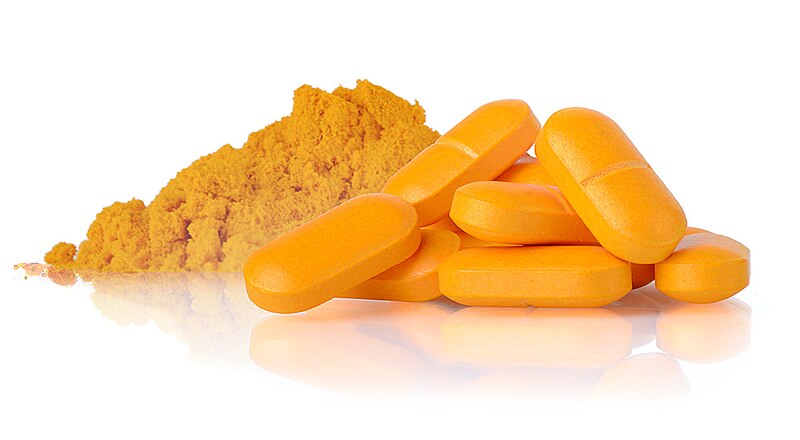
    TNVitamins’ extra strength supplement comes with curcumin and black pepper extract. It provides 1500 mg of turmeric curcumin per serving. The product has been made with antioxidants. A herbal supplement, it promises to provide overall health benefits. The pills come in beautiful orange color. And the black pepper helps in better absorption.

    22. Designs for Health C3 Curcumin Complex

    A non-GMO, gluten-free, and vegetarian option, this C3 Curcumin complex has a unique composition of three bioactive, health-promoting curcuminoids: curcumin, bisdemethoxy curcumin, and demethoxy curcumin. Designs for Health has specially included lecithin (from sunflower) to enhance absorption and bioavailability of the product. Lecithin helps the formula by acting as a powerful emulsifier. It is free of dairy and soy. Experience the goodness of this highly effective substance.

    23. Solgar Full Spectrum Curcumin

    This formula is so advanced that just 40 mg of liquid curcumin in one LiCap is able to deliver the desired results. It promises faster absorption and longevity. Clinical studies have shown that Solgar’s curcumin supplement lasts longer in the body than native curcumin extract. It works by transforming turmeric curcumin from a fat-soluble to a water-soluble phytonutrient. It is best for those who prefer a supplement free of gluten, wheat, dairy, yeast, sugar sodium, artificial flavor, sweetener, preservatives, and color.

    24. Liposomal Curcumin Supplement:

    This doctor formulated product provides 200 mg of curcuminoids and 75 mg of resveratrol in one daily liquid serving. It comes with 30 servings per day. It supports the body’s natural response to joint discomfort and improves stability. In addition to curcumin, it contains resveratrol, a potent polyphenol which promotes cellular health, boosts immune resilience, and nurtures overall well-being. Formulated in a liquid form with a mango-orange flavor, it is a vegan, sugar free, Keto, non-GMO, gluten, dairy and soy-free alternative. It also does not contain sugar, fillers, binders, or artificial coloring. The Trans-Resveratrol has been derived from Japanese Knotweed, a flowering plant used to make medicine.

    25. Nanocur Curcumin Supplement:

    An all-natural, allergen free options, the supplement has been made by a team of Ph.D. scientists, MDs, and naturopathic physicians. It uses 3rd generation technology that is 100x more active than turmeric. It is clinically proven to improve muscles, brain, liver, prostate, bone, blood, and heart health. Produced under USA’s Good Manufacturing Practices (cGMP), it is third party tested to ensure high quality. The capsules are wrapped in a plant-based carrier so it remains non-toxic for consumers. The best part about the supplement is that it is free of preservatives, sugar, soy, milk, egg, peanut, shellfish, wheat, vegan, and non-GMO.

    (Disclaimer: This article is meant for informational and educational use only and is not a replacement for professional medical advice. For any health-related concerns or questions, please consult a licensed healthcare provider. Additionally, Medical Daily suggests opting for products that have been verified by independent third-party testing to ensure their quality and effectiveness.
    Editorial Policies & Methodology: These products are selected independently and objectively, based on online reviews, various data sources, and proprietary research.)

    Published by Medicaldaily.com

    Source link

  • Kate Scarlata’s impact on GI nutrition​ ​

    Kate Scarlata’s impact on GI nutrition​ ​


    Kate Scarlata is a world-renowned expert in GI nutrition. She’s a researcher, author, podcast host, and sought-after speaker, but the work she’s most proud of? The thousands of patients she’s helped throughout her decades-long career. Hear more about how she got started in GI nutrition, how the landscape has changed, and how her tenacity has helped bring nutrition to the forefront of patient care. Kate’s advice for the next generation of dietitians: “Educate yourself. Follow the science. Tune in to this inspiring and empowering conversation to hear more of her career reflections from her incredible career and insights on where the profession is headed. 

    Hosted by Kristin Houts

    Biography

    Kate Scarlata MPH, RDN is a US-based gastroenterology specialized registered dietitian, researcher, writer and speaker with over 3 decades of clinical experience. Kate is a New York Times best-selling co-author of 21-Day Tummy Diet, co-author of The Low FODMAP Diet Step by Step and her latest book, Mind Your Gut, co-authored with GI psychologist Dr. Megan Riehl. Kate has made significant contributions to the field of GI nutrition. She is widely regarded for her insightful presentations at both national and international GI meetings.  


    In this episode, we discuss:

    • Kate’s personal experience that led to a career in GI nutrition 
    • How empathy and empowerment impact patient care 
    • The changing role of diet in the management of several GI conditions 
    • What’s next in nutrition – and where dietitians need to be! 


    Additional resources

    Connect with Kate on her website or Instagram and hear her conversations with leading gastroenterology experts on The Gut Health Podcast 


    The content, products and/or services referred to in this podcast are intended for Health Care Professionals only and are not, and are not intended to be, medical advice, which should be tailored to your individual circumstances. The content is for your information only, and we advise that you exercise your own judgement before deciding to use the information provided. Professional medical advice should be obtained before taking action. The reference to particular products and/or services in this episode does not constitute any form of endorsement. Please see  here  for terms and conditions.


    Source link