Tag: Hypothyroidism

  • Tired All the Time? Key Hypothyroidism Signs That Reveal a Hidden Thyroid Disorder

    Tired All the Time? Key Hypothyroidism Signs That Reveal a Hidden Thyroid Disorder

    Feeling tired all the time can be frustrating and confusing, especially when rest does not fix it. Many people do not realize that persistent fatigue can be one of the most important hypothyroidism signs pointing to an underlying thyroid disorder.

    What is Hypothyroidism?

    Hypothyroidism is a condition where the thyroid gland does not produce enough thyroid hormones to meet the body’s needs. These hormones help regulate metabolism, body temperature, heart rate, and how efficiently the body uses energy. When levels are low, almost every system slows down.

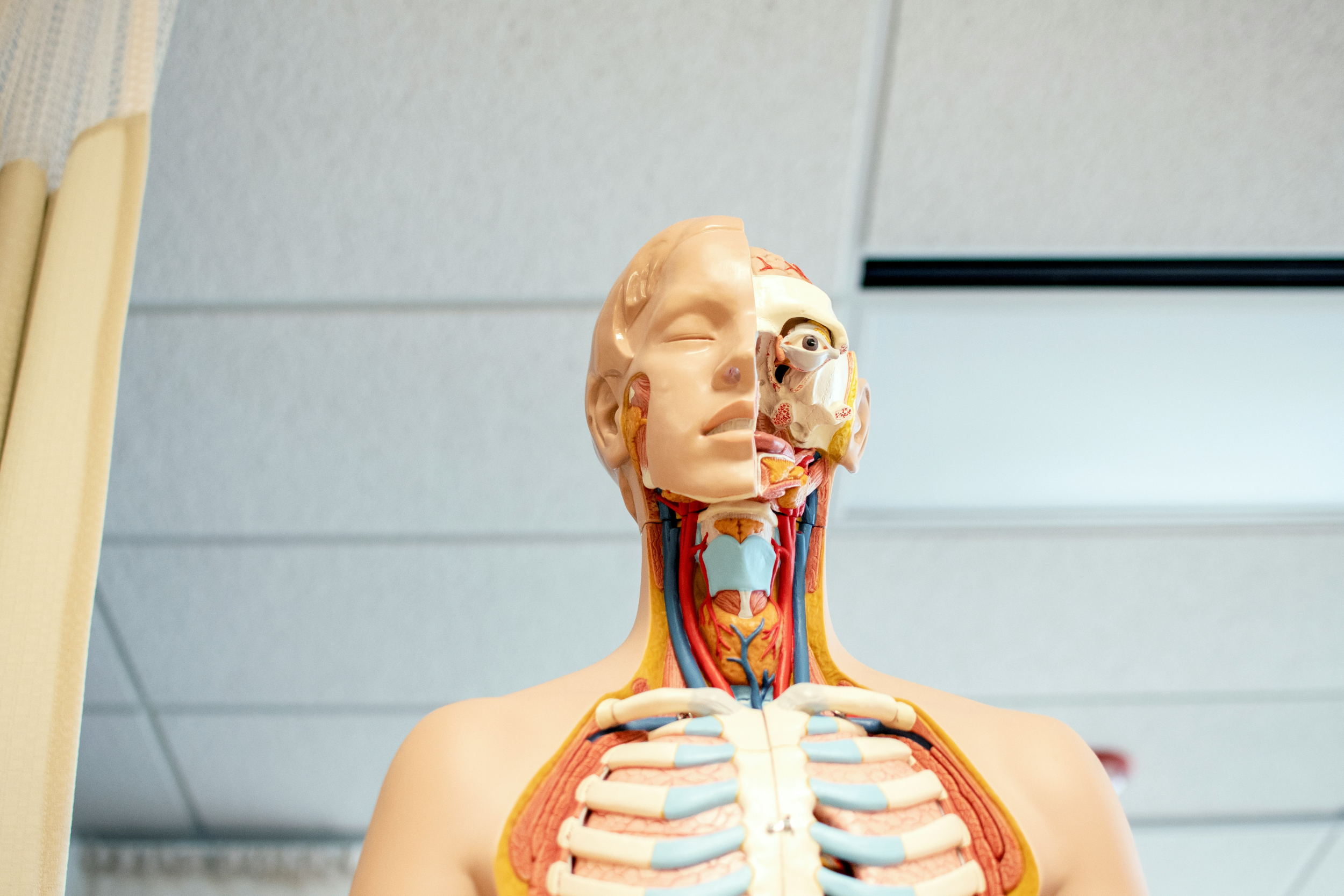
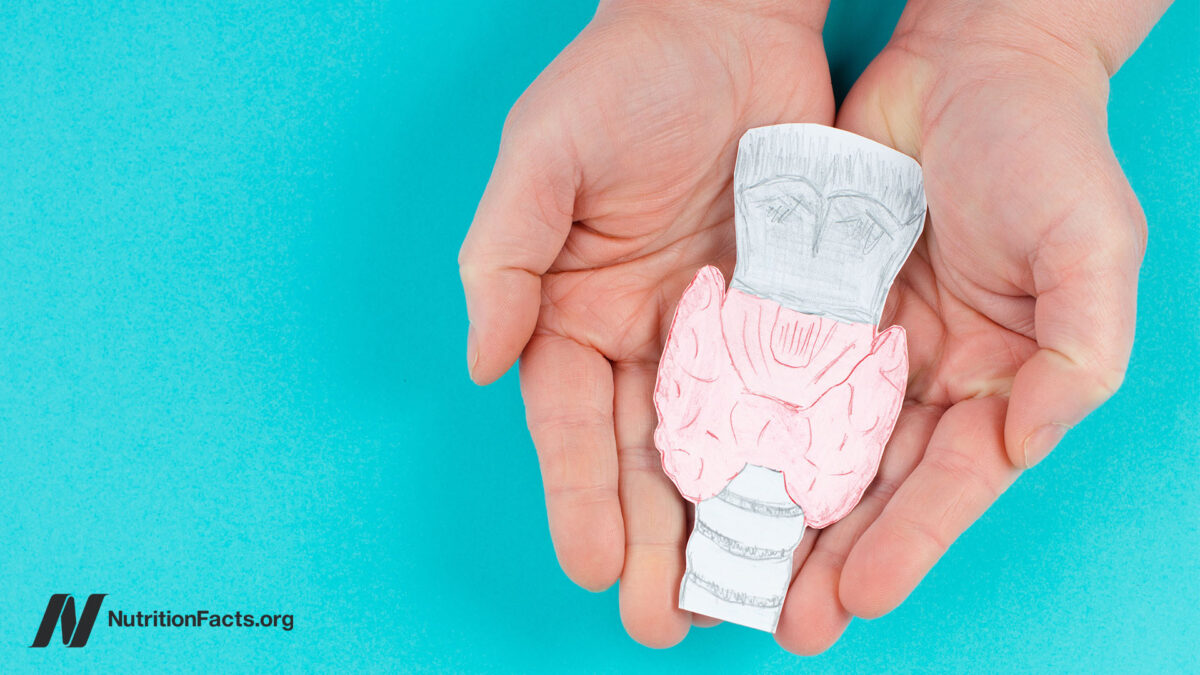
    The thyroid is a small, butterfly-shaped gland located at the base of the neck, but its impact is widespread. In hypothyroidism, this “master regulator” underperforms, leading to a generalized slowdown that can make a person feel sluggish, foggy, and chronically exhausted. Hypothyroidism is common, particularly among women and older adults, but it can affect people of any age.

    Why Does Hypothyroidism Cause So Much Fatigue?

    Fatigue from a thyroid disorder is not the same as feeling tired after a late night or a busy week. People with hypothyroidism often describe feeling tired all the time, even after getting what should be a full night’s sleep. Daily tasks may start to feel harder, energy may crash early in the day, and physical or mental effort can feel disproportionately draining.

    This happens because thyroid hormones play a central role in how cells produce and use energy. When hormone levels are low, metabolism slows, and cells do not generate energy as effectively. As a result, muscles, brain tissue, and other organs operate in a low-power state, which translates into persistent fatigue, heaviness, and reduced stamina.

    Key Hypothyroidism Signs Beyond Feeling Tired All the Time

    Fatigue is often the symptom that pushes someone to seek answers, but it rarely appears alone. Recognizing other hypothyroidism signs can make it easier to see the pattern and suspect a thyroid disorder rather than random, unrelated issues.

    Common Physical Symptoms of an Underactive Thyroid

    Physical changes are among the most noticeable clues that something is wrong with the thyroid. Many people experience increased sensitivity to cold, feeling chilly when others are comfortable or needing extra layers even in mild weather, according to Mayo Clinic.

    Unexplained weight gain or difficulty losing weight may appear despite no major change in diet or activity, because a slower metabolism burns fewer calories. Dry, rough skin, brittle hair, thinning hair on the scalp or outer eyebrows, and a puffy face are also typical.

    Digestive changes are common too, particularly constipation that does not respond well to usual remedies. Muscle weakness, cramps, or general aches and joint stiffness can develop, sometimes mistaken for normal aging or overuse.

    Some individuals notice a slower heart rate, hoarseness or a deeper voice, or heavier, longer, or more irregular menstrual periods, which can further contribute to fatigue and low iron levels.

    Mood, Brain Fog, and Other “Hidden” Symptoms

    Hypothyroidism signs are not just physical. Many people experience emotional and cognitive changes that can be misread as stress, burnout, or depression. Low mood, lack of interest in usual activities, increased anxiety, or irritability can all accompany an underactive thyroid. These shifts in mental health may worsen as fatigue increases, creating a frustrating cycle.

    Cognitive symptoms are another key piece of the puzzle. People may describe “brain fog” — slower thinking, trouble finding words, forgetfulness, and difficulty focusing on tasks that used to be easy.

    Work performance and daily decision-making may feel harder, and multitasking can become overwhelming. Sleep quality can suffer as well, with difficulties staying asleep or waking too early, even though the person remains tired all the time during the day.

    Early Warning Signs That are Easy to Miss

    One of the challenges with hypothyroidism is that symptoms usually develop slowly over months or even years. Early signs can be subtle: a bit more fatigue than usual, feeling colder than others, a few extra kilograms of weight gain, slightly drier skin, or a downshift in mood. Since each change is mild, it is easy to blame work stress, parenting, aging, or seasonal changes.

    Because of this gradual onset, many people adapt to feeling slightly worse over time and only realize how much has changed in hindsight. Paying attention to clusters of symptoms rather than each one in isolation can be helpful, as per the American Thyroid Association. When fatigue, cold intolerance, skin or hair changes, and mood shifts appear together and persist, it becomes more likely that a thyroid disorder could be involved.

    Diagnosis, Treatment, and What Happens Next

    When a thyroid disorder like hypothyroidism is suspected, the cornerstone of diagnosis is blood testing. Elevated TSH with low thyroid hormone levels usually confirms primary hypothyroidism, indicating that the thyroid gland is not producing enough hormone.

    In some cases, TSH is mildly elevated while hormone levels remain within the normal range, a situation known as subclinical hypothyroidism, which may or may not require immediate treatment depending on symptoms and risk factors.

    Once diagnosed, the standard treatment is daily thyroid hormone replacement, most often levothyroxine. The goal is to restore hormone levels to a range where symptoms improve and long-term risks are reduced, the National Institutes of Health.

    Dose adjustments are usually made gradually, with repeat lab tests every few weeks or months. Many people notice that fatigue, cold intolerance, and other hypothyroidism signs improve significantly once the right dose is reached, though full recovery of energy can take time.

    Living With Hypothyroidism and Chronic Fatigue

    Even after treatment begins, managing energy can remain a day-to-day challenge for some individuals. Practical strategies can make a difference. Pacing activities, breaking tasks into smaller steps, and prioritizing the most important responsibilities can help prevent overwhelming crashes. Gentle, regular physical activity such as walking, stretching, or low-impact exercise can support stamina and mood without overtaxing the body.

    A nutrient-dense diet with adequate protein, healthy fats, and complex carbohydrates, along with good hydration, supports overall health and may help stabilize energy throughout the day. Maintaining a consistent sleep schedule, creating a calming pre-sleep routine, and minimizing late-night screen time can improve sleep quality, which is crucial for anyone feeling tired all the time. Keeping a symptom journal can also be useful for tracking patterns and sharing specific details with a healthcare provider.

    For some, fatigue persists even when thyroid levels appear well-controlled on tests. In such cases, it is important not to assume that nothing more can be done. Other conditions, from sleep disorders to mental health issues or chronic fatigue syndrome, may coexist with hypothyroidism and require their own treatment plans. Collaborative, ongoing care with a clinician can help identify additional contributors to fatigue and refine strategies for living well with a thyroid disorder.

    Recognizing that being tired all the time is not “just normal” is an important first step. When persistent fatigue occurs alongside other hypothyroidism signs, considering the possibility of a thyroid disorder and seeking medical evaluation can lead to answers, appropriate treatment, and, over time, a meaningful improvement in daily energy and quality of life.

    Frequently Asked Questions

    1. Can diet alone fix an underactive thyroid?

    Diet cannot cure hypothyroidism because the core problem is inadequate thyroid hormone production, which usually requires medication. However, a balanced diet with sufficient iodine, selenium, zinc, and iron can support overall thyroid function and general energy levels, especially when combined with prescribed treatment.​

    2. Does exercise help if someone with hypothyroidism already feels exhausted?

    Gentle, regular exercise can improve stamina, mood, and sleep quality in people with hypothyroidism, even when fatigue is present. Starting with low-impact activities such as walking, yoga, or light stretching and increasing slowly often works better than intense workouts, which can worsen exhaustion if done too quickly.​

    3. Are hypothyroidism and Hashimoto’s disease the same thing?

    Hypothyroidism describes the state of having too little thyroid hormone, regardless of the cause. Hashimoto’s disease is an autoimmune condition in which the immune system attacks the thyroid gland, and it is one of the most common causes of hypothyroidism in many countries.​

    4. Can untreated hypothyroidism cause long-term health problems beyond fatigue?

    Yes, untreated hypothyroidism can lead to high cholesterol, weight gain, high blood pressure, and an increased risk of heart disease over time. In more severe or prolonged cases, it can also affect fertility, pregnancy outcomes, and, rarely, lead to life-threatening complications such as myxedema coma.

    Source link

  • Key Hypothyroidism vs. Hyperthyroidism Signs You Shouldn’t Ignore

    Key Hypothyroidism vs. Hyperthyroidism Signs You Shouldn’t Ignore

    The thyroid is a small, butterfly-shaped gland found at the base of the neck, but the hormones it produces have a massive influence on the body. They help regulate metabolism, energy levels, heart function, digestion, and even mood. Because thyroid hormones affect so many systems, changes in their levels can lead to noticeable and sometimes confusing thyroid symptoms.

    Differentiating between hypothyroidism—which occurs when the thyroid is underactive—and hyperthyroidism, caused by an overactive thyroid, is essential for proper treatment. While both are thyroid disorders, they affect the body in almost opposite ways. Understanding these differences helps individuals seek the right medical care early.

    Common Hypothyroidism Signs and How They Affect the Body

    Hypothyroidism occurs when the thyroid does not produce enough thyroid hormone. This slows the body’s metabolic processes, leading to physical and emotional changes.

    Common hypothyroidism signs include:

    • Fatigue and sluggishness
    • Unexplained weight gain
    • Cold intolerance
    • Dry skin and hair
    • Constipation
    • Muscle weakness
    • Depression or low mood

    According to the National Institute of Diabetes and Digestive and Kidney Diseases, a slowed metabolism due to low thyroid hormones can significantly affect energy, weight regulation, and overall organ function. These symptoms often appear gradually, which means many people overlook them or attribute them to aging or lifestyle changes. Over time, untreated hypothyroidism can contribute to high cholesterol, heart problems, infertility, and nerve damage.

    In many cases, hypothyroidism is caused by autoimmune disorders such as Hashimoto’s disease, but it can also result from iodine deficiency, certain medications, or surgical removal of the thyroid.

    Hyperthyroidism Signs and Their Effects on Health

    Hyperthyroidism is the opposite condition—here, the thyroid produces too much hormone. This speeds up the body’s metabolic rate, causing systems to work faster than normal.

    Common hyperthyroidism signs include:

    • Unexplained weight loss despite normal appetite
    • Heat intolerance and excessive sweating
    • Rapid or irregular heartbeat (palpitations)
    • Anxiety, irritability, and restlessness
    • Tremors
    • Difficulty sleeping
    • Frequent bowel movements

    According to Mayo Clinic, elevated thyroid hormone levels overstimulate the entire body, affecting heart rhythm, temperature regulation, digestion, and emotional balance. One of the most common causes of hyperthyroidism is Graves’ disease, an autoimmune condition that forces the thyroid to produce excess hormone. Other causes include thyroid nodules, inflammation of the thyroid (thyroiditis), and excess iodine intake. If untreated, hyperthyroidism can cause serious complications such as arrhythmias, osteoporosis, and a life-threatening condition known as thyroid storm.

    Diagnosing Thyroid Problems and Managing Thyroid Symptoms

    Diagnosing thyroid problems begins with accurate testing, since hypothyroidism and hyperthyroidism require different treatments. Doctors typically use a combination of blood tests—including TSH, Free T4, and Free T3—to measure hormone levels, along with thyroid antibody tests to identify autoimmune causes. In some cases, imaging tests such as an ultrasound or thyroid scan are recommended to check for nodules or structural issues. According to the CDC, early testing for thyroid imbalances improves treatment outcomes and helps reduce long-term complications.

    Once diagnosed, treatment varies depending on whether thyroid function is too low or too high. For hypothyroidism, the most common treatment is levothyroxine, a synthetic hormone that restores normal levels. Patients usually undergo regular blood tests to ensure the dosage remains accurate. Hyperthyroidism treatment, on the other hand, may involve antithyroid medications that reduce hormone production, radioactive iodine therapy to shrink the thyroid, surgery for partial or complete removal of the gland, or beta-blockers to control symptoms like rapid heartbeat.

    In addition to medical treatment, managing thyroid symptoms effectively also involves lifestyle adjustments. A balanced diet with sufficient iodine supports healthy thyroid function, while avoiding excessive soy or iodine supplements prevents further imbalance. Stress management, regular exercise, consistent use of prescribed medications, and routine medical checkups all contribute to better long-term control. Combining proper treatment, healthy habits, and continuous monitoring is key to keeping thyroid symptoms manageable and maintaining overall well-being.

    Conclusion

    Understanding the differences between hypothyroidism signs and hyperthyroidism signs is key to identifying thyroid disorders early and getting the right treatment. With timely diagnosis, proper medical guidance, and consistent monitoring, most people can manage their condition effectively and maintain a healthy, active life. Being aware of thyroid symptoms encourages individuals to notice changes sooner, seek evaluation, and follow through with recommended care. Long-term management often includes lifestyle adjustments, routine checkups, and medication when needed. By staying proactive and informed, individuals can reduce complications, improve daily well-being, and support better long-term health outcomes.

    Frequently Asked Questions

    1. Can hypothyroidism and hyperthyroidism occur together?

    Not simultaneously, but individuals with autoimmune thyroid diseases may swing between the two over time. For example, Hashimoto’s thyroiditis may cause temporary hyperthyroidism before leading to hypothyroidism.

    2. What causes thyroid disorders?

    Autoimmune diseases are the most common cause, but other factors include iodine imbalance, radiation exposure, certain medications, and genetic predisposition.

    3. Are thyroid symptoms similar in men and women?

    Yes, but thyroid disorders occur more often in women. Symptoms may vary slightly based on age, hormones, and overall health.

    4. How soon do symptoms improve with treatment?

    Most people notice improvement within a few weeks. Full stabilization may take several months, depending on medication dosage and hormone levels.


    Source link

  • Treating Hashimoto’s Disease (Hypothyroidism) Naturally with Diet 

    Treating Hashimoto’s Disease (Hypothyroidism) Naturally with Diet 

    What were the results of a randomized, double-blind, placebo-controlled trial of a daily half teaspoon of powdered black cumin in Hashimoto’s patients?

    “Autoimmune thyroiditis, also known as Hashimoto’s thyroiditis, is an organ-specific autoimmune disorder,” where our body attacks our own thyroid gland, often leading to hypothyroidism due to destruction and scarring of the gland itself. We know there’s a genetic component, since identical twins are more likely to share the disease than fraternal twins. “However, even with identical twins, the concordance rate was only about 50%, emphasizing that important factors such as the environment play a role in disease pathogenesis.” Indeed, even if your identical twin, who has basically your exact same DNA, has the disease, there’s only like a flip of a coin’s chance you’ll get it. Genes load the gun, but the environment may pull the trigger.

    More than 90 synthetic chemicals were noted to show disruption of hormonal balance or thyroid dysfunction.” However, only a few such ‘pollutants show evidence that they contribute to autoimmune thyroid disease.” These include polyaromatic hydrocarbons. Smokers get a lot of them from cigarettes, but in nonsmokers, exposure comes almost entirely from food, as you can see below and at 1:18 in my video Diet for Hypothyroidism: A Natural Treatment for Hashimoto’s Disease

    Polycyclic aromatic hydrocarbons are primarily formed when muscle meats, such as beef, pork, fish, or chicken, are cooked using high-temperature methods, such as grilling. PBBs, polybrominated biphenols, are a type of flame-retardant chemical no longer manufactured in the United States, but are still found in the aquatic food chain. PCBs, polychlorinated biphenols, are used in a number of industrial processes and end up in people’s bodies, again, largely through the consumption of fish, but also eggs and other meats, as seen here and at 1:41 in my video.

    So, one might suspect those eating plant-based diets would have lower rates of hypothyroidism, and, indeed, despite their lower iodine intake, vegan diets tended to be protective. But they’ve never been put to the test in an interventional trial. A modification of the Paleolithic diet has been tried in Hashimoto’s patients, but it didn’t appear to improve thyroid function. What did, though, is Nigella Sativa. That name should sound familiar to anyone who’s read my book How Not to Diet or watched my live Evidence-Based Weight Loss presentation. Nigella Sativa is the scientific name for black cumin, which is just a simple spice that’s also used for a variety of medicinal purposes.

    In one study, Hashimoto’s patients received a half teaspoon of powdered black cumin every day for eight weeks in a randomized, double-blind, placebo-controlled trial. Not only was there a significant reduction in body weight, which is why I profiled it in my book, but the black cumin also significantly reduced the thyroid-stimulating hormone, a sign that thyroid function was improving. It even lowered the level of autoimmune anti-thyroid antibodies, as well as increased blood levels of thyroid hormone T3 in these Hashimoto’s patients. In addition, there was a significant drop in Interleukin 23, a proinflammatory cell signal thought to help promote the autoimmune inflammation of the thyroid, which “further confirms the anti-inflammatory nature of the plant.” And what were the side effects? There was a 17 percent drop in “bad” LDL cholesterol, as shown below and at 3:19 in my video.

    Given the fact that patients with Hashimoto’s may be at particularly high risk of developing heart disease, this is exactly the kind of side effects we’d want. “Considering these health-promoting effects of N. Sativa [black cumin], it can be considered as a therapeutic approach in the management of Hashimoto-related metabolic abnormalities.”

    A similar trial failed to find a benefit, though. Same dose, same time frame, but no significant changes in thyroid function. In contrast with the previous study, though, the study participants were not all Hashimoto’s patients, but rather hypothyroid for any reason, and that may have diluted the results. And it’s possible that telling patients to take the black cumin doses with their thyroid hormone replacement therapy may have interfered with its absorption, which is an issue similar to other foods and drugs, and why patients are normally told to take it on an empty stomach. Since there are no downsides—it’s just a simple spice—I figure, why not give it a try? The worst that can happen is you’ll have tastier food.

    Doctor’s Note:

    I get a lot of questions about thyroid function, and I am glad to have been able to do this series. If you missed any of the other videos, see the related posts below.

    For more on black cumin, see my book How Not to Diet and my presentation Evidence-Based Weight Loss


    Source link

  • Eating with Hypothyroidism and Hyperthyroidism 

    Eating with Hypothyroidism and Hyperthyroidism 

    Is the apparent protection of plant-based diets for thyroid health due to the exclusion of animal foods, the benefits of plant foods, or both?

    Several autoimmune diseases affect the thyroid gland, and Graves’ disease and Hashimoto’s thyroiditis are the most common. Graves’ disease results in hyperthyroidism, an overactive thyroid gland. Though slaughter plants are supposed to remove animals’ thyroid glands as they “shall not be used for human food,” should some neck meat slip in, you can suffer a similar syndrome called Hamburger thyrotoxicosis. That isn’t from your body making too much thyroid hormone, though. Rather, it’s from your body eating too much thyroid hormone. Graves’ disease is much more common, and meat-free diets may be able to help with both diseases, as plant-based diets may be associated with a low prevalence of autoimmune disease in general, as observed, for example, in rural sub-Saharan Africa. Maybe it’s because plants are packed with “high amounts of antioxidants, possible protective factors against autoimmune disease,” or because they’re packed with anti-inflammatory compounds. After all, “consuming whole, plant-based foods is synonymous with an anti-inflammatory diet.” But you don’t know until you put it to the test.

    It turns out that the “exclusion of all animal foods was associated with half the prevalence of hyperthyroidism compared with omnivorous diets. Lacto-ovo [dairy-and-egg] and pesco [fish] vegetarian diets were associated with intermediate protection.” But, for those eating strictly plant-based, there is a 52 percent lower odds of hyperthyroidism.

    As I discuss in my video The Best Diet for Hypothyroidism and Hyperthyroidism, this apparent protection “may be due to the exclusion of animal foods, the [beneficial] effects of plant foods, or both. Animal foods like meat, eggs, and dairy products may contain high oestrogen concentrations, which have been linked to autoimmunity in cell and animal studies.” Or it could be because the decrease in animal protein by excluding animal foods may downregulate IGF-1, which is not just a cancer-promoting growth hormone, but may play a role in autoimmune diseases. The protection could also come from the goodness in plants that may “protect cells against autoimmune processes,” like the polyphenol phytochemicals, such as flavonoids found in plant foods. Maybe it’s because environmental toxins build up in the food chain. For example, fish contaminated with industrial pollutants, like PCBs, are associated with an increased frequency of thyroid disorders.

    But what about the other autoimmune thyroid disease, Hashimoto’s thyroiditis, which, assuming you’re getting enough iodine, is the primary cause of hypothyroidism, an underactive thyroid gland? Graves’ disease wasn’t the only autoimmune disorder that was rare or virtually unknown among those living in rural sub-Saharan Africa, eating near-vegan diets. They also appeared to have less Hashimoto’s.

    There is evidence that those with Hashimoto’s have compromised antioxidant status, but we don’t know if it’s cause or effect. But if you look at the dietary factors associated with blood levels of autoimmune anti-thyroid antibodies, animal fats seem to be associated with higher levels, whereas vegetables and other plant foods are associated with lower levels. So, again, anti-inflammatory diets may be useful. It’s no surprise, as Hashimoto’s is an inflammatory disease—that’s what thyroiditis means: inflammation of the thyroid gland.

    Another possibility is the reduction in intake of methionine, an amino acid concentrated in animal protein, thought to be one reason why “regular consumption of whole-food vegan diets is likely to have a favourable influence on longevity through decreasing the risk of cancer, coronary [heart] disease, and diabetes.” Methionine restriction improves thyroid function in mice, but it has yet to be put to the test for Hashimoto’s in humans.

    If you compare the poop of patients with Hashimoto’s to controls, the condition appears to be related to a clear reduction in the concentration of Prevotella species. Prevotella are good fiber-eating bugs known to enhance anti-inflammatory activities. Decreased Prevotella levels are also something you see in other autoimmune conditions, such as multiple sclerosis and type 1 diabetes. How do you get more Prevotella? Eat more plants. If a vegetarian goes on a diet of meat, eggs, and dairy, within as few as four days, their levels can drop. So, one would expect those eating plant-based diets to have less Hashimoto’s, but in a previous video, I expressed concern about insufficient iodine intake, which could also lead to hypothyroidism. So, which is it? Let’s find out.

    “In conclusion, a vegan diet tended to be associated with lower, not higher, risk of hypothyroid disease.” Why “tended”? The associated protection against hypothyroidism incidence and prevalence studies did not reach statistical significance. It wasn’t just because they were slimmer either. The lower risk existed even after controlling for body weight. So, researchers think it might be because animal products may induce inflammation. The question I have is: If someone who already has Hashimoto’s, what happens if they change their diet? That’s exactly what I’ll explore next.

    This is the third in a four-video series on thyroid function. The first two were Are Vegans at Risk for Iodine Deficiency? and Friday Favorites: The Healthiest Natural Source of Iodine.

    Stay tuned for the final video: Diet for Hypothyroidism: A Natural Treatment for Hashimoto’s Disease


    Source link