
Tag: Hours

  • Stopping Food Intake 3 Hours Before Bed May Improve Blood Pressure, Blood Sugar, and Overall Heart Health

    Stopping Food Intake 3 Hours Before Bed May Improve Blood Pressure, Blood Sugar, and Overall Heart Health

    Stopping food intake several hours before bed is gaining attention as a simple lifestyle change that may support better blood pressure, blood sugar, and overall heart health. By combining stop eating before bed habits with time‑restricted eating, many people are exploring how meal timing interacts with the body’s internal clock and cardiovascular system.

    This approach is not a quick fix, but it is an emerging strategy that aligns nutrition, sleep, and metabolic health in a practical way.

    What Happens If You Stop Eating Before Bed?

    Health professionals commonly recommend leaving a window of at least two to three hours between the last meal and bedtime. In practice, a three‑hour gap gives the body time to digest the evening meal, reduce post‑meal blood sugar, and shift gradually into its night‑time repair mode.

    When heart health meal timing is aligned with this natural rhythm, it may help the body avoid unnecessary strain while a person sleeps.

    People who stop eating before bed often report fewer issues with indigestion, reflux, or discomfort when lying down. Heavy or high‑fat meals close to bedtime can keep the digestive system active, which may interfere with sleep quality and nighttime recovery.

    Allowing a buffer between the final meal and sleep can make it easier for the body to transition from digestion to rest, which is a key part of nighttime blood pressure timing and heart function.

    Eating right before bed is not inherently “wrong,” but the pattern and content of late‑night eating matter. Large dinners, sugary desserts, and salty or ultra‑processed snacks are more likely to raise blood sugar and contribute to fluid retention.

    Over time, these factors can affect weight, metabolic markers, and how the heart and blood vessels behave during the night. Shifting those foods earlier in the day reduces the load on the body’s night‑time systems.

    How Stopping Food 3 Hours Before Bed Affects Blood Pressure

    Time‑restricted eating is an eating pattern that limits food intake to a set window of hours during the day, such as 8–12 hours, while fasting for the remaining hours. When the eating window finishes at least three hours before bed, the overnight fast often becomes longer and more consistent.

    Some studies suggest that this style of eating may help reduce blood pressure in certain individuals, especially when combined with other healthy lifestyle habits.

    Blood pressure naturally follows a daily pattern, typically rising during the day and dipping at night. This nighttime “dip” is considered beneficial, as it gives the cardiovascular system a chance to rest.

    Late‑night eating may blunt this dipping effect by keeping the body in a more active metabolic state when it should be winding down. By adopting a stop eating before bed routine, many people aim to support a healthier nighttime blood pressure timing pattern.

    The best dinner‑to‑bedtime interval for heart health is still being researched, but a three‑to‑four‑hour gap appears reasonable for many adults.

    This timing allows the peak of post‑meal blood sugar and blood pressure responses to pass before sleep begins. In combination with balanced daytime meals and regular physical activity, this pattern may contribute to better blood pressure readings over time.

    Evening Eating, Blood Sugar, and Overnight Metabolism

    Blood sugar control is closely tied to the body’s internal clock. Sensitivity to insulin and the ability to handle glucose are typically higher earlier in the day and lower at night, according to the World Health Organization.

    When large meals or sugary snacks are eaten late in the evening, blood sugar may stay elevated for longer and may not be processed as efficiently as it would be earlier. This is one reason evening eating blood sugar levels tend to be a focus in discussions about meal timing and metabolic health.

    Stopping food three hours before bed may help the body complete most of the post‑meal blood sugar response before sleep. This can reduce the chance of elevated glucose levels overnight and may lessen the demand on insulin production.

    For individuals at risk of type 2 diabetes or those working to improve metabolic markers, this alignment between meal timing and natural circadian rhythms can be an important factor.

    Research on night‑time eating suggests that frequent late meals or snacks are associated with higher risks of weight gain and metabolic disturbances in some populations.

    When time‑restricted eating is structured so that most calories are eaten earlier in the day and the last meal is not too close to bedtime, the body may be better positioned to maintain steadier blood sugar across the 24‑hour cycle.

    However, people with diabetes or those on blood‑sugar‑lowering medications should always work with their healthcare team before making significant changes to their eating schedule.

    Heart Health Meal Timing and Overall Cardiometabolic Benefits

    Heart health is influenced not only by what a person eats but also by when those foods are consumed. The cardiovascular system, hormones, and metabolic pathways all follow daily rhythms that are sensitive to timing cues such as light exposure, sleep, and food intake, as per Harvard Health.

    When meals are clustered during daylight hours and there is a consistent nightly fasting period, the body’s systems often appear more synchronized.

    Emerging evidence suggests that shifting calories earlier in the day and adopting time‑restricted eating may lead to modest improvements in blood pressure, heart rate patterns, and markers like fasting glucose in some individuals.

    These benefits sometimes occur even when total calorie intake does not drastically change, which highlights the importance of heart health meal timing alongside conventional dietary advice.

    Over time, such patterns may also make it easier to maintain a healthy weight, improve cholesterol levels, and support overall cardiovascular resilience.

    Night‑time eating can also influence sleep quality. Large or spicy meals close to bedtime can trigger reflux, cause discomfort, and fragment sleep.

    By finishing food intake several hours before lying down, many individuals find it easier to fall asleep and stay asleep. Better sleep itself is linked to healthier blood pressure, improved insulin sensitivity, and reduced inflammation, all of which play roles in long‑term heart health.

    Nighttime Meal Timing for Better Heart and Metabolic Health

    For many adults, leaving a three‑hour gap between the last meal and bedtime is a straightforward change that may support better nighttime blood pressure timing, more stable blood sugar, and improved sleep.

    When combined with a generally balanced diet and regular physical activity, this form of time‑restricted eating can align daily habits with the body’s natural rhythms.

    The exact impact varies from person to person, but treating meal timing as a key piece of heart health, rather than an afterthought, gives individuals another practical tool to support long‑term cardiovascular and metabolic well‑being.

    Frequently Asked Questions

    1. Can drinking water break the “no eating before bed” rule?

    Plain water does not break the fast and is generally encouraged, but sugary drinks, milk, or juice do count as intake and can affect blood sugar and digestion.

    2. Does exercising at night change how soon I should stop eating before bed?

    Intense late‑evening workouts may justify a small, planned recovery snack earlier in the evening, but most people can still aim to finish calories about 3 hours before sleep.

    3. Is it okay to take vitamins or supplements during the no‑eating window?

    Most non‑caloric supplements are fine, but those that must be taken with food or contain calories are better scheduled within the eating window to avoid stomach upset.

    4. Will stopping eating 3 hours before bed slow my metabolism?

    Current evidence suggests that a consistent overnight fasting period does not “shut down” metabolism and may, for some people, improve metabolic flexibility rather than harm it.


    Source link

  • How to Protect Your Health in the First 24 Hours After a Car Accident

    How to Protect Your Health in the First 24 Hours After a Car Accident

    The jarring reality of a vehicle collision is a frequent and tragic event across the United States. In fact, car accidents are responsible for an estimated 100 deaths each day and send 2.1 million people to the emergency room annually. In the moments following a crash, chaos, confusion, and a rush of adrenaline can easily take over, often masking the presence of serious injuries.

    Navigating this high-stress situation with a clear plan is essential for your long-term well-being. This guide provides clear, actionable steps to take within the first 24 hours to protect your most important asset: your health. By acting deliberately, you can prevent minor issues from becoming major complications and ensure you are on the right path to a full recovery.

    At the Scene: Your First Priority Actions

    What you do immediately at the crash site can have a significant impact on your health and safety. The priority is to secure the area, assess your physical condition, and gather essential information without putting yourself or others at further risk.

    Ensure Safety and Call for Help

    Your first action should always be to assess immediate danger. If it is possible and safe to do so, move your vehicle to the shoulder or out of the flow of traffic to prevent a secondary collision. Turn on your hazard lights to alert other drivers.

    Next, call 911 without delay, even if the accident seems minor. This summons both medical first responders who can provide immediate aid and law enforcement to secure the scene. A formal police report provides essential documentation of the accident, which is often required by insurance companies to process a claim.

    Perform a Quick Self-Check

    While waiting for help to arrive, conduct a brief self-assessment for any obvious injuries. Check for cuts, active bleeding, signs of head trauma, or potential broken bones. Pay attention to any sharp pain or inability to move a limb.

    It is critical to advise against moving if you suspect a neck or back injury, as this could worsen a potential spinal cord issue. If you are in pain or feel dizzy, try to remain still and wait for paramedics to assist you safely.

    A Step-by-Step Checklist for the Scene

    While waiting for first responders, there are several key steps you can take to document the incident, provided you are not seriously injured and can move safely.

    • Check on other passengers and individuals involved in the accident. Ask if they are okay, but avoid administering medical aid unless you are qualified; wait for professionals.
    • Use your phone to take photos of the scene from multiple angles. Document the damage to all vehicles involved, skid marks on the road, traffic signals, and any of your own visible injuries.
    • Exchange contact and insurance information with the other driver(s). Get their full name, phone number, address, driver’s license number, license plate number, and insurance policy details.
    • Avoid discussing fault or apologizing. Statements like “I’m so sorry” can be misinterpreted as an admission of guilt, which can complicate insurance and legal matters later.
    • If there are witnesses, get their names and phone numbers. Their impartial accounts of what happened can be invaluable for both medical and insurance purposes.
    • Cooperate with the police when they arrive. Provide a clear, factual account of the events leading up to the collision. Stick to what you know and avoid speculating.

    The Critical Hours After: Recognizing Hidden Dangers

    The 24-hour period after a car accident is a critical window for identifying injuries that may not be immediately apparent. Adrenaline can mask significant pain, and some of the most common collision-related injuries have delayed symptoms. Seeking prompt medical attention is non-negotiable.

    Why You Must See a Doctor, Even if You Feel Fine

    The surge of adrenaline during a car crash is a powerful painkiller. Many people walk away from an accident feeling fine, only to wake up in severe pain the next day. A medical professional can identify underlying issues like internal bruising, hairline fractures, or soft tissue damage that you may not feel yet. Getting immediate medical help can be life-saving.

    Furthermore, many serious conditions, such as cervical spine dysfunction, only become apparent after a professional evaluation. A thorough medical check-up creates a baseline record of your health post-accident, which is vital for proper follow-up care.

    Common Delayed-Symptom Injuries

    Some of the most serious injuries may not show symptoms for hours or even days. According to legal and medical experts, whiplash is a prime example of an injury that may not present symptoms until well after the collision. What initially feels like minor neck stiffness can develop into chronic pain and limited mobility if left untreated.

    Other common delayed-symptom injuries include concussions, which can manifest as headaches or confusion hours later; soft tissue injuries like sprains and strains; and even dangerous internal bleeding. Never dismiss minor aches or stiffness in the day following an accident, as they could be early indicators of a more significant musculoskeletal problem.

    Symptoms to Watch For: Immediate vs. Delayed

    Being vigilant about your body’s signals is crucial. Here is a comparison of symptoms that may appear immediately versus those that can surface hours or days later.

    Immediate Symptoms to Address Delayed Symptoms (Hours to Days Later)
    Visible cuts or bleeding Persistent headaches, dizziness, or confusion (Concussion)
    Suspected broken bones or fractures Neck, shoulder, or back stiffness and pain (Whiplash)
    Loss of consciousness, however brief Numbness, tingling, or weakness in limbs (Nerve damage)
    Difficulty breathing or chest pain Abdominal pain, deep bruising, or swelling (Internal injury)
    Obvious pain and discomfort Emotional changes like anxiety, irritability, or PTSD

    Safeguarding Your Recovery: The Power of Documentation

    Meticulous record-keeping is a powerful tool for managing your health after an accident. It helps your medical team track your progress and provides a clear, detailed history for any subsequent insurance or legal processes that may arise.

    Creating a Detailed Health Journal

    From the very first day, start a journal to document your health journey. Record every physical and mental symptom you experience, no matter how minor it seems. Note your pain levels on a scale of 1 to 10 throughout the day.

    Also, keep track of any medication you take, disruptions to your sleep patterns, and any daily activities you now find difficult or impossible to perform. This detailed log will be an invaluable resource for your doctor and can help illustrate the full impact of the accident on your quality of life.

    The Legal Importance of Prompt Medical Records

    From a legal and insurance standpoint, seeking an immediate medical evaluation creates an official record that links your injuries directly to the accident. This documentation is crucial for validating insurance claims and protecting your rights in a potential personal injury case. Insurance companies may argue that a delay in seeking care means your injuries were caused by another event, not the collision.

    Understanding the immediate steps to take after a car accident includes recognizing how proper medical and legal documentation safeguards your future. This is particularly important because the gap between a legal settlement and a person’s actual physical recovery can be significant if not managed correctly from the start.

    Don’t Forget Your Mental Health

    The impact of a car accident is not just physical; it is a traumatic event that can have a lasting psychological effect. It is common to experience anxiety, depression, or even post-traumatic stress disorder (PTSD) in the weeks and months following a crash.

    If you experience persistent emotional distress, flashbacks of the event, nightmares, or a new fear related to driving, it is important to speak with a mental health professional. Acknowledging and addressing the mental health impact is a critical component of a comprehensive recovery.

    Taking Control of Your Recovery Starts Now

    In the aftermath of a car accident, focusing on three critical actions can define your path forward: ensuring your safety at the scene, seeking a comprehensive medical evaluation without delay, and meticulously documenting every aspect of your physical and mental health journey. These steps are your first line of defense against long-term complications.

    While you couldn’t control the accident, you can take control of your recovery. By prioritizing your health from the very first day, you empower yourself to heal properly and build the strongest possible foundation for your future well-being.

    Source link

  • Rural Nebraska Hospital Shuts Down Over ‘Anticipated Cuts to Medicaid’ Hours Before ‘Big, Beautiful Bill’ Passes

    Rural Nebraska Hospital Shuts Down Over ‘Anticipated Cuts to Medicaid’ Hours Before ‘Big, Beautiful Bill’ Passes

    A small town clinic in southwest Nebraska will close its doors after more than three decades, citing financial strain and looming federal cuts to Medicaid.

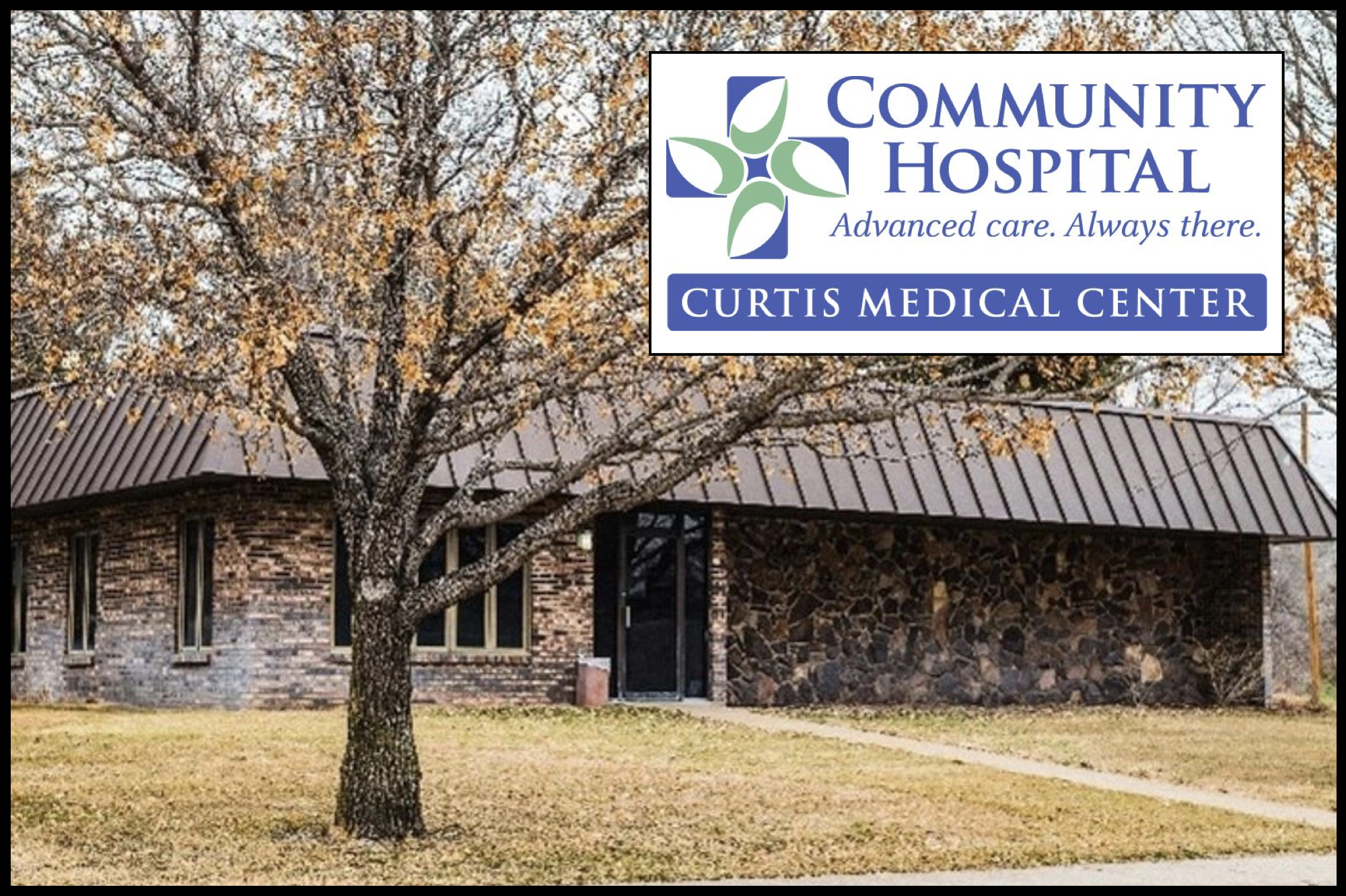
    Community Hospital in McCook announced Wednesday that it will be shutting down the Curtis Medical Center in Curtis — a community of roughly 900 residents. The announcement, reported by KLKN-TV, came just before Congress passed President Donald Trump’s sweeping “Big Beautiful Bill” on Thursday.

    “Unfortunately, the current financial environment, driven by anticipated federal budget cuts to Medicaid, has made it impossible for us to continue operating all of our services, many of which have faced significant financial challenges for years,” Community Hospital CEO Troy Bruntz said in a statement obtained by the outlet.

    The clinic, whose motto is, “Advanced care. Always there,” will phase out operations over the coming months.


    Despite representing Vermont, Sen. Bernie Sanders spoke out about the hospital’s closure, warning that it will likely be “the first of many” due to the estimated Medicaid cuts included in the tax and spending bill.

    “While Republicans celebrate the passage of the largest Medicaid cut in history, the Curtis Medical Center in Nebraska announced it will shut down as a result of these horrific cuts — the first of many hospitals to close,” Sanders said.

    “This is a dark day for rural America and for our country,” he continued.

    The Nebraska Hospital Association and other rural health advocates have sounded alarms about the bill’s potential impact, warning it could force more clinics and hospitals in underserved areas to cut services or close.

    Originally published on Latin Times


    Source link