Tag: Hospital

  • Plant-Based Hospital Menus

    Plant-Based Hospital Menus

    The American Medical Association passed a resolution encouraging hospitals to offer healthy plant-based food options.

    “Globally, 11 million deaths annually are attributable to dietary factors, placing poor diet ahead of any other risk factor for death in the world.” Given that diet is our leading killer, you’d think that nutrition education would be emphasized during medical school and training, but there is a deficiency. A systematic review found that, “despite the centrality of nutrition to a healthy lifestyle, graduating medical students are not supported through their education to provide high-quality, effective nutrition care to patients…”

    It could start in undergrad. What’s more important? Learning about humanity’s leading killer or organic chemistry?

    In medical school, students may average only 19 hours of nutrition out of thousands of hours of instruction, and they aren’t even being taught what’s most useful. How many cases of scurvy and beriberi, diseases of dietary deficiency, will they encounter in clinical practice? In contrast, how many of their future patients will be suffering from dietary excesses—obesity, diabetes, hypertension, and heart disease? Those are probably a little more common than scurvy or beriberi. “Nevertheless, fully 95% of cardiologists [surveyed] believe that their role includes personally providing patients with at least basic nutrition information,” yet not even one in ten feels they have an “expert” grasp on the subject.

    If you look at the clinical guidelines for what we should do for our patients with regard to our number one killer, atherosclerotic cardiovascular disease, all treatment begins with a healthy lifestyle, as shown below and at 1:50 in my video Hospitals with 100-Percent Plant-Based Menus.

    “Yet, how can clinicians put these guidelines into practice without adequate training in nutrition?”

    Less than half of medical schools report teaching any nutrition in clinical practice. In fact, they may be effectively teaching anti-nutrition, as “students typically begin medical school with a greater appreciation for the role of nutrition in health than when they leave.” Below and at 2:36 in my video is a figure entitled “Percentage of Medical Students Indicating that Nutrition is Important to Their Careers.” Upon entry to different medical schools, about three-quarters on average felt that nutrition is important to their careers. Smart bunch. Then, after two years of instruction, they were asked the same question, and the numbers plummeted. In fact, at most schools, it fell to 0%. Instead of being educated, they got de-educated. They had the notion that nutrition is important washed right out of their brains. “Thus, preclinical teaching”— the first two years of medical school—“engenders a loss of a sense of the relevance of the applied discipline of nutrition.”

    Following medical school, during residency, nutrition education is “minimal or, more typically, absent.” “Major updates” were released in 2018 for residency and fellowship training requirements, and there were zero requirements for nutrition. “So you could have an internal medicine graduate who comes out of a terrific program and has learned nothing—literally nothing—about nutrition.”

    “Why is diet not routinely addressed in both medical education and practice already, and what should be done about that?” One of the “reasons for the medical silence in nutrition” is that, “sadly…nutrition takes a back seat…because there are few financial incentives to support it.” What can we do about that? The Food Law and Policy Clinic at Harvard Law School identified a dozen different policy levers at all stages of medical education and the kinds of policy recommendations there could be for the decision-makers, as you can see here and at 3:48 in my video.

    For instance, the government could require doctors working for Veterans Affairs (VA) to get at least some courses in nutrition, or we could put questions about nutrition on the board exams so schools would be pressured to teach it. As we are now, even patients who have just had a heart attack aren’t changing their diet. Doctors may not be telling them to do so, and hospitals may be actively undermining their future with the food they serve.

    The good news is that the American Medical Association (AMA) has passed a resolution encouraging hospitals to offer healthy food options. What a concept! “Our AMA hereby calls on [U.S.] Health Care Facilities to improve the health of patients, staff, and visitors by: (a) providing a variety of healthy food, including plant-based meals, and meals that are low in saturated and trans fat, sodium, and added sugars; (b) eliminating processed meats from menus; and (c) providing and promoting healthy beverages.” Nice!

    “Similarly, in 2018, the State of California mandated the availability of plant-based meals for hospital patients,” and there are hospitals in Gainesville (FL), the Bronx, Manhattan, Denver, and Tampa (FL) that “all provide 100% plant-based meals to their patients on a separate menu and provide educational materials to inpatients to improve education on the role of diet, especially plant-based diets, in chronic illness.”

    Let’s check out some of their menu offerings: How about some lentil Bolognese? Or a cauliflower scramble with baked hash browns for breakfast, mushroom ragu for lunch, and, for supper, white bean stew, salad, and fruit for dessert. (This is the first time a hospital menu has ever made me hungry!)

    The key to these transformations was “having a physician advocate and increasing education of staff and patients on the benefits of eating more plant-based foods.” A single clinician can spark change in a whole system, because science is on their side. “Doctors have a unique position in society” to influence policy at all levels; it’s about time we used it.

    For more on the ingrained ignorance of basic clinical nutrition in medicine, see the related posts below.


    Source link

  • Hospital Under Fire After Doctors Blame Parents for Child’s Condition — Later Revealed as Cancer

    Hospital Under Fire After Doctors Blame Parents for Child’s Condition — Later Revealed as Cancer

    A toddler’s heartbreaking death exposes NHS failings as doctors wrongly accused parents of causing a facial lump, delaying cancer diagnosis by months in a case reigniting debates on child protection protocols and medical accountability.

    Delilah-Rai Reid-Floyd, just 19 months old, passed away on 9 August 2023 after a pea-sized mass discovered in January ballooned into aggressive soft tissue cancer, with her mother Kayleigh Reid alleging neglect through misdiagnosis and three-month waits.

    As investigations unfold into Russells Hall Hospital and Birmingham Children’s Hospital, families demand swifter scans and less hasty abuse assumptions to prevent such tragedies in the UK’s overburdened health system.

    Mum Spots Lump Sparking Urgent GP Referral

    Kayleigh Reid noticed a pea-sized lump on her daughter Delilah-Rai’s face while bathing her on 30 January 2023, prompting an immediate doctor’s visit the next day. The GP referred the one-year-old to Russells Hall Hospital in Dudley, suspecting non-accidental injury without initial scans, a move that left the family reeling from unfounded blame.

    This hasty assumption sidelined potential tumour checks, as Delilah-Rai awaited transfer to Birmingham Children’s Hospital amid growing parental distress.

    Doctors Misdiagnose Growth as Injury

    At Russells Hall on 9 May 2023, a CT scan revealed a paranasal cystic lesion, leading to an ENT specialist referral, but a three-month wait for Birmingham Children’s Hospital stalled progress until July.

    A biopsy on 16 July 2023 initially diagnosed desmoid fibromatosis as non-cancerous on 30 July, cancelling scheduled surgery on 5 August, only for tests to confirm aggressive soft tissue cancer days later.

    Kayleigh Reid later stated, ‘With so many delays and misdiagnoses throughout, I believe the NHS neglected her and didn’t give her the care she deserved.’

    Cancer Ravages Toddler as Condition Declines

    Delilah-Rai’s condition deteriorated swiftly post-diagnosis, with the tumour spreading aggressively, and she passed away peacefully at home on 9 August 2023, days after her 19-month milestone.

    The ‘sweetest’ and ‘cheekiest’ girl, known for her loving nature, endured unnecessary pain from postponed interventions, as her mother believes earlier action could have improved survival odds. X post from The Sun Health on 13 September 2025 captured public outrage: ‘Girl, 1, dies of cancer after docs ‘assumed facial lump was caused by parents’.


    Hospitals Launch Internal Reviews

    Both The Dudley Group NHS Foundation Trust and Birmingham Women’s and Children’s NHS Foundation Trust initiated reviews on 12 September 2025, vowing to share findings with the family and implement learnings to avoid future errors.

    Diane Wale, chief executive at Dudley Group, expressed, ‘On behalf of the Trust, I would like to extend our sincere condolences to Delilah’s family. We will look into the issues raised and speak with Delilah’s family to better understand the circumstances surrounding this sad loss.’ Kayleigh Reid is pursuing legal action against the trusts, supported by a GoFundMe raising funds for awareness.

    Mother’s Campaign Raises Alarm Delays, Missteps

    Kayleigh, reflecting on her ‘very very loving’ daughter, aims to spotlight desmoid fibromatosis and soft tissue cancers affecting young children, urging faster diagnostics amid 1,800 annual UK under-five cases. She affirmed, ‘Going forward I wish to raise more awareness for this cruel disease, but I also want the NHS held accountable for their part they played in my daughter’s passing.’

    Birmingham Trust spokesperson added, ‘The Trust would like to offer Delilah-Rai’s family our deepest sympathies… An internal review is now under way.’ This case, resurfacing on 12 September 2025, underscores urgent calls for reformed referral timelines, with experts noting abuse suspicions can eclipse medical urgency in 20% of paediatric assessments.

    Families like the Reids highlight how such oversights compound grief, pushing for mandatory rapid imaging in lump cases. As probes progress, Kayleigh’s resolve ensures Delilah-Rai’s story drives systemic change, preventing other parents from enduring similar heartbreak in Britain’s strained NHS landscape.

    Originally published on IBTimes UK

    Source link

  • Man Held by ICE Was Jailed in Alaska for Weeks. Now He’s in the Hospital Battling Tuberculosis

    Man Held by ICE Was Jailed in Alaska for Weeks. Now He’s in the Hospital Battling Tuberculosis

    A Peruvian man has been hospitalized for tuberculosis after being detained in a detention center run by U.S. Immigration and Customs Enforcement (ICE), according to a lawyer representing the man.

    The man was held at an Alaska jail alongside 40 other individuals after he was flown to Anchorage from a Tacoma regional immigration detention center. This transportation came from a deal between ICE and the state in an attempt to tackle overcrowding, as reported by Anchorage Daily News.

    The man, who was seeking asylum, remained at Cook Inlet Pretrial Facility from June 8 to June 30, according to his attorney Sean Quirk. He was then flown back to the ICE detention facility in Tacoma, Washington.

    Quirk was reportedly unable to get in contact with his client for days, calling the facilities in which he was allegedly being detained repeatedly. He only learned of his client’s hospitalization when he failed to appear for a virtual hearing.

    The lawyer attempted to speak to his client over the phone, calling numerous Tacoma-area hospitals in order to get in contact with him. At one point, a nurse attempted to hand a phone to his client while Quirk was on the call, but an ICE agent allegedly intervened and prevented the man from taking the call.

    Quirk was eventually able to get in contact with his client. How the man contracted tuberculosis or where he contracted it from is still unknown.

    State corrections officials have stated that the detainees were properly screened for potential diseases before their detention, and have further claimed that no larger outbreak has occurred within the facility.

    Furthermore, as of Wednesday afternoon, there have been “no reported cases of (tuberculosis) in any facilities,” a spokesperson from the Alaska Department of Corrections told the outlet.

    Originally published on Latin Times

    Source link

  • A Hospital Group Pioneers Life-Changing 3D-Printed Implants

    A Hospital Group Pioneers Life-Changing 3D-Printed Implants

    Vinmec Healthcare System, a leading private hospital group in Vietnam, is transforming bone cancer care with personalized 3D-printed implants, offering new hope to patients previously facing amputation or lifelong disability.

    In a global first, eight-year-old Tran Minh Duc received a fully 3D-printed, growth-adaptive titanium femur after being diagnosed with aggressive osteosarcoma. Multiple hospitals recommended amputation. Instead, Vinmec offered a two-stage solution using CT-based design and modular implant technology.

    According to medical literature in the U.S. National Library of Medicine, there have been no recorded cases of fully 3D-printed, patient-specific femoral implants used in children. That makes Tran Minh Duc the youngest patient in the world to receive a growth-adaptive titanium femur made entirely through 3D printing.

    Today, Duc walks unaided, his limb and childhood preserved.

    “The surgery represented a breakthrough in complex techniques and was a testament to strong collaboration within the multidisciplinary medical team”, Prof. Dr. Tran Trung Dung, Director of the Orthopedic Council, Vinmec Healthcare System, said in a release.

    A similar approach helped 25-year-old Vu Dinh Tuy, whose advanced sarcoma had damaged both femur and pelvis. Instead of removing entire joint systems as in traditional surgeries, Vinmec doctors preserved key tendons and load-bearing structures. This enabled Tuy to take his first steps just two days post-operation.

    Thanks to innovative 3D-printed implant approach, 25-year-old Vu Dinh Tuy took his first steps just two days after surgery to treat aggressive bone cancer.
    BY VINMEC

    This precision-guided, personalized approach also delivered transformative results for middle-aged patients.

    For Do Phuc Hoan, 48, decades of hip deformity from untreated dysplasia had led to severe disability, Crowe type IV. After repeated rejections, he turned to Vinmec. Surgeons implanted a tailored hip prosthesis with 98% anatomical precision, enabling him to walk within a week.

    After decades of immobility from severe hip deformity, 48-year-old Do Phuc Hoan walks again—thanks to a custom 3D-printed hip implant by Vinmec surgeons.
    BY VINMEC

    These surgeries did more than extend survival, they brought back movement, autonomy, and hope. Where traditional methods fell short, 3D printing paved the way for personalized, life-changing care.

    Vietnam’s 3D Healthcare Revolution

    Vinmec is Vietnam’s leading healthcare provider in applying patient-specific 3D printing to musculoskeletal surgery. Using MRI and CT data, the hospital designs custom implants and surgical guides that enhance joint function and speed recovery, often at a lower cost than imported alternatives. Vinmec also became only the second hospital worldwide to join the prestigious Cleveland Clinic Connected network.

    Nationwide, this innovation is accelerating. According to Expert Market Research, Vietnam’s 3D-printed medical device market is expected to triple by 2034, reaching USD 142.8 million.

    Supporting this trend, the Vietnam 3D Technology in Medicine Association was recently launched to connect clinicians, engineers, and industry partners.

    “The establishment of the Association is essential to connecting resources and building a thriving ecosystem for 3D technology development in Vietnam’s healthcare sector.”, Prof. Dr. Tran Trung Dung emphasized the importance of cross-sector collaboration in medical innovation.

    Commenting from the material-supply side, Dr. Huan Dau, CEO of Vinnotek – one of the country’s leading metal 3D printing firms, added: “Collaboration is key. By building regional supply chains and uniting with scientific organizations, we can reduce costs and improve access to life-saving technology.”

    From pediatric oncology to complex orthopedic care, Vinmec has not only transformed care, it’s positioning Vietnam as a rising force in global healthcare.

    Source link

  • Rural Nebraska Hospital Shuts Down Over ‘Anticipated Cuts to Medicaid’ Hours Before ‘Big, Beautiful Bill’ Passes

    Rural Nebraska Hospital Shuts Down Over ‘Anticipated Cuts to Medicaid’ Hours Before ‘Big, Beautiful Bill’ Passes

    A small town clinic in southwest Nebraska will close its doors after more than three decades, citing financial strain and looming federal cuts to Medicaid.

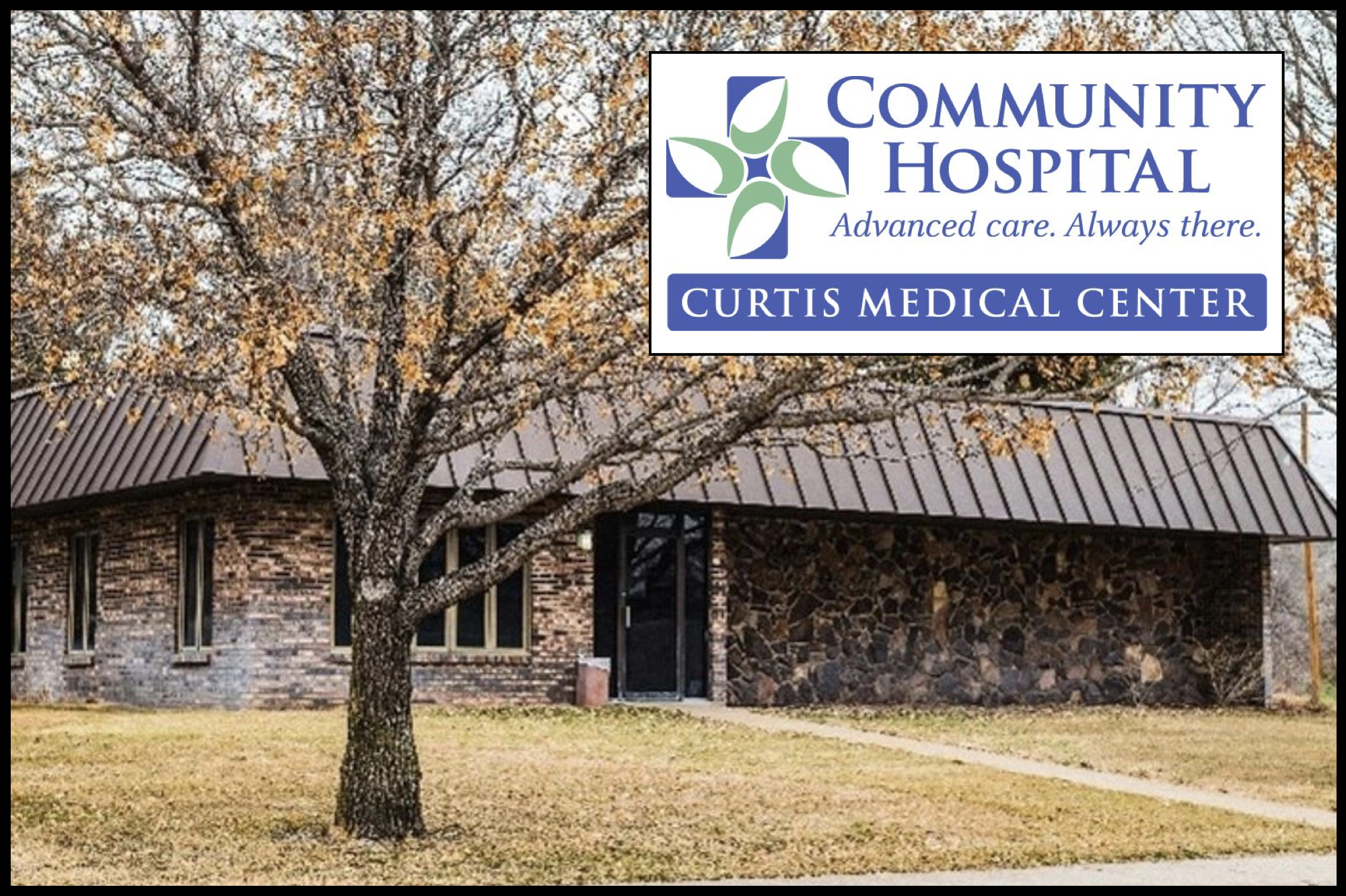
    Community Hospital in McCook announced Wednesday that it will be shutting down the Curtis Medical Center in Curtis — a community of roughly 900 residents. The announcement, reported by KLKN-TV, came just before Congress passed President Donald Trump’s sweeping “Big Beautiful Bill” on Thursday.

    “Unfortunately, the current financial environment, driven by anticipated federal budget cuts to Medicaid, has made it impossible for us to continue operating all of our services, many of which have faced significant financial challenges for years,” Community Hospital CEO Troy Bruntz said in a statement obtained by the outlet.

    The clinic, whose motto is, “Advanced care. Always there,” will phase out operations over the coming months.


    Despite representing Vermont, Sen. Bernie Sanders spoke out about the hospital’s closure, warning that it will likely be “the first of many” due to the estimated Medicaid cuts included in the tax and spending bill.

    “While Republicans celebrate the passage of the largest Medicaid cut in history, the Curtis Medical Center in Nebraska announced it will shut down as a result of these horrific cuts — the first of many hospitals to close,” Sanders said.

    “This is a dark day for rural America and for our country,” he continued.

    The Nebraska Hospital Association and other rural health advocates have sounded alarms about the bill’s potential impact, warning it could force more clinics and hospitals in underserved areas to cut services or close.

    Originally published on Latin Times


    Source link

  • Inhospitable Hospital Food 

    Inhospitable Hospital Food 

    What do hospitals have to say for themselves about serving meals that appear to be designed to inspire repeat business?

    “Hospital food needs a revolution.” I was surprised to learn that most inpatient meals served in hospitals are “not required to meet national nutrition standards for a healthy diet.” An analysis of the nutritional value of food served to patients in teaching hospitals found that many did not meet dietary recommendations. “Warning: Hospital food bad for health,” read the headline.

    A registered dietitian wrote to defend hospitals and point out how stringent the guidelines are, saying that “over half the hospitals met or exceeded more than half the guidelines….It would not take more than choosing eggs for breakfast and 2 percent milk with meals to exceed the recommended intake of cholesterol and fat…The provocative conclusions of Singer et al. only lead the media and the public to conclude that we are a bunch of dunces who have no understanding of the relation between nutrition and disease prevention.”

    Well, if the white coat fits…

    “We spend a fortune on training doctors, but then don’t follow through on the simplest things, like food.” “Good diet is as necessary to recovery of health as good nursing, surgery, or medicine, and it is folly to pretend that it is beyond the power of our profession to change this reproach.” That was written 75 years ago, yet still there is pushback: “Perhaps we should question whether a ‘healthy diet’ given to a helpless patient during a 2- to 10-day hospital stay benefits anyone or anything other than the dietitian’s sense of ‘doing good,’” responded one doctor. He added, “I am always bothered when a healthy 75-year-old…is deprived of a desired morning egg because a ‘healthy’ low-cholesterol diet has been ordered.” I mean, what is a few days of a little heart-unfriendly diet in the scheme of things…

    But it’s the message that’s being sent. “The presence of foods on the [hospital] tray sends a message to patients as to what is healthy and acceptable for them to eat,” responded the researchers who did the hospital foods analysis. “We still can think of no better place or opportunity to set an example of good nutrition than when patients are in hospitals.”

    After all, public schools in California, for instance, have banned the sale of sodas for more than a decade. Why not children’s hospitals? In a study of California healthcare facilities serving children, 75 percent of beverages and 81 percent of foods sold in vending machines wouldn’t have been allowed to be sold in schools. We’re talking soda and candy. “Having unhealthy items in health care facilities and seeing staff consume these products…contradicts the nutrition and health messages children often receive from health care providers.”

    On adult menus, nearly all meals contained excess salt, with 100 percent of daily menus exceeding the American Heart Association’s recommendation for staying under 1,500 mg of sodium a day. This means meals offered to patients may actually “contribute to the exacerbation or slow resolution of the very conditions that may have led to the hospitalization,” as I discuss in my video Just How Bad Is Hospital Food?.

    But if hospitals adhered to the recommended limits of salt, the food wouldn’t taste as good, responded an executive from the Salt Institute, to which the researchers replied: Taste as good? “Hospital food is often criticized as having poor palatability, despite the fact that it likely already contains high levels of sodium.” It doesn’t taste good, no matter how much salt it has.

    At the very least, we should “prepare all meals with low sodium content and make optional table salt available for those patients who do not have additional restrictions.” Then, if individuals want to add salt, it’s their choice. If they want to get someone to wheel them out into the parking lot and smoke, that’s their business, but we shouldn’t be blowing cigarette smoke into patients’ rooms three times a day, whether they want it or not. Interestingly, studies suggest that when people are allowed to salt food to taste, they rarely add as much sodium as may come in prepackaged foods.

    As you can see below and at 3:55 in my video, when researchers switched study participants to a low-sodium diet, they used their saltshakers more, but, overall, their salt intake dipped way down. And they said their food tasted just as salty, because salt added to the surface of foods makes it taste saltier. But when a hospital meal is served pre-salted, “most inpatients may not actually have the option to consume healthy levels of sodium while they are hospitalized.” 

    In defense of their unhealthy food, one hospital food service provider explained that they’re just giving people what they want: “People are in the hospital and they are stressed and they need something that they consider comfort food, so I don’t want to deny that to people if that’s what makes them feel better.” That’s a reason one clinical director sends ice cream and candy bars to cancer patients: “We focus on familiar comfort foods, an approach that has enhanced patient satisfaction and improved intake.” You know what else might help? A nice, long drag on a cigarette. Hospitals used to sell cigarettes, “primarily…for ‘patient convenience.’” “‘I don’t think I can deny a paying patient the right to smoke a cigarette,’” said a medical center administrator. “‘As a service to the patient, I will have to insist we have cigarette machines in the hospital.” But others suggested that tobacco products shouldn’t be sold in hospitals at all. This wasn’t from the 1950s, but from the 1980s. Yet, at the time, the “irony of hospitals allowing the sale of cigarettes, which are the major cause of preventable illness and death in this country, has rarely been discussed in the literature…It is especially ironic that smoking is permitted in 89% of doctors’ lounges.”

    To their credit, though, U.S. hospitals underwent “the first industry-wide ban on smoking in the workplace” by the mid-1990s. Now, “hospitals again have the opportunity to take the lead and to create food environments that are consistent with their mission to cure the sick and to promote health. Through the simple act of serving food that meets national nutritional standards, our hospitals will act in the best health interests of their patients, and their staff, and will undoubtedly again be leaders in our ongoing dialogue on how to improve our food supply, which in turn will improve the health of us all.”

    “Strict antismoking regulations have frequently been criticized as too harsh or difficult to enforce, as if disease and premature death brought on by smoking were any easier to accept and control.” Think my smoking-diet parallel is hyperbole? Well, guess what? Today, the major cause of preventable illness and death in this country is no longer tobacco. The leading cause of death in America is now the American diet, as shown below and at 6:29 in my video. Hospitals in the United States serve “millions of patient meals each day and are optimally positioned to model a healthy diet through patient food.” 

    Doctor’s Note:

    Have you seen my earlier video on junk food in hospitals? If not, check out Hospitals’ Profit on Junk Food.

    For more on how the profit motive is degrading our health, see related posts below.


    Source link

  • Multiple Nurses From Same Unit in Massachusetts Hospital Diagnosed With Brain Tumors

    Multiple Nurses From Same Unit in Massachusetts Hospital Diagnosed With Brain Tumors

    An alarming outbreak of brain tumor diagnoses among labor and delivery nurses at a Massachusetts hospital has sparked internal and independent investigations.

    At least 11 staff members with ties to Newton-Wellesley Hospital’s fifth-floor labor and delivery unit have reported serious health concerns — including five benign brain tumors — according to a report by 25 Investigates.

    The hospital says its review, conducted in coordination with the Department of Occupational Health and Safety and third-party consultants, found no environmental risk factors linked to the tumor cases. Tests for air and water quality, radiation, and pharmaceutical safety reportedly yielded no red flags.

    However, the Massachusetts Nurses Association (MNA) is challenging those findings, calling the hospital’s investigation inadequate. The union has launched its own survey, which has already drawn responses from over 300 current and former staff. The MNA is now reaching out to individuals who requested follow-ups and consented to share medical records for further review.

    “The hospital cannot make this issue go away by attempting to provide a pre-determined conclusion,” the MNA stated.

    In response, hospital officials say they’ve held multiple staff forums and remain confident in the safety of their facility.

    “We can confidently reassure our dedicated team members…and all our patients that there is no environmental risk at our facility,” Newton-Wellesley said in a statement, emphasizing that the health of staff and patients remains a top priority.

    The investigation continues as staff and advocates seek more transparency and answers about the troubling health pattern.

    Originally published on Latin Times

    Source link

  • Ohio Hospital Called Cops on Woman Who Suffered Horrific Miscarriage in Bathroom: Lawsuit

    Ohio Hospital Called Cops on Woman Who Suffered Horrific Miscarriage in Bathroom: Lawsuit

    An Ohio woman is suing her hometown, her healthcare providers and law enforcement after she was arrested for having a miscarriage about a year ago.

    Brittany Watts is suing the city of Warren, as well as law enforcement and doctors and nurses at Mercy Health for false arrest prosecution without probable cause, infliction of emotional distress, medical negligence and unauthorized disclosure of medical information and indemnification, among others, reported CBS News.


    In September 2023, Watts suffered a miscarriage in her home after her fetus had already been declared non-viable by healthcare professionals.

    Watts, who had been at Mercy Health – St. Joseph Warren Hospital the day she miscarried, was examined by multiple doctors and diagnosed with an abruption and premature rupture of membrane. Hospital staff reportedly consulted the hospital’s clinical ethics committee without Watts’ knowledge, forcing Watts to wait for the committee’s consultation report.

    Ohio’s legislation prevents abortions from being performed legally after 22 weeks, with exceptions for life-saving care. Watts was 21 weeks and six days pregnant.

    “[Hospital staff’s] actions cannot be explained by concern for the life of the fetus because the doctors, including Defendant [Parisa] Khavari, knew that there was almost no chance of the fetus surviving the induced labor,” the suit reads, according to CBS News.

    After becoming frustrated at the hospital’s wait times, Watts allegedly told a nurse she would rather have been waiting at home after she had been waiting for hours with no instruction. She then decided to check out of the hospital and return home.

    The next morning, Watts had a miscarriage in her bathroom at home. She later went to the hospital and was treated for blood loss.

    “The nurse comes in and she’s rubbing my back and talking to me and saying, ‘Everything’s going to be okay. You’re going to be okay,’” Watts told the outlet. “Little do I know, there’s a police officer that comes into the room a short time later. And I’m wondering, ‘Why is a police officer coming in here? I don’t recall doing anything wrong.’ And little do I know the nurse comforting me and saying that everything was gonna be okay was the one who called police.”

    Police searched Watts’ house and found the fetus stuck in the trap of the toilet. Watts said she never saw the fetus and did not know where it was.

    Watts was later arrested by the Warren Police Department and charged with abuse of a corpse, as reported by WFMJ. She pleaded not guilty.

    Hospital staff, including named nurse Connie Moschell and Detective Nick Carney, allegedly created false reports and hospital notes, misrepresenting the situation to Watts during interrogation in order to build up a case against her, according to the lawsuit.

    In January 2024, a jury refused to indict Watts, allowing for her to be cleared of all charges.

    “While Ms. Watts was relieved that the truth had prevailed, the closing of the criminal case did not erase the harm Defendants’ misconduct caused,” the suit stated.

    Watts is seeking compensation for damages, including those caused by mental and emotional distress, and a trial by jury.

    Originally published by Latin Times.

    Source link

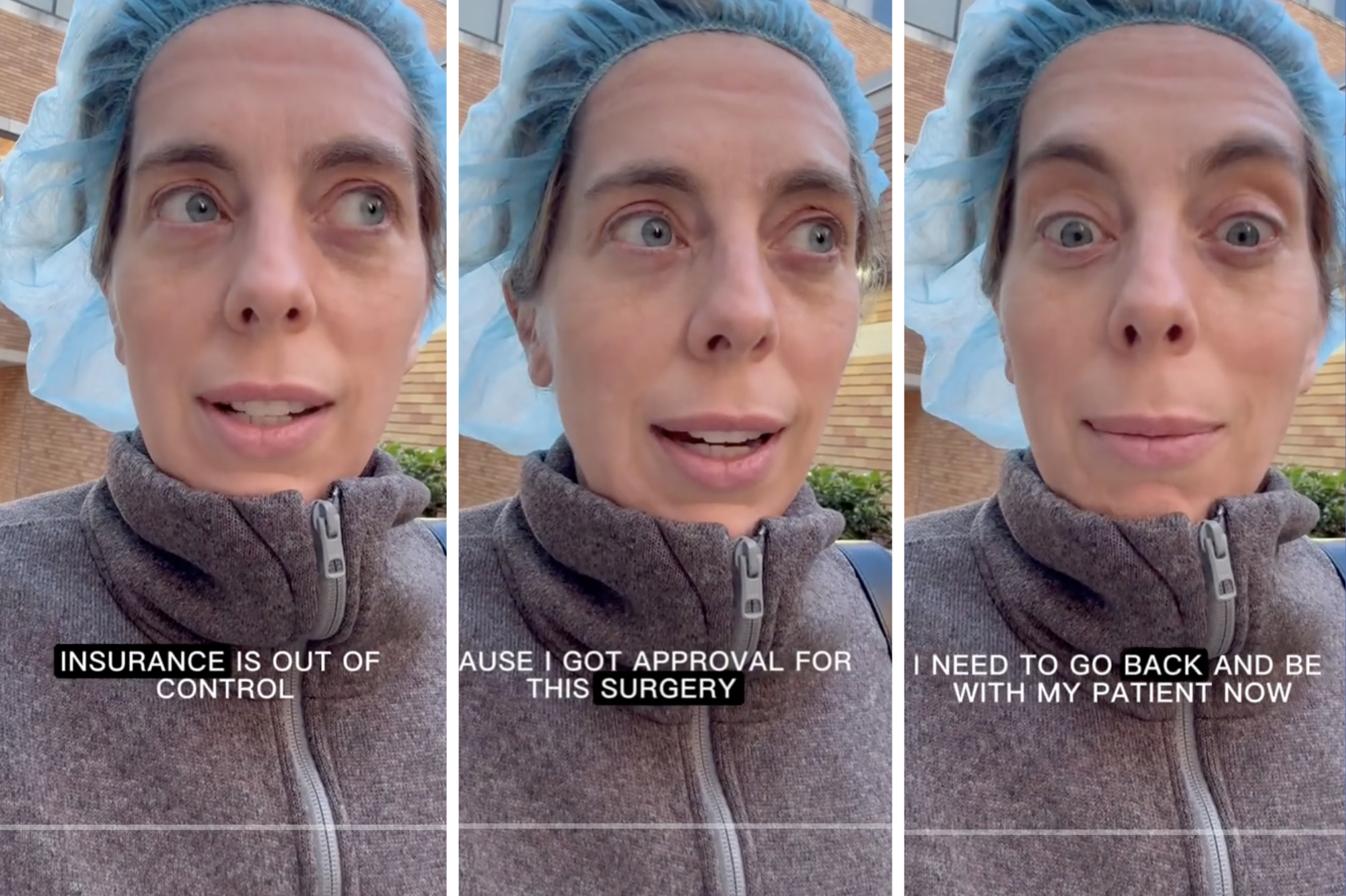
  • UnitedHealthcare Interrupted Cancer Patient's Surgery to Demand Justification for Overnight Hospital Stay: 'Insurance Is Out of Control'

    UnitedHealthcare Interrupted Cancer Patient's Surgery to Demand Justification for Overnight Hospital Stay: 'Insurance Is Out of Control'

    A surgeon shared her frustration after her patient’s operation was interrupted by UnitedHealthcare’s demand to justify the patient’s overnight hospital stay.

    Source link

  • Bird Flu Claims First US Victim As Louisiana Man Dies in Hospital

    Bird Flu Claims First US Victim As Louisiana Man Dies in Hospital

    A patient that had been hospitalized with avian influenza, otherwise known as bird flu, has died, marking them the first person to have died in the U.S. from the disease.

    The patient at a Louisiana hospital was older than 65, and had underlying medical conditions, according to the Louisiana Department of Health.

    The patient, who is not being named, is believed to have contracted the virus after exposure to non-commercial backyard flock and wild birds, officials said.

    There have been no other reports of humans hospitalized from bird flu in Louisiana.

    A genetic analysis of the bird flu contracted by the patient found that it had mutated while inside of their body, leading the Centers for Disease Control and Prevention (CDC) to have labeled it “concerning” in a previous report.

    However, no transmissions of the virus from person-to-person have been reported.

    Despite the recent death, bird flu remains low risk for the public. The Louisiana Department of Health recommends refraining from touching dead animals, or bringing sick or injured birds inside your home. Officials added that pets should be kept away as well.

    Undercooked or uncooked food should also be treated with caution, and should only be eaten after being cooked all the way.

    Two different vaccinations against the virus have been compiled by the Biden administration. However, officials do not have plans to distribute them unless the disease becomes more prevalent among people, NBC News reported.

    Originally published by Latin Times.

    Source link